
Small Kitchen Mistakes That Make The Space Feel Even Smaller (And How To Fix Them)
Picture this: you’re trying to whip up a quick meal, but it feels like a game of Tetris just to get to the stove.
Every corner is cluttered, and finding that one spice feels like an archaeological dig. It’s a frustrating, everyday reality for many, and it often boils down to a few common small kitchen mistakes that make the space feel even smaller (and how to fix them).
This guide will help you reclaim your kitchen, making it feel more open and functional, leading to a more enjoyable cooking experience and less time spent searching for lost items.
Key Takeaways
- Poor cabinet organization is a major culprit that shrinks kitchen space visually.
- Over-cluttering countertops creates a sense of chaos and reduces usable work areas.
- Inefficient lighting can make even a well-organized kitchen feel cramped and uninviting.
- Ignoring vertical space leads to wasted potential and more items on lower surfaces.
- The wrong color palette or distracting patterns can negatively impact the perception of size.
- Ignoring traffic flow creates a feeling of being squeezed, even in a moderately sized kitchen.
![Small Kitchen Mistakes That Make The Space Feel Even Smaller (And How To Fix Them)[1]](https://kitchentoolslab.com/wp-content/uploads/2026/05/Small_Kitchen_Mistakes_That_Make_The_Space_Feel_Even_Smaller_And_How_To_Fix_Them1.jpg)
Cabinet Chaos: The Hidden Culprit
Cabinets are supposed to be our kitchen’s best friends, offering hidden storage. However, when they become a jumbled mess, they can actively shrink the perceived size of your kitchen.
Imagine opening a cabinet door to find stacks of pots and pans teetering precariously, or shelves overflowing with mismatched containers. This visual clutter makes the entire room feel smaller.
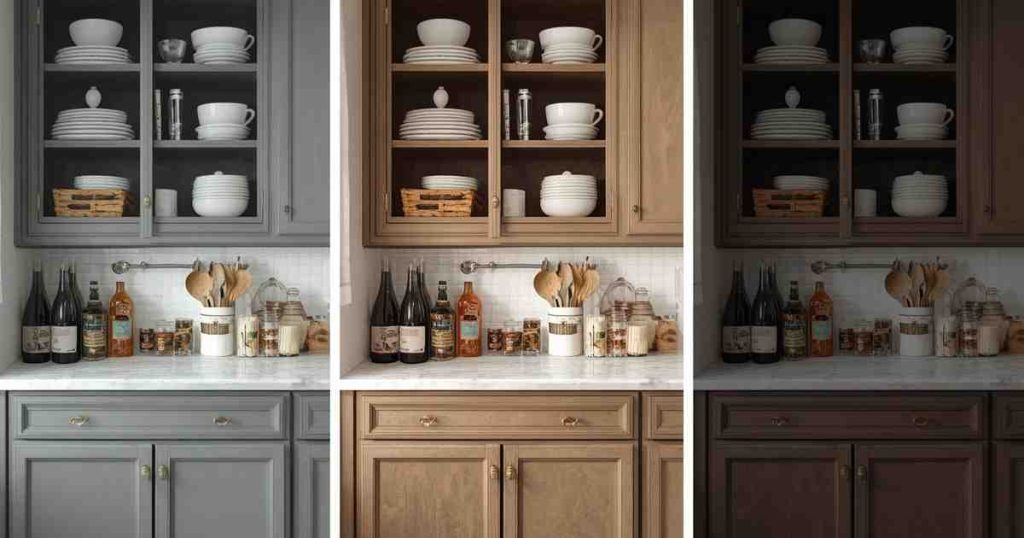
Inside Cabinet Mismanagement
Many small kitchen mistakes that make the space feel even smaller (and how to fix them) start with how we use our cabinets.
When items are just piled in, finding what you need becomes a challenge. This leads to pulling out multiple items just to get to one, creating a mess that spills out.
- The “Stacking” Syndrome: Pots, pans, and lids are often stacked in ways that make them impossible to remove without bringing the whole tower down. This is especially true for lids, which have a frustrating habit of not fitting neatly with their corresponding pots.
This stacking approach means you often have to move several items just to access one, wasting time and creating more clutter. It also makes it hard to see what you actually have, leading to duplicate purchases.
- Expired or Unused Items: Cabinets can become black holes for expired food, gadgets you never use, or duplicate utensils. These items take up valuable real estate without serving any purpose.
Holding onto things “just in case” is a common habit. However, in a small kitchen, every inch counts. Regularly purging these items frees up space and makes your kitchen more functional.
- Mismatched Containers: A collection of various food storage containers, often without their original lids, can take up a significant amount of shelf space.
These containers often don’t stack well, and finding a matching lid is a constant struggle. Opting for a uniform set of stackable containers can make a big difference.
Solutions for Cabinet Clarity
Fixing cabinet chaos is a direct way to combat small kitchen mistakes that make the space feel even smaller (and how to fix them). It’s about smart organization that makes items accessible and visible.
- Vertical Storage Solutions: Utilize shelf risers, stackable bins, and drawer organizers to make the most of vertical space within your cabinets.
These tools allow you to create multiple levels of storage, preventing items from being piled too high. For example, a simple shelf riser can double the usable storage space in a cabinet meant for dishes or mugs.
- Lid Organizers: Invest in a dedicated lid organizer that can be mounted inside a cabinet door or stand on a shelf.
This keeps pot and pan lids tidy and easily accessible, preventing them from becoming a chaotic pile. It’s a small change that has a big impact on kitchen neatness.
- Declutter Regularly: Set aside time each month or quarter to go through your cabinets, discard expired items, and donate unused gadgets.
This habit ensures your cabinets remain functional and don’t become storage for items you no longer need. A clean cabinet is a step towards a larger-feeling kitchen.
Countertop Clutter: The Visual Shrinker
Countertops are prime real estate in any kitchen. However, when they are constantly covered with appliances, mail, decorative items, and more, they visually shrink the entire space. This is one of the most common small kitchen mistakes that make the space feel even smaller (and how to fix them).
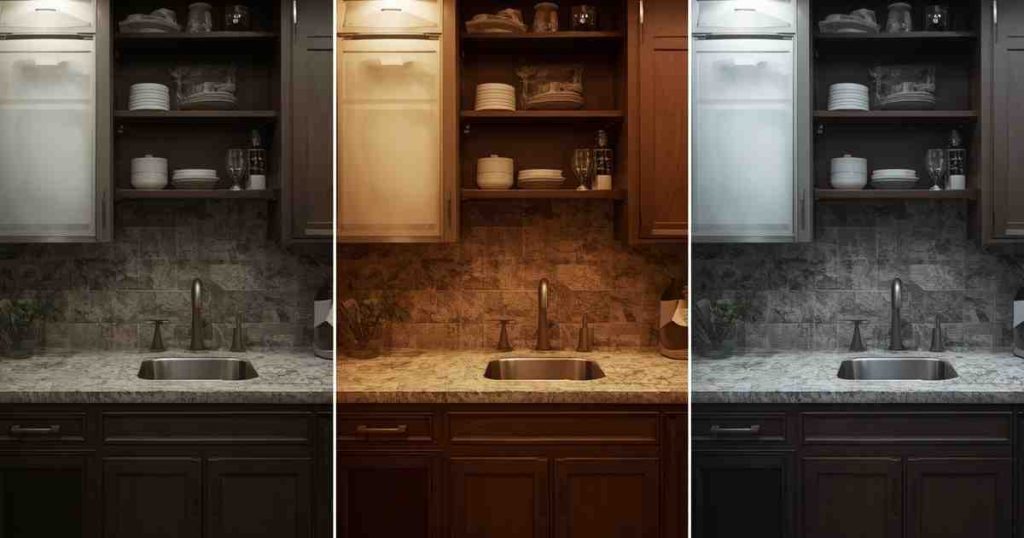
The Appliance Avalanche
Leaving too many appliances out on the counter, even those used daily, can make a kitchen feel cramped and overwhelming. Think about the toaster, coffee maker, blender, and perhaps a stand mixer all vying for space.
- Too Many Small Appliances: Having a coffee maker, toaster, microwave, and blender all permanently on the counter eats up a huge amount of usable workspace.
While convenient for daily use, these items can dominate the visual landscape of your kitchen, making it feel much smaller than it is. Consider their frequency of use and if they can be stored when not in use.
- Utensil Holders and Knife Blocks: While useful, bulky utensil holders and large knife blocks also contribute to countertop clutter.
These items, often placed in high-traffic areas, can disrupt the flow and make it harder to prep food. Even seemingly small items add up when space is limited.
- Mail and Paperwork: Many kitchens become a dumping ground for mail, school papers, and other miscellaneous items.
This visual noise is distracting and makes the kitchen feel less like a functional workspace and more like an extension of a living area. It’s a psychological barrier to a clean, open space.
Countertop Clearing Strategies
Clearing countertops is a crucial step in addressing small kitchen mistakes that make the space feel even smaller (and how to fix them). The goal is to create open, usable surfaces.
- Embrace Wall-Mounted Storage: Install shelves or magnetic strips for knives to free up counter space. Consider mounting a paper towel holder or even a small shelf for frequently used spices.
Utilizing wall space is a clever way to keep items accessible without sacrificing valuable countertop real estate. This can make a dramatic visual difference.
- Appliance Rotation: If possible, store less frequently used appliances in cabinets or a pantry. For daily use items, consider if they can be placed in a corner or neatly tucked away.
This isn’t always feasible, but even rotating which appliances are out can help. It allows for moments of clear counter space, making the kitchen feel more expansive.
- Designated Zones: Create a specific area for mail and paperwork, perhaps a wall-mounted organizer or a dedicated drawer.
This prevents papers from spreading across the kitchen. Having a designated spot for everything makes it easier to keep the counters clear and the kitchen looking tidy.
Lighting Illusions: The Dim and Dingy Dilemma
Poor lighting is a silent saboteur of small spaces. A kitchen that is dimly lit or has uneven lighting can feel claustrophobic, making it seem much smaller than it actually is.
This is a key aspect of understanding small kitchen mistakes that make the space feel even smaller (and how to fix them).
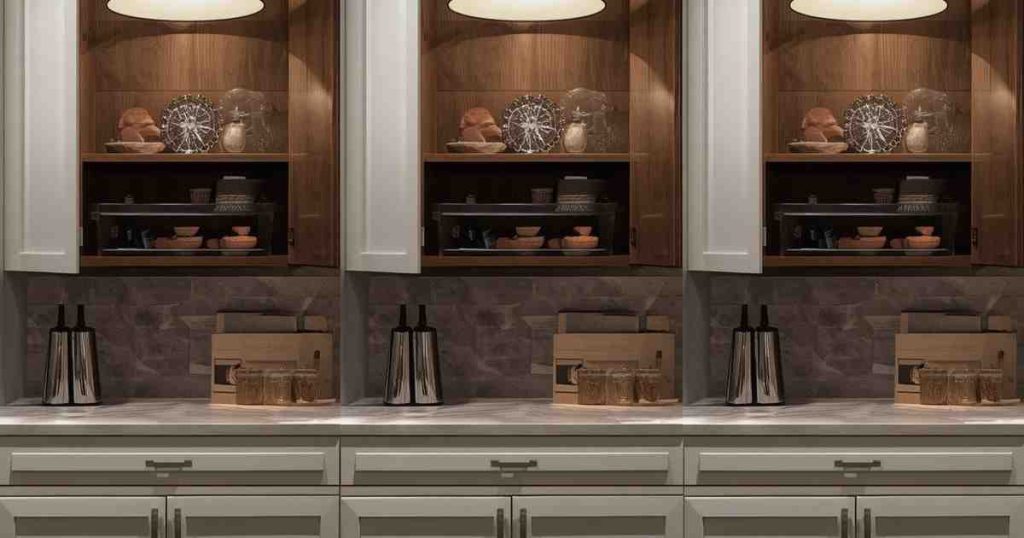
The Impact of Inadequate Light
Shadows and dark corners make a room feel enclosed. When your kitchen relies on a single overhead light, it often creates a flat, uninviting atmosphere.
- Single Overhead Fixture: Relying solely on one central light fixture rarely provides enough illumination for all kitchen tasks.
This can leave countertops in shadow, making it difficult to see and unsafe for food preparation. It also creates a gloomy mood that shrinks the perceived size of the room.
- Lack of Task Lighting: Not having lights directly over work areas, such as the stove and prep surfaces, leads to dark spots.
These dark areas visually chop up the space and make it feel less functional. Adequate task lighting brightens these zones and makes them appear more expansive.
- Gloomy Color Schemes: Dark or muted wall colors combined with poor lighting can absorb light, making the kitchen feel even smaller.
The interplay of color and light is crucial. Dark colors can make walls feel like they are closing in, especially in low light conditions.
Brightening Up Your Kitchen
Improving lighting is a powerful way to combat small kitchen mistakes that make the space feel even smaller (and how to fix them). It’s about layering light to create a more open and inviting atmosphere.
- Layered Lighting: Combine ambient (general overhead), task (under-cabinet, over-stove), and accent (in-cabinet, decorative) lighting.
This creates a dynamic and well-lit space. Under-cabinet lighting is particularly effective at brightening countertops and making them feel more open.
- Strategic Placement: Ensure lights are placed to illuminate all work areas and eliminate shadows. Consider pendant lights over an island or peninsula for focused task lighting and visual appeal.
The right placement of light sources can trick the eye into perceiving a larger space. Well-lit areas tend to feel more open and airy.
- Embrace Natural Light: Maximize natural light by keeping windows clean and using light, sheer window treatments.
Natural light is the best light. Letting it flood into the kitchen can significantly brighten the space and make it feel much larger.
Vertical Space: The Untapped Frontier
Many small kitchen mistakes that make the space feel even smaller (and how to fix them) stem from neglecting the vertical dimension. Walls and the space above cabinets are often underutilized, leading to clutter on lower surfaces.
Wasted Upward Potential
When you don’t think vertically, you miss out on significant storage opportunities. This often forces you to store items in less-than-ideal locations, contributing to clutter.
- Ignoring the Space Above Cabinets: The area above upper cabinets is frequently used as a dust-gathering ledge for rarely used items or decorative pieces.
This space can often be enclosed with additional cabinetry to provide valuable, out-of-sight storage. Or, if open, it can be used for attractive, easily accessible items.
- Lack of Wall Storage: Relying solely on cabinets and drawers means you’re not leveraging the walls for storage.
This includes hanging pots, pans, utensils, or even spices on the walls. Open shelving can also be incorporated strategically to display attractive items and keep them accessible.
- Low Shelving: Shelves that are too low can make it difficult to access items and can break up the visual flow of the room.
This can make the kitchen feel more boxed in. Higher shelving can create a sense of upward extension, making the room feel taller and therefore larger.
Maximizing Vertical Gains
Using vertical space effectively is a smart solution for addressing small kitchen mistakes that make the space feel even smaller (and how to fix them). It’s about smart storage that goes up.
- Install Cabinetry to the Ceiling: Extend upper cabinets all the way to the ceiling. This maximizes storage and eliminates that awkward, dusty space above.
This provides more room for less frequently used items, keeping them out of sight and off your countertops. It also creates a cleaner, more streamlined look.
- Wall-Mounted Shelving and Racks: Install open shelves for displaying attractive dishware or frequently used items. Use wall-mounted racks for pots, pans, or spice collections.
These solutions keep items accessible without taking up precious counter or cabinet space. They also add visual interest and can make a kitchen feel more organized.
- Hanging Pot Racks: If you have high ceilings or a large island, a pot rack can be a stylish and functional way to store cookware.
This frees up significant cabinet space and adds a charming, professional kitchen aesthetic. It’s a great way to make use of overhead space.
Color and Pattern Choices: The Visual Deception
The colors and patterns you choose for your kitchen can significantly impact its perceived size. Bold choices or dark hues can make a small kitchen feel even more confined.
This is often an overlooked aspect of small kitchen mistakes that make the space feel even smaller (and how to fix them).
How Colors and Patterns Affect Space
Light colors tend to reflect light, making spaces feel larger and more open. Dark colors and busy patterns can absorb light and create a sense of enclosure.
- Dark or Heavy Colors: Walls painted in deep blues, greens, or reds, especially in a small space, can make the walls feel like they are closing in.
These colors can absorb light, making the room feel darker and more cramped. Even dark cabinets can have this effect.
- Busy or Large-Scale Patterns: Wallpaper with a bold, large-scale pattern on the walls or a busy backsplash can overwhelm a small kitchen.
These patterns can create visual noise and make the space feel chaotic and smaller. They draw the eye in a way that can feel disorienting in a confined area.
- Monochromatic or Low-Contrast Schemes: While often elegant, a purely monochromatic scheme without variation can sometimes make a space feel flat and less defined, potentially reducing the sense of depth.
However, when used thoughtfully with varying textures, it can work. The key is to avoid a stark, unvaried application that can blur boundaries.
Strategic Color and Pattern Application
Using color and pattern wisely is a powerful technique to combat small kitchen mistakes that make the space feel even smaller (and how to fix them). It’s about creating an illusion of space.
- Light and Neutral Palettes: Opt for light, neutral colors like whites, creams, light grays, and soft pastels for walls, cabinets, and backsplashes.
These colors reflect light and make the kitchen feel more open and airy. They create a bright, clean backdrop that visually expands the space.
- Subtle Patterns: If you love patterns, choose small-scale, subtle designs for backsplashes or accessories. Alternatively, use patterns on a single accent wall or within functional items like dish towels.
This adds visual interest without overwhelming the space. A delicate pattern on a backsplash can add personality without shrinking the room.
- High-Gloss Finishes: Consider high-gloss finishes for cabinets or backsplashes. These surfaces reflect light, adding to the overall brightness and sense of spaciousness.
The reflective quality can mimic the effect of more natural light, making the kitchen feel larger and more dynamic. It’s a subtle but effective trick.
Traffic Flow Fumbles: The Congestion Conundrum
Even if your kitchen is neatly organized, if the layout makes it difficult to move around, it will feel smaller.
Poor traffic flow is a significant contributor to small kitchen mistakes that make the space feel even smaller (and how to fix them).
Obstructions and Bottlenecks
When pathways are blocked or too narrow, simple tasks become a chore. This creates a feeling of being squeezed and inefficient.
- Furniture Placement: A dining table or island placed too close to cabinets or appliances can create narrow walkways.
This forces you to squeeze past, making movement difficult. It breaks the natural flow of working in the kitchen.
- Appliance Doors: Oven doors, dishwasher doors, and refrigerator doors that open into main pathways can obstruct movement.
When multiple doors are open, it can feel like a maze. This is a common issue in smaller kitchen layouts.
- Unnecessary Items in Pathways: Leaving floor mats, bins, or decorative items in the middle of high-traffic areas creates tripping hazards and bottlenecks.
These items break up the floor space and disrupt the visual lines, making the room feel more cluttered and smaller.
Streamlining Movement
Improving traffic flow is essential for addressing small kitchen mistakes that make the space feel even smaller (and how to fix them). It’s about creating clear, easy paths. Improving traffic flow with strategic furniture layout can make the kitchen feel more open.
- Strategic Furniture Layout: Ensure there is enough space between furniture pieces and appliances for comfortable movement. Aim for at least 3 feet of clearance in main walkways.
This allows you to move freely without bumping into things. Good clearance makes the kitchen feel more open and accessible.
- Appliance Door Considerations: If possible, opt for appliances with doors that swing in a direction that doesn’t impede traffic. Consider French door refrigerators or dishwashers that slide out.
This small adjustment can make a big difference in how easily you can access and use your appliances. It minimizes potential blockages.
- Keep Walkways Clear: Regularly clear pathways of any obstructions. Ensure floor mats are placed strategically and not in the middle of busy areas.
This simple habit ensures that your kitchen feels open and easy to navigate. Clear floors make a space feel significantly larger.
Frequently Asked Questions Of Small Kitchen Mistakes That Make The Space Feel Even Smaller (And How To Fix Them)
What is the most common small kitchen mistake?
Over-cluttering countertops is often cited as the most common mistake, as it immediately makes the space feel smaller and less functional.
Can light colors really make a small kitchen feel bigger?
Yes, light and neutral colors reflect light, which visually expands the space and makes it feel more open and airy.
How important is lighting in a small kitchen?
Lighting is very important. Poor lighting can create shadows and make a kitchen feel claustrophobic, while good, layered lighting can make it feel much larger.
Should I use open shelving in a small kitchen?
Open shelving can be a great way to utilize vertical space and display items, but it requires careful organization to avoid creating visual clutter that makes the space feel smaller.
What’s a simple way to improve cabinet organization?
Using shelf risers and stackable bins can help maximize vertical space within cabinets, making them more organized and efficient.
Conclusion
Fixing small kitchen mistakes that make the space feel even smaller is about smart choices. Clear those countertops, organize your cabinets effectively, and brighten up the room with good lighting. Use light colors and keep pathways open. Your kitchen will feel more spacious and inviting, making cooking a joy. Removing unnecessary items in pathways can reduce clutter and improve safety.

![What Colors Make A Small Kitchen Look Larger (Designer Secrets Revealed)[1]](https://kitchentoolslab.com/wp-content/uploads/2026/05/What_Colors_Make_A_Small_Kitchen_Look_Larger__Designer_Secrets_Revealed1-768x403.jpg)
![Renting And Can’T Renovate Small Kitchen Design Ideas For Renters[1]](https://kitchentoolslab.com/wp-content/uploads/2026/05/Renting_And_CanT_Renovate__Small_Kitchen_Design_Ideas_For_Renters1-768x403.jpg)
![How To Make A Small Kitchen Feel Bigger 15 Proven Design Techniques[1]](https://kitchentoolslab.com/wp-content/uploads/2026/05/How_To_Make_A_Small_Kitchen_Feel_Bigger__15_Proven_Design_Techniques1-768x403.jpg)
![Small Kitchen Island Ideas When Does An Island Actually Work In A Tiny Kitchen[1]](https://kitchentoolslab.com/wp-content/uploads/2026/05/Small_Kitchen_Island_Ideas__When_Does_An_Island_Actually_Work_In_A_Tiny_Kitchen1-768x403.jpg)
![How To Design A Small Kitchen With No Window Lighting And Ventilation Solutions[1]](https://kitchentoolslab.com/wp-content/uploads/2026/05/How_To_Design_A_Small_Kitchen_With_No_Window__Lighting_And_Ventilation_Solutions1-768x403.jpg)
![How To Organize A Small Kitchen A Room By Room Storage System[1]](https://kitchentoolslab.com/wp-content/uploads/2026/05/How_To_Organize_A_Small_Kitchen__A_Room-By-Room_Storage_System1-768x403.jpg)