
How to Make a Cooler System in Summer Heat: Practical Ways to Keep Your Home Comfortable
A cooler system in summer heat reduces indoor heat gain and improves airflow by blocking direct sunlight, creating cross-ventilation, and positioning fans near windows. Additional steps include making a simple DIY cooling setup, reducing heat from appliances, controlling humidity, and enhancing roof and ceiling cooling. These combined strategies lower indoor temperatures without relying solely on air conditioning, making homes more comfortable and energy-efficient. Understanding how heat enters and moves through a home is essential for implementing an effective and affordable cooling system.
A cooler system in summer heat works by reducing indoor heat gain and improving airflow before the home becomes too hot.
Block sunlight, use cross-ventilation, place fans near windows, add shade outdoors, seal air leaks, and reduce appliance heat. For stronger cooling, combine evaporative cooling, attic ventilation, insulation, and smart fan timing.
Summer heat can make your home feel uncomfortable, sticky, and difficult to live in, especially when the temperature stays high throughout the day and night.
Many people think the only answer is to run the air conditioner all day, but that is not always affordable or practical.
The good news is that you can make a cooler system at home by combining airflow, shade, ventilation, insulation, smart appliance use, and simple cooling habits.
A good cooling system does not always mean buying a large air conditioner. It means controlling where heat comes from, how air moves through the house, and how quickly hot air leaves your rooms. When you understand these basics, you can keep your home cooler, reduce energy waste, and feel more comfortable during summer.
This guide explains how to make a cooler system in summer heat using practical, low-cost, and effective methods.
Key Takeways
- Simple DIY cooler systems (fan + ice/wet cloth) can noticeably reduce indoor temperature in summer heat.
- Proper ventilation and cross-breeze setup are key to keeping hot air moving out and cooler air flowing in.
- Blocking sunlight with curtains, shades, or reflective materials helps reduce heat buildup inside the home.
- Small changes like night ventilation and using water-based cooling tricks can improve comfort without AC or high electricity use.
What Is a Home Cooler System?
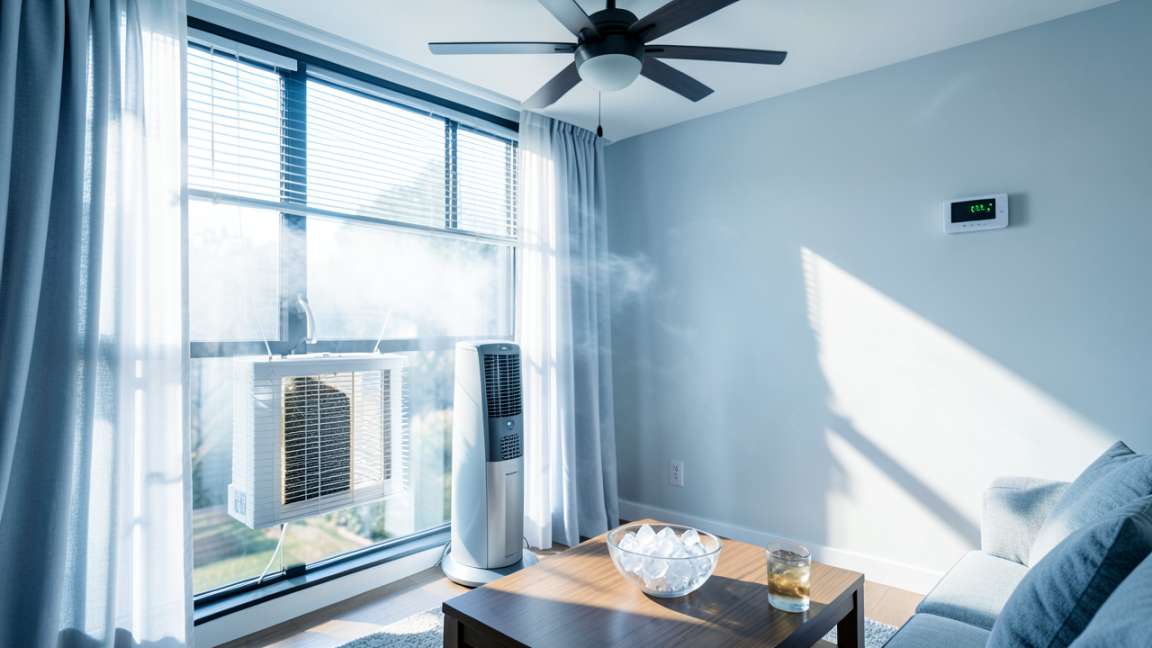
A home cooler system is a complete setup that helps reduce indoor heat and improve comfort. It may include fans, curtains, ventilation, air conditioning, insulation, window covers, plants, water cooling tricks, and daily habits that prevent heat from building up indoors.
The goal is simple: stop heat from entering, remove trapped hot air, and circulate cooler air where people spend the most time.
A proper cooler system works in three main ways:
- Heat blocking — stopping sunlight and outdoor heat from entering your home.
- Air movement — using fans and ventilation to move air properly.
- Heat removal — pushing hot indoor air outside and replacing it with cooler air.
When these three parts work together, your home feels cooler even without using heavy electricity all day.
Why Your Home Gets So Hot in Summer
Before making a cooler system, you need to know why your home becomes hot. Most indoor heat comes from sunlight, poor airflow, hot roofs, unsealed gaps, cooking, electrical appliances, and trapped humidity.
Windows are one of the biggest sources of heat. When direct sunlight enters through glass, it heats the floor, furniture, walls, and air inside the room. This creates a greenhouse effect, making the indoor space hotter than the outside air.
Roofs also absorb a lot of heat, especially if they are dark-colored or poorly insulated. In many homes, the ceiling becomes warm by afternoon and continues releasing heat into rooms even at night.
Indoor activities also add heat. Cooking, using ovens, running dryers, keeping lights on, and using computers for long hours can raise room temperature. Humidity makes the problem worse because sweat evaporates more slowly, making the body feel hotter.
A good cooler system solves these problems step by step.
Step 1: Block Direct Sunlight First
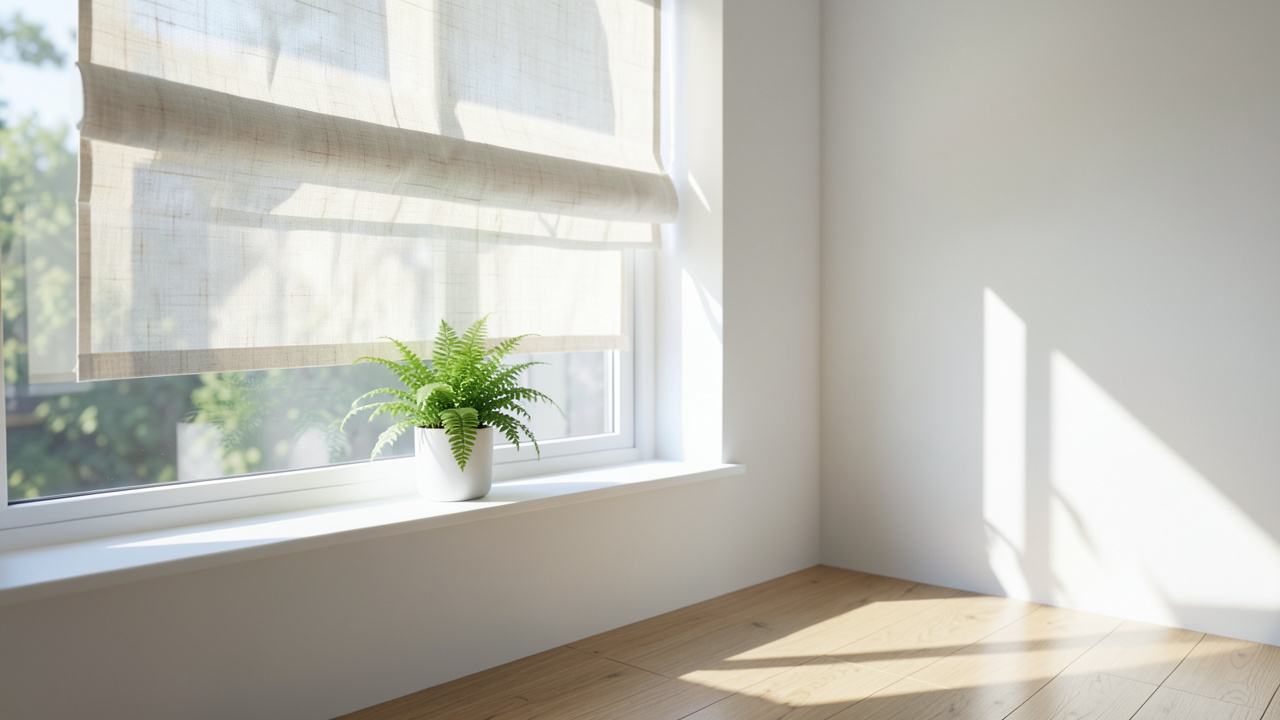
The first rule of summer cooling is to stop sunlight before it heats your room. Once heat enters your home, it becomes harder to remove. That is why shading windows should be your first priority.
Use thick curtains, blackout curtains, blinds, bamboo shades, reflective window films, or outdoor shade cloths on windows that receive strong sunlight. South-facing and west-facing windows usually get the most heat in the afternoon, so they need extra protection.
For better results, close curtains before the room gets hot. Many people wait until afternoon, but by then the heat has already entered. Close sunny-side curtains early in the morning and keep them closed during peak heat hours.
Outdoor shade works even better than indoor curtains because it blocks sunlight before it touches the glass. You can use awnings, balcony shades, outdoor blinds, trees, climbing plants, or shade nets.
If your room gets hot every afternoon, sunlight is likely the main reason. Fixing window heat can make a big difference.
Step 2: Create Cross-Ventilation
Cross-ventilation means allowing air to enter from one side of the home and exit from another side. This creates a natural airflow path that removes hot air and brings in fresher air.
To create cross-ventilation, open windows or doors on opposite sides of the house when the outdoor air is cooler than the indoor air. This usually works best early in the morning, late evening, or at night.
Do not keep all windows open during the hottest part of the day if the outdoor air is hotter than the indoor air. That can bring more heat inside. Instead, keep windows closed and shaded during peak heat, then open them when the temperature drops.
If your home has only one window, you can still improve airflow by placing a fan near the window. Point the fan outward to push hot air outside. Another fan can be placed inside the room to move cooler air toward where people sit or sleep.
Good ventilation is not just about opening everything. It is about opening the right areas at the right time.
Step 3: Use Fans the Right Way
Fans do not actually lower room temperature. They cool your body by moving air across your skin, helping sweat evaporate faster. That is why a fan feels good when you are in the room but does not cool an empty room.
Use ceiling fans counterclockwise in summer so they push air downward and create a breeze. If your fan has a reverse switch, check the direction. When standing under the fan, you should feel air blowing down.
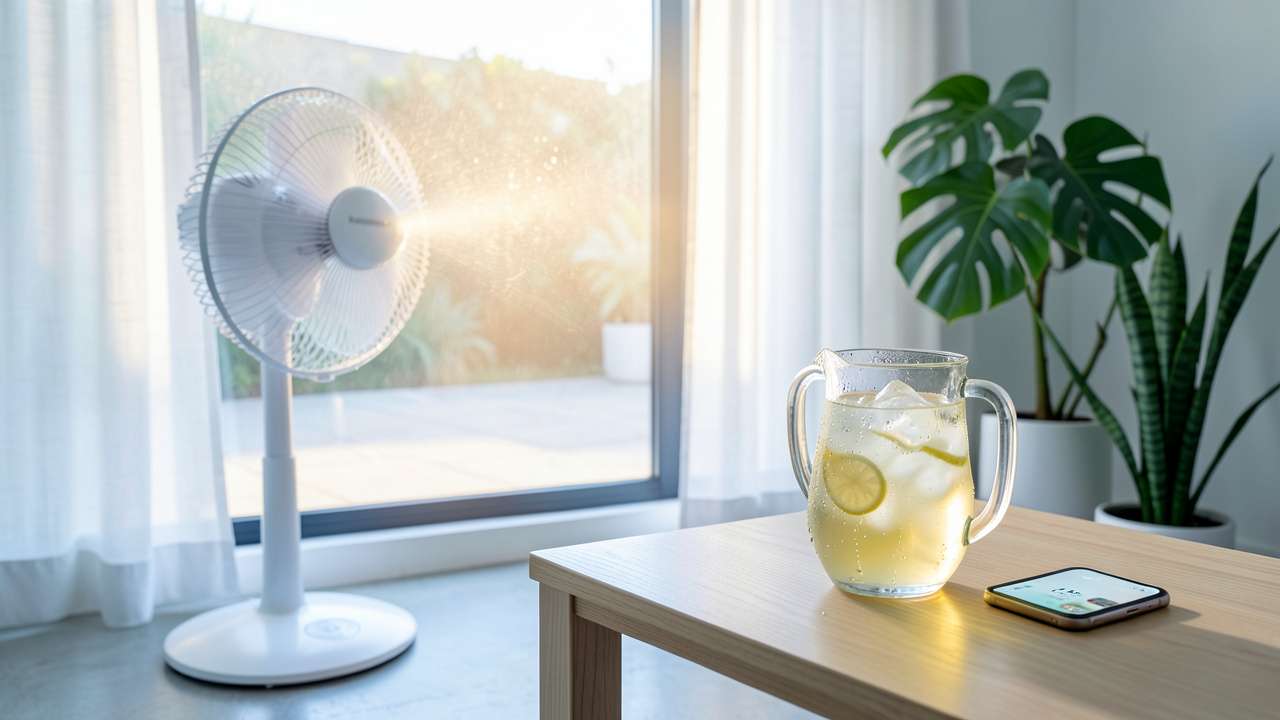
Place portable fans strategically. A fan near a shaded window can pull in cooler air during early morning or evening.
A fan facing out of a hot window can push hot air outside. For bedrooms, place the fan across the room so the airflow reaches the bed without blowing directly into your face all night.
Avoid leaving fans on in empty rooms. They waste electricity because they cool people, not rooms.
For stronger cooling, combine fans with shade and ventilation. A fan alone may not be enough during extreme heat, but a fan plus blocked sunlight and controlled airflow can make a room much more comfortable.
Step 4: Make a Simple DIY Cooling Setup
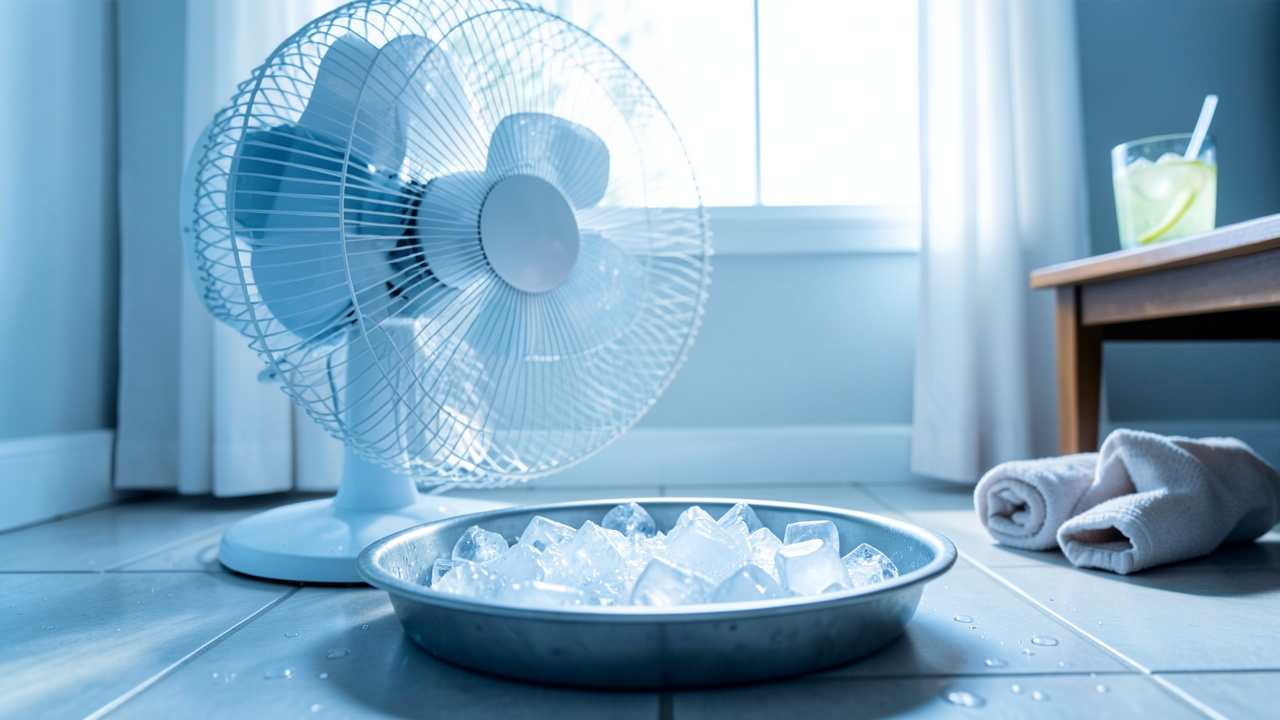
If you want a basic DIY cooler system, you can create a simple fan-and-ice cooling setup. This is not as powerful as an air conditioner, but it can provide temporary relief in a small area.
You need a fan, a bowl or tray of ice, and a stable surface. Place the ice in front of the fan so the air passes over the cold surface before reaching you. As the ice melts, it cools the air slightly.
For better performance, use frozen water bottles instead of loose ice. They melt slower, create less mess, and can be refrozen. Place two or three frozen bottles in a shallow tray and aim the fan across them.
This method works best in small rooms, near your sitting area, or beside your bed for short-term comfort. It will not cool a whole house, but it can help during the hottest hours.
Be careful with water and electricity. Keep the bowl or bottles stable and away from plugs, extension cords, and fan motors.
Step 5: Reduce Heat From Appliances
Many homes become hotter because appliances are used during the wrong time of day. Ovens, stoves, dryers, irons, incandescent bulbs, and even computers release heat into the room.
During summer, avoid using heat-producing appliances in the afternoon. Cook early in the morning or later in the evening.
Use smaller appliances such as rice cookers, slow cookers, air fryers, or microwaves when possible because they usually release less heat into the kitchen than a full oven.
Switch to LED lights if you still use older bulbs. LED bulbs produce much less heat and use less electricity.
Unplug devices that are not in use. Chargers, TVs, computers, and gaming devices can add small amounts of heat, especially in closed rooms.
Your cooling system will work better when you stop adding unnecessary heat indoors.
Step 6: Control Humidity
Humidity makes summer heat feel worse. When the air is humid, sweat does not evaporate properly, so your body struggles to cool itself.
Bathrooms, kitchens, drying clothes indoors, and poor ventilation can increase humidity. Use exhaust fans when showering or cooking. If possible, dry clothes outside instead of inside the living space.
A dehumidifier can help in very humid areas, especially in bedrooms or basements. However, it uses electricity and may release some heat, so it is best used strategically.
Good airflow also helps control humidity. Open windows during cooler hours and use exhaust fans to remove moist air.
If your room feels sticky even when the temperature is not extremely high, humidity may be the problem.
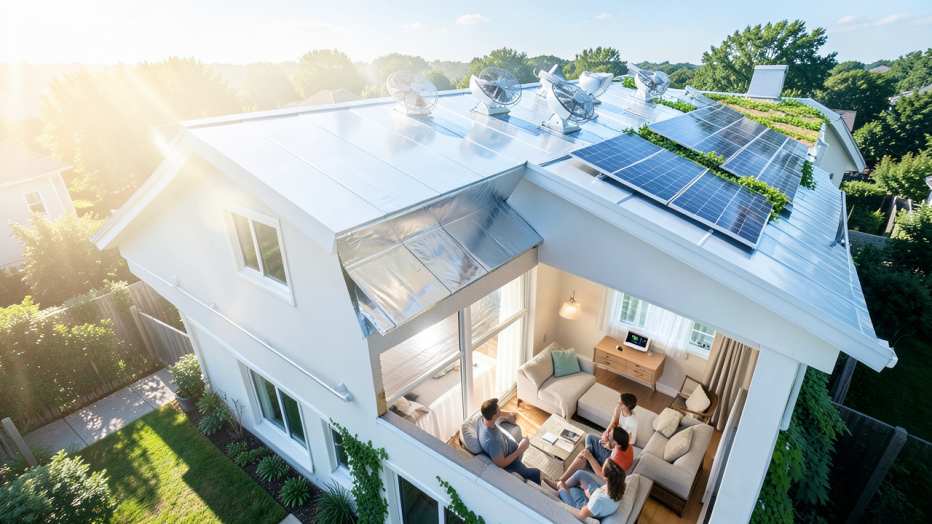
Step 7: Improve Roof and Ceiling Cooling
The roof absorbs a lot of heat in summer. If your ceiling feels warm in the evening, your roof is storing heat and releasing it into your rooms.
One solution is roof insulation. Insulation slows down heat transfer from the roof into the living space. This can make a major difference in top-floor rooms.Another option is using a reflective roof coating or light-colored roof paint. Light surfaces reflect more sunlight than dark surfaces, reducing heat absorption.
Attic ventilation can also help if your home has an attic space. Hot air trapped under the roof should have a way to escape. Proper vents, exhaust fans, or ridge ventilation can reduce heat buildup.
If you rent and cannot make structural changes, focus on ceiling fans, window shade, and closing off hot rooms during the day.
Step 8: Seal Air Leaks
Small gaps around doors, windows, vents, and wall cracks allow hot outdoor air to enter and cooled air to escape. Sealing these gaps improves the performance of any cooler system.
Use weatherstripping around doors and windows. Use caulk to seal small cracks. Add a door draft stopper at the bottom of doors where hot air enters.
This is especially important if you use an air conditioner. If cool air escapes through gaps, the AC must work harder and electricity costs increase.
Even without AC, sealing leaks helps keep hot air out during the day and improves indoor comfort.
Step 9: Use Air Conditioning Smartly
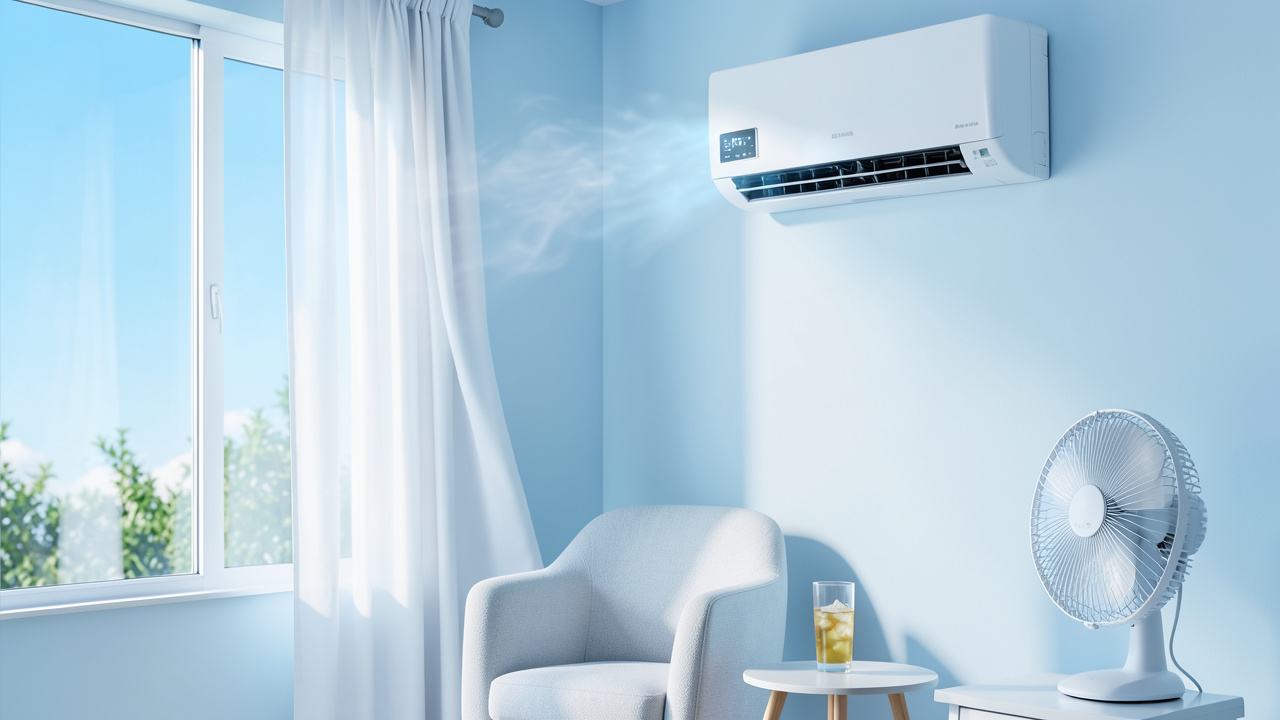
If you have an air conditioner, use it as part of your cooler system, not as the only solution. AC works best when the room is already protected from sunlight, leaks, and unnecessary heat.
Choose the right size AC for your room. A unit that is too small may run constantly and fail to cool properly. A unit that is too large may cool quickly but fail to remove enough humidity, leaving the room cold but damp.
Keep the filters clean. Dirty filters reduce airflow and make the unit work harder. Clean or replace filters regularly during summer.
Set the thermostat to a comfortable but not freezing temperature. Extremely low settings waste energy and may not cool faster. Use fans with AC to spread cool air more effectively.
Close doors and windows when the AC is running. Also close curtains during the day to reduce heat gain.
A smart cooling system uses AC only when needed and supports it with shade, airflow, and insulation.
Step 10: Cool the Person, Not Just the Room
Sometimes it is easier and cheaper to cool your body than to cool the entire house. This is especially useful during power cuts, extreme heat, or when you want to reduce electricity bills.
Wear light, breathable clothing. Drink enough water. Take cool showers. Use a damp cloth on your neck, wrists, or forehead.
Sleep with breathable cotton bedding. Avoid heavy meals during peak heat because digestion can make you feel warmer.
Create a “cool zone” in one room instead of trying to cool the whole home. Choose the room with the least sunlight, best airflow, and lowest heat gain. Add curtains, fans, frozen bottles, and comfortable seating. Spend the hottest hours there.
This approach is useful for families, elderly people, children, and anyone who needs relief without cooling the entire house.
Best Low-Cost Items for a Summer Cooler System
You do not need expensive equipment to start. These affordable items can help:
- Blackout curtains or thick fabric curtains
- Bamboo shades or outdoor shade cloth
- Weatherstripping tape
- Door draft stopper
- Portable fan
- Ceiling fan
- Frozen water bottles
- Reflective window film
- LED bulbs
- Exhaust fan for kitchen or bathroom
- Light-colored roof coating if suitable
- Indoor thermometer and humidity meter
Start with the most urgent problem. If sunlight is the issue, buy curtains first. If airflow is poor, improve ventilation and fan placement. If AC performance is poor, clean filters and seal leaks.
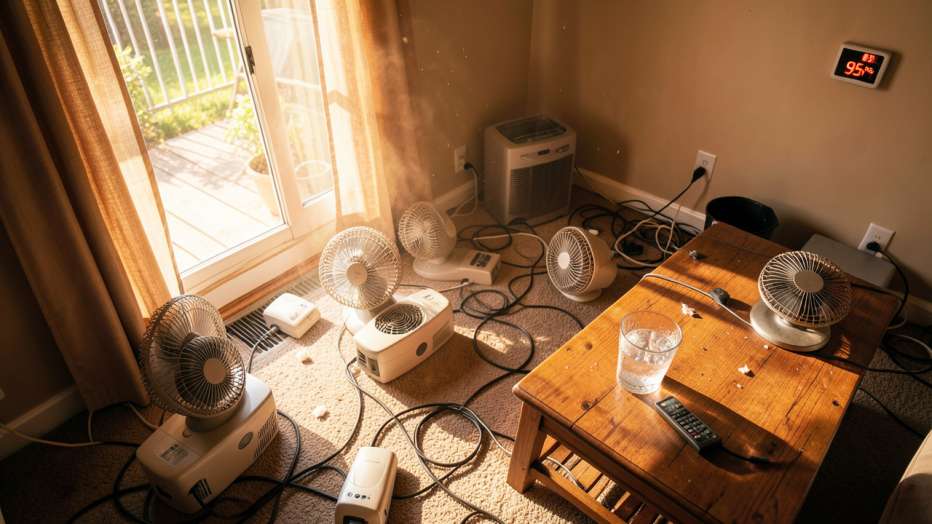
Common Mistakes to Avoid
One common mistake is opening windows all day during extreme heat. If outdoor air is hotter than indoor air, this makes your home hotter. Open windows only when outdoor air is cooler.
Another mistake is using fans in empty rooms. Fans help people feel cooler, but they do not lower the room temperature.
Many people also ignore windows. Even a powerful AC struggles if sunlight keeps heating the room through uncovered glass.
Another mistake is cooking during peak heat. Using the stove or oven in the afternoon can raise the temperature in your kitchen and nearby rooms.
Finally, do not depend only on DIY ice fans during dangerous heat. They can help with comfort, but they are not a replacement for proper cooling during extreme temperatures.
Simple Daily Summer Cooling Routine
Here is a practical daily routine:
Morning: Open windows if the outside air is cool. Use fans to push out warm indoor air. Then close windows and curtains before the sun becomes strong.
Afternoon: Keep curtains closed on sunny windows. Avoid cooking, ironing, or using heat-producing appliances. Use fans where people are sitting.
Evening: Open windows again when outdoor air cools. Create cross-ventilation. Use exhaust fans to remove hot and humid air.
Night: Use a fan safely in the bedroom. Keep bedding light. If using AC, set it to a comfortable temperature and use a fan to circulate the cool air.
This simple routine can make your cooler system more effective without major spending.
FAQ Of How to Make a Cooler System in Summer Heat: Practical Ways to Keep Your Home Comfortable
What is the cheapest way to cool a room in summer?
The cheapest way is to block sunlight with curtains or shades, use fans properly, open windows only during cooler hours, and reduce heat from cooking and appliances. These steps work better together than using only one method.
Can a fan and ice cool a room?
A fan and ice can provide short-term cooling for a small area, but it will not cool a whole room like an air conditioner. It is best for personal comfort.
Should windows be open or closed during summer?
Open windows when the outdoor air is cooler than indoor air, usually early morning, evening, or night. Keep windows closed during peak heat if the outside air is hotter.
Do curtains really help keep a room cool?
Yes, curtains help reduce heat from direct sunlight. Thick curtains, blackout curtains, reflective backing, and outdoor shades are especially useful for sunny windows.
Is it better to use AC with a fan?
Yes, using a fan with AC helps circulate cool air and can make the room feel more comfortable. This may allow you to use a slightly higher thermostat setting while still feeling cool.
Why does my room stay hot at night?
Your room may stay hot because the roof, walls, furniture, and floor stored heat during the day. Poor ventilation, closed airflow, and lack of insulation can also trap heat at night.
Conclusion
Making a cooler system in summer heat is not about one single trick. It is about combining several smart steps: block sunlight, control airflow, remove hot air, reduce indoor heat, manage humidity, seal leaks, and use fans or AC correctly.
Start with the easiest improvements first. Cover sunny windows, improve ventilation, use fans properly, avoid heat-producing appliances during the day, and create one cool zone in your home. If you use air conditioning, support it with curtains, clean filters, sealed gaps, and good airflow.
A well-planned cooler system can make your home more comfortable, lower energy waste, and help you handle hot summer days with less stress.