
Mirror And Glass In Small Kitchens: Do Reflective Surfaces Actually Expand Space?
Picture this: you’re trying to whip up a meal in a kitchen that feels more like a closet. Every corner is tight, and the walls seem to close in.
You wish you had more space, but remodeling isn’t an option right now. What if there was a simple trick to make it feel bigger?
This article explores how Mirror and Glass in Small Kitchens: Do Reflective Surfaces Actually Expand Space? can create an illusion of openness.
By the end, you’ll know exactly how to use these elements to make your compact kitchen feel much more spacious and inviting, keeping you engaged longer and reducing the chance you’ll click away.
Key Takeaways
- Reflective surfaces like mirrors and glass create an illusion of depth by bouncing light and reflecting the room.
- Strategic placement is key; mirrors opposite windows or doors can double the perceived space.
- Glass cabinet doors can make a small kitchen feel lighter and less cluttered than solid fronts.
- While reflective surfaces expand perceived space, they don’t add actual square footage.
- Careful consideration of the reflected view is important to avoid showing clutter.
- Combining mirrors and glass with good lighting further enhances the feeling of spaciousness.
![Mirror And Glass In Small Kitchens Do Reflective Surfaces Actually Expand Space[1]](https://kitchentoolslab.com/wp-content/uploads/2026/05/Mirror_And_Glass_In_Small_Kitchens__Do_Reflective_Surfaces_Actually_Expand_Space1.jpg)
The Science of Illusion: How Reflective Surfaces Trick the Eye
Reflective surfaces, particularly mirrors and glass, are masters at manipulating our perception of space. They don’t magically increase the physical dimensions of a room, but they create a visual trick that makes it seem larger.
This illusion is primarily achieved through the interplay of light and reflection. When light hits a mirror, it bounces off at the same angle it hits, sending that light back into the room. This increased illumination makes the space feel brighter and more open.
Furthermore, a mirror reflects the environment around it. If you place a mirror opposite a window, it effectively duplicates the view and the light coming from that window, making the room appear to extend outwards.
This visual doubling of the space is what gives the impression of greater square footage. Similarly, glass, especially when used for cabinet doors or tabletops, allows light to pass through and reflect off surfaces behind it, contributing to an airy and less enclosed feel.
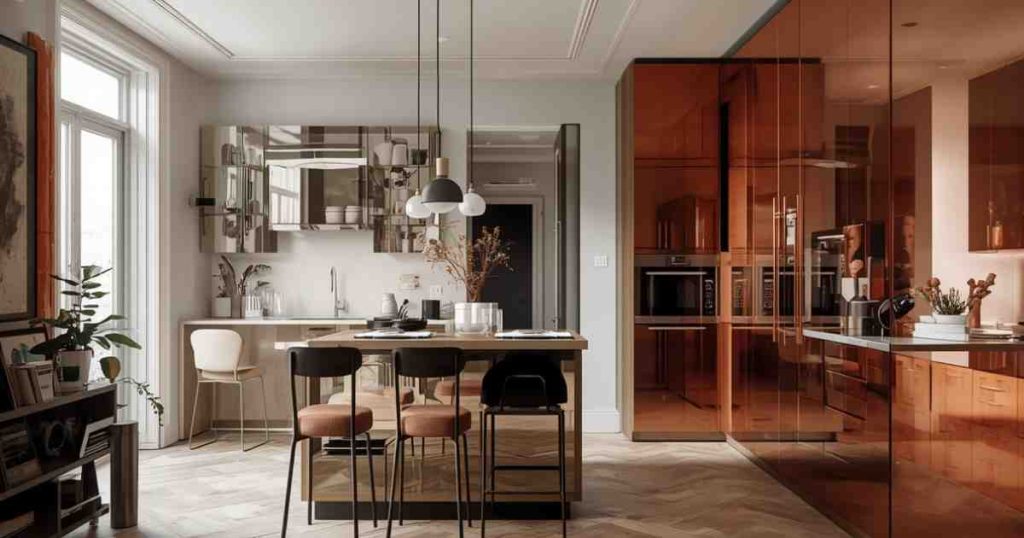
The key is that these surfaces don’t absorb light; they bounce it around, making a small area feel more expansive.
Understanding Light and Reflection
Light is the fundamental element that makes reflective surfaces work their magic in small spaces. When light rays strike a smooth surface, such as that of a mirror or polished glass, they bounce off in a predictable way.
This phenomenon, known as reflection, is crucial for creating the illusion of depth. In a small kitchen, where natural light might be limited, strategically placed mirrors can bounce what little light there is around the room, making it feel brighter and thus larger.
Consider a kitchen with a single window. Without reflective surfaces, the light from that window might only illuminate a portion of the room.
However, place a mirror on the wall opposite the window, and it will reflect the light and the view, essentially creating a "second window." This visual expansion is incredibly effective.
The brighter the light, the more pronounced the effect. Therefore, combining reflective surfaces with good artificial lighting can amplify the perceived spaciousness even further, making a cozy kitchen feel more open and airy.
How Mirrors Enhance Perceived Space
Mirrors are perhaps the most powerful tool for expanding perceived space. Their ability to create a mirror image means they can visually double the size of a room.
When a mirror is placed strategically, it reflects not just light but also the room itself. This reflection can make it appear as if there is another part of the room beyond the wall.
For instance, a large mirror on a wall can reflect the opposite wall, including any cabinetry or open space. If placed opposite a doorway or a window, it can reflect the hallway or the outdoors, extending the visual boundaries of the kitchen.
This effect is particularly potent in small kitchens where every inch of visual real estate counts. The key is to ensure that what the mirror reflects is visually pleasing; a reflection of a cluttered countertop can have the opposite effect.
The Role of Glass in Small Kitchens
Glass is another valuable material for creating a sense of openness in compact kitchens. Unlike solid cabinet doors, glass allows light to pass through and reflects what’s behind it.
This transparency breaks up solid masses of cabinetry, which can otherwise make a small kitchen feel heavy and enclosed.
Glass cabinet doors can also make your kitchen appear more organized. When you can see what’s inside, it encourages tidiness. Items displayed neatly behind glass can contribute to a more ordered and spacious feel.
Furthermore, glass can be used for tabletops or as a backsplash. A glass-topped dining table in a small eat-in kitchen can make the dining area feel less obstructive.
A glass backsplash can reflect light and the surrounding elements, adding a subtle sense of depth without overwhelming the space.
Practical Applications and Examples
Using mirrors and glass effectively in a small kitchen involves more than just placing them randomly. Strategic placement and thoughtful choices can significantly impact the perceived size of the space.Mirror Placement Strategies
The effectiveness of a mirror depends heavily on where it’s placed. The goal is to create the most impactful illusion of expanded space.
- Opposite a Window: This is a classic technique. A mirror placed directly across from a window will reflect the natural light and the view, making the room feel much larger and brighter. It’s like adding a second window to your kitchen.
- On a Long Wall: If you have a particularly narrow kitchen, placing a large mirror on one of the longer walls can visually widen the space. It breaks up the monotony of the solid wall and creates a sense of breadth.
- Behind a Light Source: Placing a mirror behind a lamp or other light fixture can amplify the light, making the entire kitchen feel more illuminated and airy.
- As a Cabinet Door Insert: Some kitchen cabinets come with mirror inserts. These can be a stylish way to incorporate reflective surfaces without taking up wall space. They are particularly effective on upper cabinets.
In one small kitchen renovation, a homeowner
Using Glass Cabinets and Surfaces
Glass in a kitchen can range from full glass cabinet doors to subtle glass accents. Each can contribute to a feeling of openness.
- Glass-Front Cabinets: Replacing solid cabinet doors with clear or frosted glass doors can lighten the visual weight of your cabinetry. This is especially effective for upper cabinets, which are at eye level.
- Glass Shelving: Instead of solid wooden shelves, consider glass shelves inside cabinets or for open shelving. They allow light to pass through, making the area feel less cramped.
- Glass Tabletops: If your small kitchen has an eat-in area, a glass-topped table can make it feel less imposing. The transparency of the glass allows you to see through it, which visually expands the floor space.
- Glass Backsplash: A glass tile backsplash or a solid piece of back-painted glass can reflect light and the surrounding elements, adding depth to the kitchen without being overwhelming.
A common scenario involves a galley kitchen with limited wall space for storage. By switching out the solid upper cabinet doors for glass-fronted ones, and arranging items neatly inside, the homeowner created a sense of depth.
The cabinets no longer felt like solid barriers but more like extensions of the room, allowing light to bounce around more freely.
Challenges and Considerations
While mirrors and glass offer significant benefits for small kitchens, there are a few potential drawbacks to consider. Thoughtful planning can help mitigate these issues.
The Clutter Factor
The primary challenge with reflective surfaces is that they reflect everything. If your countertops are cluttered or your cabinets are messy, a mirror will simply highlight that disarray, making the kitchen feel more chaotic rather than spacious.
- Maintain Organization: This is paramount. If you use mirrors, commit to keeping your countertops clear and your kitchen tidy. A clean space is essential for the illusion of spaciousness to work effectively.
- Strategic Reflection: Consider what the mirror will actually reflect. Aim for reflections of open space, windows, or pleasing decorative elements. Avoid placing mirrors where they will reflect a busy appliance or a pile of dishes.
- Frosted or Textured Glass: If you desire the airy feel of glass cabinets but worry about the contents being fully visible, consider frosted or textured glass. This diffuses the view while still allowing light to pass through.
One homeowner found that their large mirror opposite the sink made them hyper-aware of the dishes piled up.
They had to develop a habit of washing dishes immediately after use to maintain the desired aesthetic. This shift in routine, driven by the reflective surface, ultimately led to a more organized kitchen overall.
Maintenance and Durability
Both mirrors and glass require regular cleaning to maintain their reflective qualities and their aesthetic appeal. Fingerprints, smudges, and water spots can quickly detract from the intended effect.
- Regular Cleaning Schedule: Implement a routine for cleaning your mirrors and glass surfaces. A quick wipe-down with a glass cleaner can make a big difference.
- Choose Durable Materials: For backsplashes or tabletops, opt for tempered glass, which is stronger and more resistant to breakage. For mirrors, ensure they are properly installed to prevent damage.
- Consider Placement for Durability: In areas prone to splashing, like behind the stove, consider using materials that are easier to clean or are more heat-resistant if using glass.
A family with young children found that their glass-fronted cabinets became a constant target for sticky fingers.
They learned to keep a microfiber cloth handy for quick clean-ups. They also found that the frequent cleaning encouraged them to keep the items inside the cabinets more presentable.
Enhancing the Effect: Light and Color
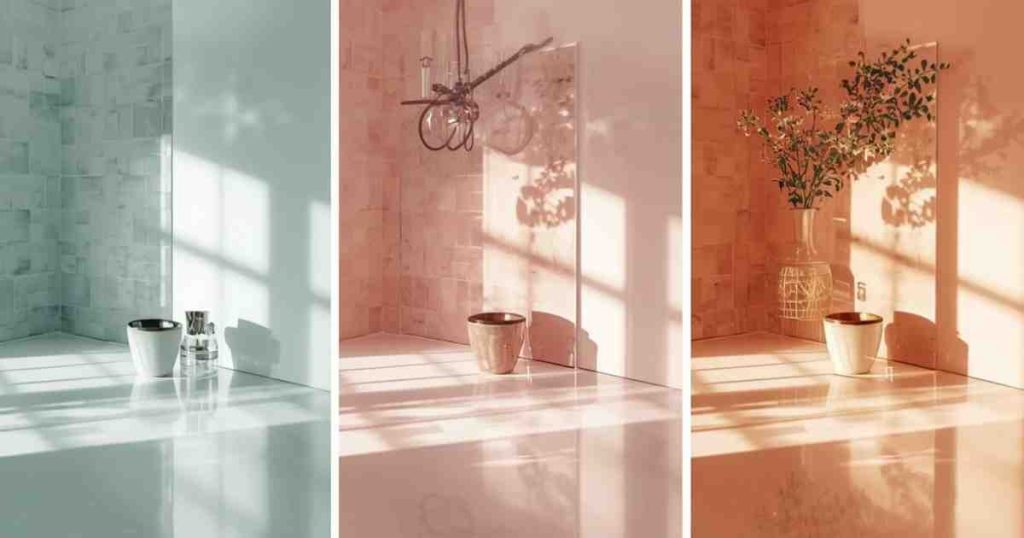
The power of mirrors and glass to expand space is amplified when combined with smart lighting and color choices. These elements work in synergy to create a truly open and inviting atmosphere.
The Impact of Lighting
Good lighting is essential for any kitchen, but in a small kitchen utilizing reflective surfaces, its importance is magnified. Light is what mirrors and glass bounce and manipulate.
- Maximize Natural Light: Keep windows unobstructed. Use sheer or light-colored window treatments that allow maximum sunlight to enter. This natural light will be reflected and amplified by your mirrors and glass.
- Layered Artificial Lighting: Don’t rely on a single overhead light. Use a combination of task lighting (under-cabinet lights, pendant lights over an island or dining area), ambient lighting (recessed ceiling lights), and accent lighting (spotlights on decorative items).
- Consider Lighting Direction: Position lights so they shine on reflective surfaces. Lights that bounce off mirrors and glass will spread illumination more effectively throughout the kitchen.
In a compact kitchen with a single window, the addition of under-cabinet LED strip lights made a huge difference.
These lights shone down onto the countertop and also reflected upwards off the glass cabinet fronts, effectively doubling the light in the lower half of the kitchen and making it feel much more expansive.
Color Palette Choices
The colors you choose for your kitchen walls, cabinets, and countertops also play a role in how spacious it feels, especially when combined with reflective elements.
- Light and Neutral Colors: Whites, creams, light grays, and pastels reflect light better than dark, heavy colors. They create a bright, airy feel that complements mirrors and glass.
- Monochromatic Schemes: Using variations of the same color family can create a seamless look, making the room feel less broken up and therefore larger.
- Consider the Reflection: Think about how your chosen colors will look when reflected. A light-colored wall will reflect more light than a dark one, enhancing the perception of space.
A kitchen with light gray walls and white cabinetry, featuring a large mirror, felt significantly more open than it would have with darker colors. The light tones bounced light effectively, and the mirror then amplified this effect, making the small space feel airy and calm.
Mirror and Glass in Small Kitchens: A Visual Expansion
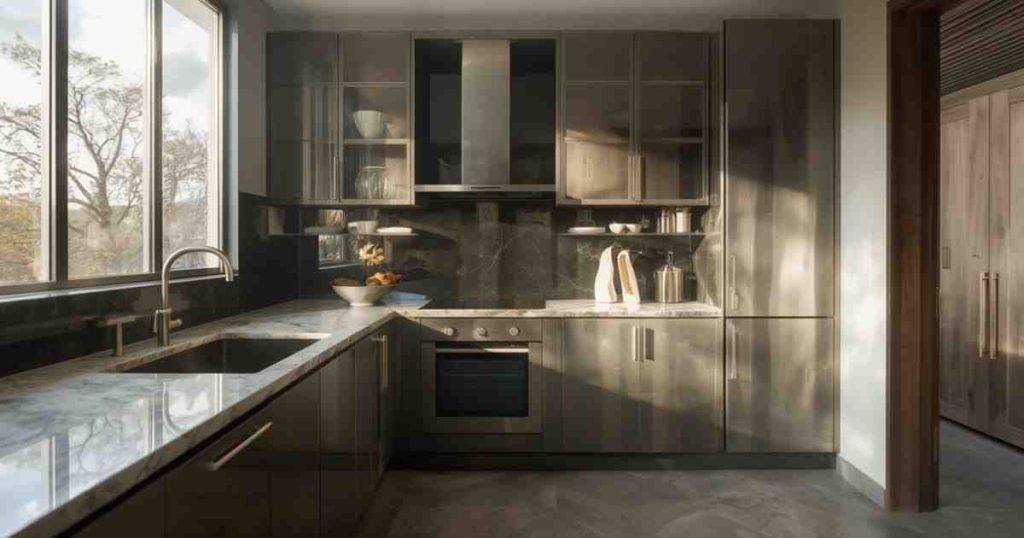
When considering how to make a small kitchen feel larger, the strategic use of mirror and glass can be incredibly effective. Understanding glass as a building material helps explain its role in maximizing light in small kitchens.
These reflective surfaces work by bouncing light and reflecting the surrounding environment, creating an illusion of depth. A mirror placed opposite a window, for example, can visually double the perceived size of the room by reflecting the light and the outdoors.
Similarly, glass cabinet doors break up solid cabinetry, allowing light to pass through and making the kitchen feel lighter and less enclosed.
While these materials don’t add physical square footage, their impact on perception is substantial. They help to brighten the space and create a sense of expansiveness that can transform a cramped kitchen into a more comfortable and inviting area.
Combining these reflective elements with thoughtful lighting and a light color palette further enhances their ability to expand the perceived space, making your small kitchen feel much more open and airy. Choosing energy-efficient lighting options can enhance the effect of reflective surfaces in a kitchen.
Frequently Asked Questions Of Mirror And Glass In Small Kitchens: Do Reflective Surfaces Actually Expand Space?
Can mirrors make a small kitchen look bigger?
Yes, mirrors can significantly create the illusion of a larger space by reflecting light and the room itself, making it appear deeper and wider.
What is the best place to put a mirror in a small kitchen?
Placing a mirror opposite a window is highly effective as it reflects natural light and the view, virtually doubling the perceived space. Mirrors on long, narrow walls can also visually widen the kitchen.
Are glass cabinet doors a good idea for small kitchens?
Yes, glass cabinet doors can make a small kitchen feel less heavy and more open by allowing light to pass through and reflecting the space behind them.
What should I reflect in a mirror to make my kitchen look bigger?
Aim to reflect light sources, windows, or open areas of your kitchen. Avoid reflecting clutter or busy, unorganized spaces, as this can have the opposite effect.
Do I need special cleaning products for mirrors and glass in the kitchen?
Standard glass cleaner and a soft cloth are usually sufficient. Regular cleaning is important to maintain the reflective quality and prevent smudges from detracting from the spaciousness.
Wrap Up
Mirror and glass in small kitchens do indeed expand space visually. They bounce light and reflect the room, making it seem larger and brighter. Placing mirrors opposite windows is a powerful trick. Glass cabinet doors lighten the feel and allow light to pass through. Using mirrors and reflective surfaces can make a small kitchen feel significantly larger.
These elements create an illusion of depth that makes a compact kitchen feel more open. Use them wisely with good lighting for the best results.

![Small Kitchen Layout Ideas Which Layout Works Best For Under 100 Sq Ft[1]](https://kitchentoolslab.com/wp-content/uploads/2026/05/Small_Kitchen_Layout_Ideas__Which_Layout_Works_Best_For_Under_100_Sq_Ft1-768x403.jpg)
![Renting And Can’T Renovate Small Kitchen Design Ideas For Renters[1]](https://kitchentoolslab.com/wp-content/uploads/2026/05/Renting_And_CanT_Renovate__Small_Kitchen_Design_Ideas_For_Renters1-768x403.jpg)
![Small Kitchen Island Ideas When Does An Island Actually Work In A Tiny Kitchen[1]](https://kitchentoolslab.com/wp-content/uploads/2026/05/Small_Kitchen_Island_Ideas__When_Does_An_Island_Actually_Work_In_A_Tiny_Kitchen1-768x403.jpg)
![Kitchen Peninsula Vs Island For Small Kitchens Which Adds More Value[1]](https://kitchentoolslab.com/wp-content/uploads/2026/05/Kitchen_Peninsula_Vs_Island_For_Small_Kitchens__Which_Adds_More_Value1-768x403.jpg)
![How To Design A Small Kitchen With No Window Lighting And Ventilation Solutions[1]](https://kitchentoolslab.com/wp-content/uploads/2026/05/How_To_Design_A_Small_Kitchen_With_No_Window__Lighting_And_Ventilation_Solutions1-768x403.jpg)
![What Colors Make A Small Kitchen Look Larger (Designer Secrets Revealed)[1]](https://kitchentoolslab.com/wp-content/uploads/2026/05/What_Colors_Make_A_Small_Kitchen_Look_Larger__Designer_Secrets_Revealed1-768x403.jpg)