
How Fuzzy Logic Rice Cookers Adjust Cooking Times Automatically
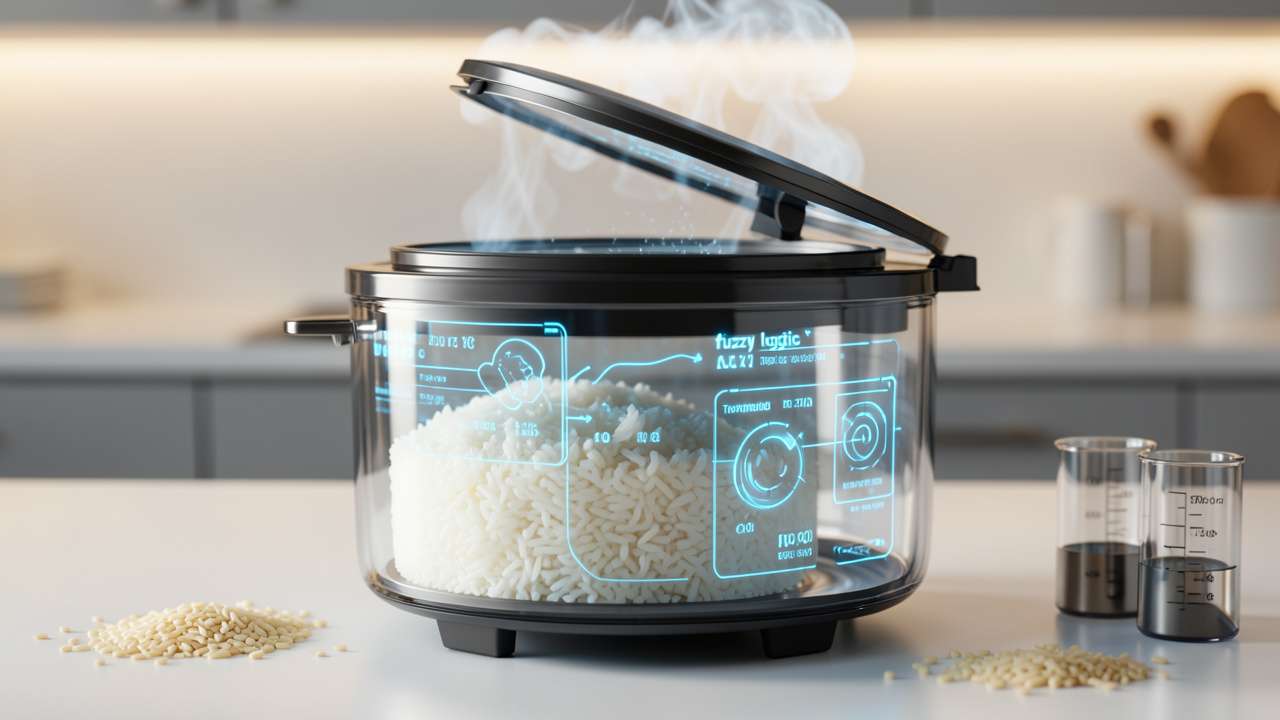
Fuzzy logic rice cookers automatically adjust cooking times by using built-in microcomputers and sensors that continuously monitor temperature and steam levels inside the pot. These cookers apply artificial intelligence algorithms to mimic human decision-making, dynamically modifying heating power and duration second by second based on real-time conditions. The result is consistently fluffy, perfectly cooked rice across different grain types and quantities without requiring manual timing or water ratio guesses.
A standard rice cooker works like a simple switch. It heats at full power until a sensor detects a certain temperature. Then it clicks to “warm” mode. This basic approach often burns rice or leaves it mushy. Fuzzy logic rice cookers are different. They use computer chips to think like a cook. They monitor temperature and humidity in real time. Then they adjust heating power and cooking time automatically. This gives you perfect rice every batch.
Important: Fuzzy logic rice cookers use artificial intelligence algorithms to mimic human decision-making. They do not rely on fixed time or temperature settings. Instead, they measure conditions inside the pot and fine-tune the cooking cycle second by second. This produces fluffy, consistent results across different rice types and quantities.
Quick Verdict: Simply put, a fuzzy logic rice cooker uses built-in microcomputers and sensors to measure temperature and steam. It continuously adjusts heating power and cooking duration to deliver perfectly cooked rice every time. You do not need to guess water ratios or timings. The machine does the thinking for you.
Key Takeaways
- Fuzzy logic rice cookers use thermistors and humidity sensors to track conditions inside the cooking pot.
- The microprocessor runs fuzzy logic algorithms that evaluate multiple variables such as rice type, water level, and altitude.
- These cookers adjust heating intensity in real time, preventing overcooking or undercooking even with different grain varieties.
- According to, fuzzy logic models consistently earn higher ratings for rice texture than basic on-off cookers.
- Most fuzzy logic rice cookers also offer multiple cooking menus for white rice, brown rice, sushi rice, porridge, and cake.
What Is a Fuzzy Logic Rice Cooker?
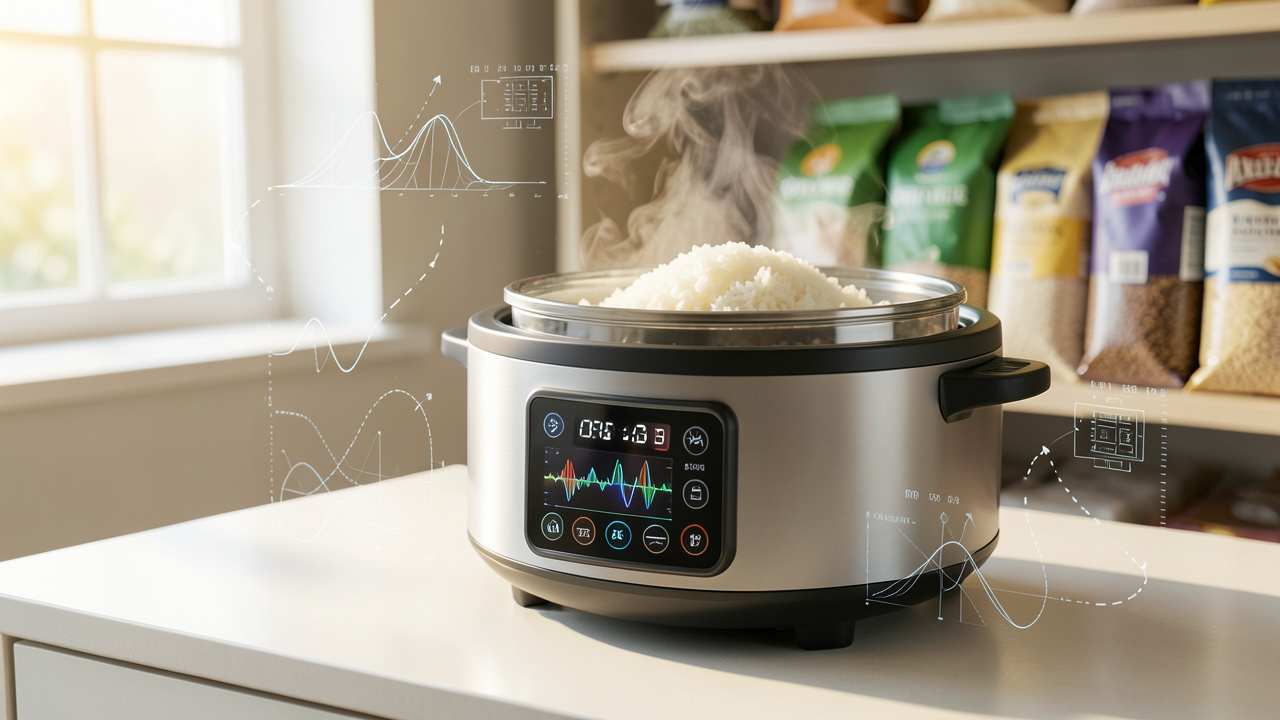
A fuzzy logic rice cooker is a kitchen appliance that uses a microprocessor to simulate human reasoning. Instead of following a rigid heating schedule, it gathers data from sensors and makes decisions on the fly. The term “fuzzy logic” comes from the field of artificial intelligence. It allows the machine to handle imprecise inputs like “a little underdone” or “a bit dry.”
These cookers were pioneered by Japanese manufacturers such as Zojirushi, Panasonic, and Tiger in the 1980s. Today they are widely available worldwide. Prices range from $70 for basic models to over $400 for premium induction heating versions.
How Does Fuzzy Logic Work in Rice Cookers?
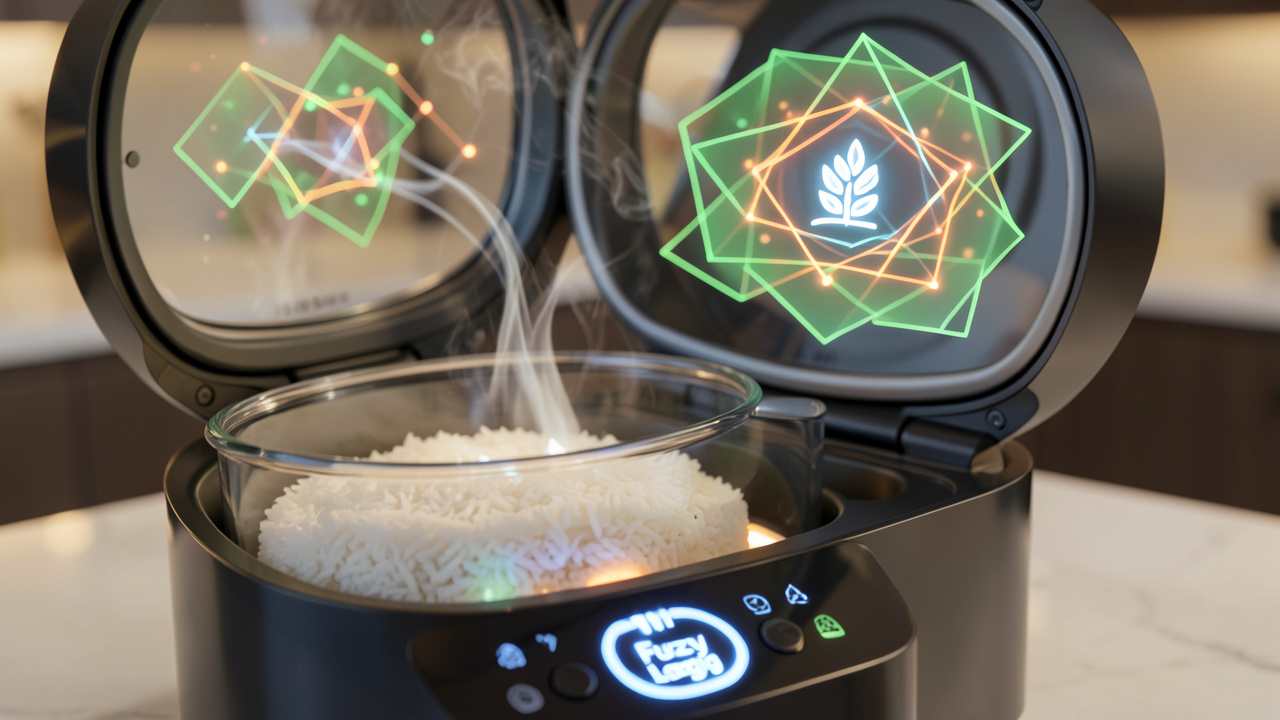
Fuzzy logic mimics the way a human cook adjusts the heat. A cook lifts the lid, tastes a grain, and decides to lower the flame or add time. A fuzzy logic rice cooker does the same thing without a lid. It uses three main components: sensors, a microprocessor, and a heating element.
The sensors measure two things: the temperature of the inner pot and the amount of steam rising. The microprocessor receives this data. It then applies fuzzy logic rules to decide the next action.
The Role of Temperature Sensors
The most common sensor is a thermistor located under the cooking plate. It tracks the temperature of the pot from cold to boiling. When the water reaches 212°F (100°C), the cooker knows the rice is absorbing water. The fuzzy logic controller then reduces power slightly to maintain a gentle simmer. It does not simply shut off.
Tip: Fuzzy logic systems also compensate for altitude. At higher elevations, water boils at a lower temperature. The sensor detects this difference and adjusts the cooking curve accordingly.
The Role of Steam Sensors
Many fuzzy logic models have a steam vent with a humidity sensor. This sensor measures the amount of steam escaping. When less steam comes out, the system knows the rice has absorbed most of the water. It then prepares to switch to the “keep warm” cycle. This intelligent detection prevents the common problem of burnt rice on the bottom.
The Core Components of Fuzzy Logic Adjustment
Three key components work together to adjust cooking times automatically:
- Input fuzzification – The sensor readings (temperature, humidity) are converted into fuzzy values like “high,” “medium,” or “low.” This allows the system to handle vague data.
- Rule evaluation – The microprocessor checks a set of pre-programmed “if-then” rules. For example: “If temperature is high and steam is low, then reduce power to medium.”
- Defuzzification – The fuzzy output is converted into a specific power level or time adjustment. The heating element receives a precise signal.
| Component | What It Does | Why It Matters |
|---|---|---|
| Thermistor | Measures pot temperature | Detects boiling point and monitors simmer |
| Humidity sensor | Measures steam output | Tells cooker when rice is done absorbing water |
| Microprocessor | Runs fuzzy logic algorithms | Processes sensor data and makes real-time decisions |
| Heating element | Provides variable power | Allows fine-grained heat control from high to low |
How Cooking Times Are Automatically Adjusted
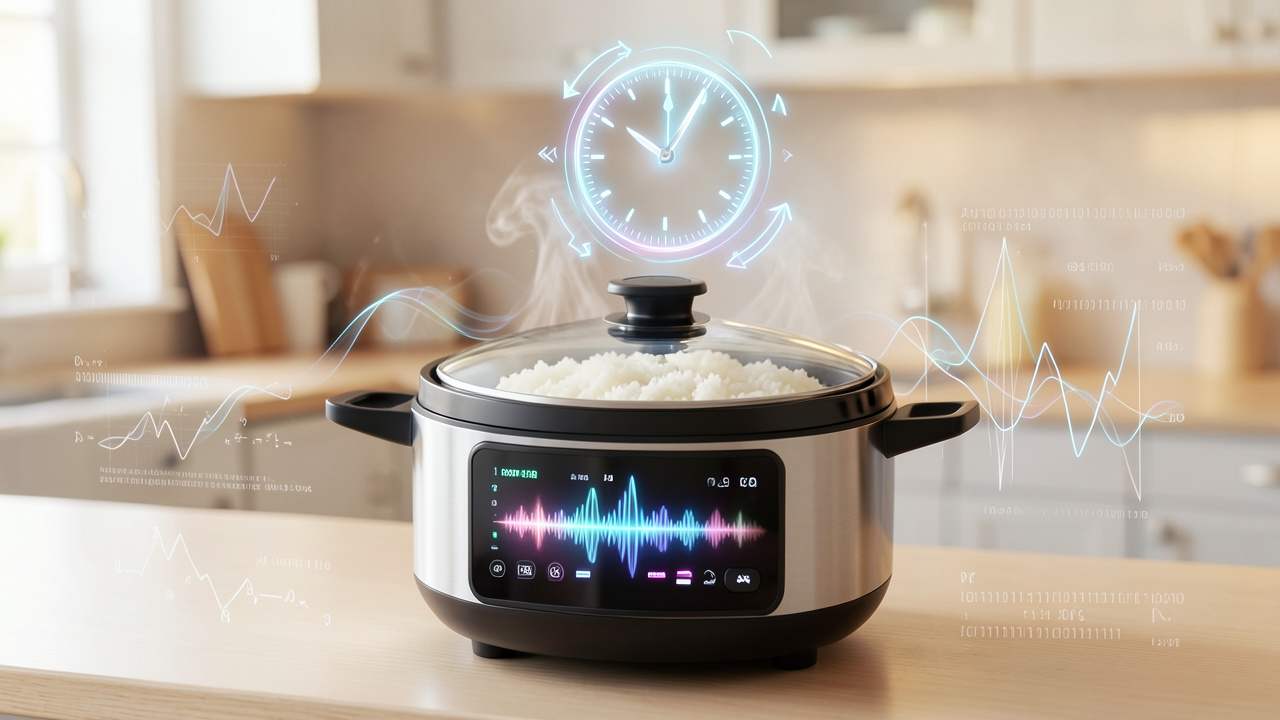
The adjustment process happens in four continuous phases. Each phase uses different fuzzy logic rules.
- Water absorption phase. The cooker heats to a medium temperature (around 140°F / 60°C). The fuzzy logic controller maintains this temperature for a time based on rice type. Brown rice needs longer soak time. White rice needs less. The sensor checks if the water is fully absorbed before moving on.
- Boil phase. The heater runs at full power until the sensor detects a steady boil (212°F / 100°C). The system then reduces power to prevent overflow. If the steam sensor shows too much foam, the controller cuts power temporarily.
- Simmer phase. The temperature stays just above boiling. The fuzzy logic system monitors the steam level. When steam drops below a threshold, it knows the rice is nearly cooked. It then begins to taper the heat.
- Steaming and warm phase. The residual heat finishes cooking the rice. The cooker then switches to a keep-warm mode that stays above 140°F (60°C) to prevent bacterial growth. This phase lasts automatically until you unplug the unit.
The entire cycle can last anywhere from 35 minutes for white rice to over 90 minutes for brown or mixed grains. The cooker decides the exact duration based on sensor feedback.
Warning: Do not lift the lid during cooking. Opening the lid releases steam and disrupts the sensor readings. The fuzzy logic system may miscalculate the remaining time. Some models pause the timer and will not resume correctly.
Types of Fuzzy Logic Rice Cookers
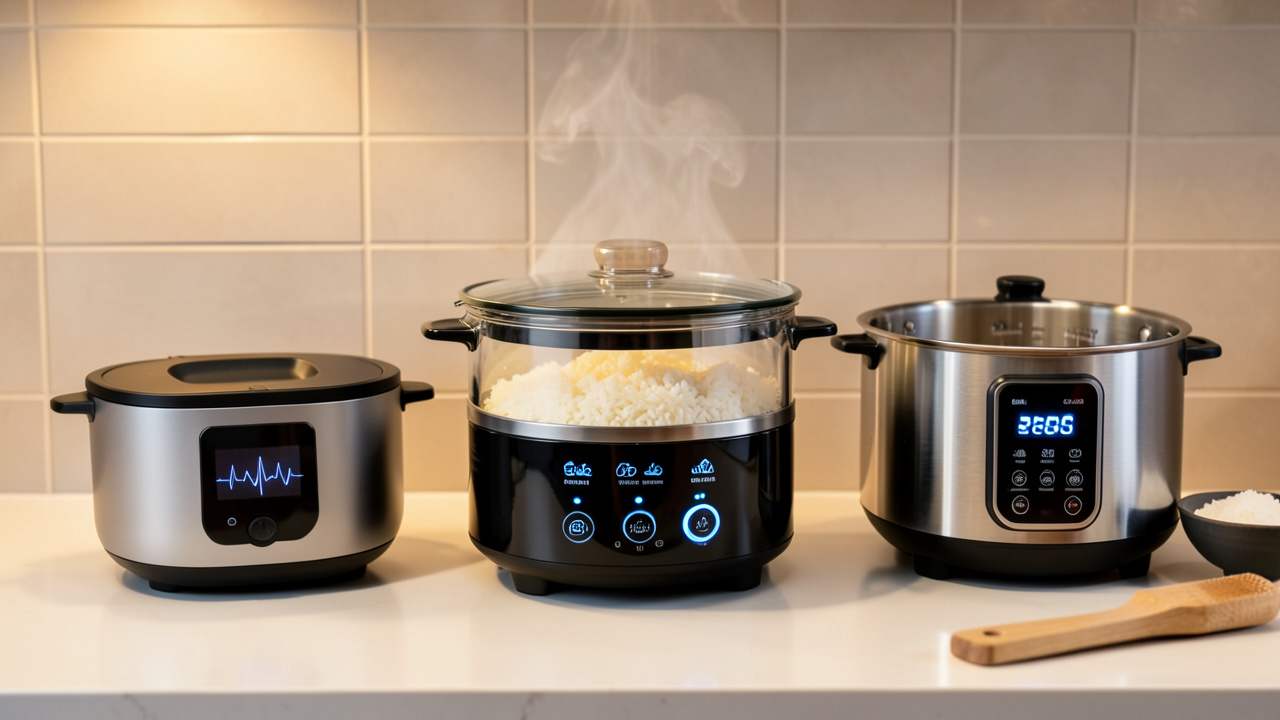
Not all fuzzy logic models are the same. They vary by heating method and features.
- Standard fuzzy logic cookers – Use a bottom-heating element. They offer basic fuzzy control and multiple menus. Price range: $70-$150.
- Induction heating (IH) fuzzy logic cookers – Use an electromagnetic coil to heat the entire pot. This provides more even heat and finer temperature control. Price range: $150-$400+.
- Pressure fuzzy logic cookers – Combine fuzzy logic with pressure cooking. They cook faster and can handle tough grains like brown rice in less time. Example: Zojirushi Neuro Fuzzy models.
Common Myths vs Facts About Fuzzy Logic Rice Cookers
| Myth | Fact |
|---|---|
| Fuzzy logic means the cooker is “smart” like a human. | Fuzzy logic is a mathematical method for handling uncertainty. It does not possess true intelligence. |
| You never need to measure water – the cooker corrects bad ratios. | Fuzzy logic can adjust for small variations. But adding too much or too little water still leads to poor results. Follow your rice cooker’s water line markings. |
| Fuzzy logic cookers are too complex for basic rice. | Most fuzzy logic models have a simple “white rice” setting. You can ignore advanced menus and still get better results than a basic cooker. |
Pro Tips for Using Fuzzy Logic Rice Cookers
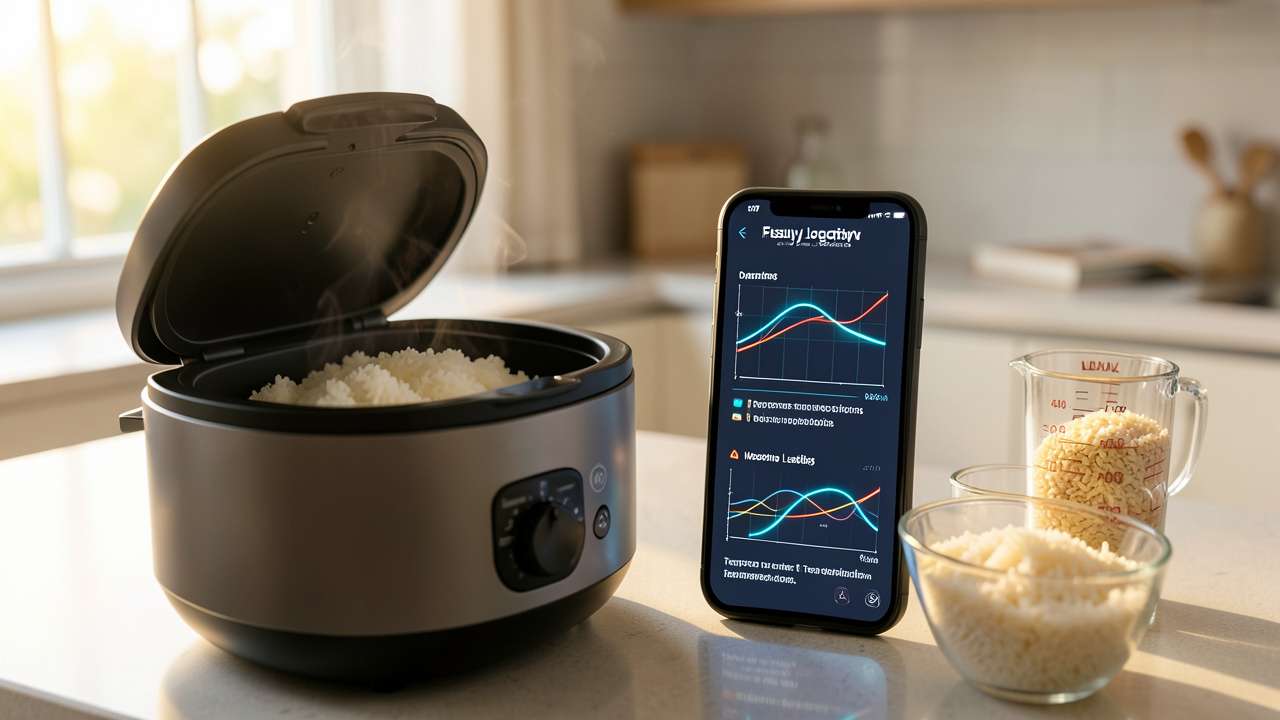
- Rinse your rice thoroughly – Starch on the grains can confuse the steam sensor. Rinse until water runs clear to avoid sticky or gummy results.
- Use the correct inner pot – Non-stick coatings are common. Scratches reduce heat transfer and sensor accuracy. Use plastic or silicone utensils only.
- Try the porridge or slow cook mode – Fuzzy logic cookers often double as slow cookers. Use them for oatmeal, soups, or even cheesecake.
- Let the rice rest after cooking – Most fuzzy logic models switch to “keep warm” automatically. Give the rice 10-15 minutes on warm before opening. This allows moisture to distribute evenly.
- Clean the steam vent regularly – A clogged vent blocks steam from reaching the humidity sensor. Wipe the vent cover after each use to maintain accurate readings.
Resources and Tools
- Zojirushi Neuro Fuzzy – The most well-known fuzzy logic line. Features induction heating and multiple menu settings.
- Panasonic Fuzzy Logic Rice Cookers – Affordable models with reliable fuzzy control. Many include steam sensor.
- Tiger Corporation – Japanese brand offering both standard and IH fuzzy models. Known for durable construction.
- Good Housekeeping Institute – Independent testing lab that regularly rates rice cookers.
Frequently Asked Questions
Can fuzzy logic rice cookers cook other grains besides rice?
Yes. Most models include settings for quinoa, oatmeal, barley, and millet. The fuzzy logic algorithm adjusts cooking time and temperature based on the grain’s moisture absorption curve. Check your manual for specific grain instructions.
Do I need to soak rice before using a fuzzy logic cooker?
Modern fuzzy logic models handle unsoaked rice well. They include a pre-soak phase in the algorithm. However, short-grain white rice may benefit from a 30-minute soak before cooking for a stickier texture.
How often should I clean the sensors?
Clean the thermistor (under the heating plate) and steam vent every 1-2 months. Use a damp cloth. Do not submerge the base in water. Sensor buildup can degrade accuracy over time.
Does fuzzy logic work at high altitudes?
Yes. The temperature sensor detects the lower boiling point. The fuzzy logic system automatically extends the simmer phase to compensate. Users at high altitudes often report better results with fuzzy models than with basic cookers.
Why is my fuzzy logic cooker beeping and not starting?
Check that the inner pot is properly seated. The safety switch prevents heating if the pot is not touching the thermistor. Also ensure the lid is closed securely. Most models have a lid-lock sensor.
Final Thoughts
Fuzzy logic rice cookers remove the guesswork from making perfect rice. They use sensors and algorithms to adjust cooking times automatically for different grains and conditions. This technology gives you consistent, fluffy results with minimal effort. Investing in a quality fuzzy model can transform your everyday cooking.