
Why Batch Cooking Chicken Breast Is A Trap, And What To Batch
Batch cooking chicken breast is a trap because lean meat dries out quickly, tastes repetitive, and reheats poorly compared with fattier or saucier foods.
Instead, batch cook flexible components like shredded chicken thighs, marinades, grains, roasted vegetables, sauces, beans, and chopped aromatics. These hold moisture better and can become bowls, wraps, salads, soups, or skillet meals.
Many people think cooking chicken breast in big batches is a smart way to save time during the week. You get it all done at once, right? But this common practice can lead to dry, bland chicken that’s boring to eat.
Understanding Why Batch Cooking Chicken Breast Is a Trap, and What to Batch can really help you make meal prep more enjoyable and delicious.
We’ll show you how to get the most flavor and best texture from your prepped chicken, plus what other proteins are better suited for making ahead.
Key Takeaways
- Batch cooking chicken breast often results in dry, unappetizing meat due to overcooking.
- Different cooking methods impact chicken breast texture and flavor, making it less ideal for batch prep.
- Exploring alternative cooking methods and cuts can yield better results for meal prepping chicken.
- Choosing other proteins like thighs, pork shoulder, or ground meat is often more successful for batch cooking.
- Proper storage and reheating techniques are crucial for maintaining quality, even with the best-prepped chicken.
- Learning what to batch cook can transform your meal prep from a chore into a delicious advantage.

Why Chicken Breast Can Be Tricky for Batch Cooking
Chicken breast is a favorite for many because it’s lean and often seen as healthy. However, its low fat content makes it easy to overcook. When you batch cook, you’re often cooking a large amount at once.
This means the chicken might be cooked longer than ideal, or it sits around while the rest finishes. This leads to dry, tough, and often flavorless meat. It’s a common pitfall for anyone trying to get ahead on meals.
The goal is to have tasty food ready, not something you dread eating.
The problem isn’t just cooking too much. It’s how chicken breast behaves when cooked and then reheated. Even if you cook it perfectly the first time, reheating can quickly dry it out.
This is a major reason Why Batch Cooking Chicken Breast Is a Trap, and What to Batch becomes so important to consider. You want your prepped meals to be as good on Tuesday as they were on Sunday.
The Problem With Overcooking Chicken Breast
Chicken breast has very little fat. Fat adds moisture and flavor. When you cook chicken breast, especially in large quantities, it’s easy to push it past its prime.
The safe internal temperature for chicken is 165°F (74°C). But if you cook it much beyond that, the water is squeezed out, and the proteins tighten up. This is what makes it dry and chewy.
Think about cooking a single chicken breast versus a whole tray. The single breast might be easier to monitor. A large batch requires more careful temperature control.
Often, the pieces in the middle might be perfectly cooked, while those on the edges are dry. This inconsistency is a big part of Why Batch Cooking Chicken Breast Is a Trap, and What to Batch becomes a crucial question for meal preppers.

Best Ways to Cook Chicken Breast for Meal Prep (If You Must)
If you’re set on batch cooking chicken breast, there are better ways to do it. The key is to avoid overcooking and to add moisture back in. Poaching is a gentle method that keeps chicken breast moist.
You simply simmer it in water or broth until it’s just cooked through. This is much less likely to dry it out than roasting or pan-frying a big batch.
Another good technique is sous vide. This method cooks the chicken breast in a water bath at a precise temperature. It’s almost impossible to overcook it this way.
Once cooked, you can chill it and then quickly sear it or add it to dishes later. These methods help mitigate some of the issues that make Why Batch Cooking Chicken Breast Is a Trap, and What to Batch a common concern.
What to Batch Cook Instead of Chicken Breast
The good news is that many other proteins are much more forgiving and actually get better when cooked in batches. These are the real stars of meal prep. They stay moist, flavorful, and reheat beautifully.
Understanding what to batch cook can make your meal prep efforts much more rewarding.
Instead of focusing on chicken breast, consider these options for your batch cooking sessions. They offer better flavor and texture, making your prepped meals something to look forward to. This is where you can truly win at meal prep.
Chicken Thighs: The Meal Prep Champion
If you love chicken, switch to thighs. Chicken thighs have more fat and connective tissue than breasts. This makes them incredibly moist and flavorful, even when cooked ahead and reheated.
They are much harder to overcook. You can roast, braise, or slow cook them in large batches with great success.
When you cook chicken thighs in a big batch, they tend to remain tender and juicy. This is a stark contrast to the dry chicken breast many people end up with. They are perfect for shredding into tacos, adding to stews, or serving as a main protein.
This is a prime example of Why Batch Cooking Chicken Breast Is a Trap, and What to Batch, because thighs are a superior alternative.
Pork Shoulder: Slow Cooker Success
Pork shoulder is another excellent choice for batch cooking. It’s a tougher cut of meat that shines when cooked low and slow. Think pulled pork.
You can cook a whole pork shoulder in a slow cooker or oven for many hours. The result is incredibly tender, shreddable meat that is packed with flavor.
Pork shoulder is very forgiving. It can be cooked for a long time without drying out. In fact, longer cooking times often make it even more tender.
This makes it ideal for making large quantities to use throughout the week in sandwiches, bowls, or salads. It’s a protein that’s naturally suited for the batch cooking method.
Ground Meat: Versatile and Easy
Ground meats like beef, turkey, or chicken are fantastic for batch cooking. You can brown a large poundage of ground meat at once. It’s a quick process, and the cooked meat can be used in countless ways.
Think pasta sauces, chili, taco meat, or shepherd’s pie filling.
Ground meat reheats well and is very versatile. You can season it simply or add different spices and sauces to change its flavor profile for different meals. This makes it a go-to for busy cooks who want quick meal components.
It’s a simple swap that avoids the pitfalls of batch cooking chicken breast.
Legumes and Beans: Plant-Based Powerhouses
For plant-based options, dried beans and lentils are perfect for batch cooking. Cook a big pot of black beans, kidney beans, or chickpeas. They store well in the fridge and can be used in salads, soups, stews, or as a side dish.
They are nutritious and budget-friendly.
Cooking dried beans from scratch is much cheaper than canned. Plus, you control the sodium content. Once cooked, they are ready to be added to any meal.
This is a fantastic way to build a healthy meal prep foundation without worrying about dry meat.

Cooking Methods for Better Batch Prep
The method you use to cook your chosen protein matters. Some methods are better suited for batch cooking than others. The goal is to get tender, moist results that hold up well.
Slow Cooking for Tenderness
Slow cookers are amazing for batch cooking. They cook food at a low temperature for a long time. This is perfect for tougher cuts like pork shoulder or even whole chickens (though you might want to switch to thighs for better results).
The slow, moist heat breaks down connective tissues, making the meat incredibly tender and juicy.
You can throw ingredients into a slow cooker in the morning and come home to a fully cooked meal. This is a hands-off approach that yields fantastic results for many types of protein. It’s a simple way to get delicious, prepped food without much fuss.
Braising for Flavor and Moisture
Braising involves searing meat and then simmering it in liquid in a covered pot, usually in the oven. This method is excellent for cuts like pork shoulder, beef chuck, or even chicken thighs. The long, slow cooking in liquid keeps the meat moist and infuses it with flavor.
Braising creates a rich sauce along with the tender meat. This makes it a complete meal component. It’s perfect for making large quantities that can be stored and reheated easily.
Roasting for Versatility
Roasting can work well, especially for chicken thighs or pork. When roasting, it’s important not to overcrowd the pan. This allows the heat to circulate properly, leading to more even cooking.
For chicken thighs, roasting them until they are cooked through but not dry is key.
Roasting is also good for whole vegetables that can be part of your meal prep. Think sweet potatoes or broccoli. The slightly caramelized edges add great flavor.
Storage and Reheating Tips
Even with the best batch-cooked proteins, proper storage and reheating are crucial. This is where many prepped meals go wrong. You’ve done the work, so make sure you enjoy the results.
Cooling and Storing Properly
First, let your cooked food cool down before storing it. Don’t put hot food directly into the refrigerator, as this can raise the temperature of the fridge and spoil other foods. Spread food out on a baking sheet or in shallow containers to speed up cooling.
Second, store food in airtight containers. This prevents spoilage and keeps food from drying out or absorbing odors from the fridge. For batch-cooked chicken thighs or pork, portion them into individual meal prep containers.
This makes it easy to grab a serving when you need it.
Next, keep cooked food in the refrigerator for no more than 3-4 days. For longer storage, freezing is a great option. Freeze portions in freezer-safe bags or containers.
Label them with the date so you know how long they’ve been stored.
Reheating for Best Results
Reheating is where many batch-cooked items suffer. Microwaving can sometimes make food rubbery or unevenly heated.
For meats like chicken thighs or pulled pork, reheating in a covered skillet with a splash of water or broth can help maintain moisture.
You can also reheat them gently in the oven or a toaster oven.
If you’re reheating chicken breast (which we’ve established is tricky), try to add moisture. A little bit of sauce or broth can help. Some people find reheating in a covered dish in the oven at a low temperature works best.

Comparison: Chicken Breast vs. Chicken Thighs for Batch Cooking
To really highlight Why Batch Cooking Chicken Breast Is a Trap, and What to Batch, let’s look at a direct comparison. Chicken breast and thighs are both chicken, but they behave very differently when it comes to meal prep. This table shows why thighs are often the better choice.
| Moisture | Often dry, especially after reheating | Remains moist and juicy |
| Flavor | Can be bland without added sauces/marinades | Naturally richer flavor |
| Tenderness | Can become tough and chewy | Stays tender and succulent |
| Forgiveness in Cooking | Easy to overcook | Very forgiving; hard to overcook |
| Reheating Quality | Dries out easily | Holds up well to reheating |
| Versatility for Meal Prep | Requires careful handling/saucing | Works well in many dishes (shredded, diced) |
As you can see, chicken thighs offer significant advantages for anyone doing batch cooking. They require less fuss and deliver more satisfying results, making them a superior choice for prepped meals.
Common Meal Prep Mistakes to Avoid
Beyond choosing the wrong protein, there are other common mistakes that can derail your meal prep efforts. Being aware of these can help you create successful, delicious meals.
Overcrowding Pans
Whether you're browning ground meat or roasting chicken thighs, don't cram too much into one pan. Overcrowding lowers the temperature and causes food to steam instead of brown. This leads to less flavor and a less appealing texture.
Cook in batches if necessary.
Not Seasoning Enough
When you cook in large quantities, it’s easy to under-season. Taste as you go and season generously. Remember that flavors can mellow during storage.
You can always add more seasoning when you reheat and serve, but it’s harder to fix bland food.
Ignoring Food Safety
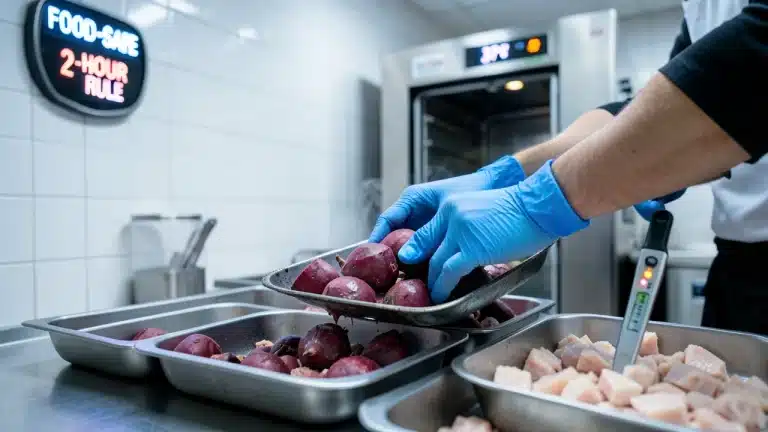
Always practice good food safety. Wash your hands and surfaces frequently. Cook foods to the correct internal temperatures.
Cool and store food promptly. These steps prevent foodborne illnesses and ensure your prepped meals are safe to eat.
Making the Same Meal Too Many Times
Even if you batch cook a great protein, eating the exact same meal every day can get boring. Plan to use your batch-cooked components in different ways. For example, use shredded chicken thighs in tacos one day and a chicken salad sandwich the next.

Making Batch Cooking Work for You
The idea behind batch cooking is to save time and effort during the busy week. It shouldn’t result in less enjoyable food. By understanding Why Batch Cooking Chicken Breast Is a Trap, and What to Batch, you can make smarter choices. Always pay attention to how you store and reheat your food to ensure safety.
Focus on proteins that are naturally moist and forgiving. Explore cooking methods that enhance flavor and texture. And always pay attention to how you store and reheat your food. Using smart cooking and storage methods can extend the life of prepped meals.
This way, your meal prep will be a consistent source of delicious, convenient meals.
Frequently Asked Questions Of Why Batch Cooking Chicken Breast Is A Trap, And What To Batch
Question: Is it ever okay to batch cook chicken breast?
Answer: Yes, but with caution. Use gentle cooking methods like poaching or sous vide, and be very careful not to overcook. Reheating will still be a challenge, so consider using it in dishes where dryness is less noticeable, like soups or casseroles.
Question: What is the best way to reheat batch-cooked chicken thighs?
Answer: For the best results, reheat chicken thighs gently. Cover them in a skillet with a little liquid (water, broth, or sauce) over low heat, or reheat them in a covered dish in the oven at a moderate temperature to keep them moist.
Question: Why batch cooking chicken breast is a trap for busy people?
Answer: It’s a trap because the lean nature of chicken breast makes it prone to drying out during cooking and reheating, leading to disappointing meals. People spend time prepping only to end up with unappetizing food, defeating the purpose of saving time.
Question: What are some quick meal ideas using batch-cooked pork shoulder?
Answer: Pulled pork sandwiches, pork and bean chili, pork tacos, or topping a baked potato with pulled pork are all quick and delicious ways to use batch-cooked pork shoulder.
Question: Are ground meats a good alternative for batch cooking?
Answer: Absolutely. Ground meats like beef, turkey, or chicken are very versatile. They cook quickly in large batches and can be used in many different dishes throughout the week, from pasta sauces to stir-fries.
Question: How long can batch-cooked chicken thighs be stored in the refrigerator?
Answer: Properly stored batch-cooked chicken thighs can be kept in the refrigerator for 3-4 days. For longer storage, it’s best to freeze them.
Final Thoughts
Batch cooking is meant to simplify your week, and understanding Why Batch Cooking Chicken Breast Is a Trap, and What to Batch is key.
By choosing proteins like chicken thighs, pork shoulder, or ground meats, and using smart cooking and storage methods, you can ensure your prepped meals are always delicious and convenient. Choosing chicken thighs or other cuts can result in juicier batch-cooked meals.