
Freezer-Ready Meal Kits: Components That Freeze Surprisingly
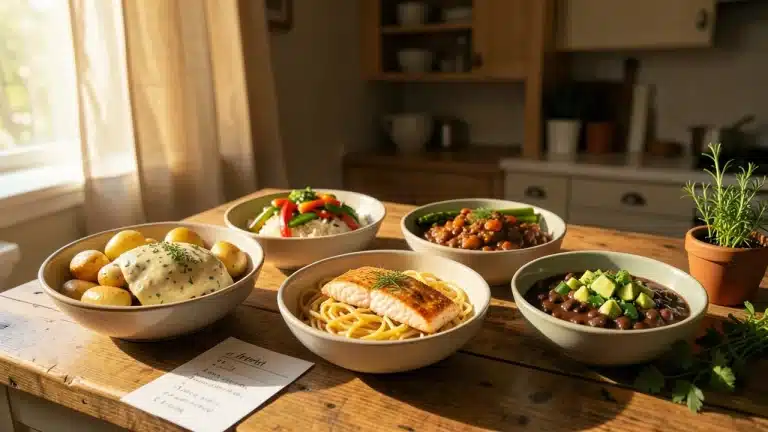
Freezer-ready meal kits work best when you freeze components that hold texture surprisingly well, such as cooked rice, raw marinated chicken, chopped onions, grated cheese, tomato sauce, pesto, cookie dough, burrito fillings, and blanched vegetables.
Avoid freezing watery lettuce, creamy dressings, and fully cooked pasta. Pack ingredients separately so weeknight cooking stays fresh and flexible.
Saving time in the kitchen is a big win for busy families. Making meals ahead of time can seem like a great idea, but not everything freezes well.
Knowing which ingredients hold up best in the freezer means you can prepare delicious meals that are ready when you are.
We’ll explore the Freezer-Ready Meal Kits: Components That Freeze Surprisingly so you can stock your freezer with confidence and enjoy easy, tasty meals without the fuss.
Key Takeaways
- Certain vegetables like carrots, peas, and corn freeze well in meal kits.
- Cooked grains such as rice and quinoa are excellent additions to frozen meals.
- Lean proteins like chicken breast and ground beef maintain their quality when frozen properly.
- Sauces and broths can be frozen as part of a meal kit to add flavor.
- Understanding how to prep ingredients makes a big difference in freezer meal success.
- Not all dairy or delicate herbs are ideal for freezing in meal kits.

Surprising Stars of the Freezer: Veggies That Shine
When you think about freezing food, some items come to mind immediately. Others might surprise you with how well they hold up. Vegetables are a key part of any meal kit, and happily, many of them are fantastic candidates for the freezer.
The trick is often in how they are prepared before freezing.
Carrots are a prime example. Whether diced, sliced, or cut into coins, carrots freeze beautifully. They soften a bit when thawed, which is often perfect for stews, soups, or stir-fries.
Blanching them briefly before freezing can help preserve their color and texture even better. This simple step makes a big difference for Freezer-Ready Meal Kits: Components That Freeze Surprisingly.
Peas are another winner. They are often frozen commercially for good reason – they taste great after thawing. Whether fresh or frozen and then re-frozen as part of a kit, peas retain their sweetness and pop.
Similar to carrots, a quick blanch can help keep them vibrant.
Corn, whether on the cob, kernels, or creamed, also freezes very well. Its natural sweetness and firm texture are preserved nicely. For kernels, freezing them right after cutting them off the cob is ideal.
For creamed corn, make sure it’s cooled completely before portioning for freezing.
Other vegetables that do well include:
- Broccoli and cauliflower florets: Blanching is recommended to prevent a mushy texture.
- Bell peppers: Sliced or diced, peppers hold their flavor and texture well.
- Onions and garlic: Chopped onions and minced garlic can be frozen in small portions. They lose some of their crispness but are perfect for cooked dishes.
- Green beans: Trimmed and blanched, green beans are a great addition to many frozen meals.
It’s important to remember that some vegetables don’t fare as well. Leafy greens like spinach and lettuce will become wilted and watery. High-water-content vegetables like cucumbers and radishes also tend to get mushy.
Focusing on root vegetables, corn, peas, and sturdy cruciferous vegetables will give you the best results for Freezer-Ready Meal Kits: Components That Freeze Surprisingly.

Grains and Starches: The Foundation of Your Frozen Feast
Carbs are essential for a filling meal, and many grains and starches are surprisingly freezer-friendly. They provide substance and soak up delicious sauces, making your meal kits complete.
Cooked rice is a staple that freezes exceptionally well. Whether it’s white rice, brown rice, or even basmati, cooked and cooled rice can be portioned into freezer bags or containers. When reheating, you might need to add a tablespoon or two of water to bring back its moisture.
This makes it a perfect base for many freezer meals.
Quinoa is another grain that holds up well. Cooked and cooled quinoa can be frozen in the same way as rice. It’s a healthy and versatile option for various meal types.
Pasta can be a bit trickier, but it’s not impossible. It’s best to slightly undercook pasta before freezing. Overcooked pasta can become mushy when reheated.
If you’re planning a baked pasta dish, freezing it before baking is often better than freezing a fully cooked dish. For simple pasta meal kits, consider freezing the sauce separately and cooking the pasta fresh when you’re ready to eat.
Potatoes, when cooked, can be frozen, but their texture can change. Roasted or mashed potatoes freeze better than boiled potatoes, which can become watery.
If you’re including potatoes in a stew or soup, they generally hold up well during the freezing and reheating process.
Other starchy components that work well include:
- Cooked barley and farro: These chewy grains freeze well and add great texture.
- Polenta: Cooked and cooled polenta can be frozen in blocks or slices.
When preparing these for freezing, ensure they are completely cooled to prevent ice crystals from forming and affecting the texture.
This attention to detail is crucial for successful Freezer-Ready Meal Kits: Components That Freeze Surprisingly.

Protein Power: Meats and Alternatives That Endure the Cold
Protein is vital for any meal, and thankfully, many protein sources can be successfully frozen as part of your meal kits. Proper preparation and selection are key to maintaining quality and taste.
Lean meats are generally excellent choices. Chicken breast, whether cooked and shredded, diced, or left whole, freezes well. Ensure it’s cooled before freezing.
Ground chicken also freezes well, either raw or cooked.
Ground beef is another freezer champion. Whether used in chili, tacos, or pasta sauces, cooked ground beef maintains its texture and flavor. Raw ground beef also freezes well, but it’s often more convenient to cook it first for meal kits.
Pork cuts like tenderloin or pork loin, when cooked, can be frozen. Diced pork for stews or stir-fries works well. Ground pork also freezes well.
Fish can be more delicate. White fish like cod or tilapia can be frozen, but it’s best to freeze them as part of a saucy dish or in a protective glaze to prevent drying out. Oily fish like salmon tend to freeze better.
It’s often best to freeze fish just before cooking it rather than refreezing cooked fish.
Beans and legumes are fantastic freezer options. Cooked black beans, kidney beans, chickpeas, and lentils can be frozen in portions.
They are perfect for chili, soups, salads, or as a side dish and are excellent for Freezer-Ready Meal Kits: Components That Freeze Surprisingly.
For vegetarian and vegan meal kits, consider these protein sources:
- Tofu and tempeh: These can be frozen, though their texture might change slightly. Freezing tofu can actually make it chewier and more absorbent, which can be desirable.
- Edamame: Shelled edamame freezes very well and adds a great protein boost and color to meals.
When freezing meat, it’s important to remove as much air as possible from the packaging to prevent freezer burn.
Vacuum sealing is an excellent method for this. For cooked meats, ensure they are cooled completely before packaging.
Sauces, Soups, and Broths: Flavor That Lasts
The liquid components of your meal kits are often the easiest to freeze, and they are essential for bringing everything together. Sauces, soups, and broths are typically freezer superstars.
Broths and stocks (chicken, beef, vegetable) freeze perfectly. Pour them into ice cube trays for small portions or larger containers for bigger batches. This makes it easy to add flavor to any dish.
They are a core component for many Freezer-Ready Meal Kits: Components That Freeze Surprisingly.
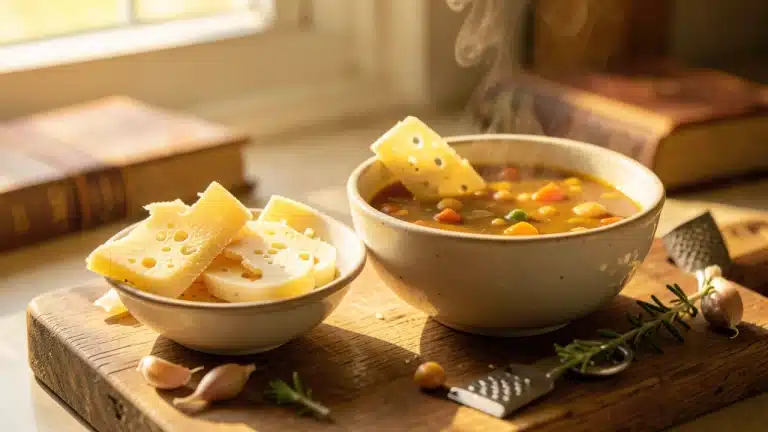
Soups and stews are made for freezing. The flavors meld and deepen over time. Hearty stews with meat and vegetables, creamy soups, and brothy vegetable soups all freeze well.
Leave a little headspace in the container, as liquids expand when frozen.
Sauces, whether tomato-based, cream-based, or gravy, generally freeze well. Tomato sauces are particularly robust. Cream-based sauces might separate slightly upon thawing, but a good whisk or stir usually remedies this.
Thicken them slightly more than you normally would, as they can thin out a bit when reheated.
Consider freezing these liquid elements in different ways:
- Ice cube trays: Perfect for freezing small portions of sauces, herbs in oil, or concentrated broths.
- Freezer bags: Lay flat for easy storage and quick thawing.
- Airtight containers: Ideal for larger portions of soups, stews, or sauces.
Items to be cautious with in liquid form include:
- Dairy-heavy sauces: While they often freeze, they can sometimes curdle or separate.
- Sauces with delicate herbs: Fresh herbs can lose their vibrancy. Add fresh herbs after reheating for the best flavor.
Freezing your sauces and broths separately from other components can also offer more flexibility when you’re ready to assemble your meal.

What to Avoid: The Freezer’s No-Go List
Just as some ingredients are fantastic for freezing, others simply don’t hold up. Knowing what to leave out of your freezer meal kits will save you from disappointment and wasted food.
High-water-content fruits and vegetables are the biggest culprits. Think of things like:
- Lettuce and other leafy greens: They become limp and unappetizing.
- Cucumbers: They turn watery and mushy.
- Radishes: Their crisp texture is lost.
- Tomatoes: While tomato sauce freezes well, whole or sliced fresh tomatoes become very soft and watery.
- Celery: It becomes limp and loses its crunch.
Dairy products can be tricky. While some cheeses and yogurts freeze, their texture can change significantly. Soft cheeses like cream cheese can become grainy.
Milk can separate. It’s often better to add fresh dairy at the end of cooking or when reheating.
Fried foods generally do not freeze well. The breading becomes soggy and unappealing upon reheating. It’s best to prepare fried items fresh.
Cooked eggs can also be problematic. While some egg dishes might fare okay, the texture of scrambled or fried eggs can become rubbery or watery.
Delicate herbs like parsley, cilantro, and basil lose their fresh flavor and bright green color when frozen.
It’s best to add these fresh after the meal is cooked. You can freeze herbs in oil or butter for cooking, but they won’t taste the same as fresh.
Understanding these limitations helps you focus on the Freezer-Ready Meal Kits: Components That Freeze Surprisingly well, ensuring your efforts result in delicious, ready-to-eat meals.

Tips for Freezing Meal Kit Components
To get the most out of your Freezer-Ready Meal Kits: Components That Freeze Surprisingly, a few simple preparation steps make a world of difference. Proper packaging and handling are crucial for maintaining quality.
First, cool everything completely before freezing. Warm food will create condensation and ice crystals, leading to freezer burn and a less pleasant texture. Spread cooked items on a baking sheet to cool quickly.
Second, portion your ingredients appropriately. Think about how much you’ll need for a single meal or a serving for your family. This prevents you from having to thaw a large batch when you only need a small amount.
Next, use the right packaging. Freezer-grade containers, heavy-duty freezer bags, or vacuum-sealed bags are your best friends. Remove as much air as possible to prevent freezer burn.
Label everything clearly with the contents and the date it was frozen.
Then, consider separating components. Sometimes, it’s best to freeze sauces separately from grains or proteins. This allows for more flexibility when you’re ready to cook and can help prevent certain ingredients from becoming soggy.
Finally, freeze items in a single layer whenever possible. For things like cooked grains or diced vegetables, freezing them spread out on a baking sheet before transferring them to a bag or container helps prevent them from clumping together. This makes it easier to portion them out later.
Here’s a quick checklist for preparing components:
- Vegetables: Blanching is often recommended for best results. Chop into bite-sized pieces.
- Proteins: Cook thoroughly and cool completely. Dice or shred as needed for the recipe.
- Grains: Cook and cool. Avoid overcooking.
- Sauces/Soups: Let them cool before portioning. Leave headspace in containers.
By following these tips, you maximize the lifespan and quality of your frozen meal kit components, making future meals a breeze. The article offers comprehensive tips for freezing meal kit components to maximize quality.
Frequently Asked Questions Of Freezer-Ready Meal Kits: Components That Freeze Surprisingly
What are the best vegetables for freezer meal kits?
The best vegetables for Freezer-Ready Meal Kits: Components That Freeze Surprisingly well include carrots, peas, corn, broccoli, cauliflower, bell peppers, onions, garlic, and green beans. Blanching these before freezing often helps preserve their texture and color.
Can I freeze cooked chicken in a meal kit?
Yes, cooked chicken, especially chicken breast or ground chicken, freezes very well as part of a meal kit. Ensure it is cooled completely before freezing and stored in an airtight container or bag to prevent freezer burn.
What grains freeze best for meal prep?
Cooked rice and quinoa are excellent grains for freezing in meal kits. They retain their texture and flavor well after thawing and reheating.
Are sauces a good component for Freezer-Ready Meal Kits: Components That Freeze Surprisingly?
Absolutely. Broths, stocks, soups, stews, and most sauces freeze very well. They are excellent for adding flavor and moisture to your prepared meals.
What foods should I avoid freezing in meal kits?
You should generally avoid freezing foods with high water content like lettuce, cucumbers, and celery, as well as fried foods and delicate herbs, as their texture and quality degrade significantly.
How do I prevent freezer burn in my meal kit components?
To prevent freezer burn, ensure all components are cooled completely before freezing, use airtight packaging like freezer bags or vacuum-sealed bags, and remove as much air as possible from the packaging.
Final Thoughts
Building successful freezer-ready meal kits is all about knowing which ingredients hold up best. By focusing on sturdy vegetables, cooked grains, lean proteins, and flavorful liquids, you can create a freezer full of convenient, delicious meals.
Remember to prepare and package everything properly to ensure the best quality when you’re ready to eat.