Why Broccoli Stalks Roast Better Unpeeled And How To Prep Them
Broccoli stalks roast better unpeeled when the outer layer is thin because the skin helps protect moisture, adds structure, and browns at the edges.
Peel only if the stalk feels woody or fibrous. Trim the dry end, slice into coins or batons, toss with oil and salt, and roast until tender with caramelised edges.
Tired of tossing those broccoli stalks? You’re in luck! Many people don’t realize how delicious broccoli stalks can be, especially when roasted.
This method brings out a wonderful sweetness and a satisfying tender-crisp texture that’s often missed.
Understanding Why Broccoli Stalks Roast Better Unpeeled and How to Prep Them can transform how you use this versatile vegetable, saving you money and reducing food waste. Get ready to discover simple steps that make a big difference in your cooking.
Key Takeaways
- Leaving the skin on broccoli stalks helps them retain moisture and flavor during roasting.
- Unpeeled stalks develop a sweeter, nuttier taste when roasted compared to peeled ones.
- Proper preparation involves cleaning, trimming, and cutting the stalks into even pieces for uniform cooking.
- Roasting unpeeled broccoli stalks offers a more tender interior and slightly crisp exterior.
- This method is an easy way to reduce food waste and get more from your produce.
The Benefits of Roasting Broccoli Stalks Unpeeled
When you think of broccoli, you probably picture the florets. The stalks often get overlooked or discarded. However, the skin on broccoli stalks acts like a natural protective layer.
This layer helps keep the moisture locked inside the stalk as it roasts. It also traps the sugars, allowing them to caramelize and deepen in flavor.
This is a key reason Why Broccoli Stalks Roast Better Unpeeled and How to Prep Them for maximum taste.
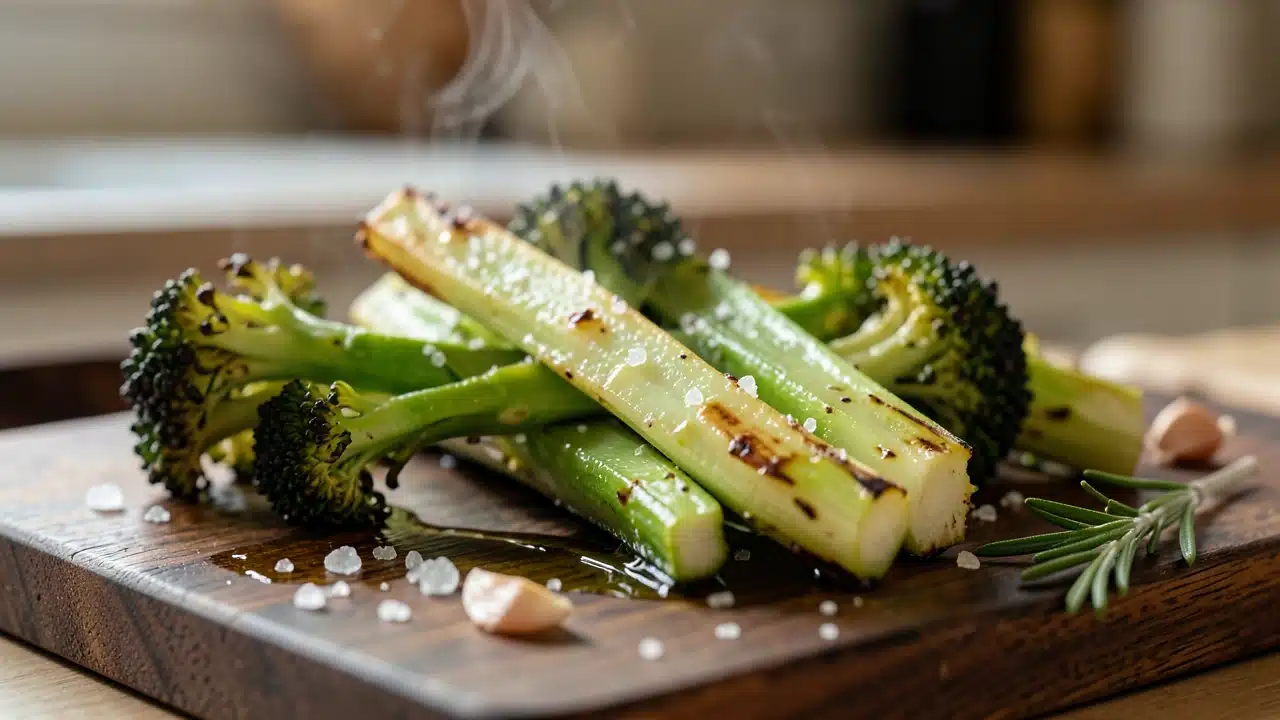
Roasting at a higher temperature is what makes this method so effective. The heat sears the outside of the stalk while the skin protects the tender inside. This creates a delightful contrast in textures.
You get a slightly firm, almost chewy exterior from the skin, and a soft, yielding flesh beneath. It’s a cooking technique that respects the whole vegetable.
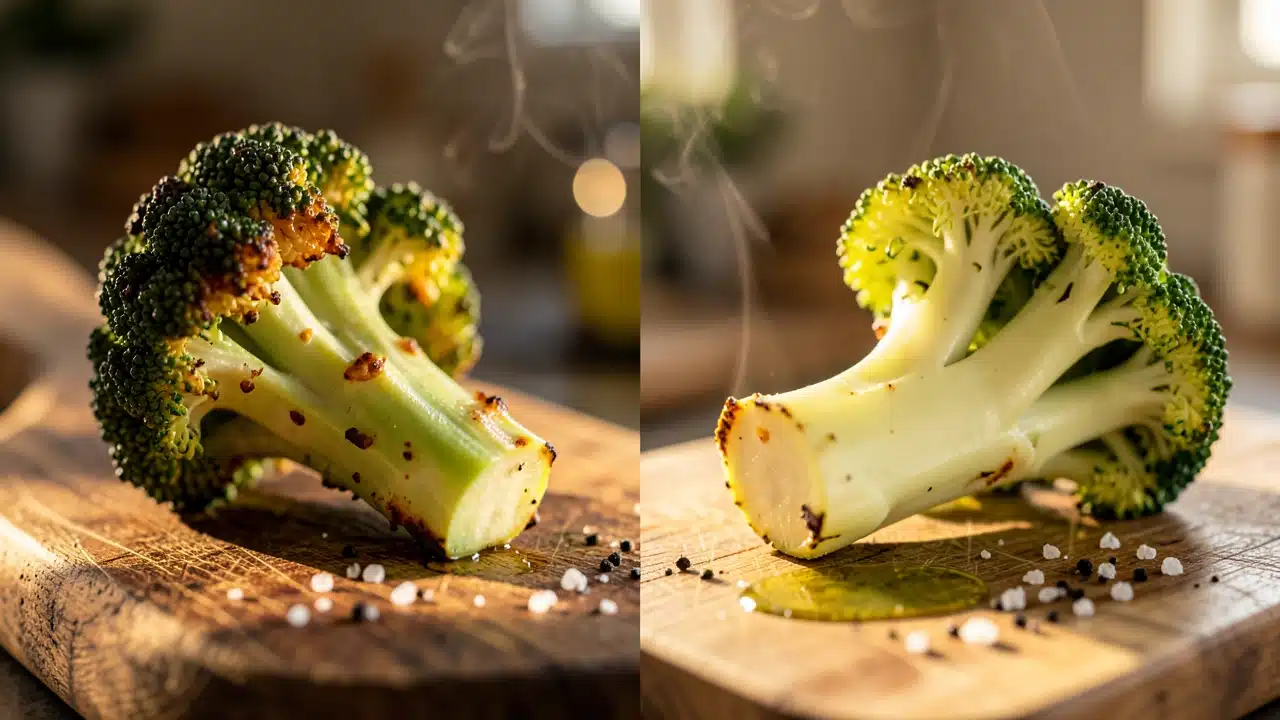
Flavor Differences: Peeled vs. Unpeeled Broccoli Stalks
The flavor profile of a roasted broccoli stalk changes significantly depending on whether you peel it or not. Peeled stalks can sometimes become a bit watery or bland. They lose some of their inherent broccoli goodness.
The skin, however, contains concentrated nutrients and natural sugars.
When roasted unpeeled, these sugars caramelize beautifully. This process brings out a natural sweetness and a slightly nutty undertone. It’s a more complex flavor than you might expect.
Think of how roasted carrots or potatoes taste so much better than boiled ones; the skin plays a role there too.
The same principle applies to broccoli stalks. This is a core part of Why Broccoli Stalks Roast Better Unpeeled and How to Prep Them for delicious results.
Consider the comparison:
| Moisture Retention | Excellent; skin seals in moisture. | Fair; can lose moisture more easily. |
| Flavor Development | Sweet, nutty, caramelized notes. | Milder, sometimes watery. |
| Texture | Tender inside with a slightly firm, pleasant chew outside. | Softer, potentially mushy if overcooked. |
| Nutrient Preservation | Higher; skin contains nutrients. | Lower; some nutrients lost with peeling. |
How to Prep Broccoli Stalks for Roasting
Getting your broccoli stalks ready for the oven is straightforward. It takes just a few simple steps. The goal is to ensure they cook evenly and taste their best.
Following these steps is crucial for understanding Why Broccoli Stalks Roast Better Unpeeled and How to Prep Them effectively.
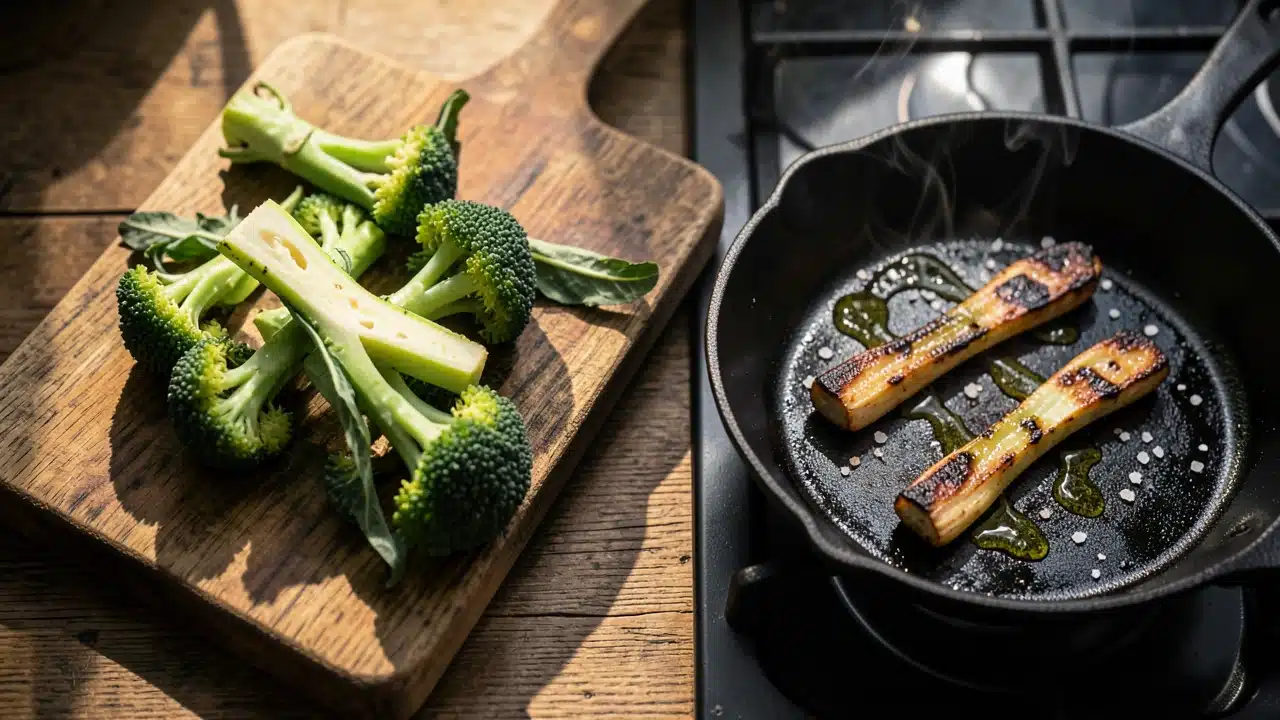
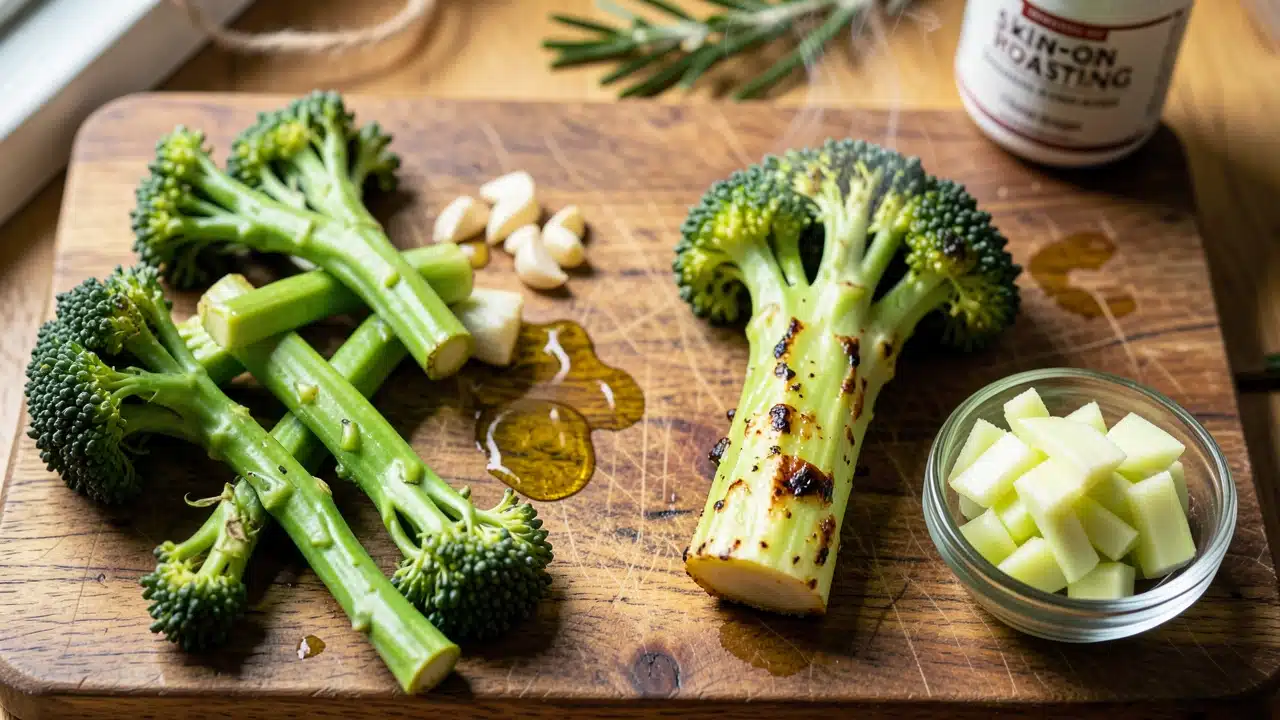
First, wash the broccoli stalks thoroughly. Even though you’re not eating the skin, it’s important to remove any dirt or debris. You can use a vegetable brush or just rub them under running water.
Make sure to get into any crevices.
Next, trim the very end of the stalk. This is usually the toughest part. Cut off about an inch or so from the bottom.
You want to get to the fresh, tender part of the stalk. Discard this tough end.
Then, decide how you want to cut them. For roasting, it's best to cut the stalks into pieces that are roughly the same size. This helps them cook at the same rate.
You can cut them into rounds or spears. Aim for pieces about ½ inch to 1 inch thick. If you’re cutting them into spears, make sure they are not too thick, or they might not cook through.
Finally, if the stalks are very large or fibrous, you might consider a light peel. This isn’t always necessary, especially with younger, more tender stalks.
But if the outer layer seems particularly tough, you can use a vegetable peeler to remove just the tough outer fibers.
You don’t need to peel them all the way down to the core. Just remove the very outer, stringy layer.
The Roasting Process for Perfect Broccoli Stalks
Once your broccoli stalks are prepped, they’re ready for the heat. Roasting is a simple cooking method that yields fantastic results. It transforms a humble vegetable into a delicious side dish.
The process is key to understanding Why Broccoli Stalks Roast Better Unpeeled and How to Prep Them for optimal flavor and texture.
Preheat your oven to a relatively high temperature. A common range is 400°F to 425°F (200°C to 220°C). This high heat is essential for getting a nice sear on the outside of the stalks.
It helps them become tender quickly without turning mushy.
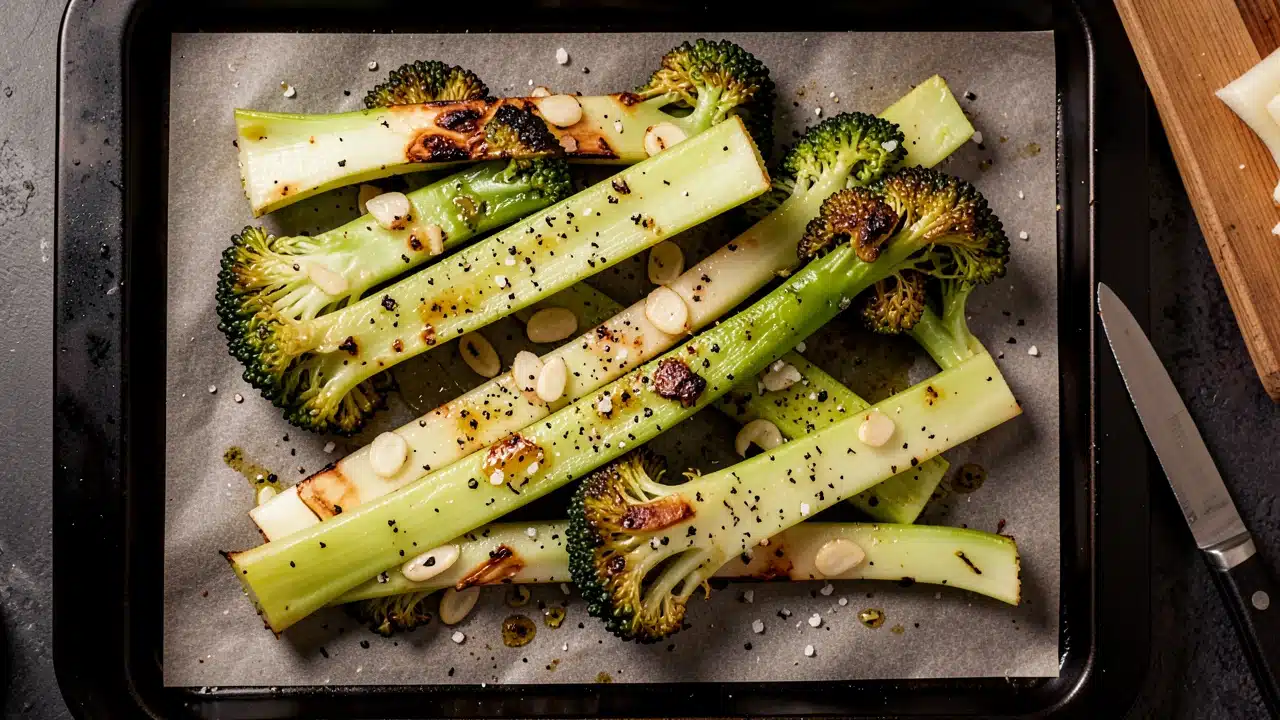
Place your prepped broccoli stalk pieces on a baking sheet. It’s a good idea to line the baking sheet with parchment paper. This makes cleanup much easier.
Make sure the pieces are in a single layer. Don’t overcrowd the pan. If the pieces are too close together, they will steam instead of roast.
This means they won’t get that lovely crispy edge.
Drizzle the stalks with olive oil. You don’t need a lot. Just enough to coat them lightly.
Then, season them. Salt and black pepper are essential. You can also add garlic powder, onion powder, or a pinch of red pepper flakes for a little heat.
Toss everything together on the baking sheet so the oil and seasonings are evenly distributed.
Roast for about 15 to 25 minutes. The exact time will depend on the thickness of your stalk pieces and your oven. You want them to be tender when pierced with a fork.
The edges should look slightly browned and caramelized. Keep an eye on them. They can go from perfectly roasted to slightly burnt very quickly.
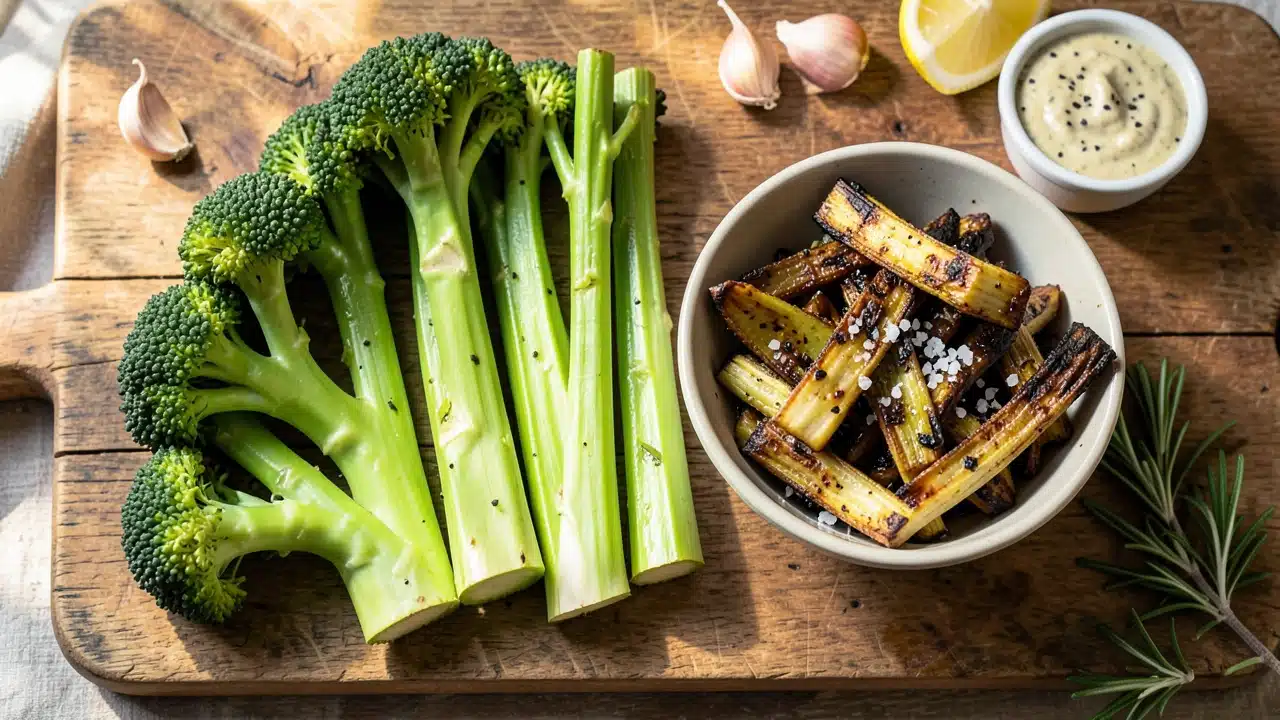
Creative Ways to Use Roasted Broccoli Stalks
Roasted broccoli stalks aren’t just a side dish. They can be incorporated into many meals. Their slightly sweet and tender nature makes them quite versatile.
Knowing Why Broccoli Stalks Roast Better Unpeeled and How to Prep Them opens up a world of culinary possibilities.
Add them to salads. The roasted stalks have a great texture and flavor that complements fresh greens. Chop them up and toss them into a green salad or a grain salad. The sweetness pairs well with tangy vinaigrettes.
Blend them into dips or soups. If you have any leftover roasted stalks, don’t let them go to waste. You can blend them into a creamy vegetable soup or a flavorful dip. They add a lovely depth of flavor and a boost of nutrients.
Use them in pasta dishes. Toss the roasted stalk pieces into your favorite pasta dishes. They add a nice bite and a burst of color. They work well with creamy sauces or simple garlic and olive oil preparations.
Top pizzas or flatbreads. Roasted broccoli stalks are a fantastic topping. Their slightly chewy texture and sweet flavor are a great addition to pizzas or savory flatbreads. They pair well with cheeses like mozzarella or goat cheese.
Troubleshooting Common Roasting Issues
Even with simple recipes, things can sometimes go a little awry. Understanding common issues can help you achieve perfect roasted broccoli stalks every time.
This knowledge is part of Why Broccoli Stalks Roast Better Unpeeled and How to Prep Them for consistent success.
Problem: Stalks are too tough or stringy.
Solution: This usually happens if the stalks are very mature or if they weren’t cut small enough. Try trimming a bit more off the end, or peel them more thoroughly if they are fibrous. Cutting them into smaller, uniform pieces is also key.
Problem: Stalks are mushy or watery.
Solution: This often means the oven wasn’t hot enough, or the pan was overcrowded. Ensure your oven is fully preheated. Spread the stalk pieces in a single layer on the baking sheet.
Don’t let them steam.
Problem: Stalks are burnt on the outside but raw inside.
Solution: The pieces might be too large, or the oven temperature is too high for the size of the cut. Try cutting them smaller or reducing the oven temperature slightly. Keep a closer eye on them during the last few minutes of cooking.
Problem: Stalks lack flavor.
Solution: Don’t be shy with the seasoning! Make sure you use enough olive oil to lightly coat the stalks. Salt, pepper, and other spices are crucial.
You can also add a squeeze of lemon juice after roasting for brightness.
Nutritional Benefits of Broccoli Stalks
Broccoli stalks are not just tasty; they are also packed with good stuff. They offer many of the same nutritional benefits as the florets. The USDA MyPlate guidelines confirm that broccoli stalks are a good source of fiber and other nutrients.
This is another reason Why Broccoli Stalks Roast Better Unpeeled and How to Prep Them, as you’re getting more nutrients from the whole plant.
They are a good source of fiber. Fiber is important for healthy digestion and can help you feel full longer. This can be beneficial for weight management.
Broccoli stalks also contain important vitamins. They are a good source of Vitamin C, which is an antioxidant. They also provide Vitamin K, which is important for bone health and blood clotting. According to Wikipedia, broccoli stalks contain important vitamins like vitamin C and vitamin K.
Furthermore, they contain beneficial minerals like potassium. Potassium helps regulate blood pressure. They also offer compounds like sulforaphane, which is being studied for its potential health benefits.
Frequently Asked Questions Of Why Broccoli Stalks Roast Better Unpeeled And How To Prep Them
Question: Do I need to peel broccoli stalks at all?
Answer: Generally, no. For roasting, leaving the skin on is preferred as it helps retain moisture and flavor. You only need to peel if the outer layer is exceptionally tough or fibrous.
Question: Can I roast broccoli stalks with the florets?
Answer: Yes, you can! However, stalks take a little longer to cook than florets. It’s best to start roasting the stalks for about 5-10 minutes before adding the florets to the pan.
Question: Why is it important to cut stalks into uniform pieces?
Answer: Cutting them into similar sizes ensures that all pieces cook at the same rate. This prevents some pieces from becoming overcooked and mushy while others remain undercooked.
Question: What kind of oil is best for roasting broccoli stalks?
Answer: Olive oil is a popular choice because it has a good flavor and a smoke point suitable for roasting. Other oils like avocado oil or grapeseed oil also work well.
Question: How can I make roasted broccoli stalks spicier?
Answer: Add red pepper flakes to your seasoning mix before roasting. You can also toss them with a drizzle of hot sauce or a sprinkle of cayenne pepper after they come out of the oven.
Question: Is there a difference in taste if I cut broccoli stalks into rounds versus spears?
Answer: Rounds might cook a bit faster and get more crispy edges. Spears can be more substantial and might have a slightly more tender center. Both are delicious when roasted unpeeled.
Question: What is the main benefit of roasting broccoli stalks unpeeled?
Answer: The main benefit is enhanced flavor and texture. The unpeeled skin helps lock in moisture, leading to a sweeter, more tender result with a pleasant chew.
Final Thoughts
Embracing roasted broccoli stalks, unpeeled, is a simple way to boost flavor and reduce waste. You’ve learned Why Broccoli Stalks Roast Better Unpeeled and How to Prep Them for a delicious, tender, and slightly sweet outcome. Give this method a try and enjoy a new appreciation for the whole broccoli plant.