Stem-And-Core Cooking Map: Vegetable Cores With Better Flavor
A stem-and-core cooking map shows which vegetable scraps have better flavour than expected. Broccoli stems, cauliflower cores, cabbage ribs, kale stems, leek tops, and herb stems can become slaw, stir-fries, soup bases, pesto, stock, or roasted sides. Trim woody parts, slice thinly, and cook tougher cores longer so texture matches the dish.
Tired of throwing away perfectly good parts of your vegetables? Many cooks toss the stems and cores, thinking they’re just waste. But these parts often hold a surprising amount of flavor and nutrients.
Learning how to prepare them can make your meals tastier and reduce food waste. This guide will show you how to get the most out of your vegetables, transforming what was once discarded into delicious dishes.
We’ll explore the exciting world of the Stem-and-Core Cooking Map: Vegetable Cores With Better Flavor, helping you unlock new tastes and textures right from your kitchen.
Key Takeaways
- Vegetable stems and cores are packed with flavor and nutrients.
- Simple techniques can make these parts tender and delicious.
- Using stems and cores reduces food waste and saves money.
- Different vegetables require unique approaches for optimal flavor.
- You can create broths, purees, and savory dishes from these parts.
- Embracing the Stem-and-Core Cooking Map: Vegetable Cores With Better Flavor enhances overall cooking creativity.
Why Vegetable Cores Are Worth Cooking
Many people see vegetable stems and cores as scraps. They’re often tough or have a different texture than the main part of the vegetable. Because of this, they usually end up in the compost bin.
However, this means throwing away a lot of potential flavor. These parts often have a more concentrated taste. They can add depth to soups, sauces, and other dishes.
Thinking about the Stem-and-Core Cooking Map: Vegetable Cores With Better Flavor changes how we view these often-ignored pieces. They are not waste; they are an opportunity for richer meals.
Consider the humble broccoli stem. When cooked properly, it’s sweet and tender. It’s a shame to discard it.
The same goes for the leafy tops of carrots or the woody ends of asparagus. With a little knowledge, these can become stars of your plate. This approach not only makes your cooking more interesting but also helps you use vegetables more fully.
It’s an economical and environmentally friendly way to cook.
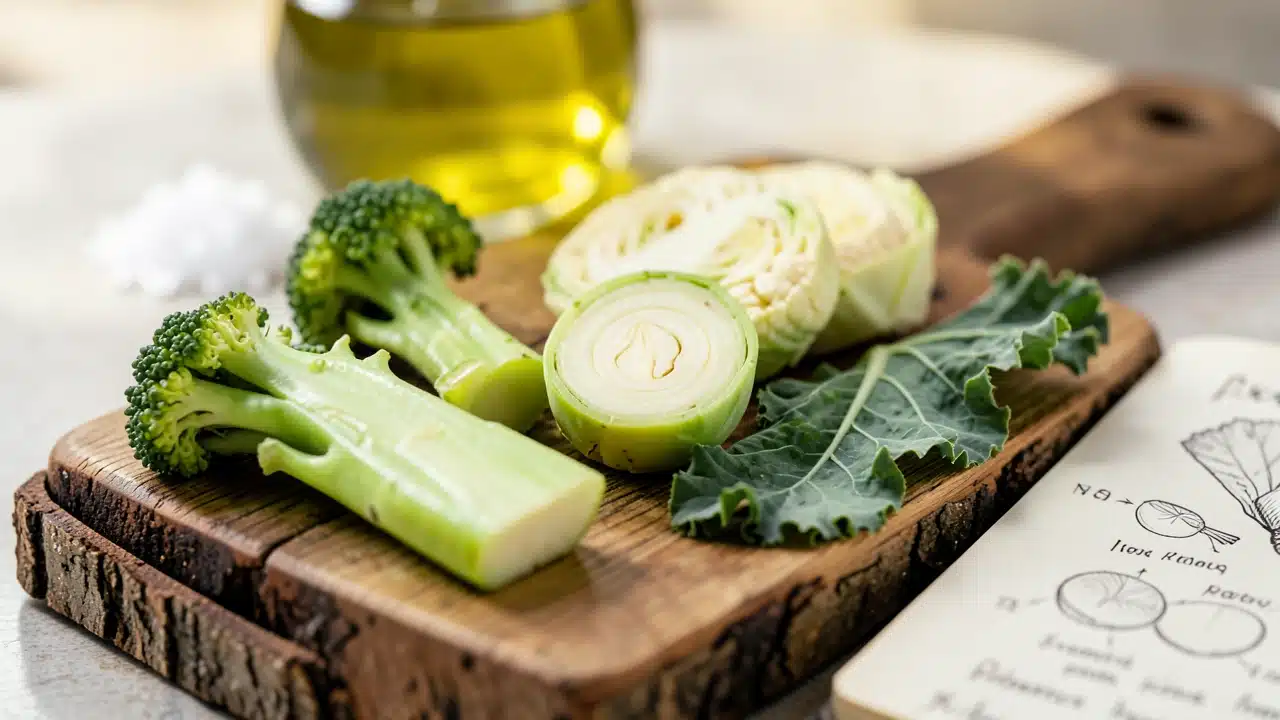
Understanding the Flavor Potential of Vegetable Cores
The flavor in vegetable stems and cores comes from concentrated sugars and minerals. These parts often grow closer to the soil. They absorb more nutrients.
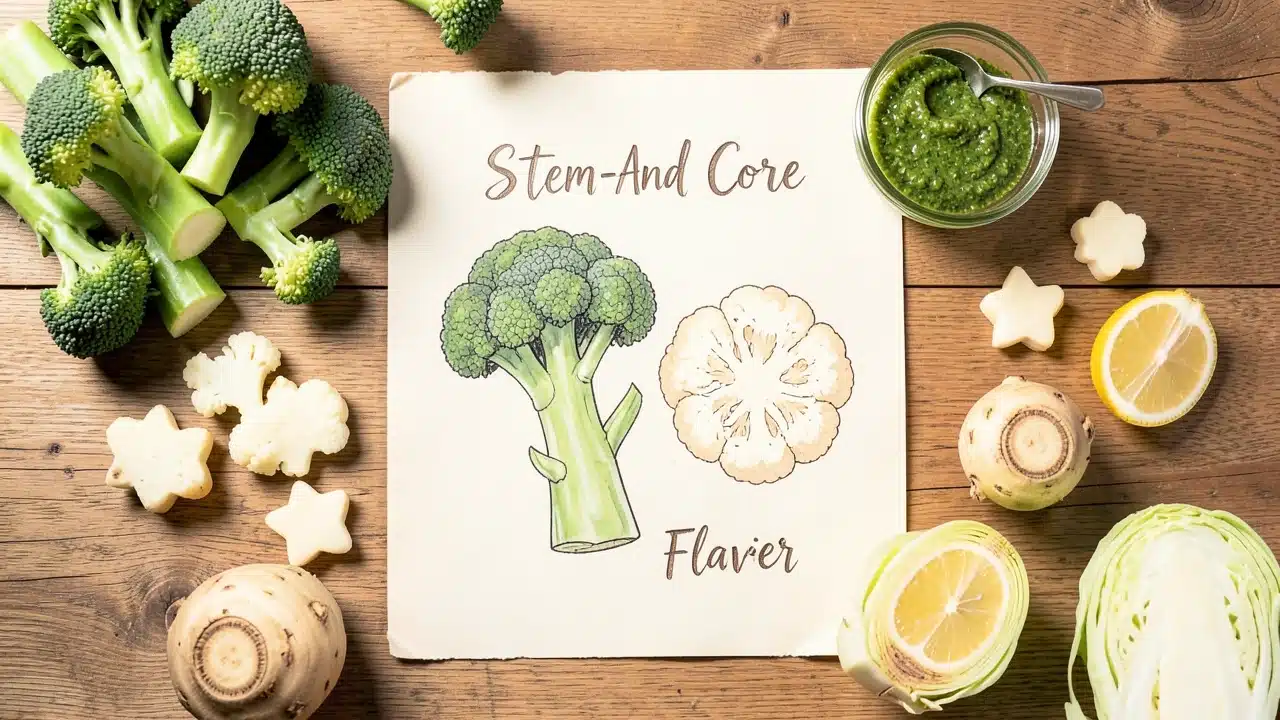
This can result in a more intense taste than the leaves or outer parts. For example, the core of a cabbage is crunchy and slightly sweet. It can be shredded and added to slaws or stir-fries.
The thick stems of kale are earthy and robust. When simmered, they become tender and add a wonderful depth to stews.The Stem-and-Core Cooking Map: Vegetable Cores With Better Flavor highlights these hidden tastes. It encourages us to experiment. Different vegetables have different flavor profiles in their stems and cores.
Some are mild, while others are quite strong. Knowing this helps you choose the right vegetable part for the right dish. It’s about appreciating the whole plant and using every edible bit.
This mindful approach to cooking leads to more satisfying and complex flavors in your food.
Preparing Different Vegetable Cores for Flavor
The way you prepare a vegetable core depends on the vegetable itself. Some need to be peeled, while others just need a good wash. Softening is often key.
This can be achieved through simmering, roasting, or sautéing. For tougher stems, like those from broccoli or cauliflower, peeling away the outer layer can help. Then, slice them thinly or chop them into small pieces.
This allows them to cook more evenly and become tender.
For leafy greens like spinach or chard, the stems can be chopped finely and sautéed with the leaves. They will soften and absorb the flavors of the dish. Carrot tops, often discarded, can be made into a pesto.
They have a slightly peppery taste. The Stem-and-Core Cooking Map: Vegetable Cores With Better Flavor suggests specific methods for each vegetable type. This ensures you get the best texture and taste from every part.
Broccoli and Cauliflower Stems
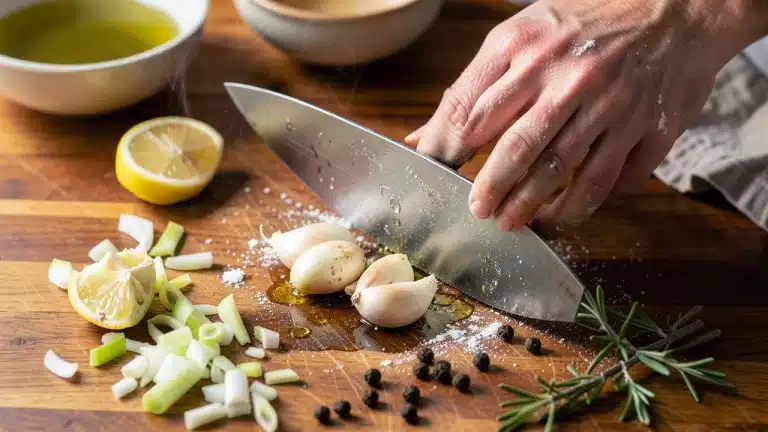
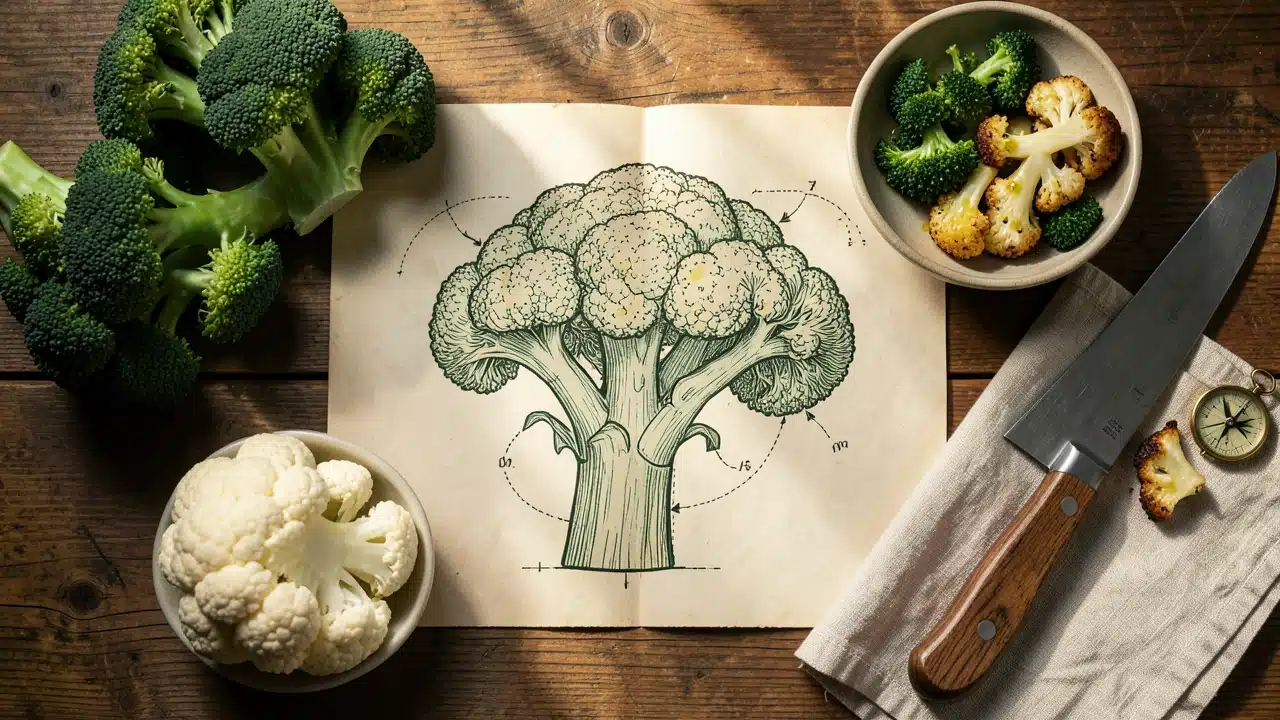
These can be tough if not prepared correctly. Start by trimming off the very end. Then, use a peeler to remove the outer fibrous layer.
Slice the peeled stem into rounds or sticks. You can then steam them until tender. They are also great roasted with oil and seasonings.
Another option is to blend them into creamy soups. They add thickness and a subtle sweetness.
Leafy Green Stems (Kale, Chard, Collards)
The stems of these greens are often too tough to eat raw. Chop them finely. Sauté them in a pan with a little oil before adding the leaves.This softens them up. They will cook along with the leaves. For a more concentrated flavor, simmer them in broth for a longer time.
They can also be added to hearty stews or braises.
Root Vegetable Greens (Carrot, Beet, Radish Tops)
Don’t throw away those leafy tops! Carrot tops are slightly bitter and peppery. They make a fantastic pesto when blended with garlic, nuts, and olive oil.
Beet greens are earthy and delicious. They can be sautéed like spinach. Radish tops are also edible and add a nice bite to salads or cooked dishes.
Cabbage Cores
The core of a cabbage is dense and slightly sweet. You can shred it finely and add it raw to coleslaws. It will soften slightly when dressed.
For a cooked dish, dice it small and add it to stir-fries or soups. It holds its shape well and adds a pleasant crunch.
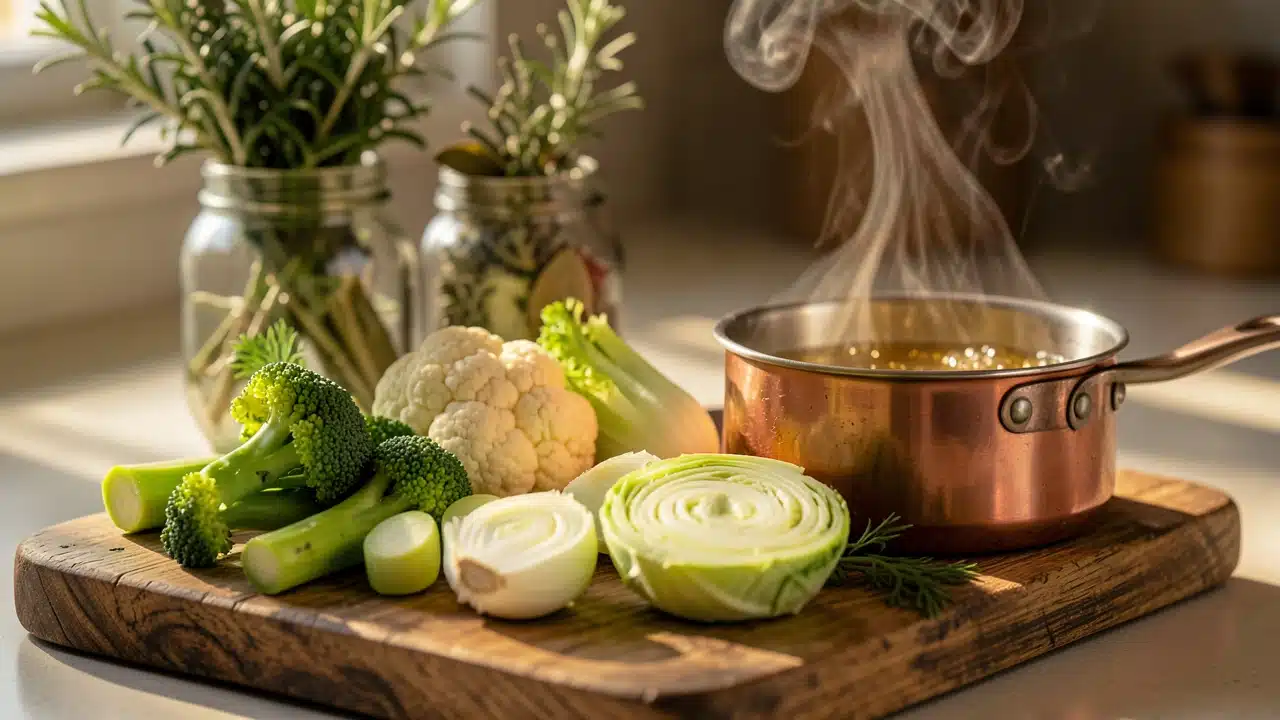
Creating Flavorful Broths and Stocks
One of the best uses for vegetable stems and cores is making broth. These parts are full of flavor that leaches out into water when simmered.
You can collect scraps like onion peels, carrot ends, celery bottoms, and herb stems in a bag in your freezer.
When the bag is full, simmer them in water for a few hours. Strain the liquid to get a delicious vegetable stock. This stock can be used as a base for soups, stews, risottos, and sauces.
The Stem-and-Core Cooking Map: Vegetable Cores With Better Flavor shows that even seemingly plain scraps can create a rich liquid. This homemade stock is far superior to store-bought versions. It has a cleaner, more vibrant flavor.
It also allows you to control the sodium content. Using vegetable scraps for stock is a fundamental step in reducing kitchen waste and maximizing culinary value. It’s a simple yet impactful way to improve your cooking.
Transforming Cores into Purees and Sauces
Beyond broths, vegetable cores can be transformed into smooth purees and flavorful sauces. For instance, roasted broccoli stems can be blended with a little broth and garlic to make a creamy sauce. This can be served over pasta or chicken.
The sweet, earthy flavor of beet stems can be pureed and used as a vibrant base for dips or spreads. Cauliflower cores, when steamed until very soft, can be blended into a smooth, dairy-free sauce.
This method is particularly useful for making vegetables more appealing to picky eaters. A smooth puree can be incorporated into other dishes without being obvious.
The Stem-and-Core Cooking Map: Vegetable Cores With Better Flavor encourages this kind of culinary alchemy.
It shows how to take humble parts and elevate them into gourmet additions. Think of pureed carrot tops blended with white beans for a healthy dip, or finely chopped and simmered leek greens for a rich sauce base.
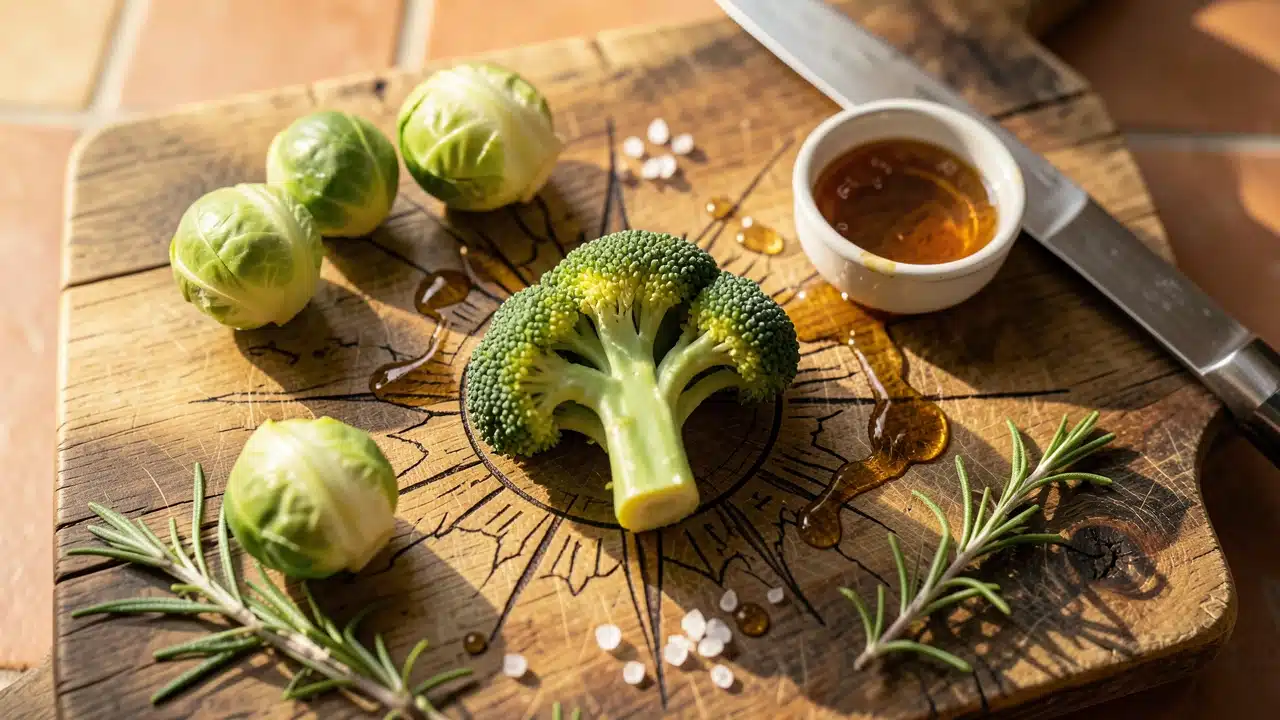
Cooking Techniques for Maximum Flavor
The right cooking technique can make all the difference. Roasting is excellent for bringing out the sweetness in many vegetable cores. Toss them with olive oil, salt, and pepper.
Roast at a medium-high heat until tender and slightly caramelized. Sautéing is another quick method. Chop cores finely and cook them in a hot pan with a little oil.
This softens them and adds a nice texture. Steaming is a gentle way to cook them, preserving nutrients and a clean flavor.
Simmering in liquids like broth or water is ideal for tougher stems. This allows them to break down and infuse the liquid with flavor.
The Stem-and-Core Cooking Map: Vegetable Cores With Better Flavor emphasizes that patience is often rewarded.
Longer, slower cooking methods can unlock deeper flavors. Consider slow-cooking broccoli stems in a stew or braising tough kale stems until they are melt-in-your-mouth tender. Each technique offers a different way to enjoy these parts.
| Broccoli | Stem | Peel, slice, steam or roast | Sweet, slightly earthy |
| Cauliflower | Stem | Peel, dice, steam or roast | Mild, slightly sweet |
| Kale | Stem | Chop finely, sauté or simmer | Earthy, robust |
| Carrots | Greens (tops) | Blend into pesto, sauté | Peppery, slightly bitter |
| Cabbage | Core | Shred finely (raw) or dice (cooked) | Sweet, crunchy |
| Asparagus | Tough ends | Simmer in broth, blend into soup | Grassy, slightly sweet |
Reducing Waste and Saving Money
Embracing the concept of using vegetable stems and cores is a direct way to combat food waste. When you start using these parts, you’re essentially getting more food from the same amount of produce. This means you buy less often or can stretch your budget further.
Think about how much broccoli you might throw away in a month. Now imagine using those stems in soups or stir-fries. That’s extra food you didn’t have to pay for.
The Stem-and-Core Cooking Map: Vegetable Cores With Better Flavor is not just about taste; it’s about smart cooking. It encourages a holistic view of food. By minimizing what goes into the trash, you save money and reduce your environmental footprint.
It’s a win-win situation. Small changes in how we approach food preparation can have a significant impact. This philosophy makes cooking more sustainable and rewarding.
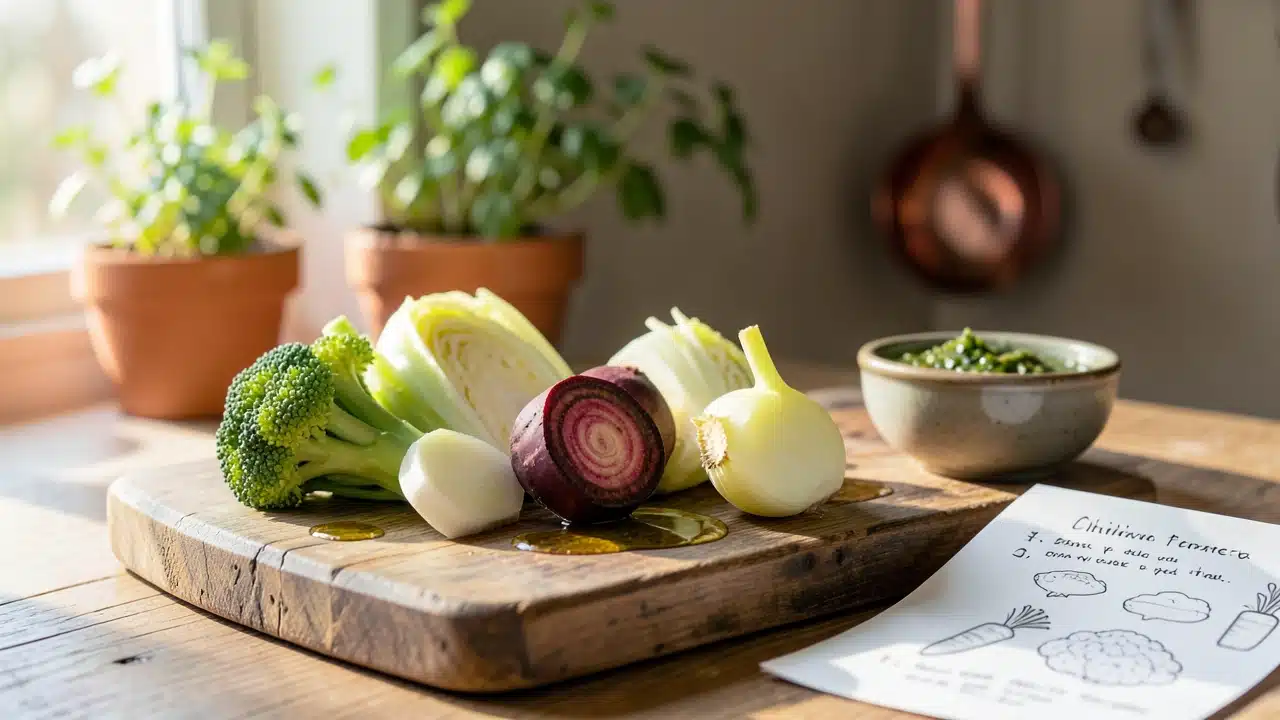
Creative Recipes Featuring Vegetable Cores
There are countless ways to incorporate vegetable cores into your meals. Try making a quick pesto from carrot tops or beet greens. You can add finely chopped broccoli stems to your next batch of meatballs or meatloaf.
Blend roasted cauliflower stems into a creamy soup base. Even the woody ends of asparagus can be simmered in water to add flavor to a vegetable broth. Don’t forget about potato peels; when washed well and baked or fried, they make crispy chips.
Consider making a hearty soup by simmering tough greens stems with root vegetables. The Stem-and-Core Cooking Map: Vegetable Cores With Better Flavor inspires creativity.
You can even make vegetable stock from seemingly unusable scraps like onion skins and herb stems.
This stock can then be used as the foundation for amazing dishes. Experimentation is key. You’ll be surprised at how many delicious meals you can create from parts you used to discard.
Frequently Asked Questions Of Stem-And-Core Cooking Map: Vegetable Cores With Better Flavor
Question: Are all vegetable cores edible?
Answer: Most vegetable cores and stems are edible, but some can be tough or fibrous. Proper preparation, like peeling or finely chopping, makes them palatable. Always wash vegetables thoroughly before using any part.
Question: What is the main benefit of using the Stem-and-Core Cooking Map: Vegetable Cores With Better Flavor?
Answer: The main benefit is unlocking hidden flavors and nutrients in parts of vegetables often thrown away. This reduces food waste, saves money, and enhances the taste of your dishes.
Question: How do I prepare tough stems like broccoli or cauliflower?
Answer: For tough stems, it’s best to peel off the outer fibrous layer with a vegetable peeler. Then, slice them thinly or dice them. They can then be steamed, sautéed, or roasted until tender.
Question: Can I use vegetable cores to make broth?
Answer: Absolutely. Vegetable cores, stems, and even peels are excellent for making flavorful homemade broth. Collect scraps in a bag in your freezer and simmer them when you have enough.
Question: Which vegetables have the most flavorful cores?
Answer: Vegetables like broccoli, cauliflower, carrots, and cabbage often have cores and stems with surprisingly good flavor. Their sweetness and earthy notes can add depth to many recipes.
Final Thoughts
Using vegetable stems and cores is a simple yet impactful way to cook. You get more flavor and nutrients from your food. It’s also a great way to cut down on waste and save money.
Start by trying one new recipe using a vegetable part you used to discard. You’ll discover a whole new world of taste in your kitchen.