
9 Cold-Sensitive Foods Your Fridge Quietly Damages Every Week
Cold-sensitive foods your fridge quietly damages include tomatoes, bananas, potatoes, onions, garlic, bread, basil, avocados, and whole melons.
Cold storage can dull flavour, change texture, speed starch-to-sugar changes, cause moisture damage, or stop proper ripening.
Keep these foods in cool, dry, ventilated places unless they are cut, fully ripe, or need short-term preservation.
Your refrigerator can be a great tool for keeping food fresh, but it can also be a hidden enemy for certain items.
Many people don’t realize that placing specific foods in the wrong part of the fridge, or even in the fridge at all, can change their taste, texture, and even make them spoil faster. Understanding these common pitfalls can save you money and prevent food waste.
We’ll cover the 9 Cold-Sensitive Foods Your Fridge Quietly Damages Every Week, explain why they suffer, and offer simple tips to keep them tasting their best.
Key Takeaways
- Several common fruits and vegetables lose flavor and texture when stored too cold.
- Bread and baked goods can become stale faster in the refrigerator.
- Certain spices and herbs degrade in quality when chilled.
- Coffee beans can absorb odors and moisture in the fridge.
- Tomatoes develop a mealy texture and lose their vibrant flavor when refrigerated.
- Understanding proper storage prevents food waste and saves money.

Why Cold Can Be Bad for Some Foods
It might seem counterintuitive, but not all foods benefit from the chilly environment of a refrigerator. The cold temperatures, while excellent for slowing down bacterial growth, can disrupt the natural processes and structures of other foods. This can lead to a breakdown in flavor, a change in texture, and a loss of nutritional value.
For many items, a cool, dark pantry or a countertop is a much better storage solution.
When you put certain foods into a cold environment, their cells can be damaged. This damage releases enzymes that change the food’s composition.
For example, the enzymes in tomatoes break down differently in the cold, making them mushy and less flavorful.
Similarly, the starches in potatoes turn into sugar when chilled, giving them a sweet taste and a gritty texture when cooked.

The List: 9 Cold-Sensitive Foods Your Fridge Quietly Damages Every Week
Let’s look at the specific items that suffer the most from being kept too cold. These are the 9 Cold-Sensitive Foods Your Fridge Quietly Damages Every Week. Knowing these will help you rethink your fridge organization and pantry setup.
1. Tomatoes
Tomatoes are a classic example of a fruit that does not belong in the refrigerator. Cold temperatures interfere with the enzymes that give tomatoes their flavor and texture. Instead of ripening properly, they become mealy and lose their sweet, tangy taste.
Storing tomatoes at room temperature, stem-side down if possible, allows them to ripen naturally and retain their best qualities.
If you have very ripe tomatoes that you need to keep for a day or two longer, a brief stint in the fridge might be acceptable, but they should be brought back to room temperature before eating to regain some flavor.
2. Bananas
Bananas are tropical fruits that are very sensitive to cold. When placed in a refrigerator, their skins turn black quickly, and the fruit inside becomes mushy and less sweet.
This isn’t just an aesthetic issue; the cold damages the cell walls, altering the flavor and texture permanently.
Keep bananas on your counter. If you want to slow down ripening for a day or two, you can separate them. However, once they are in the fridge, there’s no going back to their optimal state.
3. Potatoes
Refrigerating potatoes is a common mistake that leads to unwanted changes in their starch content. The cold converts the starches in potatoes into sugars.
This not only makes them taste unpleasantly sweet but also causes them to turn dark brown or black when fried or roasted, and can even produce a higher level of acrylamide, a potential carcinogen.
Store potatoes in a cool, dark, and dry place, like a pantry or a cupboard. Make sure they have good air circulation. Avoid washing them until you’re ready to cook, as moisture can encourage sprouting and spoilage.
4. Onions and Garlic
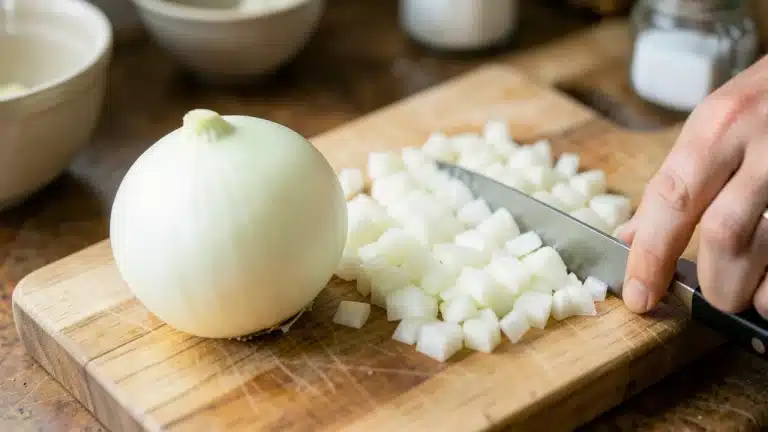
While some might store onions and garlic in the fridge, it’s generally not ideal for them. The cold and humidity of the refrigerator can cause them to become soft and moldy more quickly. Onions can also absorb moisture, leading to a mushy texture and a less potent flavor.
Both onions and garlic are best kept in a cool, dry, and well-ventilated place. A pantry or a basket in a dark cupboard works well. Keep them separate from potatoes, as potatoes release moisture that can cause onions to sprout.
5. Bread and Baked Goods
Putting bread or pastries in the refrigerator might seem like a good way to make them last longer, but it actually speeds up the staling process.
The cold causes the starch molecules in bread to crystallize more rapidly, making the bread dry and hard much faster than it would at room temperature.
For short-term storage, keep bread in a bread box or a paper bag at room temperature. If you need to store it for longer, freezing is a much better option. Frozen bread can last for months and thaws well at room temperature.
6. Avocados
Avocados are another fruit that can be negatively affected by refrigeration, especially when they are not yet ripe.
The cold can prevent them from ripening properly, leaving them hard and lacking flavor. Even ripe avocados can develop a slightly off-texture when stored in the fridge for too long.
Ripen avocados on your countertop. Once ripe, you can store them in the fridge for a day or two to slow down further ripening, but it’s best to eat them soon after they reach peak ripeness. To prevent cut avocados from browning, squeeze a little lime or lemon juice on them and cover tightly.
7. Coffee Beans
Coffee beans are porous and can easily absorb surrounding odors and moisture. The refrigerator is often a place with many strong smells, from leftovers to spices.
Storing coffee beans in the fridge means they will likely pick up these unwanted aromas, which will then transfer to your coffee, ruining its delicate flavor profile.
Keep coffee beans in an airtight container in a cool, dark place. A pantry or cupboard is perfect. Avoid grinding beans until you are ready to brew to maintain maximum freshness.
8. Honey
Honey is a natural preservative and has a very long shelf life. When refrigerated, honey can crystallize much faster. This process makes the honey grainy and difficult to use.
While crystallized honey is still safe to eat, it’s not the desirable texture.
Store honey at room temperature, in a sealed container. If your honey does crystallize, you can gently warm the jar in a bowl of warm water to return it to its liquid state.
9. Herbs (Certain Types)
While some herbs, like parsley and cilantro, can benefit from being stored in the fridge with their stems in water (like a bouquet), many others, especially woody herbs like rosemary and thyme, do not fare well in the cold. Refrigeration can cause them to wilt and lose their essential oils, diminishing their flavor and aroma.
For woody herbs, store them loosely wrapped in a slightly damp paper towel in a plastic bag in the warmer part of your fridge, or better yet, keep them in a vase with a little water on your countertop, away from direct sunlight.

Rethinking Your Fridge Organization
Now that you know about the 9 Cold-Sensitive Foods Your Fridge Quietly Damages Every Week, it’s time to think about how you organize your refrigerator.
Not all parts of the fridge are equally cold. The door shelves are typically the warmest, while the back of the shelves and the bottom drawers are the coldest.
Consider moving items that are less sensitive to cold to the door. For example, condiments and jams are generally fine there.
The crisper drawers are designed to control humidity, which can be helpful for some vegetables, but remember that even these drawers can be too cold for certain produce.
Understanding Fridge Zones
Your refrigerator has different temperature zones. The top shelves are usually slightly warmer than the bottom shelves. The crisper drawers can be adjusted for humidity, but their base temperature is still cold.
Top Shelves: Generally more consistent temperature, good for leftovers, drinks, and ready-to-eat foods.
Middle Shelves: Slightly colder, suitable for dairy products like milk, yogurt, and cheese.
Bottom Shelves: The coldest part of the fridge, ideal for raw meats, poultry, and fish.
Store these on a plate or in a container to prevent drips.
Crisper Drawers: Designed for fruits and vegetables. High humidity drawers are for leafy greens and vegetables that wilt easily.
Low humidity drawers are for fruits and vegetables that rot easily, like apples and peppers.
Door Shelves:
The warmest and most temperature-fluctuating zone. Best for condiments, juices, and items that are less perishable.
The Pantry Advantage
For many of the 9 Cold-Sensitive Foods Your Fridge Quietly Damages Every Week, the pantry is the ideal storage location.
A cool, dark, and dry pantry offers a stable environment that is much better suited for items like potatoes, onions, garlic, and even unopened bread. This allows them to retain their natural moisture, flavor, and texture for longer.
Ensure your pantry has good ventilation. Avoid storing these items near heat sources like ovens or direct sunlight, which can cause them to spoil or sprout prematurely.
Tips for Extending Food Life Without the Fridge
Saving money and reducing waste often comes down to simple storage solutions. By keeping the 9 Cold-Sensitive Foods Your Fridge Quietly Damages Every Week out of the cold, you can enjoy them at their best.
- Tomatoes: Keep on the counter until ripe.
- Bananas: Hang on a banana hook or place on the counter.
- Potatoes: Store in a cool, dark, airy place like a basket in a pantry.
- Onions & Garlic: Keep in a cool, dry, well-ventilated spot, separate from potatoes.
- Bread: Store in a bread box or paper bag at room temperature for short periods; freeze for longer storage.
- Avocados: Ripen on the counter, then store in the fridge briefly if needed.
- Coffee Beans: Keep in an airtight container in a cool, dark cupboard.
- Honey: Store in a sealed jar at room temperature.
- Herbs (woody): Keep in a vase with water on the counter or loosely wrapped in a damp paper towel in the fridge.

Common Misconceptions About Food Storage
Many people believe that the refrigerator is the universal solution for keeping food fresh. This is a common misconception that leads to unnecessary food spoilage and loss of flavor.
It’s important to remember that refrigeration is primarily for slowing down bacterial growth and enzymatic activity that causes spoilage in perishable items.
For foods that rely on specific ripening processes or that have cell structures sensitive to cold, refrigeration can actually accelerate degradation.
Understanding the specific needs of each food item is key to effective food preservation and enjoying the best possible taste and texture.

Preventing Waste with Smart Storage Choices
By implementing these simple storage strategies, you can significantly reduce food waste and ensure that your groceries stay fresh and delicious for longer.
Being mindful of the 9 Cold-Sensitive Foods Your Fridge Quietly Damages Every Week is a small change that makes a big difference.
The goal is to provide the optimal environment for each food item. For some, that means the cool darkness of a pantry; for others, it means the controlled chill of a refrigerator.
Making informed decisions about where to store your food ensures you get the most out of your groceries and enjoy better-tasting meals.
Frequently Asked Questions Of 9 Cold-Sensitive Foods Your Fridge Quietly Damages Every Week
Question: Which of the 9 cold-sensitive foods can I still put in the fridge if they are very ripe?
Answer: For foods like tomatoes and avocados, if they are very ripe and you need to extend their life by a day or two, a brief period in the fridge is acceptable. However, it’s best to bring them back to room temperature before eating to regain flavor and texture.
Question: Will refrigerating bread make it last longer?
Answer: No, refrigerating bread actually makes it go stale faster. The cold causes the starches to crystallize, leading to a dry and hard texture. It’s better to store bread at room temperature or freeze it for longer periods.
Question: How can I tell if my potatoes have been damaged by the cold?
Answer: Potatoes damaged by cold will taste sweeter than usual and may turn dark brown or black when cooked, especially when fried. Their texture can also be less desirable.
Question: Is it okay to store onions and garlic together?
Answer: It’s best to store onions and garlic separately. While both prefer cool, dry places, onions release ethylene gas and moisture that can cause garlic to sprout prematurely. Potatoes should also be kept away from onions.
Question: What is the best way to store fresh herbs like basil and mint?
Answer: Basil and mint are sensitive to cold. Treat them like flowers: trim the stems and place them in a jar with water on your counter, away from direct sun. You can also cover them loosely with a plastic bag for added humidity.
Question: Why is it bad to refrigerate coffee beans?
Answer: Coffee beans are porous and will absorb odors and moisture from the refrigerator. This contaminates their flavor, making your coffee taste less fresh and potentially off. Always store coffee in an airtight container at room temperature.
Question: What are the 9 cold-sensitive foods your fridge quietly damages every week?
Answer: The 9 cold-sensitive foods your fridge quietly damages every week include tomatoes, bananas, potatoes, onions, garlic, bread, avocados, coffee beans, and certain fresh herbs. Storing these items at room temperature or in a cool pantry is often best.
Final Thoughts
Understanding which foods don’t belong in the fridge is key to preserving their taste and texture. By keeping items like tomatoes, bananas, and bread at room temperature, you avoid common spoilage and enjoy your groceries at their best. Making these simple storage swaps saves money and reduces waste.