Why Preheating Your Pan Before Fat Cuts Real Cook Time By 30%
Preheating your pan before fat can cut real cook time by reducing the delay between adding food and effective browning.
A hot pan drives off surface moisture faster, helps oil shimmer quickly, and improves contact. The 30% figure is not universal; results depend on burner power, pan mass, food moisture, and batch size.
Getting dinner on the table faster is a goal for everyone. You want great results without spending hours in the kitchen. That’s where a simple cooking trick makes a big difference.
Understanding Why Preheating Your Pan Before Fat Cuts Real Cook Time by 30% can change your cooking routine.
It means less waiting and more enjoying delicious meals. We’ll show you how this one step saves you significant time and makes your food taste even better.
Key Takeaways
- Preheating your pan helps food cook faster by creating an even, hot surface.
- Adding fat to a hot pan prevents sticking and promotes better searing.
- This method can reduce actual cooking time by up to 30%.
- Proper preheating ensures food develops a nice crust, improving flavor and texture.
- It helps maintain a consistent cooking temperature for more predictable results.
- Knowing when your pan is ready is key to unlocking these time-saving benefits.
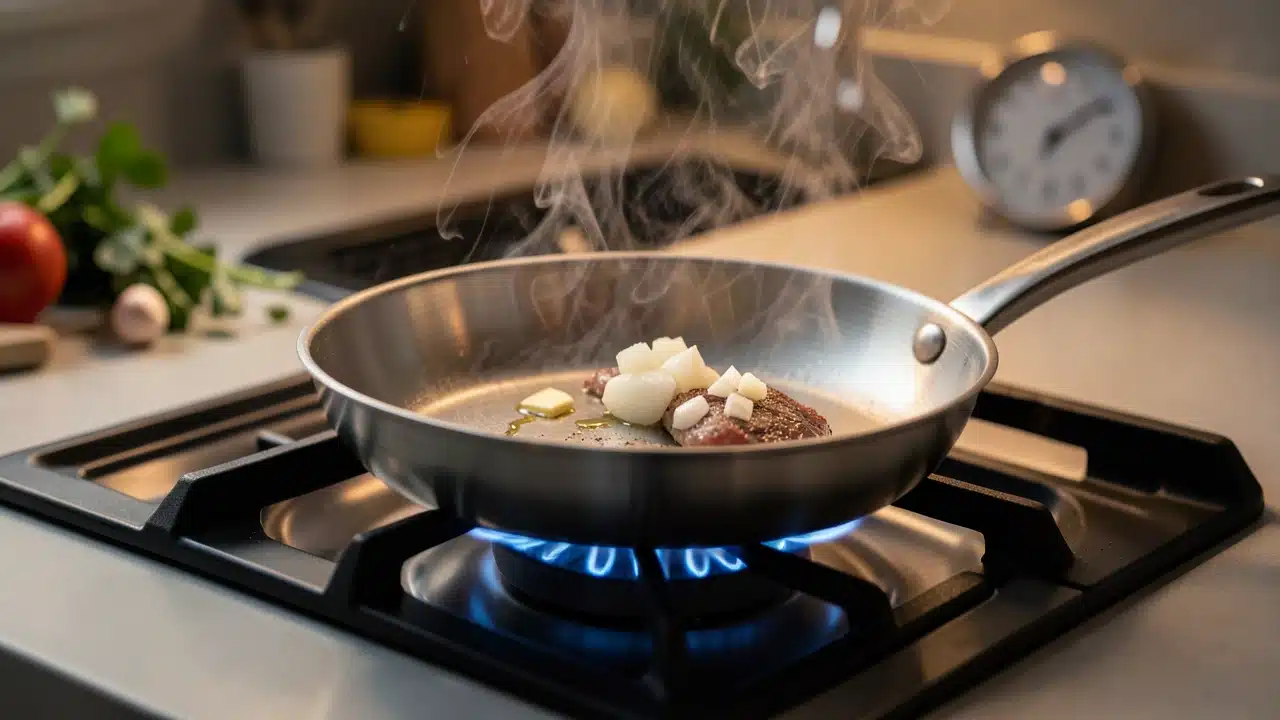
Achieve Faster Meals by Preheating Your Pan
Cooking can feel like a race against the clock, especially on busy weeknights. You want to get a delicious meal on the table quickly. One of the best ways to speed things up is by preheating your pan correctly.
This simple step is the secret to cutting down your actual cooking time. It’s not just about making things faster; it’s about making them better. When your pan is hot, food cooks more evenly and efficiently.
Many people rush to put food into a cold or barely warm pan. This often leads to sticking. It also means the food takes longer to heat up.
The pan needs time to reach a good cooking temperature. If you add your ingredients too soon, they steam instead of sear. This delays the cooking process.
Learning Why Preheating Your Pan Before Fat Cuts Real Cook Time by 30% is about working smarter, not harder, in the kitchen.
The Science Behind Faster Cooking
Heat transfer is the key to understanding Why Preheating Your Pan Before Fat Cuts Real Cook Time by 30%.
When you place food in a hot pan, heat moves from the pan to the food very quickly. This rapid heat transfer starts the cooking process immediately.
If the pan is not hot enough, heat transfer is slow. This means your food spends more time just sitting there, slowly warming up.
Think of it like this: a hot pan is ready to do its job. A cold pan needs to warm up along with the food. This adds extra time.
Preheating ensures the pan is already at the optimal temperature. This allows it to efficiently transfer heat to the food from the moment it touches the surface. This efficiency is what leads to significantly reduced cooking times.
It’s a fundamental principle of cooking that makes a real impact.
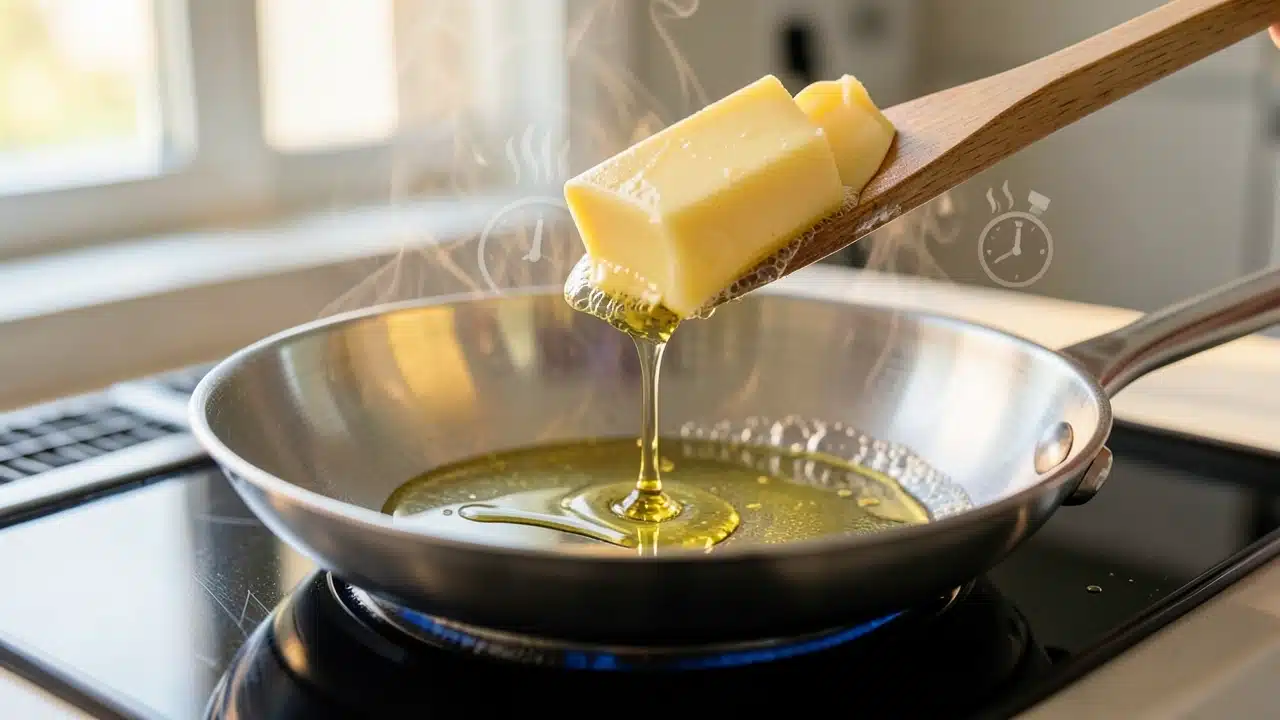
How Fat Plays a Crucial Role
Adding fat, like oil or butter, to a preheated pan is essential. When you add fat to a hot pan, it heats up very quickly. This hot fat then transfers heat to the food.
It also creates a barrier between the food and the pan. This barrier prevents sticking. Sticking food not only makes a mess but also slows down cooking.
It can cause food to cook unevenly.
When fat is properly heated, it helps in achieving a good sear. Searing is when the outside of the food browns and develops a crust. This browning adds a lot of flavor.
It also creates a pleasant texture. If you add fat to a cold pan and then heat them together, the fat can break down. It might burn before the pan gets hot enough.
This is why adding fat to a preheated pan is so important for both speed and quality.
Understanding the 30% Time Saving
The claim that preheating can cut cooking time by 30% is based on real-world cooking. Consider searing a steak. If you put a cold steak into a cold pan, it will take time for the pan to heat up and then for the steak to cook through.
You might then need to finish it in the oven. If you start with a screaming hot pan and hot fat, the steak sears immediately. The outside cooks much faster.
The inside cooks more efficiently.
For many dishes, this immediate heat transfer means the overall cooking time is dramatically reduced. Instead of spending 10 minutes to get a good sear and then another 10 minutes to cook through, you might achieve both in 7 minutes each. That’s a significant saving.
This principle applies to many types of cooking, from stir-fries to pan-fried chicken. The faster the heat gets to the food, the faster it cooks. This is a core reason Why Preheating Your Pan Before Fat Cuts Real Cook Time by 30%.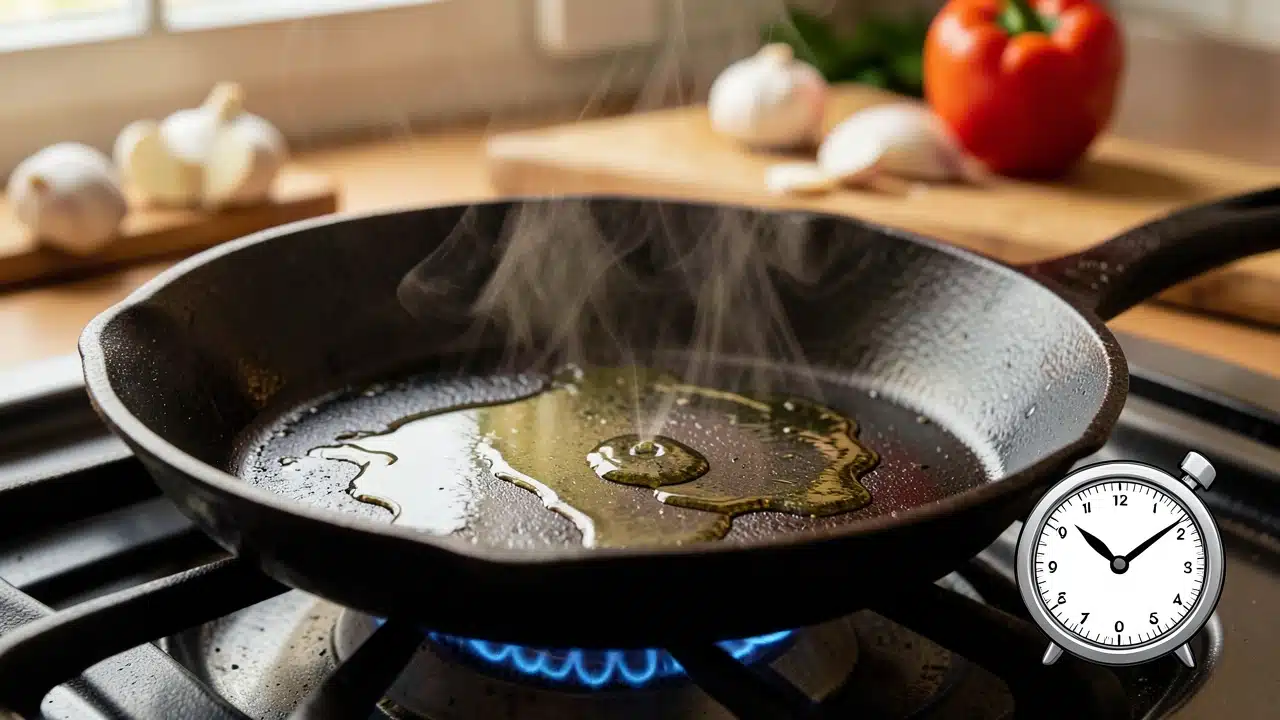
When is Your Pan Ready?
Knowing when your pan is hot enough is key to getting these benefits. Different pans and stovetops heat up differently.
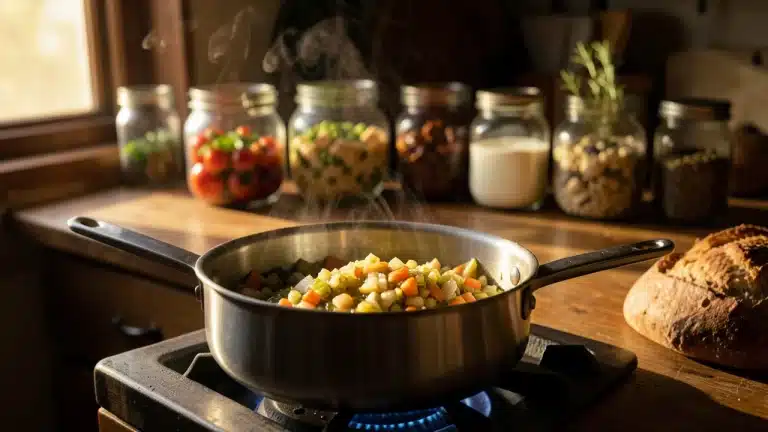
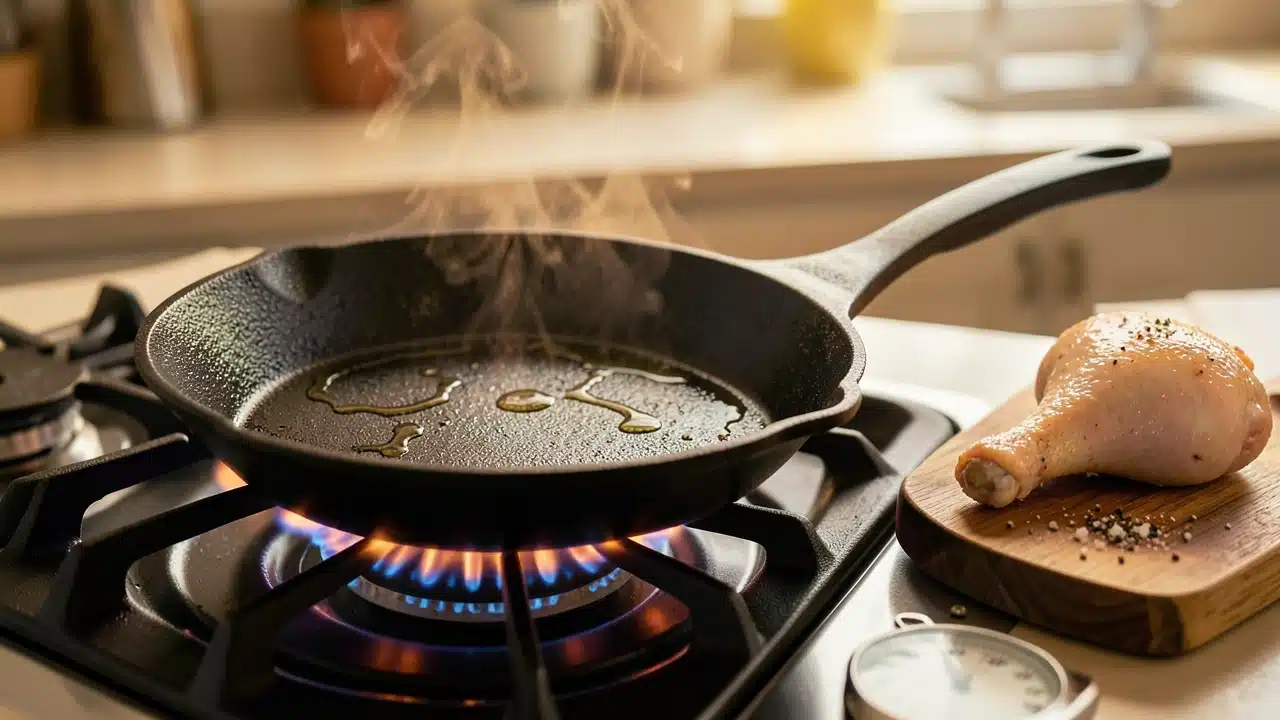
A good rule of thumb for most metal pans is to heat them over medium-high heat for 2-5 minutes before adding fat.
For oil, you’re looking for it to shimmer. For butter, it should melt quickly and start to foam, but not brown too fast.
Another common test is the “water drop test.” Flick a few drops of water into the pan. If the water sizzles and evaporates immediately, the pan is too hot. If the water just sits there, it’s not hot enough.
If the water droplets dance and skitter across the surface in small, round balls before evaporating, your pan is perfectly preheated.
This is the ideal temperature for adding your fat and then your food. Getting this step right is crucial for realizing Why Preheating Your Pan Before Fat Cuts Real Cook Time by 30%.
Types of Pans and Preheating
Different pan materials require slightly different preheating approaches. Understanding these differences helps you get the best results and realize Why Preheating Your Pan Before Fat Cuts Real Cook Time by 30%.
Cast Iron Pans
Cast iron pans hold heat incredibly well. They take longer to heat up but stay hot. You should preheat cast iron for at least 5-10 minutes over medium heat.
This ensures the entire pan surface is evenly hot. This even heating is vital for preventing hot spots and ensuring consistent cooking.
Stainless Steel Pans
Stainless steel is a popular choice. It heats up relatively quickly. For stainless steel, preheating for about 2-5 minutes over medium-high heat is usually sufficient.
Adding fat to a hot stainless steel pan is crucial to prevent sticking.
Non-Stick Pans
Non-stick pans are a bit different. You generally don’t need to preheat them as long as other pans. Overheating can damage the non-stick coating.
Preheat for 1-2 minutes over medium heat. Always add fat to a non-stick pan before adding food, even if it’s advertised as “no-stick.” This helps ensure food doesn’t stick and cooks properly.
Carbon Steel Pans
Carbon steel pans are similar to cast iron. They are lightweight and heat up quickly. Preheat them for 3-5 minutes over medium-high heat.
They also benefit greatly from proper preheating for searing and speed.
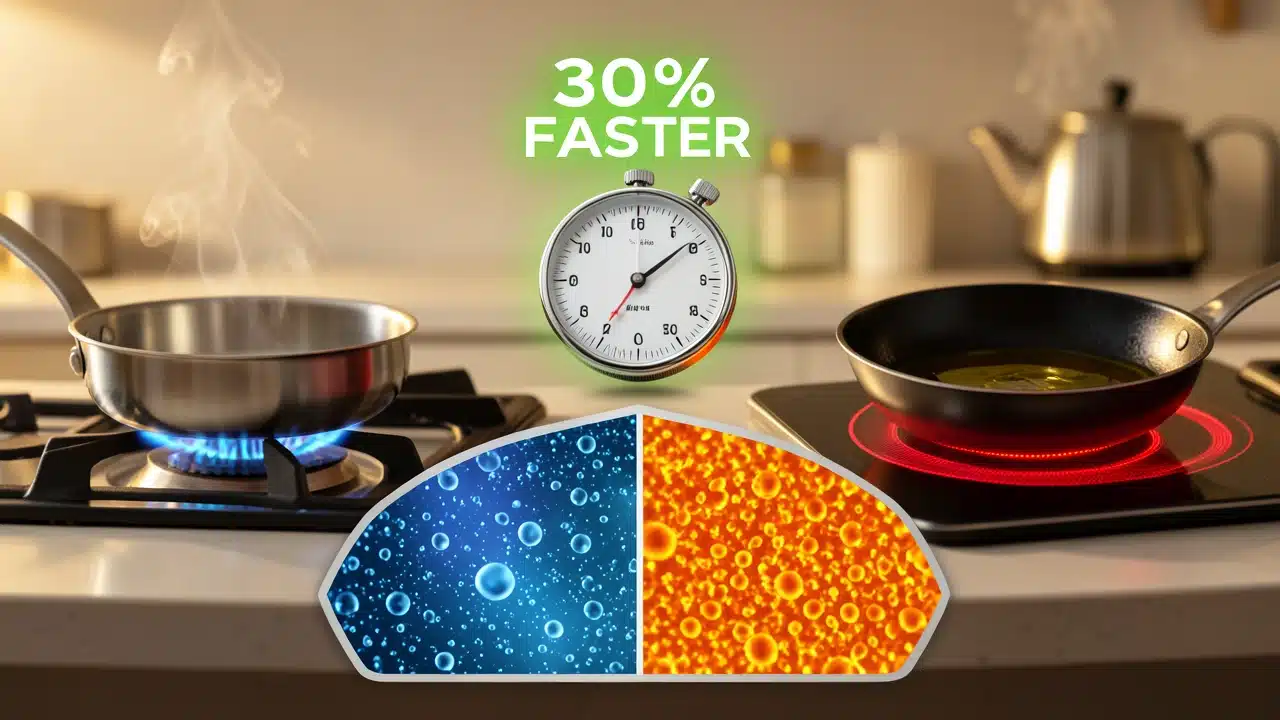
Comparing Preheating Methods
Let’s look at how preheating impacts cooking time and results across different methods.
| Initial Heat Transfer | Very Fast | Slow | Very Slow |
| Sticking Risk | Low (with proper fat) | High | Very High |
| Searing Quality | Excellent (quick browning) | Poor (slow browning, steaming) | Non-existent (food will stick) |
| Estimated Time Saving | Up to 30% | No saving, potentially longer | No saving, food likely ruined |
| Flavor Development | High (Maillard reaction) | Low | None |
As the table shows, the combination of a preheated pan and hot fat is superior. It directly impacts how quickly and effectively your food cooks. This is the core of Why Preheating Your Pan Before Fat Cuts Real Cook Time by 30%.
Common Mistakes to Avoid
Even with the best intentions, people sometimes make mistakes with preheating. Avoiding these will help you get the full benefit of faster cooking.
- Adding Food Too Soon: The most common mistake is adding food before the pan is properly hot. This leads to steaming and longer cook times.
- Overheating Non-Stick Pans: Non-stick coatings can degrade if heated too high for too long without food or fat. Always use medium heat and preheat briefly.
- Not Using Enough Fat: Even in a hot pan, insufficient fat can lead to sticking. Ensure you use enough oil or butter to coat the bottom of the pan.
- Using the Wrong Heat Setting: Medium-high heat is usually best for preheating most pans. Too low, and it won’t get hot enough. Too high, and the fat can burn.
- Not Letting the Pan Heat Evenly: Give your pan time to heat all the way across. Some pans have hot spots, but good preheating minimizes this.
Paying attention to these details ensures you’re getting the most out of your cooking. It’s about making sure you understand Why Preheating Your Pan Before Fat Cuts Real Cook Time by 30% and how to achieve it every time.
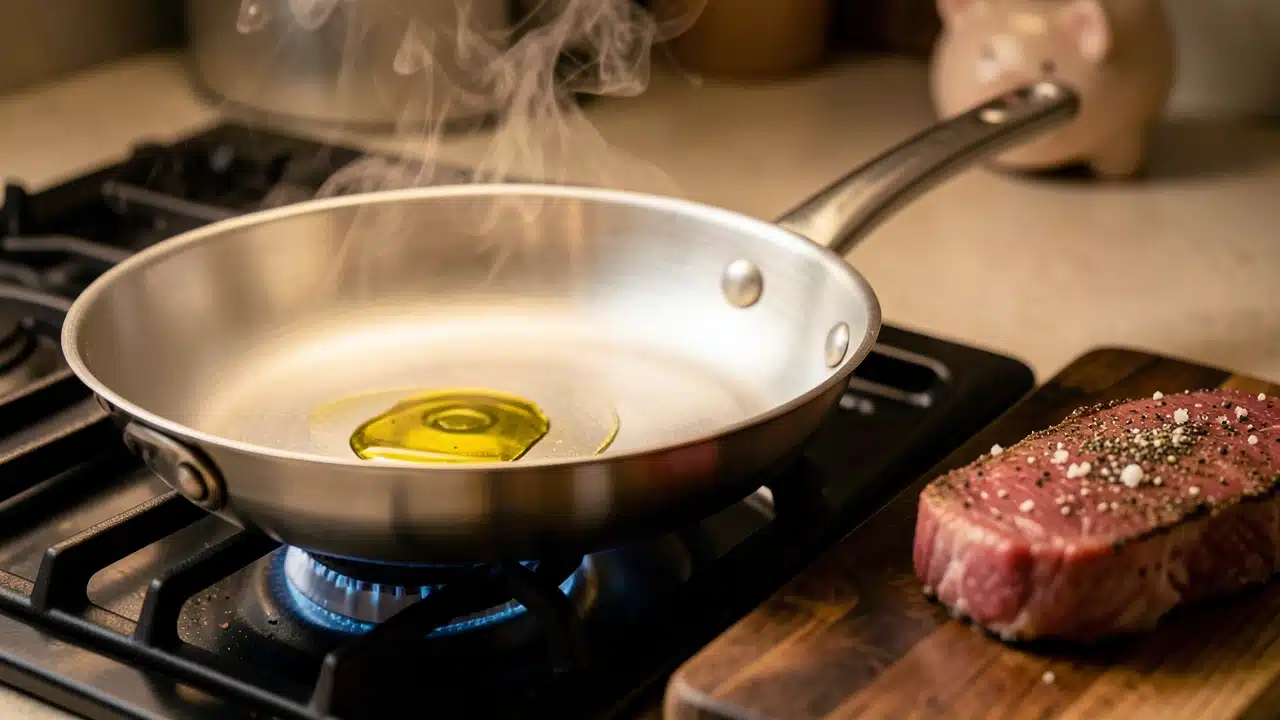
Maximizing Flavor Through Proper Searing
Beyond just saving time, proper pan preheating and fat addition are crucial for flavor. When food, especially meat or vegetables, hits a hot, oiled surface, a chemical reaction called the Maillard reaction occurs. This is what creates those delicious brown, crispy bits on the outside of your food.
The Maillard reaction creates hundreds of new flavor compounds. These compounds are what give seared steaks, roasted vegetables, and pan-fried chicken their rich, complex tastes. If you don’t preheat your pan, the food won’t sear properly.
It will likely just turn grey and rubbery. This means you miss out on a huge amount of flavor. So, Why Preheating Your Pan Before Fat Cuts Real Cook Time by 30% is also about enhancing the taste of your meals. Using medium-high heat is recommended for preheating most pans evenly.
Tips for Consistent Results
To make sure you get consistently faster and tastier meals, follow these tips:
- Start with a Clean Pan: Food bits from previous cooking can cause uneven heating and sticking.
- Use Medium-High Heat: This is generally the sweet spot for preheating most pans. Adjust slightly based on your stove and pan type.
- Listen to Your Pan: You’ll hear a gentle sizzle when the fat is hot enough. Don’t wait for smoke; that means it’s too hot.
- Add Food in a Single Layer: Don’t overcrowd the pan. This lowers the pan’s temperature and causes steaming instead of searing. Cook in batches if necessary.
- Be Patient for the Sear: Once food is in the pan, resist the urge to move it immediately. Let it develop a nice crust before flipping.
By consistently applying these practices, you’ll see how effective preheating is. You’ll understand firsthand Why Preheating Your Pan Before Fat Cuts Real Cook Time by 30%. For consistent results, proper pan preheating is essential before adding fat.
Frequently Asked Questions Of Why Preheating Your Pan Before Fat Cuts Real Cook Time By 30%
Question: How long should I preheat my pan?
Answer: Generally, 2-5 minutes over medium-high heat is good for most metal pans. For cast iron, it might take longer, around 5-10 minutes. Non-stick pans need less time, about 1-2 minutes on medium heat.
Question: What happens if I add fat to a cold pan?
Answer: Adding fat to a cold pan means the fat heats up slowly with the pan. This can cause it to break down, burn, or not coat the pan effectively, leading to sticking and slower cooking.
Question: Does preheating work for all types of cooking?
Answer: Preheating is most beneficial for cooking methods that involve direct contact with the pan surface, like searing, frying, and sautéing. It’s less critical for boiling or steaming.
Question: How can I tell if my pan is hot enough without oil?
Answer: You can use the water drop test. Flick a few drops of water into the pan. If the water dances and skitters in round balls before evaporating, the pan is perfectly preheated.
Question: Why is it called “real cook time”?
Answer: “Real cook time” refers to the actual time food is actively cooking on the heat, once the pan and fat are properly heated. It excludes the time spent waiting for the pan to heat up, which preheating minimizes.
Question: Is it important to preheat my pan before adding fat?
Answer: Yes, it is important to preheat your pan before adding fat. This ensures the fat heats up quickly and evenly, which helps prevent sticking and promotes better searing, contributing to why preheating your pan before fat cuts real cook time by 30%.
Final Thoughts
Mastering the simple step of preheating your pan before adding fat is a game-changer. It directly leads to faster cooking, better flavor, and less sticking. You’ll gain back valuable time in your kitchen and enjoy tastier meals every time you cook.