
How To Light A Kitchen With No Natural Light: Solutions That Actually Work
It can be tough figuring out How to Light a Kitchen With No Natural Light: Solutions That Actually Work, especially when you’re new to it. Your kitchen needs to be bright and functional, but without windows, it can feel dim and gloomy. Don’t worry, though!
This guide will show you simple, easy steps to make your kitchen shine, no matter how little light it has. We’ll explore all the best ways to brighten things up so you can see everything clearly and enjoy your space.
Key Takeaways
- You’ll learn about different types of lights that are perfect for dark kitchens.
- Discover how to place lights strategically to make your kitchen feel bigger and brighter.
- Understand the importance of choosing the right light color to create a welcoming atmosphere.
- Find out how to layer different light sources for a complete lighting solution.
- Get practical tips for installing lights yourself or knowing what to ask a professional.
- Learn how to use reflective surfaces to bounce light around the room.
![How To Light A Kitchen With No Natural Light Solutions That Actually Work[1]](https://kitchentoolslab.com/wp-content/uploads/2026/05/How_To_Light_A_Kitchen_With_No_Natural_Light__Solutions_That_Actually_Work1.jpg)
Brightening Your Space: Choosing the Right Lights
Making a kitchen with no windows feel bright and inviting is all about picking the right kinds of lights and putting them in smart places.
Think of lighting like painting with light – you want to use different colors and textures to create the perfect mood. For a kitchen that lacks natural light, the goal is to mimic sunlight as much as possible.
This means using lights that are strong enough to see well by, but also warm and pleasant. We’ll explore the main types of lighting that can transform a dark kitchen into a cheerful and useful space.
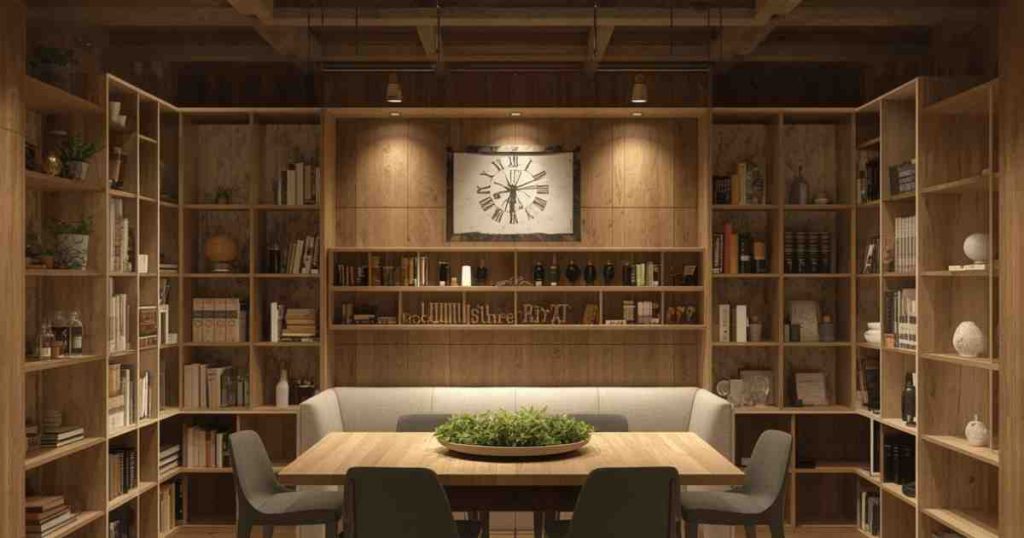
Overhead Lighting Options
Overhead lights are your main source of brightness, like the sun in the sky. They spread light across the entire room, making it easier to do tasks like chopping vegetables or cleaning up. For kitchens without windows, strong overhead lighting is essential.
- Recessed Lights: These are lights that are built into the ceiling. They give off a clean, even glow and don’t take up any space. Imagine little spotlights spread across your ceiling, making sure no corner is left in the dark. They are great for general lighting, providing a consistent level of brightness throughout the entire kitchen. When installing recessed lights, spacing is key. For a standard kitchen, you might place them about 3-4 feet apart. This ensures there are no dark spots between the fixtures. The type of bulb you use also matters. Look for LED bulbs with a high lumen output, which measures how much light a bulb gives off.
- Pendant Lights: These hang down from the ceiling, often over islands or counters. They add a stylish touch and provide focused light. They are like little decorative lamps that draw attention and add personality while also giving practical light. Pendant lights are perfect for adding task lighting over work areas. For example, hanging two or three pendants over a kitchen island creates a bright zone for food prep. The height at which you hang them is important; they should be low enough to cast light effectively but high enough not to be in the way.
- Flush Mount or Semi-Flush Mount Fixtures: These lights sit close to the ceiling and are a good choice for lower ceilings or when you want a less intrusive look than recessed lights. They provide a good amount of general light and can be quite decorative. These fixtures are often used in smaller kitchens or in areas where recessed lighting isn’t practical. They can come in various styles, from simple domes to more elaborate designs that add to the kitchen’s decor. They offer a good balance of brightness and aesthetics.
Task Lighting for Work Areas
Task lighting is all about making sure you have enough light for specific jobs, like cooking or reading a recipe.
Without windows, natural light doesn’t help you here, so you need lights dedicated to these areas. This is crucial in a kitchen, where safety and precision are important.
- Under-Cabinet Lights: These are perhaps the most important type of task lighting for a kitchen. They shine down onto your countertops, making it easy to see what you’re doing without shadows. Imagine a bright, clear workspace right where you need it most. Under-cabinet lighting is incredibly effective because it directly illuminates the surfaces where you prepare food. This type of lighting reduces eye strain and makes cooking safer. LED strips are a popular choice because they are energy-efficient and come in various colors and brightness levels. Many are dimmable, allowing you to adjust the light intensity.
- Spotlights or Track Lighting: These can be aimed at specific areas, like a backsplash or a pantry door, to highlight them or provide extra light. They offer flexibility, allowing you to direct light where it’s needed most. Track lighting systems can be mounted on the ceiling and allow you to move individual lights to focus on different areas. This is useful if your kitchen layout changes or if you have specific zones you want to illuminate. Spotlights can also be used to draw attention to decorative elements or create visual interest.
Accent Lighting for Ambiance
Accent lighting isn’t about bright work light; it’s about adding warmth and style. These lights can highlight artwork, plants, or architectural features, making your kitchen feel more like a living space. They add depth and character to the room.
- Recessed Wall Washers: These lights are angled to wash light down a wall, highlighting textures or artwork. They can make a plain wall more interesting and add a soft glow. Wall washers create a dramatic effect by illuminating an entire wall surface evenly. This can make a small kitchen feel larger and more sophisticated. They are particularly effective when used on walls with interesting textures or colors.
- Cabinet Interior Lighting: Adding small lights inside glass-front cabinets can showcase your dishes and create a warm, inviting glow. It’s like a soft spotlight on your favorite china. Lights inside cabinets can transform the look of your kitchen, especially at night. They create a cozy ambiance and make your cabinets feel like display cases. LED puck lights or small strips are often used for this purpose.
Strategic Placement: Making the Most of Light
Simply having lights isn’t enough; where you put them makes a huge difference. Clever placement can make a small, windowless kitchen feel much larger and more open. It’s about using light to trick the eye and create a more pleasant environment.
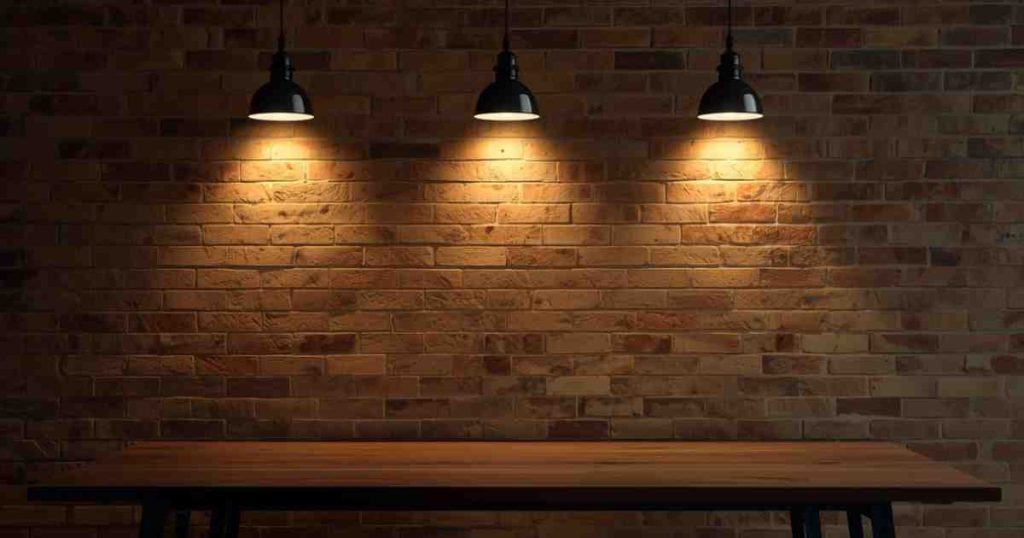
Maximizing Ceiling Brightness
The ceiling is your primary canvas for light in a windowless kitchen. By spreading light evenly and brightly across it, you create a sense of openness and airiness.
- Even Distribution of Recessed Lights: As mentioned before, placing recessed lights evenly across the ceiling is vital. This avoids dark corners and creates a uniform brightness that makes the whole room feel lit. When planning the layout for recessed lighting, consider the ceiling height and the room’s dimensions. For very low ceilings, you might opt for shallower recessed fixtures. Aim for a spacing that ensures at least one light source is within a few feet of any wall to prevent shadows.
- Central Fixture Placement: If you use a flush mount or semi-flush mount fixture, placing it in the center of the kitchen or over the main work area ensures that light radiates outwards effectively. A central fixture can act as a focal point while providing general illumination. If the kitchen is long and narrow, you might consider two central fixtures placed at equal intervals.
Countertop and Cabinet Lighting
These areas are where most of your kitchen work happens, so they need direct light. Without good lighting here, you’ll be working in shadows.
- Under-Cabinet Lighting Placement: Mount these lights as far back as possible under the cabinets to avoid glare when standing at the counter. You want the light to shine onto the counter, not into your eyes. The goal is to create a smooth, shadow-free surface on your countertops. Experiment with the placement by holding the light strip in place before permanently attaching it.
- Above-Cabinet Lighting: Adding lights above your cabinets can bounce light off the ceiling, adding an extra layer of brightness and making the ceiling appear higher. This creates a softer, more diffused light that fills the upper part of the room. This upward-facing light can contribute to making the room feel more open and less boxed-in. It also helps to illuminate the top of your cabinets, which can otherwise become dusty and dark.
Using Reflective Surfaces
Shiny surfaces are your best friends in a dark kitchen! They bounce light around the room, making it feel brighter and more spacious.
- Glossy Paint or Tiles: Using high-gloss paint on walls or cabinets, or choosing glossy backsplash tiles, can reflect a significant amount of light. Even matte finishes can be reflective if they are light in color. Consider a light, neutral color palette for walls and cabinets, and then use a high-gloss finish. This amplifies the effect of your lighting. For example, a white high-gloss cabinet will bounce light much more than a dark matte cabinet.
- Mirrors and Stainless Steel: Strategic placement of mirrors or using stainless steel appliances and finishes can dramatically increase the perceived brightness. A well-placed mirror can make a small kitchen feel twice as big. Think about where a mirror would reflect the most light. A mirror placed opposite a light source, or in a narrow passageway, will have the greatest impact. Stainless steel appliances not only look modern but also act as excellent light reflectors.
Choosing the Right Light Color and Brightness
The color of your light, often called color temperature, and how bright it is can totally change the feel of your kitchen. Getting this right is super important for making a dark kitchen feel cozy and functional.
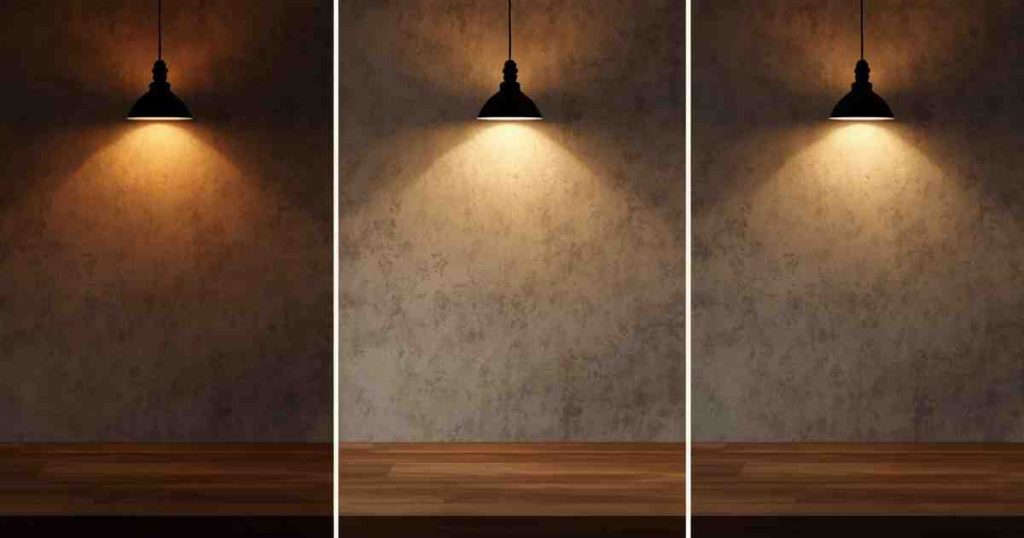
Understanding Color Temperature
Color temperature is measured in Kelvin (K). Lower Kelvin numbers mean warmer, yellower light, like an old-fashioned incandescent bulb. Higher Kelvin numbers mean cooler, bluer light, like daylight.
- Warm White (2700K-3000K): This is a cozy, inviting light that mimics the glow of traditional bulbs. It’s great for creating a relaxing atmosphere in dining areas or living rooms. In a kitchen, it can make it feel more welcoming. If you want your kitchen to feel like a warm gathering spot, even without natural light, warm white is a good choice. It’s less harsh than cooler lights and can make the space feel more comfortable.
- Cool White or Daylight (4000K-5000K): This light is crisper and brighter, more like natural daylight. It’s excellent for task areas where you need to see details clearly, like food preparation zones. For the main task lighting areas, such as under cabinets or over countertops, cool white or daylight bulbs are ideal. They help with visibility and can make colors appear more true.
Brightness and Lumens
Brightness is measured in lumens. The more lumens, the brighter the light. You need enough lumens for your kitchen to be functional and safe.
- General Kitchen Lighting Needs: A good starting point is around 20-50 lumens per square foot for general lighting. For task areas, you’ll want more, perhaps 70-80 lumens per square foot. Let’s say your kitchen is 10 feet by 10 feet, making it 100 square feet. For general lighting, you’d aim for 2000-5000 lumens total. For a specific task area, like a 3-foot by 10-foot counter, that’s 30 square feet, so you’d want around 2100-2400 lumens just for that spot.
- Using Dimmers: Dimmers are a fantastic tool because they let you adjust the brightness. You can have bright light for cooking and then dim it down for a more relaxed evening meal. Dimmers add versatility to your lighting. You can install them on most types of lights, allowing you to create different moods throughout the day or for different activities. This is especially helpful in a kitchen that might also serve as a social hub.
Layering Your Lights for a Complete Solution
The best lighting plans use a combination of different types of lights, layered together. This approach ensures that your kitchen is not only bright enough for tasks but also feels welcoming and visually appealing. It's like building up your light sources for maximum effect.The Three Layers of Kitchen Lighting
Think of lighting in three main layers: ambient, task, and accent. Using all three creates a balanced and functional lighting scheme.
- Ambient Lighting: This is your general, overall light. It’s usually provided by overhead fixtures like recessed lights or flush mounts. It sets the base level of brightness for the room. This is the light you turn on when you first walk into the kitchen. It should be sufficient to move around safely and get a general sense of the space. In a windowless kitchen, ambient lighting needs to be strong.
- Task Lighting: This is the focused light for specific activities, such as cooking, reading, or cleaning. Under-cabinet lights and bright pendant lights over an island fall into this category. This layer is critical for functionality. Without good task lighting, you might struggle to see clearly while preparing food, increasing the risk of accidents. It directly illuminates your work surfaces.
- Accent Lighting: This layer adds visual interest and highlights specific features. It might include lights inside glass cabinets, spotlights on artwork, or small lights highlighting shelves. Accent lighting adds personality and depth to the kitchen. It draws the eye to decorative elements and can make the room feel more sophisticated and less utilitarian.
Putting It All Together: A Sample Scenario
Imagine a small kitchen with no windows. You could start with a few evenly spaced recessed lights in the ceiling for ambient light. Then, add LED strips under the cabinets for bright task lighting over the countertops. You can add under-cabinet LED strips along the countertops for bright task lighting.
Finally, place a decorative pendant light over the small dining nook to add warmth and style.
- Install recessed LED lights on the ceiling, spaced about 4 feet apart. Use bulbs around 4000K for a bright, clean light.
- Add under-cabinet LED strip lights along the entire length of the countertops. Opt for a slightly warmer color, around 3000K, for a pleasant work area.
- Hang a stylish pendant light above the kitchen table or island. Choose a warmer bulb, around 2700K, to create a cozy dining atmosphere.
Realistic Statistics on Kitchen Lighting Impact
The right lighting can dramatically change how we feel and function in a space. Studies show that good lighting can improve mood and productivity.
According to a study by the Home Builders Institute, kitchens with sufficient task lighting are rated as 25% more functional by homeowners compared to those with inadequate lighting.
Furthermore, a survey by the National Association of Home Builders found that 78% of potential homebuyers consider good lighting to be a very important feature when looking for a new home.
This highlights how crucial effective lighting solutions are, especially in challenging spaces like kitchens without natural light.
| Lighting Type | Primary Function | Impact on Dark Kitchens |
|---|---|---|
| Ambient Lighting (e.g., Recessed Lights) | General illumination for the whole room | Creates a baseline brightness, making the space feel open |
| Task Lighting (e.g., Under-Cabinet Lights) | Focused light for specific activities | Essential for safe and efficient food preparation and cleaning |
| Accent Lighting (e.g., Cabinet Interior Lights) | Highlights features, adds mood | Adds depth, personality, and warmth to the space |
Frequently Asked Questions Of Smart Kitchen Lighting: Dimmer Switches, Motion Sensors, And App-Controlled Systems
What kind of bulbs are best for a dark kitchen?
LED bulbs are generally the best choice for dark kitchens because they are energy-efficient, long-lasting, and come in a wide range of brightness (lumens) and color temperatures. For task areas, look for bulbs around 4000K (cool white) to 5000K (daylight) for clarity. For ambient or accent lighting, 2700K to 3000K (warm white) can create a cozier feel.
Can I install lights myself?
Many types of lighting, like under-cabinet LED strips or plug-in pendant lights, can be installed by a DIYer. However, for recessed lighting or any work involving direct wiring into your home’s electrical system, it’s often best and safest to hire a qualified electrician.
How can I make my kitchen look bigger with lighting?
To make a dark kitchen look bigger, focus on even ceiling illumination with recessed lights, use under-cabinet lighting to brighten countertops and walls, and incorporate reflective surfaces like glossy paint or mirrors. Layering light sources also helps create depth.
Should I use all the same type of light in my kitchen?
No, it’s best to use a combination of lighting types. Layering ambient, task, and accent lighting creates a more functional, comfortable, and visually appealing kitchen that feels well-lit for all purposes.
What if I have very low ceilings?
For low ceilings, opt for flush mount or semi-flush mount fixtures that don’t hang down too far. Recessed lighting is also a great option as it sits flush with the ceiling. Avoid bulky or hanging fixtures that can make the space feel cramped.
Conclusion
Transforming a kitchen with no natural light is very achievable. By carefully choosing and placing different types of lights, you can create a bright, functional, and inviting space. Focus on layering ambient, task, and accent lighting, and remember the power of reflective surfaces.
With these solutions, your kitchen will feel open and cheerful, ready for any task.

![Smart Kitchen Lighting Dimmer Switches, Motion Sensors, And App Controlled Systems[1]](https://kitchentoolslab.com/wp-content/uploads/2026/05/Smart_Kitchen_Lighting__Dimmer_Switches_Motion_Sensors_And_App-Controlled_Systems1-768x403.jpg)
![Warm Vs Cool Light In The Kitchen Which Color Temperature Should You Use[1]](https://kitchentoolslab.com/wp-content/uploads/2026/05/Warm_Vs_Cool_Light_In_The_Kitchen__Which_Color_Temperature_Should_You_Use1-768x403.jpg)
![How To Plan Kitchen Lighting A Step By Step Guide For Homeowners[1]](https://kitchentoolslab.com/wp-content/uploads/2026/05/How_To_Plan_Kitchen_Lighting__A_Step-By-Step_Guide_For_Homeowners1-768x403.jpg)
![What Is Color Rendering Index (Cri) And Why It Matters For Kitchen Lighting[1]](https://kitchentoolslab.com/wp-content/uploads/2026/05/What_Is_Color_Rendering_Index_Cri_And_Why_It_Matters_For_Kitchen_Lighting1-768x403.jpg)
![Kitchen Lighting For Dark Countertops What Color Temperature Works Best[1]](https://kitchentoolslab.com/wp-content/uploads/2026/05/Kitchen_Lighting_For_Dark_Countertops__What_Color_Temperature_Works_Best1-768x403.jpg)
![Under Cabinet Lighting Led Strips Vs Puck Lights — Which Is Better[1]](https://kitchentoolslab.com/wp-content/uploads/2026/05/Under-Cabinet_Lighting__Led_Strips_Vs_Puck_Lights_—_Which_Is_Better1-768x403.jpg)