Freezing Bread Dough Vs Baked Bread: Which One Works Better?
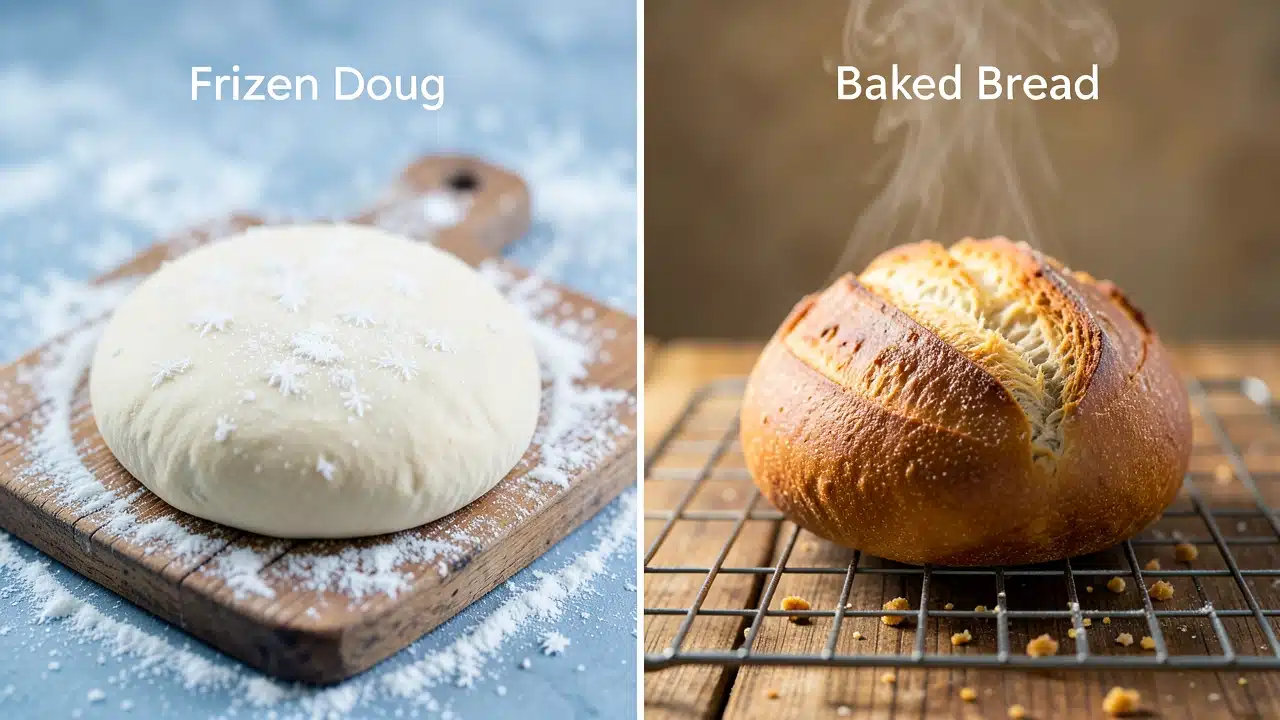
Freezing baked bread usually works better than freezing bread dough because the loaf structure is already set and yeast activity is no longer at risk.
Frozen dough can still work, but it may rise less and needs careful thawing. For convenience, freeze sliced baked bread; for fresh-baked aroma, freeze dough for short-term use.
Getting fresh bread anytime you want is a great feeling. Many home bakers wonder about the best way to store their creations or their preparations.
When you’re planning ahead, you might ask yourself about Freezing Bread Dough vs Baked Bread: Which One Works Better?
This matters because choosing the right method saves you time and prevents waste, meaning you can enjoy delicious, homemade bread without all the fuss of last-minute baking.
We’ll look at what works best for different situations so you can make the smartest choice for your kitchen.
Key Takeaways
- Freezing dough is great for having fresh bread ready to bake with minimal effort.
- Freezing baked bread is ideal if you want pre-sliced or portioned bread ready to eat.
- Dough freezing often yields a fresher taste and texture after baking compared to reheating baked bread.
- Baked bread freezes well, but texture can change slightly upon thawing and reheating.
- Proper wrapping is crucial for both dough and baked bread to prevent freezer burn.
- Consider your convenience and desired outcome when deciding between freezing dough or baked bread.
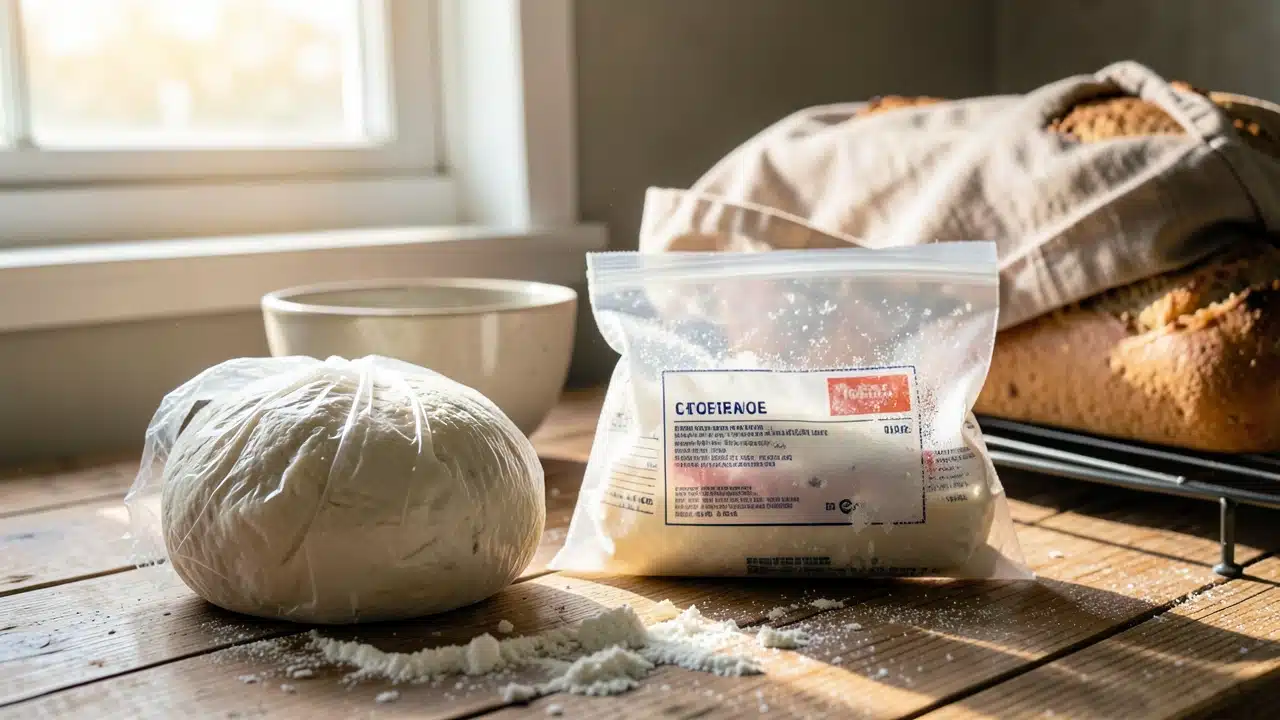
Why Freezing Dough Might Be Your Best Bet
There’s a special kind of magic in pulling freshly baked bread from your oven. If you love that experience but don’t always have the time, freezing your bread dough is a fantastic solution.
It allows you to have that “just baked” aroma and taste whenever the craving strikes, with much less work involved.
This method is all about convenience and achieving near-bakery quality at home.
When you freeze bread dough, you’re essentially pausing its fermentation process. This means you can take it out of the freezer, let it thaw and rise, and then bake it as if it were freshly made. The texture and flavor are usually superior because the bread is baked from scratch each time you want it, rather than being reheated.
Benefits of Freezing Bread Dough
The main advantage of freezing dough is the unparalleled freshness you get when you bake it later. You avoid the slightly dry or stale texture that can sometimes happen when you reheat already baked bread. Plus, the aroma of baking bread filling your home is a reward in itself.
Another big plus is the flexibility it offers. Made too much dough? Freeze the extra.
Want bread for a special occasion tomorrow? Bake it from frozen dough today. This method gives you control over your baking schedule without sacrificing quality.
How to Freeze Bread Dough Properly
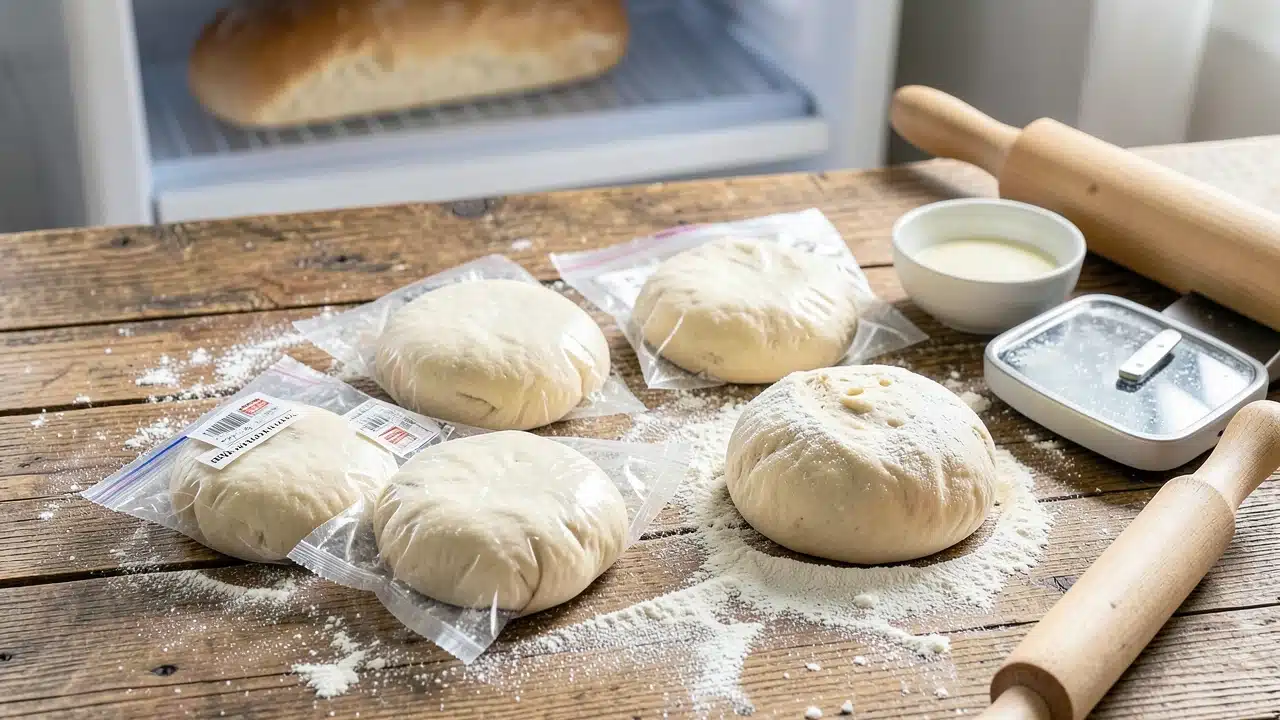
Getting this right is simple but important for the best results. First, prepare your dough as you normally would, but don’t let it do its final rise. Shape it into loaves, rolls, or whatever form you prefer.
Next, you need to prevent freezer burn. Wrap the dough tightly in plastic wrap, making sure there are no air pockets. Then, place the wrapped dough into a heavy-duty freezer bag or an airtight container.
It’s helpful to label the bag with the date and the type of bread. Most bread doughs can be frozen for up to 3 months.
When you’re ready to bake, take the dough out of the freezer and let it thaw and rise in the refrigerator overnight, or at room temperature for a few hours.
Then, let it rise fully before baking.
When Freezing Baked Bread Makes More Sense
While freezing dough offers that fresh-baked experience, sometimes freezing already baked bread is the more practical choice.
This is especially true if you want quick access to bread for sandwiches, toast, or as a side for meals without the extra step of baking. It’s about instant readiness.
If you often find yourself with leftover bread that’s starting to go stale, freezing it is a great way to avoid waste.
It’s also perfect for busy households where baking from scratch daily isn’t feasible, but you still want good quality bread on hand. This approach prioritizes speed and ease of use.
Tips for Freezing Baked Bread
To ensure your baked bread stays as good as possible, proper packaging is key. Let the bread cool completely before you think about freezing it. Warm bread can create condensation, leading to ice crystals and a soggy texture.
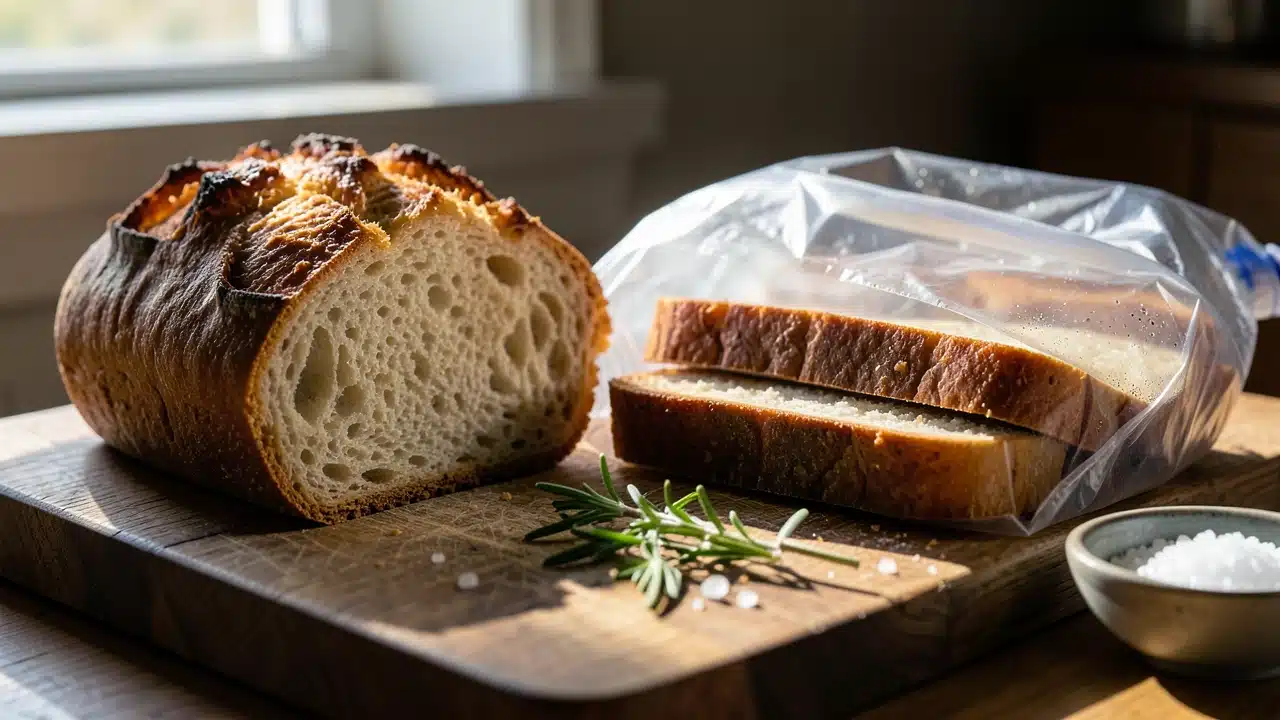
First, wrap the cooled bread tightly in plastic wrap or aluminum foil. Second, for extra protection against freezer burn, place the wrapped bread into a freezer-safe bag or container.
Consider slicing the bread before freezing. This way, you can just take out the slices you need, rather than thawing an entire loaf. This is a major convenience for daily use.
Baked bread can last in the freezer for about 2-3 months. To thaw, leave the bread at room temperature for a few hours, or reheat it in the oven for a few minutes to regain some crispness.
Comparing Freezing Bread Dough vs Baked Bread: Which One Works Better?
Deciding between freezing dough and baked bread often comes down to your personal needs and preferences. Both methods are effective for preserving bread, but they offer different advantages and outcomes.
Understanding the nuances of Freezing Bread Dough vs Baked Bread: Which One Works Better? helps you make the best choice for your kitchen.
The primary difference lies in the final product. Freezing dough allows you to bake bread that is essentially as fresh as if you had made it from scratch that day.
Freezing baked bread means you have ready-to-eat bread, but its texture and flavor might be slightly altered after thawing and reheating.
For many, the quality difference after baking from frozen dough is noticeable and preferred. However, for sheer convenience and speed, frozen baked bread is hard to beat.
Let’s look at a comparison to see how they stack up:
| Freshness & Texture | Excellent; bakes up like fresh bread. | Good; may be slightly drier or softer after reheating. |
| Convenience | Requires baking after thawing. | Ready to eat or toast after thawing/reheating. |
| Time Investment | Requires baking time. | Minimal time for thawing/reheating. |
| Storage Life | Up to 3 months. | Up to 2-3 months. |
| Best For | Those who love fresh-baked bread aroma and taste. | Quick snacks, sandwiches, toast, and avoiding waste. |
| Effort Level | Moderate (bake after thaw). | Low (thaw/reheat). |
This comparison highlights that the “better” option depends on what you value most. If the ultimate goal is the freshest possible bread with minimal last-minute effort, freezing dough wins. If the goal is speed and immediate access to bread, then freezing baked bread is the way to go.
Both are valid and useful methods in a home kitchen, and knowing when to use each is key to successful bread storage.
Maximizing Quality: Key Considerations for Both Methods
No matter which method you choose for Freezing Bread Dough vs Baked Bread: Which One Works Better?, a few key principles apply.
The enemy of frozen food is air. Exposure to air leads to freezer burn, which degrades the quality of your bread, making it dry and tasteless.
Therefore, proper sealing is absolutely paramount.
For dough, this means ensuring the plastic wrap is tight and there are no gaps. For baked bread, double-wrapping can be a good strategy, especially if you plan to store it for longer periods.
Using high-quality freezer bags or containers designed for long-term storage will also make a significant difference in maintaining the integrity of your bread.
When to Choose Dough Over Baked Bread
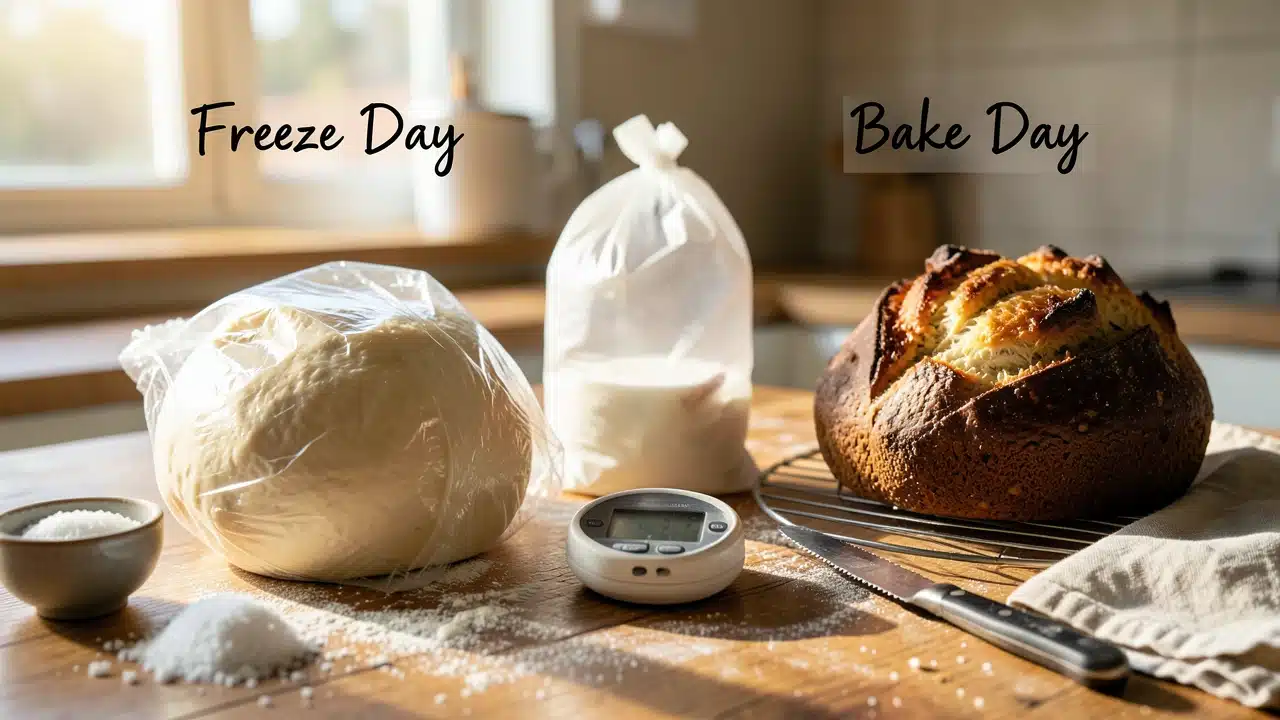
You should lean towards freezing bread dough if you truly cherish the experience of baking. This includes the aroma, the process, and the satisfaction of pulling a golden-brown loaf from your oven.
It’s ideal for special occasions or when you want to impress guests with truly fresh bread without the daily commitment.
If you have a reliable bread machine or a favorite sourdough starter, freezing portions of the dough allows you to enjoy that specific flavor profile on demand.
It’s also a great way to manage large batches of dough for holidays or parties, ensuring you have a steady supply of your signature bread.
When to Choose Baked Bread Over Dough
Freezing baked bread is the superior choice when your priority is speed and minimal effort. Think about busy mornings when you need toast in a hurry, or when you want a quick slice of bread to go with soup without any fuss.
It’s also perfect for households with varying bread consumption habits; you can thaw and toast just one or two slices as needed.
If you’re making a large loaf and know you won’t finish it before it goes stale, slicing and freezing the baked bread is a smart way to preserve it.
This prevents waste and ensures you always have bread available. For everyday sandwiches or quick snacks, frozen baked bread is incredibly convenient.
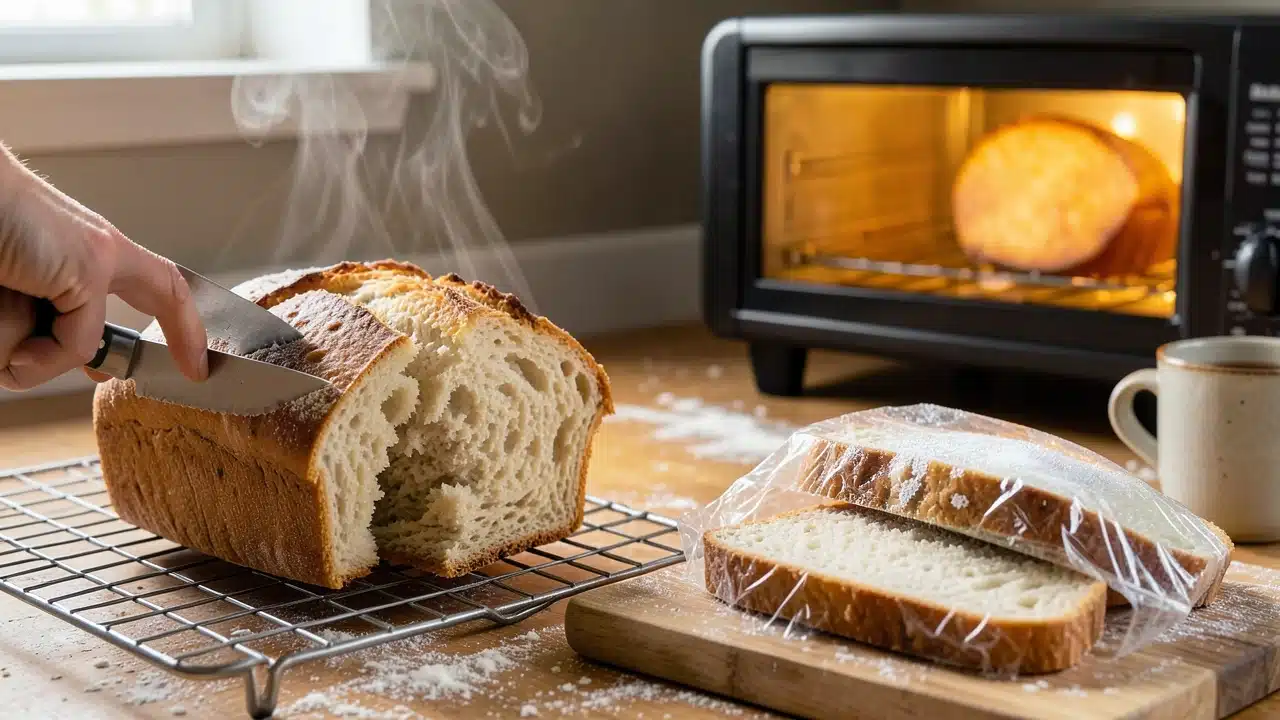
Reheating Frozen Baked Bread for Best Results
If you’ve opted for freezing baked bread, reheating it properly can bring back some of its original texture and flavor.
For a whole loaf or large pieces, a moderate oven (around 350°F or 175°C) for 10-15 minutes can work wonders. This helps to crisp up the crust and warm the interior.
For individual slices, a toaster is often the best option. It toasts them quickly and evenly. If you’re reheating a larger portion and don’t want a crispy crust, you can also wrap it in foil and warm it in a low oven.
Avoid microwaving bread if you can, as it tends to make it tough and chewy.
Rebaking Frozen Bread Dough for Best Results
When you’re ready to bake your frozen dough, allow it to thaw and rise properly. The most reliable method is to place the frozen dough in the refrigerator overnight.
This slow thawing allows the yeast to wake up gradually and prevents the dough from over-proofing too quickly.
First, remove the dough from its freezer packaging and place it in a lightly oiled bowl. Cover the bowl with plastic wrap or a damp cloth. Next, let it rise in the refrigerator for 8-12 hours.
Then, remove the dough from the refrigerator and let it come to room temperature for about 30-60 minutes. Once it has reached room temperature and looks ready to bake, proceed with your usual baking instructions.
This ensures a good oven spring and a well-developed texture, making the choice of Freezing Bread Dough vs Baked Bread: Which One Works Better? lean towards dough for that true bakery-fresh experience. Following official freezing and food safety guidelines ensures your bread remains safe to eat.
Frequently Asked Questions Of Freezing Bread Dough Vs Baked Bread: Which One Works Better?
Question: Can I freeze any type of bread dough?
Answer: Yes, most types of bread dough, including yeast breads, enriched breads, and sourdough, can be frozen successfully. Just ensure proper packaging.
Question: Will freezing affect the taste of my bread dough?
Answer: When frozen and baked correctly, the taste difference is minimal. The key is to prevent freezer burn through tight wrapping. Freezing baked bread might have a more noticeable change in taste and texture.
Question: How long can I freeze bread dough?
Answer: Bread dough can typically be frozen for up to 3 months for the best quality. After that, it might still be safe to bake, but the texture and flavor could degrade.
Question: What is the best way to thaw frozen baked bread?
Answer: For best results, thaw frozen baked bread at room temperature for a few hours. Reheating in an oven can help restore crispness to the crust.
Question: Is it better to freeze bread dough or baked bread for busy weeknights?
Answer: For busy weeknights, freezing baked bread is often more convenient as it’s ready to eat with minimal thawing or reheating. Freezing dough still requires baking time.
Question: Can I refreeze bread dough after thawing?
Answer: It is generally not recommended to refreeze bread dough after it has been thawed. This can negatively impact the yeast’s activity and the dough’s texture.
Question: What’s the difference in outcome when comparing Freezing Bread Dough vs Baked Bread: Which One Works Better?
Answer: Freezing dough allows you to bake truly fresh bread with superior texture and aroma. Freezing baked bread provides ready-to-eat convenience but may result in a slightly altered texture after reheating.
Final Thoughts
Choosing between freezing bread dough or baked bread depends on your priorities. For the freshest possible taste and aroma, freezing dough and baking it later is ideal. If immediate convenience is key, freezing baked bread offers ready-to-eat options.
Both methods are effective ways to enjoy delicious bread with less waste and more flexibility in your kitchen.