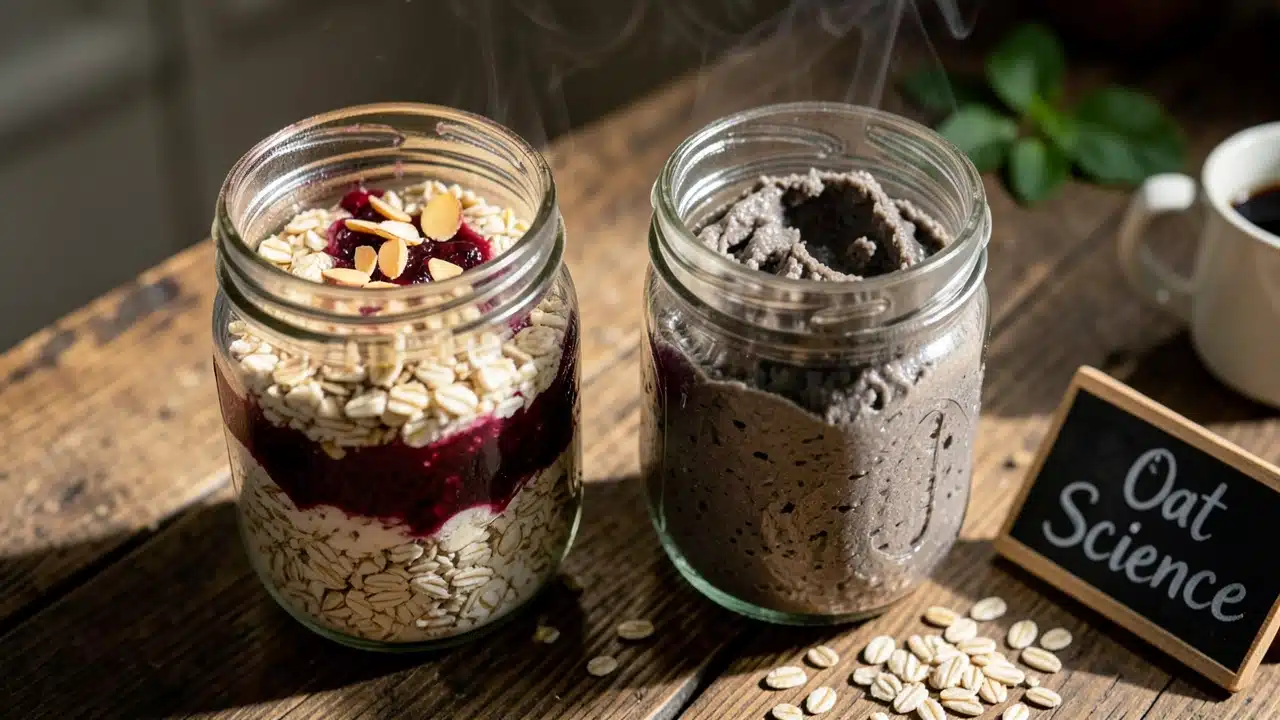
Overnight Oat Science: Best Oats And Ones That Turn To Paste
Overnight oat science comes down to hydration and starch release. Old-fashioned rolled oats work best because they absorb milk evenly while keeping soft structure.
Quick oats hydrate too fast and can turn pasty, while steel-cut oats stay chewy unless pre-soaked longer or briefly cooked. Use a 1:1 oat-to-liquid ratio and add crunchy toppings later.
Getting your overnight oats just right can feel like a science experiment. You want them creamy and delicious, not a gummy, sad mess. Knowing which oats to pick makes all the difference for that perfect texture.
This guide will help you understand the Overnight Oat Science: Best Oats and Ones That Turn to Paste so you can enjoy perfect oats every single morning. We’ll show you why certain oats work better and how to avoid the dreaded paste.
Key Takeaways
- Choosing the right type of oat is crucial for texture in overnight oats.
- Rolled oats are generally the best choice for a creamy, non-mushy result.
- Steel-cut oats require pre-soaking or cooking for overnight oats to soften properly.
- Instant oats tend to break down too much, leading to a paste-like consistency.
- Understanding oat processing helps predict their behavior in cold soaking.
- Proper liquid-to-oat ratios are key to achieving your desired overnight oat texture.
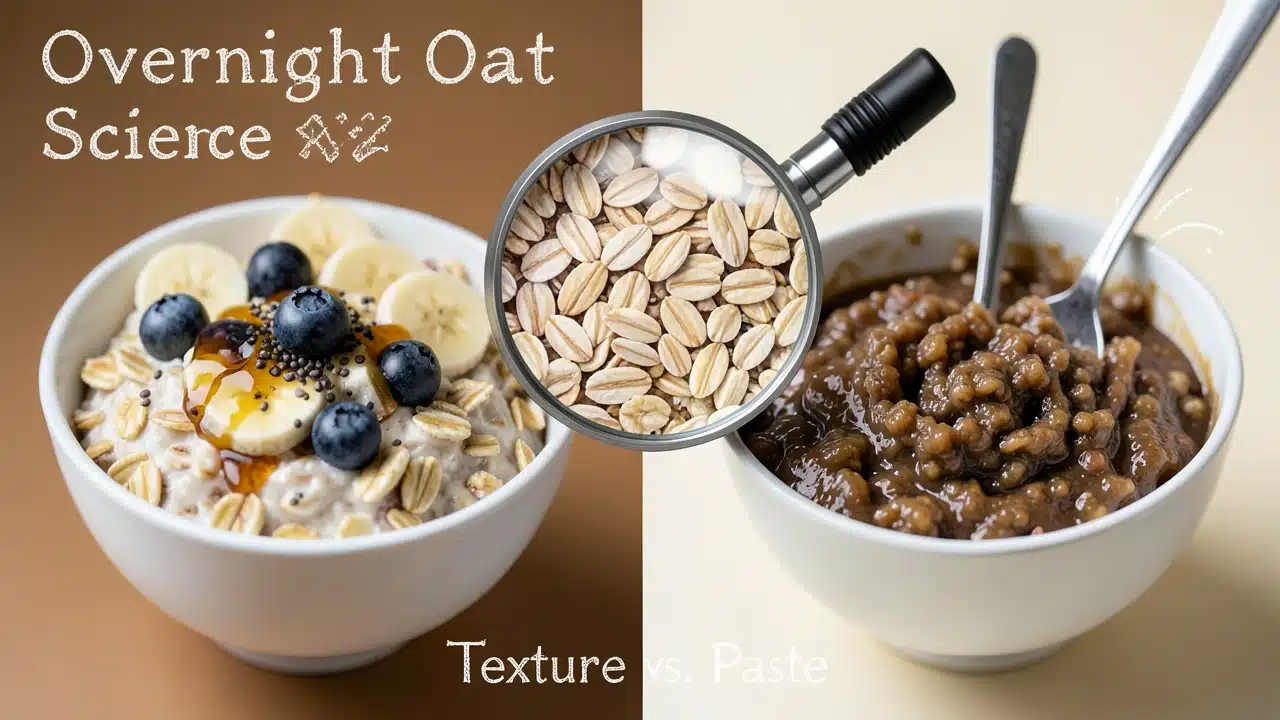
Why Oat Type Matters for Your Morning Bowl
The kind of oats you use really changes how your overnight oats turn out. It’s not just about the flavor; it’s about how they soak up liquid and what texture they create. Some oats absorb liquid slowly and keep a nice bite.
Others break down quickly and can turn into a sticky goo. Understanding this is the first step to mastering your morning meal. It’s all part of the Overnight Oat Science: Best Oats and Ones That Turn to Paste.
Think of oats as tiny sponges. They all soak up liquid, but they do it at different speeds and to different degrees. This difference is what makes or breaks your overnight oats.
You want a delightful creamy texture, not something that feels like wallpaper paste. The goal is a satisfying breakfast that’s ready when you are.
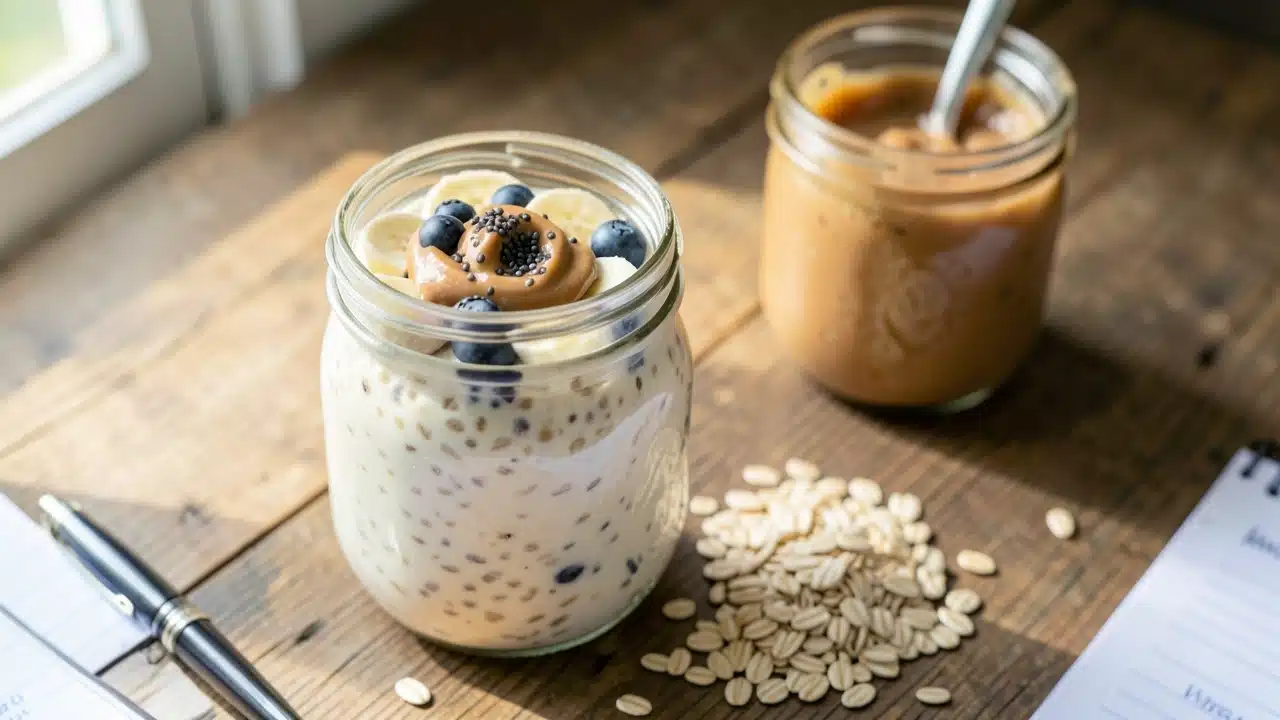
The Best Oats for Creamy, Perfect Overnight Oats
When you’re aiming for that ideal creamy texture without turning your breakfast into a mushy disaster, rolled oats are your go-to.
Also known as old-fashioned oats, these are whole oat groats that have been steamed and flattened. This process makes them cook faster than steel-cut oats but still allows them to hold their shape when soaked overnight.
Rolled oats strike a perfect balance. They absorb the liquid gradually, softening nicely without dissolving completely. This results in a delightful chewiness and a creamy consistency that’s satisfying to eat.
They are fantastic for creating a base that holds other ingredients well, like fruit, nuts, and seeds. They are truly the star of successful Overnight Oat Science: Best Oats and Ones That Turn to Paste.
Why Rolled Oats are King
The steaming process in making rolled oats slightly gelatinizes the starches. This helps them soften and become creamy when soaked in milk or yogurt overnight.
However, the steaming also makes them more resistant to complete breakdown compared to other oat types.
This means you get that desirable creamy texture and a pleasant bite.
The thickness of rolled oats can vary slightly. Thicker rolled oats will have a chewier texture, while thinner ones will be softer. Both work well, but if you prefer a bit more chew, go for the thicker varieties.
The key is the whole grain structure that remains largely intact.
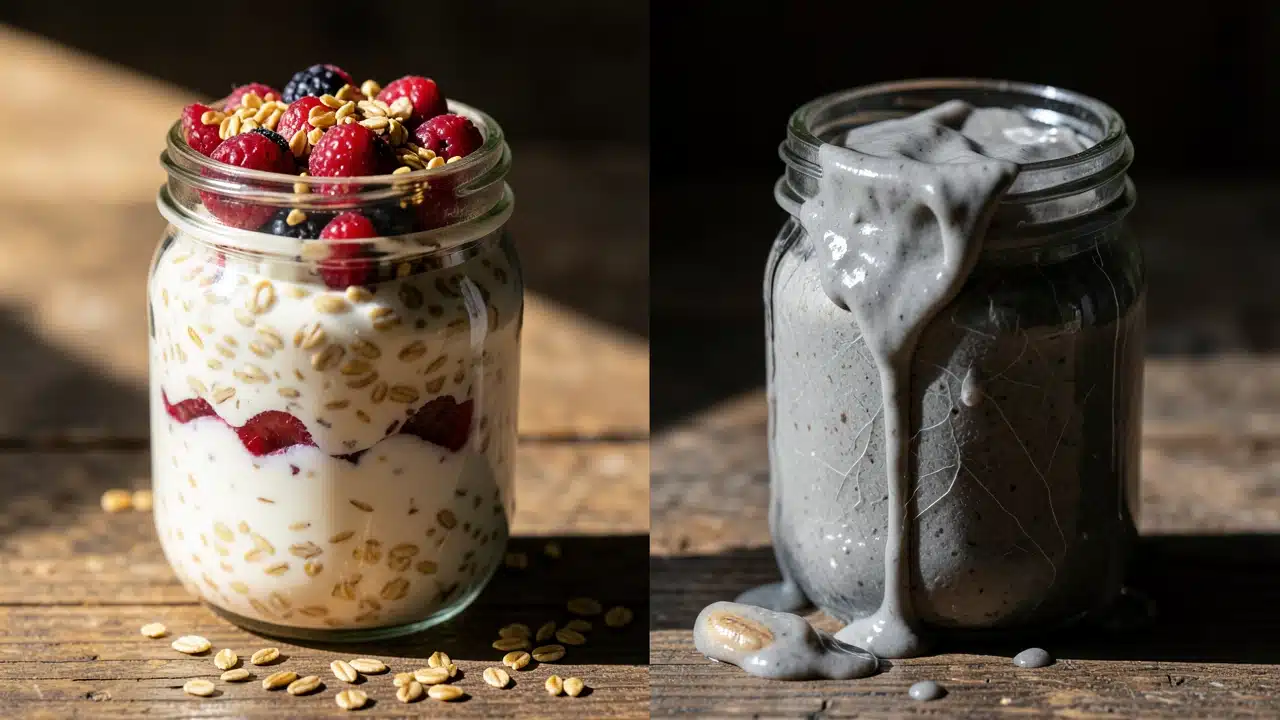
Oats to Be Wary Of: The Paste Producers
While rolled oats are fantastic, some other oat varieties are more likely to lead to that unpleasant paste-like consistency.
It’s important to know which ones to approach with caution or adjust your method for. Understanding these pitfalls is a major part of mastering Overnight Oat Science: Best Oats and Ones That Turn to Paste.
The primary culprits are instant oats and, to some extent, steel-cut oats if not prepared correctly. These oats have undergone more processing or have a different structure that causes them to break down too quickly or require special handling for overnight soaking.
Instant Oats: The Quickest Route to Paste
Instant oats are the most processed type of oat. They are typically pre-cooked, dried, and then rolled very thin or even cut into smaller pieces. This extreme processing means they absorb liquid almost instantly and break down very rapidly.
While great for a quick bowl of hot cereal, they are generally not ideal for overnight oats.
When instant oats are soaked overnight, they tend to turn into a gummy, mushy paste. The starches are already partially broken down, making them easily digestible and quick to absorb liquid. This leads to a texture that many people find unappealing for an overnight preparation.
If you must use them, try reducing the liquid or using them in a much smaller ratio.
Steel-Cut Oats: A Different Kind of Challenge
Steel-cut oats are made by chopping the whole oat groat into smaller pieces. They are less processed than rolled oats and retain more of their original texture. This means they take longer to cook when heated and also take longer to soften when soaked.
When you put plain steel-cut oats into the fridge with liquid, they might not soften enough. They can remain quite hard and chewy, which isn’t the desired creamy texture.
On the other hand, if you use too much liquid or soak them for too long without proper preparation, they can also turn into a paste, though it’s usually a less gummy paste than instant oats.
Making Steel-Cut Oats Work for You
To successfully use steel-cut oats in overnight preparations, you often need to pre-cook them or soak them longer. Some people boil them for a few minutes first, then cool them before refrigerating. Others soak them in hot water for an hour or two before refrigerating.
This helps them soften adequately without becoming paste.
Another approach is to use a higher liquid-to-oat ratio with steel-cut oats. However, this can still be tricky. For beginners, it’s usually easier to stick with rolled oats to ensure a good result.
Mastering steel-cut oats requires a bit more experimentation with the Overnight Oat Science: Best Oats and Ones That Turn to Paste.
The Science Behind Oat Textures
The key to understanding why some oats turn to paste while others don’t lies in their processing and the structure of the oat groat.
Oats are primarily made of carbohydrates, with a significant portion being starch. Starch granules absorb water and swell, especially when heated, a process called gelatinization.
This is what makes hot oatmeal creamy.
In overnight oats, we’re using cold soaking. The starches in oats can still absorb water at cold temperatures, but much more slowly. The degree of processing affects how easily these starches can absorb water and swell.
This is a core principle of Overnight Oat Science: Best Oats and Ones That Turn to Paste.
Processing and Starch Accessibility
Rolled Oats: Steaming makes the oat kernel more porous and slightly gelatinizes the surface starch. This allows for steady water absorption and softening, creating creaminess without disintegration. The outer bran layer also helps maintain structure.
Instant Oats: These are often pre-gelatinized and then rolled very thin or cut small. This means their starches are already partially broken down and extremely accessible to water. They absorb liquid rapidly and swell significantly, leading to a mushy texture.
Steel-Cut Oats: These are the least processed, retaining the whole oat groat cut into pieces. Their starch granules are less exposed. They require more time and often heat to soften properly.
Cold soaking alone might not be enough for them to reach optimal tenderness, but they are less prone to forming a gummy paste if they do soften.
Fiber Content and Structure
Oats are also rich in soluble fiber, particularly beta-glucan. This fiber forms a gel-like substance when it interacts with water. This gel contributes to the creamy texture of oatmeal.
However, if the oat structure breaks down too much, this gel can become overwhelming, leading to that paste-like consistency.
Rolled oats, with their intact structure, allow the beta-glucan to create a pleasant creaminess. Instant oats, having their structure compromised, release their beta-glucan more readily, contributing to a stickier, paste-like result.
Liquid Ratios and Their Impact
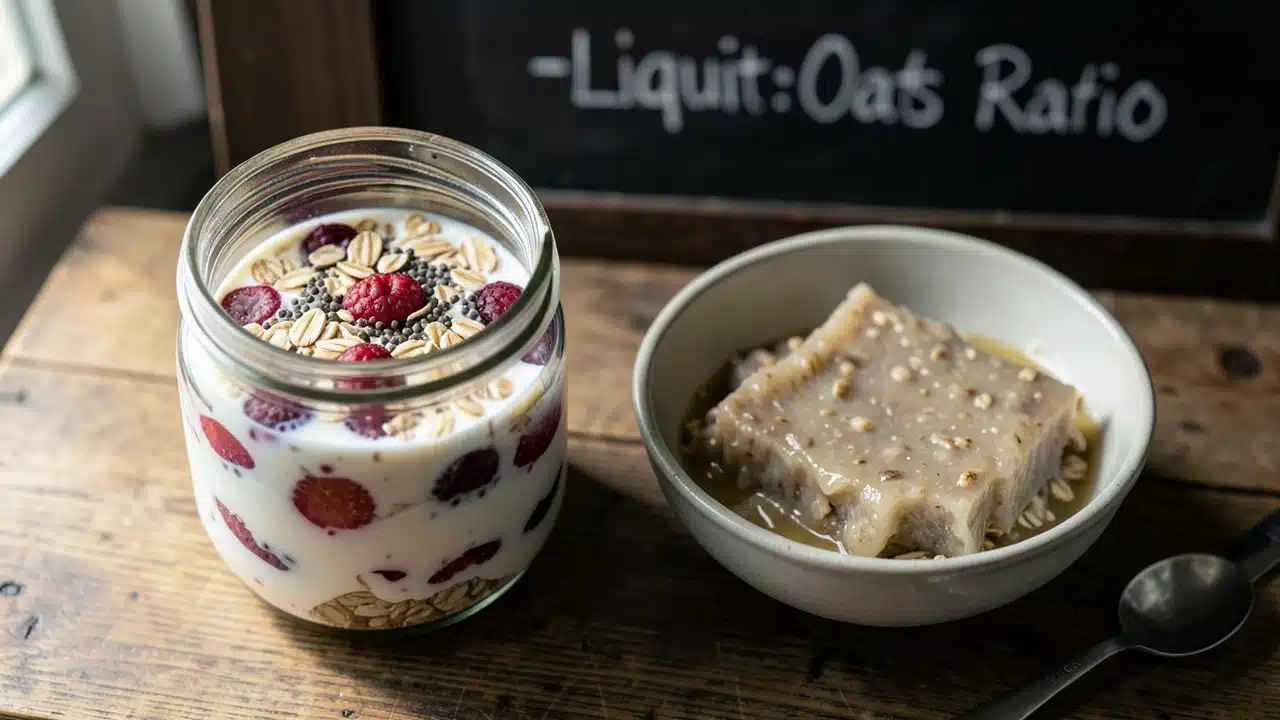
Beyond the type of oat, the amount of liquid you use plays a huge role in the final texture of your overnight oats.
Too little liquid, and they might be too dry or chalky. Too much liquid, and they can become too thin or, you guessed it, paste-like.
A general rule of thumb is a 1:1 ratio of oats to liquid. However, this can vary based on the type of oat and your personal preference. This is another crucial element in understanding Overnight Oat Science: Best Oats and Ones That Turn to Paste.
Finding Your Perfect Ratio
For rolled oats, a 1:1 ratio of oats to milk (or other liquid) is a great starting point. If you like your oats thicker, you might use slightly less liquid, perhaps 3/4 cup of liquid for 1 cup of oats. If you prefer them looser, you can add a bit more liquid.
If you’re experimenting with steel-cut oats, you’ll likely need more liquid. A 1:2 or even 1:3 ratio of steel-cut oats to liquid might be necessary, especially if you haven’t pre-cooked them. This is because they absorb more liquid to soften.
For instant oats, it’s best to use less liquid, perhaps 1/2 cup of liquid for 1 cup of oats, or avoid them altogether for overnight oats. Even with less liquid, they can still turn into a paste due to their processing.
| Rolled Oats (Old-Fashioned) | 1 cup liquid | Creamy with a slight chew | Excellent choice, versatile. |
| Thicker Rolled Oats | 3/4 – 1 cup liquid | Chewy and creamy | Good for those who like more texture. |
| Instant Oats | 1/2 cup liquid (use with caution) | Mushy paste | Generally not recommended for overnight oats. |
| Steel-Cut Oats (Uncooked) | 2 – 3 cups liquid | Can be chewy or paste-like depending on prep | Requires longer soaking or pre-cooking. |
| Steel-Cut Oats (Pre-cooked) | 1 cup liquid | Soft and creamy | Easier to achieve good texture. |
Tips for Perfect Overnight Oats Every Time
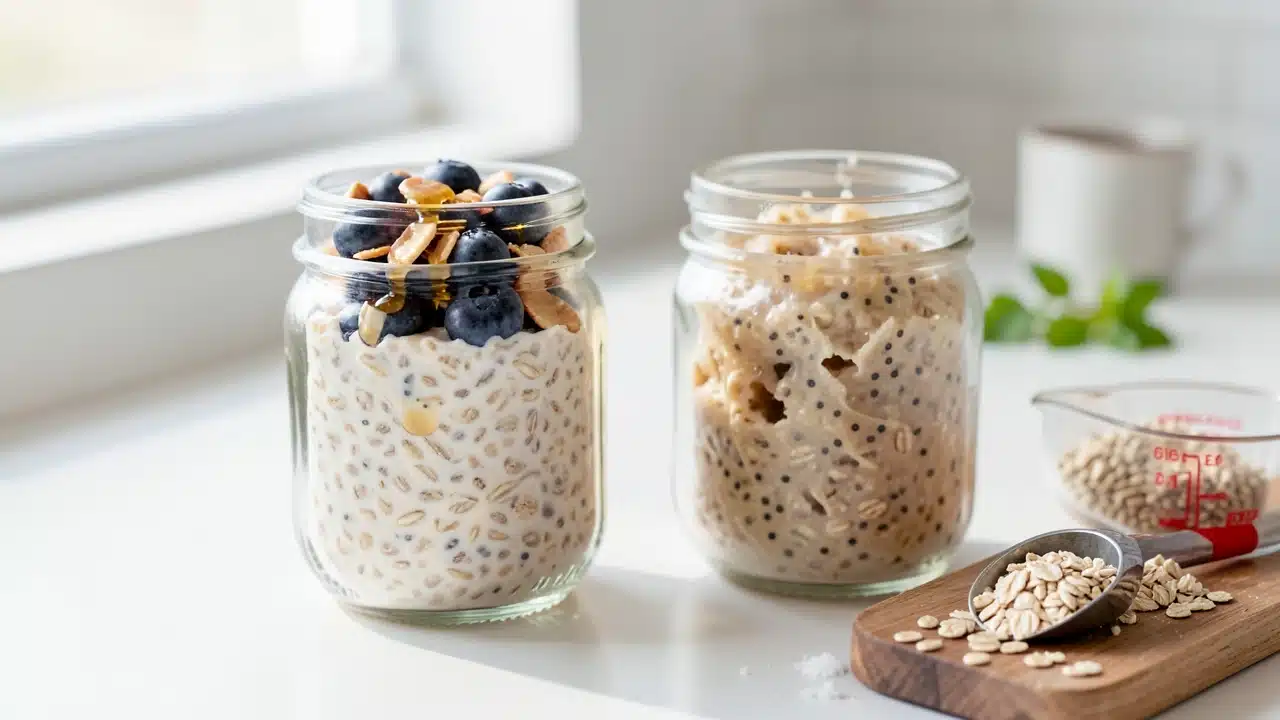
Now that you understand the Overnight Oat Science: Best Oats and Ones That Turn to Paste, here are some practical tips to ensure your morning meal is always a success.
- Always start with rolled oats unless you’re prepared for experimentation with other types.
- Measure carefully: Use the recommended liquid-to-oat ratio as a starting point.
- Adjust for preference: If your oats are too thick, add a splash more milk in the morning. If too thin, add a few more oats and let them sit for a bit.
- Consider your soaking liquid: Milk (dairy or plant-based) and yogurt will create a creamier result than just water. Yogurt adds thickness and tang.
- Add mix-ins wisely: Fruits like berries can release liquid, potentially making your oats thinner. Add them in the morning if you prefer a firmer texture. Nuts and seeds add crunch.
- Chill properly: Overnight oats need at least 4-6 hours in the refrigerator to soften and thicken. Overnight is best for optimal texture.
- Stir before serving: Even with the best oats, a quick stir in the morning can help redistribute the liquid and ensure a uniform creamy consistency.
Frequently Asked Questions Of Overnight Oat Science: Best Oats And Ones That Turn To Paste
Question: What is the absolute best type of oat for overnight oats?
Answer: Rolled oats, also known as old-fashioned oats, are generally considered the best type for overnight oats because they provide a creamy texture without turning into a paste.
Question: Why do my overnight oats always turn into a paste?
Answer: This usually happens when you use instant oats or if you use too much liquid with other types of oats. Instant oats break down too easily in cold liquid.
Question: Can I use steel-cut oats for overnight oats?
Answer: Yes, but it’s trickier. You usually need to pre-cook them briefly or soak them in hot water first to soften them adequately. Otherwise, they can remain too hard or turn into a paste.
Question: How much liquid should I use for overnight oats?
Answer: A good starting point is a 1:1 ratio of oats to liquid. You may need more liquid for steel-cut oats and less for instant oats.
Question: What happens if I use too much liquid for my overnight oats?
Answer: Using too much liquid will make your overnight oats too thin and can contribute to a mushy or paste-like consistency, especially with processed oats.
Question: Are quick oats the same as instant oats for overnight oats?
Answer: Quick oats are similar to instant oats but might be slightly less processed. They are still more prone to becoming paste than rolled oats, so use with caution.
Question: How can I improve the texture of my overnight oats if they are too mushy?
Answer: To fix mushy overnight oats, you can try adding more oats and letting them sit for another 30 minutes, or stir in a little yogurt or chia seeds to thicken them up.
Final Thoughts
Choosing the right oats is key to delicious overnight oats. Stick to rolled oats for a creamy texture and avoid instant oats to prevent a paste. With the right oat type and liquid ratio, you’ll enjoy perfect, satisfying overnight oats every time.