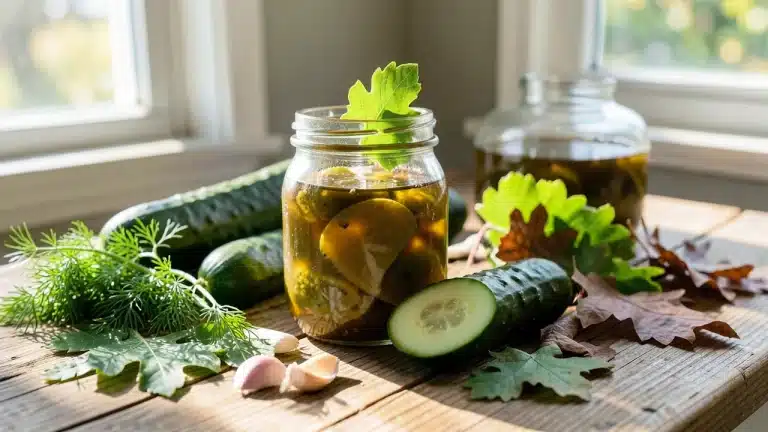
Pre-Salting Vegetables: When Moisture Removal Helps Or Hurts
Pre-salting vegetables helps when moisture removal improves texture or browning, such as cucumbers, eggplant, cabbage, zucchini, mushrooms, or vegetables being roasted.
It hurts when you need crisp, juicy freshness, because salt pulls water out and can make delicate vegetables limp. Salt early for draining or brining, but salt late for salads and quick-cooked greens.
Getting vegetables just right can be tricky. Sometimes, you want them crisp, and other times, you need them to soak up flavors without getting watery.
That’s where understanding Pre-Salting Vegetables: When Moisture Removal Helps or Hurts really comes in handy.
Knowing when to pull water out can make a big difference in your cooking. This simple step can help you achieve better textures, tastier dishes, and more successful meals. Let’s look at when this technique is your best friend and when it might actually cause problems.
Key Takeaways
- You’ll learn which vegetables benefit most from pre-salting to remove water.
- Discover how pre-salting improves texture in dishes like salads and stir-fries.
- Understand when pre-salting can make vegetables too soft or lose flavor.
- Find out the right amount of salt to use and how long to salt for.
- Learn alternative methods for moisture removal if pre-salting isn’t ideal.
- See how pre-salting affects specific cooking methods like roasting or pickling.
Why Removing Water from Veggies Matters
Many cooking goals depend on controlling the water content in vegetables. When you want a crisp salad, you don’t want soggy lettuce. If you’re making pickles, you need them to be firm and absorb brine, not release excess liquid.
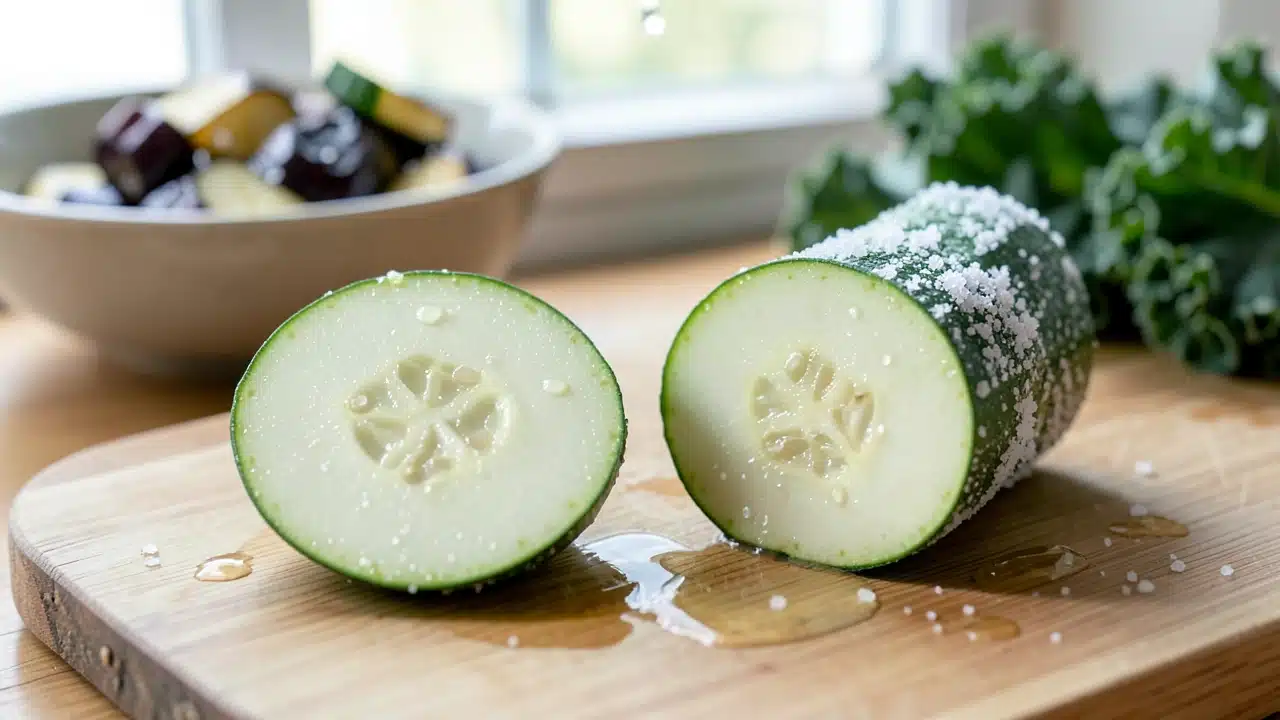
Pre-salting helps draw out water through osmosis. This process pulls moisture from the vegetable cells. It’s a simple science trick that chefs use often.
Understanding this basic principle helps you make better food.
The main idea behind pre-salting is to manage moisture. Too much water can dilute flavors. It can also make textures mushy instead of firm.
For example, when you slice cucumbers for a salad, they can release a lot of water. This water can make your salad dressing watery. It can also make the cucumber pieces less crisp.
Pre-salting helps prevent this by drawing out that unwanted liquid before you mix everything together. This is a key part of Pre-Salting Vegetables: When Moisture Removal Helps or Hurts.
Vegetables That Shine with Pre-Salting
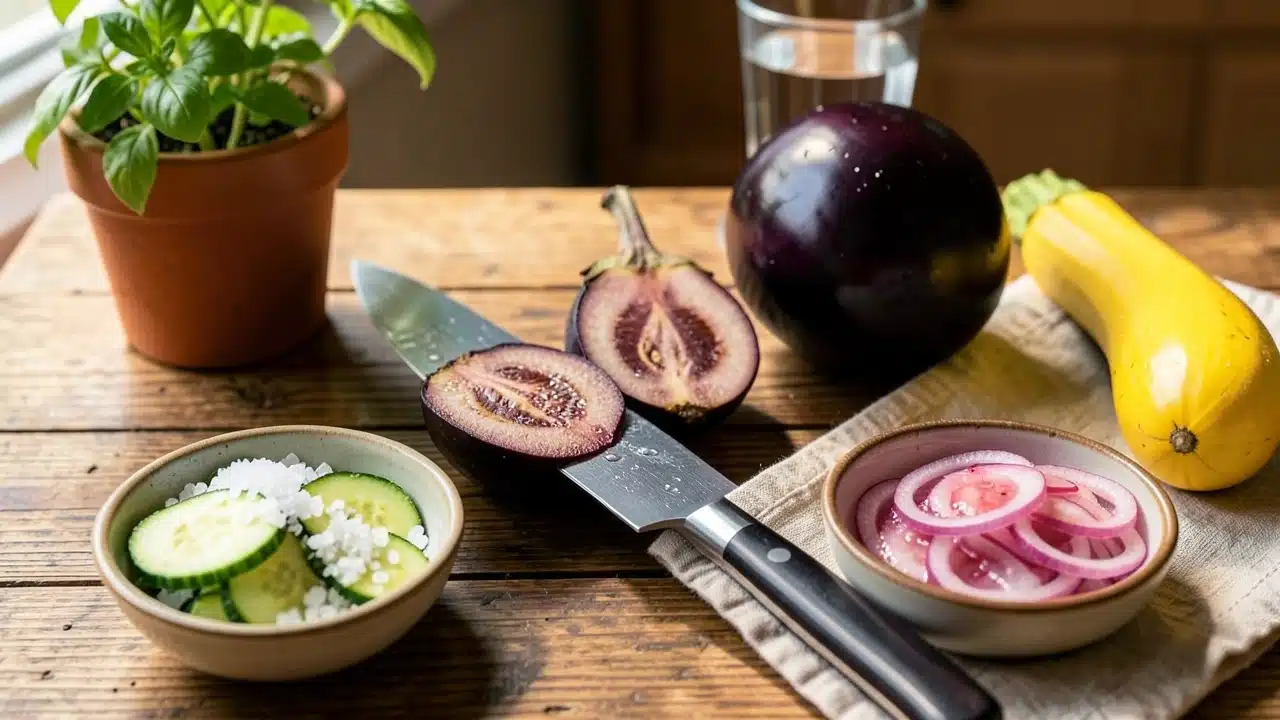
Some vegetables are natural candidates for pre-salting. They have high water content. They also have a structure that benefits from this moisture removal.
Think about vegetables that you want to be crisp or firm. These are the stars of the show when it comes to pre-salting.
Cucumbers: The Classic Example
Cucumbers are perhaps the most famous example. Sliced cucumbers can make a salad watery. They can also become soft and unappealing quickly.
Pre-salting cucumbers helps them stay crisp. It also makes them less prone to releasing water into your dish. This is crucial for cucumber salads or any dish where you want a firm bite.
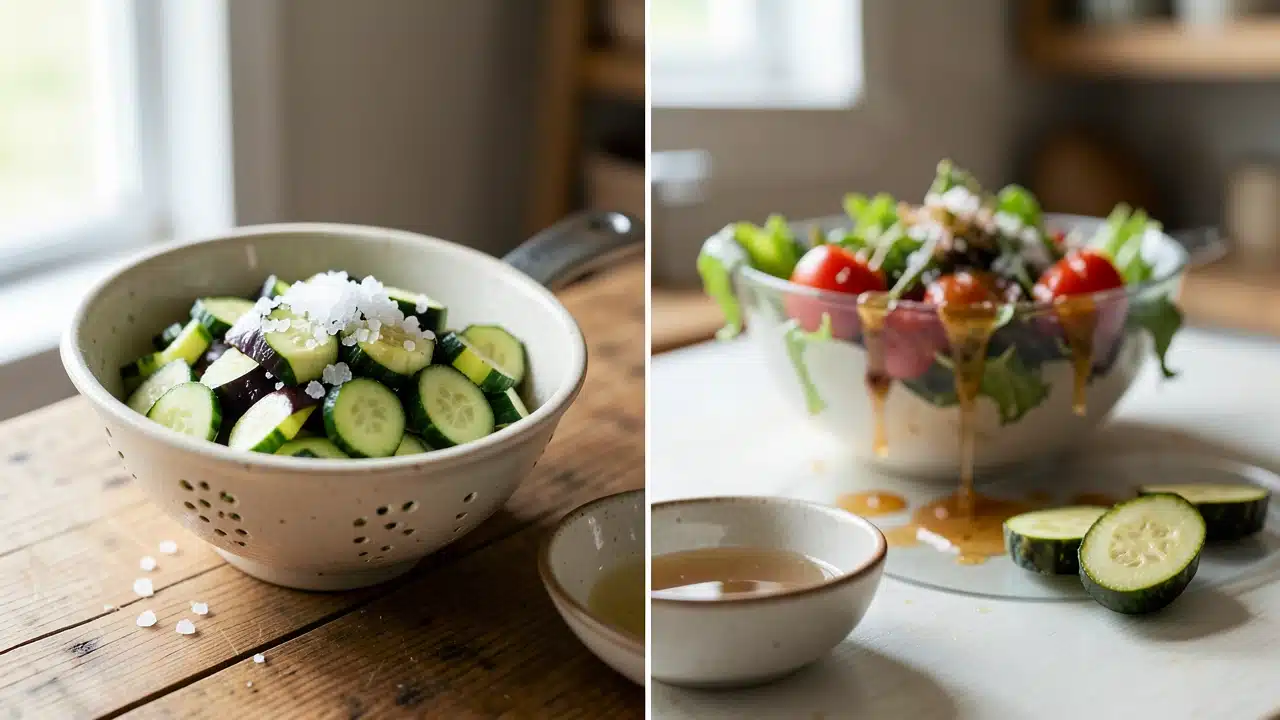
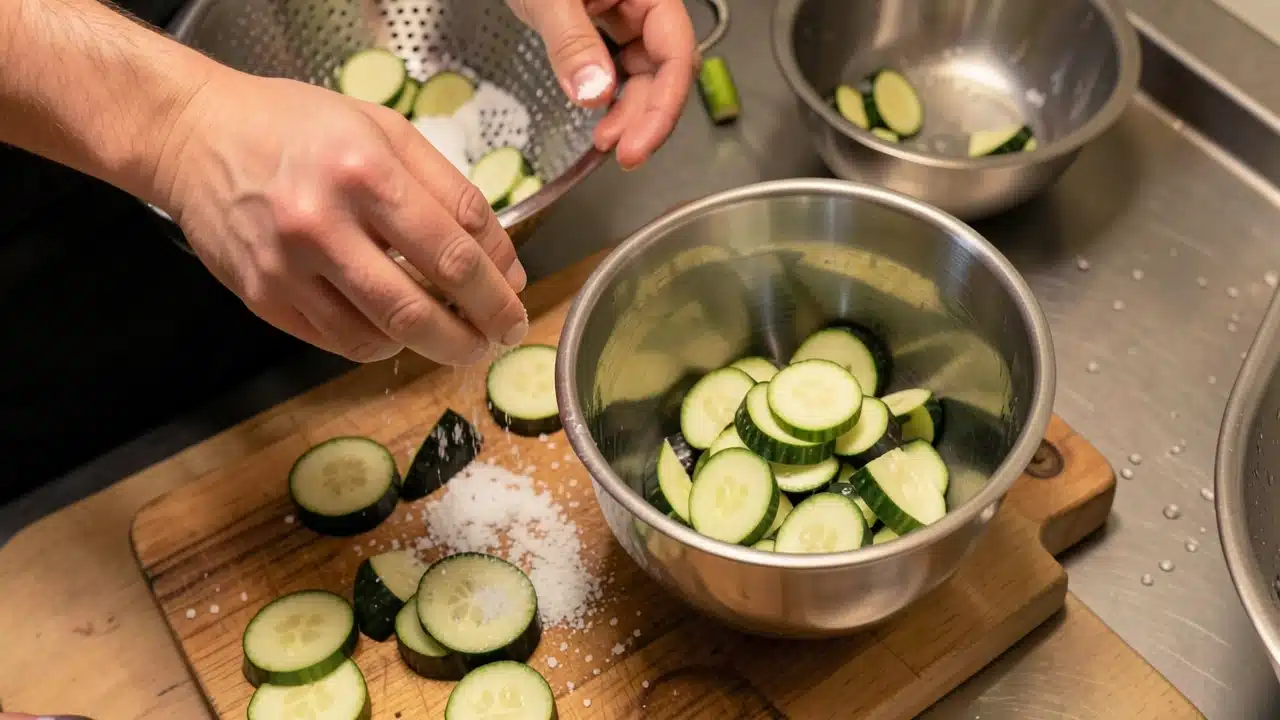
First, slice your cucumbers. Then, lay them out on a plate or in a colander. Sprinkle them generously with salt.
Let them sit for about 15-30 minutes. You will see water beads forming on the surface. Gently pat them dry with a paper towel before using.
This simple step makes a big difference in texture.
Eggplant: Preparing for Frying or Roasting
Eggplant can be a bit spongy. It also has a tendency to soak up a lot of oil when cooked. Pre-salting eggplant can help draw out some of its moisture.
This can lead to a less oily final product. It can also improve the texture, making it less mushy. This is especially true for varieties like globe eggplant.
When preparing eggplant, slicing or cubing it first is common. Then, you apply salt. Let it sit for at least 30 minutes.
Rinse the salt off thoroughly. Pat the eggplant very dry before cooking. This preparation step is vital for achieving a better texture.
It’s a key consideration in Pre-Salting Vegetables: When Moisture Removal Helps or Hurts.
Zucchini and Summer Squash: Beyond Mushiness
Similar to cucumbers and eggplant, zucchini and summer squash are high in water. If you’re making zucchini fritters or baking with them, pre-salting can be beneficial. It helps prevent them from becoming watery and mushy.
This is especially important for baked goods where excess moisture can ruin the texture.
Shredded zucchini for bread or muffins can release a lot of liquid. Pre-salting helps squeeze out this water. This results in a denser, more flavorful baked item.
You’ll get a better crumb and a more satisfying texture. It’s a simple way to improve your baking.
Tomatoes: For Salads and Dips
While not always the first thought, some people pre-salt tomatoes. This is particularly useful for large, juicy tomatoes. If you’re making a fresh tomato salad or a salsa, you might want to control their wateriness.
Pre-salting can help firm them up a bit. It can also concentrate their flavor.
Slice the tomatoes and sprinkle with salt. Let them sit for about 10-15 minutes. You’ll notice some liquid pooling.
Pat them gently before adding to your salad. This prevents your salad from becoming a watery mess. It’s a useful technique for certain dishes.
When Pre-Salting Can Hurt Your Vegetables
While pre-salting is beneficial for many vegetables, it’s not a one-size-fits-all solution. Sometimes, this process can actually be detrimental. Understanding when to avoid pre-salting is just as important as knowing when to use it.
Leafy Greens: Losing Their Crispness
Leafy greens like lettuce, spinach, or kale are generally not pre-salted. They are already delicate. Adding salt would wilt them too quickly.
It would also draw out moisture that contributes to their fresh, crisp texture. You want to add dressings to greens just before serving to keep them crisp.
If you’re making a salad with sturdy greens like kale, you might lightly massage them with dressing. You wouldn’t typically use salt on them first. The goal is to keep them vibrant, not to dry them out.
This is a clear case where Pre-Salting Vegetables: When Moisture Removal Helps or Hurts leans towards the ‘hurts’ side.
Root Vegetables: Flavor and Texture Loss
Root vegetables like carrots, potatoes, and beets usually don’t need pre-salting. They have a denser structure. Their natural moisture content is often lower.
Pre-salting could actually leach out important flavors and nutrients. It might also make them too soft before cooking.
For roasted vegetables, you want them to caramelize. Drawing out too much moisture beforehand can hinder this process. It can lead to a less satisfying roasted texture.
Instead, you usually add salt during or after cooking.
Delicate Herbs and Mushrooms
Herbs like basil, parsley, or cilantro are too delicate for pre-salting. They would wilt instantly. Mushrooms also don’t typically benefit from pre-salting.
They are already quite moist. Salting them can make them release water too quickly, leading to a mushy texture when you want them to sauté nicely.
When cooking mushrooms, the goal is often to brown them. This happens when the water evaporates. Pre-salting would release this water too early.
It can prevent them from getting that nice sear. This is another situation where Pre-Salting Vegetables: When Moisture Removal Helps or Hurts points away from salting.
How to Pre-Salt Effectively: The Right Way
If you decide to pre-salt, doing it correctly is key. Too much salt or too much time can ruin your vegetables. It’s a balancing act.
Choosing the Right Salt
Use coarse salt like kosher salt or sea salt. Fine table salt can be too intense. It can also dissolve too quickly.
Coarse salt allows for better control. You can see how much you’re using. It draws out moisture more gradually.
Amount of Salt
Start with a light hand. You can always add more salt later. For most vegetables, a good rule of thumb is about 1 teaspoon of coarse salt per pound of vegetables.
Sprinkle it evenly over the cut surfaces. Don’t use so much that it becomes unmanageable.
Timing is Everything
The time needed for pre-salting varies. It depends on the vegetable.
- Cucumbers: 15-30 minutes.
- Eggplant: 30-60 minutes.
- Zucchini: 15-30 minutes.
- Tomatoes: 10-15 minutes.
Don’t leave vegetables salting for too long.
This can make them too soft or leach out too much flavor.
Rinsing and Drying
After salting, it’s important to rinse off the excess salt. This is especially true for vegetables like eggplant. Then, pat them thoroughly dry with paper towels.
Any remaining moisture can still affect your dish. Thorough drying is a critical step.
Alternatives to Pre-Salting
Sometimes, pre-salting isn’t the best option. Fortunately, there are other ways to manage moisture in vegetables.
Blanching
Blanching involves briefly boiling vegetables. Then, you plunge them into ice water. This stops the cooking.
It can help firm up some vegetables. It can also remove some moisture. It’s often used for green beans or broccoli.
Roasting or Grilling
Cooking methods like roasting or grilling naturally evaporate moisture. As vegetables cook at high heat, water turns to steam and escapes. This concentrates their flavors and creates a firmer texture.
For many vegetables, this is a preferred method over pre-salting.
Using a Salad Spinner
For leafy greens, a salad spinner is essential. It spins out excess water after washing. This keeps your greens crisp.
It prevents your salad dressing from being diluted. It’s a simple tool for a common problem.
Draining Cooked Vegetables
If you’ve cooked vegetables like corn or peas, draining them well is important. Use a colander. Let them sit for a moment to ensure excess water runs off.
This is a simple step after cooking.
Pre-Salting in Specific Cooking Methods
How you plan to cook your vegetables influences whether pre-salting is a good idea. Different methods have different needs.
Salads
For cold salads, especially those with cucumbers or tomatoes, pre-salting is often beneficial. It keeps the vegetables firm. It prevents the salad from becoming watery.
This is a prime example of when Pre-Salting Vegetables: When Moisture Removal Helps or Hurts leans toward “helps.”
Stir-fries
In stir-fries, you want vegetables to cook quickly. You want them to remain crisp-tender. Pre-salting can sometimes make them too soft.
This can lead to a less desirable texture. It might also release too much water into the wok, steaming the vegetables instead of stir-frying them.
For most stir-fry vegetables like bell peppers, broccoli, or snap peas, skip the pre-salting. Focus on high heat and quick cooking. This helps maintain their vibrant color and firm texture.
Pickling and Preserving
When pickling vegetables like cucumbers or carrots, controlling moisture is key. Pre-salting can help draw out water. This allows the vegetables to absorb the pickling brine better.
It can also contribute to a firmer, crisper final product. This is a common technique in preserving.
Soups and Stews
For vegetables going into soups or stews, pre-salting is usually unnecessary. These dishes are meant to be brothy. The vegetables will release their moisture into the liquid as they cook.
Adding salt during the cooking process is sufficient.
Comparison: When to Salt vs. When Not To
The decision to pre-salt often comes down to the vegetable’s texture and how you plan to cook it. Here’s a quick look.
| High Water Content (e.g., Cucumber, Zucchini) | High | Removes excess water, improves firmness, prevents sogginess. | Salads, fritters, pickles. |
| Spongy Texture (e.g., Eggplant) | High | Reduces oil absorption, improves texture, less mushy. | Frying, roasting, grilling. |
| Leafy Greens (e.g., Lettuce, Spinach) | Low/None | Wilts too quickly, damages delicate texture. | Serve fresh, dress just before serving. |
| Root Vegetables (e.g., Potatoes, Carrots) | Low/None | Can leach flavor, make too soft, hinder caramelization. | Roasting, baking, boiling. |
| Mushrooms | Low/None | Releases water too early, prevents browning. | Sautéing, roasting. |
This table highlights the core differences. It shows when Pre-Salting Vegetables: When Moisture Removal Helps or Hurts is a crucial question to ask yourself. The answer depends on your goal for the dish.
Common Mistakes to Avoid
Even when pre-salting is the right choice, mistakes can happen. Being aware of these pitfalls can save your dish.
Using Too Much Salt
Over-salting is a common error. It can make your vegetables taste unpleasantly salty. It can also draw out too much moisture, making them tough or dry instead of firm.
Salting for Too Long
Leaving vegetables to salt for an excessive amount of time can also be a problem. This can break down their cell structure. It leads to a mushy texture.
It can also leach out flavor.
Not Rinsing or Drying Properly
Forgetting to rinse the salt off, or not drying the vegetables well enough, can leave your dish too salty. It can also add unwanted moisture back into the vegetables. Both issues detract from the final result. Following USDA food safety guidelines ensures that pre-salting does not introduce harmful bacteria.
Pre-Salting the Wrong Vegetables
The biggest mistake is pre-salting vegetables that don’t benefit from it. This can ruin their texture and flavor. Always consider the vegetable and your cooking method. The osmosis process draws moisture out of vegetables, which is why pre-salting works for certain types.
Frequently Asked Questions Of Pre-Salting Vegetables: When Moisture Removal Helps Or Hurts
Question: When is the best time to pre-salt vegetables?
Answer: The best time is when you want to achieve a firmer texture, prevent sogginess, or reduce oil absorption in vegetables that have high water content, like cucumbers, eggplant, or zucchini. This is a key aspect of understanding Pre-Salting Vegetables: When Moisture Removal Helps or Hurts.
Question: Can I skip rinsing after pre-salting?
Answer: It’s generally recommended to rinse the vegetables after pre-salting, especially for items like eggplant. This removes excess salt and prevents your dish from becoming too salty.
Question: How much salt should I use for pre-salting?
Answer: Start with a light coating of coarse salt, like kosher salt. About 1 teaspoon per pound of vegetables is a good starting point. You can always add more salt later if needed.
Question: What happens if I pre-salt leafy greens?
Answer: Pre-salting leafy greens will cause them to wilt very quickly. They will lose their crispness and become unappealing. It’s best to avoid pre-salting delicate greens.
Question: Does pre-salting affect the flavor of vegetables?
Answer: Yes, pre-salting can concentrate the natural flavors of some vegetables by removing water. However, over-salting or leaving them too long can leach out flavor, making them taste bland or too salty.
Question: Is pre-salting good for roasting vegetables?
Answer: For some dense vegetables like eggplant, pre-salting can help them cook more evenly and absorb less oil. However, for many other vegetables, like potatoes or carrots, pre-salting is not necessary and can hinder the caramelization process.
Final Thoughts
Mastering Pre-Salting Vegetables: When Moisture Removal Helps or Hurts means knowing which veggies benefit and which don’t. This simple technique can greatly improve texture and flavor for many dishes. Always consider your vegetable and your cooking goal before reaching for the salt shaker. Understanding the salting food technique is essential for achieving the desired texture in vegetables.