Egg Wash Vs Milk Wash: Which Pastry Finish You Actually Need
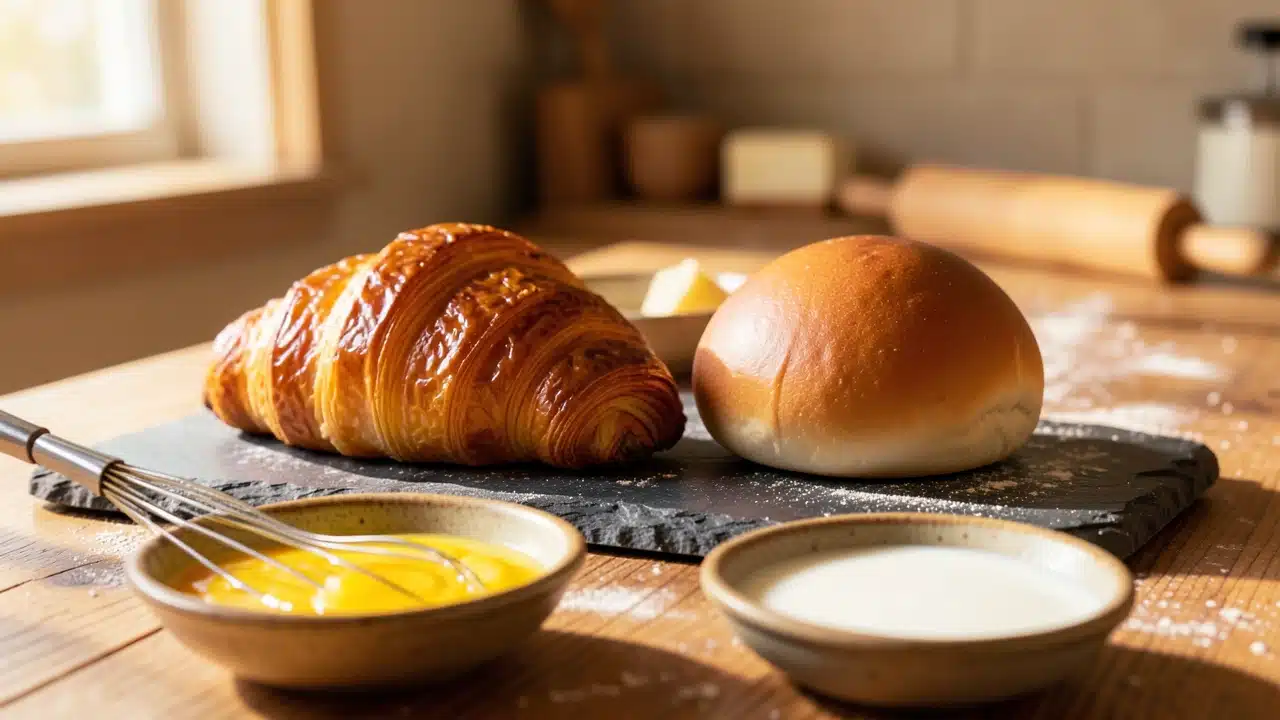
Egg wash vs milk wash depends on the pastry finish you need. Egg wash gives a glossier, deeper golden finish and helps seeds or sugar stick.
Milk wash creates lighter browning with a softer, more matte look, making it better for biscuits, scones, and rustic crusts. Use egg for shine, milk for subtle colour.
Getting that perfect golden crust on your baked goods makes them look and taste amazing. You’ve probably seen beautiful pastries with a shiny, browned finish and wondered how they do it. Choosing the right glaze is key to achieving that professional look.
Understanding the difference between an Egg Wash vs Milk Wash: Which Pastry Finish You Actually Need can seriously upgrade your baking.
We’ll show you what each does and help you pick the best one for your next creation, so your treats always turn out beautifully. Let’s explore how these simple washes make a big difference.
Key Takeaways
- An egg wash provides a rich, golden-brown color and a glossy sheen, ideal for flaky pastries like croissants.
- A milk wash offers a softer, lighter brown color and a matte finish, perfect for breads and simpler baked goods.
- The fat content in milk affects browning; whole milk gives a richer color than skim milk.
- Adding sugar or water to an egg wash can change its color and shine.
- Choosing between an egg wash vs milk wash depends on the desired crust color, texture, and the type of baked good.
- Both washes are easy to make and apply, requiring minimal extra effort for a significant visual improvement.
Achieving the Perfect Pastry Crust
The outside of your baked goods is the first thing people see. A good crust tells a story of deliciousness. It signals crispness and flavor.
Getting this right means your bakes look as good as they taste. This is where the simple glaze comes in. It’s a baker’s secret weapon.
Many home bakers wonder about the best way to get that beautiful shine and color. They see professional bakers’ work and want to replicate it. The choice of wash can really change the final look.
Let’s break down the main options to help you decide. This is about making your baking stand out.
What is an Egg Wash?
An egg wash is a common method used in baking to give pastries and breads a beautiful, shiny, golden-brown crust. It’s a simple mixture that transforms plain dough into something special. The base of an egg wash is, of course, eggs.
They contain proteins and fats that react with heat in the oven.
When eggs are beaten and brushed onto dough before baking, they create a thin coating. As the oven’s heat works its magic, these proteins cook. This cooking process is what leads to that attractive gloss and deep color.
The result is a crust that looks rich and appealing. It’s a classic technique for a reason.
Components of an Egg Wash
The most basic egg wash is just a whole egg beaten with a little water or milk. The egg provides the binding and browning agents. The liquid helps to thin the mixture.
This makes it easier to brush evenly onto the dough. Too thick, and it might clump. Too thin, and it won’t give enough color.
You can adjust the ratio of egg to liquid. More egg means a richer, deeper color and more shine. More liquid means a lighter color and less shine.
Some bakers add a pinch of sugar. Sugar helps with caramelization, adding even more color and a slight crispness to the crust.
Benefits of Using Egg Wash
The main benefit of an egg wash is the stunning visual appeal it provides. It gives baked goods a deep, golden-brown color that looks incredibly appetizing. This is especially important for items like croissants, puff pastry, and pies.
The shine it imparts makes the crust look glossy and professional.
Beyond looks, an egg wash can also affect texture. It can help seal the surface of the dough. This can prevent over-browning in certain areas.
It also adds a subtle richness to the crust. For many delicate pastries, the egg wash is essential for achieving the desired finish. It’s a simple step with big rewards.
What is a Milk Wash?
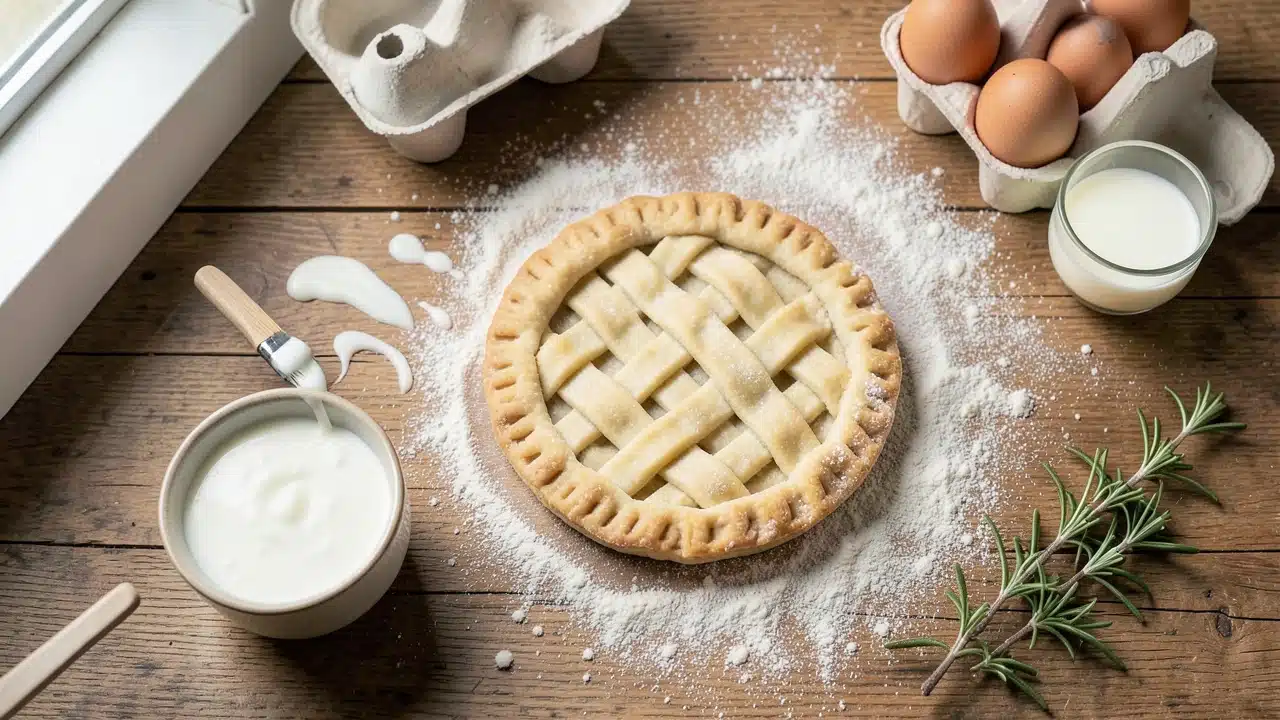
A milk wash is another popular option for glazing baked goods. Instead of eggs, it uses milk as its primary ingredient. Milk contains sugars (lactose) and fats.
These components also react with heat in the oven. They contribute to browning and can give baked items a nice finish.
Compared to an egg wash, a milk wash typically produces a softer, less intense color. It usually results in a more matte finish rather than a high gloss. This makes it a great choice when you want a more subtle browning.
It’s often preferred for breads and simpler baked items.
Components of a Milk Wash
A simple milk wash consists of milk. You can use any type of milk: whole, skim, or even non-dairy alternatives. Whole milk, with its higher fat content, will provide a richer color and a slightly softer crust.
Skim milk will result in a lighter color and a crisper finish.
Some bakers add a little sugar to their milk wash. This helps to boost the caramelization process. It leads to a deeper brown color.
A small amount of water can also be added to thin the milk. This makes it easier to brush onto the dough without creating thick, uneven patches. The goal is a smooth, even coating.
Benefits of Using Milk Wash
The primary benefit of a milk wash is its ability to create a lovely, lighter golden-brown crust. This color is often preferred for items like dinner rolls, brioche, and certain types of rustic breads. It provides a warm, inviting appearance without being overly dramatic.
Another advantage is the texture it offers. A milk wash tends to create a softer crust compared to an egg wash. This is desirable for many types of bread where a tender crumb is more important than a super-crisp exterior.
It also gives a nice, subtle sheen, though less pronounced than an egg wash.
Egg Wash vs Milk Wash: Which Pastry Finish You Actually Need
Deciding between an egg wash vs milk wash: Which pastry finish you actually need really comes down to the specific baked good you are making and the look you want.
Both are effective, but they yield different results. Understanding these differences is key to mastering your baking.
It’s not about one being better than the other, but about choosing the right tool for the job.
Think about what you are baking. Is it a delicate puff pastry that needs to look elegant and deeply colored? Or is it a soft loaf of bread that requires a gentle golden hue?
Your answer will guide you to the correct wash. We will explore the key factors that differentiate them to help you make that perfect choice every time.
Comparing Egg Wash and Milk Wash
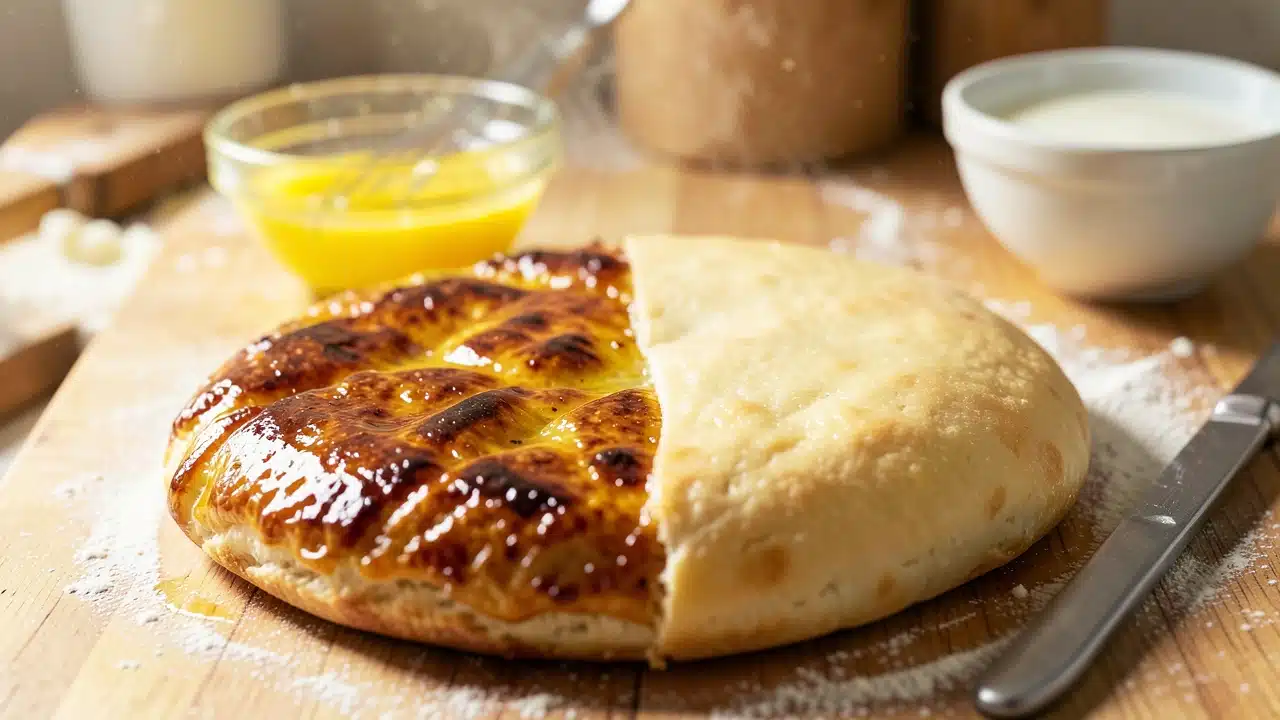
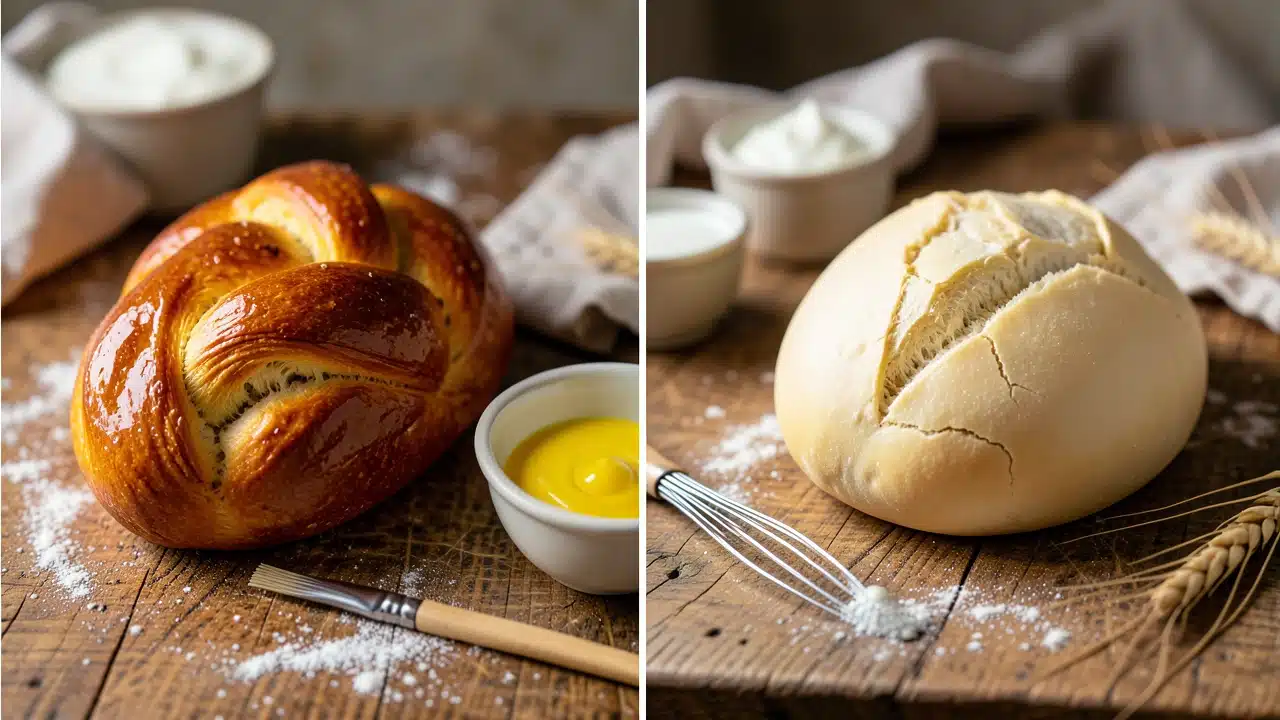
When you compare an egg wash vs milk wash side-by-side, the differences become clear. The most noticeable distinction is the color and shine. Egg washes are known for their intense golden-brown color and glossy finish.
Milk washes, on the other hand, produce a lighter brown hue with a more subdued, matte appearance.
The texture of the crust is another important factor. Egg washes can contribute to a slightly crisper crust due to the egg proteins. Milk washes tend to result in a softer crust, thanks to the fats and sugars in milk.
Your preference for the final texture will influence your decision.
Color and Shine Comparison
Let’s look closer at the visual aspects. An egg wash creates a vibrant, almost lacquered look. This is because the egg yolk contains fats and pigments that brown beautifully.
The egg white contributes proteins that create a smooth, reflective surface when cooked.
A milk wash offers a gentler browning. The lactose in milk caramelizes, creating lovely brown tones. However, it doesn’t have the same reflective quality as an egg wash.
The fat in whole milk adds a bit of richness to the color, while skim milk is lighter. For a truly dramatic, shiny finish, egg wash is usually the go-to.
Texture and Browning Differences
The way each wash affects the crust’s texture is significant. An egg wash can help create a slightly firmer, more structured crust.
This is beneficial for pastries that need to hold their shape and offer a satisfying crunch, like tart shells or turnovers.
A milk wash generally leads to a softer crust. This is ideal for breads that are meant to be tender and easy to slice. The fats in milk can also contribute to a slightly richer flavor in the crust.
The browning from milk is often more even and less prone to burning than an egg wash if not watched closely.
| Color Result | Deep golden brown | Lighter golden brown |
| Shine/Gloss | High gloss, shiny | Matte to slight sheen |
| Crust Texture | Slightly crisper, firmer | Softer, more tender |
| Best For | Puff pastry, croissants, pies, turnovers | Breads, rolls, brioche, simple cakes |
| Key Ingredients | Egg, water/milk | Milk, (optional sugar/water) |
When to Use an Egg Wash
You should reach for an egg wash when you want your baked goods to have a truly spectacular appearance.
This means aiming for that deep, rich golden-brown color that screams “professionally baked.” It’s perfect for anything where visual appeal is paramount.
Think about flaky pastries that need to look impressive. Croissants, Danish pastries, and puff pastry items benefit immensely from an egg wash. It gives them that signature shine and color that makes them irresistible.
Pies, especially fruit pies with decorative crusts, also look stunning with an egg wash brushed over the top.
For Flaky Pastries and Pies
Flaky pastries rely on a beautiful crust to showcase their layers. An egg wash enhances this by creating a glossy finish that highlights the textures. It helps the layers puff up and brown evenly.
Without it, these delicate items can look a bit dull.
For pies, an egg wash provides that classic, inviting look. It makes the crust appear golden and slightly toasted. This visual cue suggests a perfectly baked pie, ready to be enjoyed.
A well-browned crust on a pie is a sign of good baking. It’s a simple addition that makes a significant difference in presentation.
For Richness and Shine
If your goal is a crust with a bit more richness and a noticeable sheen, an egg wash is your best bet. The egg yolk adds a subtle depth of flavor and color. The combination of egg white and yolk creates a surface that reflects light beautifully.
This shine is often associated with higher-end baked goods. It gives items like éclairs, cream puffs, and certain types of cookies a polished appearance. The visual richness of an egg wash can elevate even the simplest dough into something extraordinary.
It’s about achieving that gourmet look at home.
When to Use a Milk Wash
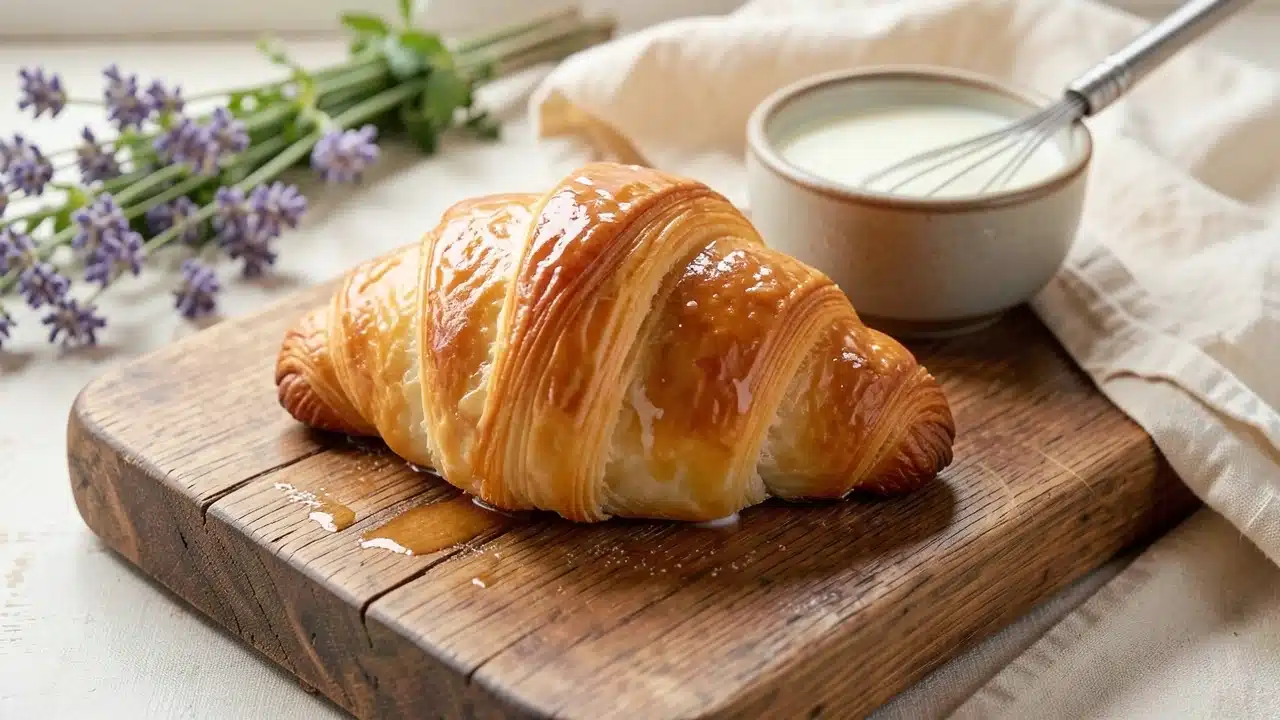
A milk wash is your go-to when you prefer a softer, more subtle browning. It’s ideal for baked goods where a very dark or highly glossy crust isn’t the main goal. This often applies to many types of bread and rolls.
If you want a warm, golden hue without the intense shine, milk is the way to go. It provides a more rustic and natural look. It’s a fantastic choice for everyday baking.
It ensures your bread has a pleasant color and a soft crust.
For Breads and Rolls
Many bread recipes call for a milk wash, or a similar wash like water or egg white. This is because bakers often want a tender crust for their bread. A milk wash achieves this beautifully.
It gives the bread a lovely golden color that is appealing but not overpowering.
For dinner rolls, hamburger buns, or sandwich bread, a milk wash is perfect. It ensures the crust is soft enough to be enjoyable with the fluffy interior. It also helps prevent the crust from becoming too hard or dry.
This makes the bread more pleasant to eat. It’s about balancing appearance with texture.
For a Milder Browning
Sometimes, a very dark crust can be a bit bitter. A milk wash offers a milder browning that avoids this. The sugars in milk caramelize gently.
This results in a pleasant golden color that is appealing to the eye. It’s a safer option if you are worried about burning your crust.
The matte finish of a milk wash also suits many styles of baking. It looks natural and wholesome. For cakes or muffins that are brushed with a glaze before baking, milk wash provides a subtle enhancement.
It adds a touch of color and a slight crispness without making the item look overly done.
Making and Applying Your Wash
Whether you choose an egg wash or a milk wash, the preparation and application are quite simple. You don’t need special equipment. Just a few common kitchen tools will do the job.
The key is to be gentle and consistent.
Proper application ensures an even coating. This leads to an even color and shine. A patchy wash will result in a patchy finish.
This can detract from the overall appearance of your baked goods. Taking a moment to do it right makes a big difference.
How to Make an Egg Wash
First, crack one large egg into a small bowl. Add about one tablespoon of water or milk. For a richer color and gloss, you can use more egg yolk and less white, or skip the liquid entirely.
For a lighter color, use more liquid.
Next, whisk the egg and liquid together thoroughly until well combined and slightly frothy. You want to break up the egg white and yolk completely. This ensures a smooth, even coating on your dough.
Avoid over-whisking, as too many bubbles can create an uneven surface.
Then, strain the mixture if you notice any large bits of egg white. This step helps ensure a perfectly smooth finish. Let it sit for a minute to allow any large bubbles to dissipate.
Your egg wash is now ready to use.
How to Make a Milk Wash
First, pour about two tablespoons of milk into a small bowl. You can use whole milk for a richer color, or skim milk for a lighter one. If you want a bit more sweetness and browning, you can add about a teaspoon of sugar.
Next, whisk the milk and sugar (if using) together until the sugar is dissolved. If the milk seems too thick, you can add a tiny splash of water to thin it slightly. The goal is a liquid that is easy to brush.
Finally, stir the mixture well. Your milk wash is ready to be applied. It’s a very simple preparation that adds a lovely finish to breads and other baked goods.
Application Tips
First, ensure your dough has already risen (if applicable) and is ready for the oven. Applying the wash too early can deflate delicate doughs. Apply the wash gently using a pastry brush.
Use light, even strokes.
Second, try to coat the entire surface of the dough that you want to brown. Avoid letting the wash drip down the sides, especially on items like pies, as this can cause uneven baking or sticking.
Third, for pastries that need to puff up significantly, like croissants, you might apply the wash just before baking. This allows the dough to rise without being weighed down by the liquid.
Finally, some bakers prefer a double wash. This means applying one coat, letting it dry slightly, and then applying a second coat for a deeper color and shine. This technique is often used for high-end pastries.
Common Mistakes to Avoid
When working with washes, a few common mistakes can prevent you from getting the best results. Being aware of these pitfalls can help you avoid them. It ensures your baked goods always turn out beautifully.
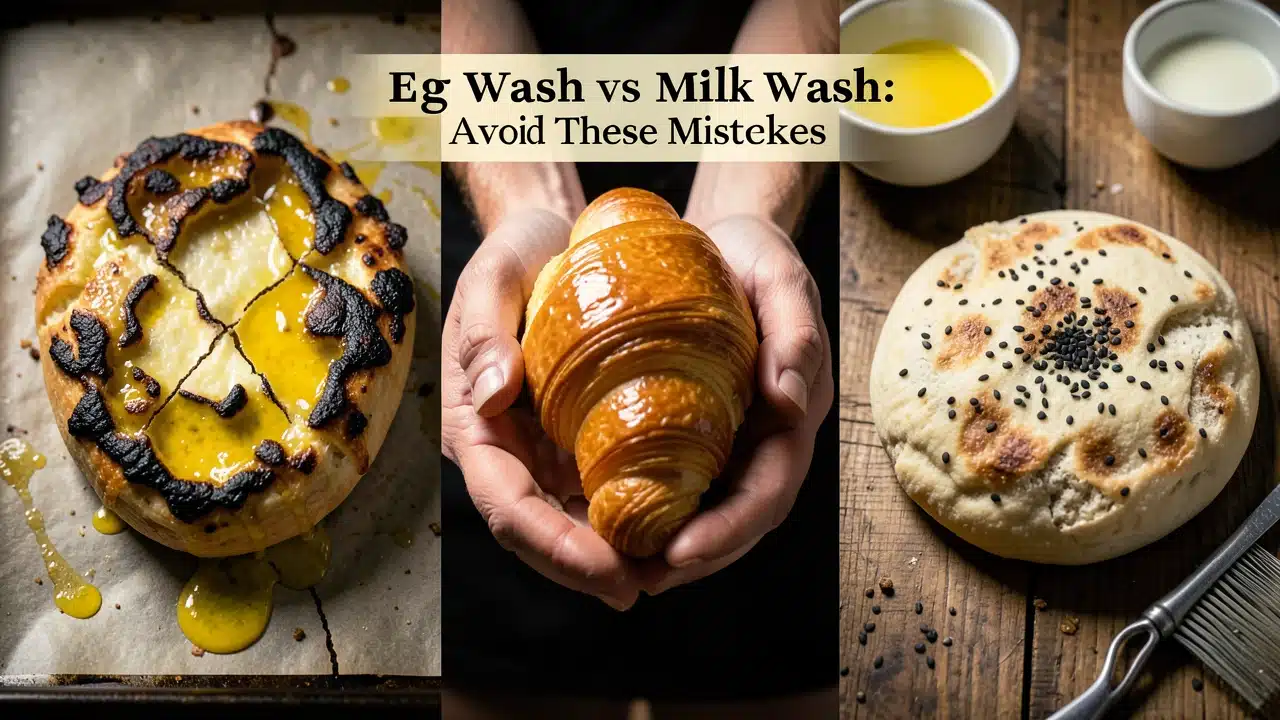
One frequent error is applying the wash too heavily. This can lead to a gummy or unevenly browned crust. Another mistake is applying it too late or too early.
Timing is important for many types of dough. Understanding these nuances will improve your baking.
Over-application
Applying too much wash can saturate the dough. This can hinder its ability to rise properly. It can also lead to a crust that is too thick or gummy.
The browning might become uneven, with some areas very dark and others pale.
Use a light hand with your pastry brush. You want to create a thin, even layer. If you see pooling liquid, you’ve likely applied too much.
Gently spread it out or dab away the excess. A little wash goes a long way in achieving the desired effect.
Timing Issues
The timing of applying your wash is crucial. For breads and rolls that undergo a final proof, apply the wash after the final proof but before baking. Applying it too early can interfere with the dough’s rising process. For breads and rolls, the egg wash application timing is crucial and should be done just before baking.
For items like pies or tarts, you typically apply the wash before the final proof or just before baking, depending on the recipe.
For delicate laminated doughs like croissants, applying the wash just before they go into the oven is best. This prevents the dough from getting soggy.
Choosing the Wrong Wash for the Job
Using an egg wash on a delicate bread where a soft crust is desired might make it too crisp. Conversely, using a milk wash on a rich pastry where a deep golden color is needed might result in a finish that is too pale. Understanding the specific needs of your baked good is key.
When in doubt, consider the desired outcome. If you want that classic, shiny, deep brown, go with egg wash. If you prefer a softer texture and a lighter color, milk wash is a great choice. Always follow proper egg safety guidelines when handling raw eggs for washes.
This mindful selection is what elevates home baking.
Frequently Asked Questions Of Egg Wash Vs Milk Wash: Which Pastry Finish You Actually Need
What is the difference between egg wash and milk wash?
An egg wash creates a deep golden-brown color and a glossy shine, while a milk wash produces a lighter brown color with a more matte finish. The egg wash tends to make the crust a bit crisper, whereas the milk wash results in a softer crust.
Can I use water instead of milk or egg?
Yes, you can use water. A water wash provides very little color and shine, making the crust slightly crisper. It’s a very basic option when you don’t have eggs or milk available.
Which wash gives a shinier finish?
An egg wash provides a significantly shinier and glossier finish due to the proteins and fats in eggs. A milk wash offers a more subtle sheen, and a water wash provides almost no shine.
Can I add sugar to an egg wash?
Yes, adding a little sugar to an egg wash can help promote caramelization, leading to a deeper brown color and a slightly crispier crust. Be careful not to add too much, as it can cause the crust to burn easily.
What if I am allergic to eggs?
If you are allergic to eggs, a milk wash is an excellent alternative. You can also use a mixture of milk and sugar, or even just water for a basic crust finish. Non-dairy milks also work well as substitutes.
Does the type of milk matter for a milk wash?
Yes, the type of milk matters. Whole milk, with its higher fat content, will result in a richer, deeper golden color and a softer crust. Skim milk will yield a lighter color and a slightly crisper finish.
How do I get a very dark brown crust?
To achieve a very dark brown crust, an egg wash is usually best. You can also add a bit of sugar to the egg wash or milk wash to encourage more caramelization. Baking at the right temperature and for the correct duration is also crucial.
Final Thoughts
Choosing between an egg wash vs milk wash: Which pastry finish you actually need depends entirely on your desired outcome.
For a rich, glossy, golden-brown crust, egg wash is your best bet. If you prefer a softer texture and a more subtle, lighter brown finish, milk wash is ideal. If you prefer a softer texture and lighter color, milk wash finish options are more suitable.
Both are simple additions that make a big visual impact on your baking.