How Electric Pasta Makers Extrude Dough Into Different Shapes
An electric pasta maker extrudes dough by using a motor-driven auger to force a stiff flour-and-water paste through a shaped metal die, which determines the final pasta form such as spaghetti, penne, or fusilli. The die's internal geometry—holes, ridges, and cuts—combined with consistent screw pressure ensures uniform shapes, while proper dough moisture is critical: too much moisture causes sticking, too little strains the motor and yields brittle pasta. Understanding this extrusion process allows users to troubleshoot texture issues, select the appropriate die for each recipe, and consistently produce quality pasta without manual rolling or cutting.
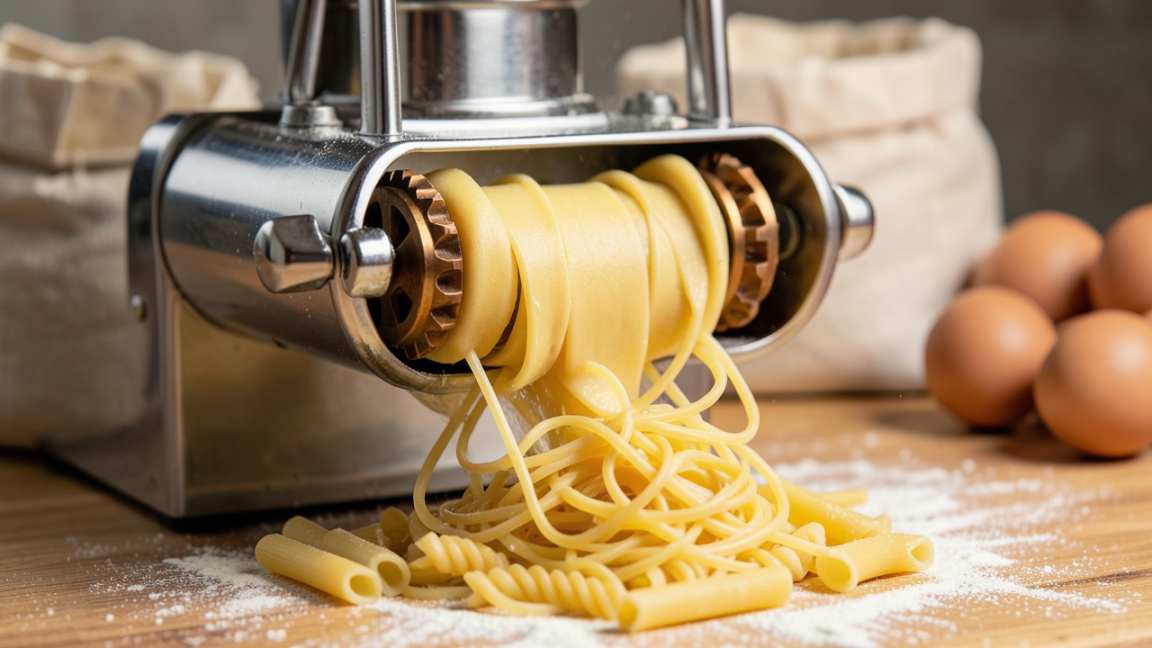
An electric pasta maker uses a screw-driven system to push dough through metal dies. This process, called extrusion, creates uniform shapes like spaghetti, penne, and fusilli.
Quick Verdict: In short, electric pasta makers extrude dough by mixing flour and water into a stiff paste, then forcing it under pressure through a shaped metal plate called a die. The die determines the final shape – from long strands to short tubes. The machine’s auger creates consistent pressure, giving you uniform pasta every time.
Electric pasta makers save you from hours of hand-rolling and cutting. Understanding how they extrude dough helps you troubleshoot texture issues and choose the right die for each recipe.
Key Takeaways
- An electric pasta maker uses a motor-driven auger to push dough through a die, shaping it without human effort.
- The die’s internal geometry – holes, ridges, and cuts – determines whether the pasta becomes spaghetti, penne, or fusilli.
- Moisture content in the dough directly affects extrusion success; too wet and pasta sticks, too dry and the motor strains.
- According to the, over 50% of pasta consumed in the US is extruded commercially, and home extruders replicate this process at a smaller scale.
- Cleaning and maintaining the die immediately after use prevents clogging and ensures consistent shape in future batches.
How Does the Extrusion Process Work?
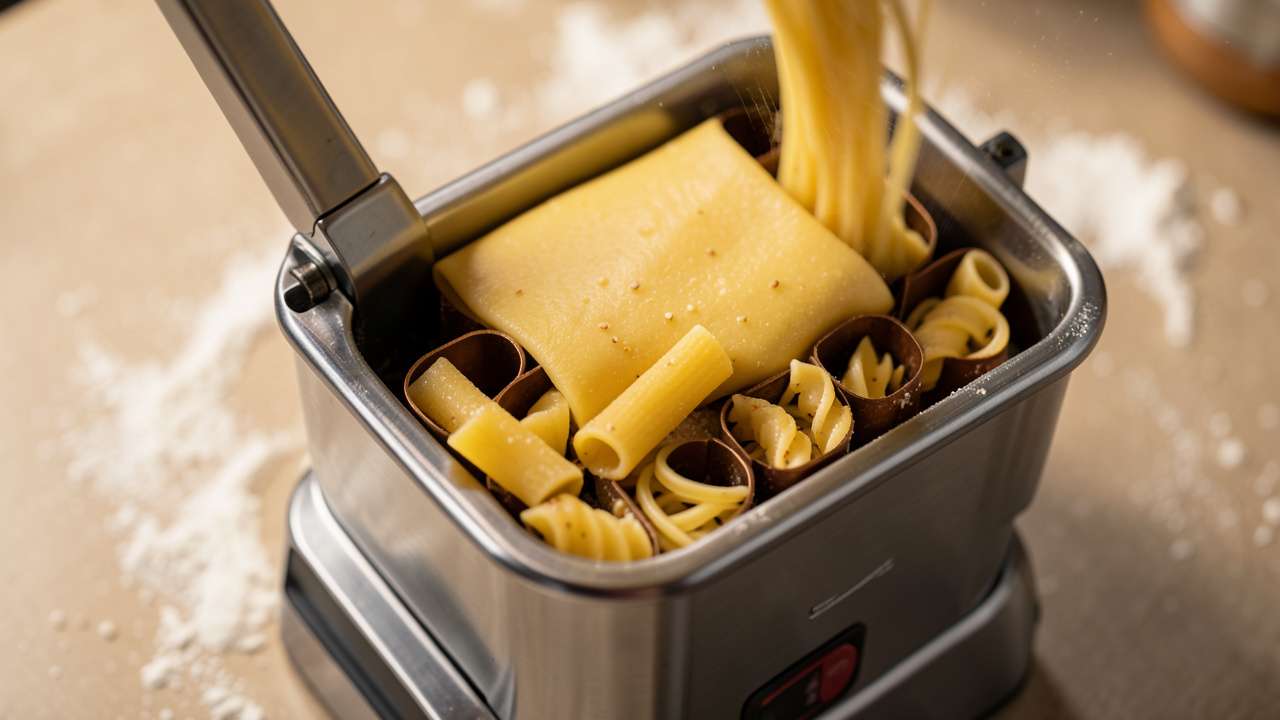
Electric pasta makers operate on a simple mechanical principle: a rotating screw forces dough through a narrow opening. Here is the step-by-step breakdown.
Step 1: Mixing the Ingredients
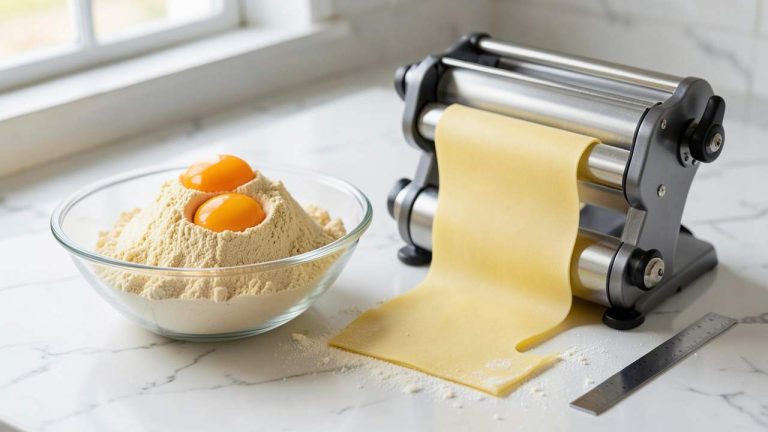
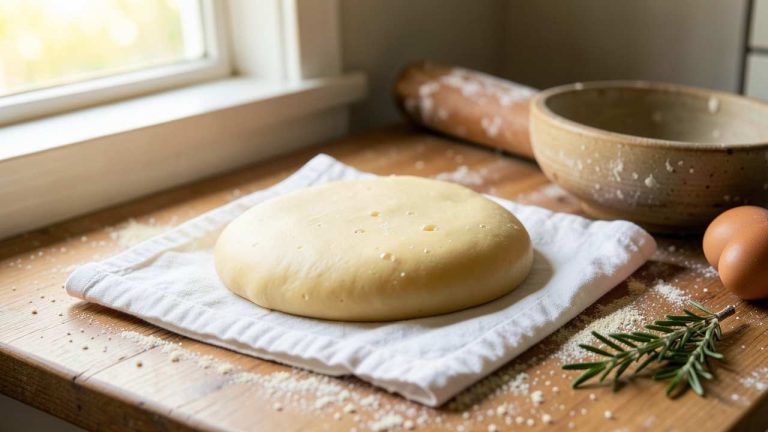
You add flour and liquid to the machine’s mixing chamber. Most electric models mix and knead the dough automatically. The ratio is typically 100 grams of flour to 1 large egg, or water for egg-free dough. The machine blends for about 3 minutes until a crumbly, sand-like texture forms.
Important: The dough must feel like wet sand – not sticky. If it clumps into a ball, add a teaspoon more flour. Proper hydration is the single most important factor for smooth extrusion.
Step 2: Kneading and Dough Development
The auger then kneads the dough for another 2-3 minutes. This develops gluten, which gives pasta its chewy texture. Unlike hand-kneading, the machine applies constant, moderate pressure. This prevents over-kneading, which can make the dough tough.
Step 3: Extrusion Through the Die
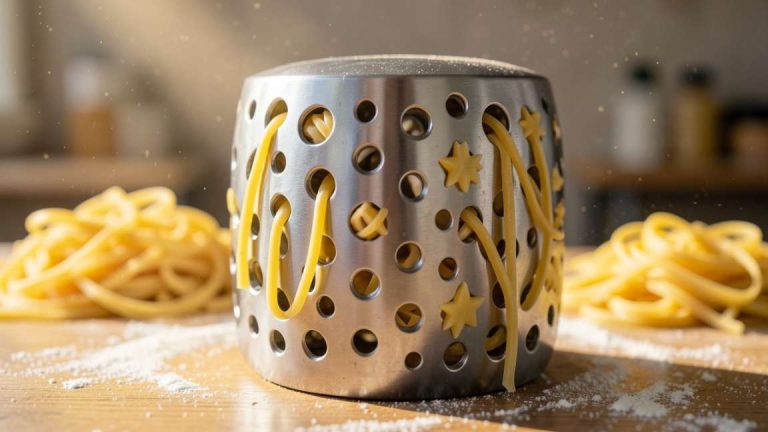
After kneading, the machine switches to extrusion mode. The auger pushes the dough into a chamber at the front of the unit. At the end of this chamber is the die – a metal disc with holes and channels cut into specific shapes. The dough is forced through these openings at a pressure of about 10-15 psi (pounds per square inch), depending on the model and dough firmness.
Step 4: Cutting to Length
As the pasta emerges from the die, a rotating blade cuts it to your desired length. For long shapes like spaghetti, the blade can be turned off, allowing strands to fall freely. For short shapes like penne, the blade spins continuously, cutting every 1-2 seconds.
Step 5: Drying or Cooking
Freshly extruded pasta is soft and sticky. Dust it with semolina flour to prevent clumping. You can cook it immediately – fresh pasta cooks in 2-4 minutes – or dry it for later use. Drying takes 12-24 hours at room temperature.
What Are the Different Types of Dies?
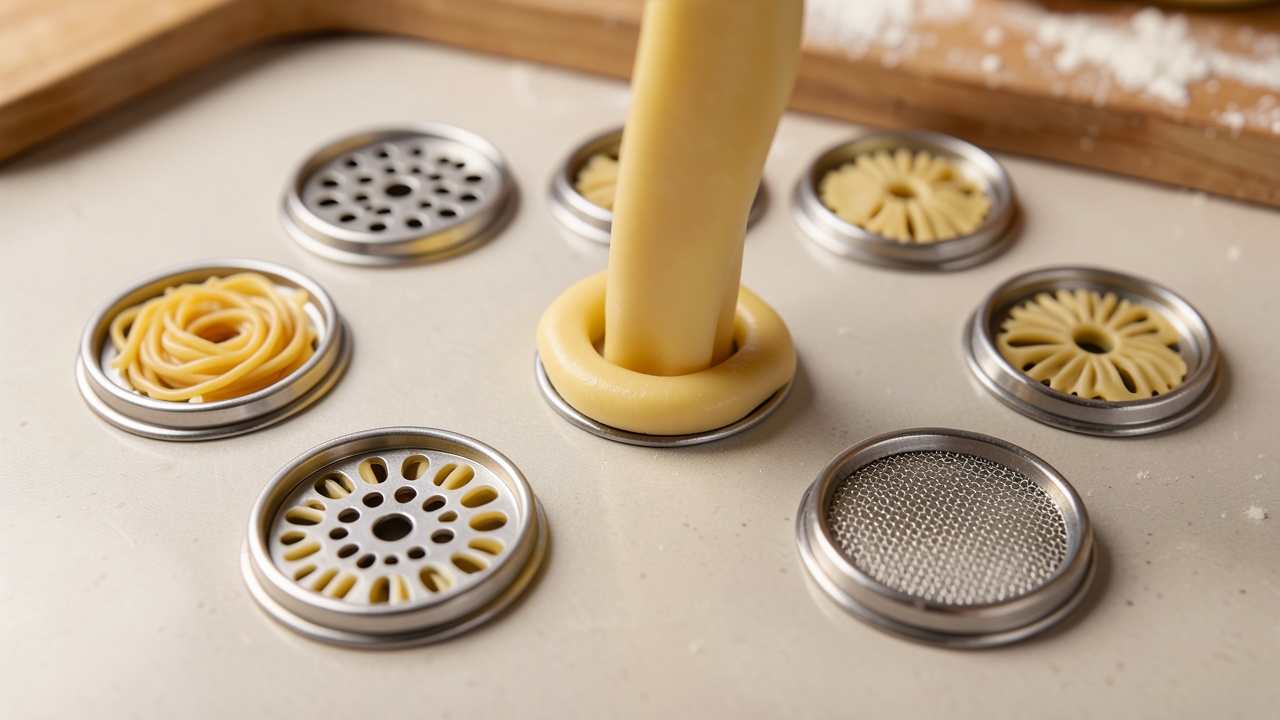
Each die produces a unique pasta shape. The die’s design controls not just the outline, but also the internal ridges and textures that hold sauce. The table below compares common dies.
| Die Shape | Hole Pattern | Best Sauce | Cooking Time |
|---|---|---|---|
| Spaghetti | Round, solid holes (1-2 mm diameter) | Light tomato, olive oil | 2-3 minutes |
| Penne | Oval holes with internal ridges | Chunky sauces, baked dishes | 3-4 minutes |
| Fusilli | Twisted slot with a central pin | Pesto, thick cream sauces | 3-4 minutes |
| Fettuccine | Flat rectangular slots (3-4 mm wide) | Alfredo, carbonara | 2-3 minutes |
Why Does Die Material Matter?
Most dies are made of brass or stainless steel. Brass dies have a rough surface that creates a slightly textured pasta – sauces cling better. Stainless steel dies produce a smoother surface, which some cooks prefer for delicate sauces. Commercial pasta makers often use brass, according to the.
Home electric pasta makers typically include stainless steel dies because they are easier to clean and last longer. Premium models, such as those from Marcato, offer brass dies as an upgrade.
What Factors Affect the Quality of Extruded Pasta?
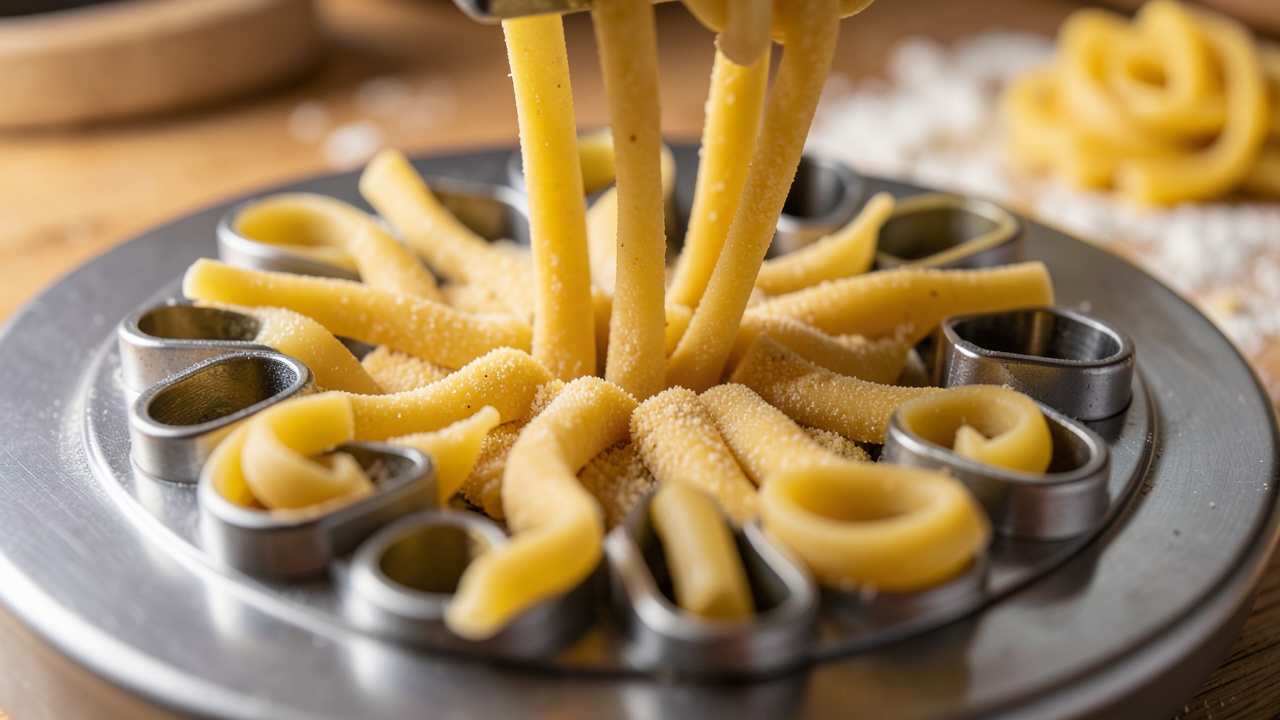
Three main variables determine whether your pasta comes out perfect or clumpy: dough moisture, extrusion speed, and resting time.
Dough Moisture Content
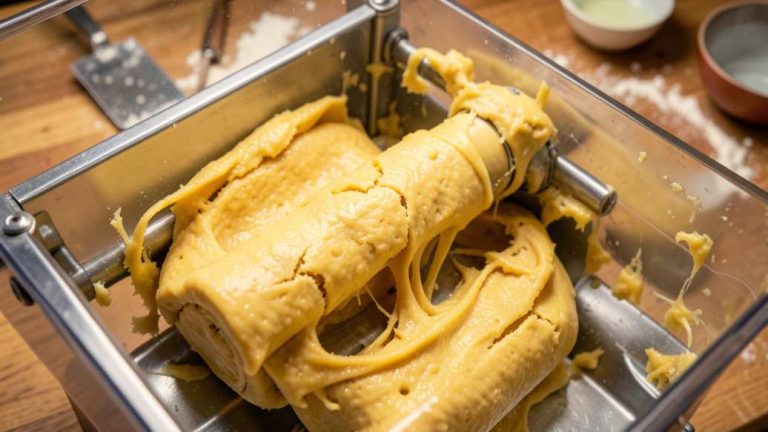
Moisture is the most critical factor. The ideal hydration is between 28% and 32% relative to the flour weight. Too much water makes the dough sticky and causes the extruder to jam. Too little water leads to cracks and broken pasta. Use a kitchen scale for precise measurements.
Extrusion Speed
Some electric pasta makers have variable speed settings. A slower speed gives the dough more time to flow through the die, resulting in a smoother surface. Faster speeds are useful for softer doughs but can create rough edges. Always start at the lower speed recommended by the manufacturer.
Resting the Dough
After mixing, let the dough rest in the machine for 5 minutes. This allows the flour to fully absorb the liquid and relaxes the gluten. Resting reduces the risk of pasta swelling or sticking during cooking.
Common Myths vs Facts About Electric Pasta Makers
Many home cooks believe myths that stop them from using an electric pasta maker. Here are three common ones.
Myth 1: Extruded pasta is always tough.
Fact: Tough pasta comes from over-kneading or using too much egg. Electric pasta makers control kneading time automatically. If you follow the recommended ratios, extruded pasta is just as tender as hand-rolled.
Myth 2: You can’t make gluten-free pasta in an extruder.
Fact: Gluten-free flours like rice, corn, and chickpea work well in electric pasta makers. The key is to add a binder like xanthan gum (1 teaspoon per cup of flour) to mimic gluten’s elasticity. According to, many gluten-free pasta makers rely on extrusion technology.
Myth 3: All dies produce identical pasta.
Fact: Dies from different brands vary in size and shape precision. A spaghetti die from one machine may produce 1.5 mm strands, while another gives 2 mm. Always check the die’s specifications for consistent results.
How to Clean and Maintain Your Dies
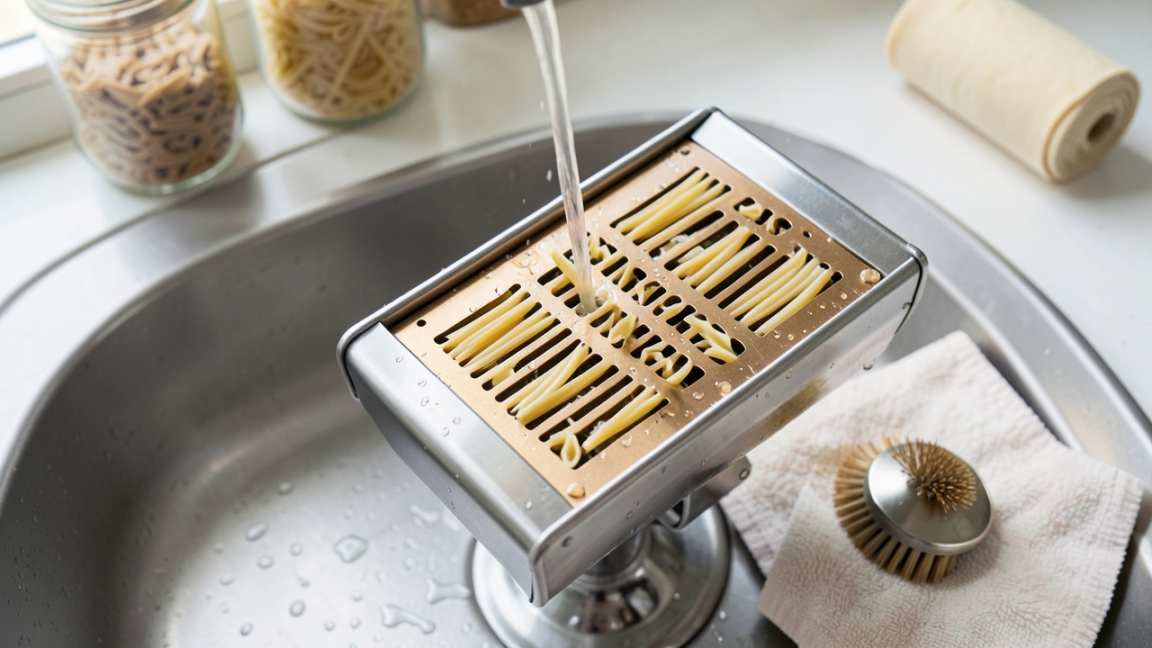
Proper care extends the life of your dies and prevents shape distortion. Follow these steps after each use.
- Remove the die from the machine immediately after extrusion. Do not let pasta dry inside the holes.
- Soak the die in warm water for 10 minutes to loosen residue.
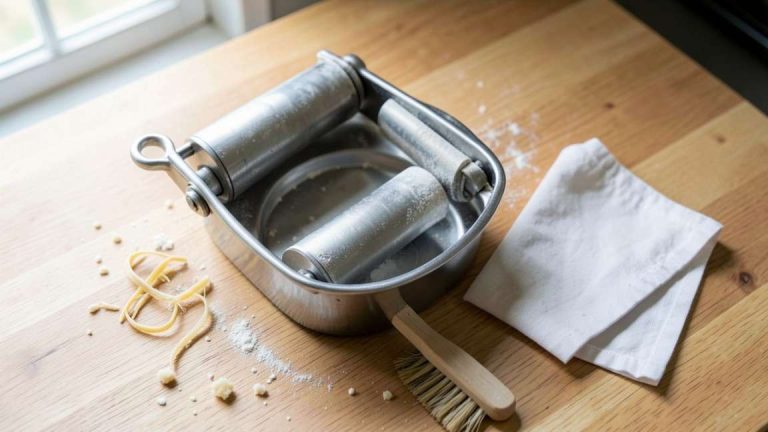
- Use the included cleaning brush or a toothpick to push out dried dough from each hole. Never use metal tools – they scratch the surface.
- Dry the die completely before storing. Moisture promotes rust on steel dies.
- Store dies in a dry, cool place. Some manufacturers provide a dedicated storage box.
Warning: Never put brass dies in the dishwasher. Dishwasher detergents tarnish brass and can clog the holes with hard water deposits. Hand wash only.
What Does the Science Behind Extrusion Tell Us?
Extrusion is not just a cooking technique – it is a material science process. According to, food extrusion involves three stages: solid conveying, compression, and pumping. In an electric pasta maker, the auger (screw) conveys the dry dough particles forward. Friction from the barrel walls heats the dough slightly, making it plastic and pliable. The compression zone forces the dough into a dense, cohesive mass. Finally, the pumping zone pushes it through the die at a constant rate.
This heating is minimal – typically less than 140°F (60°C) – so the pasta does not cook inside the machine. The result is raw dough that cooks evenly later.
Who Needs an Electric Pasta Maker?
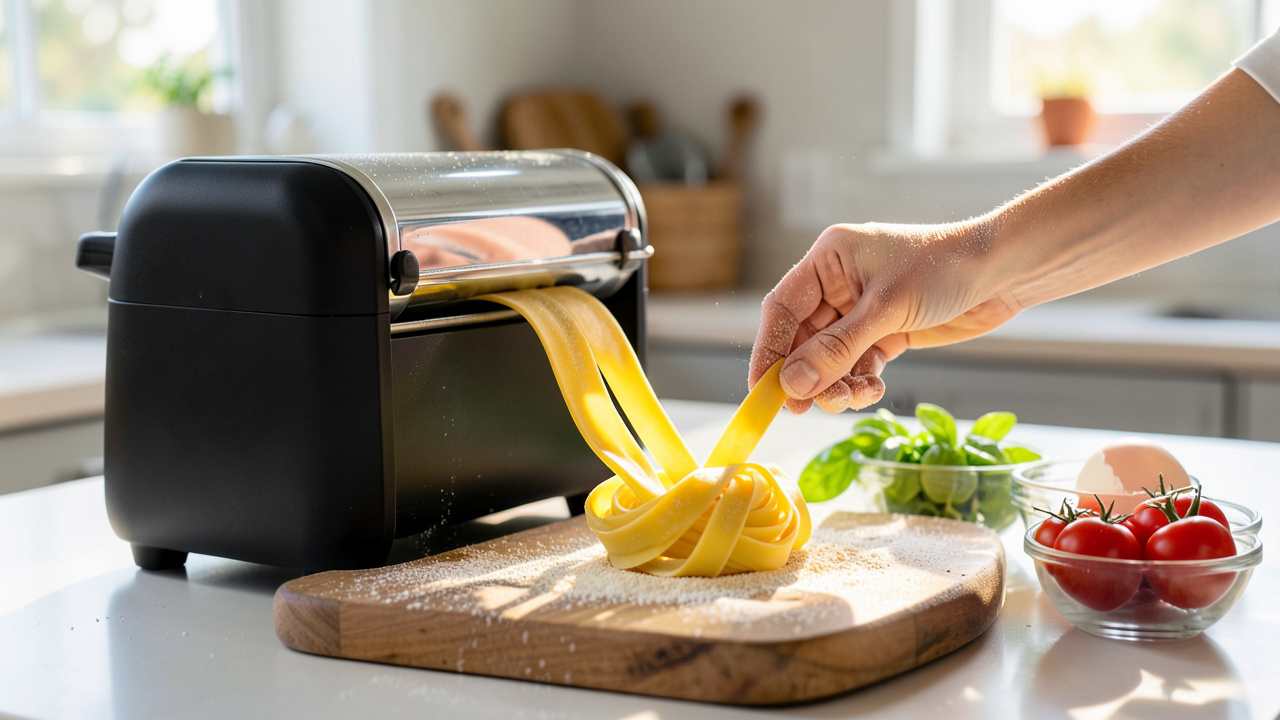
Electric pasta makers are ideal for three groups of people:
- Busy home cooks who love fresh pasta but lack time for hand-rolling. The machine does the mixing, kneading, and shaping in under 15 minutes.
- People with dietary restrictions who need gluten-free, low-carb, or high-protein pasta. You control every ingredient.
- Families who entertain often. With multiple dies, you can serve a variety of pasta shapes in one evening. Some models, like the Philips Pasta Maker, come with 8 different dies.
According to a 2023 survey by, home pasta machine sales increased 18% between 2020 and 2023, driven by interest in homemade foods.
How to Choose the Right Electric Pasta Maker for Extrusion
Not all electric pasta makers are equal. Compare features before buying.
| Feature | Entry Level | Mid Range | Premium |
|---|---|---|---|
| Price | $70-$100 | $100-$200 | $200-$400 |
| Die Material | Stainless steel | Stainless steel | Brass + stainless |
| Number of Dies Included | 3-5 | 5-8 | 8-12 |
| Motor Power | 150W | 200W | 250W+ |
| Auto Knead & Extrude | Yes | Yes | Yes + Speed control |
Frequently Asked Questions
Can I use any flour in an electric pasta maker?
You can use semolina, all-purpose, whole wheat, and gluten-free flours. Semolina gives the best texture for extrusion because its coarse granules produce a firm dough. Avoid very fine flours like cake flour – they absorb too much liquid.
Why does my pasta come out cracked?
Cracking usually means the dough is too dry. Add water in small increments (1 teaspoon at a time) until the dough holds together when squeezed. Also, check that the die is not partially blocked by dried dough.
How long does it take to make pasta with an electric maker?
The total process takes 10-15 minutes: 3-4 minutes mixing, 2-3 minutes kneading, and 5-7 minutes extruding. Cleaning adds another 5 minutes.
Can I extrude pasta without eggs?
Yes. Replace eggs with water at a ratio of 1 part water to 2 parts flour by weight. Eggless dough is firmer and less sticky, making it easier to extrude. Some pasta makers include egg-free recipes.
Do I need to rest the dough after mixing?
Resting the dough for 5 minutes after mixing improves extrusion. It lets the flour hydrate fully and relaxes gluten, reducing the chance of the pasta swelling during cooking.
Resources and Tools
- Philips Pasta Maker – Automatic model with 8 dies and self-cleaning cycle.
- Marcato Atlas Osteria – Premium electric extruder with brass dies.
- KitchenAid Pasta Extruder Attachment – Fits KitchenAid stand mixers, includes 6 dies.
- National Pasta Association – Official resource for pasta history and nutrition.
Final Thoughts
Electric pasta makers extrude dough through a simple but clever screw-and-die mechanism. The die shape, dough moisture, and extrusion speed are the three variables that control your final pasta. Once you understand these principles, you can create perfect spaghetti, penne, or fusilli at home in minutes.