How Rolling Thickness Settings Change Final Noodle Texture
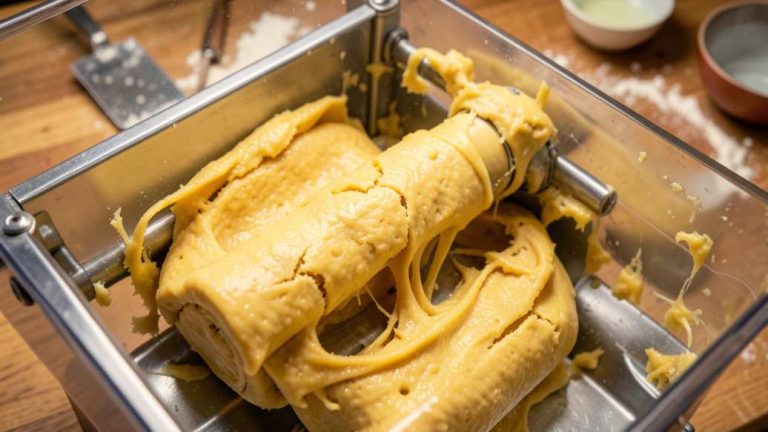
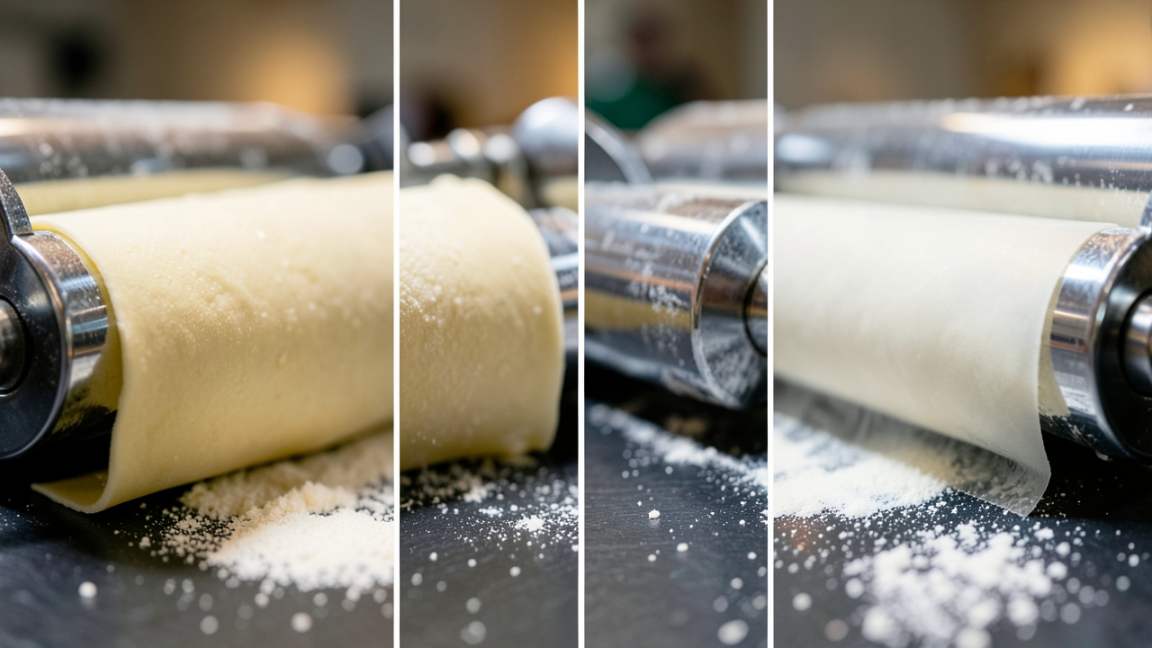
Rolling thickness settings on a pasta machine directly determine a noodle's final texture by controlling density, gluten development, and cooking time. Thinner settings, typically 1-3, produce delicate, soft noodles that cook quickly, while thicker settings of 5-7 create dense, chewy noodles that hold their shape in broths and heavy sauces. The key takeaway is that selecting the correct thickness for your dish and desired bite resistance is the most critical variable for consistent, high-quality pasta results.
Rolling thickness determines how thin or thick your noodle dough becomes as it passes through a pasta machine or sheeter. This single variable changes everything about the final noodle texture. Most home cooks and professional chefs agree that thickness settings are the most important factor in achieving consistent results.
Quick Verdict: Rolling thickness settings directly control noodle density, chewiness, and cooking time. Thinner settings (1-3 on most machines) produce delicate, quick-cooking noodles with a soft bite. Thicker settings (5-7) create dense, chewy noodles that hold up in soups and sauces. The ideal setting depends on your noodle type, dough hydration, and intended dish.
How rolling thickness settings change final noodle texture is a question every noodle maker must understand. The thickness you choose affects not only the eating experience but also how the noodle interacts with sauces, broths, and cooking methods.
Key Takeaways
- Rolling thickness settings on standard pasta machines range from 0 (thickest) to 7 (thinnest), with each number reducing the dough by roughly 0.2 millimeters.
- Thinner noodles (settings 5-7) cook in 1-3 minutes and have a tender, delicate texture that works best for light broths and cream sauces.
- Thicker noodles (settings 1-3) require 4-8 minutes of cooking and deliver a firm, chewy bite that holds up in hearty stews and baked pasta dishes.
- Dough hydration levels between 30% and 40% work best for most rolling thickness settings, with higher hydration requiring slightly thicker initial passes.
- Resting the dough for 20-30 minutes before rolling reduces shrinkage and helps maintain consistent thickness across the entire sheet.
How Does Rolling Thickness Affect Texture?
The connection between thickness and texture comes down to density and moisture retention. When you roll dough thinner, you compress the gluten network into a tighter structure. This creates a noodle that absorbs water faster during cooking.
According to, noodle thickness directly influences starch gelatinization during cooking. Thinner noodles reach the gelatinization temperature faster because heat penetrates the dough more quickly. This results in a softer, more tender final product.
Thicker noodles take longer to cook. The center of the noodle stays firmer because heat has to travel through more dough to reach the core. This creates a contrast between a cooked exterior and a slightly al dente center.
The Science of Gluten Development
When you roll dough, you align the gluten strands in one direction. This alignment strengthens the noodle structure. Multiple passes through the machine with progressively thinner settings build more gluten alignment.
Important: Each pass through the roller at a thinner setting further aligns gluten proteins. This is why you should never skip thickness levels. Going from setting 4 to setting 6 in one step tears the gluten network and produces weak, breaking noodles.
Density and Bite Resistance
Denser noodles feel chewier in the mouth. A noodle rolled at setting 2 has roughly twice the mass per square inch compared to a noodle rolled at setting 6. This extra mass requires more chewing effort and releases starch more slowly during digestion.
The reports that noodle density affects how quickly enzymes break down starches in the mouth. Denser noodles produce a lower glycemic response because the starch is less accessible to digestive enzymes.
Standard Thickness Settings and Their Effects
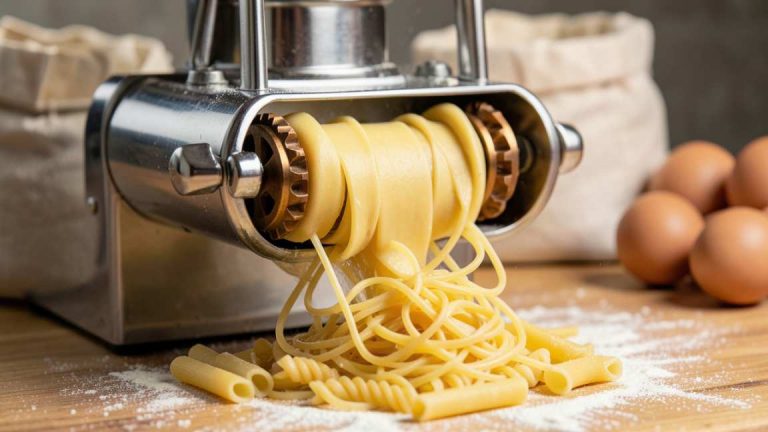
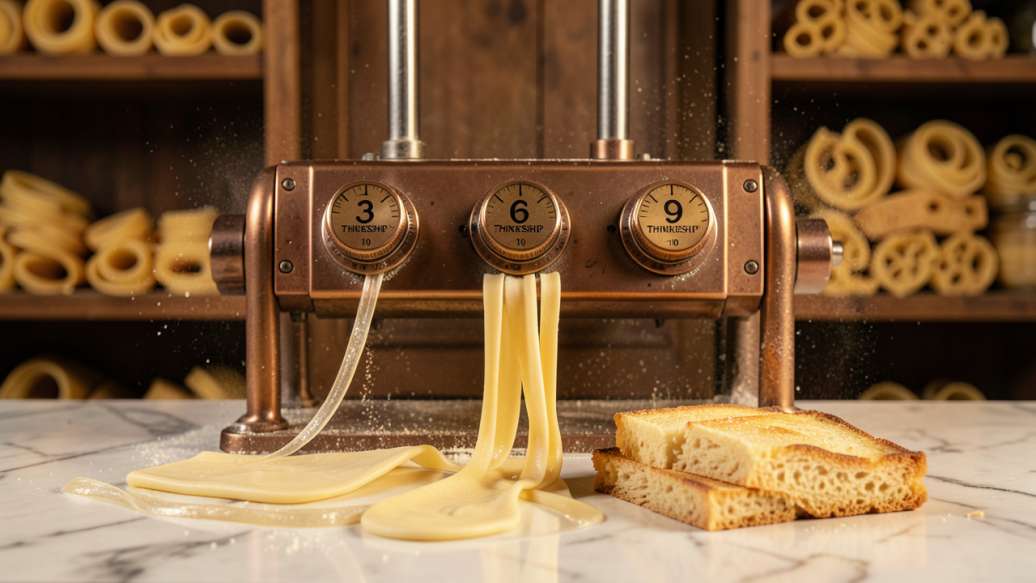
Most manual pasta machines and electric sheeters use a numbered scale. The exact millimeter measurement varies by brand, but the progression is consistent.
| Setting Number | Approximate Thickness | Best Noodle Types | Texture Profile |
|---|---|---|---|
| 0-1 | 2.0 – 1.8 mm | Pappardelle, thick ramen, gnocchi | Very chewy, dense, substantial bite |
| 2-3 | 1.6 – 1.4 mm | Fettuccine, udon, lasagna sheets | Firm with moderate chew, holds sauce well |
| 4-5 | 1.2 – 1.0 mm | Spaghetti, linguine, soba | Balanced tenderness with slight resistance |
| 6-7 | 0.8 – 0.6 mm | Angel hair, capellini, wonton wrappers | Very tender, delicate, almost melts |
How to Choose the Right Thickness for Your Dish
Your choice of rolling thickness depends on the dish you plan to serve. Each style of noodle has a traditional thickness range that works best with its typical accompaniments.
For Broth-Based Soups
Thicker noodles at settings 2-3 work best for soups and broths. They hold their shape during long simmering and don’t turn mushy. Ramen noodles typically sit around 1.4-1.6 mm thickness after rolling.
Thin noodles at settings 6-7 turn to mush within minutes in hot broth. If you want a delicate noodle soup, add thin noodles at the very end of cooking.
For Cream and Oil Sauces
Medium thickness at settings 4-5 gives you the best surface area for sauce adhesion. The slight roughness of a hand-rolled noodle at this thickness grabs cream sauces and olive oil coatings effectively.
For Baked Pasta Dishes
Lasagna sheets and baked ziti require thickness settings 3-4. The noodles need to stay firm after baking because they continue cooking in the oven. Sheets that are too thin turn into a starchy paste during baking.
Tip: For lasagna, roll your sheets to setting 4 and parboil them for 2 minutes before assembly. This prevents the sheets from absorbing too much moisture from the sauce during baking.
Step-by-Step Process for Adjusting Thickness
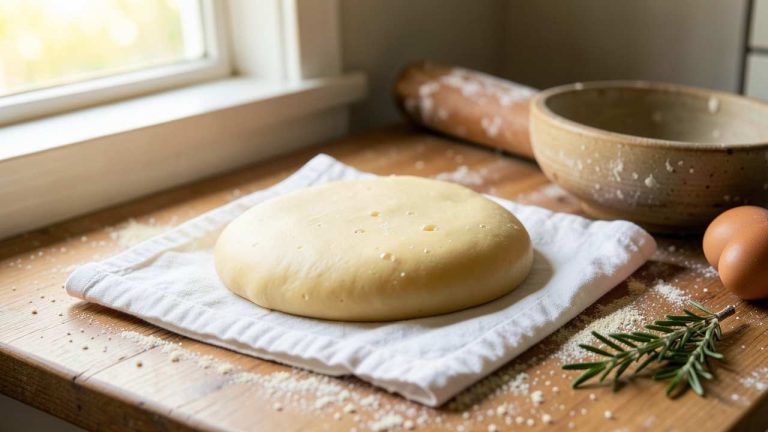
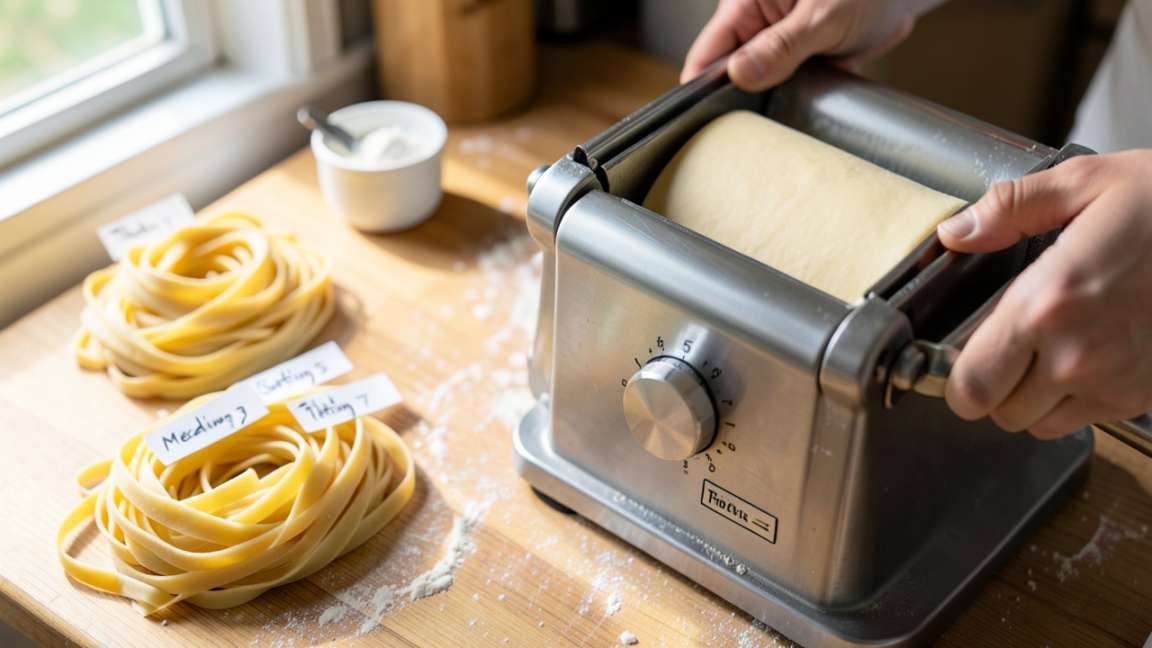
- Start with a rested dough. Let your dough rest for 20-30 minutes after kneading. This relaxes the gluten and makes rolling easier.
- Flatten the dough by hand. Press the dough into a rough rectangle about 1 cm thick before feeding it into the machine.
- Begin at the widest setting. Start at setting 0 or 1 on your machine. Feed the dough through and catch it with your free hand.
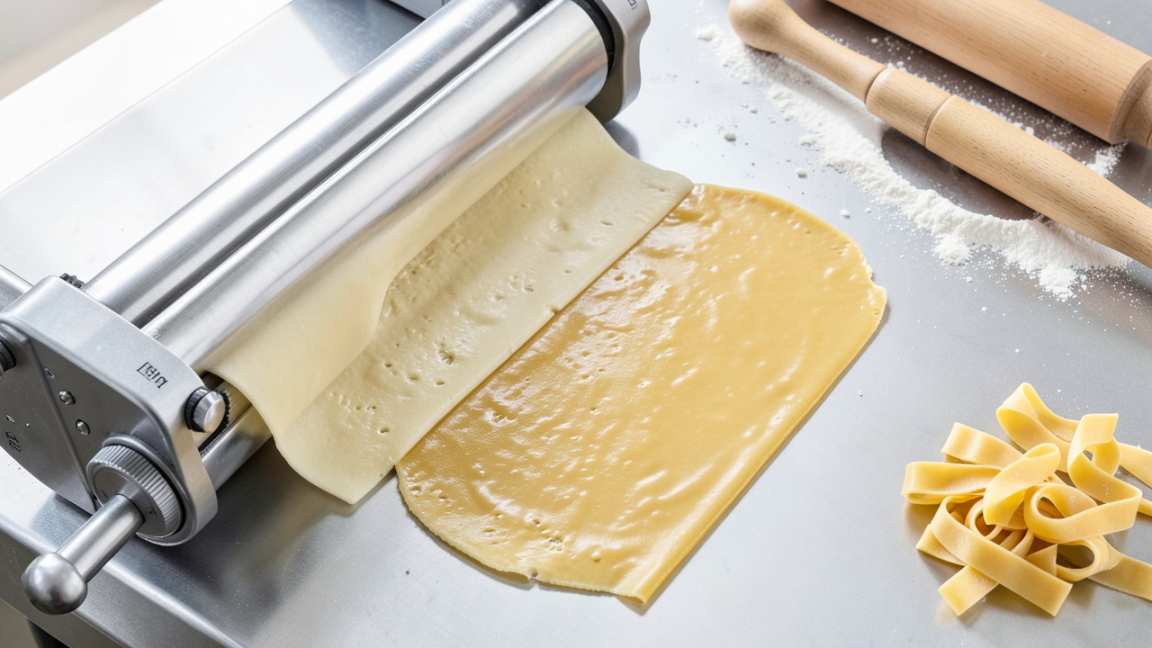
- Fold and repeat. Fold the dough in thirds and feed it through the same setting again. This builds strength and creates even thickness.
- Move down one setting at a time. Reduce the thickness by one number per pass. Never skip settings.
- Use gentle tension. Support the dough as it comes out of the rollers. Let gravity do the work. Do not pull or stretch the sheet.
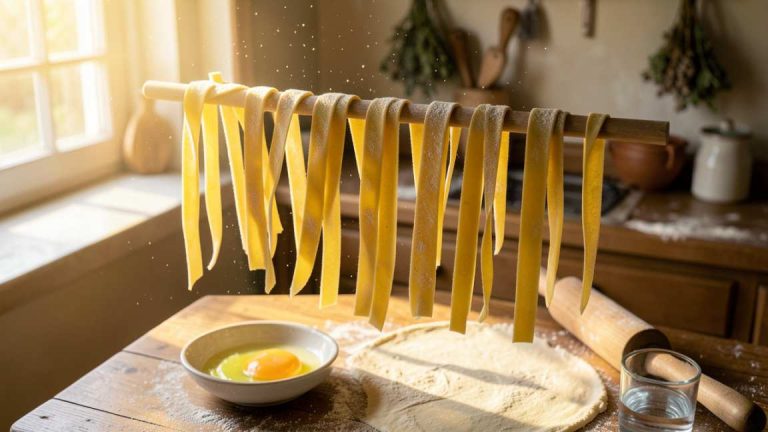
- Cut to shape immediately. Cut your noodles right after rolling while the dough is still pliable. Dried dough cracks and breaks during cutting.
Dough Hydration and Thickness Interaction
The amount of water in your dough changes how it reacts to thickness settings. Wetter doughs with 35-40% hydration roll more easily and stretch further. Drier doughs at 28-32% hydration need thicker settings to avoid cracking.
Common Mistakes to Avoid
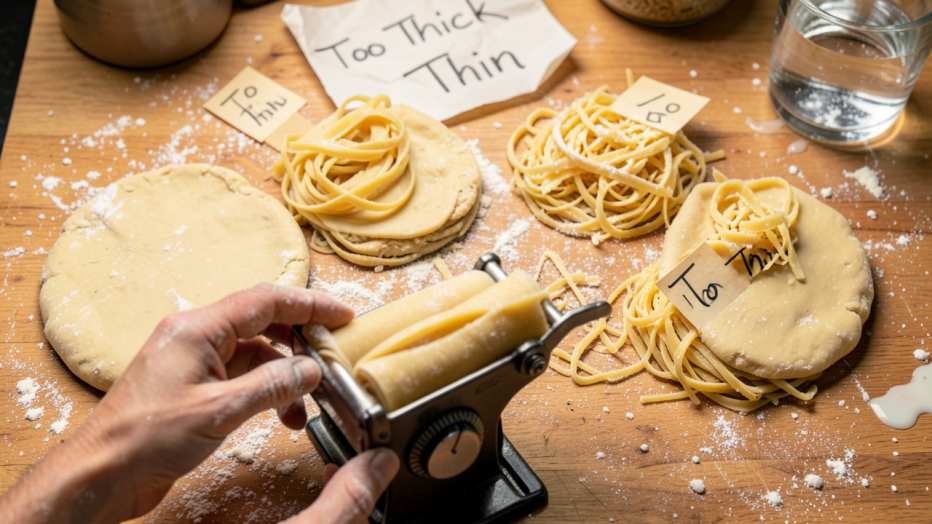
- Rolling too fast. Speeding through the machine creates uneven thickness. The dough may stretch in some spots and compress in others. Feed dough at a steady, moderate pace.
- Skipping thickness levels. Going from setting 2 to setting 5 tears the gluten network. This produces noodles that break apart during cooking. Reduce thickness one number at a time.
- Using dry dough. Dough that is too dry cracks at thin settings. If you see cracking, mist the dough with water and let it rest for 5 minutes before continuing.
- Neglecting to dust. Flour the dough between passes to prevent sticking. Use semolina flour or rice flour for the best non-stick results. All-purpose flour works but may create a gummy surface.
- Cutting at the wrong thickness. Thin noodles (setting 6-7) need a narrow cut. Thick noodles (setting 2-3) need a wider cut. Mismatched thickness and width leads to uneven cooking.
Pro Tips for Perfect Noodle Texture
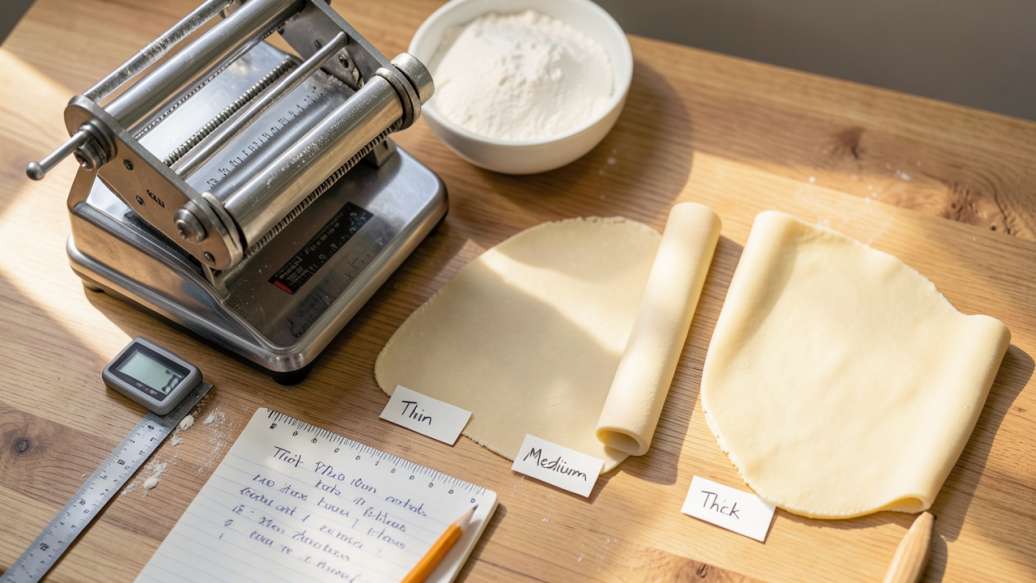
- Measure your dough thickness with a caliper. Even high-end pasta machines can be inconsistent. A digital caliper gives you accurate readings and helps you replicate results every time.
- Test a single noodle before cutting the whole batch. Cook one strand from your rolled sheet. If the texture is not right, adjust the thickness for the remaining dough.
- Account for drying shrinkage. Fresh noodles shrink about 5-10% as they dry. If you plan to dry your noodles, roll them one setting thicker than your target cooked thickness.
- Use laminated dough for extra chew. Fold the dough and roll it multiple times at the same thickness before reducing. This creates layers that add chewiness without increasing thickness.
- Match cooking time to thickness. Thin noodles cook in 60-90 seconds. Thick noodles take 4-8 minutes. Time your cook based on the thickness setting you used, not the noodle type name.
Warning: Never force dough through a pasta machine by pulling it from the other side. This stretches the dough unevenly and creates weak spots. Let the rollers pull the dough through naturally while you support it gently.
Resources and Tools
- Marcato Atlas 150 – The most popular manual pasta machine with consistent thickness settings from 0 to 7.
- KitchenAid Pasta Roller Attachment – A motorized option for stand mixers with 8 thickness settings and even rolling pressure.
- Digital Caliper by Mitutoyo – A precision measuring tool to verify exact dough thickness down to 0.01 mm.
- Semolina Flour from Bob’s Red Mill – Coarse semolina is the best dusting flour for preventing sticking during rolling.
- USDA Food Safety Guidelines for Fresh Pasta – Official recommendations for storing and cooking fresh homemade noodles safely.
Common Myths vs Facts
Myth: Thicker noodles always taste better.
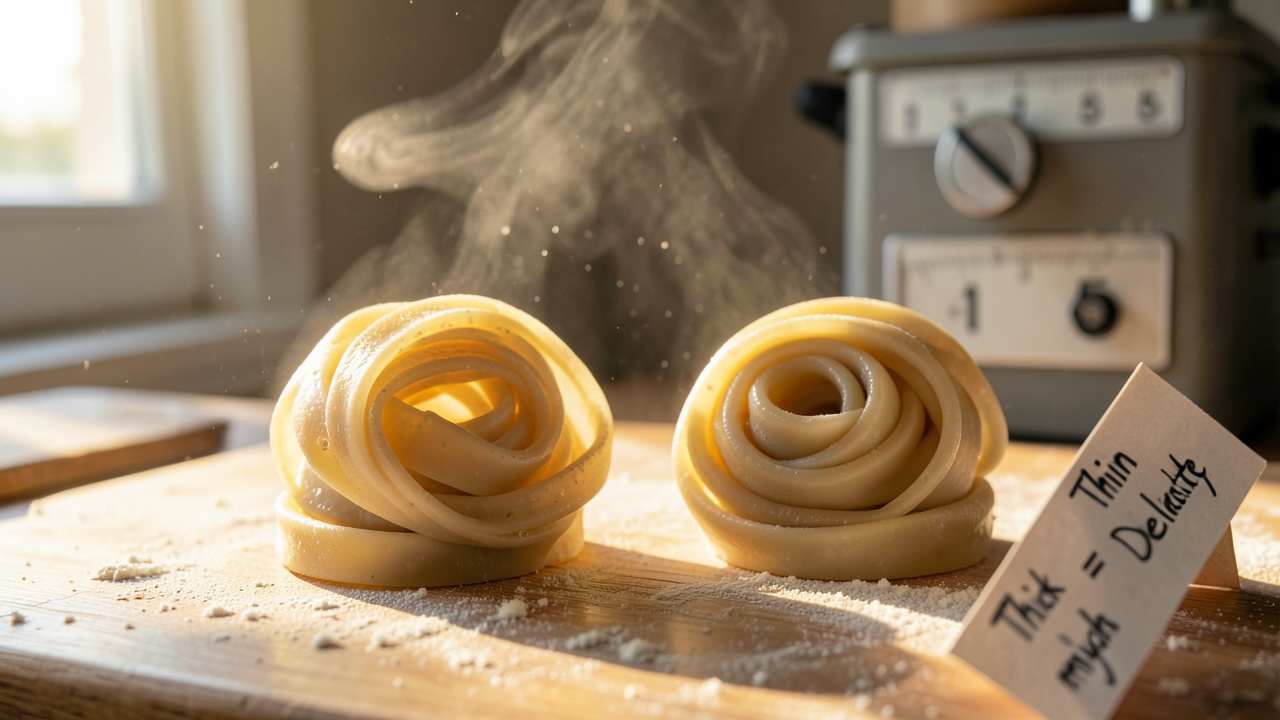
Many home cooks believe that thick noodles are superior. The truth is that different dishes call for different thicknesses. A delicate angel hair pasta would be ruined at setting 2. The best thickness is the one that matches your sauce and cooking method.
Myth: You need an expensive machine for consistent thickness.
A basic manual pasta machine costs around $50 and produces thickness accuracy within 0.1 mm. According to equipment tests published by, manual machines often produce more consistent thickness than budget electric models because you control the feed speed directly.
Myth: Thinner settings always mean more delicate noodles.
Thin noodles can still be chewy if you use high-protein flour and proper lamination. A thin noodle made with bread flour at setting 6 will have more bite than a thick noodle made with all-purpose flour at setting 3. Flour choice matters as much as thickness.
Frequently Asked Questions
What thickness setting should I use for ramen noodles?
Ramen noodles typically use setting 2 or 3 on a standard pasta machine, resulting in a thickness of 1.4-1.6 mm. This gives the noodles enough structure to hold up in hot broth without becoming soggy. Many ramen shops use slightly thicker settings for their signature chew.
How does dough hydration change the ideal thickness setting?
Higher hydration doughs (35-40% water) can roll thinner without cracking because the extra moisture keeps the gluten flexible. Lower hydration doughs (28-32%) need thicker settings to prevent tearing. Adjust your target thickness by one setting for every 5% change in hydration.
Can I roll dough thinner than setting 7 on my pasta machine?
Most home machines cannot go thinner than setting 7. If you try to force dough through a gap smaller than 0.6 mm, you risk damaging the rollers. For extremely thin sheets like wonton wrappers, consider hand stretching or using a specialized pasta sheeter.
Why do my noodles stick together after rolling?
Sticking usually happens because the dough is too wet or you did not dust with enough flour. Use semolina flour or rice flour between each pass through the machine. Let the cut noodles air dry for 10-15 minutes before cooking to reduce surface stickiness.
How should I adjust thickness for gluten-free noodles?
Gluten-free doughs lack the elastic structure of wheat doughs. Roll them at thicker settings (2-4) and handle them gently. The recommends rolling gluten-free noodle dough slightly thicker than wheat dough to prevent breakage during cooking.
Final Thoughts
Rolling thickness is the single most adjustable variable in noodle making. Thinner settings give you delicate, fast-cooking noodles for light dishes. Thicker settings produce chewy, hearty noodles for robust meals. Understanding how thickness interacts with dough hydration, gluten development, and cooking time lets you control texture with precision. Start with the recommended settings in this guide and adjust based on your results each time you make noodles.