How to Properly Preheat a Countertop Pizza Oven Before Baking
Properly preheating a countertop pizza oven takes 15 to 45 minutes depending on fuel type, with gas ovens reaching temperature in 15–20 minutes and electric models requiring 30–45 minutes. The pizza stone must reach a surface temperature of 700–800°F for Neapolitan pizza or 550–600°F for New York style, verified using an infrared thermometer before baking. Allowing a 4–5 minute recovery window between pizzas ensures consistent heat and a crisp, evenly cooked crust.
A cold oven is the fastest path to a burnt crust and raw dough. This guide shows you exactly how to properly preheat a countertop pizza oven for consistent results every time.
Quick Verdict: Simply put, preheating a countertop pizza oven requires 15 to 45 minutes depending on the fuel type. Gas ovens typically preheat in 15-20 minutes, while electric ovens need 30-45 minutes. The pizza stone must reach a surface temperature of 700-800°F for Neapolitan pizza or 550-600°F for New York style. Always use an infrared thermometer to verify the stone temperature before launching your pizza.
Key Takeaways
- Preheating a countertop pizza oven typically takes 15 to 45 minutes depending on whether the oven is gas or electric.
- The ideal stone surface temperature for Neapolitan pizza is between 700°F and 800°F, measured with an infrared thermometer.
- Gas ovens recover heat faster than electric ovens, but both require a 4-5 minute recovery window between pizzas.
- Thermal mass of the stone is more important than air temperature for achieving a crisp, evenly cooked crust.
- Failing to preheat the entire stone leads to burnt toppings, raw centers, and wasted ingredients.
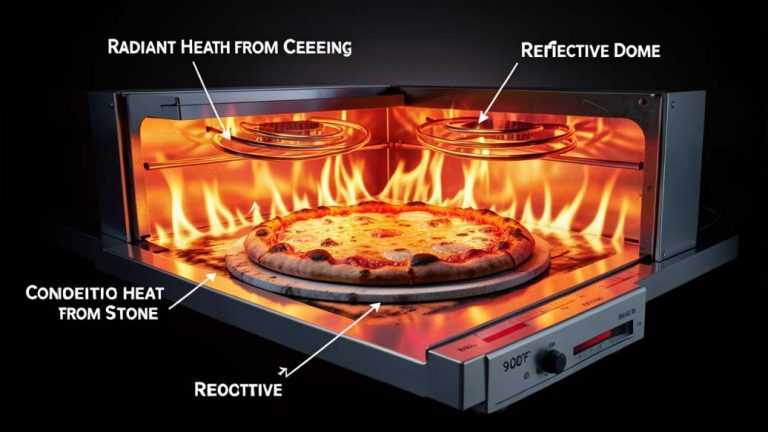
To properly preheat a countertop pizza oven, you need three critical components: a high-output heat source, a cooking surface with high thermal mass, and a way to measure surface temperature accurately. The cooking surface is usually a pizza stone made from cordierite or a baking steel. These materials absorb and radiate intense heat during the bake.
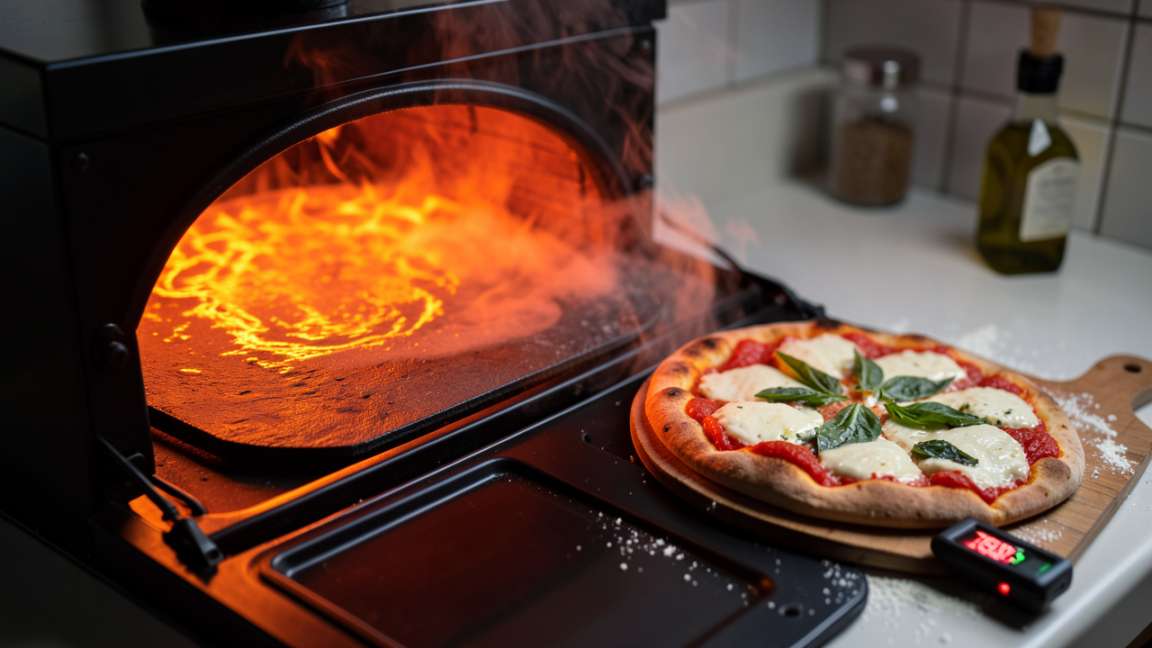
An infrared thermometer is the most essential tool for this job. It lets you check the stone surface temperature directly, rather than relying on the oven dial or air temperature readings. Most modern countertop ovens like the Ooni Koda 16, Roccbox, and Breville Smart Oven Pizzaiolo include built-in thermometers, but an external laser thermometer is still the gold standard.
Here is the complete equipment checklist for proper preheating:
- Countertop pizza oven (gas or electric models such as Ooni, Roccbox, Gozney, or Breville).
- High-quality pizza stone or baking steel with high thermal mass.
- Infrared thermometer for accurate surface temperature measurement.
- Timer to track preheat duration without guessing.
- Heat-resistant gloves for handling hot stone and equipment.
Tip: Cordierite stones are best for thermal shock resistance. Baking steel conducts heat faster but takes longer to preheat fully. Choose based on your oven model and baking style.
Gas vs. Electric Preheating: What is the Difference?
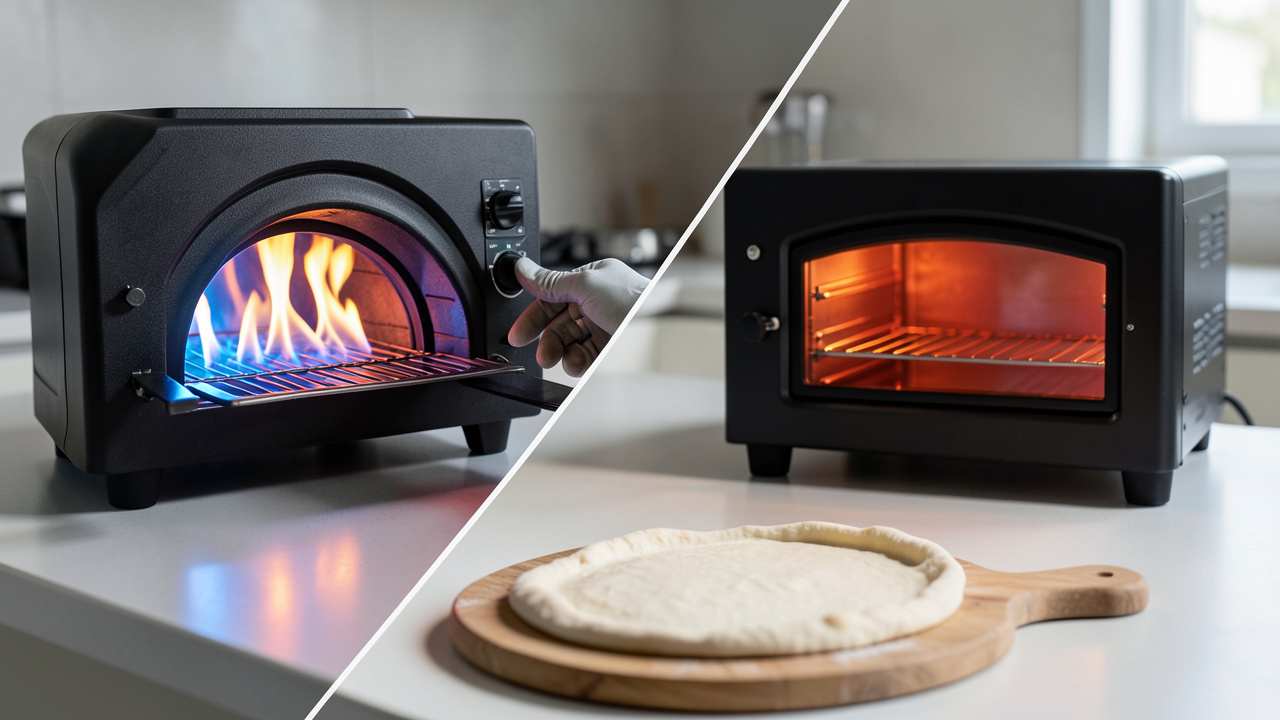
Gas and electric ovens preheat differently because of the way they generate heat. Gas ovens produce instant, intense heat through combustion. Electric ovens rely on heating elements that warm up gradually. This difference affects everything from preheat time to heat recovery between pizzas.
| Feature | Gas Oven | Electric Oven |
|---|---|---|
| Average Preheat Time | 15 to 20 minutes | 30 to 45 minutes |
| Ideal Stone Temperature | 700°F to 800°F | 650°F to 750°F |
| Heat Recovery | Fast (2 to 3 minutes) | Slow (4 to 6 minutes) |
| Temperature Control | Dial adjustment, steady flame | Dial adjustment, cycling elements |
| Best Use Case | Neapolitan and thin crust | NY style, Sicilian, pan pizza |
According to the, electric countertop ovens typically consume between 1200 and 1800 watts during the preheating cycle. Gas ovens use less electricity but require propane or natural gas. The recommends keeping gas ovens at least 12 inches away from any wall or flammable surface during preheat.
The thermal mass of your stone matters more than the oven type. A thick cordierite stone stores more heat than a thin one. This stored heat transfers to the pizza dough the moment you launch. If the stone is not fully saturated, the dough does not cook evenly. The sets thermal shock resistance standards for cordierite, which can withstand up to 2000°F.
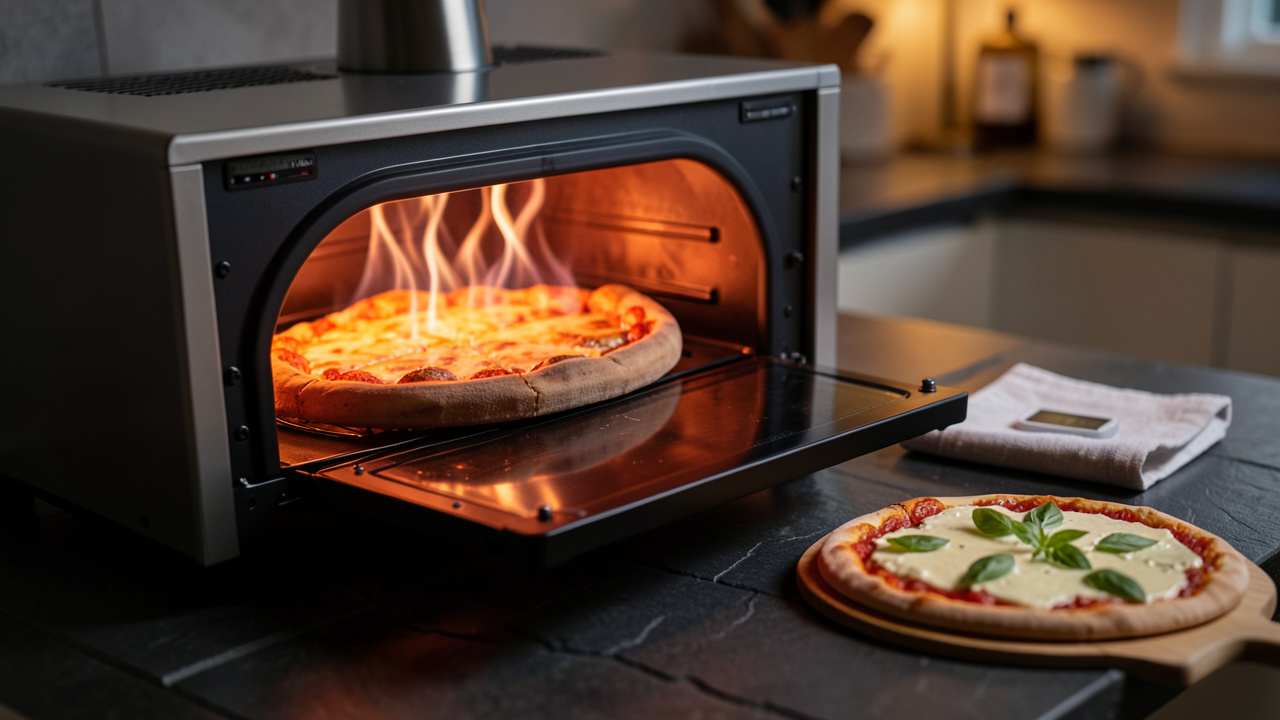
How to Preheat a Countertop Pizza Oven Step by Step
Following these steps will guarantee you properly preheat your countertop pizza oven every time you bake. Do not skip any step, even if you are in a hurry.
- Position the oven on a level, heat-safe surface. Make sure there are no drafts. Wind cools the stone and extends preheat time.
- Turn the oven to the maximum heat setting. For gas ovens, set the dial to high. For electric ovens, set the dial to the hottest available setting.
- Set a timer. Gas ovens need 15-20 minutes. Electric ovens need 30-45 minutes. Do not rely on the oven thermostat alone.
- Check the stone temperature with an infrared thermometer. Point the laser at the center of the stone. Look for 700-800°F for Neapolitan or 550-600°F for New York style.
- Check multiple spots on the stone. The back of the oven is often hotter than the front. Map your hot spots for consistent results.
- Adjust the heat setting if necessary. If the stone is too hot, reduce the flame or dial back the electric setting slightly.
- Let the temperature stabilize for 2 minutes. This allows the heat to distribute evenly across the entire stone surface before you launch.
Warning: Do not open the oven door repeatedly during preheat. Each opening drops the internal temperature by 50-100°F, significantly extending the preheat time and wasting energy.
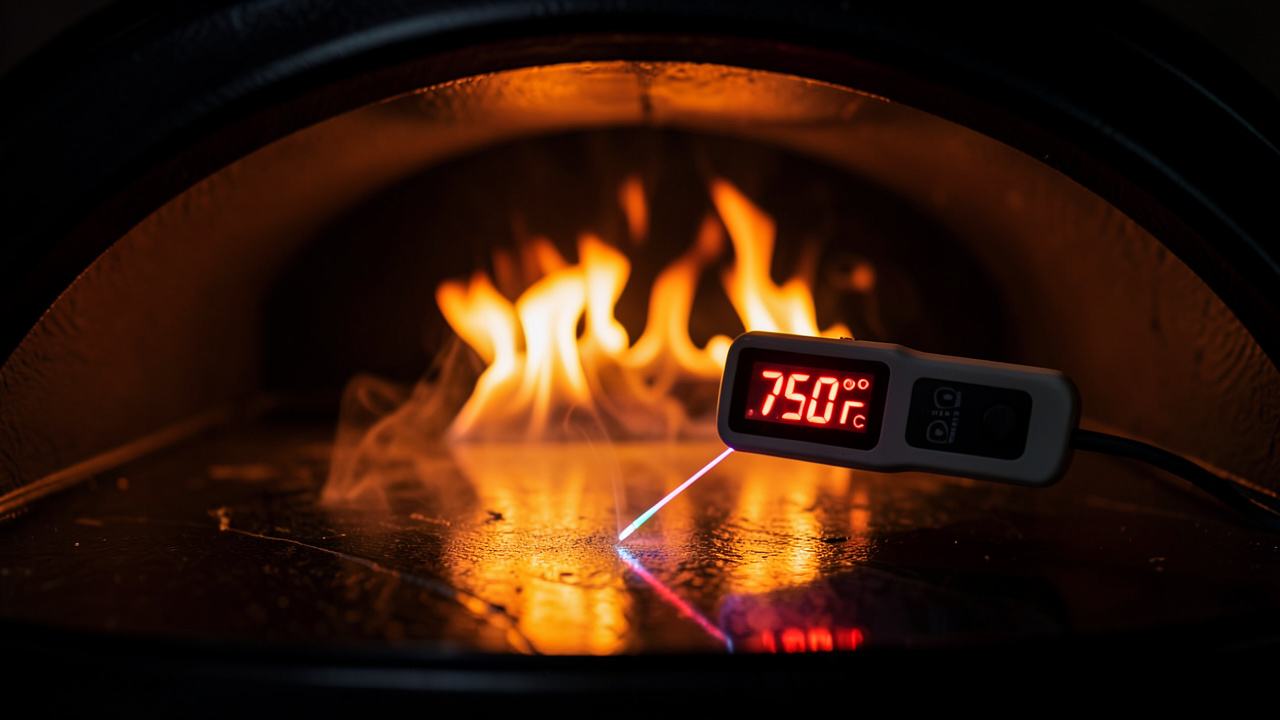
What is the Correct Preheat Temperature for Pizza?
The correct preheat temperature depends entirely on the style of pizza you are baking. Different styles need different heat levels to achieve the ideal crust texture and doneness.
- Neapolitan pizza: 700-800°F stone temperature, 900°F air temperature. Bakes in 60-90 seconds.
- New York style pizza: 550-600°F stone temperature. Bakes in 4-6 minutes.
- Sicilian or Detroit style: 450-550°F stone temperature. Bakes in 8-12 minutes.
- Thin crust or cracker style: 600-650°F stone temperature. Bakes in 3-4 minutes.
According to a study on heat transfer in home ovens published in the, stone surface temperature drops by 50-100°F immediately after loading a cold pizza. This is why preheating to the high end of the range is critical. The initial surge of heat gives the crust its characteristic leopard spotting and activates the Maillard reaction.
Important: Air temperature alone is misleading. The stone retains heat better than the air inside the oven. A 700°F stone often launches into a 900°F oven interior. Always measure the stone surface, not just the ambient air.
If you are using a baking steel instead of a stone, the preheat temperature targets are slightly different. Steel conducts heat faster than cordierite. You can preheat to a lower surface temperature of 500-600°F because steel transfers heat to the dough more aggressively. This reduces the risk of burning the bottom while the top finishes cooking.
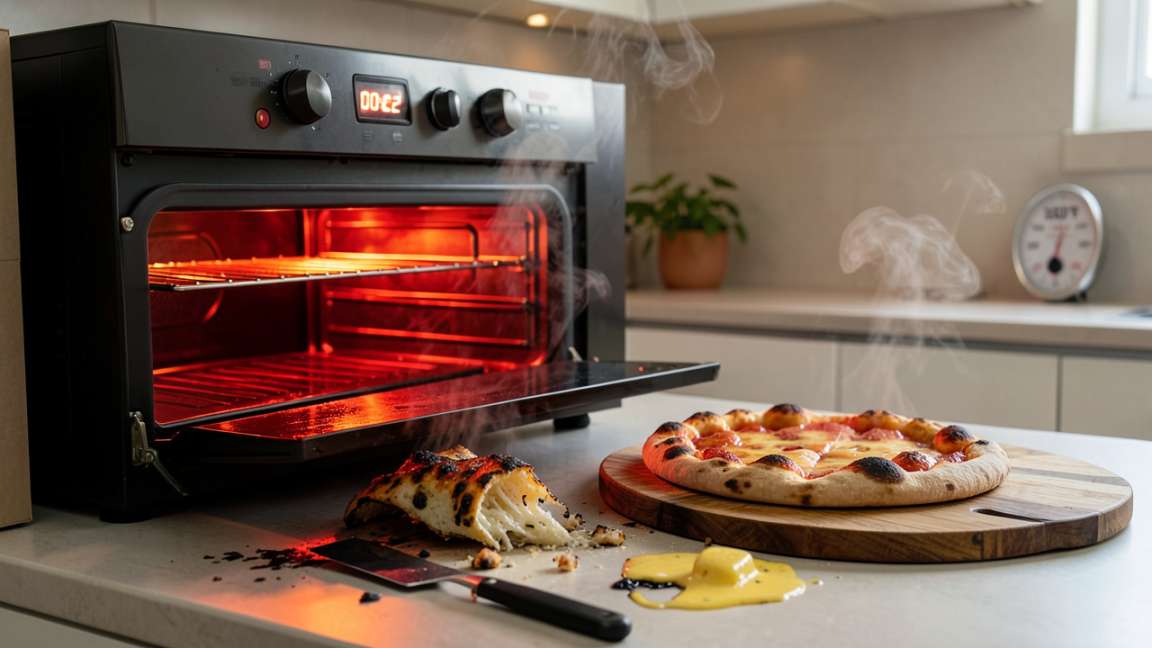
Common Mistakes to Avoid
Even experienced home bakers make these mistakes. Avoid them to get the best results from your countertop pizza oven.
- Not preheating long enough for the stone to saturate. The dial may read hot, but the stone takes longer. Always use a timer.
- Using the oven immediately after the air temperature hits the target. The stone lags behind the air. Wait 5-10 extra minutes for the stone to catch up.
- Opening the oven door too often during preheat. Each opening forces the heating elements or flame to work overtime.
- Failing to preheat between pizzas. The stone cools rapidly after the first bake. Wait 4-5 minutes for recovery.
- Preheating on a lower heat setting to save time. This actually extends the preheat time and can lead to uneven thermal saturation.
- Ignoring wind and ambient temperature. Outdoor gas ovens lose heat quickly in windy conditions. Shield the oven if needed.
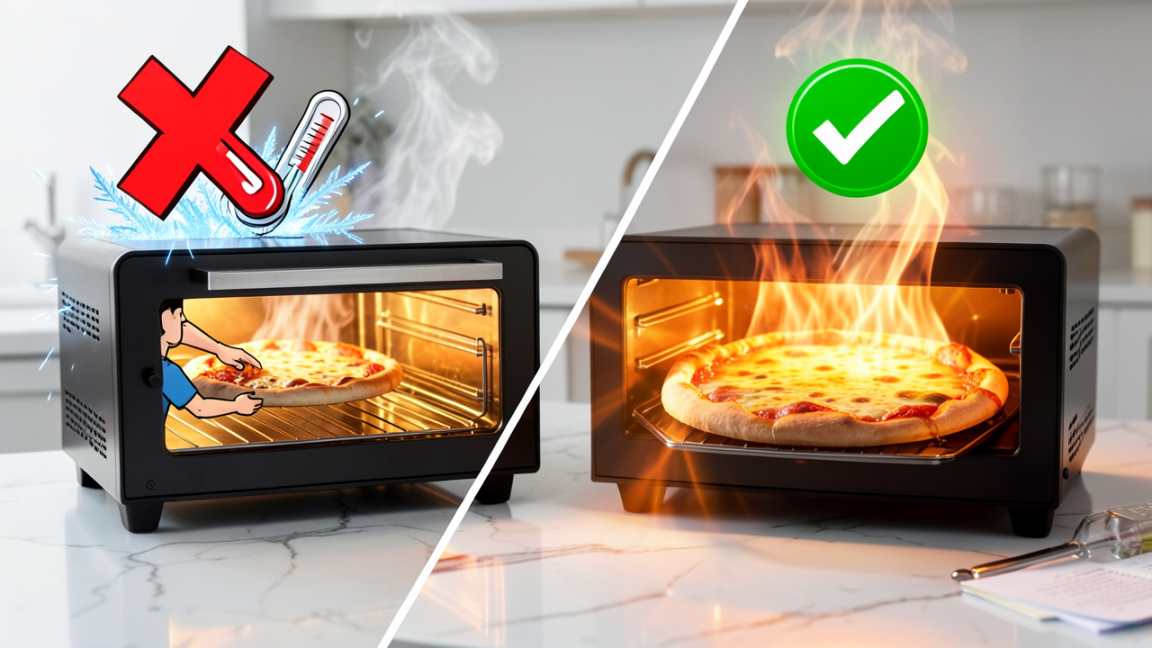
Common Myths vs Facts
There are several misconceptions about preheating countertop ovens. Separating myth from fact will improve your baking results immediately.
- Myth 1: Higher heat always makes better pizza.
Fact: Too high heat burns the outside before the inside cooks. The correct temperature depends on dough thickness and style. - Myth 2: You can preheat on low to save time.
Fact: Preheating on low extends the total time and risks uneven thermal saturation. Always preheat at the maximum setting. - Myth 3: Stone color indicates readiness.
Fact: Stone color can be deceiving under different lighting. Always use an infrared thermometer for accuracy. - Myth 4: You do not need to preheat between pizzas.
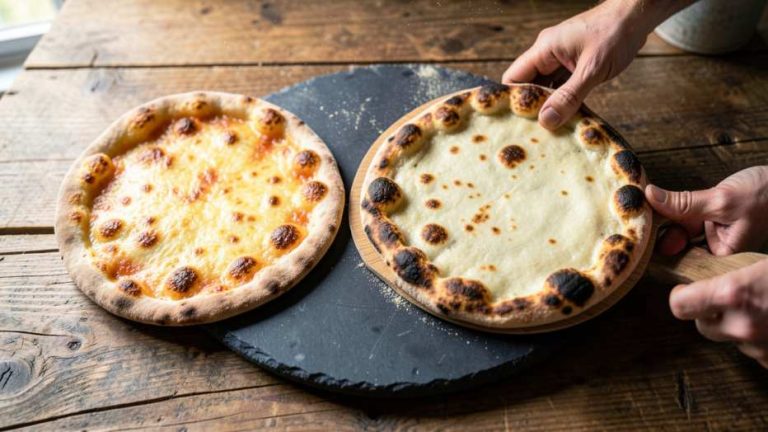
Fact: The stone loses significant heat after baking. Skipping recovery results in a pale, doughy second pizza.
Pro Tips for Better Preheat and Bake
These advanced tips come from experienced pizza professionals who use countertop ovens daily. Apply them for consistent, pizzeria-quality results.
- Map your oven’s hot spots. Use an infrared thermometer to measure the stone in three locations: front, center, and back. Rotate your pizza during the bake to compensate.
- Keep the oven running at full heat during the bake, not just preheat. Many people turn the heat down when they launch. This extends the bake time and ruins the crust.
- For gas ovens, manage the flame. A high flame gives a faster cook. A medium flame gives a more even bake. Learn to adjust based on your dough.
- Use the broiler setting for electric ovens. Electric countertop ovens often have a broil mode. Use it during preheat to get the stone hotter faster.
- Let the stone recover heat for 4-5 minutes between pizzas. This is nonnegotiable for consistent results. Use the time to prep the next pizza.
- Preheat with the stone inside from the start. Do not place a cold stone into a hot oven. This causes thermal shock and can crack the stone.
- Consider the launch window. The first 10 seconds after launch are critical. The stone must be hot enough to instantly set the dough structure.
Tip: Use a wooden peel dusted with semolina for launching. A metal peel can cool the stone surface on contact. The semolina acts as tiny ball bearings for a smooth release.
Frequently Asked Questions
How long does it take to preheat a countertop pizza oven?
Gas models typically preheat in 15 to 20 minutes. Electric models can take 30 to 45 minutes. Always verify the stone surface temperature with an infrared thermometer before baking.
Can I preheat a countertop pizza oven without a stone?
You should not. The stone or steel is essential for heat retention and proper cooking. The recommends cooking pizza to an internal temperature of 160°F for food safety, which requires proper heat transfer from a hot surface.
Why does my pizza burn on the bottom but stay raw on top?
This usually means the stone is too hot or the oven air temperature is too low. Reduce the stone temperature to 650-700°F and ensure the air temperature is at least 800°F for Neapolitan style.
Do I need to preheat between pizzas?
Yes. The stone loses 50-100°F of surface temperature after each bake. Wait 4-5 minutes for the stone to recover to the target temperature. This prevents undercooked crust and soggy centers.
What is thermal shock in a pizza stone?
Thermal shock happens when a cold stone hits extreme heat. It can crack or shatter the stone. Let the stone heat up gradually inside the oven. Do not place a frozen or refrigerated stone into a hot oven.
Final Thoughts
Proper preheating is the single most important step for pizzeria-quality results at home. Always use an infrared thermometer and let the stone fully saturate before launching. Master the skill of how to properly preheat a countertop pizza oven, and you master the entire bake.