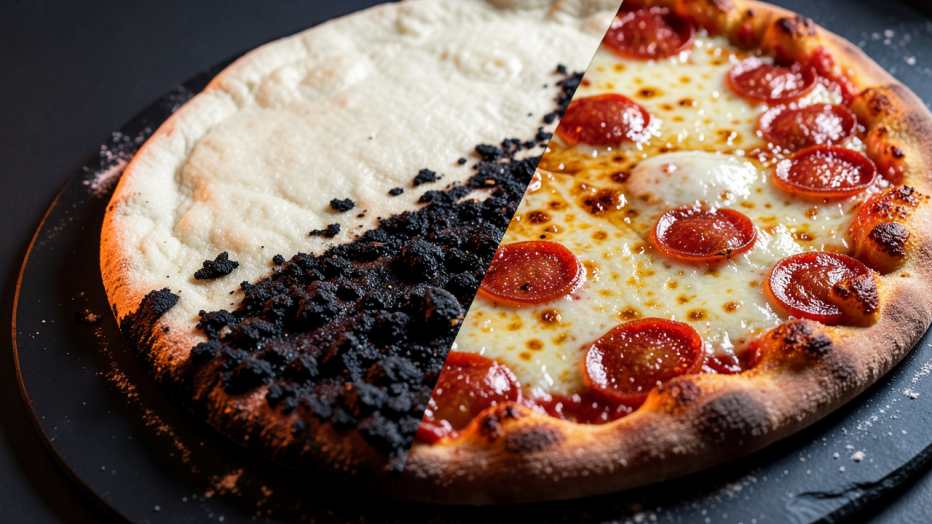
Why Pizza Crust Burns on the Bottom While the Top Stays Pale
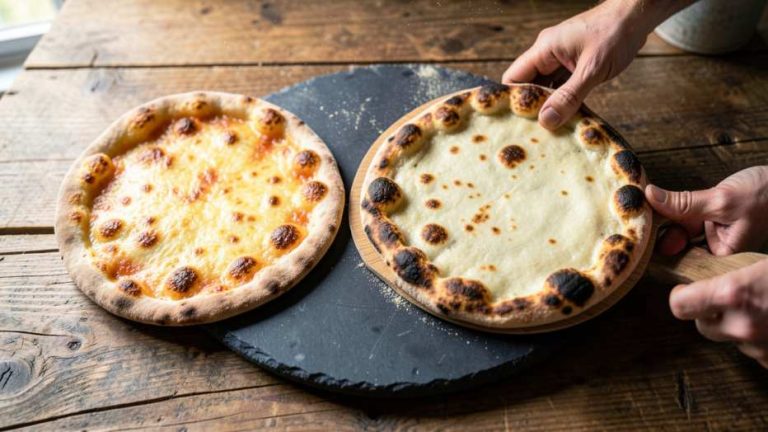
Burnt pizza bottoms with pale tops occur because home ovens concentrate heat on the baking surface from the bottom heating element while top heat is insufficient to cook the cheese and crust evenly. Key factors include rack position (low rack intensifies bottom heat), baking surface type (thin sheets overheat vs preheated stone or steel), oven temperature, and dough hydration and sugar content that accelerate burning. To fix the problem, move the pizza to an upper rack, preheat a stone or steel for at least 45 minutes, and adjust dough hydration and sugar levels to balance browning.
You pull a pizza from the oven to find a charred bottom and a pale, undercooked top. This guide explains the science behind this common problem and shows you how to fix it for good.
Simply put, burnt pizza bottoms happen when the oven floor or baking surface gets too hot before the top heat can cook the cheese and crust. The solution lies in balancing bottom heat with sufficient top heat, choosing the right rack position, and using proper equipment like a preheated steel or stone.
- Burnt bottoms occur because home ovens heat from the bottom up, concentrating heat on the baking surface.
- Uneven heat distribution is the main reason for pale toppings and a dark crust.
- Using a pizza stone or steel at the correct temperature can prevent burnt bottoms and ensure even cooking.
- The upper rack position helps balance the heat between the top and bottom of the pizza.
- Dough hydration and sugar content directly affect how quickly the crust burns.
How Heat Transfers in a Home Oven
Home ovens rely on two main heat sources. The first is bottom heat from a direct heating element. The second is top heat from a broiler or radiant element. Most standard ovens cycle the bottom element on more frequently to maintain the set temperature.
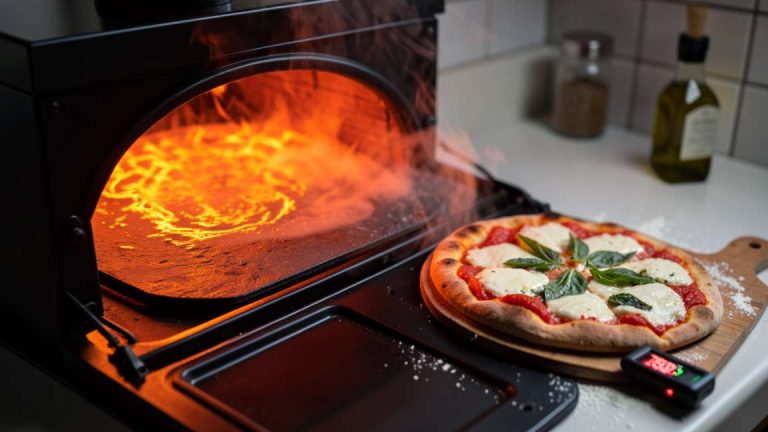
This design creates a hot zone near the oven floor. The heating element turns on and off to keep the air temperature stable. But the floor of the oven and any surface placed near it absorbs high levels of infrared radiation.
The pizza crust burning issue appears because the stone or steel sits in this hot zone. The top of the oven does not get enough direct heat to brown the cheese quickly. According to the, home oven temperature calibration can drift by as much as 50 degrees Fahrenheit over time. This drift means your oven runs hotter than the dial shows.
Warning: The temperature in your oven is not always even. The bottom heating element can make the oven floor much hotter than the air temperature shown on the display. Always use a separate oven thermometer to verify the true heat.
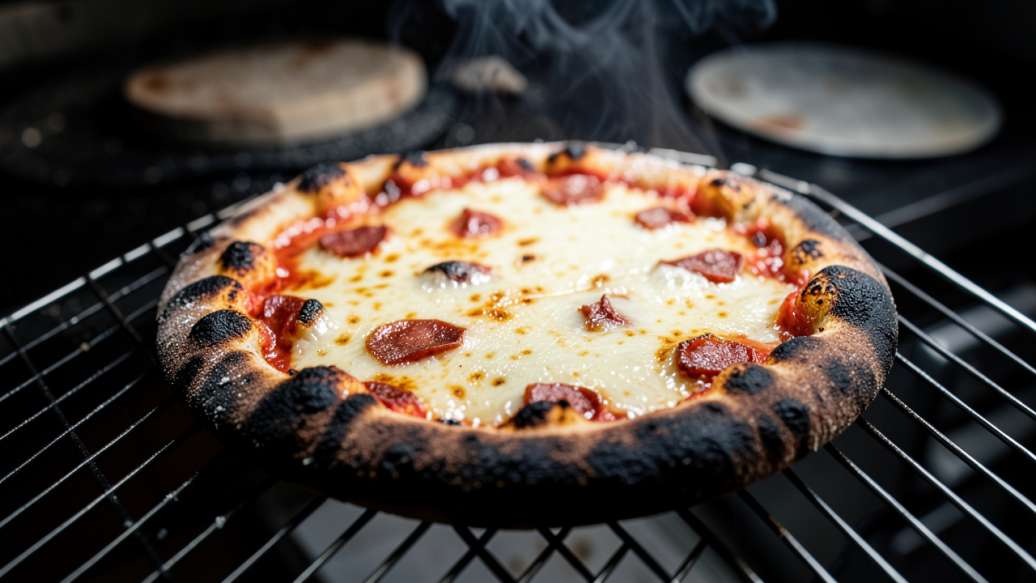
Key Factors That Cause Burnt Bottoms
Several factors work together to create an uneven bake. Understanding each one helps you fix the problem quickly.
| Factor | Why It Burns the Bottom | How to Fix It |
|---|---|---|
| Rack Position | Lowest rack puts pizza closest to the bottom heating element. | Move pizza to the middle or upper third of the oven. |
| Baking Surface | Thin baking sheets retain and direct heat poorly. | Use a preheated pizza stone or steel. |
| Oven Temperature | Oven runs too low, so the pizza bakes longer, burning the bottom. | Use an oven thermometer to ensure 500-550F. |
| Dough Thickness | Thick dough needs more time to cook through, charring the base. | Pre-cook or par-bake the dough before adding toppings. |
| Sugar Content | Sugar in the dough caramelizes quickly at high heat. | Use a simple dough with no added sugar. |
Rack Position
The oven rack position is the most common cause of a burnt bottom. A rack placed in the lower third exposes the pizza to direct radiant heat from the bottom element. This intense heat cooks the bottom quickly while the top stays cool. The team recommends using the middle rack for almost all home pizza baking. It gives the best balance of top and bottom heat.
Baking Surface
Different baking surfaces absorb and transfer heat differently. A dark non-stick pan absorbs more heat and burns the bottom faster than a shiny surface. A thick pizza stone or steel distributes heat more evenly across the entire crust. According to, a baking steel conducts heat roughly 20 times faster than a stone. This speed lets you cook the crust before it burns.
Oven Temperature
Low oven temperatures cause longer bake times. If you set the oven to 400F or lower, the pizza needs more time to finish. The extended time in the oven dries out the bottom crust. It also increases the chance of burning before the top sets. Always preheat your oven to its maximum setting, typically 500F to 550F, for the best results. Use an oven thermometer to confirm the actual temperature matches the dial.
Dough Hydration and Sugar
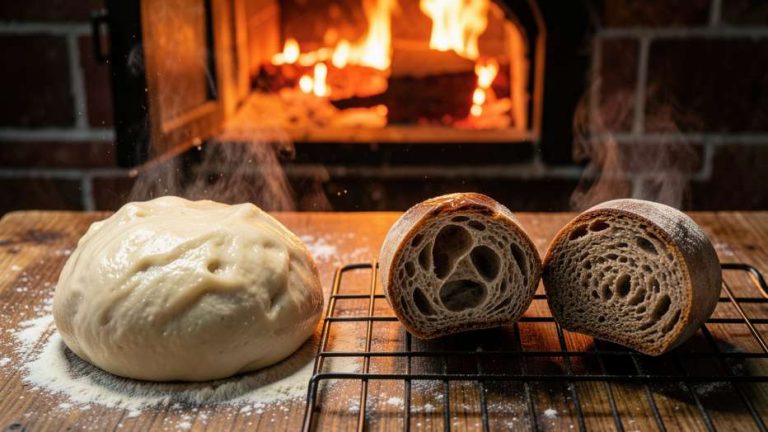
Dough with low hydration (less water) dries out faster under direct heat. Sugar in the dough caramelizes quickly and creates dark scorch marks. High heat without sufficient moisture leads to a burnt crust. A standard Neapolitan dough uses only flour, water, salt, and yeast. It has no sugar and uses a high hydration level of around 65-70%. This dough resists burning better than enriched doughs.
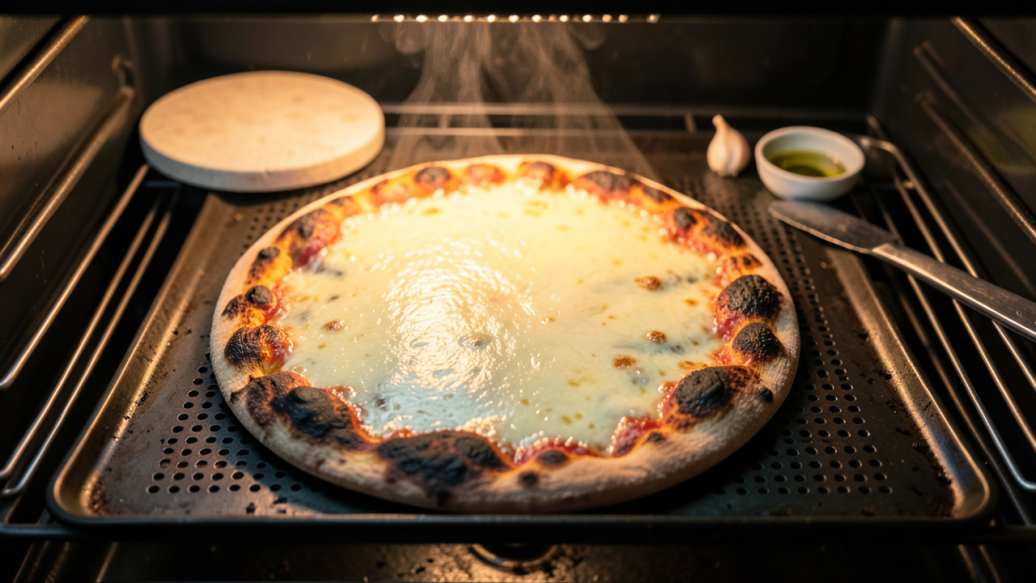
How to Fix Uneven Baking at Home
You can solve the burnt bottom problem with a few simple changes. These steps work with any standard home oven.
Step 1: Check Your Rack Position
Move your oven rack to the middle position. This creates a balanced heating environment. The top heat can brown the cheese while the bottom heat cooks the crust. Do not use the bottom rack unless you have a very thick crust that needs extra floor heat.
Step 2: Use a Preheated Baking Surface
A pizza steel or stone needs at least 45 minutes to fully preheat. This ensures it holds enough energy to cook the crust quickly without burning it. A slow, cold start burns the bottom because the dough sits on a hot surface for too long. Place the stone or steel on the middle rack, not the bottom of the oven.
Tip: Place your pizza stone or steel on the middle rack, not the bottom. This prevents the stone from absorbing too much heat from the bottom element. The middle position allows air to circulate around the surface.
Step 3: Adjust the Dough
Lower the sugar and oil in your dough recipe. These ingredients burn at high temperatures. A simple flour, water, salt, and yeast dough is less likely to burn. Increase the hydration level to 65% or higher. The extra water creates steam during baking, which helps the crust crisp without drying out.
Step 4: Manage Your Toppings
Do not overload the pizza with wet toppings. Excess moisture from sauce or vegetables lowers the temperature of the cheese. The extra bake time required burns the bottom crust. Follow these simple rules for toppings:
- Precook wet vegetables like mushrooms, peppers, or onions before adding them to the pizza.
- Use a thin layer of sauce. Too much sauce makes the center soggy and extends the bake time.
- Pat dry any fresh mozzarella with a paper towel before using it to remove excess whey.
Step 5: Use the Broiler at the End
If the bottom is browning too fast but the top is pale, finish the pizza under the broiler. Let the crust cook on the stone until it sets. Then move the pizza to the top rack and turn on the broiler for 30-60 seconds. This browns the cheese and toppings without burning the bottom further.
What Is the Best Surface for Pizza?
The surface you bake on greatly affects the heat distribution. Different materials offer different levels of conductivity and heat retention. Choosing the right one helps prevent a burnt bottom.
| Surface | Heat Conductivity | Burnt Bottom Risk | Best For |
|---|---|---|---|
| Pizza Steel | Very High | Low (if preheated right) | Fast bakes, crispy crust |
| Pizza Stone | Medium | Medium | Even baking, classic texture |
| Baking Sheet | Low | High | Thick crust, pan pizzas |
| Perforated Pan | Low | Medium | Extra crisp, even airflow |
Pizza Steel
A baking steel is the best tool for preventing burnt bottoms. It absorbs heat very quickly and transfers that heat directly to the crust. The fast cooking time means the dough does not sit in the oven long enough to burn. Steels work best at very high temperatures above 500F.
Pizza Stone
A stone heats up more slowly than a steel. It works well for medium-temperature bakes around 450-500F. The stone absorbs moisture from the dough, which helps create a crisp crust. Make sure to preheat the stone for at least 45 minutes to avoid a burnt bottom.
Baking Sheet
A standard baking sheet is the most common cause of burnt bottoms. The thin metal heats up unevenly and creates hot spots. The dough sits directly on these hot spots and burns before the top cooks. If you use a sheet, place it on the top rack and use a lighter colored pan.
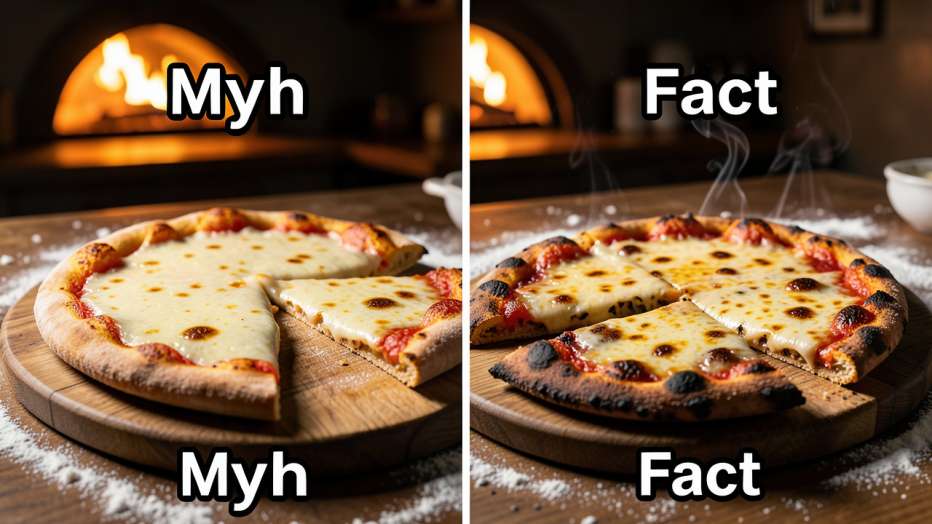
Common Myths vs Facts
Many home cooks believe certain tricks work to prevent burnt bottoms. Here are the facts behind the most common myths.
- Myth: A very hot oven always burns the bottom. Fact: Higher heat (550F+) actually cooks the pizza faster. A fast bake, under 5 minutes, prevents the bottom from burning before the top is done. The key is balancing the heat with the right rack position.
- Myth: You must use the bottom rack for a crispy crust. Fact: The middle or upper rack, with a preheated steel, gives a crisp crust without burning the bottom. The direct radiant heat from the bottom element is too intense for most pizzas.
- Myth: All pizza stones are the same. Fact: Thicker stones and steel plates retain more heat. Thin ceramic tiles heat up too fast and can scorch the crust. A thick stone provides a more stable baking surface.
Frequently Asked Questions
Why does my pizza burn on the bottom but not the top?
This happens when the bottom heat is too intense or the baking time is too long. Move the rack up to the middle position and use a preheated stone or steel. The recommends cooking pizza to an internal temperature of 165 degrees Fahrenheit for food safety.
Does a pizza stone prevent burnt bottoms?
Yes, a preheated pizza stone absorbs and transfers heat evenly. It prevents hot spots that cause burning. Make sure you preheat it for at least 45 minutes on the middle rack to get the full benefit.
Should I preheat the baking sheet before making pizza?
Yes, preheating the baking sheet helps cook the bottom quickly. If you slide the pizza onto a cold sheet, the bottom will burn before the top is ready. For best results, use a stone or steel instead of a sheet.
What is the best pizza dough recipe to prevent burning?
A high hydration dough (65-70% water) with little to no sugar is best. The water creates steam, which helps the crust crisp without burning. A simple recipe with flour, water, salt, and yeast gives the most control over the bake.
Can a convection oven fix uneven pizza baking?
Yes, convection fans circulate hot air around the food. This helps cook the top of the pizza more evenly by providing constant top heat. The fan also allows you to bake at a slightly lower temperature, which can reduce the chance of a burnt bottom.
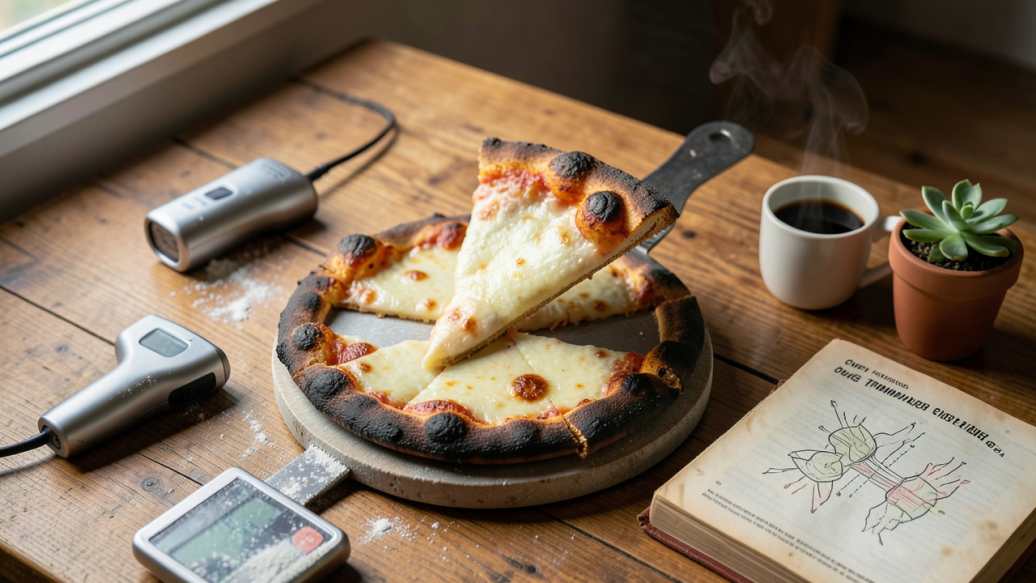
Resources and Tools
Using the right tools helps prevent burnt pizza bottoms. Here are the most effective options for home bakers.
- Baking Steel – Conducts heat much faster than stone. Perfect for fast, high-heat home bakes.
- FibraMent Stone – A high-performance stone that withstands extreme temperatures without cracking.
- ThermoWorks Thermometer – Accurate oven thermometer to verify your true baking temperature.
- LloydPans Baking Sheet – Perforated pans allow air to circulate under the crust for even baking.
Final Thoughts
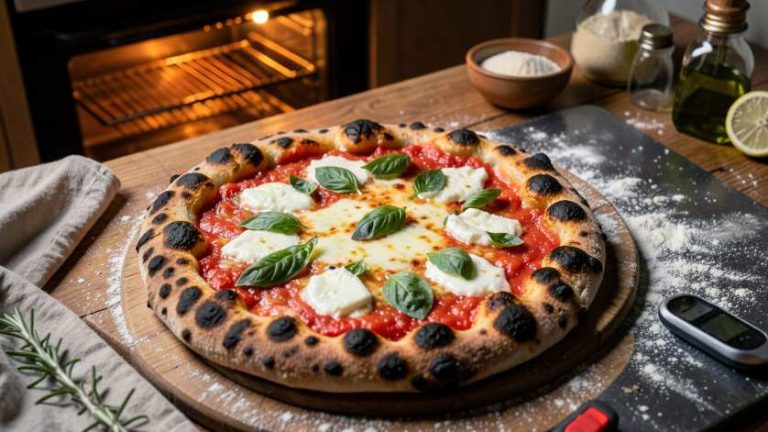
Burnt bottoms and pale tops happen because of unbalanced heat in your oven. Focus on the rack position, preheating your baking surface, and managing your dough hydration. These simple adjustments will give you a perfectly cooked pizza from top to bottom. No more scorched crusts or raw dough.