Common Reasons an Electric Pressure Cooker Won’t Seal Properly
Common reasons an electric pressure cooker won't seal properly include a dirty or worn silicone gasket, a blocked float valve that prevents the lid from locking, and overfilling the pot which forces steam out the vent. Most sealing problems are resolved by washing the gasket with warm soapy water, cleaning the float valve, and twisting the lid until it clicks into place. Replacing the silicone ring every 12 to 18 months prevents recurring seal failures and ensures consistent pressure building.
Does your electric pressure cooker refuse to start cooking? A faulty seal is the most common culprit. This post covers the common reasons an electric pressure cooker won’t seal properly and how to fix each one.
Quick Verdict: In short, most sealing failures come from a dirty or misaligned gasket, a blocked float valve, or a lid not fully closed. Check the silicone ring for cracks, clean the rim and valve, and always twist the lid until you hear a click. Fixing these three issues solves 90% of seal problems.
Key Takeaways
- A dirty or warped silicone gasket is the number one reason an electric pressure cooker won’t seal properly.
- A blocked float valve prevents the lid from locking and blocks pressure from building.
- An overfilled pot forces steam out through the vent and stops the seal from forming.
- The sealing ring must be replaced every 12 to 18 months depending on use.
- Always inspect the lid rim, gasket seating, and valves before each use for best results.
Quick Comparison Table: Sealing Problems at a Glance
| Reason | Symptom | Solution |
|---|---|---|
| Dirty gasket | Steam escapes around lid | Wash ring with warm soapy water |
| Worn or cracked ring | Lid does not lock; no pressure | Replace with new silicone ring |
| Float valve stuck | Pin does not rise; steam vents | Clean valve with a toothpick |
| Lid not fully closed | No click; lid can lift off | Rotate lid firmly until it locks |
| Overfilled pot | Foam or liquid blocks vent | Stay below the max fill line |
| Damaged lid rim | Visible dent or scratch | Contact manufacturer for repair |
1 – Dirty or Greasy Sealing Ring
Overview
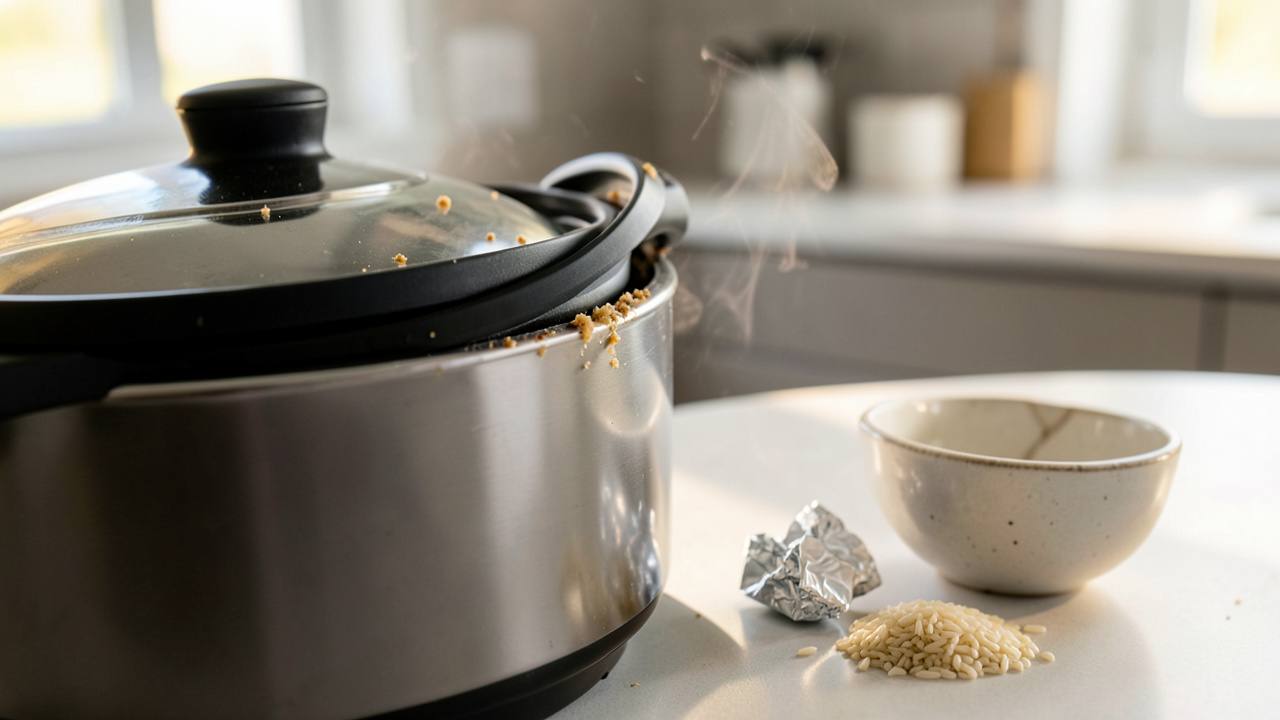
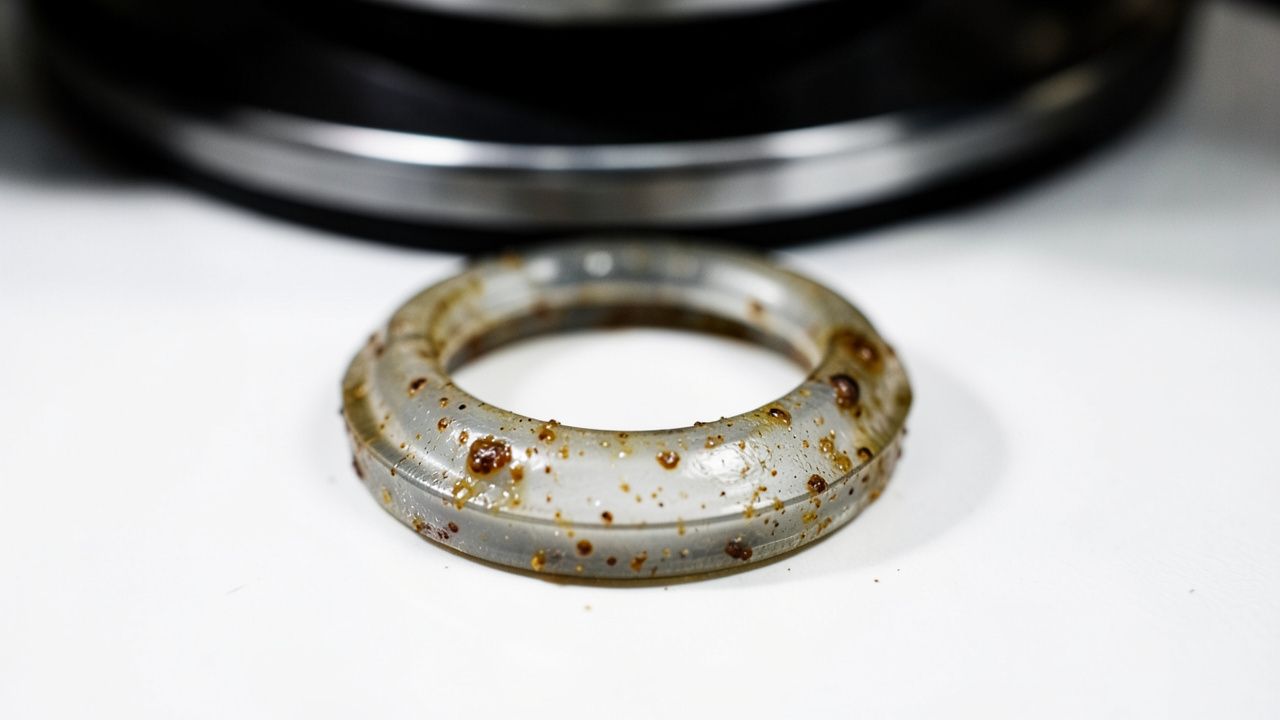
The silicone gasket sits inside the lid and presses against the pot rim to form an airtight seal. Food debris, oil residue, or soap film can make the ring slippery. When this happens, the gasket loses grip and lets steam escape. According to, a dirty ring is the most common reason an electric pressure cooker won’t seal properly.
Tip: Wash the silicone ring after every five uses even if it looks clean. Residual grease from meat or oils can build up over time.
Signs
- Steam hisses out from the edge of the lid within the first few minutes.
- The float valve does not pop up, or it stays down.
- You see small drops of condensation forming outside the lid seal.
Solution
Remove the silicone ring from the lid. Wash it with warm water and a mild dish soap. Use a soft brush to scrub inside the groove where the ring sits. Rinse well and let it dry completely before replacing. Do not use abrasive cleaners or bleach.
Prevention
After each use, wipe the gasket with a damp cloth. You can also run the ring through the top rack of the dishwasher if your model allows it. Check the manufacturer instructions for your specific cooker.
2 – Worn or Cracked Gasket
Overview
Silicone rings degrade over time. Heat cycles, acidic foods, and repeated stretching cause the material to lose elasticity. When the gasket hardens or develops cracks, it cannot create a solid seal. notes that gaskets are the most frequently replaced part on electric pressure cookers.
Signs
- The ring feels stiff or has visible cracks, tears, or warped sections.
- The lid does not lock even when you turn it fully.
- You have owned the cooker for more than a year with heavy use.
Solution
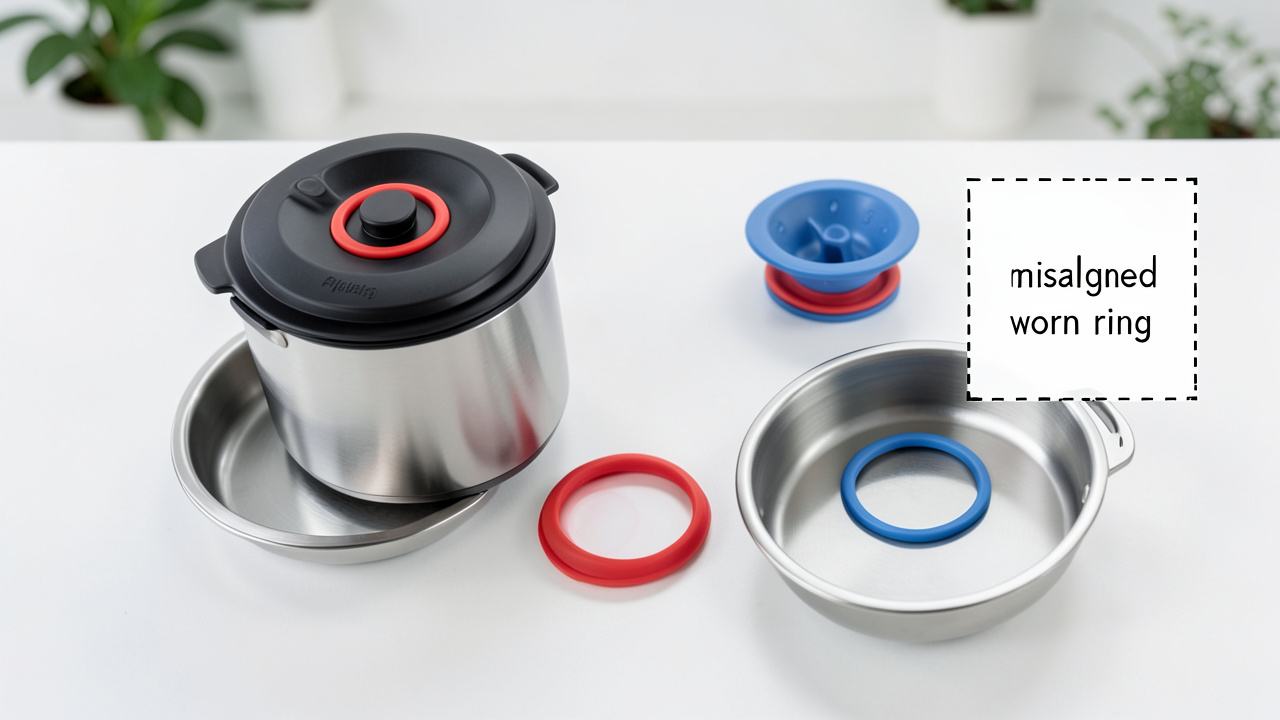
Buy a replacement ring from the manufacturer or a trusted brand. Make sure it is the exact size and shape for your model. Slide the new ring into the lid groove and press it in firmly all around. Run a test with water to confirm the seal works.
Warning: Do not use a damaged gasket. A faulty seal can lead to sudden pressure release and burns. Always inspect the ring before cooking.
Prevention
Replace the silicone ring every 12 to 18 months. If you use your cooker daily, change it every 12 months. Store the lid upside down or with the ring removed so it does not compress permanently.
3 – Blocked Float Valve
Overview
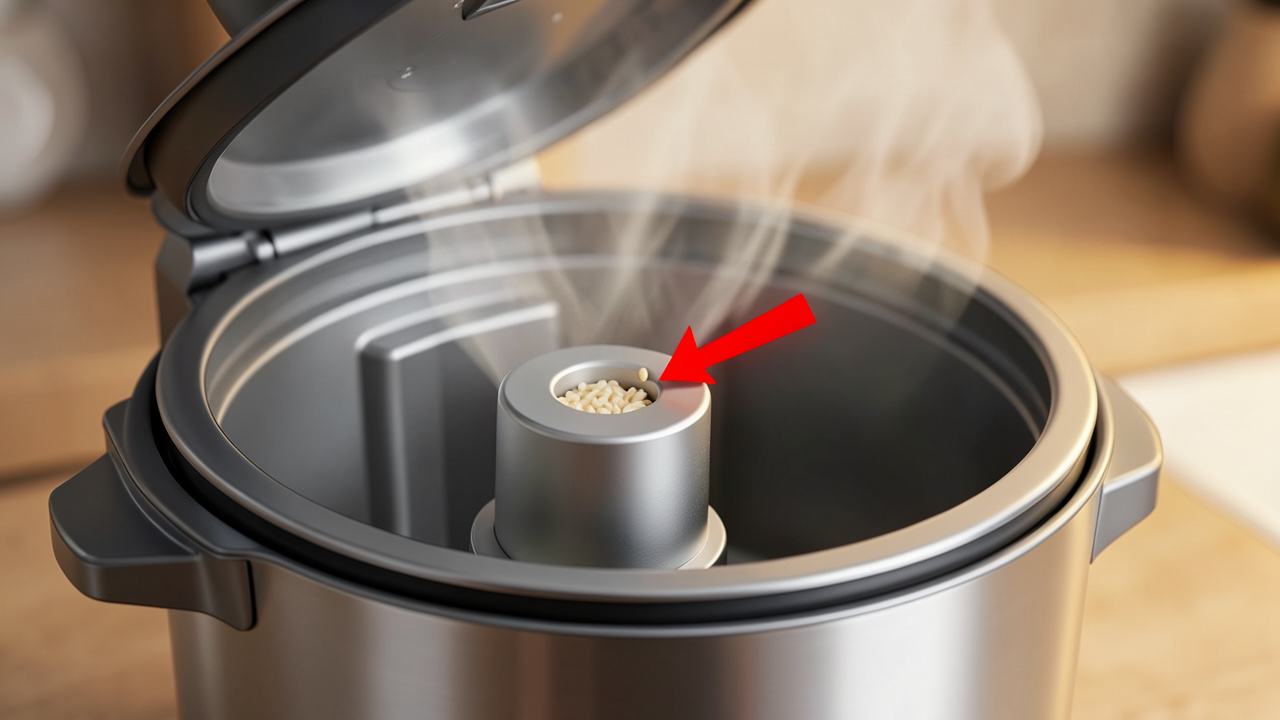
The float valve is a small pin on the lid that rises when pressure builds. If food particles or mineral deposits block the valve, it stays down. The cooker detects that the valve is not up and refuses to pressurize. According to the, proper seal maintenance includes keeping the float valve clear of debris.
Signs
- Steam constantly releases from the vent without the float rising.
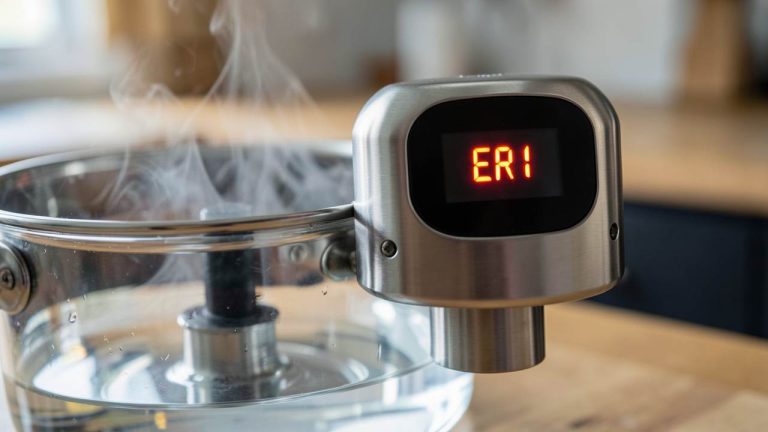
- The cooker beeps and shows an error code like “Lid” or “Burn”.
- You see visible gunk around the valve opening.
Solution
Unplug the cooker and let it cool. Use a toothpick or a small brush to scrape out any residue from the valve hole. Push the pin up and down to make sure it moves freely. Rinse the lid under warm water and dry it well.
Prevention
After cooking thick stews, rice, or oatmeal, clean the lid thoroughly. Remove the gasket and wash the valve area separately. Some cookers have a removable valve cap – take it off and soak it in vinegar if you have hard water.
4 – Lid Not Fully Closed or Misaligned
Overview
Electric pressure cookers have a safety interlock that prevents pressure buildup if the lid is not properly rotated into the locked position. Many users stop rotating before the lid clicks. A partial turn leaves the sealing ring misaligned and lets steam escape. The common reasons an electric pressure cooker won’t seal properly often include simple user error.
Signs
- You can lift the lid easily after closing it.
- The arrow marks on the lid and base do not line up.
- The cooker starts making loud hissing sounds immediately.
Solution
Open the lid completely and align the arrows on the lid with the base. Press down gently and rotate the lid clockwise until you hear a distinct click. The lid should be flush and immovable.
Important: Most modern cookers require a full quarter turn past the starting position. Check your model’s manual for the exact locking angle.
Prevention
Always double-check that the lid is locked before pressing Start. Some cookers display a “Lid” icon when it is not locked. Listen for the click every time.
5 – Overfilled Pot
Overview
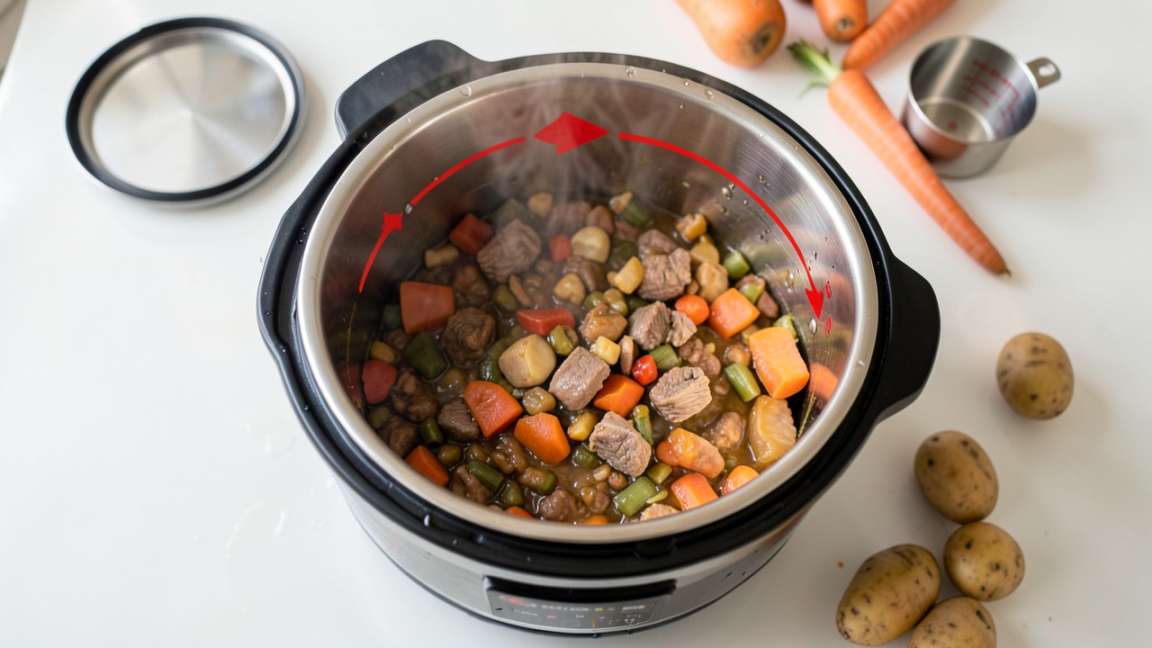
Every electric pressure cooker has a maximum fill line (usually two-thirds full for most foods, half for foods that foam like beans or oatmeal). If you exceed this limit, the contents can foam up and block the steam release vent. This prevents the lid from sealing and can cause the cooker to overflow. According to a study published in the, improper filling increases cooking time by up to 30% because of seal failures.
Signs
- Liquid spurts out of the vent during cooking.
- The float valve never rises even after several minutes.
- You open the pot later to find undercooked food.
Solution
Let the cooker cool and remove some contents so the level drops below the max line. For foamy foods, stay at or below the half-full mark. Stir the ingredients to release gas before starting the pressure cycle.
Prevention
Measure your ingredients carefully. Use the inner pot markings as a guide. When cooking grains or legumes, rinse them first and add a tablespoon of oil to reduce foaming.
6 – Damaged Lid Rim or Pot Edge
Overview
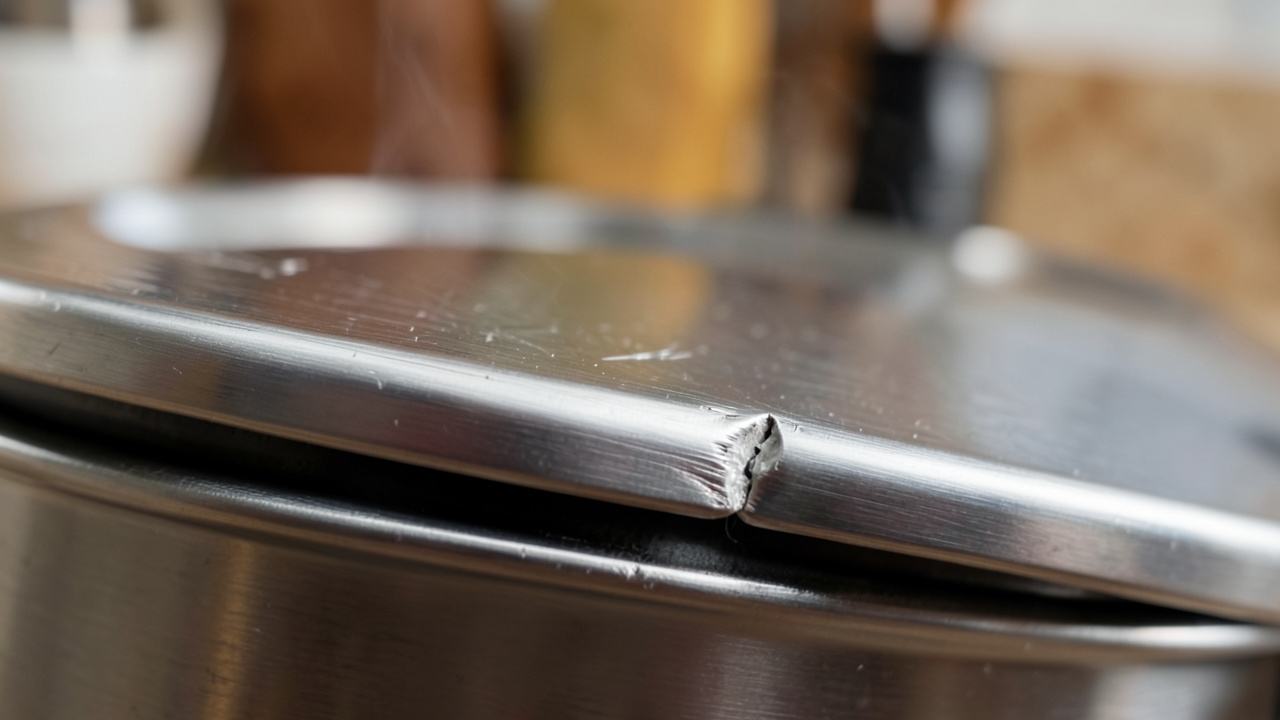
The sealing ring presses against the top edge of the inner pot and the lip of the lid. If either surface has a dent, scratch, or burr, the seal will break. This is less common but possible after dropping the pot or using metal utensils aggressively.
Signs
- You can see a visible dent or deep scratch on the pot rim.
- The lid wobbles when closed even with a new gasket.
- Steam escapes from one specific spot consistently.
Solution
Inspect the inner pot edge and the lid rim carefully. If you find a dent, contact the manufacturer. Minor scratches can sometimes be smoothed with fine-grit sandpaper, but this may void the warranty. Replacing a damaged pot is often the safest option.
Warning: Do not use a cooker with a deformed lid rim. The seal is critical for safe pressure cooking. The has issued recalls for cookers with damaged rims.
Prevention
Handle the inner pot and lid with care. Use only silicone or wooden utensils to avoid scratching the pot edge. When storing, do not stack heavy items on top of the lid.
How to Diagnose Seal Issues Quickly
If you are unsure which problem you have, follow these steps in order:
- Remove the silicone ring and hold it up to light. Look for cracks, stretching, or stiffness. Replace if needed.
- Wash the ring, lid rim, and float valve thoroughly with warm soapy water.
- Reinsert the ring and close the lid. Rotate until you hear a click.
- Check that the float valve moves freely. Push it up manually to test.
- Fill the pot with 2 cups of water and run a test cycle. Watch for steam leaks.
If the cooker still does not seal after these steps, contact the manufacturer for further diagnosis.
Common Myths vs Facts
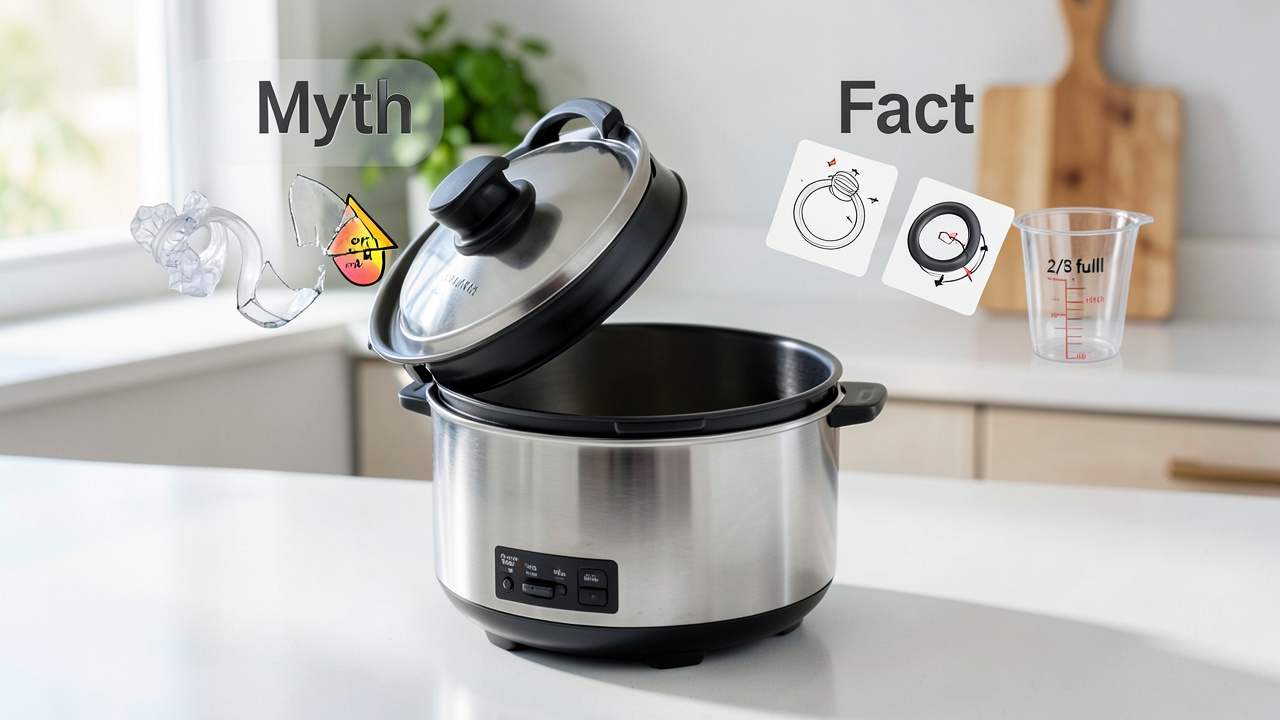
Myth: You must force the lid until it feels super tight.
Fact: The lid only needs a quarter turn past the open position. Overtightening can damage the gasket or warp the lid rim. Most cookers have a clear arrow alignment – stop at that point.
Myth: You can use any silicone ring as a replacement.
Fact: Rings are specific to each brand and model. Using the wrong size can cause leaks and prevent the lid from locking. Always buy the exact part from the manufacturer or a certified seller.
Myth: A little steam is normal during pressure buildup.
Fact: Some steam may escape briefly in the first 30 seconds as the air vents. But if steam continues after the float valve should rise, you have a seal problem. A proper seal should vent no visible steam once pressure is reached.
Frequently Asked Questions
How often should I replace the sealing ring on my electric pressure cooker?
Replace the silicone gasket every 12 to 18 months for regular use. If you cook daily or notice the ring getting hard, change it sooner. A fresh ring ensures a reliable seal every time.
Can I use vegetable oil on the gasket to help it seal?
No. Oil makes the ring slippery and prevents it from gripping the lid groove. It can also trap bacteria. The gasket works best when clean and dry. Avoid any lubricant.
Why does my pressure cooker seal fine sometimes and not other times?
This usually points to an intermittent issue like a dirty gasket or a stuck float valve after cooking certain foods. Clean the lid components thoroughly after every use. If the problem persists, the ring may be nearing the end of its life.
Is it safe to use a pressure cooker that does not seal?
No. A cooker that cannot build pressure is not safe because the safety mechanisms rely on a sealed environment. Steam can erupt suddenly, causing burns. Stop using it and fix the seal before cooking again.
What are the signs that my float valve is clogged?
The float valve stays down even after steam starts releasing. You may also hear a continuous hissing sound without the pin rising. Check the valve opening for debris, then clean it with a toothpick or small brush.
Final Thoughts
The common reasons an electric pressure cooker won’t seal properly are almost always simple to fix – a clean gasket, a clear valve, and a fully locked lid. Regular maintenance of these three parts prevents most problems. If you suspect damage to the pot or lid, contact the manufacturer for replacement parts. With a quick check before each use, you can enjoy safe and consistent pressure cooking for years.