
Small Kitchen Island Ideas: When Does An Island Actually Work In A Tiny Kitchen?
You’ve probably seen those gorgeous kitchen islands in magazines and dreamt of having one. Maybe you’re standing in your small kitchen, looking at the empty space, and wondering if a kitchen island is even possible. It’s a common dilemma.
Many people think islands are only for large kitchens. But with smart design, even a tiny space can benefit from a well-placed island.
This guide will show you how to make the most of Small Kitchen Island Ideas: When Does an Island Actually Work in a Tiny Kitchen?.
You’ll learn how to choose the right size and style, so your kitchen feels bigger and works better. This means more enjoyable cooking and less frustration.
Key Takeaways
- Understand the essential measurements for fitting an island in a small kitchen.
- Discover different types of islands suitable for compact spaces.
- Learn how an island can add valuable storage and workspace.
- Explore design tips to make an island feel at home in a tiny kitchen.
- Recognize the scenarios where an island might not be the best choice.
- Gain ideas for multi-functional islands that serve multiple purposes.
![Small Kitchen Island Ideas When Does An Island Actually Work In A Tiny Kitchen[1]](https://kitchentoolslab.com/wp-content/uploads/2026/05/Small_Kitchen_Island_Ideas__When_Does_An_Island_Actually_Work_In_A_Tiny_Kitchen1.jpg)
Making Room for an Island in Small Kitchens
Adding an island to a small kitchen might seem counterintuitive, but it’s often achievable with careful planning.
The key is to ensure you maintain adequate clearance around the island for comfortable movement. This space allows you to open cabinets, move freely, and use the kitchen safely.
Without enough room, an island can make a small kitchen feel cramped and less functional, defeating its purpose.
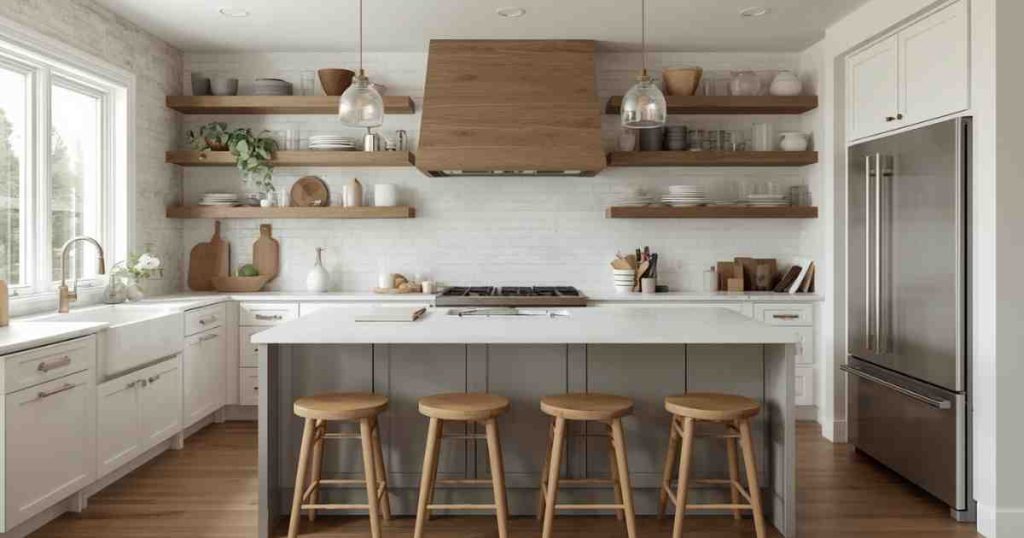
Essential Space Measurements
The most critical factor when considering an island in a small kitchen is space. You need enough room for the island itself, plus clear pathways for walking and working.
A general rule of thumb is to have at least 36 inches of clearance between the island and any surrounding countertops or appliances.
Some experts suggest aiming for 42-48 inches for a more comfortable workspace, especially if you have two people in the kitchen at once.
- Minimum clearance: 36 inches is the smallest practical width for walkways.
This measurement ensures you can walk behind someone who is working at the island without feeling squeezed. It also allows for easy access to cabinets and drawers on all sides of the kitchen.
- Ideal clearance: 42-48 inches is better for workflow and comfort.
Having this extra space makes a significant difference in how the kitchen feels. It’s easier to move around, and you can have more than one person working in the kitchen without bumping into each other. This is especially important if your kitchen is a thoroughfare to other parts of the house.
- Consider door and appliance swings.
Remember to account for the space needed when opening refrigerator doors, oven doors, and dishwasher doors.
An island should not obstruct these essential functions. Measure these swings carefully before finalizing your island’s placement.
Island Size and Shape for Compact Spaces
Not all islands are created equal, especially when space is limited. The size and shape of your island should be proportional to your kitchen. A massive island will overwhelm a small kitchen, while a too-small one might not offer enough benefit.
Think about how much counter space and storage you actually need.
- Keep it slim.
Consider islands that are narrower than standard designs. A depth of 18-24 inches can still provide a useful surface and some storage without taking up too much floor space. This is a great compromise for smaller kitchens.
- Opt for rounded corners.
Sharp corners can be a hazard in a tight space and can also visually shrink the room. Rounded corners on an island offer a softer look and are safer for bumping into. They also contribute to a more fluid traffic flow.
- Consider mobile islands.
A wheeled island, often called a kitchen cart, can be a flexible solution. You can move it out of the way when you need more floor space for cooking or entertaining. It offers workspace and storage, and you can position it wherever it’s most needed at any given time.
Types of Small Kitchen Islands
When thinking about small kitchen island ideas, variety is key. You don’t have to go with a bulky, permanent fixture. Many creative solutions can fit perfectly into a tiny kitchen.
The best type for you depends on your needs for workspace, storage, and seating.
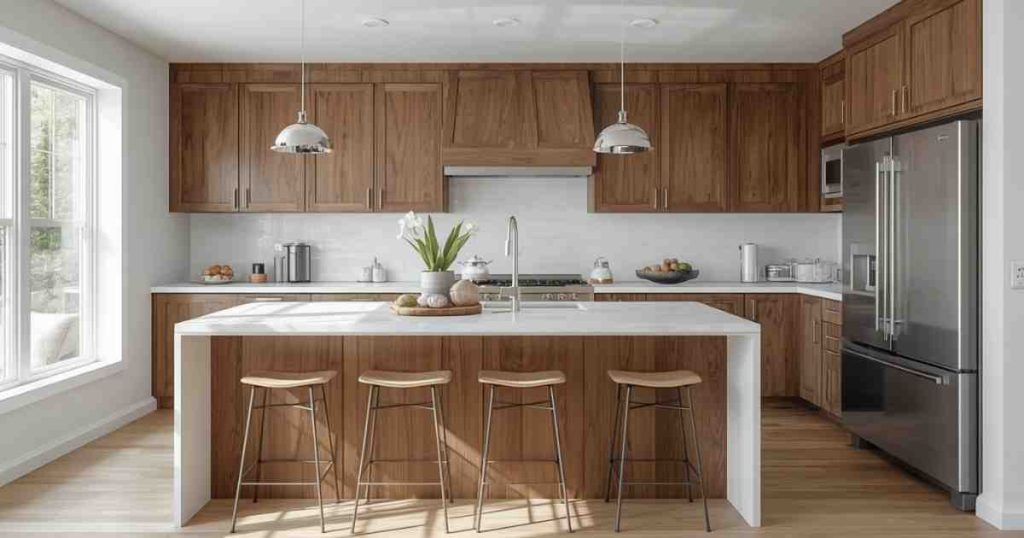
The Benefits of Rolling Kitchen Carts
Rolling kitchen carts are a fantastic option for small kitchens because of their flexibility. They offer many of the benefits of a traditional island but can be moved. This means you’re not committed to a fixed layout.
You can use it as extra prep space during cooking and then tuck it away or use it as a serving station. It’s a practical solution for those who use their kitchen in different ways.
- Mobility for space management.
The primary advantage is the ability to move the cart. If you need more room for a large meal preparation, you can roll it aside. When you’re not cooking, it can be stored against a wall or even in a pantry, freeing up valuable floor space.
- Built-in storage solutions.
Many rolling carts come with shelves, drawers, and hooks. This adds much-needed storage for utensils, small appliances, or even extra cookware. You can keep your kitchen more organized and clutter-free.
- Versatile surfaces.
These carts can provide additional counter space for chopping vegetables, mixing ingredients, or plating food. Some have butcher block tops, which are durable and aesthetically pleasing. Others have laminate or stainless steel surfaces for easy cleaning.
Narrow and Galley-Style Islands
For kitchens with a narrow layout, like a galley kitchen, specific island designs work best. These are often longer and thinner to fit the proportions of the room. They aim to provide utility without obstructing the main walkway.
A galley kitchen typically has countertops on two parallel walls, and a narrow island can fit in the middle.
- Designed for tight walkways.
These islands are built with narrow depths and widths. They are specifically made to fit between two parallel counter runs, ensuring there's still enough space to walk and work comfortably. The goal is to add functionality without making the kitchen feel claustrophobic.
- Maximizing linear space.
Galley islands are excellent for extending counter space and storage along the length of the kitchen. They can often include cabinets or drawers on one side, facing the main work area.
- Potential for seating.
Even a narrow island can sometimes accommodate a couple of stools if there’s enough overhang. This creates a small breakfast bar or a spot for quick meals without needing a separate dining table.
Peninsula Islands: A Space-Saving Alternative
A peninsula is similar to an island but is attached to an existing countertop or cabinet. It doesn’t require clear space on all sides, making it a great option for small kitchens where a freestanding island isn’t feasible.
It can define zones within an open-plan living space and add significant counter and seating area.
- Attached for better space efficiency.
Unlike a true island that stands alone, a peninsula juts out from a wall or cabinet. This connection means it uses less floor space overall, as it doesn’t need clearance on the attached side.
- Zone definition in open layouts.
In open-concept homes, a peninsula can beautifully separate the kitchen area from the living or dining space. It acts as a visual divider without blocking the flow of the room.
- Ample workspace and seating options.
Peninsulas can offer substantial counter space for food prep. With an overhang, they can also provide comfortable seating for two or three people, serving as a casual dining spot.
The Practical Advantages of a Small Kitchen Island
Beyond aesthetics, a well-chosen island can dramatically improve a small kitchen’s functionality. It can offer much-needed storage, expand your workspace, and even add a spot for casual dining. The right island transforms a cramped kitchen into a more efficient and enjoyable space.
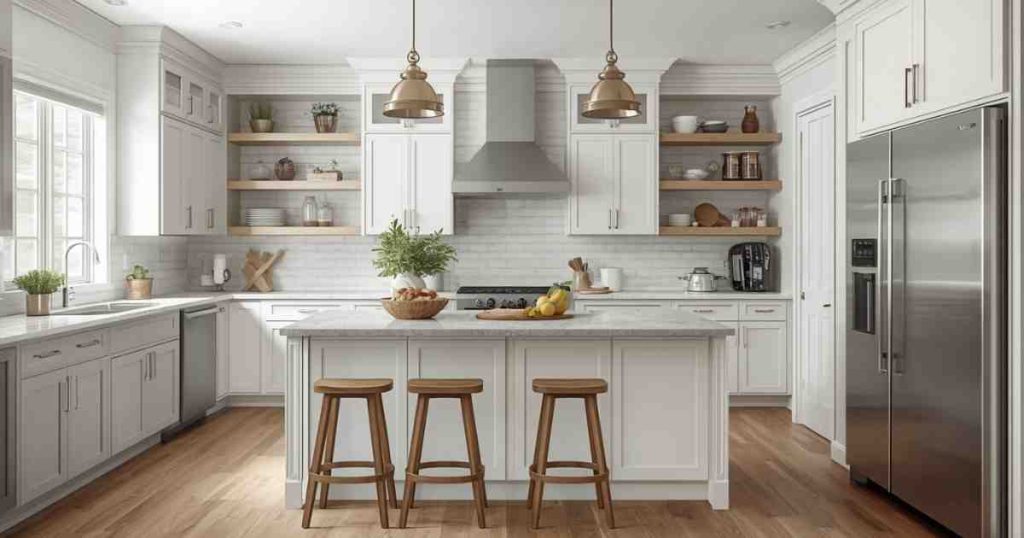
Expanding Counter Space and Workspace
One of the biggest challenges in a small kitchen is the lack of counter space. An island, even a small one, can double or triple your usable prep area. This makes cooking more enjoyable and less of a juggling act.
Imagine having enough room to chop vegetables, assemble a salad, and plate a dish all at once.
- More room for food preparation.
Having an extra surface means you can spread out your ingredients and work more comfortably. This is especially helpful when preparing large meals or when cooking with multiple people.
- A designated spot for appliances.
You can place appliances like a stand mixer, a food processor, or even a portable induction cooktop on the island. This frees up your main countertops for other tasks. It keeps your workspace organized and efficient.
- Serving and plating convenience.
An island is a perfect staging area for serving food. You can arrange dishes, platters, and drinks on it before carrying them to the dining table. It streamlines the process of getting meals ready.
Adding Valuable Storage Solutions
Small kitchens often lack sufficient storage. Islands can be designed with built-in cabinets, drawers, or open shelving, providing a wealth of new storage opportunities. This helps keep your kitchen tidy and ensures essential items are within easy reach.
- Cabinet and drawer storage.
Most islands can incorporate cabinets and drawers, which are perfect for storing pots, pans, small appliances, or less frequently used kitchen items. This helps declutter your main cabinets.
- Open shelving for display or access.
Open shelves can be used to store cookbooks, decorative items, or even everyday dishes and glasses. They make items easily accessible and can add a decorative touch to the kitchen.
- Specialized storage options.
Some islands can be designed with specific storage needs in mind, such as pull-out trash or recycling bins, wine racks, or spice racks. These elements maximize utility in a small footprint.
Creating a Casual Dining or Seating Area
Even a compact island can offer seating. By incorporating an overhang on one side, you create a breakfast bar. This is a great way to add a casual dining spot to your kitchen without needing a separate table.
It’s perfect for quick breakfasts, homework sessions, or just chatting with the cook.
- Integrated breakfast bar.
An overhang of 10-12 inches is usually enough to comfortably tuck in stools for a quick meal or snack. This makes your kitchen a more social space.
- A gathering spot for family and friends.
Having a place to sit and chat while you cook makes the kitchen more welcoming. It encourages interaction and makes food preparation a more communal activity.
- Space-saving alternative to a table.
For very small kitchens, a bar seating area on the island can eliminate the need for a separate dining table altogether, saving valuable floor space.
Design Considerations for Tiny Kitchen Islands
The success of an island in a small kitchen hinges on smart design choices. Beyond functionality, the island should visually integrate with your existing kitchen. It should enhance the space rather than overpower it.
Here are some design tips to keep in mind.
Material Choices for Durability and Aesthetics
The materials you choose for your island can affect its appearance, durability, and ease of maintenance.
For small kitchens, lighter materials can make the island appear less imposing. Consider how the material will complement your existing cabinets and countertops.
- Countertop materials.
Consider materials like laminate for affordability and a wide range of patterns, or butcher block for warmth and a classic look. Quartz and granite are durable but can be more expensive and heavier, which might be less suitable for very small islands.
- Cabinet finishes.
Opt for finishes that match or complement your existing cabinetry. A light color can make the island recede visually, while a contrasting color can make it a focal point. Consider open shelving or glass-front cabinets to reduce visual bulk.
- Legs versus solid bases.
Islands with legs can feel more open and airy than those with solid bases. This visual lightness can make a small kitchen feel less crowded. It allows light to pass through and under the island.
Visual Tricks to Make the Island Feel Lighter
Making an island look and feel less imposing in a small space is crucial. Visual tricks can help it blend in and even make the kitchen seem larger. These techniques focus on light, color, and form.
- Color and finish.
Paint the island in a lighter color than your cabinets, or use a similar light hue. A high-gloss finish can reflect light, making the island appear less solid. Consider a natural wood finish for a warmer, less visually heavy feel.
- Open shelving and leggy designs.
As mentioned, islands with open shelving or visible legs create a sense of airiness. They allow the eye to see through and around the island, which can make the kitchen feel more spacious.
- Integrated elements.
If possible, try to integrate the island with existing elements. For example, a peninsula attached to a cabinet effectively merges the two, reducing the visual separation and making the space feel more cohesive.
Lighting and Electrical Considerations
Proper lighting is essential for both functionality and aesthetics. An island can serve as a focal point, and good lighting draws attention to it. Also, consider electrical outlets for appliances and devices.
Pendant lights hung above the island provide excellent task lighting for food preparation. They also serve as decorative elements, adding style to the kitchen.
- Ambient lighting.
Ensure the island doesn’t cast shadows that make the kitchen feel dark. Recessed lighting in the ceiling or under-cabinet lighting can help provide overall illumination.
- Electrical outlets.
It’s practical to have at least one electrical outlet on the island for charging phones, using small appliances, or plugging in a laptop. Check local building codes for requirements on island outlets.
When an Island Might Not Be the Best Choice for Tiny Kitchens
While islands offer many benefits, they aren’t always the right fit for every tiny kitchen. Sometimes, sacrificing an island can lead to a more functional and comfortable space. It’s important to honestly assess your kitchen’s layout and your needs before committing.
The Importance of Adequate Walkway Space
If your kitchen is exceptionally narrow, or if you have many doors and cabinets that swing into the main area, adding an island might be impossible without compromising essential movement.
If you can’t maintain at least 36 inches of clearance, an island will likely make your kitchen feel cluttered and difficult to use.
- Reduced circulation.
If an island blocks traffic flow, it creates a bottleneck. This makes it hard to move between different parts of the kitchen, especially when multiple people are present.
- Obstruction of cabinet and appliance access.
An island placed too close can prevent you from fully opening refrigerator doors, ovens, or dishwashers. It can also make it hard to access drawers and cabinets efficiently.
- Safety concerns.
In very tight spaces, an island can become a tripping hazard. Sharp corners or limited space to maneuver can increase the risk of accidents.
Alternative Solutions for Small Kitchens
If a traditional island won’t work, don’t despair. There are many other ways to add prep space and storage to a small kitchen. These alternatives can often provide similar benefits without the spatial compromises of an island.
- Wall-mounted fold-down tables.
These are excellent for maximizing space. They fold up against the wall when not in use, providing a stable surface when needed for prep or dining.
- Narrow console tables.
A slim console table placed against a wall can offer a bit of extra counter space and storage. It’s less intrusive than a freestanding island.
- Using existing surfaces creatively.
Consider using a sturdy dining table as a multi-purpose workspace. You can also invest in good quality cutting boards that fit over your sink or stovetop to extend prep areas.
When Functionality Trumps Form
In very small kitchens, pure functionality often needs to take precedence over aesthetic desires. If adding an island means you have to sacrifice essential workflow or storage that could be gained through other means, it’s probably not worth it.
A practical layout is always more important than a trendy feature that hinders your cooking experience.
- Prioritizing ease of movement.
If the choice is between a functional walkway or a small island, choose the walkway. Being able to move freely in your kitchen is paramount to enjoying cooking.
- Maximizing storage with other methods.
Instead of an island, consider tall pantry cabinets, wall-mounted shelves, or drawer organizers. These can offer more storage without encroaching on floor space.
- Assessing your cooking habits.
If you rarely need extensive prep space or don’t entertain often, the need for an island diminishes. Focus on solutions that support how you actually use your kitchen day-to-day.
Sample Scenarios
Let’s look at a couple of real-world examples to see how small kitchen island ideas can play out. These scenarios illustrate how different needs and kitchen layouts lead to varied solutions.
- The Compact Corner Kitchen: Sarah has a small kitchen with cabinets and appliances along two adjacent walls. There’s a bit of open floor space in the corner where a small island could potentially fit. She needs more prep space and storage for her baking supplies. Solution: A narrow, mobile kitchen cart with a butcher block top is ideal. Sarah can use it as extra prep space when baking, and when she’s done, she can roll it against the wall or into a nearby nook. It has two drawers for baking tools and a lower shelf for mixing bowls, fulfilling her storage needs without blocking traffic.
- The Galley Kitchen Dilemma: Mark and Lisa have a narrow galley kitchen with countertops on either side. They want a place to eat breakfast without leaving the kitchen. A full island would make the walkway too tight. Solution: They opt for a narrow peninsula that extends from one of the countertops. It’s just 20 inches deep, with an overhang on the side facing the opposite counter. This provides enough space for two small stools and a casual dining spot. It also adds a small amount of continuous counter space for plating.
Statistics on Kitchen Island Usage
Kitchen islands have become incredibly popular, but their integration into smaller spaces is a growing trend. Data shows how homeowners are adapting these features to fit their available space.
| Feature | Percentage of Kitchen Renovations Featuring Islands (General) | Consideration for Smaller Kitchens |
|---|---|---|
| Island Installation | 70% | Often requires careful measurement and smart design for spaces under 100 sq ft. |
| Multi-functional Islands | N/A (Trend) | Popular in small kitchens; includes seating, storage, and workspaces. |
| Rolling Carts | N/A (Increasingly common) | A go-to solution for maximizing flexibility in tiny kitchens. |
A survey by the National Kitchen & Bath Association (NKBA) indicated that kitchen islands were a highly desired feature in kitchen remodels.
While this often refers to larger homes, the trend has inspired creative adaptations for smaller dwellings.
For instance, a 2022 Houzz study found that 63% of homeowners reported wanting a kitchen island, with many seeking custom solutions for their specific space limitations.
Frequently Asked Questions Of Small Kitchen Island Ideas: When Does An Island Actually Work In A Tiny Kitchen?
Can I fit an island in a kitchen smaller than 10×10 feet?
Yes, it’s often possible with careful planning. You’ll need to focus on narrow islands, mobile carts, or peninsulas and ensure at least 36 inches of clearance around it.
What is the minimum clearance needed around a kitchen island?
The absolute minimum is 36 inches, but 42-48 inches is recommended for better workflow and comfort, especially in a busy small kitchen.
Are rolling kitchen carts considered islands?
Yes, rolling kitchen carts are a type of island, specifically a mobile or freestanding island, offering similar benefits like workspace and storage in a flexible format.
How much counter space can a small island add?
Even a narrow island can add 12-24 square feet of usable counter space, significantly increasing your prep area.
What are the biggest mistakes to avoid when adding an island to a small kitchen?
The biggest mistakes are choosing an island that is too large for the space, not leaving enough clearance for movement, and failing to consider how it impacts access to cabinets and appliances.
Conclusion
A small kitchen island can truly work wonders, even in the most compact spaces. By focusing on smart measurements, choosing the right type of island, and employing clever design tricks, you can add valuable workspace and storage. A mobile cart or a slim peninsula might be your best bet. Understanding kitchen island design principles helps you evaluate the compact corner and galley kitchen examples.
Prioritize clear pathways and ensure the island enhances your kitchen’s function. You can create a more enjoyable and efficient cooking environment. Incorporating energy-efficient kitchen remodeling tips can make your small island project more sustainable.

![How To Design A Small Kitchen With No Window Lighting And Ventilation Solutions[1]](https://kitchentoolslab.com/wp-content/uploads/2026/05/How_To_Design_A_Small_Kitchen_With_No_Window__Lighting_And_Ventilation_Solutions1-768x403.jpg)
![Open Shelving In Small Kitchens Does It Actually Help Or Create More Clutter[1]](https://kitchentoolslab.com/wp-content/uploads/2026/05/Open_Shelving_In_Small_Kitchens__Does_It_Actually_Help_Or_Create_More_Clutter1-768x403.jpg)
![How To Organize A Small Kitchen A Room By Room Storage System[1]](https://kitchentoolslab.com/wp-content/uploads/2026/05/How_To_Organize_A_Small_Kitchen__A_Room-By-Room_Storage_System1-768x403.jpg)
![Small Kitchen Layout Ideas Which Layout Works Best For Under 100 Sq Ft[1]](https://kitchentoolslab.com/wp-content/uploads/2026/05/Small_Kitchen_Layout_Ideas__Which_Layout_Works_Best_For_Under_100_Sq_Ft1-768x403.jpg)
![How To Make A Small Kitchen Feel Bigger 15 Proven Design Techniques[1]](https://kitchentoolslab.com/wp-content/uploads/2026/05/How_To_Make_A_Small_Kitchen_Feel_Bigger__15_Proven_Design_Techniques1-768x403.jpg)
![Vertical Storage Solutions For Small Kitchens Maximizing Every Inch[1]](https://kitchentoolslab.com/wp-content/uploads/2026/05/Vertical_Storage_Solutions_For_Small_Kitchens__Maximizing_Every_Inch1-768x403.jpg)