
Galley Vs One-Wall Kitchen: Which Layout Is Better For Small Spaces?
Picture this: you’re trying to make a quick meal in a tiny kitchen. Pots are clanking, ingredients are spilling, and you feel like you’re in a game of kitchen Tetris. It’s frustrating when your cooking space feels cramped and inefficient.
Choosing the right kitchen layout can make a world of difference, especially in homes with limited square footage.
This article will explore the advantages and disadvantages of two popular layouts, the galley vs one-wall kitchen, helping you find the best fit for your small space.
This article will explore the advantages and disadvantages of two popular layouts, the galley vs one-wall kitchen, helping you find the best fit for your small space.
By understanding their unique features, you’ll be better equipped to design a kitchen that feels more open, functional, and enjoyable to use, ultimately improving your experience and making your home feel more spacious.
Key Takeaways
- A galley kitchen is defined by its two parallel countertops and cabinets, forming a walkway in between.
- A one-wall kitchen places all appliances and cabinets along a single wall, ideal for very compact areas.
- Galley kitchens offer efficient workflow and ample storage within a small footprint.
- One-wall kitchens maximize open space and can make small areas feel larger.
- The best choice between a galley vs one-wall kitchen depends on your specific space and cooking habits.
- Both layouts can be enhanced with smart design choices for functionality and aesthetics.
![Galley Vs One Wall Kitchen Which Layout Is Better For Small Spaces[1]](https://kitchentoolslab.com/wp-content/uploads/2026/05/Galley_Vs_One-Wall_Kitchen__Which_Layout_Is_Better_For_Small_Spaces1.jpg)
Understanding Galley Kitchens
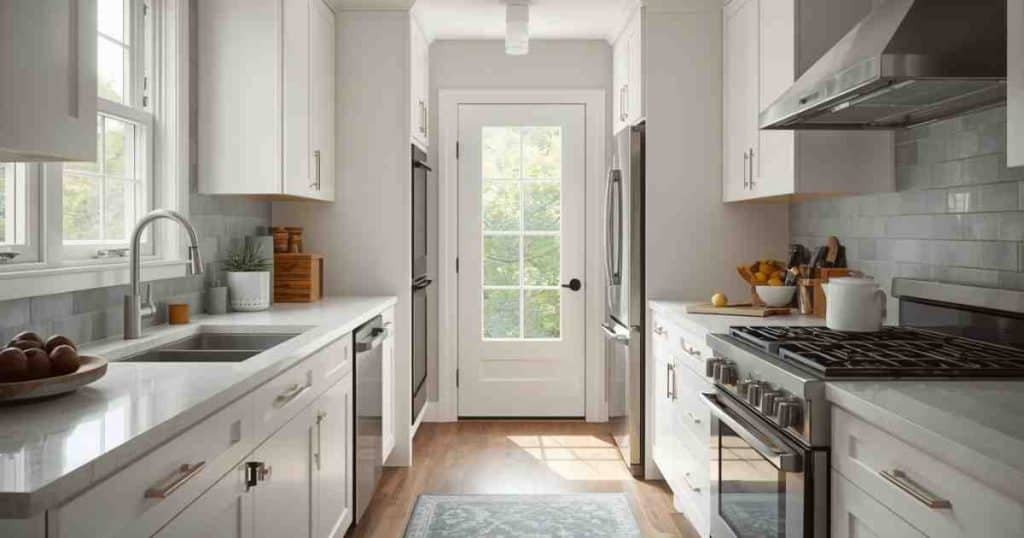
A galley kitchen is characterized by its distinct design, featuring two parallel runs of cabinets and countertops.
These opposing walls create a central walkway or “corridor” for movement. This layout is often found in apartments, smaller homes, and even some larger houses where space efficiency is a priority.
The core idea behind a galley kitchen is to pack a lot of function into a narrow footprint.
The Classic Galley Layout
The traditional galley kitchen design aims to create a highly efficient work triangle. The sink, stove, and refrigerator are typically placed strategically along the parallel walls.
This arrangement minimizes steps between these key work zones, allowing for smooth food preparation and cooking.
For example, imagine washing vegetables at the sink on one wall, then turning to chop them on the counter beside it.
Next, you could easily reach over to the stove on the opposite wall to cook. This workflow is seamless and reduces wasted motion, which is a huge plus in any kitchen, especially a small one.
Storage Solutions in a Galley
One of the biggest advantages of a galley kitchen is its potential for storage. The two long walls provide ample space for cabinets, drawers, and shelving.
This means you can store more dishes, utensils, and pantry items without sacrificing precious counter space.
You can utilize upper cabinets that reach the ceiling for maximum storage. Deep drawers can hold pots and pans efficiently. Even the space above the walkway can sometimes be used for open shelving for decorative items or frequently used spices.
- Efficient Workflow: The parallel arrangement naturally encourages a linear workflow. This means less walking back and forth between appliances and countertops. Imagine preparing a meal; you can move seamlessly from washing ingredients at the sink to chopping on the counter, then to the stove for cooking, all within a few steps. This efficiency is a hallmark of well-designed galley kitchens.
- Ample Storage: Galley kitchens often boast more cabinet and counter space compared to other layouts of a similar size. The two opposing walls can be lined with upper and lower cabinets, maximizing storage capacity for cookware, dishes, and pantry staples. This is particularly beneficial in small homes where storage is often at a premium.
- Defined Zones: This layout naturally creates distinct zones for different kitchen activities. One side might house the sink and dishwasher, the other the stove and oven. This separation helps keep tasks organized and prevents clutter from spreading across the entire kitchen.
Potential Drawbacks of Galley Kitchens
While efficient, galley kitchens are not without their challenges. The narrow walkway can feel cramped, especially if two people are trying to work in the kitchen at the same time. This can lead to collisions and a feeling of being boxed in.
Another issue can be the lack of natural light if the kitchen doesn’t have a window at one or both ends. The enclosed nature can also make the space feel darker and less inviting compared to more open layouts.
- Limited Space for Multiple Cooks: The narrow corridor of a galley kitchen can become a bottleneck when more than one person is trying to cook or move around. This can lead to awkward moments and make the space feel less social. It’s designed for efficiency, often with one primary cook in mind.
- Can Feel Enclosed: If not designed carefully, galley kitchens can feel like a tunnel, especially if they are long and narrow. This can make the space feel smaller and less inviting than it is. Proper lighting and color choices are essential to combat this feeling.
- Appliance Placement Challenges: While efficient for workflow, fitting larger appliances like a double oven or a substantial island can be difficult in a standard galley kitchen. This might limit the choices for specialized cooking equipment or extra prep space.
Exploring One-Wall Kitchens
A one-wall kitchen, also known as a straight-line kitchen, simplifies the layout by placing all cabinetry, countertops, and appliances along a single wall.
This design is a smart solution for extremely limited spaces, such as studio apartments or small home additions. The primary goal here is to maximize the feeling of openness.
The Simplicity of a One-Wall Design
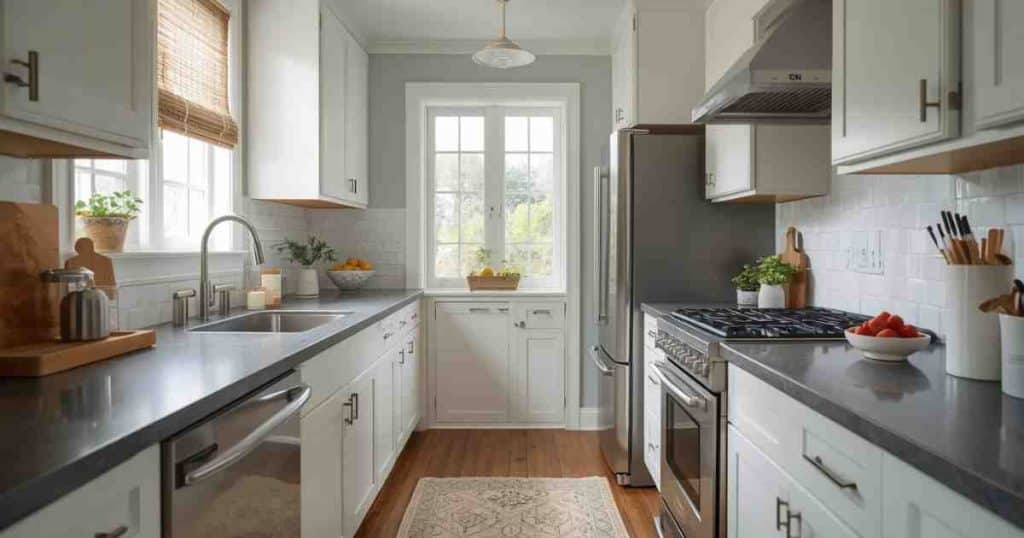
The beauty of a one-wall kitchen lies in its straightforward approach. Everything you need is within arm's reach, creating a compact and accessible workspace. This layout is perfect for those who have minimal cooking needs or for a secondary kitchen area.For instance, in a small studio apartment, a one-wall kitchen can be integrated seamlessly into the living area without dominating the space. The sink, stove, and refrigerator are all lined up, allowing the rest of the room to be used for living or sleeping.
Maximizing Open Space
The most significant advantage of a one-wall kitchen is its ability to make a small space feel much larger.
By keeping all elements on one wall, it frees up the rest of the room, creating an open-plan feel. This can be crucial for small homes where every square foot counts.
This layout is especially beneficial in open-concept living areas. It allows the kitchen to blend in without creating a visual barrier, contributing to a more airy and spacious atmosphere.
- Space Optimization: This layout is the ultimate space-saver for very small areas. By consolidating all kitchen functions onto one wall, it leaves the maximum amount of open floor space. This makes it ideal for studios, tiny homes, or as a secondary kitchen.
- Open and Airy Feel: A one-wall kitchen can make a small room feel significantly larger and more open. It avoids breaking up the flow of the room, making it feel more connected and less compartmentalized. This is a major plus for maximizing perceived space.
- Cost-Effective: Generally, a one-wall kitchen tends to be more budget-friendly to install. Fewer cabinets, less countertop material, and simpler plumbing and electrical work contribute to lower overall costs. This makes it an attractive option for budget-conscious renovators.
Considerations for One-Wall Kitchens
While excellent for space-saving, one-wall kitchens have limitations. The primary challenge is the limited counter and storage space.
With everything on one line, you might find yourself struggling to find room for prep work or to store all your kitchen essentials.
The workflow can also be less efficient than a galley kitchen if the appliances are placed too far apart. You might end up doing more walking back and forth along that single wall than you would in a more segmented layout.
- Limited Counter and Storage Space: The biggest challenge is the finite amount of counter and cabinet space. With all components on one wall, there might not be enough room for extensive meal prep or for storing a large collection of kitchenware. This often requires creative storage solutions.
- Potential for Inefficient Workflow: If the sink, stove, and refrigerator are spread too far apart along the single wall, the workflow can become inefficient. This can lead to a lot of back-and-forth movement along that one line, negating some of the layout’s intended efficiency.
- Visual Clutter: Because everything is in one line, it can be challenging to hide clutter. If not kept tidy, the entire kitchen can appear messy. Careful organization and strategic use of storage are key to maintaining a clean look.
Galley vs One-Wall Kitchen: Which is Better for Small Spaces?
Deciding between a galley and a one-wall kitchen for a small space is a balancing act. Both layouts have their strengths, and the “better” option depends entirely on your specific needs, the dimensions of your space, and how you use your kitchen.
A galley kitchen excels when you need to maximize functionality and storage within a narrow footprint. It offers a more structured workflow, which can be very beneficial for cooks who spend a lot of time in the kitchen.
If your small space is more of a rectangular shape with a clear corridor, a galley layout can be incredibly effective.
On the other hand, a one-wall kitchen is the champion of making small spaces feel vast and open. If your priority is to create an airy, minimalist feel and you have a very limited width to work with, this is likely your best bet. It’s ideal for situations where the kitchen is a secondary feature in a larger living area.
Comparing Workflow and Efficiency
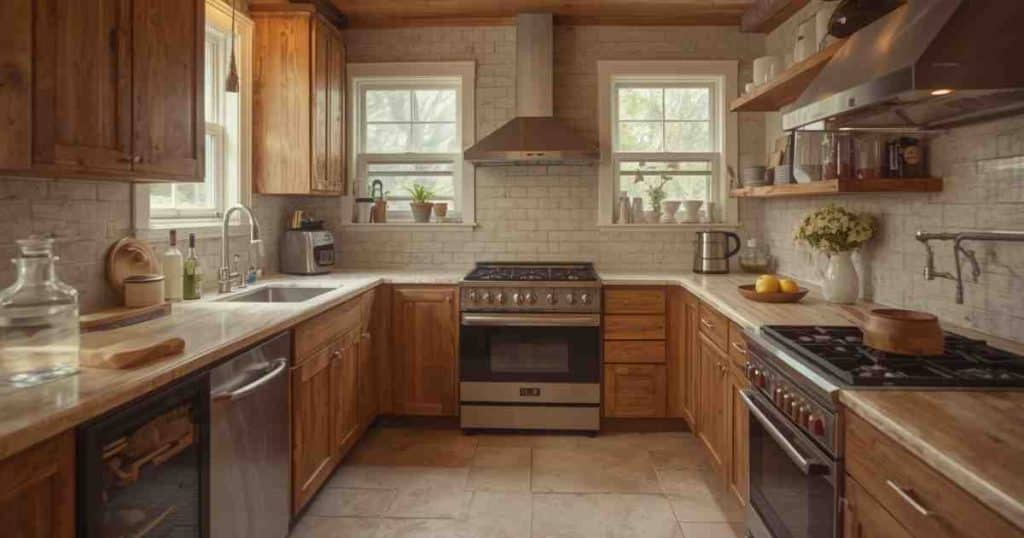
When we talk about workflow, a galley kitchen often has a slight edge in efficiency for busy cooks. The parallel arrangement creates a natural work triangle, minimizing the distance between the sink, stove, and refrigerator. This can lead to a more streamlined cooking process.
For example, a cook preparing a complex meal can move between tasks without taking many steps. They might wash vegetables at the sink, move to the counter for chopping, then pivot to the stove for cooking, all in a continuous motion.
This efficiency is invaluable in any kitchen, but especially in a small one where every movement counts.
A one-wall kitchen, while simple, can sometimes require more movement along that single line. If the sink, stove, and fridge are spread out, you might find yourself walking back and forth more than you’d like. However, for simpler meal preparation or for those who don’t cook extensively, this is less of an issue.
Storage and Counter Space Considerations
Storage is a critical factor in small kitchens. Galley kitchens typically offer more continuous cabinet and counter space along their two walls. This allows for better organization and more room to spread out ingredients and cookware.
Consider a scenario where you’re baking. A galley kitchen might provide enough contiguous counter space to roll out dough, place mixing bowls, and have your ingredients at hand. This makes the process much smoother than trying to juggle everything on a more limited surface.
One-wall kitchens, by their nature, have a fixed amount of counter and storage space dictated by the length of the wall.
This often necessitates clever storage solutions, such as overhead cabinets that extend to the ceiling, pull-out pantries, or multi-functional appliances.
Galley vs. One-Wall Kitchen: Key Differences
| Feature | Galley Kitchen | One-Wall Kitchen |
|---|---|---|
| Layout | Two parallel countertops and cabinets, with a walkway in between. | All cabinets, countertops, and appliances on a single wall. |
| Best For | Maximizing functionality and storage in narrow spaces; efficient workflow. | Extremely small spaces; creating an open, airy feel. |
| Pros | Efficient workflow, ample storage potential, defined work zones. | Maximizes open space, feels airy and large, often more cost-effective. |
| Cons | Can feel cramped for multiple cooks, may feel enclosed. | Limited counter and storage space, potentially less efficient workflow. |
| Ideal Space Shape | Rectangular, narrow rooms. | Very small or square rooms, open-plan living areas. |
Real-Life Examples and Scenarios
Let’s look at two common scenarios for small living spaces.
- Scenario 1: The Compact Apartment Studio In a studio apartment where the kitchen needs to blend seamlessly with the living and sleeping areas, a one-wall kitchen is often the superior choice. Imagine a space that is 15 feet wide and 20 feet long, with the kitchen taking up a 7-foot section along one of the longer walls. By placing a sleek, modern one-wall kitchen here, you can have a sink, a two-burner cooktop, a compact refrigerator, and some overhead cabinets. This leaves the majority of the 15×20 foot space open for a sofa, bed, and dining area, making the entire apartment feel much larger and more functional.
- Scenario 2: The Narrow Townhouse Kitchen Consider a narrow townhouse with a kitchen that is only 6 feet wide but 12 feet long. This space is too narrow for a standard island or a two-sided kitchen that isn’t a galley. Here, a galley kitchen can be an excellent solution. You could install cabinets and countertops along both 12-foot walls, leaving a 3-foot wide walkway in the center. This provides ample counter space for prep and generous storage in the cabinets. The 3-foot walkway allows for comfortable movement, and the two parallel work surfaces create an efficient cooking zone. For instance, the sink and dishwasher could be on one side, while the stove and oven are on the other, creating a practical cooking flow.
Optimizing Your Small Kitchen Layout
Regardless of whether you choose a galley or a one-wall design, smart optimization is key to making the most of any small kitchen space.
Every inch counts, so thoughtful planning can transform a cramped area into a highly functional and enjoyable zone.
Smart Storage Solutions
Maximizing storage is crucial in small kitchens. Think vertically by using tall upper cabinets that go all the way to the ceiling. This provides extra space for items you don’t use daily.
Pull-out shelves and deep drawers in lower cabinets make it easier to access items at the back.
Consider specialized organizers for drawers and cabinets. Spice racks that mount inside cabinet doors, corner cabinet solutions like lazy Susans, and tiered shelving in pantries can significantly increase storage capacity and accessibility. For example, a pull-out trash and recycling bin cabinet can save valuable floor space.
- Vertical Storage: Utilize the full height of your walls with cabinets that extend to the ceiling. This creates ample space for seldom-used items, keeping your most-used tools and ingredients within easy reach.
- Drawer Organizers: Invest in drawer inserts for cutlery, utensils, and spices. This keeps things tidy and makes it easy to find what you need quickly, reducing clutter.
- Under-Cabinet Lighting: Install LED strip lighting under your upper cabinets. This not only brightens your workspace, making it feel larger, but also reduces shadows and can highlight decorative items.
Appliance Selection
Choosing the right appliances is vital for small kitchens. Opt for compact or multi-functional appliances. For example, a convection microwave oven can act as both a microwave and a small oven, saving space.
A slim refrigerator or an under-counter refrigerator can also be good options.
Think about your cooking habits. If you rarely bake, a smaller range with just two burners might be sufficient. If you need more prep space, consider a countertop induction cooktop that can be stored away when not in use.
Appliance Size Comparison for Small Kitchens
| Appliance Type | Standard Size (approx.) | Compact Size (approx.) | Benefit in Small Kitchens |
|---|---|---|---|
| Refrigerator | 30-36 inches wide | 24-28 inches wide | Frees up floor space, fits in tighter spots. |
| Oven/Range | 30 inches wide | 24 inches wide | Reduces overall footprint, allowing for more counter or cabinet space. |
| Dishwasher | 24 inches wide | 18 inches wide (dishwasher drawer) | Ideal for smaller households, saves counter space. |
Lighting and Color Choices
Lighting and color play a significant role in how spacious a kitchen feels. Good lighting, both ambient and task-specific, can make a huge difference. Consider recessed lighting for the ceiling and under-cabinet lighting for your countertops.
Light colors on walls, cabinets, and countertops can make a small kitchen feel more open and airy. Whites, light grays, pastels, and other pale hues reflect light, making the space appear larger. Using a consistent color palette can also create a sense of flow and unity. Incorporating energy-efficient kitchen design can help reduce utility costs and improve functionality in a small kitchen.
- Ambient Lighting: Install overhead lighting that illuminates the entire kitchen evenly. Recessed lights or a central pendant light can achieve this.
- Task Lighting: Ensure your primary work areas, like the countertops and sink, are well-lit with task lighting. This improves functionality and safety.
- Light Color Palette: Use light colors for cabinets, countertops, and walls. White, cream, light grey, and pale blues can make the space feel more expansive and bright.
Frequently Asked Questions Of Galley Vs One-Wall Kitchen: Which Layout Is Better For Small Spaces?
Which layout is better for entertaining in a small space?
For entertaining, a one-wall kitchen might be better as it keeps the cooking area open and integrated with the living space, allowing guests to interact more easily. A galley kitchen can feel more isolating if guests are not in the kitchen area.
Can a galley kitchen feel less cramped?
Yes, a galley kitchen can feel less cramped with smart design choices. This includes using light colors, good lighting, and keeping the walkway clear. Avoiding bulky items in the walkway is also key.
Is a one-wall kitchen good for serious cooks?
For serious cooks who do a lot of prep, a one-wall kitchen might be challenging due to limited counter space. However, with smart organization and smaller appliances, it can still be functional.
What is the ideal width for a galley kitchen walkway?
The ideal width for a galley kitchen walkway is typically between 3 to 5 feet. This allows for comfortable movement and access to cabinets and appliances on both sides.
Can I have an island in a one-wall kitchen?
In a very small one-wall kitchen, a full-sized island is usually not feasible. However, you might be able to fit a small rolling cart or a narrow peninsula that can serve as extra prep space and storage.
Wrap Up
Choosing between a galley vs one-wall kitchen for small spaces hinges on prioritizing workflow and storage versus openness and perceived size. The galley kitchen layout is often recommended for small spaces because it efficiently uses narrow floor plans.
A galley kitchen offers efficiency and ample storage within a narrow footprint, ideal for functionality. A one-wall kitchen maximizes open space, making areas feel larger and more airy, perfect for minimalist living. The one-wall kitchen layout creates an open feel that can make a small space appear larger, as detailed on Wikipedia.
Both layouts can be optimized with smart storage, right-sized appliances, and light colors. Select the layout that best matches how you cook and live.

![What Colors Make A Small Kitchen Look Larger (Designer Secrets Revealed)[1]](https://kitchentoolslab.com/wp-content/uploads/2026/05/What_Colors_Make_A_Small_Kitchen_Look_Larger__Designer_Secrets_Revealed1-768x403.jpg)
![How To Design A Small Kitchen With No Window Lighting And Ventilation Solutions[1]](https://kitchentoolslab.com/wp-content/uploads/2026/05/How_To_Design_A_Small_Kitchen_With_No_Window__Lighting_And_Ventilation_Solutions1-768x403.jpg)
![Renting And Can’T Renovate Small Kitchen Design Ideas For Renters[1]](https://kitchentoolslab.com/wp-content/uploads/2026/05/Renting_And_CanT_Renovate__Small_Kitchen_Design_Ideas_For_Renters1-768x403.jpg)
![Open Shelving In Small Kitchens Does It Actually Help Or Create More Clutter[1]](https://kitchentoolslab.com/wp-content/uploads/2026/05/Open_Shelving_In_Small_Kitchens__Does_It_Actually_Help_Or_Create_More_Clutter1-768x403.jpg)
![Kitchen Peninsula Vs Island For Small Kitchens Which Adds More Value[1]](https://kitchentoolslab.com/wp-content/uploads/2026/05/Kitchen_Peninsula_Vs_Island_For_Small_Kitchens__Which_Adds_More_Value1-768x403.jpg)
![How To Organize A Small Kitchen A Room By Room Storage System[1]](https://kitchentoolslab.com/wp-content/uploads/2026/05/How_To_Organize_A_Small_Kitchen__A_Room-By-Room_Storage_System1-768x403.jpg)