
How Far Apart Should Kitchen Appliances Be? Spacing Rules For Safe And Comfortable Use
Getting your kitchen set up can feel a bit tricky, especially when you’re wondering about placing your appliances.
Many beginners find the question, How Far Apart Should Kitchen Appliances Be? Spacing Rules for Safe and Comfortable Use, a little confusing.
You want everything to be safe, easy to use, and look good, right? Don’t worry, we’ve got you covered. This guide will walk you through it step-by-step.
We’ll make sure your kitchen works just right for you.
Key Takeaways
- Proper appliance spacing ensures safety by preventing overheating and fire hazards.
- Adequate clearance allows for easy access and comfortable movement while cooking.
- Specific spacing needs vary for different appliances like refrigerators, stoves, and microwaves.
- Considering ventilation requirements is key to the longevity and efficient performance of appliances.
- Following recommended guidelines can help avoid costly repairs and ensure a functional kitchen layout.
- Planning appliance placement early saves time and potential headaches during kitchen renovations.
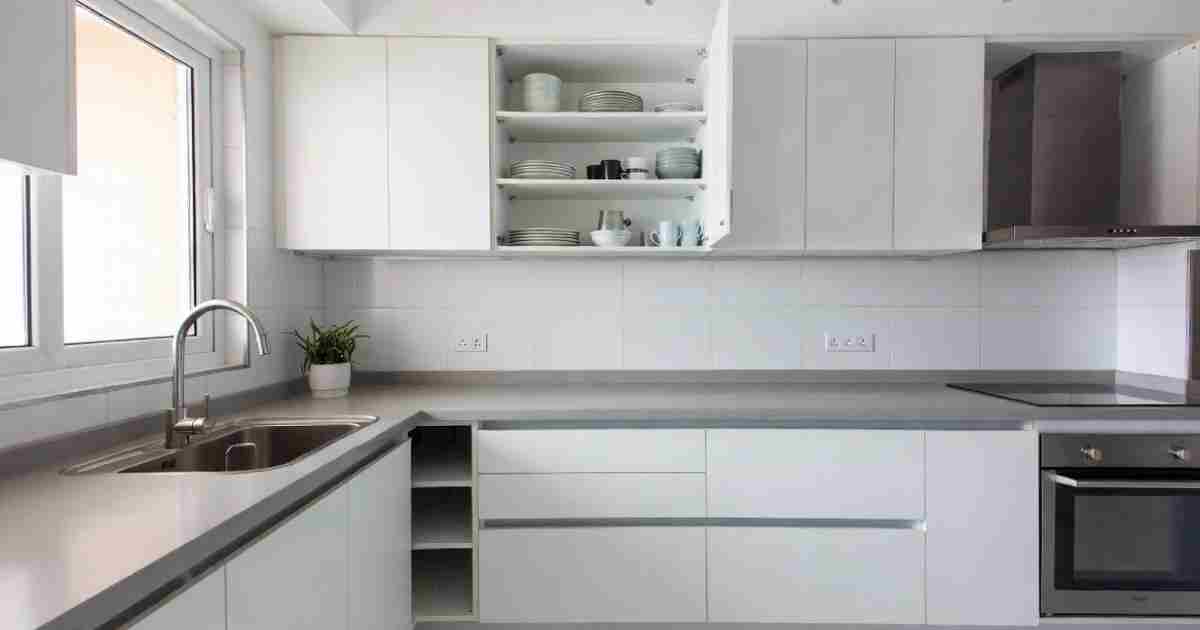
Safe Kitchen Appliance Placement
When you’re thinking about your kitchen, placing appliances correctly is super important for safety and making sure you can move around easily.
When you're thinking about your kitchen, placing appliances correctly is super important for safety and making sure you can move around easily.
It’s not just about fitting them in; it’s about giving them the space they need to work well without causing problems.
For beginners, this topic can seem a bit overwhelming because there are many things to consider, like how hot some appliances get or how much room you need to open doors and drawers.
Getting the spacing right helps keep your kitchen safe. For instance, some appliances produce a lot of heat, and if they’re too close to walls or other things, it can create a fire risk. Also, you need enough space to open oven doors, refrigerator doors, and drawers without bumping into other counters or appliances.
This makes cooking and cleaning much smoother and less of a hassle.
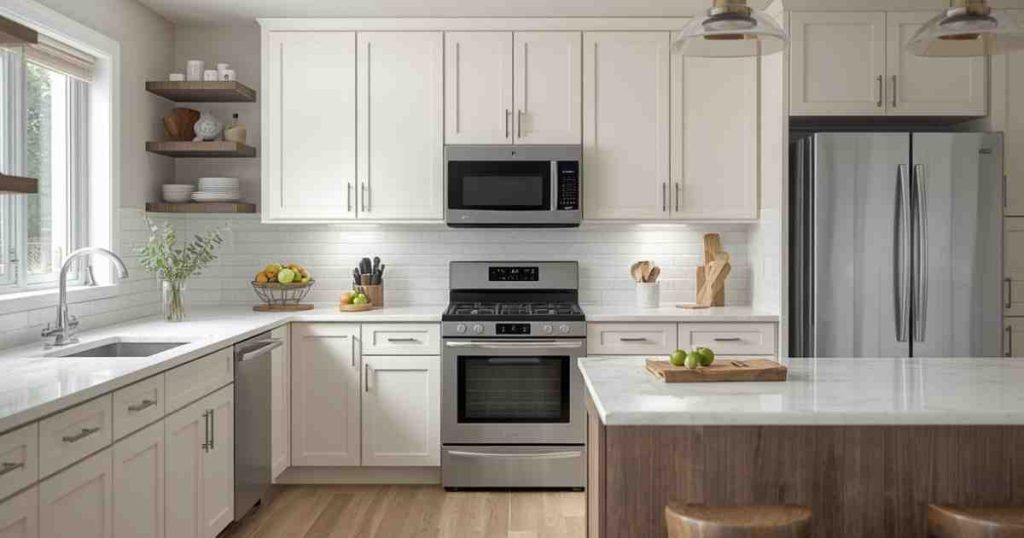
Refrigerator Clearance
Refrigerators need space around them, especially at the back and sides. This is because they need air to circulate to work efficiently.
If the coils on the back get too hot because there’s no airflow, the fridge has to work harder, using more electricity and potentially breaking down sooner.
You also need space to pull out the drawers and shelves easily.
Manufacturers usually recommend a specific amount of space. For the back, it’s often around 1 inch. For the sides, it might be 2 inches.
This allows for ventilation. Think about the door swing too. You need enough room for the door to open all the way, so you can take out food without knocking things over or getting stuck.
- Back Clearance: Most refrigerators need at least 1 inch of space behind them for air to flow. This helps the motor cool down.
- Side Clearance: About 2 inches on each side is usually recommended. This helps with air circulation and allows doors to open more freely.
- Top Clearance: Some models might need a few inches at the top, especially if they have a top-mounted freezer or vents there. Check your manual.
Imagine you have a refrigerator that’s pushed right against the wall. The heat from the motor builds up. This is like wearing a thick sweater on a hot day – it’s uncomfortable and inefficient.
Over time, this can damage the motor. Many people don’t think about this until their fridge starts making strange noises or stops cooling properly.
Stove and Oven Spacing
Stoves and ovens are central to cooking, and their spacing needs are critical for safety. The heat generated by ovens and cooktops can be significant. Proper clearance prevents heat damage to surrounding cabinets and walls.
It also ensures that you have a safe working area when cooking, reducing the risk of burns or spills.
For cooktops, you need to consider the heat rising from the burners. Backsplashes and range hoods play a role here, but the space around the unit itself is also key.
Ovens, especially wall ovens, require specific clearances to prevent overheating the cabinets they are built into.
This prevents materials from warping or even catching fire over time.
Cooktop and Range Safety
Cooktops and freestanding ranges need good airflow. If there’s not enough space between the stove and cabinets or walls, the heat can damage the surfaces. This can lead to discoloration, warping, or even weakening the material of your cabinets and countertops.
This is why manufacturers provide specific guidelines.
For freestanding ranges, you typically need about 1 inch of space on the sides. This allows for ventilation and makes it easier to clean. If you have a gas stove, it’s also important to ensure proper ventilation to remove any fumes.
Always check the specific recommendations for your model.
- Sides: Allow at least 1 inch of space on each side of a freestanding range or cooktop.
- Back: Ensure there’s enough space behind for ventilation, especially for gas models. Check manufacturer specs.
- Above: A range hood or exhaust fan is crucial and has its own recommended height and clearance requirements.
Consider a situation where a range is installed too close to wooden cabinets. Over time, the constant heat can dry out the wood. This makes it more brittle and susceptible to damage.
In extreme cases, it can create a fire hazard. Many home fires start in the kitchen, and improper appliance spacing is often a contributing factor.
Wall Oven Installation
Wall ovens are built into cabinetry, so the spacing is about protecting the cabinets and ensuring proper function.
The oven needs to vent heat, and this air needs a place to go without damaging the surrounding wood. Cabinets adjacent to wall ovens can be especially vulnerable to heat damage if not installed with proper clearances.
Manufacturers specify how much space is needed between the oven and the cabinet sides, top, and bottom. They also have rules about the type of materials used around the oven.
If these instructions aren’t followed, the warranty might be voided, and more importantly, the risk of fire increases significantly.
This is why professional installation is often recommended for wall ovens.
Example: A builder installs a wall oven. They decide to save cabinet space by putting it closer to the cabinet side than the manual allows. The heat from the oven escapes into the cabinet.
The cabinet material starts to warp and discolor. Then, the finish on the adjacent cabinet begins to peel. This could have been avoided with just a few extra inches of space.
Microwave Placement Considerations
Microwaves, whether countertop or built-in, also have spacing needs. Countertop models need space around them for air circulation and to prevent heat from affecting other items on the counter.
Built-in microwaves, like wall ovens, need careful installation to ensure proper ventilation and prevent damage to cabinetry.
For countertop microwaves, it’s good practice to leave a few inches of space on the sides and back. This allows heat to escape and prevents the unit from overheating.
If you’re installing a microwave above a range as an over-the-range model, it needs to be mounted at a specific height.
This ensures it’s comfortable to use and doesn’t overheat the cabinetry above it.
- Countertop Airflow: Leave at least 2-3 inches of space on the sides and back for proper ventilation.
- Over-the-Range Height: Mount at a height that is comfortable for users, usually between 54 and 60 inches from the floor.
- Built-in Ventilation: Ensure the specific cutout for a built-in microwave allows for adequate air intake and exhaust as per the manufacturer’s instructions.
Think about a microwave sitting on a counter surrounded by other appliances or items. The heat it releases can warm up those other things. If it’s too close to a wall, the heat can get trapped.
This reduces its efficiency and can lead to problems. Keeping a little space makes it run better and last longer.
Dishwasher Installation Guidelines
Dishwashers require space for proper installation and operation, particularly for water and drain lines, and for the door to open fully.
When installing a dishwasher, you need to make sure there’s enough room for the water hoses and the drain hose to connect without kinks. These connections need to be accessible for maintenance or repair.
The door swing is also a major consideration. You need enough space in front of the dishwasher to open the door all the way so you can load and unload dishes. It shouldn’t hit cabinets, a kitchen island, or a walkway.
Most dishwashers have a door that swings down, requiring about 2 feet of clearance in front.
- Door Clearance: Allow at least 24 inches of clear space in front of the dishwasher for the door to open fully.
- Plumbing Access: Ensure easy access to water supply and drain lines behind or under the unit.
- Cabinet Fit: The dishwasher should fit snugly into its designated space, usually 24 inches wide, ensuring it’s level and secure.
Imagine trying to load your dishwasher, but the door only opens halfway because it hits the corner of your kitchen island.
This makes loading awkward and time-consuming. You might have to contort yourself to reach the back of the racks.
This is a common frustration that could be avoided with proper planning of the door swing clearance.
Common Spacing Errors and How to Avoid Them
Many people make simple mistakes when placing their kitchen appliances. One common error is pushing appliances too close to walls or cabinets without considering ventilation. Another is not leaving enough room for doors and drawers to open.
These errors can lead to appliance damage, increased energy use, and a less functional kitchen space.
To avoid these issues, always consult the owner’s manual for each appliance. These manuals provide specific measurements for clearances. Planning the layout of your kitchen before buying appliances or starting renovations is also key.
Measure your space carefully and sketch out where each appliance will go, noting all necessary clearances.
- Read the Manuals: Always check the manufacturer’s guidelines for each appliance.
- Measure Twice, Cut Once: Carefully measure your space and the appliance dimensions.
- Consider Workflow: Think about how you move in the kitchen and ensure easy access to all appliances.
- Professional Advice: If unsure, consult a kitchen designer or professional installer.
A survey found that nearly 30% of homeowners experienced issues with their kitchen appliances within the first five years, with some citing installation or spacing problems as a cause. This highlights how important it is to get it right from the start. Simple oversights can lead to bigger, more expensive problems down the line.
Understanding Appliance Ventilation Needs
Ventilation is a crucial aspect of appliance placement that often gets overlooked. Appliances generate heat as a byproduct of their operation. This heat needs to dissipate into the surrounding air to prevent overheating.
Proper ventilation ensures that appliances run efficiently, last longer, and pose no safety risks.
Each appliance has unique ventilation requirements based on its design and how it operates. Refrigerators need airflow around their compressors and coils. Ovens and cooktops need to release significant heat.
Even microwaves and dishwashers require some level of air exchange to prevent internal component damage. Ignoring these needs can lead to performance issues and premature failure.
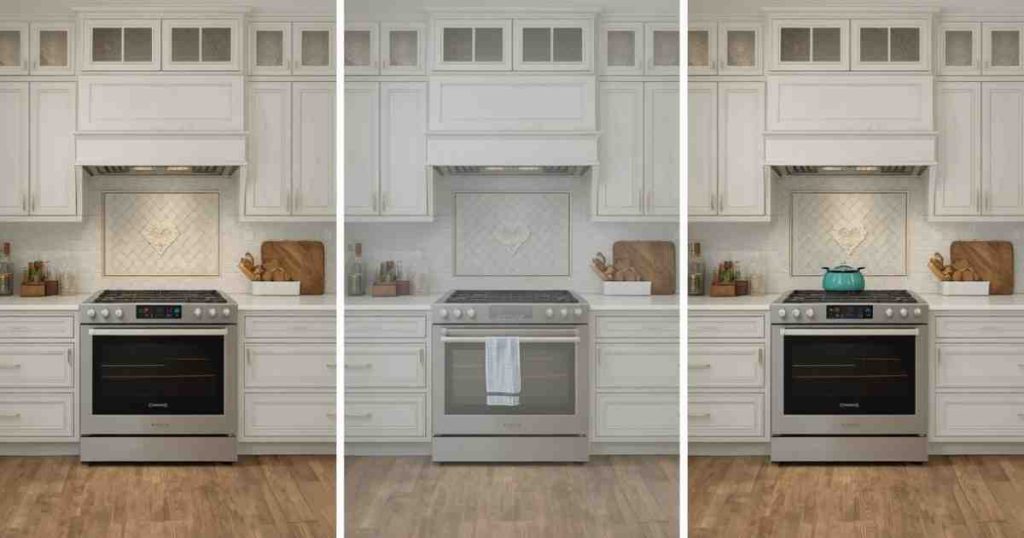
How Heat Affects Appliances
Excessive heat can significantly impact an appliance’s lifespan and performance. For refrigerators, the compressor is the heart of the system. If it overheats due to poor ventilation, it can become less efficient, leading to higher electricity bills.
In the worst-case scenario, the compressor can fail entirely, requiring an expensive repair or replacement.
Similarly, the electronics and motors in appliances like dishwashers and microwaves can be damaged by prolonged exposure to high temperatures.
This can cause intermittent malfunctions or complete system failure. The materials used in appliance construction, like plastic components and seals, can also degrade more quickly when exposed to excessive heat.
- Reduced Efficiency: Appliances work harder and use more energy when they can’t release heat properly.
- Component Damage: Motors, compressors, and electronic boards are susceptible to heat-related failures.
- Shorter Lifespan: The overall operational life of an appliance is reduced when it constantly struggles with heat.
Consider a scenario where a brand-new refrigerator is installed in a tight spot, with no space for air to move behind it.
The compressor works overtime. Within a year, the motor starts making a loud humming noise, and the fridge doesn’t get as cold as it used to.
This is a direct result of inadequate ventilation, leading to premature wear and tear.
Importance of Airflow for Refrigerators
Refrigerators, especially the models with coils on the back, rely heavily on airflow to stay cool. The coils dissipate heat that is removed from inside the refrigerator. If these coils are pressed against a wall or blocked by cabinets, the heat cannot escape.
The refrigerator then has to run for longer periods to maintain the desired temperature.
This constant overworking of the compressor and other components not only wastes energy but also puts a strain on the system.
Over time, this can lead to component failure. Many people don’t realize that leaving a few inches of space behind their fridge is one of the simplest ways to ensure it runs efficiently and lasts longer.
This is a key part of How Far Apart Should Kitchen Appliances Be? Spacing Rules for Safe and Comfortable Use.
Statistic: Studies suggest that proper clearance for refrigerators can reduce energy consumption by up to 10-15% by allowing for efficient heat dissipation.
Ventilation for Ovens and Cooktops
Ovens and cooktops generate a lot of heat, both from the cooking surface and from the oven cavity. Wall ovens, in particular, need specific venting to prevent heat from damaging the surrounding cabinetry. Many modern ovens have vents located at the front or top to direct heat away from cabinets and the user.
For cooktops, the heat radiates upwards and outwards. This is why range hoods are essential. They not only remove cooking odors and grease but also help dissipate the heat generated by the burners.
Without adequate airflow and ventilation, the heat can warp countertops, damage cabinet finishes, and create an uncomfortable cooking environment.
- Range Hood Function: Essential for removing heat, smoke, grease, and odors, and they need proper clearance above the cooktop.
- Wall Oven Vents: These direct hot air away from cabinets. Ensure these vents are not blocked.
- Cabinet Protection: Proper spacing and ventilation prevent heat damage to cabinet materials.
Imagine cooking a large meal, and the heat from your oven is constantly blowing into the wooden cabinets next to it.
Over time, the wood will dry out, become brittle, and the finish might peel. This damage is irreversible and costly to repair.
The correct spacing and ventilation prevent this entire problem.
Built-in Appliance Air Exchange
Appliances that are built into cabinetry, such as built-in ovens, microwaves, and even some dishwashers, have very specific ventilation requirements.
They are designed to fit snugly into a space, which means the manufacturer must account for air intake and exhaust within that confined area. This is typically managed through vents or openings in the appliance’s housing.
It’s vital to ensure that these ventilation openings are never blocked. For example, if a built-in microwave’s vents are obstructed, it can overheat and malfunction.
Similarly, if the cabinetry around a built-in oven doesn’t allow for proper air exchange, the oven’s performance will suffer, and the cabinets could be damaged.
Always follow the installation instructions precisely.
Example: A homeowner installs a built-in oven. They decide to add extra shelving inside the oven’s cabinet space, inadvertently blocking the critical ventilation slots. The oven starts overheating during use, causing error messages to appear and shortening its lifespan.
The solution involves removing the obstruction and ensuring the manufacturer’s clearances are met.
Ergonomics and Workflow in Kitchen Design
Beyond just safety and ventilation, considering how you actually use your kitchen is incredibly important.
This is where ergonomics and workflow come into play. It's about making your kitchen comfortable and efficient for everyday tasks, from preparing meals to cleaning up afterward.
Good spacing contributes significantly to a positive kitchen experience.
When appliances are placed with thought for workflow, cooking becomes less of a chore and more of an enjoyable activity.
Think about the common steps: taking food out of the fridge, preparing it on the counter, cooking it on the stove or in the oven, and then cleaning up. The distances and arrangement of appliances affect how smoothly these steps can happen.
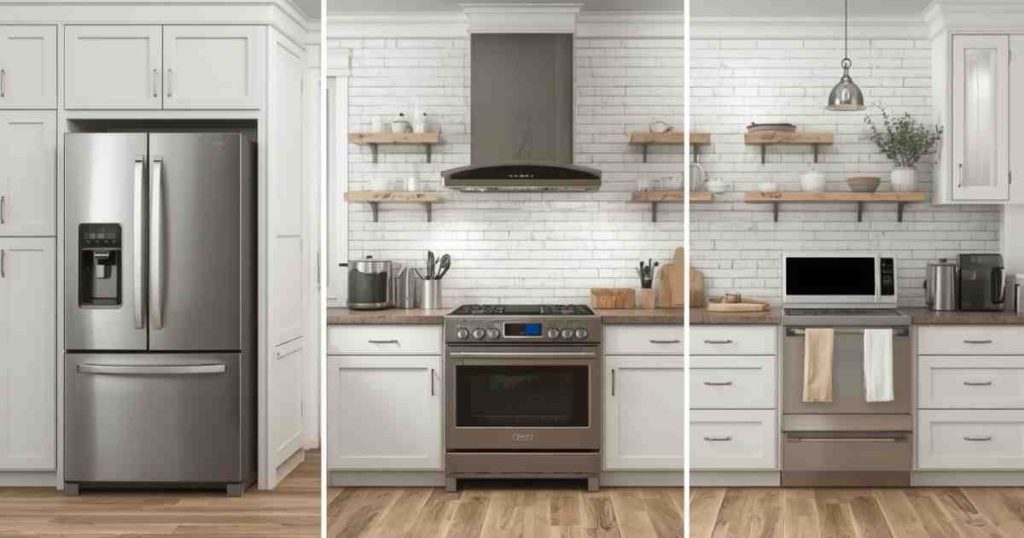
The Kitchen Work Triangle
The classic kitchen work triangle connects the refrigerator, sink, and stove. The idea is that these three main work areas should be arranged in a triangular fashion with clear paths between them.
The total length of the “legs” of this triangle, and the efficiency of the work performed within it, depend heavily on appliance placement and spacing.
While modern kitchens might be more complex with islands and multiple work zones, the principle remains valuable.
Placing appliances too close together or in awkward positions can disrupt this triangle, leading to wasted steps and inefficient movement. Ensuring ample space around these key areas allows for multiple people to work in the kitchen simultaneously without bumping into each other.
- Refrigerator to Sink: Enough space to place groceries and prep items.
- Sink to Stove: Space for dirty dishes to be placed before washing and for prep before cooking.
- Stove to Refrigerator: Space to place cooked food or grab ingredients quickly.
A kitchen where the stove is too close to the refrigerator, and the walkway between them is narrow, makes it difficult to carry hot pots or large bowls of food. You might have to squeeze past, risking spills or burns. This is a direct impact of poor spacing on workflow.
An ideal setup provides at least 4 feet of clearance between these points.
Counter Space and Landing Zones
Adequate counter space, often called “landing zones,” is crucial next to appliances. You need a place to put hot dishes when they come out of the oven or microwave, or a spot to rest ingredients when you pull them from the refrigerator. These landing zones make using your appliances safer and more convenient.
For a refrigerator, having counter space on the side where the door opens allows you to place items down as you take them out.
Similarly, having at least 15-18 inches of counter space next to your oven or cooktop is ideal for setting down pots, pans, or prepared ingredients. This thoughtful spacing enhances the usability of your kitchen.
Example: A homeowner installs a new stove. They leave only a few inches of counter space on either side. When they take a hot baking sheet out of the oven, they have nowhere convenient to place it.
They end up putting it on the stovetop, blocking access to burners, or precariously on a nearby chair. Adding more counter space would have solved this.
Door and Drawer Clearance
This is a practical but often forgotten aspect of spacing. You need to be able to open refrigerator doors, freezer drawers, oven doors, and dishwasher doors fully without them hitting cabinets, walls, or other appliances. If a refrigerator door can’t open wide enough, you can’t easily access crisper drawers or shelves.
Similarly, an oven door that hits a kitchen island is a hazard and an inconvenience. Dishwashers need ample space in front to allow for easy loading and unloading.
Planning for these clearances means ensuring that the swing of the door or the extension of a drawer doesn’t obstruct essential pathways or other kitchen elements.
- Refrigerator Doors: Ensure they open at least 90 degrees, preferably more, for full access.
- Oven Doors: Check that they open completely without hitting cabinets or islands.
- Dishwasher Doors: Allow enough clearance for the door to swing down and dishes to be loaded.
Consider a narrow kitchen layout where the refrigerator door opens directly into a walkway. Every time you open the fridge, you’re blocking traffic. Reversing the door swing or repositioning the fridge slightly can make a huge difference in how smoothly the kitchen functions.
It’s all about making the space work for you.
Accessibility for All Users
When planning appliance spacing, it’s also wise to consider accessibility for everyone who uses the kitchen.
This includes people of different heights, ages, and physical abilities. Proper spacing can make a kitchen more user-friendly for children, seniors, or individuals with mobility challenges.
For instance, ensuring enough space for a wheelchair to maneuver around appliances is key for universal design.
This means not only leaving enough space between appliances but also considering the height at which controls are placed and the ease with which doors and drawers can be opened.
A well-spaced kitchen is a safer and more inclusive kitchen for the whole family. Following the general spacing rules naturally contributes to better accessibility.
Specialized Appliance Spacing Needs
While we’ve covered many common appliances, some have unique spacing requirements that are worth highlighting.
These might include appliances that are less common in every home, or those that have particularly demanding ventilation or operational needs. Understanding these specific rules can help you avoid problems and ensure optimal performance.
From wine coolers to warming drawers, each appliance is designed with certain environmental and operational needs in mind. Failing to meet these needs can not only affect the appliance’s functionality but also its longevity and safety. It’s about respecting the engineering that goes into each piece of kitchen equipment.
Wine Coolers and Beverage Refrigerators
Wine coolers and beverage refrigerators are often designed to be visually appealing and might be placed in living areas or kitchens.
They typically require adequate ventilation, similar to standard refrigerators, to prevent overheating of their cooling components. Many models also have specific temperature and humidity controls that can be affected by external heat sources or poor airflow.
It’s important to ensure that these units are not placed next to heat-generating appliances like ovens or in direct sunlight, which can compromise their ability to maintain consistent temperatures.
The spacing around these units should allow for air to circulate freely, ensuring the delicate contents, like wine, are kept at their optimal temperature without undue strain on the appliance.
- Temperature Stability: Keep away from heat sources and direct sun.
- Air Circulation: Allow space around the unit as specified by the manufacturer.
- Door Clearance: Ensure doors can open fully without obstruction.
Imagine a wine cooler placed right next to a hot dishwasher or an oven. The constant heat from these appliances would force the wine cooler to work much harder to keep the wine cool. This would not only waste energy but also potentially degrade the wine over time and shorten the cooler’s lifespan.
Proper spacing protects both the appliance and its contents.
Warming Drawers and Steam Ovens
Warming drawers and steam ovens are specialized appliances that require careful placement due to their operational functions.
Warming drawers need space for heat dissipation, usually from the back or bottom. Steam ovens require proper venting for steam release, and often need to be connected to a water supply, which dictates their placement options.
These appliances are often installed beneath countertops or within cabinetry. It’s critical to follow the manufacturer’s installation instructions regarding clearances to cabinetry and other appliances.
The materials surrounding these units must also be able to withstand the operating temperatures and moisture levels they produce, ensuring safety and durability.
Example: A homeowner installs a steam oven. The manufacturer specified a certain amount of space for steam to vent from the front. However, they placed it directly under a shelf, blocking the vent.
When the oven is used, steam gets trapped, potentially damaging the underside of the shelf and the oven’s components. Proper spacing is key for these specialized units.
Under-Counter Refrigerators and Ice Makers
Under-counter refrigerators and ice makers are compact appliances that fit into cabinets. Their small size means ventilation is even more critical.
Because they are enclosed, the heat generated by their motors and compressors needs a clear escape path.
Blocking these vents can quickly lead to overheating and reduced efficiency.
When installing these units, ensure that the designated ventilation openings are not obstructed by cabinets, flooring, or other items.
Also, consider the accessibility for plumbing connections, especially for ice makers, and the clearance needed for drawers or doors to open properly and allow for easy access to their contents.
Statistic: Malfunctions in under-counter appliances are often linked to poor ventilation, with nearly 40% of service calls attributed to heat-related issues stemming from restricted airflow.
Combination Appliances
Some appliances combine functions, such as a microwave-convection oven or a cooktop with an integrated grill. These combination units often have more complex ventilation needs because they generate heat from multiple sources. The National Kitchen and Bath Association offers comprehensive kitchen planning guidelines that include appliance spacing recommendations.
Spacing requirements must account for the combined heat output and any specific venting requirements for each function.
Manufacturers will provide specific guidelines for these multi-functional appliances. It’s important to read these carefully, as blocking the ventilation for one function could impact the performance of another or cause damage. The installation must allow for adequate air circulation around the entire unit. Refer to the official appliance safety guidelines from the U.S. Consumer Product Safety Commission for essential spacing and ventilation requirements.
Frequently Asked Questions Of How Far Apart Should Kitchen Appliances Be? Spacing Rules For Safe And Comfortable Use
How much space do I need between my refrigerator and the wall?
Typically, you need at least 1 inch of space behind your refrigerator for air to circulate. Some models may require more, so always check your appliance’s manual for specific recommendations.
Can I place my microwave next to my stove?
It’s generally not recommended to place a microwave directly next to a stove, especially if the stove has a high-heat output or a side burner. The heat from the stove can affect the microwave’s performance and lifespan. It’s better to have some counter space or a buffer between them.
Do I need special cabinets for a built-in oven?
Yes, cabinets designed for built-in ovens often have specific features for insulation and ventilation. You must follow the manufacturer’s installation guide precisely to ensure the cabinets can withstand the heat and allow for proper air exchange.
What is the standard clearance for a dishwasher door?
You should allow about 2 feet (24 inches) of clear space in front of a dishwasher so that the door can open fully for easy loading and unloading without hitting anything.
Is it okay if my dishwasher’s water hoses are bent slightly?
No, it’s not ideal. Bent or kinked water hoses can restrict water flow, reduce cleaning efficiency, and put stress on the hoses, potentially leading to leaks or damage over time. Ensure hoses are installed without sharp bends.
Wrap Up
Getting the spacing right for your kitchen appliances is key for safety, efficiency, and ease of use. Always check your manuals. Give appliances room to breathe. For general kitchen appliance spacing guidelines, consult the Wikipedia search results for relevant standards.
Ensure doors and drawers open fully. This simple approach ensures your kitchen works well and lasts longer.

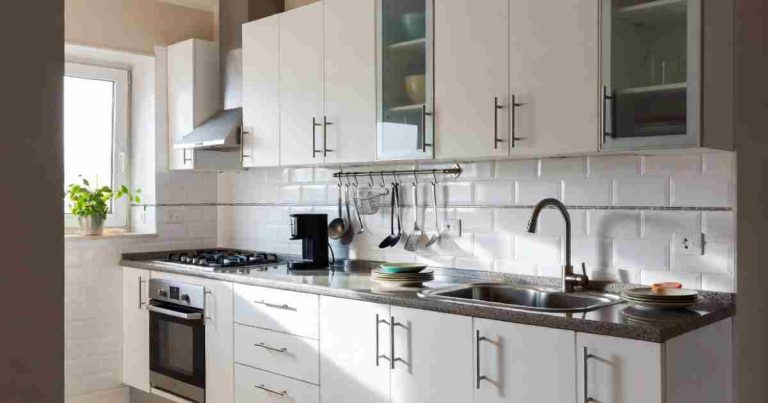
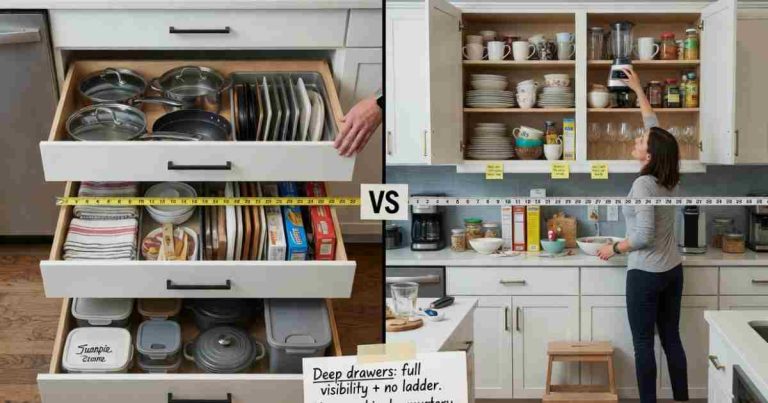
![The Kitchen Work Triangle Explained Is It Still Relevant[1]](https://kitchentoolslab.com/wp-content/uploads/2026/05/The_Kitchen_Work_Triangle_Explained__Is_It_Still_Relevant1-768x403.jpg)
![What Is The Correct Height For Kitchen Countertops (Based On Body Height)[1]](https://kitchentoolslab.com/wp-content/uploads/2026/05/What_Is_The_Correct_Height_For_Kitchen_Countertops__Based_On_Body_Height1-768x403.jpg)
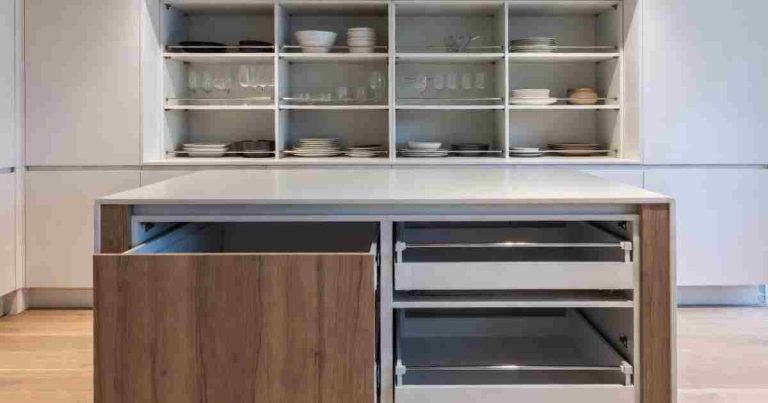
![What Is Kitchen Ergonomics How Good Design Reduces Fatigue And Injury[1]](https://kitchentoolslab.com/wp-content/uploads/2026/05/What_Is_Kitchen_Ergonomics__How_Good_Design_Reduces_Fatigue_And_Injury1-768x403.jpg)