Kitchen Work Zones: How To Organize Your Kitchen Into Functional Areas
Getting your kitchen set up just right can feel tricky at first. You might wonder about Kitchen Work Zones: How to Organize Your Kitchen Into Functional Areas. It’s common to feel a bit lost on where to start.
But don’t worry! We’ll walk through it simply, step-by-step. First, let’s look at the main things you’ll learn.
Key Takeaways
- You will learn how to divide your kitchen into specific areas for different tasks.
- We will explore the main kitchen zones and what belongs in each one.
- Tips for making your kitchen flow better will be shared.
- Simple ways to set up your zones for easy cooking will be shown.
- You will see how organizing your kitchen can make cooking more fun.
![Kitchen Work Zones How To Organize Your Kitchen Into Functional Areas[1]](https://kitchentoolslab.com/wp-content/uploads/2026/05/Kitchen_Work_Zones__How_To_Organize_Your_Kitchen_Into_Functional_Areas1.jpg)
Understanding Kitchen Work Zones: How to Organize Your Kitchen Into Functional Areas
Organizing your kitchen into different zones is all about making cooking and cleaning easier. Think of it like setting up different stations for different jobs. When your kitchen is set up this way, you don’t have to run all over the place to find things.
Everything you need for a specific task is right there. This makes cooking faster and less stressful. It’s like having a well-oiled machine in your home.
We will look at the most important areas and how to make them work best for you.
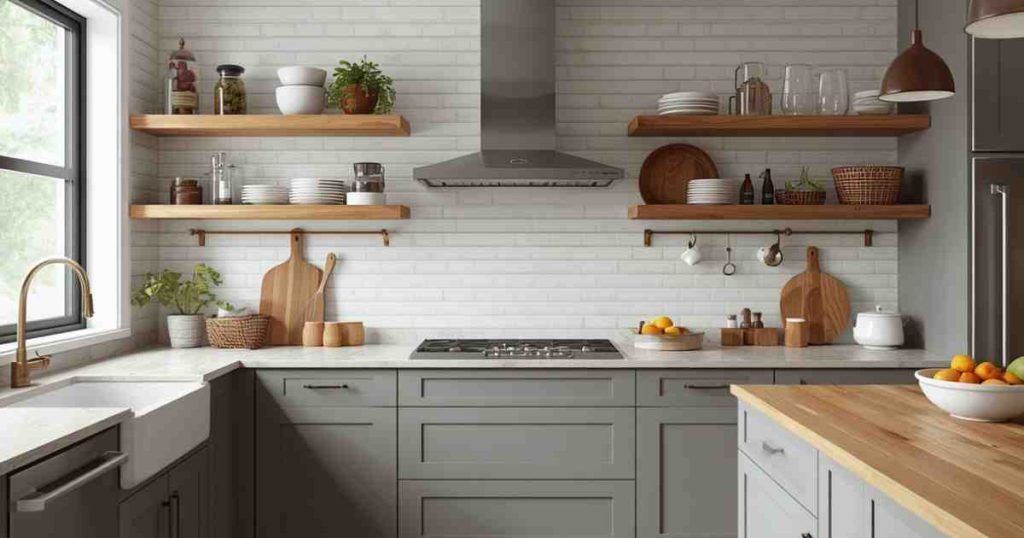
The Importance of Kitchen Zones
Why bother with kitchen zones? Because it makes your life easier. Imagine needing to chop veggies and your cutting board is in one cabinet, your knives in another, and your spices on a shelf across the room.
That’s a lot of wasted steps! When you set up zones, you group items by how you use them. This makes cooking a smoother process.
You can quickly grab what you need and get back to making your meal. It also helps keep your kitchen tidy because things have a designated spot.
A well-organized kitchen can even make you want to cook more. When everything is easy to find and use, cooking becomes a joy instead of a chore. This system helps everyone in the household.
Even kids can help out more easily when things are clearly organized. It’s a smart way to use your kitchen space.
Here are some benefits:
- Saves Time: Less searching means quicker meal prep.
- Reduces Stress: Having things in place calms the cooking process.
- Improves Safety: Sharp items are stored safely and accessibly when needed.
- Boosts Efficiency: Tasks flow smoothly from one step to the next.
Think about how much time you spend in your kitchen. Making it work better for you is a great investment of your effort. This system isn’t just for professional chefs; it’s for everyone who uses a kitchen.
Common Kitchen Layout Challenges
Many kitchens, especially older ones or those in apartments, don’t have a natural flow. Sometimes, the sink is far from the stove, or the fridge is in an awkward spot. This makes setting up perfect zones a bit harder.
You might not have a lot of counter space, or your cabinets are oddly shaped. These common issues can make people feel like a perfect setup is impossible.
For beginners, the idea of dividing a kitchen can seem like a big project. It’s hard to know where to start. You might have too many gadgets or not enough storage.
The goal is to make what you have work for you. We will show you how to adapt the zone idea to fit your kitchen, no matter its size or shape.
Some common problems include:
- Limited counter space.
- Awkward cabinet or drawer layouts.
- Long distances between key appliances like the fridge, sink, and stove.
- Lack of storage for essentials.
Don’t let these challenges stop you. With a little planning, you can still create helpful zones. We will share smart ideas to overcome these issues.
The Five Main Kitchen Work Zones
Every kitchen can be broken down into five main zones. These zones are based on the tasks we do most often when cooking and cleaning. By grouping items according to these zones, you create an efficient workflow.
This makes your time in the kitchen much more productive and enjoyable. We will go through each one so you can see how they fit together.
The Cooking Zone
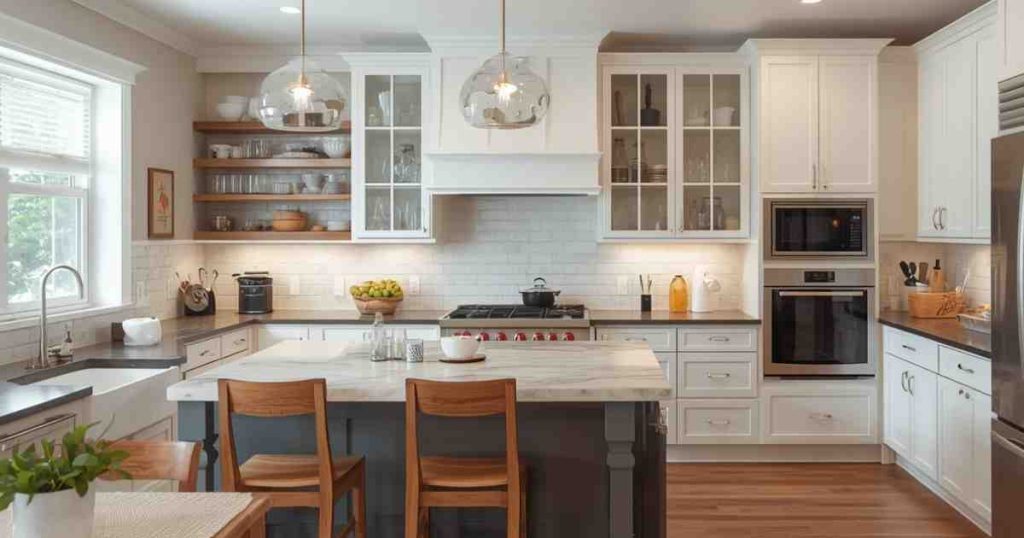
This is where all the magic of heat happens. It includes your stove, oven, and microwave. Things you use for cooking, like pots, pans, cooking utensils (spatulas, whisks), and spices, should be kept here.
Keeping these items close to the stove means you can quickly grab what you need while food is cooking.
Imagine needing a lid or a spoon while something is simmering; having them right there saves you from running across the kitchen.
The cooking zone is the heart of meal preparation. It’s where raw ingredients turn into delicious meals. Having your cooking tools organized within this zone is key to a smooth cooking experience.
Think about what you use most when you are actively cooking on the stovetop or using the oven. These are the items that belong in this central area.
Items to keep in the Cooking Zone:
- Pots and pans.
- Stovetop utensils (spatulas, wooden spoons, ladles).
- Oven mitts and pot holders.
- Cooking oils, vinegars, and common spices.
- Baking sheets and roasting pans.
A good example is keeping your salt and pepper shakers right next to the stove. This simple act makes seasoning food much faster. Also, having a drawer with your most-used cooking utensils within arm’s reach is a game-changer.
This zone is all about quick access to cooking essentials.
Here’s a quick look at what makes a good cooking zone:
Location: Centered around the stove and oven.
Storage: Cabinets and drawers near the stove for pots, pans, and utensils. Spice rack or shelves for spices.
Tools: Essential cooking equipment and frequently used seasonings.
The Cleaning Zone
This zone focuses on washing up and keeping things tidy. It’s centered around your sink and dishwasher. Here, you’ll store dish soap, sponges, brushes, cleaning cloths, trash bags, and your dishwasher detergent.
Having all these cleaning supplies in one place makes cleaning up after meals much more efficient. You don’t want to hunt for a sponge when you have dirty dishes piled up.
The cleaning zone is crucial for maintaining hygiene and order in your kitchen. It’s where you tackle the aftermath of cooking and eating. A well-organized cleaning zone means less time spent on chores and more time enjoying your clean kitchen.
Think about where you naturally stand to wash dishes or load the dishwasher.
Essential items for the Cleaning Zone:
- Dish soap and hand soap.
- Sponges, scrub brushes, and dishcloths.
- Trash can and recycling bin.
- Dishwasher detergent and rinse aid.
- All-purpose kitchen cleaner.
For instance, keeping your dish towels folded neatly in a drawer right next to the sink makes drying dishes quick and easy.
Similarly, having a bin for compost or food scraps within easy reach of your prep area and sink helps keep your countertops clean while you’re cooking.
This table shows key elements for your cleaning zone:
| Area | Items to Store | Purpose |
|---|---|---|
| Sink Area | Dish soap, sponges, scrubbers, dish towels | Washing dishes and wiping counters |
| Dishwasher Area | Dishwasher detergent, rinse aid | Running the dishwasher |
| Waste Disposal | Trash can, recycling bin, compost bin | Getting rid of waste |
The Prep Zone
This is arguably the most important zone for cooking. It’s the space where you chop, mix, measure, and prepare your ingredients before they hit the heat. This zone needs ample clear counter space.
It should be located conveniently between the refrigerator (where you get your fresh ingredients) and the cooking zone. You’ll want to keep items like cutting boards, knives, measuring cups and spoons, mixing bowls, and often-used spices here.
A good prep zone makes the actual cooking much easier. When you have enough space to spread out and all your tools are at hand, you can focus on the task of preparing your food. This zone is all about making the transformation of raw ingredients smooth and efficient.
It’s where you chop vegetables, mix marinades, and get everything ready for the next step.
Key items for your Prep Zone:
- Cutting boards (various sizes).
- Sharp knives and knife block or magnetic strip.
- Measuring cups and spoons.
- Mixing bowls.
- Small appliances used for prep (e.g., food processor, blender if not in storage).
Consider this scenario: You’re making a salad. Your prep zone has a large cutting board. Nearby, your knives are easily accessible.
You can grab your olive oil and vinegars from a small rack. You also have a set of mixing bowls for tossing the greens. This makes the entire salad-making process quick and enjoyable.
Here’s a summary of the Prep Zone:
Counter Space: Needs to be the largest clear counter area.
Storage: Drawers for knives and utensils, cabinets for bowls and cutting boards.
Location: Between the refrigerator and the cooking zone.
The Storage Zone
This zone is all about keeping your food and kitchen items organized and accessible. It’s primarily the refrigerator, pantry, and cabinets where you store dry goods, canned items, extra dishes, and appliances you don’t use daily. Grouping similar items together in the storage zone makes it easy to find what you need.
For example, all your pasta and rice should be together, and all your canned vegetables should be in one place.
A well-managed storage zone prevents food waste and saves you time. When you know where everything is, you’re less likely to buy things you already have. It also keeps your kitchen looking neat and uncluttered.
Think of your pantry as a mini-supermarket where everything is neatly arranged.
What to store in the Storage Zone:
- Pantry items (canned goods, dry pasta, rice, flour, sugar).
- Refrigerator items (produce, dairy, meats, leftovers).
- Extra dishes, glassware, and silverware.
- Small appliances not used daily (e.g., waffle maker, stand mixer if not actively used).
- Linens (extra towels, placemats).
Imagine your pantry shelves. If you have a section for baking supplies (flour, sugar, baking soda, chocolate chips) and another for breakfast items (cereal, oatmeal, pancake mix), you can quickly grab everything you need for breakfast or baking without searching through unrelated items. This organization is the essence of an effective storage zone.
Visualizing the Storage Zone:
Appliances: Refrigerator, freezer.
Cabinets & Drawers: For dry goods, dishes, and less-used items.
Pantry: Dedicated space for food staples.
The Serving Zone
This zone is where you prepare plates for serving and where you might store items for eating, like dishes and cutlery.
If you often eat in your kitchen or dining area, this zone is crucial. It’s where you grab the plates, bowls, and cutlery you’ll use for meals.
It should be located conveniently close to the prep and cooking zones, but also near where you will eat.
The serving zone ensures that getting food from the kitchen to the table is a smooth process. Having your plates and utensils readily available means you can plate your food quickly after cooking. This zone is about the final step before enjoying your meal.
It connects the kitchen work to the dining experience.
Items typically found in the Serving Zone:
- Plates, bowls, and serving platters.
- Cutlery (forks, knives, spoons).
- Glasses and mugs.
- Napkins and placemats.
- Items for drinks (e.g., cocktail shaker, bottle opener if not in prep).
Think about your dining room buffet or a specific cabinet in your kitchen. This is where you keep your everyday plates and silverware. When dinner is ready, you can quickly gather them up and bring them to the dining table.
This makes setting the table and serving meals much less of a hassle. It also helps keep your main cooking areas clear of serving dishes until needed.
Key aspects of the Serving Zone:
Accessibility: Easy access to plates, bowls, and cutlery.
Location: Near prep/cooking zones and dining area.
Contents: Tableware, glassware, and serving essentials.
Putting It All Together: Designing Your Kitchen Workflow
Now that you know the different zones, it’s time to think about how they work together. The goal is to create a natural flow, almost like a path, that makes sense for how you cook.
Imagine starting at the refrigerator, moving to your prep counter, then to the stove, and finally to the cleaning area.
This sequence minimizes backtracking and makes your cooking experience smoother.
When you arrange your kitchen this way, you’re not just organizing items; you’re organizing your actions. This creates an efficient workflow that saves time and reduces frustration. Even small kitchens can benefit from this zoning approach.
It’s about making the most of the space you have.
The Kitchen Triangle: A Classic Concept
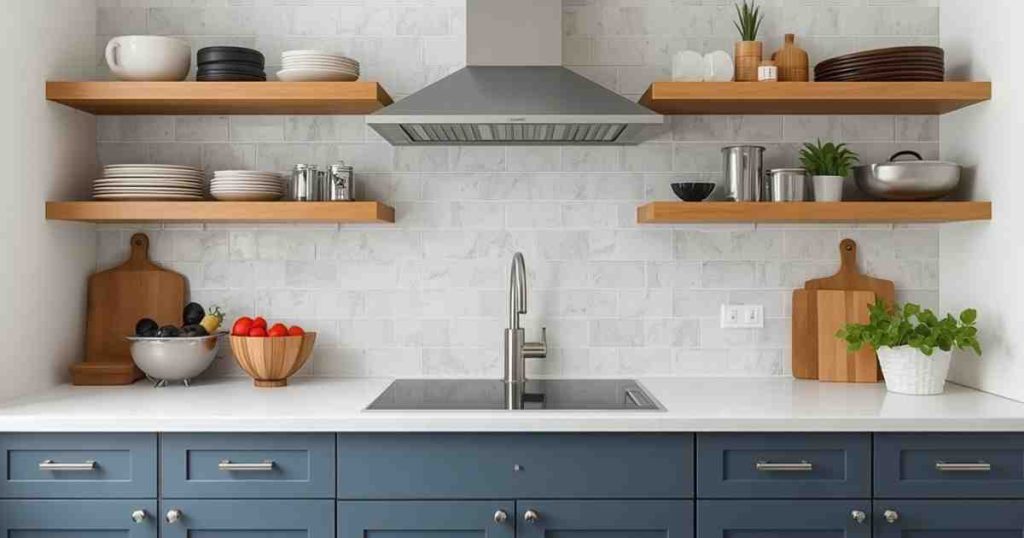
The kitchen triangle is a well-known concept that helps define the relationship between three main points: the sink, the refrigerator, and the stove. These three items are usually the most used in any kitchen. The idea is to arrange them so that the distance between them forms a triangle, with clear pathways.
This triangle should ideally be free of obstacles.
The benefits of a well-designed kitchen triangle are significant. It reduces the number of steps you take while cooking. A common recommendation is that the total length of the triangle's sides should be between 12 and 26 feet.
Also, no single side should be less than 4 feet or more than 9 feet. This ensures that the zones are close enough to be convenient but not so close that they feel cramped.
Here are the key points of the kitchen triangle:
- The Sink: Your starting point for getting water and washing.
- The Refrigerator: Where you store and retrieve fresh ingredients.
- The Stove/Oven: Where the main cooking happens.
A well-balanced triangle means you can easily move between these three main points without bumping into things or walking excessive distances. For example, pulling food from the fridge, prepping it on a counter nearby, and then moving it to the stove requires minimal movement if these elements are well-placed.
Statistics show that a good kitchen layout can save you miles of walking over the years:
A study by Cornell University found that an efficient kitchen layout can reduce walking distances by up to 30% for home cooks.
Arranging Zones in Different Kitchen Layouts
Kitchen layouts vary greatly. Whether you have a small galley kitchen, an L-shaped kitchen, a U-shaped kitchen, or an open-plan kitchen, you can adapt the zone concept. The key is to be flexible and creative with the space you have.
For example, in a galley kitchen, the zones might be arranged along two parallel walls. You could have the prep and cooking zones on one side and the sink and cleaning zones on the other. In an open-plan kitchen, you might use islands or different cabinet arrangements to visually define the zones.
Here’s how zones might work in different layouts:
- Galley Kitchen: Zones are linear. You might have the fridge at one end, followed by prep space, then the stove, and the sink and cleaning area at the other end.
- L-Shaped Kitchen: The corner is often a good place for the prep zone. The sink and stove can be placed on different legs of the ‘L’, with the fridge positioned to complete the triangle.
- U-Shaped Kitchen: Offers more space. The sink often sits under a window. The fridge can be at one end, prep in the middle, and the stove at the other end, creating a contained and efficient workflow.
- Open-Plan Kitchen: Islands can act as a central prep zone or house a sink or cooktop, clearly separating the cooking area from the living or dining spaces.
A sample scenario for an L-shaped kitchen:
- Place the refrigerator at one end of the ‘L’.
- Position the sink on one wall, with a good amount of counter space next to it for the cleaning zone.
- Use the corner space or the other wall for your prep zone, keeping cutting boards and knives handy.
- Locate the stove and oven on the same wall as the prep zone, or on the other wall if space allows for a good triangle.
Maximizing Counter Space and Storage
Counter space is precious. To maximize it, keep your prep zone clear. Store appliances that aren’t used daily in cabinets or the pantry.
Use vertical space by adding shelves or organizers inside cabinets. Wall-mounted knife racks or spice shelves can free up counter and drawer space.
Smart storage solutions can transform a cramped kitchen. Drawer dividers, pull-out shelves, and stackable containers help you fit more in and keep things organized. Think about how you can use every inch of available space, both horizontally and vertically.
Tips for maximizing storage and counter space:
- Use Wall Space: Install shelves for spices, oils, or frequently used items. Hang pots and pans.
- Drawer Organizers: Keep utensils, knives, and gadgets neatly sorted.
- Cabinet Enhancements: Add pull-out shelves or tiered organizers to use the full depth of cabinets.
- Over-the-Sink Solutions: Use cutting boards designed to fit over the sink to extend prep space.
- Declutter Regularly: Get rid of duplicate items or things you haven’t used in a year.
A survey found that 70% of home cooks feel a cluttered kitchen makes cooking more stressful. Keeping your counters clear and your storage organized directly addresses this.
Creating a Functional Prep Area
Your prep area is where most of the action happens before cooking. It needs good lighting and plenty of clear space. Ideally, it should be located between the refrigerator and the stove.This allows you to easily pull out ingredients, prepare them, and then cook them without a long trek across the kitchen.
Keep your most-used prep tools here: knives, cutting boards, mixing bowls, and measuring tools. A small cart or a portable island can add extra prep space if your counters are limited. Make sure it’s easy to clean, as it will get the most use.
Key elements for a great prep area:
- Ample Counter Space: At least 3 feet of clear counter is ideal.
- Easy Access to Tools: Knives in a block, bowls in a nearby cabinet or on a shelf.
- Good Lighting: Task lighting directly over the prep area is essential.
- Proximity to Fridge: Minimizes steps when retrieving ingredients.
Consider this simple scenario for your prep area:
- When you take out vegetables from the fridge, place them on your cutting board.
- Chop them using your knives that are within easy reach.
- Toss the chopped veggies into a mixing bowl stored nearby.
- Season them with spices kept on a small rack right on the counter or in a drawer below.
This organized approach makes preparing ingredients a pleasure, not a pain. It’s all about making each step as smooth as possible.
Tips for Making Your Kitchen Work Zones Efficient
Once your zones are set up, a few extra touches can make them even better. Think about how you can make your kitchen flow more smoothly and how to keep it organized long-term. Small changes can make a big difference in your daily cooking experience.
Lighting and Organization
Good lighting is essential for all kitchen zones, especially the prep and cooking areas. Bright overhead lights are good, but task lighting directly over your counters and stove is even better. This helps you see what you’re doing, making cooking safer and more enjoyable.
For storage zones, especially pantries, good lighting helps you see everything at a glance.
Organization within each zone is key to its efficiency. Use drawer dividers, shelf risers, and Lazy Susans to keep items tidy and accessible. Regularly decluttering your kitchen also ensures that your zones remain functional and aren’t cluttered with unnecessary items.
A tidy kitchen is a happy kitchen.
Consider these organizational tips:
- Under-Cabinet Lighting: Illuminates prep counters effectively.
- Pantry Shelving: Use clear bins and labels so you can see contents easily.
- Drawer Inserts: Keep utensils and gadgets from tangling.
- Spice Racks: Keep spices organized and visible for easy selection.
One practical example: using a tiered spice rack in a cabinet means you can see all your spices without having to move others out of the way. This saves time and frustration when you need a specific spice quickly.
Maintaining Your Kitchen Zones
Setting up zones is the first step; keeping them organized is the ongoing part. Make it a habit to put things back where they belong immediately after use. This simple habit prevents clutter from building up and keeps your zones functional.
A quick tidy-up after each meal or cooking session makes a big difference.
Regularly review your zones. Are they still working for you? Maybe you’ve acquired new gadgets or changed your cooking habits.
Periodically reassessing your organization can help you adapt and keep your kitchen as efficient as possible. This might mean a deep clean and reorganization a couple of times a year.
Here are habits to maintain your zones:
- Daily Reset: Wash dishes, wipe counters, and put tools away after cooking.
- Weekly Tidy: Quickly scan pantry and fridge for items nearing expiration and organize any messy drawers or shelves.
- Monthly Check: A more thorough check of less-used cabinets and appliances.
- Annual Deep Clean: A complete declutter and reorganization of all zones.
A common mistake is letting clutter creep in. If you find yourself putting things down randomly, take a moment to return them to their proper zone. This habit is vital for long-term kitchen organization.
Frequently Asked Questions Of Kitchen Work Zones: How To Organize Your Kitchen Into Functional Areas
What are the main kitchen work zones?
The five main kitchen work zones are the Cooking Zone, Cleaning Zone, Prep Zone, Storage Zone, and Serving Zone. Each zone is dedicated to specific tasks to make cooking more efficient.
Where should I put my trash can?
Your trash can and recycling bin belong in the Cleaning Zone, typically near the sink or where you do food preparation and cleanup. This makes it easy to discard scraps as you cook and to clean up afterward.
How much counter space do I need for the prep zone?
Ideally, your prep zone should have at least 3 feet of clear counter space. More is always better if your kitchen allows, but this amount allows for comfortable chopping, mixing, and measuring.
Can I combine zones if my kitchen is small?
Yes, absolutely! In smaller kitchens, it’s common for zones to overlap or share space. For example, your prep zone might also be part of your cooking zone, or your serving items might be stored near your cleaning zone.
The goal is efficient flow, not strict separation.
How does the kitchen triangle help with zones?
The kitchen triangle connects the three most used points: sink, refrigerator, and stove. Arranging your zones around this triangle ensures that the most common tasks flow logically from one zone to the next, minimizing steps.
Summary
Organizing your kitchen into functional areas like the prep, cooking, cleaning, storage, and serving zones makes cooking easier. Readers looking for reliable background can compare this guidance with authoritative information about maintaining your kitchen zones.
By understanding the kitchen triangle and arranging your spaces for a natural flow, you save time and reduce stress. Simple organization tips will help keep your kitchen tidy and efficient for years to come. The kitchen work triangle is a classic design principle for efficient kitchen layouts.


![What Is Kitchen Ergonomics How Good Design Reduces Fatigue And Injury[1]](https://kitchentoolslab.com/wp-content/uploads/2026/05/What_Is_Kitchen_Ergonomics__How_Good_Design_Reduces_Fatigue_And_Injury1-768x403.jpg)
![How To Design A Kitchen For Tall People Counter Heights, Cabinet Reach, And More[1]](https://kitchentoolslab.com/wp-content/uploads/2026/05/How_To_Design_A_Kitchen_For_Tall_People__Counter_Heights_Cabinet_Reach_And_More1-768x448.jpg)