What Is Kitchen Ergonomics? How Good Design Reduces Fatigue And Injury
Thinking about making your kitchen a better place to work? You might have heard the term “What Is Kitchen Ergonomics? How Good Design Reduces Fatigue and Injury” and wondered if it sounds like a lot of complicated stuff.
Don’t worry! It’s really about making your kitchen comfy and safe so you don’t get tired or hurt while cooking. We’ll walk through it step-by-step, making it super easy.
Get ready to learn how to fix things up and feel the difference.
Key Takeaways
- You will learn what kitchen ergonomics is all about.
- Discover how well-designed kitchens help you feel less tired.
- Find out how good design can prevent common kitchen injuries.
- Get simple tips to make your own kitchen work better for you.
- Understand the importance of how things are placed and used in your kitchen.
- See how small changes can make a big difference in your cooking experience.
![What Is Kitchen Ergonomics How Good Design Reduces Fatigue And Injury[1]](https://kitchentoolslab.com/wp-content/uploads/2026/05/What_Is_Kitchen_Ergonomics__How_Good_Design_Reduces_Fatigue_And_Injury1.jpg)
Understanding Kitchen Ergonomics
Kitchen ergonomics is all about making your kitchen work for you, not against you. It’s about setting things up so you can do your cooking and cleaning tasks without straining your body.
Think about how high your counters are, how easy it is to reach things, and if you have enough space to move around.
When a kitchen is designed with ergonomics in mind, it feels natural and comfortable. This means less pain in your back, wrists, and shoulders. It’s about making your time in the kitchen more enjoyable and safer.
This area looks at the science behind how we interact with our kitchens. It’s not just about how pretty your kitchen looks, but how functional and safe it is for the people using it. Good kitchen design can help prevent common aches and pains that come from repetitive motions or awkward postures.
We’ll explore the main ideas that make a kitchen ergonomic and why this matters for everyone.
What is Ergonomics?
Ergonomics is simply the study of how people work and interact with things around them. The goal is to make tasks easier, safer, and more comfortable. It’s about fitting the job to the person, rather than forcing the person to fit the job.
In a kitchen, this means looking at things like the height of your counters, the way you reach for pots and pans, and the tools you use.
When we apply ergonomics to the kitchen, we’re trying to reduce the stress on your body. This can involve making sure you don’t have to bend too much, reach too high, or twist your body in awkward ways. It’s a practical approach to improving your daily life, especially in a space where you spend a lot of time.
Why Does Kitchen Ergonomics Matter?
Kitchens are busy places. We spend a lot of time standing, chopping, stirring, and cleaning. Without good design, these everyday activities can lead to muscle strain, joint pain, and even injuries like carpal tunnel syndrome or back problems.
Paying attention to ergonomics can make a huge difference in preventing these issues.
A well-designed kitchen helps conserve your energy. When you don’t have to fight against your environment, you feel less tired. This allows you to enjoy cooking more and reduces the risk of accidents caused by fatigue.
It’s about creating a space that supports your well-being while you prepare meals for yourself and your family.
Designing for Comfort: Reducing Fatigue
One of the biggest benefits of understanding kitchen ergonomics is how it helps reduce fatigue. When your kitchen is set up thoughtfully, common tasks become easier.
You won’t have to stretch awkwardly for items on high shelves or bend down repeatedly to reach things in low cabinets.
This smart design means your body works less hard, leaving you with more energy.
Imagine a kitchen where everything you need is within easy reach. Pots and pans are stored where you can get them without straining. Your workspace is at a height that doesn’t make your back ache.
These thoughtful arrangements make cooking feel less like a chore and more like a pleasant activity. This section will explore specific ways good design can make you feel less tired after spending time in your kitchen.
Countertop Heights and Work Zones
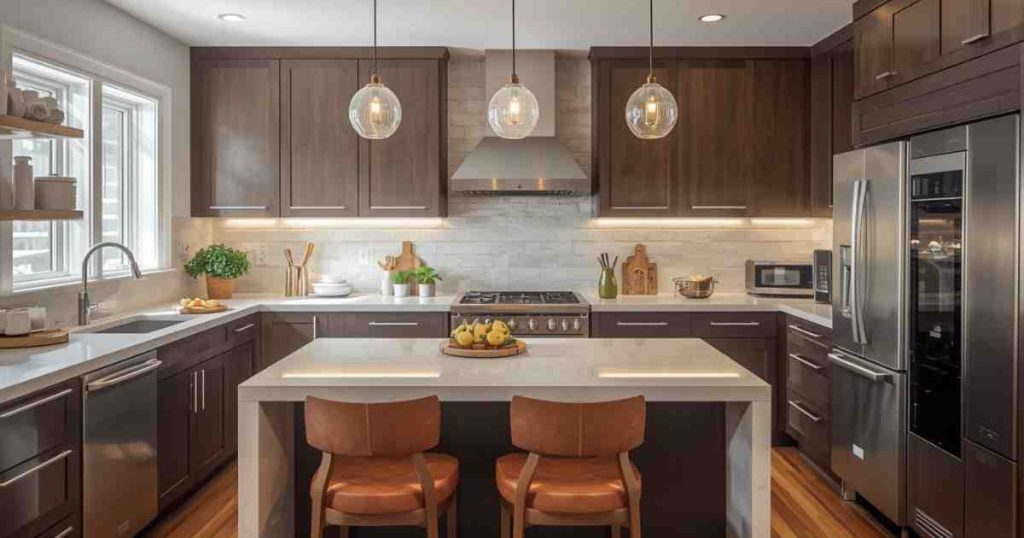
The height of your countertops is very important for preventing fatigue. If they are too high, you might find yourself hunching over, causing back and shoulder strain. If they are too low, you’ll have to bend more, which also stresses your back.
The ideal countertop height often depends on your own height, but generally, it should allow you to work with a relaxed posture.
Creating clear work zones is another key ergonomic principle. This means arranging your kitchen into areas for different tasks, like food preparation, cooking, and cleaning. Having these zones logically placed reduces unnecessary steps and movements.
For example, keeping your knives and cutting boards close to your refrigerator and sink makes food prep flow smoothly.
Here are some points to consider for work zones:
- Prep Zone: This area should have plenty of counter space for chopping and mixing. Keep your knives, cutting boards, and mixing bowls nearby.
- Cooking Zone: Your stove and oven should be here. Have your frequently used pots, pans, and cooking utensils within easy reach.
- Cleaning Zone: This includes your sink, dishwasher, and trash. Store dish soap, sponges, and cleaning supplies here.
Having these zones makes moving between tasks much more efficient. You’ll spend less time walking back and forth and more time focusing on what you’re doing. This reduces physical exertion and mental effort, leading to less fatigue.
Accessible Storage Solutions
How you store your kitchen items has a big impact on fatigue. Reaching for heavy pots or items on high shelves can lead to shoulder and back strain. Similarly, bending down to get things from lower cabinets can be hard on your knees and back.
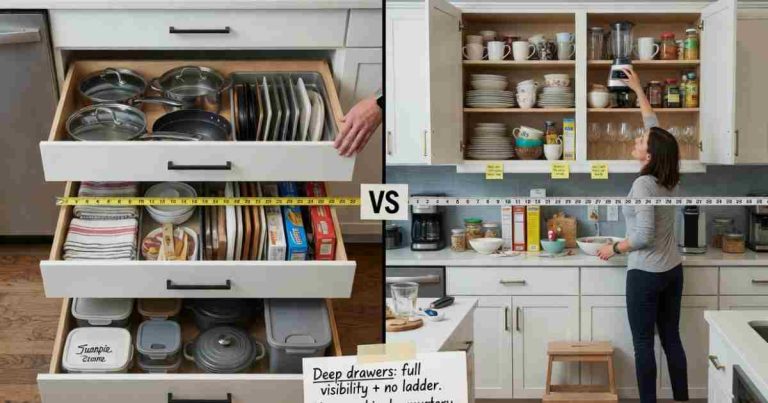
Accessible storage means placing items where you can get them easily. Frequently used items should be at waist or chest height. Consider pull-out shelves, lazy Susans, or deep drawers to make accessing items in cabinets simpler.
This way, you avoid awkward stretches and bends.
Think about these storage ideas:
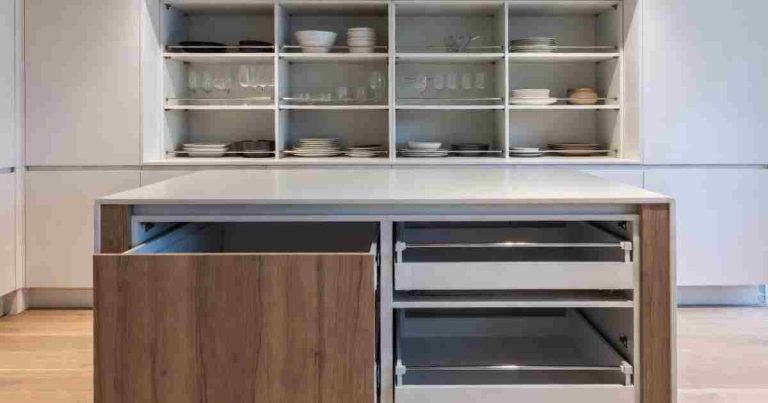
- Drawers over Cabinets: Full-extension drawers allow you to see and reach everything inside without bending or reaching deeply.
- Open Shelving: For lighter items like everyday dishes or frequently used spices, open shelving can make them easy to grab.
- Appliance Garages: Keeping small appliances stored away but easily accessible reduces counter clutter and the need to lift heavy items.
These solutions help keep your kitchen tidy while making it much easier to get to what you need. Less strain means less fatigue over time.
Preventing Injuries with Smart Kitchen Design
Beyond just feeling tired, a poorly designed kitchen can lead to actual injuries. Repetitive motions, awkward postures, and slippery floors are common culprits. Good kitchen ergonomics focuses on preventing these hazards, creating a safer environment for everyone.
By understanding how injuries happen, we can implement design choices that protect us.
This part explores common kitchen injuries and how specific design elements can help avoid them. We’ll look at how things like the placement of appliances, the type of flooring, and the layout of your workspace all play a role in keeping you safe.
Reducing Strain on Wrists and Hands
Many kitchen tasks involve repetitive hand and wrist movements, like chopping, whisking, or opening jars.
Over time, this can lead to conditions like carpal tunnel syndrome or general wrist pain. The way you hold tools and the force you apply can also contribute to strain.
Choosing tools with comfortable, non-slip grips can make a big difference. For example, a good chef’s knife with an ergonomic handle distributes pressure evenly across your hand.
Similarly, using tools that require less force, like an electric can opener or a food processor, can reduce strain on your hands.
Here are some ways to help your hands and wrists:
- Ergonomic Utensils: Look for kitchen tools with thicker, padded handles that are easier to grip without squeezing too hard.
- Leverage Tools: Use tools that offer leverage, such as spring-loaded can openers or jar openers that grip tightly.
- Knife Skills: Learning proper chopping techniques that use your whole arm and shoulder can reduce direct stress on your wrist.
By paying attention to the tools you use and how you use them, you can significantly lower the risk of hand and wrist injuries.
Preventing Falls and Slips
Falls are one of the most common and dangerous kitchen accidents. Wet floors, uneven surfaces, or cluttered pathways can all lead to slips and injuries. The kitchen environment needs to be safe for walking and moving around, especially when carrying hot items or sharp objects.
Choosing the right flooring is a major step. Materials that offer good traction, even when wet, are ideal. Also, keeping pathways clear of clutter and ensuring good lighting can prevent trips and falls.
Securely storing appliances and cords also contributes to a safer floor space.
Consider these safety measures:
- Non-Slip Flooring: Materials like textured tile, linoleum, or cork can provide better grip than polished surfaces.
- Clear Pathways: Ensure there is enough space between countertops and appliances for easy movement. Avoid leaving items on the floor.
- Good Lighting: Bright, even lighting throughout the kitchen helps you see potential hazards and navigate safely.
A safe kitchen floor means fewer worries about accidents and more confidence when moving around.
Proper Standing and Sitting Postures
You spend a lot of time standing in the kitchen, and your posture matters. Standing for long periods on a hard surface can lead to foot, leg, and back pain. Similarly, if you have a place to sit, like a breakfast nook, the design of the seating is important.Anti-fatigue mats can make a big difference for standing comfort. They provide cushioning and encourage small movements, improving circulation. For seating, ensure chairs are at a height that allows your feet to rest flat on the floor and your knees to be at a comfortable angle.
This helps prevent stiffness and discomfort.
Here’s how to improve your posture:
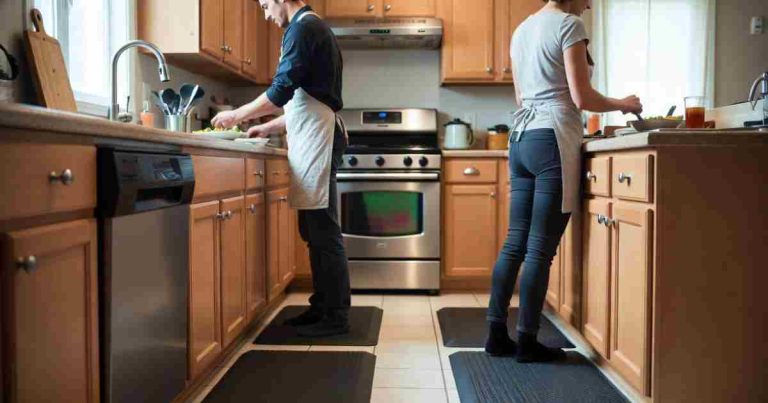
- Anti-Fatigue Mats: Place these mats in front of sinks and prep areas where you stand the most.
- Ergonomic Stools/Chairs: If you have seating, make sure it supports your back and allows for natural posture.
- Movement Breaks: Even with good design, it’s important to move around. Take short breaks to stretch or walk if you’re standing for a long time.
Paying attention to how you stand and sit can help your body feel better throughout the day.
Practical Kitchen Ergonomics Tips for Your Home
Now that we understand the basics of kitchen ergonomics, let’s look at some easy, practical things you can do to make your own kitchen a more comfortable and safer place. You don’t need a full renovation to see benefits. Small adjustments can lead to significant improvements in how you feel and how well your kitchen works for you.
This section offers actionable advice that you can implement right away. We’ll cover simple changes to storage, appliance use, and layout that can reduce strain and prevent injuries. These tips are designed to be easy to follow and effective for everyday cooking.
Adjusting Worksurface Heights
The height of your countertops is key to comfortable working. If your main prep counter feels too low or too high, there are ways to adjust it. For a counter that’s too low, you can sometimes use thicker cutting boards or add a sturdy platform underneath small appliances.
This can give you a bit of extra height.
If your counter is too high, you might need to reconsider how you perform tasks there. Perhaps moving tasks that require less cutting to a different, more comfortable height surface would be beneficial. Sometimes, simple solutions like standing on a low stool can help achieve a better working height for specific tasks if your main counters are a bit off.
Simple adjustments include:
- Thicker Cutting Boards: Use extra-thick wooden or plastic cutting boards to raise your work surface.
- Appliance Risers: For appliances like mixers, consider small stands that elevate them to a more comfortable working height.
- Task-Specific Stations: If one counter height is problematic, set up different stations in your kitchen for various tasks at more suitable heights.
These adjustments help you maintain a more natural body position, reducing strain.
Improving Reach and Accessibility
Are you constantly stretching to reach items on high shelves or bending down to get things from the back of low cabinets? Improving reach and accessibility is a major ergonomic win. Think about how often you use an item when deciding where to store it.
Frequently used items should be within easy reach, ideally between your shoulders and knees. For items you use less often, they can be stored higher or lower, but make sure you have a stable step stool or ladder nearby if needed. Consider how you can make cabinets and pantries easier to access without awkward movements.
Here’s how to improve reach:
- Declutter Shelves: Remove items you don’t use to make it easier to reach what you need.
- Tiered Organizers: Use tiered shelves inside cabinets to bring items forward and make them more visible.
- Wall-Mounted Storage: Consider wall racks for spices, utensils, or even pots and pans to free up cabinet space and improve access.
Easier access means less physical stress during your daily cooking routine.
Choosing the Right Tools and Appliances
The tools and appliances you use every day have a big impact on your body. Using heavy, unwieldy pots or difficult-to-operate appliances can contribute to fatigue and injury. Investing in good quality, ergonomic tools can make a huge difference.
When shopping for new kitchen items, think about how they feel in your hand. Do they have comfortable grips? Are they lightweight enough to handle easily?
For appliances, consider ease of use, cleaning, and how much physical effort they require. For example, a powerful blender that requires minimal force to operate is more ergonomic than one that needs a lot of effort.
When selecting tools, consider:
- Lightweight Cookware: Opt for pots and pans that are not too heavy, perhaps made of aluminum or stainless steel with a good core.
- Easy-Grip Handles: Look for utensils with non-slip, comfortable handles that fit your hand well.
- Modern Appliances: Newer models often have features that reduce physical effort, like quieter operation, auto shut-off, or simple controls.
The right tools can make cooking feel less like work and more enjoyable.
Case Study: Sarah’s Kitchen Transformation
Sarah, a home cook who loves to bake, found herself experiencing frequent lower back pain and wrist discomfort. Her kitchen had a lot of deep, low cabinets and high shelves that were difficult to access. She also found her primary chopping counter was a bit too low for her height.
After learning about kitchen ergonomics, Sarah decided to make some changes. First, she invested in a good set of tiered shelf organizers for her lower cabinets, allowing her to easily access baking supplies without bending deeply. For her high shelves, she purchased a sturdy, attractive step stool that she kept in a convenient spot.
She also addressed her chopping counter. Instead of a full renovation, she bought a set of extra-thick cutting boards which raised her work surface to a more comfortable height. She also started using a food processor for tasks she used to chop by hand, like onions and herbs.
These simple changes made a big difference.
Within a few weeks, Sarah noticed a significant reduction in her back pain. Her wrists felt less strained, and she found herself with more energy after cooking sessions. She realized that making her kitchen work better for her body allowed her to enjoy her passion for baking even more, without the constant physical discomfort.
Frequently Asked Questions Of What Is Kitchen Ergonomics? How Good Design Reduces Fatigue And Injury
What is the main goal of kitchen ergonomics?
The main goal is to make your kitchen safer, more comfortable, and easier to use to reduce fatigue and prevent injuries while you cook and clean.
Do I need a new kitchen to benefit from ergonomics?
No, you can make many simple, low-cost adjustments to your current kitchen to improve its ergonomics.
How can I make my kitchen less tiring to work in?
Try organizing items within easy reach, using anti-fatigue mats, and ensuring your work surfaces are at a comfortable height.
What are common kitchen injuries ergonomics can help prevent?
Ergonomics can help prevent back pain, wrist strain, shoulder discomfort, and slips or falls.
Should I consider my own height when designing my kitchen ergonomically?
Yes, personal height is very important for setting ideal counter heights and ensuring easy access to storage.
Final Thoughts
Making your kitchen more ergonomic is about creating a space that supports your well-being. By paying attention to heights, accessibility, and the tools you use, you can significantly reduce fatigue and prevent injuries. Simple changes can lead to a more enjoyable and safer cooking experience every day. Applying workplace ergonomics guidelines can help prevent injuries in home kitchens.

![How To Design A Kitchen For Tall People Counter Heights, Cabinet Reach, And More[1]](https://kitchentoolslab.com/wp-content/uploads/2026/05/How_To_Design_A_Kitchen_For_Tall_People__Counter_Heights_Cabinet_Reach_And_More1-768x448.jpg)
![What Is The Correct Height For Kitchen Countertops (Based On Body Height)[1]](https://kitchentoolslab.com/wp-content/uploads/2026/05/What_Is_The_Correct_Height_For_Kitchen_Countertops__Based_On_Body_Height1-768x403.jpg)
![The Kitchen Work Triangle Explained Is It Still Relevant[1]](https://kitchentoolslab.com/wp-content/uploads/2026/05/The_Kitchen_Work_Triangle_Explained__Is_It_Still_Relevant1-768x403.jpg)