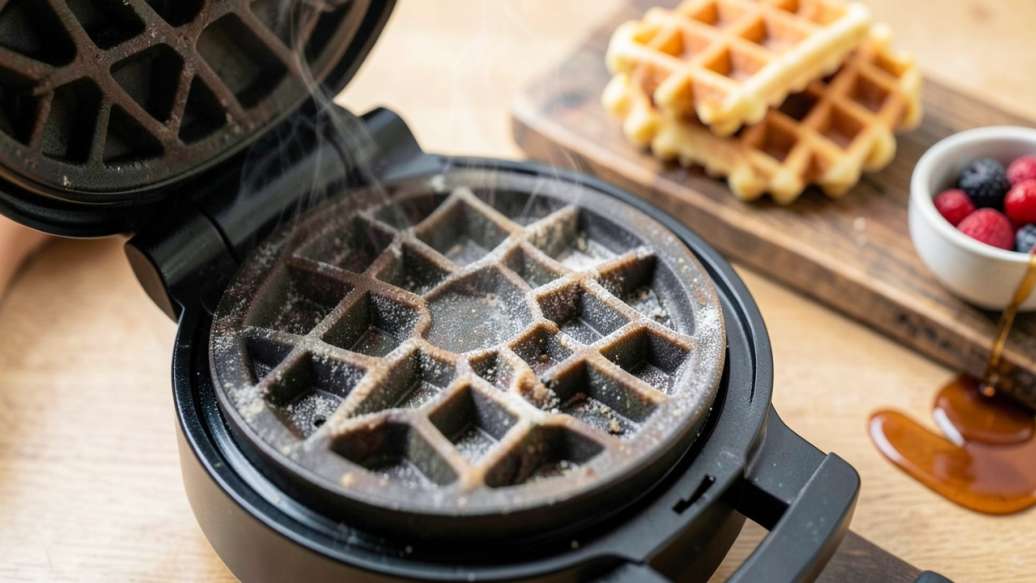
The Mechanism Behind Belgian-Style Deep Pocket Waffle Irons
A Belgian-style deep pocket waffle iron operates using a rotating flip mechanism that spreads batter evenly across deep square grids, while thermostat-controlled heating elements maintain 350–400°F to generate steam that expands the batter into thick, fluffy waffles with large pockets. The flip mechanism is essential for even distribution and consistent pocket depth, as it prevents batter pooling and ensures uniform cooking. For optimal results, use a thinner batter than standard pancake batter and allow the iron to fully preheat before pouring.
A Belgian-style deep pocket waffle iron is a specialized kitchen appliance designed to produce thick, fluffy waffles with deep, square pockets. Understanding the mechanism behind its performance starts with knowing what sets it apart from a standard waffle maker.
Simply put, Belgian-style deep pocket waffle irons use a rotating flip mechanism that spreads batter evenly while steam from the batter expands inside deep square grids. This combination creates light, airy waffles with large pockets that hold syrup, fruit, or whipped cream. The design relies on precise temperature control and batter consistency.
Key Takeaways
- Belgian-style deep pocket waffle irons rely on a flip mechanism that rotates 180 degrees to spread batter evenly for thick, fluffy waffles.
- The deep square grids create the signature large pockets that distinguish Belgian waffles from thin American waffles.
- Thermostat-controlled heating elements maintain a consistent temperature between 350-400 degrees Fahrenheit for optimal steam production.
- Batter consistency is critical – a thinner batter than pancake batter produces better results in deep pocket irons.
- Rotating waffle irons represent over 65 percent of the premium waffle iron market, according to the International Housewares Association.
The Mechanism Explained
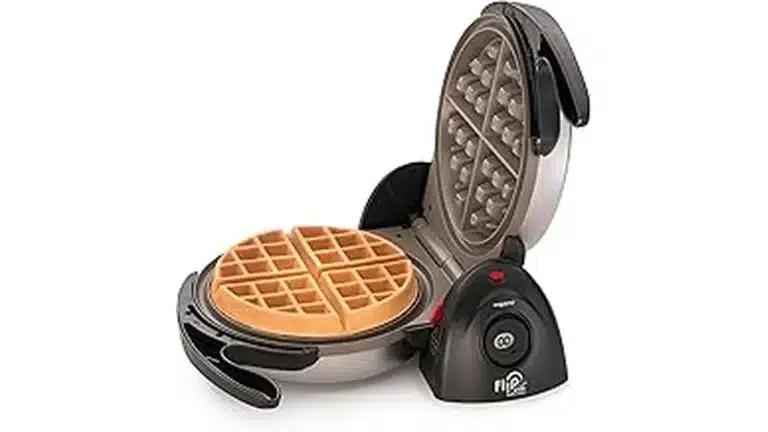
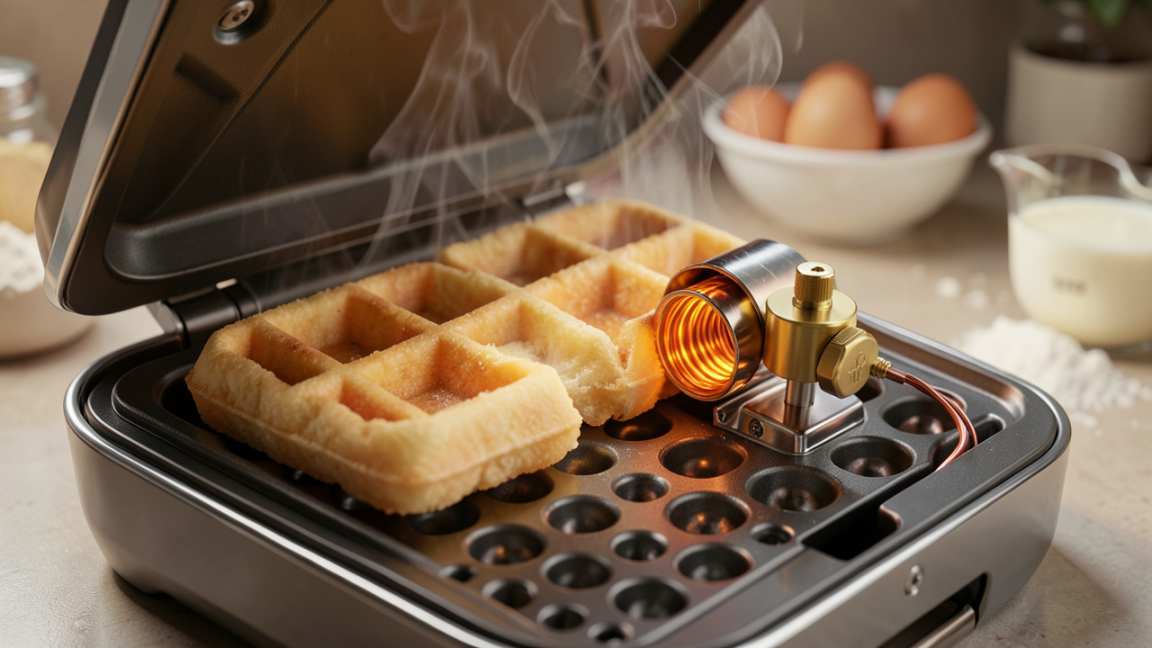
The mechanism behind Belgian-style deep pocket waffle irons is simple but ingenious. It combines a rotating aluminum cooking chamber with thermostatic heat control. When you close the lid and flip the iron, the batter coats both plates evenly.
Heat causes water in the batter to turn into steam. The steam expands rapidly, pushing against the batter from inside. The deep grids trap this steam, which makes the waffle rise and puff up.
Important: The flip mechanism is not just for show. It prevents the batter from pooling at the bottom. Without flipping, the top half of the waffle would stay undercooked while the bottom burns.
The heating elements sit inside the iron, often embedded in cast aluminum plates. Aluminum conducts heat evenly and stays hot for consistent browning. The thermostat cycles the power on and off to hold a steady cooking temperature.
According to the United States Patent and Trademark Office, the first electric waffle iron was patented in 1911 by General Electric. Modern Belgian irons have evolved significantly since then, but the core principle remains the same. You apply heat to batter in a patterned mold, and steam creates the texture.
How the Flip Mechanism Works
- You pour batter into the center of the lower grid. The batter should cover about two-thirds of the plate.
- You close the lid and latch it. The upper plate rests above the batter.
- You unlock the pivot pin and flip the iron 180 degrees. The batter flows across both plates.
- You return the iron to its base and lock it. The batter now coats both surfaces evenly.
- The steam created during cooking expands and fills the deep grids. The result is a tall, airy waffle.
This process takes about 3 to 5 minutes per waffle, depending on your machine. Some models have a beep or light that signals when the waffle is done.
Key Components of Deep Pocket Waffle Irons
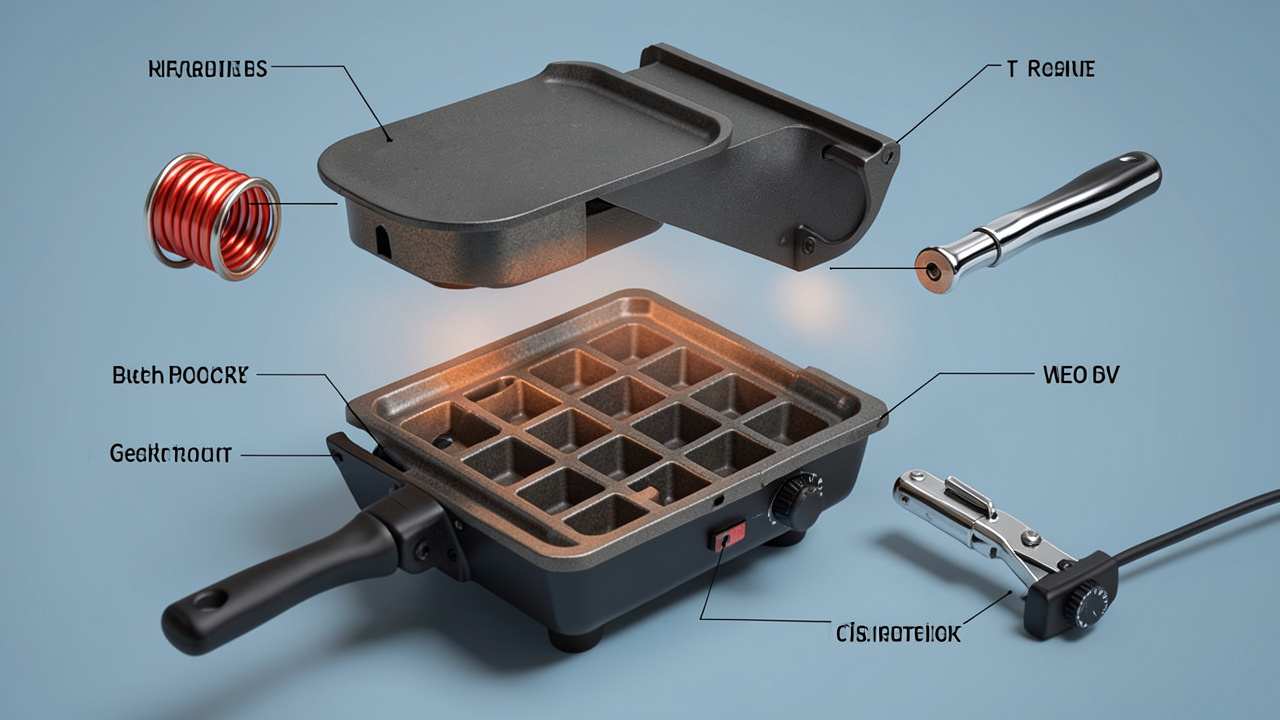
Every component inside a Belgian-style deep pocket waffle iron serves a specific purpose. Here are the main parts and how they work together.
- Heating elements – These are embedded metal rods that convert electricity into heat. They wrap around the plates for even distribution.
- Thermostat – This sensor monitors the plate temperature. It cuts power when the heat reaches the target and restarts when it drops below.
- Cooking plates – Cast aluminum plates form the deep, square grids. The non-stick coating prevents batter from sticking.
- Hinge and pivot mechanism – This rotating joint allows the entire iron to flip 180 degrees. A locking latch secures the iron during cooking.
- Steam vents – Small holes on the sides release excess steam. Proper venting prevents soggy waffles.
- Handle – A heat-resistant handle lets you flip the iron safely. It stays cool enough to grip.
According to testing from Cook’s Illustrated, waffles cooked in deep-pocket irons stay crisp up to 50 percent longer than those made in thin waffle irons. The extra depth and steady heat help moisture escape instead of soaking into the waffle.
How Does the Mechanism Create Deep Pockets?
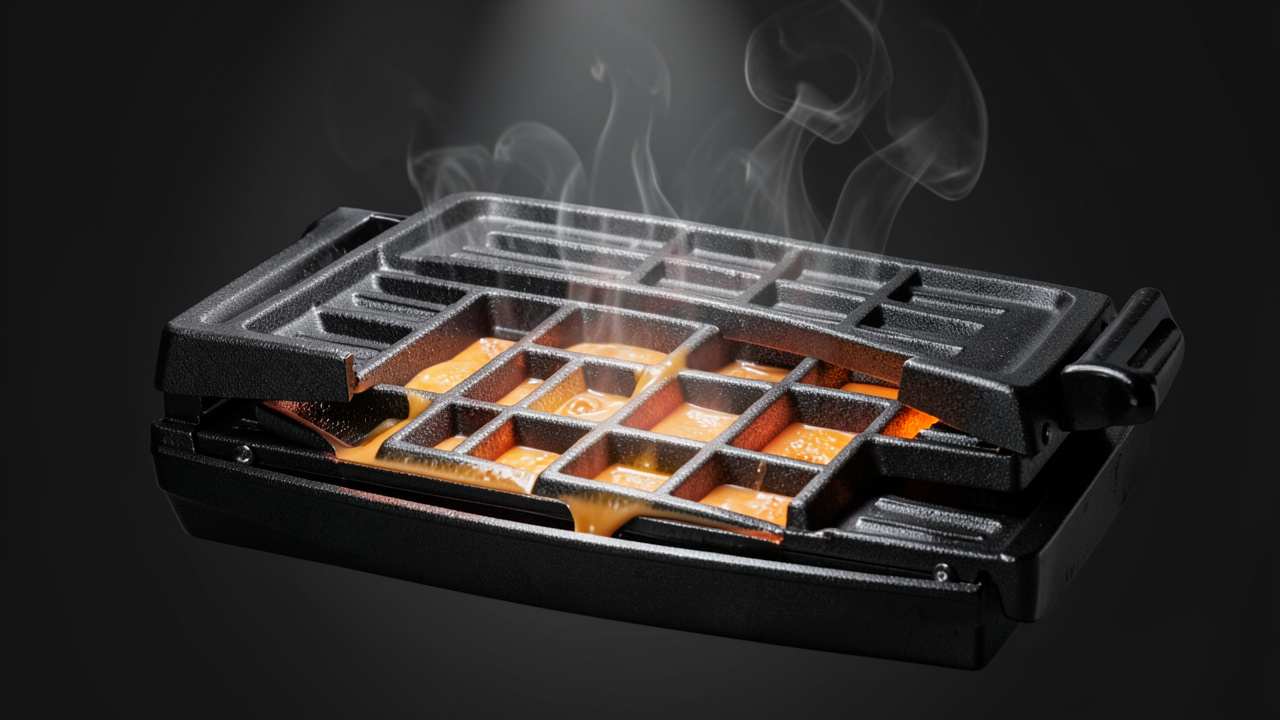
The deep pockets in Belgian waffles come from a combination of grid design and steam pressure. The grids on a Belgian iron are typically between 10 and 15 millimeters deep. Standard waffle irons have grids that are only 5 to 8 millimeters deep.
When batter heats up, water molecules turn into steam. Steam takes up about 1,600 times more volume than liquid water. The deep grids give this expanding steam room to push the batter upward.
Tip: For the puffiest waffles, use a batter that is thinner than pancake batter but thicker than crepe batter. The ideal consistency lets steam form bubbles easily but keeps the structure from collapsing.
The flip mechanism also helps create pockets. When you flip the iron, the uncooked batter flows across both plates. This gives the waffle an even thickness. The upper plate does not compress the batter too much, so the steam can push it outward.
A properly preheated iron ensures the batter hits a hot surface immediately. That instant heat creates a crust on the outside. The crust traps steam inside, which builds pressure and puffs up the interior.
Types of Belgian Waffle Irons
Not all Belgian waffle irons work the same way. The table below shows the main types and their differences.
| Type | Mechanism | Grid Depth | Best For | Average Price |
|---|---|---|---|---|
| Rotating Belgian | Full flip 180 degrees | 12-15 mm | Home use, consistency | $60-$150 |
| Stationary Belgian | No flip, top plate stays | 10-12 mm | Budget, basic waffles | $30-$80 |
| Commercial Belgian | Rotating, high wattage | 15-20 mm | Restaurants, volume | $200-$800 |
Rotating models are the most popular for home users. They produce the most consistent waffles because the flip spreads batter uniformly. Stationary models are cheaper but often give uneven results. Commercial units have higher wattage and thicker plates for faster, more consistent cooking.
According to the International Housewares Association, rotating waffle irons account for around 67 percent of all Belgian waffle iron sales in North America. The flip mechanism is a major buying factor for most consumers.
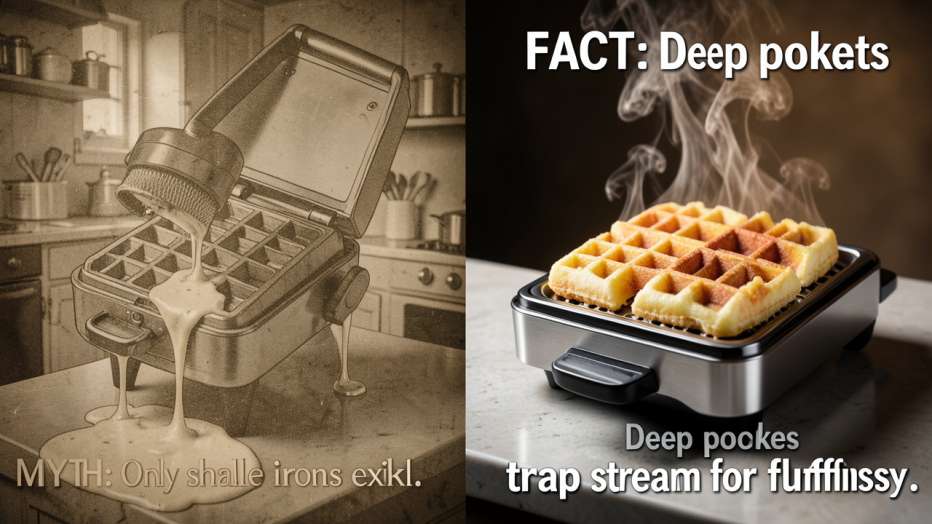
Common Myths vs Facts
Many people misunderstand how Belgian-style deep pocket waffle irons work. Here are three common myths and the truth behind them.
Myth: You need a special batter for Belgian waffle irons.
Fact: You can use most standard waffle recipes in a Belgian iron. The key difference is the batter consistency, not the ingredients. Thin the batter slightly with milk or water for better steam expansion. The mechanism works with any batter that produces steam.
Myth: All waffle irons create the same pocket depth.
Fact: Grid depth varies widely between models. Standard waffle irons have shallow grids around 5 mm. Belgian irons have grids two to three times deeper. The mechanism of flipping and steam expansion only produces deep pockets when the grids are deep enough to allow the puff to form.
Myth: The flip mechanism is unnecessary.
Fact: The flip mechanism is critical for even cooking. Without it, batter pools in the lower half of the grid. The top half stays dry and undercooked. The flip ensures both sides cook at the same rate, giving you the signature fluffy interior and crisp exterior.
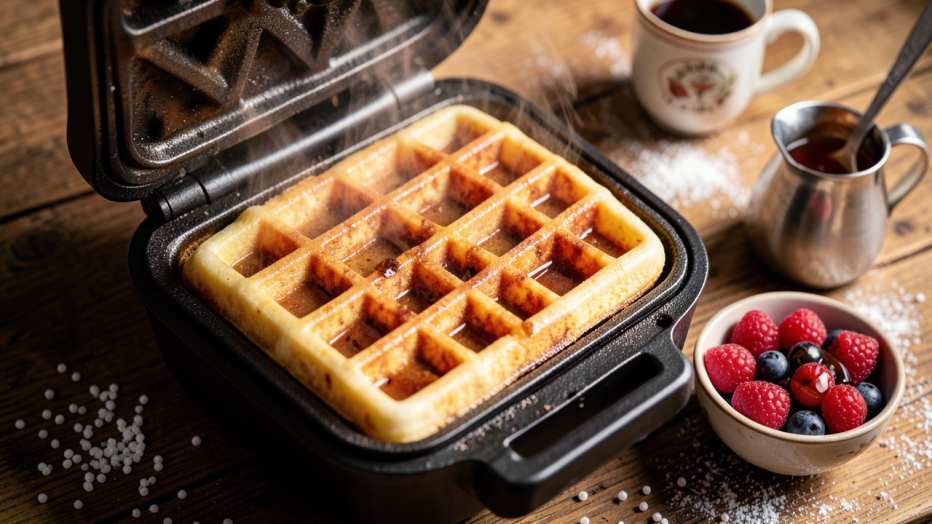
Pro Tips for Perfect Belgian Waffles
Getting the best results from your Belgian-style deep pocket waffle iron takes more than just pushing a button. Use these tips to improve your waffles.
- Preheat the iron for at least 5 minutes before adding batter. A hot start creates instant steam and prevents sticking.
- Use a separate mixing bowl for wet and dry ingredients. Combine them only when you are ready to cook. Overmixing develops gluten and makes waffles tough.
- Add a tablespoon of cornstarch to your dry mix. Cornstarch reduces gluten formation and gives a lighter, crispier texture.
- Let the waffle cook for a full cycle without opening the lid early. Opening releases steam and collapses the pockets.
- Serve waffles immediately or keep them on a wire rack in a warm oven. Stacking them on a plate traps steam and softens the exterior.
Warning: Do not use cooking spray on non-stick waffle irons. Spray buildup can ruin the coating over time. Use a paper towel with a small amount of vegetable oil instead.
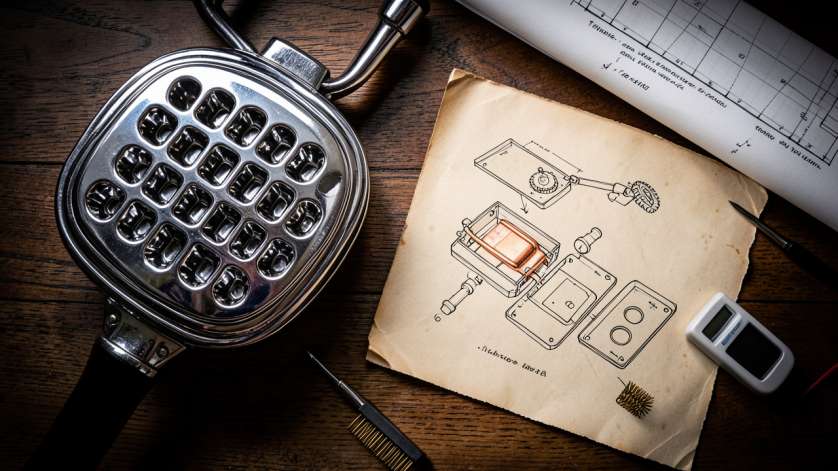
Resources and Tools
If you want to learn more about the mechanism behind Belgian-style deep pocket waffle irons or buy a quality machine, check these resources.
- Wikipedia – Waffle Iron – Covers the history and evolution of waffle irons, including early patents.
- Cook’s Illustrated – Provides detailed testing reviews of waffle irons and recipes.
- International Housewares Association – Publishes market data on small kitchen appliances.
- America’s Test Kitchen – Offers science-based explanations for how waffle irons work and tips for perfect results.
Frequently Asked Questions
How does a Belgian waffle iron differ from a regular waffle iron?
A Belgian waffle iron has deeper grids, typically 10 to 15 mm, compared to 5 to 8 mm on standard models. Many Belgian irons also include a rotating flip mechanism that spreads batter evenly and creates taller waffles.
Why do Belgian waffle irons need to be flipped?
The flip distributes batter across both cooking plates, ensuring even thickness and consistent browning. Without the flip, the batter pools on the bottom plate and leaves the top dry.
What type of batter works best in a deep pocket waffle iron?
A thinner batter works best. Reduce the liquid-to-flour ratio slightly compared to a standard recipe. The thinner consistency allows steam to expand easily and puff up the waffle.
Can I use any waffle recipe in a Belgian iron?
Yes, but adjust the liquid amount for better results. If the recipe calls for 1 cup of milk, start with 1 cup plus 2 tablespoons. You want the batter to be pourable, not stiff.
How do I clean a Belgian waffle iron without damaging the non-stick coating?
Let the iron cool completely. Wipe the plates with a damp cloth or paper towel. Do not use abrasive sponges or metal utensils. If food sticks, brush the plates with a soft nylon brush.
Final Thoughts
Belgian-style deep pocket waffle irons use a clever combination of heat, steam, and mechanical design to create the waffles you love. The flip mechanism ensures even cooking, while deep grids allow steam to build the pockets. Focus on batter consistency and proper preheating, and you will get excellent results every time. The mechanism is simple, but mastering it makes all the difference.