Why Soaking Dried Beans Cuts Cook Time But May Not Reduce Gas
Soaking dried beans cuts cook time because water hydrates the seed coat and interior starches before heat begins, so beans soften faster and more evenly.
It may not reduce gas reliably because gas depends on bean type, soaking method, gut bacteria, and oligosaccharide removal. Discard soak water, cook fully, and increase bean portions gradually.
Cooking dried beans from scratch can be a rewarding experience, offering great flavor and nutrition. You might have heard that soaking beans before cooking makes them cook faster. This is generally true!
However, a common question pops up: does soaking also help reduce the gas-producing compounds in beans? While soaking can help a little, it’s not the magic bullet many hope for.
Understanding Why Soaking Dried Beans Cuts Cook Time but May Not Reduce Gas can help you enjoy this healthy food more comfortably.
We’ll break down the science behind it and share tips to make your beans easier on your stomach.
Key Takeaways
- Soaking dried beans rehydrates them, which helps them absorb heat more evenly and cook faster.
- The primary reason beans can cause gas is the presence of complex sugars called oligosaccharides.
- Soaking can help wash away some of these oligosaccharides, but it doesn’t remove them all.
- Other cooking methods, like changing the cooking water or using specific bean types, are more effective for reducing gas.
- Proper cooking is essential for breaking down the indigestible parts of beans that cause digestive issues.
- Enjoying beans regularly can help your body adapt to digesting them with less gas over time.
How Soaking Speeds Up Bean Cooking
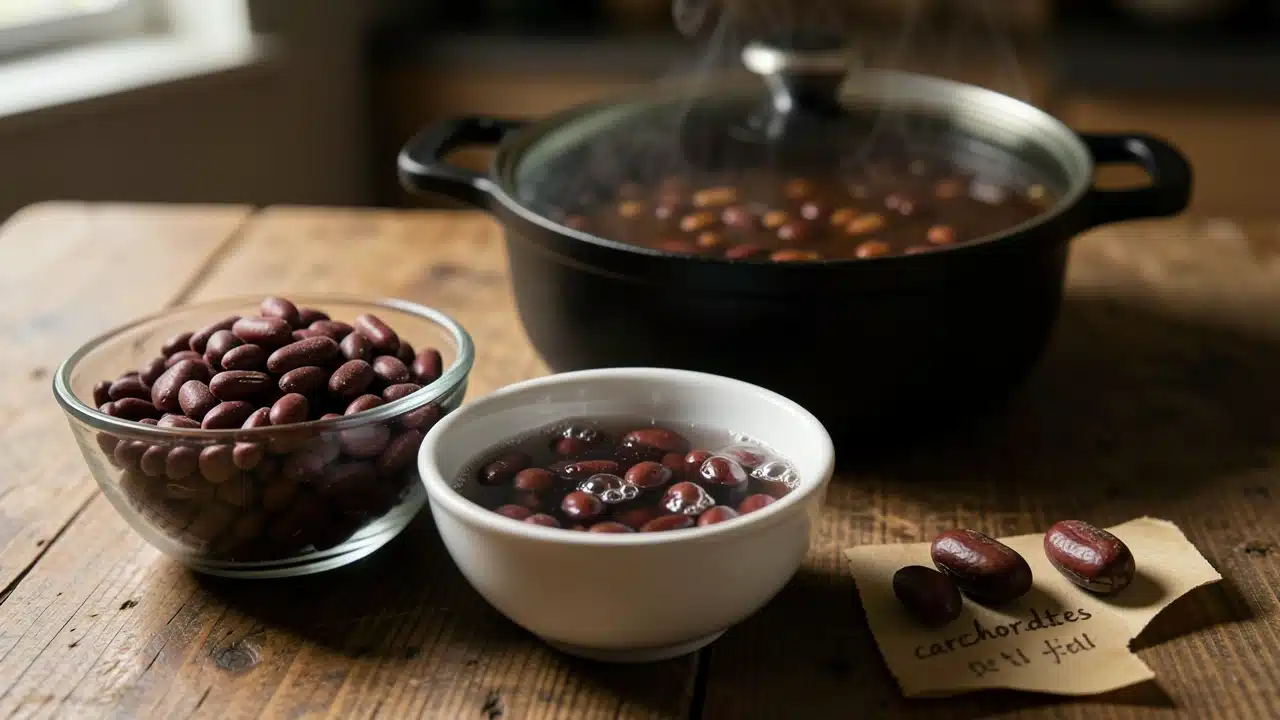
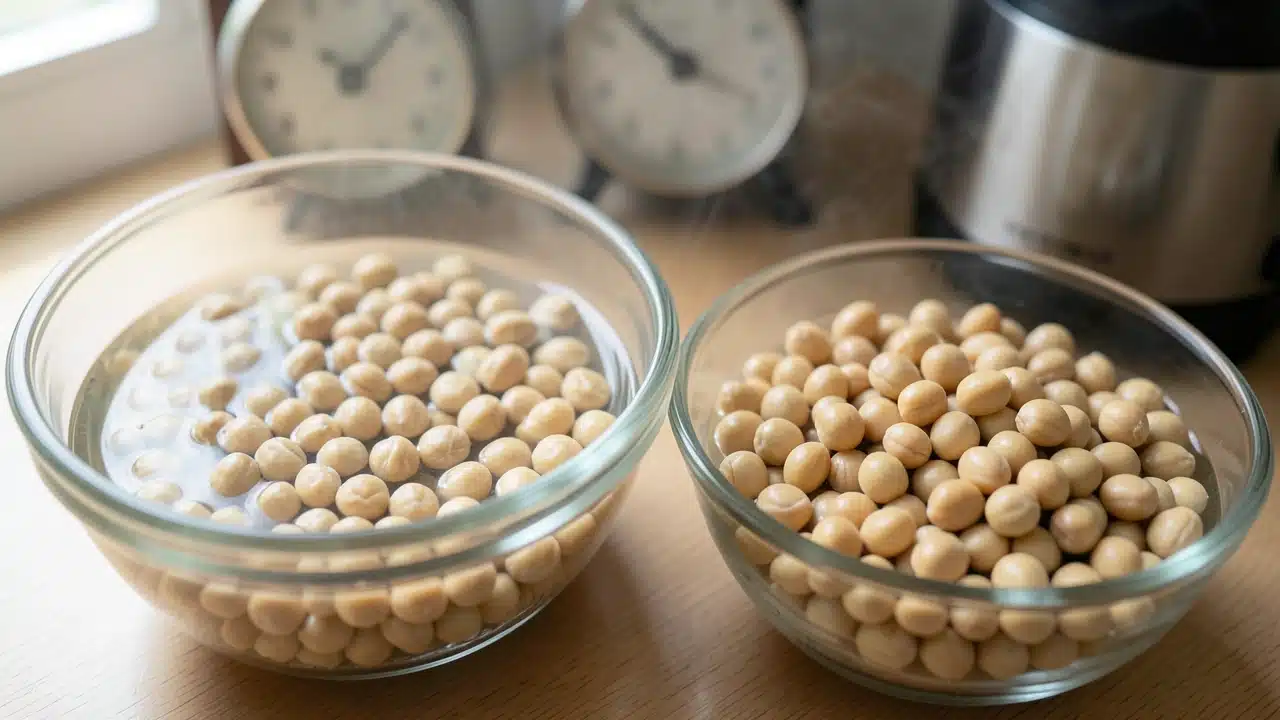
Dried beans are like little sponges, but they’re very dry. Before you cook them, they need to soak up water. This process is called rehydration.
When beans are rehydrated, their internal structure softens. This makes it easier for heat to penetrate them evenly. Think of it like trying to cook a dried-out sponge versus a wet one.
The wet sponge will heat up and soften much faster. So, Why Soaking Dried Beans Cuts Cook Time but May Not Reduce Gas is mostly about making the beans more receptive to heat. This means less time on the stove or in the slow cooker.
The soaking process starts by rinsing the beans. Then, you cover them with plenty of water. Many people soak them overnight, which is about 8 hours.
Some opt for a quick soak method, which involves boiling them for a few minutes and then letting them sit in hot water for an hour.
Both methods achieve the goal of rehydrating the beans. This initial step is crucial for achieving tender, evenly cooked beans without a long cooking time.
The Science Behind Faster Cooking
When beans are dry, their cell walls are tough and tightly packed. This structure resists heat and moisture. Soaking allows water to enter these cells, plumping them up and loosening the cell walls.
This makes the beans softer even before cooking begins. As they cook, the heat can then travel through the softened structure much more efficiently. This reduces the overall cooking duration needed to make them edible and tender.
Imagine a popcorn kernel. It needs to be dry to build up pressure inside. But once that pressure is released, it pops.
Beans are a bit different. They need to absorb moisture to become pliable for cooking. This absorption is the key to faster cooking.
The more water they absorb, the less work the heat has to do to soften them.
Understanding Why Beans Cause Gas
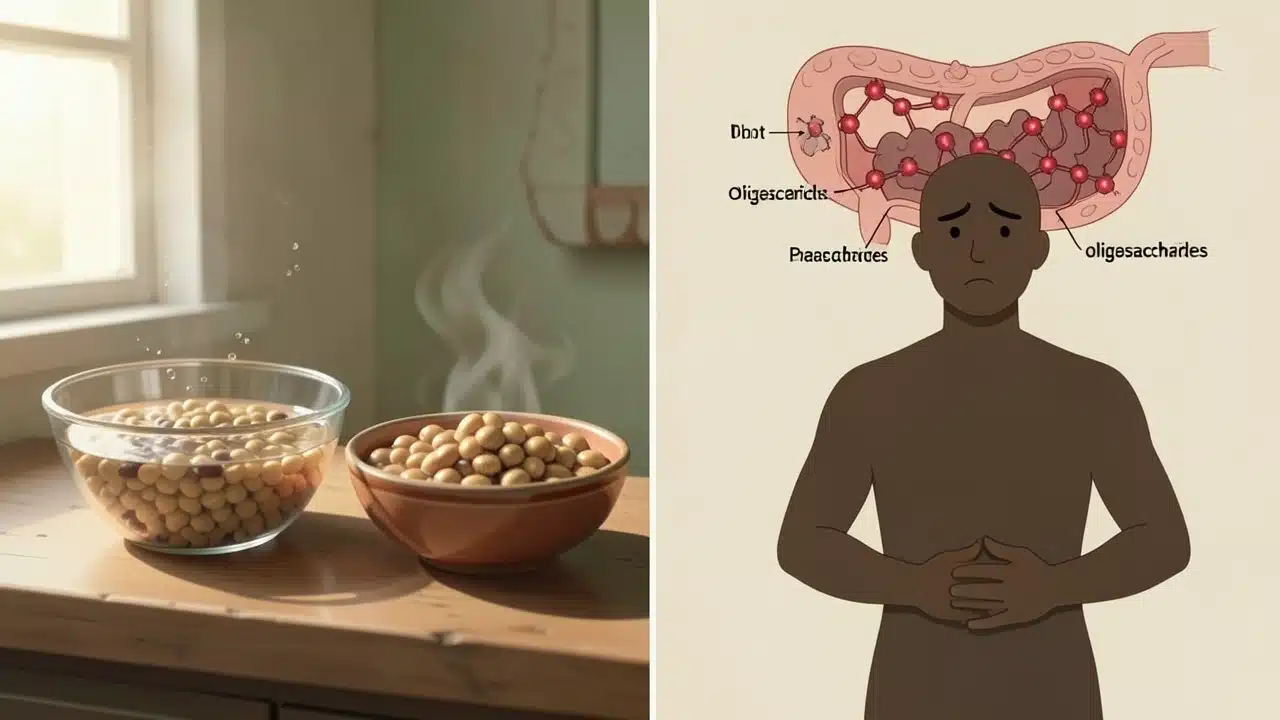
The reason beans can cause gas is linked to certain types of sugars they contain. These are called oligosaccharides. Specifically, alpha-galactosides are the main culprits.
Our bodies don’t have the right enzymes to break these sugars down in the small intestine. So, they pass into the large intestine. In the large intestine, bacteria feast on these sugars.
This fermentation process produces gases like hydrogen, methane, and carbon dioxide. These are the gases that lead to bloating and flatulence.
This is a natural process, and it’s not harmful. It’s just a side effect of our gut bacteria working on food components that our bodies can’t digest on their own. Many healthy foods contain complex carbohydrates that our bodies can’t fully break down.
Beans are a prime example, but they also offer a lot of fiber, protein, and other nutrients.
The Role of Oligosaccharides
Oligosaccharides are short chains of sugar molecules. Beans, especially varieties like kidney beans, navy beans, and black beans, are rich in these compounds. The specific types and amounts can vary between different bean varieties.
Some beans are naturally lower in these gas-producing sugars than others.
When these sugars reach the large intestine, the gut bacteria get busy. They ferment them, creating gas as a byproduct. This is why some people experience more gas than others after eating beans.
It depends on the individual’s gut microbiome and how their body processes these specific sugars.
Does Soaking Actually Reduce Gas?
This is where the common understanding can be a bit misleading. Soaking dried beans can help reduce gas, but it’s not a complete solution.
When beans soak, some of the water-soluble components, including a small amount of the oligosaccharides, can leach out into the soaking water.
If you discard this soaking water and rinse the beans well, you are removing some of these gas-causing compounds.
However, the majority of the oligosaccharides are still inside the bean. Soaking alone won’t eliminate them. It’s more of a partial removal.
Therefore, while soaking helps with cooking time, its effect on gas production is limited. This explains Why Soaking Dried Beans Cuts Cook Time but May Not Reduce Gas as effectively as some might think.
The Limited Impact of Soaking
Studies have shown that soaking can reduce the oligosaccharide content by about 10-20%. While this might make a difference for some people, it’s not enough to eliminate gas for everyone. The type of bean and the soaking duration can also play a role.
Longer soaking times might leach out slightly more, but the difference is often marginal.
Think of it like trying to remove all the sugar from a piece of fruit by just rinsing it. You’ll wash off some surface sugar, but the natural sugars within the fruit remain. Soaking beans is similar; it washes away some, but not all, of the problematic compounds.
More Effective Ways to Reduce Bean Gas
Since soaking isn’t the ultimate gas reducer, what else can you do? Several other methods are much more effective. These focus on either removing more of the problematic compounds or helping your body digest them better.
Changing the cooking water is one of the most effective techniques. After the initial soak and rinse, drain the beans. Then, add fresh water for cooking.
As the beans cook, more oligosaccharides will be released into this cooking water. Discarding this water and adding yet another batch of fresh water for the final cooking stages can significantly reduce the gas-causing compounds.
The Power of Changing Cooking Water
This method involves multiple steps. First, soak your beans overnight and discard the water. Second, rinse the beans thoroughly.
Next, place the beans in a pot with fresh water and bring them to a boil for about 10 minutes. Discard this water. Then, add fresh water again and cook the beans until they are tender.
This repeated rinsing and discarding of cooking water removes a much larger percentage of the oligosaccharides compared to just soaking.
This process requires a bit more effort and time, but the results are often worth it for those sensitive to beans. It’s a practical way to enjoy beans more comfortably. This method directly addresses Why Soaking Dried Beans Cuts Cook Time but May Not Reduce Gas by employing a more potent strategy.
Proper Cooking is Key
Cooking beans thoroughly is essential for more than just tenderness. Heat helps to break down some of the complex carbohydrates that cause digestive issues. Under-cooked beans are more likely to cause gas and digestive discomfort.
Ensure your beans are fully cooked until they are very soft and creamy.
This is especially important for canned beans. While they are already cooked, some people find them harder to digest than home-cooked beans.
Rinsing canned beans thoroughly can help remove some of the sodium and liquid, which might contribute to discomfort for some.
Consider Bean Varieties
Not all beans are created equal when it comes to gas production. Some varieties naturally contain lower levels of oligosaccharides. For example, lentils and split peas are often easier to digest for many people.
They have a different structure and composition. Even within whole beans, some types might be perceived as less gassy than others.
For instance, black-eyed peas are often cited as being easier to digest. Red lentils cook very quickly and are also generally well-tolerated. If you’re new to cooking beans or are sensitive, starting with these varieties might be a good idea.
This can help you build up your tolerance.
Gradual Introduction and Gut Health
Your body can actually adapt to eating beans. If you don't eat beans often, your gut bacteria might not be well-prepared to handle the oligosaccharides. Regularly incorporating beans into your diet, even in small amounts, can help your digestive system adjust.
Over time, your gut flora may change to better break down these sugars, leading to less gas.
This is a gradual process. Don’t expect overnight results. Start with smaller portions and increase them slowly.
Pay attention to how your body feels. This approach helps your digestive system get used to beans, making them a more comfortable part of your diet.
This is another facet of Why Soaking Dried Beans Cuts Cook Time but May Not Reduce Gas – the body’s own adaptation plays a role.
Comparing Soaking vs. Other Methods
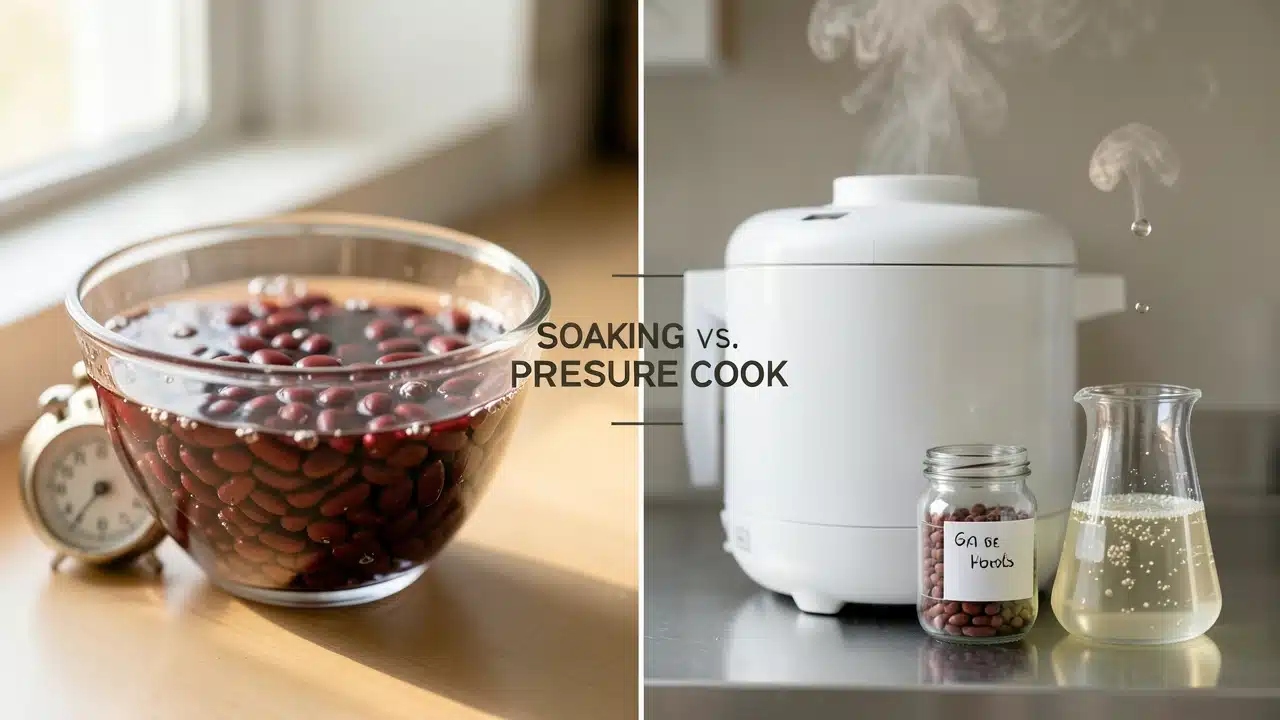
To truly understand Why Soaking Dried Beans Cuts Cook Time but May Not Reduce Gas, it’s helpful to compare soaking to other methods.
Soaking’s primary benefit is hydration, which directly impacts cooking time. Other methods focus more on oligosaccharide reduction.
| Soaking (overnight) | Significantly Cuts | Slightly Reduces | Rehydration, minor leaching of water-soluble compounds |
| Quick Soak | Cuts | Slightly Reduces | Rehydration, some leaching |
| Changing Cooking Water | Minimal Impact (may slightly increase prep time) | Significantly Reduces | Leaching of oligosaccharides into multiple water changes |
| Proper Cooking (Thoroughly) | Essential (ensures tenderness) | Reduces (breaks down some complex carbs) | Heat processing of bean structure |
| Using Certain Bean Types (e.g., lentils) | Varies (some cook very fast) | Often Reduces (naturally lower oligosaccharides) | Bean composition and structure |
As the table shows, soaking excels at speeding up cooking. Its contribution to gas reduction is secondary and less pronounced. Methods like changing the cooking water are far more effective for managing gas.
This highlights that while we often group benefits together, different preparation steps serve different primary purposes.
The Role of Hydration in Cooking
The fundamental reason soaking speeds up cooking is hydration. Dry beans are hard. They need water to soften their cellular structure.
This allows them to absorb heat more readily and cook through evenly. Without soaking, the outer layers might cook while the inside remains hard. This leads to much longer cooking times and potentially uneven textures.
The quick soak method achieves similar hydration levels but in a shorter timeframe. It involves boiling the beans briefly to initiate the softening process, then letting them sit. This mimics the overnight soak but is more convenient if you forget to soak them ahead of time.
Both methods prepare the beans for faster heat penetration.
Targeting Oligosaccharides Directly
The key to reducing gas is to remove or break down the oligosaccharides. Soaking only does this partially. Changing the cooking water, on the other hand, actively pulls these compounds out of the beans.
Each time you drain and refill the pot, you’re removing a fresh batch of dissolved oligosaccharides.
This repeated exchange of water is a much more targeted approach to reducing gas. It’s the reason why this method is often recommended for people who experience significant discomfort after eating beans. It addresses the root cause of the gas more directly than simple soaking does.

Cooking Methods and Their Effect on Gas
Different cooking methods can influence how well beans are digested. Slow cooking, pressure cooking, and stovetop boiling all have their roles. The most important factor across all methods is ensuring the beans are cooked until very tender.
Pressure cooking is known for its speed. It uses steam pressure to cook beans very quickly. This high heat and pressure can help break down some of the complex carbohydrates.
Many people find pressure-cooked beans easier to digest. This is because the cooking process is so efficient at softening the beans and altering their structure.
Slow cooking takes a longer time. While it doesn’t use high pressure, the extended cooking period at a consistent temperature also helps to break down the beans. The gentle heat over many hours can make them very soft and digestible.
This method also works well for reducing gas, especially if you start with soaked beans and potentially change the cooking water once.
Stovetop boiling is the traditional method. Its effectiveness in reducing gas depends heavily on how long you cook the beans and whether you change the water. A long, slow simmer with multiple water changes can be very effective.
This is where understanding Why Soaking Dried Beans Cuts Cook Time but May Not Reduce Gas helps you choose the best overall preparation strategy.
Frequently Asked Questions Of Why Soaking Dried Beans Cuts Cook Time But May Not Reduce Gas
Question: Does soaking beans overnight completely eliminate gas?
Answer: No, soaking beans overnight only slightly reduces the gas-producing compounds. It helps more with cooking time than with gas reduction.
Question: What is the best way to reduce gas from dried beans?
Answer: The most effective ways are to change the cooking water multiple times and cook the beans thoroughly until very tender.
Question: Are some beans less gassy than others?
Answer: Yes, beans like lentils and split peas are often easier to digest. Black-eyed peas are also sometimes considered less gassy.
Question: Can I still eat beans if they make me gassy?
Answer: Yes, by using effective preparation methods like changing the cooking water and gradually introducing beans into your diet, you can often increase your tolerance.
Question: Why does soaking dried beans cut cook time?
Answer: Soaking rehydrates the beans, softening their cell walls and allowing heat to penetrate them more quickly and evenly.
Question: Is it okay to eat the soaking water from beans?
Answer: It’s generally not recommended if you are trying to reduce gas, as the soaking water can contain some of the oligosaccharides.
Question: How does cooking affect the gas-causing compounds in beans?
Answer: Thorough cooking helps to break down some of the complex carbohydrates that cause gas, making beans more digestible.
Final Thoughts
Soaking dried beans is a great way to speed up cooking by rehydrating them. However, it’s not the most effective method for reducing gas. Targeting oligosaccharides directly is more effective than soaking for reducing gas.
To enjoy beans with less digestive discomfort, focus on changing the cooking water multiple times and cooking them until they are very tender.
By understanding Why Soaking Dried Beans Cuts Cook Time but May Not Reduce Gas, you can use preparation techniques that give you the best of both worlds: quick cooking and comfortable digestion.