Why An Instant-Read Thermometer Is A Prep Tool Before Doneness
An instant-read thermometer is a prep tool before doneness because it helps you control timing, heat, and carryover cooking before food is already overdone. Use it to check oil, water, dough, reheated food, and thick cuts early.
It turns cooking into small adjustments instead of guesswork, improving texture, safety, and consistency.
Getting food just right often feels like a guessing game, especially when you’re aiming for that perfect cooked texture.
You want to avoid undercooked meals that are unsafe or overcooked dishes that are dry and flavorless. This is where understanding Why an Instant-Read Thermometer Is a Prep Tool Before Doneness truly matters.
It’s not just about checking if something is done; it’s about preventing common cooking mistakes before they even happen.
Using one helps you gain control, save ingredients, and serve food with confidence every single time.
Key Takeaways
- An instant-read thermometer helps you avoid guesswork and ensure food is cooked to the right temperature for safety and taste.
- Using a thermometer early in the cooking process prevents overcooking, keeping meats tender and vegetables crisp.
- It allows for precise temperature checks, which is crucial for various cooking methods and food types.
- Learning to use an instant-read thermometer improves your cooking skills and reduces food waste.
- This tool acts as a proactive measure, making it a prep essential rather than just a final check.
Preventing Overcooking: The First Step to Tender Meals
One of the biggest challenges in cooking is knowing when to stop. It’s easy to get distracted, and suddenly your chicken is dry or your steak is well-done when you wanted medium-rare.
This is precisely where the benefit of an instant-read thermometer comes into play, showing Why an Instant-Read Thermometer Is a Prep Tool Before Doneness.
Instead of waiting until the very end to check, using the thermometer as a prep tool means you can monitor the temperature as the food cooks.
This proactive approach allows you to pull your food off the heat before it reaches the overcooked stage.
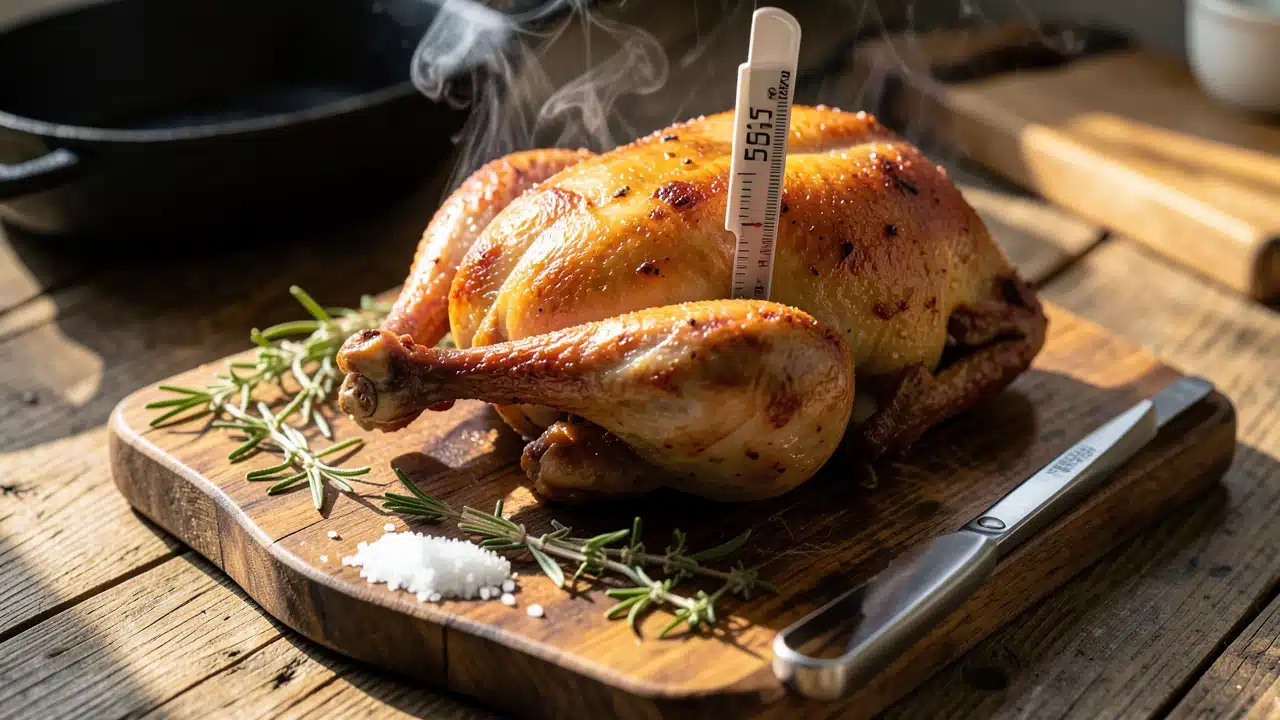
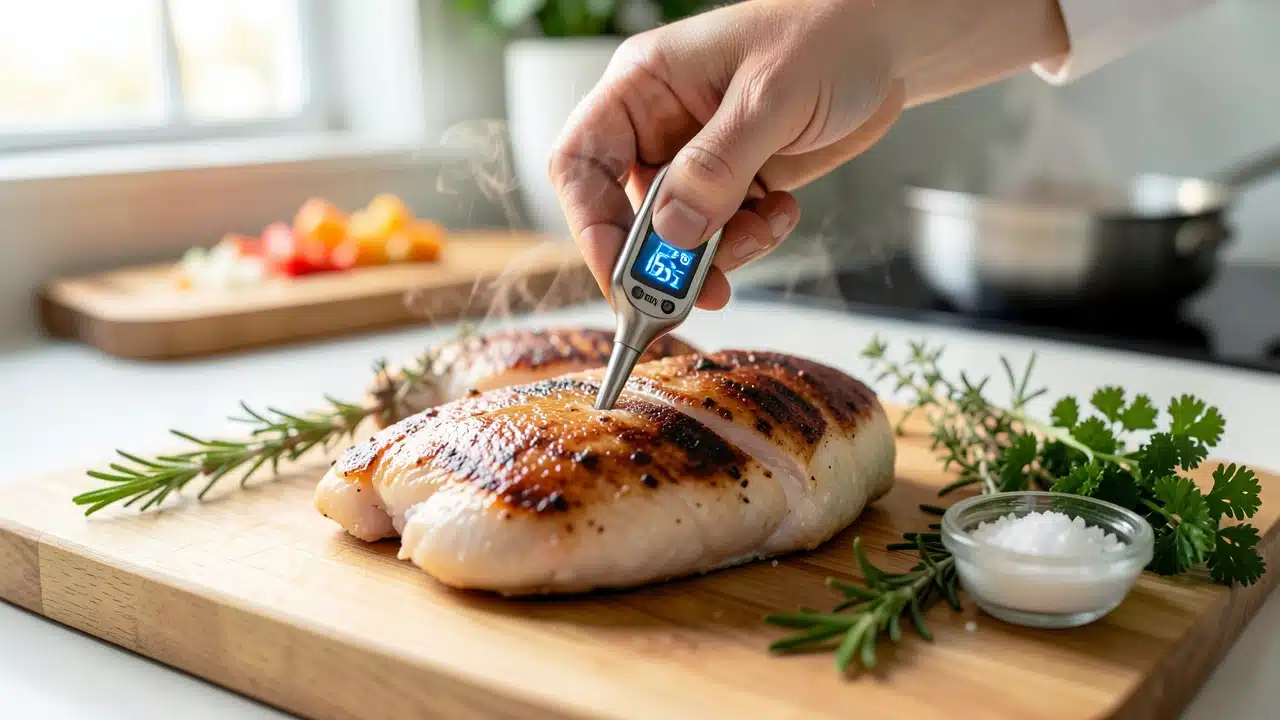
For example, when roasting a chicken, you can start checking the internal temperature an hour before you think it might be done.
This way, you can adjust the oven temperature or even remove the chicken a few minutes early, knowing it will continue to cook slightly as it rests.
This early intervention is key to maintaining moisture and tenderness. Overcooking breaks down proteins and fats, leading to tough textures and lost flavor.
An instant-read thermometer gives you the power to prevent this from happening, making your meals consistently better.
It’s a simple step that dramatically improves the final outcome of your dishes.
Ensuring Food Safety with Precise Temperature Readings
Beyond taste and texture, food safety is paramount. Undercooked meats and poultry can harbor harmful bacteria. Relying on visual cues alone can be misleading; color is not always an accurate indicator of safety.
This highlights Why an Instant-Read Thermometer Is a Prep Tool Before Doneness for health reasons too.
Different types of food require specific internal temperatures to be safe for consumption. For instance, ground meats need to reach 160°F (71°C), while poultry should be cooked to 165°F (74°C). Fish is safe at 145°F (63°C).
An instant-read thermometer provides an exact reading, eliminating any doubt about whether your food has reached these critical temperatures.
By using the thermometer during the cooking process, you can ensure that every part of the food has been exposed to sufficient heat to kill off any potential pathogens.
This is especially important for larger cuts of meat or dishes where even cooking can be a challenge. It’s a small device that offers significant peace of mind, making it an indispensable part of safe food preparation.
Achieving Consistent Results Every Time
Consistency is a hallmark of good cooking. Whether you’re a home cook or a professional chef, serving dishes that are reliably delicious is the goal.
An instant-read thermometer is a secret weapon for achieving this consistency, proving Why an Instant-Read Thermometer Is a Prep Tool Before Doneness.
Think about baking. While ovens can vary, and ingredients can behave slightly differently each time, an internal temperature check can be a game-changer.
For example, cakes are often done when a toothpick inserted comes out clean, but the temperature can tell you more.
Checking the internal temperature of a cake can help you determine if it’s properly set and cooked through. Many bread recipes also benefit from checking internal temperatures, aiming for around 190-200°F (88-93°C) for a well-baked loaf.
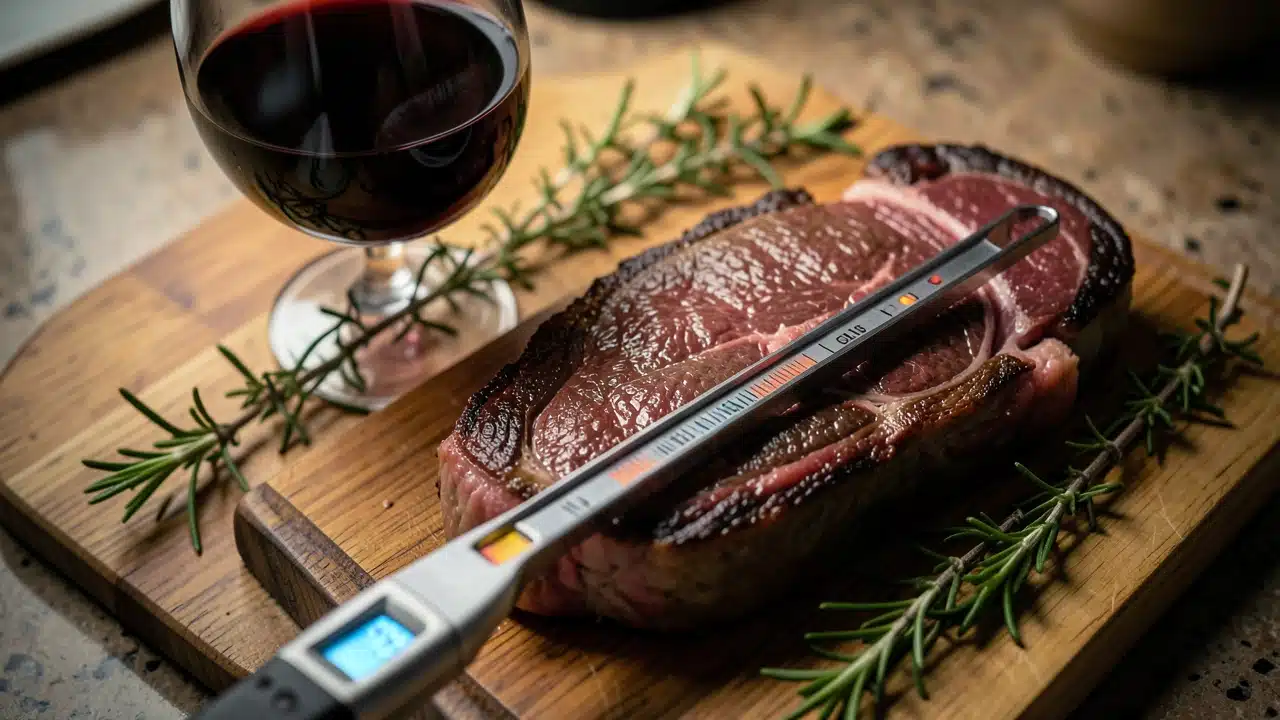
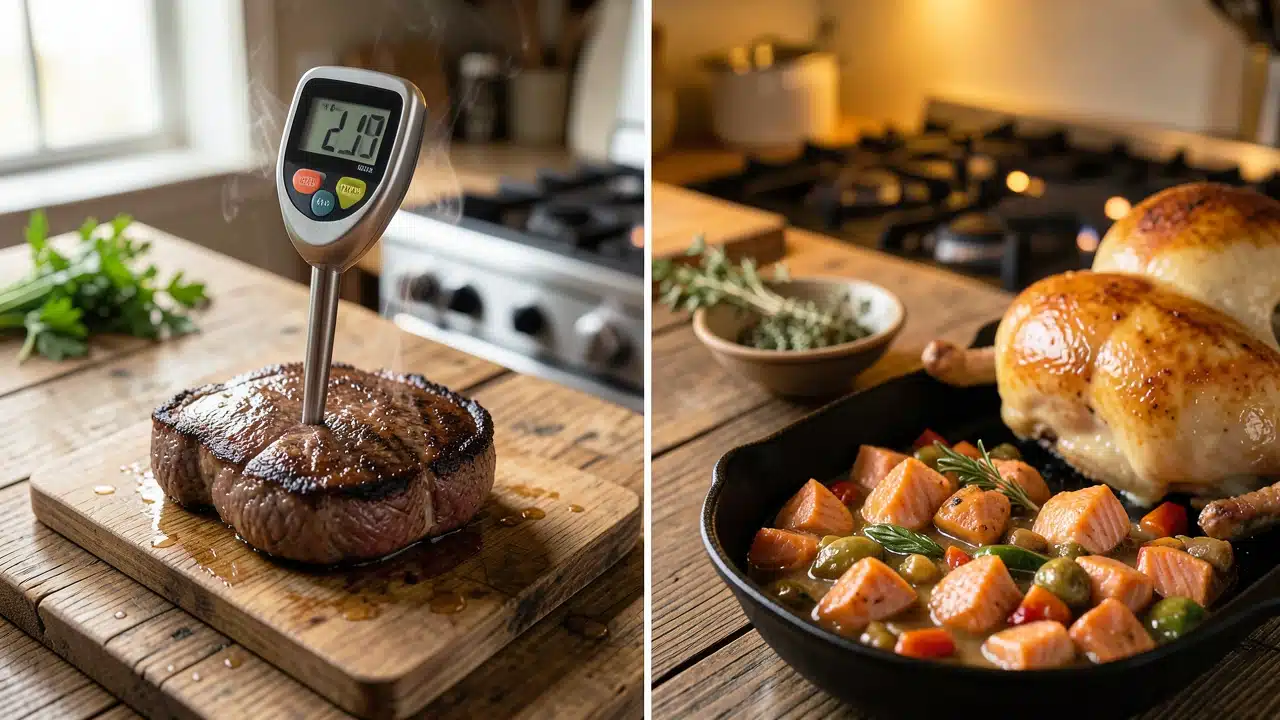
In grilling or pan-searing, consistency means hitting your desired doneness level-rare, medium, or well-done-reliably. Instead of cutting into a steak to check, a quick poke with an instant-read thermometer gives you an immediate and accurate answer.
This allows you to remove the food at the precise moment it’s ready, ensuring that your next steak is just as perfect as the last.
Adapting to Different Cooking Methods and Foods
Cooking isn’t one-size-fits-all. Different methods and types of food require different approaches and temperature targets.
The versatility of an instant-read thermometer makes it valuable across a wide range of culinary tasks, solidifying Why an Instant-Read Thermometer Is a Prep Tool Before Doneness.
Consider a slow cooker. While it’s known for its long cooking times, ensuring the food reaches a safe temperature is still important, especially for meats.
You can use the thermometer to check the internal temperature of the meat after a few hours to see if it’s beginning to break down tenderly and safely.
For delicate items like fish or seafood, which cook very quickly, an instant-read thermometer is essential for preventing overcooking. A few seconds too long can turn flaky fish into rubbery disappointment.Even in less obvious scenarios, like cooking vegetables, temperature can matter. While often cooked until tender-crisp, understanding the temperature can help achieve specific textures.
For instance, if you’re making a vegetable purée, knowing the temperature can help you gauge when vegetables are soft enough to blend smoothly.
Comparing Thermometer Types
While this article focuses on instant-read thermometers, it’s helpful to know they aren’t the only option. However, their speed and portability make them ideal for the proactive checking discussed here.
| Instant-Read Thermometer | Quick checks during cooking, prep work, versatile use | Very fast (2-3 seconds) | High |
| Oven Thermometer | Monitoring oven temperature accuracy | N/A (static) | Low |
| Probe Thermometer (Leave-in) | Continuous monitoring of roasts or smokers | Moderate (updates periodically) | Medium (probe stays in food) |
The speed and ease of use of an instant-read thermometer are what make it such a powerful prep tool. You can check multiple items quickly or reassess a single item without disrupting the cooking process significantly.
Mastering the Art of Temperature Monitoring
Learning to use an instant-read thermometer effectively is a skill that enhances your overall cooking ability.
It moves you from relying on intuition or outdated visual guides to using precise data. This is a core reason Why an Instant-Read Thermometer Is a Prep Tool Before Doneness.
First, understand the target temperatures for what you are cooking. Keep a reliable chart handy or look up specific recommendations for your recipe. Second, learn how to insert the thermometer correctly.
For meats, aim for the thickest part, avoiding bone, fat, or gristle, which can give inaccurate readings. For baked goods, insert it into the center.
Next, take your reading and evaluate. Is it close to your target? If it’s still significantly below, continue cooking and check again in 5-10 minutes.
If it’s very close, consider pulling it off the heat soon, factoring in carryover cooking. Then, allow for carryover cooking. Most foods, especially meats, will continue to cook for a few minutes after being removed from the heat source.
This “carryover cooking” can raise the internal temperature by 5-15°F (3-8°C).
Finally, rest your food. Resting allows the juices to redistribute, making the food more tender and flavorful. The internal temperature will stabilize during this resting period.
By integrating these steps, you transform the thermometer from a simple gadget into an integral part of your culinary strategy. This proactive approach ensures you’re always in control.
Common Misconceptions About Doneness
Many home cooks rely on visual cues to determine if food is done. While these can sometimes be helpful, they are often inaccurate and can lead to disappointment.
Understanding Why an Instant-Read Thermometer Is a Prep Tool Before Doneness helps debunk these myths.
One common myth is that chicken is done when the juices run clear. While this is often true, it’s not foolproof. Some undercooked chicken might still have clear juices, and some fully cooked chicken might have slightly pinkish juices.
The only way to be certain is by checking the internal temperature, which should reach 165°F (74°C) in the thickest part.
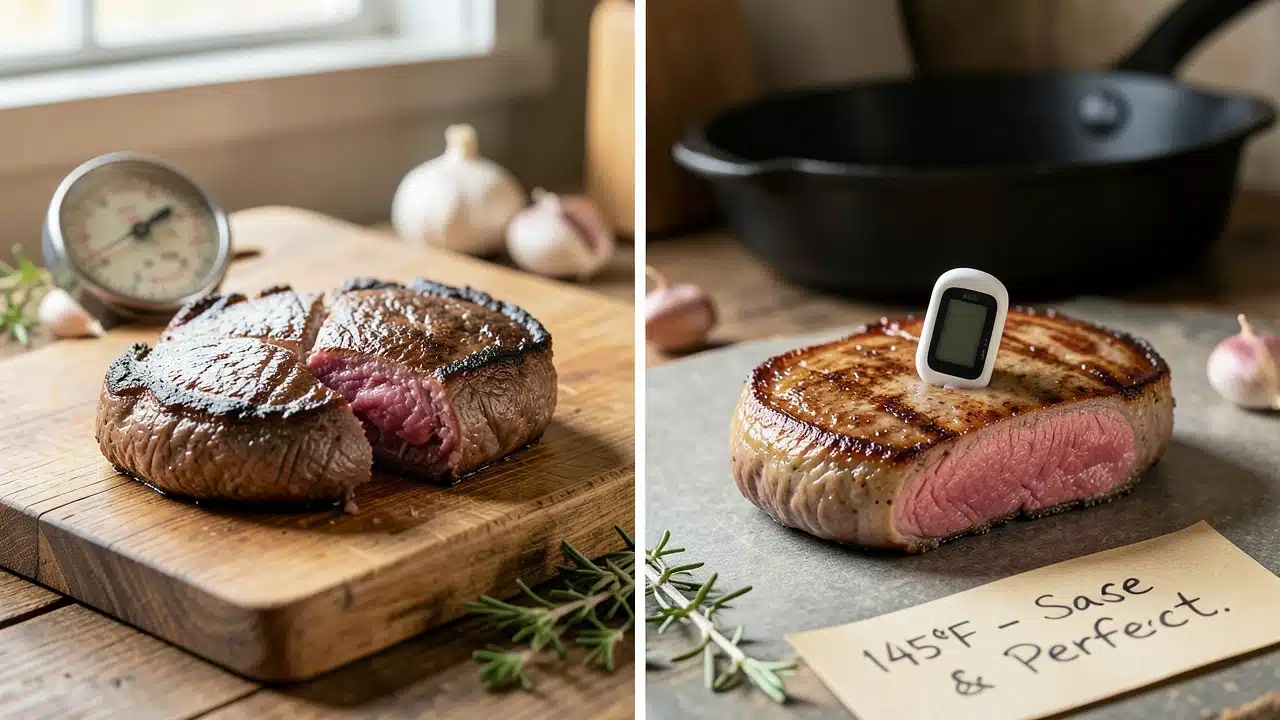
Another misconception is that a steak is medium-rare when it's still soft and yielding to the touch. While there's some correlation between firmness and doneness, it's highly subjective and can vary greatly depending on the cut and thickness of the steak. An instant-read thermometer provides an objective measurement, ensuring you hit your preferred doneness every time, whether it’s 130°F (54°C) for rare or 140°F (60°C) for medium.
Relying on these visual or tactile methods can lead to undercooked food, posing a safety risk, or overcooked food, resulting in a dry, unappetizing meal. The thermometer removes this guesswork, offering a clear, scientific approach to determining doneness.
Beyond Meats: Using Thermometers for Other Foods
While meats are often the focus when discussing food temperatures, an instant-read thermometer is useful for many other foods. This versatility is another reason Why an Instant-Read Thermometer Is a Prep Tool Before Doneness. Check safe minimum internal temperatures from the USDA for all meats.
Baking: As mentioned before, cakes, muffins, and quick breads can be checked for doneness. Aiming for an internal temperature of 200-210°F (93-99°C) can indicate that the batter has set properly and is cooked through. This is especially helpful for denser cakes or those with fillings.
Candy Making: This is perhaps where thermometers are most critical. Different candies require precise temperatures to achieve the correct texture. Accurate candy thermometer temperature stages are critical for achieving the correct texture.
From fudges to caramels, hitting the right stage (soft ball, firm ball, hard ball) is entirely dependent on temperature.
An instant-read thermometer, while not always the primary tool for advanced candy making (specialized candy thermometers exist), can be used for quick checks or for simpler confections.
Soups and Sauces: While less common, checking the temperature of soups and sauces can be useful. For example, if you’re making a delicate custard-based sauce, ensuring it reaches a safe temperature without curdling is key.
Similarly, for large batches of soup that need to be held at a safe temperature for serving, a thermometer can confirm it’s hot enough.
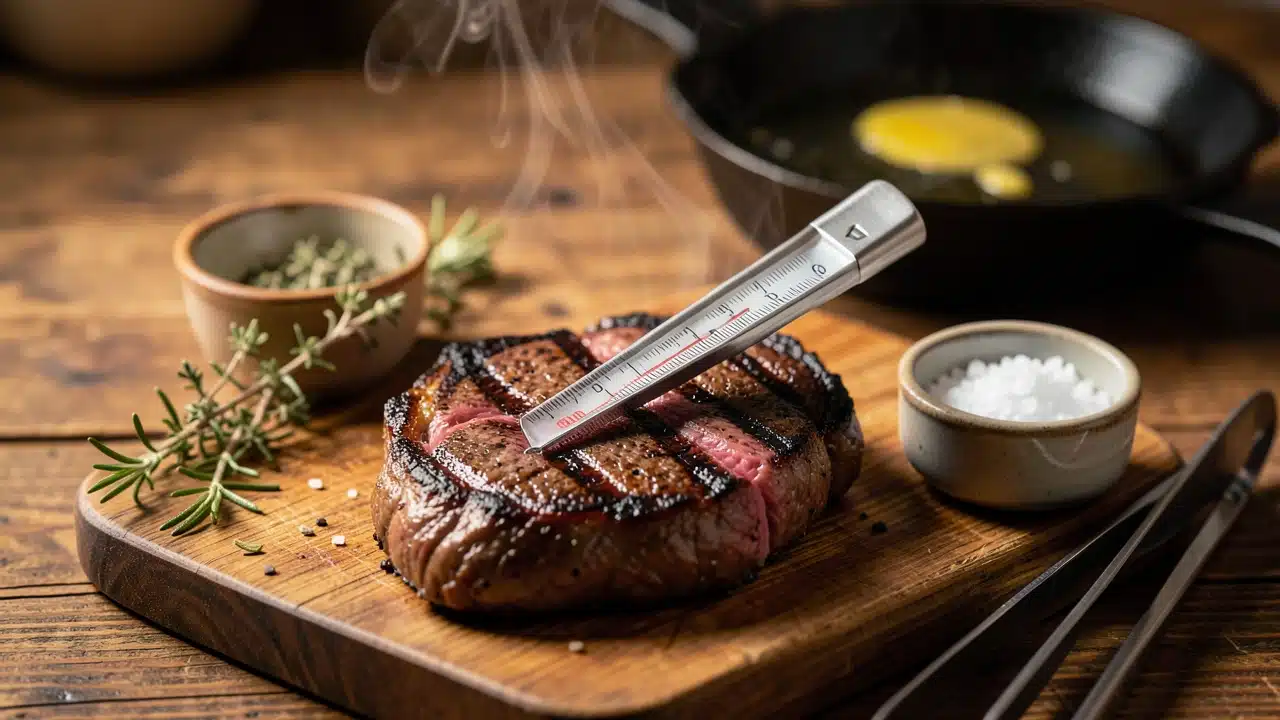
Frying: For deep frying, oil temperature is crucial for crispy, evenly cooked food. While a dedicated deep-fry thermometer is ideal, an instant-read can give you a quick verification of the oil’s temperature before you add your food. Ensuring the oil is hot enough prevents food from becoming greasy.
Making an Instant-Read Thermometer a Staple
Investing in a good quality instant-read thermometer is a small step that yields significant improvements in your cooking.
It’s a tool that empowers you with knowledge and precision, moving you beyond guesswork. This is the essence of Why an Instant-Read Thermometer Is a Prep Tool Before Doneness.
Think of it as an insurance policy for your meals. It protects you from the frustration of ruined food and the potential health risks of undercooking. It helps you save money by preventing you from discarding improperly cooked ingredients.
Furthermore, it builds confidence in the kitchen. When you know you can accurately gauge doneness, you’re more likely to try new recipes and techniques. It simplifies complex cooking processes, making them accessible to everyone.
Make it a habit to reach for your thermometer not just at the end, but as you prepare and cook your food.
Frequently Asked Questions Of Why An Instant-Read Thermometer Is A Prep Tool Before Doneness
Question: Why is it important to use an instant-read thermometer before food is fully cooked?
Answer: Using an instant-read thermometer during the cooking process helps prevent overcooking by allowing you to remove food at the optimal moment, ensuring tenderness and flavor.
Question: Can an instant-read thermometer actually prevent foodborne illnesses?
Answer: Yes, by ensuring food reaches safe internal temperatures, an instant-read thermometer helps kill harmful bacteria, making it a critical tool for food safety.
Question: How does an instant-read thermometer help with consistency in cooking?
Answer: It provides precise temperature readings, eliminating guesswork and allowing you to achieve your desired level of doneness reliably every time, regardless of cooking variations.
Question: What is the best way to use an instant-read thermometer for meat?
Answer: Insert the probe into the thickest part of the meat, avoiding bone or fat, and wait for the reading to stabilize to get an accurate temperature.
Question: Is an instant-read thermometer useful for baking?
Answer: Absolutely. Checking the internal temperature of cakes or breads can confirm they are fully cooked and properly set, preventing a soggy center.
Final Thoughts
An instant-read thermometer is far more than a final check; it’s your proactive guide to perfectly cooked food. Following food thermometer usage tips can prevent undercooking or overcooking.
By using it as a prep tool, you gain control over texture, safety, and consistency, making every meal a success. Embrace this simple device to elevate your cooking.