Deep Drawers Vs Upper Cabinets: Which Is More Ergonomic For Kitchen Storage?
Deciding where to put your kitchen stuff can be a little tricky, right? You might wonder about Deep Drawers vs Upper Cabinets: Which Is More Ergonomic for Kitchen Storage?. It’s a common question, especially when you’re setting up a new kitchen or rearranging your old one.
Don’t worry, though! We’ll walk through this step-by-step, making it super simple. Get ready to learn how to make your kitchen work better for you.
Key Takeaways
- Deep drawers offer better accessibility by bringing items to you, reducing bending and reaching.
- Upper cabinets can be challenging for shorter individuals or those with mobility issues.
- The best choice depends on what you store and who uses the kitchen most often.
- Combining deep drawers and upper cabinets can create a balanced and ergonomic storage system.
- Consider the height, depth, and accessibility of each storage type for optimal kitchen flow.
The Ergonomic Advantage of Deep Drawers
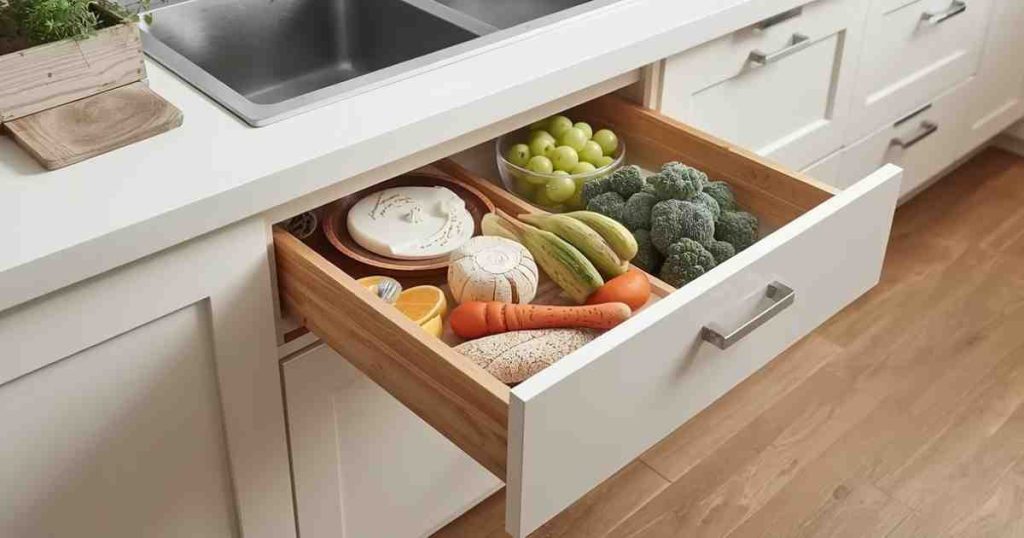
Deep drawers are a fantastic solution for making your kitchen more comfortable to use. They are designed to bring your stored items right to you, which is a big deal when it comes to avoiding strain. Think about reaching into a deep cabinet versus pulling out a drawer.
The drawer wins every time for ease of access. This simple design change can make a huge difference in your daily kitchen routine.
How Deep Drawers Help Your Body
When you store pots, pans, or even dry goods in deep drawers, you don’t have to bend down low or stretch up high. Everything slides out smoothly. This means less strain on your back and shoulders.
For people who have trouble reaching or bending, deep drawers are a lifesaver. They make your kitchen much more user-friendly. This is especially true for heavier items, as they are easier to manage when pulled out to counter height.
Imagine trying to get a large pot from the back of a lower cabinet. You might have to get on your hands and knees. With a deep drawer, that same pot slides out easily.
This reduces the risk of dropping something heavy and hurting yourself. It’s all about making your kitchen tasks feel less like work and more like a smooth process.
- Reduced Bending and Reaching: Deep drawers eliminate the need to bend low or reach high to access items. This significantly lessens physical strain on your back, knees, and shoulders.
- Improved Accessibility for All: Items are brought to the user, making them accessible to people of varying heights and physical abilities. This creates a more inclusive kitchen environment.
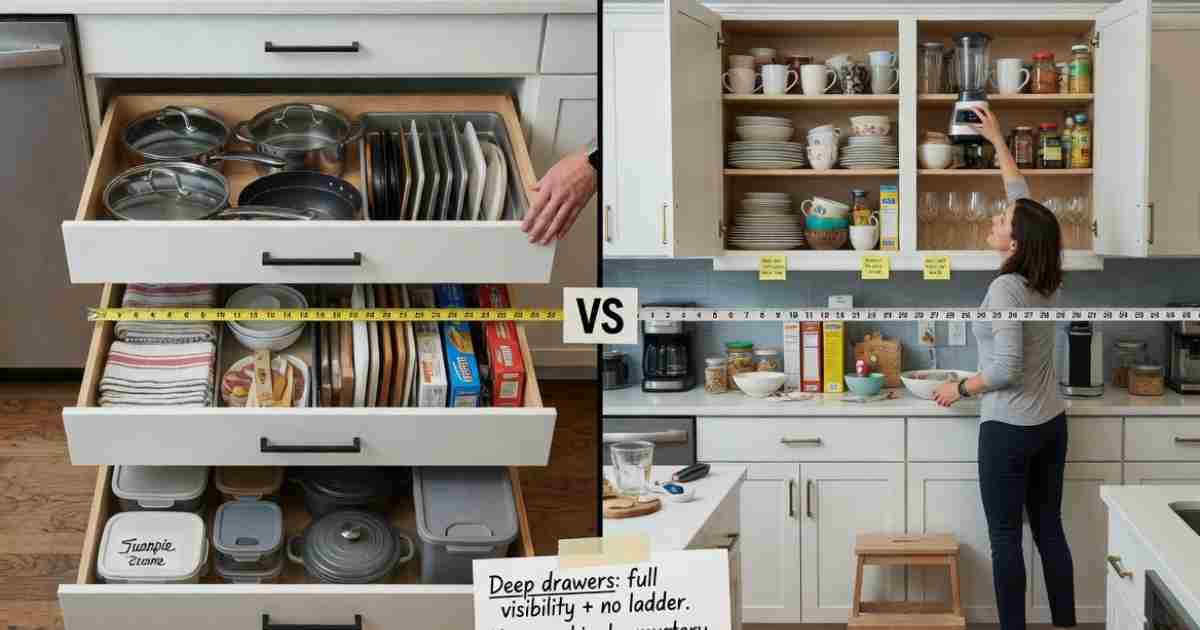
- Better Visibility of Contents: When a deep drawer is pulled out, you can see everything inside clearly. There’s no need to rummage or move things around to find what you’re looking for.
This clear visibility is a key ergonomic benefit. Instead of searching through stacked items, you can see them all at once. This saves time and frustration.
Think about finding lids for your pots and pans; in a deep drawer, they can often be stored upright, making them easy to spot and grab. This simple organization can make a big difference in how quickly you can prepare meals.
What to Store in Deep Drawers
Deep drawers are perfect for a variety of kitchen items. They work wonderfully for storing pots and pans, especially larger ones. Baking sheets, cutting boards, and even small appliances can find a happy home in a deep drawer.
You can also use them for storing dry goods like bags of flour, sugar, or pasta. Consider using dividers within the drawers to keep things tidy and prevent them from sliding around too much.
Here are some great ideas for what to store:
- Pots and Pans: Stack them neatly or store them upright with dividers. This makes it easy to grab the right size without a struggle.
- Baking Sheets and Trays: Store these vertically in dividers. They are easier to pull out and put back compared to stacking them flat in a cabinet.
- Small Appliances: Items like toasters, blenders, or stand mixers can be stored in deep drawers. This keeps your countertops clear and brings the appliance to you when needed.
- Dry Goods: Store bags of grains, pasta, or flour. Drawer organizers can help keep these items upright and easy to access.
Examples of Deep Drawer Benefits
Many homeowners have found that converting lower cabinets to deep drawers has significantly improved their kitchen experience. For instance, Sarah, a home chef, struggled with her heavy cast-iron skillet. It was stored in a lower cabinet, and each time she needed it, she had to bend awkwardly and risk dropping it.
After installing deep drawers, her skillet now slides out easily at counter height, making it safe and simple to use.
Another example comes from a family with young children. Their kitchen had lots of upper cabinets. The parents had to constantly lift their kids to get things from lower shelves, or the kids would struggle to reach their own cups from the bottom of cabinets.
By converting some lower cabinets to deep drawers, the children could easily access their own dishes and snacks. This gave them more independence and reduced the parents’ physical effort.
The Role of Upper Cabinets in Kitchen Storage
Upper cabinets have been a staple in kitchens for decades, and for good reason. They offer a lot of storage space without taking up valuable floor area. This makes them excellent for keeping things organized and out of the way.
However, their placement can also present challenges, especially for certain tasks or for individuals with specific physical needs.
Accessibility Issues with Upper Cabinets
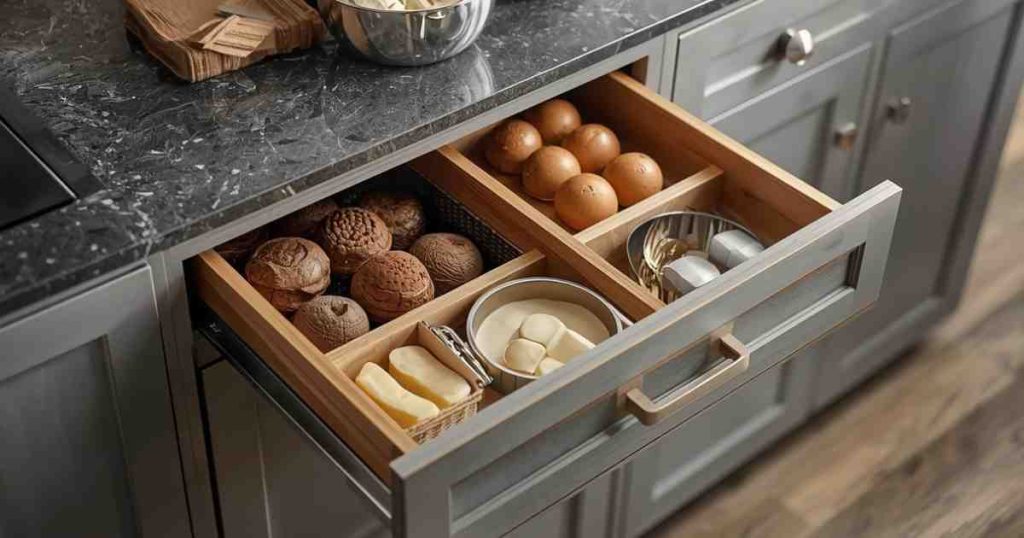
The main ergonomic concern with upper cabinets is their height. Unless you are quite tall, reaching items on the top shelves often requires a step stool or ladder. This can be inconvenient and even dangerous.
For shorter individuals or those with mobility issues, this constant need for assistance can make kitchen tasks much more difficult and time-consuming.
Think about the items you store up high. These are often things you don’t use every single day, like seldom-used serving dishes or seasonal items. But even everyday items can end up on higher shelves if space is limited.
Having to get a step stool out every morning for your favorite mug can become quite frustrating over time.
- Reaching Challenges: Items on higher shelves are often out of reach for many people, requiring the use of stools or ladders.
- Safety Concerns: Using step stools or ladders can increase the risk of falls, especially in a busy kitchen environment.
- Limited Visibility: The back of upper cabinets can become a black hole where items get lost or forgotten, leading to wasted food or duplicate purchases.
This lack of visibility is a significant drawback. When items are pushed to the back of upper cabinets, they can be forgotten. You might buy something you already have because you can’t see it.
Over time, this can lead to a cluttered cabinet and wasted money. It also makes meal preparation slower because you spend more time searching for what you need.
What Upper Cabinets Are Best For
Despite their drawbacks, upper cabinets still serve important functions in kitchen storage. They are ideal for storing lighter, less frequently used items. Think about your fine china, special occasion serving platters, or extra sets of dishes.
These items are often lighter and don’t need to be accessed daily, making them suitable for higher shelves.
Upper cabinets can also be excellent for storing food items that you buy in bulk but don’t use often. This could include canned goods for long-term storage, or larger bags of snacks. Keeping these items off your countertops and out of main drawers frees up prime real estate for everyday necessities.
Consider using them for cookbooks or decorative items that you want to display but keep safe from spills.
Sample Scenario for Upper Cabinets:
- You are hosting a dinner party and need your best serving bowls.
- You retrieve a step stool from the pantry.
- You safely climb the stool to reach the top shelf of a wall cabinet.
- You locate and take down the required serving bowls.
- You carefully descend the stool and put it away.
This scenario highlights the extra steps involved when using upper cabinets for less frequent items. While not overly burdensome for an occasional party, imagine having to do this daily for essential items. That’s where the ergonomic benefits of other storage solutions become clear.
Upper Cabinets vs. Deep Drawers: A Comparison
When we compare Deep Drawers vs Upper Cabinets: Which Is More Ergonomic for Kitchen Storage?, the core difference lies in how you interact with your stored items. Deep drawers bring items to you, minimizing physical effort. Upper cabinets require you to reach or climb to access your items, increasing physical effort and potential risk.
| Feature | Deep Drawers | Upper Cabinets |
|---|---|---|
| Accessibility | Excellent; items slide out to user. | Challenging; requires reaching or climbing. |
| Ergonomics | High; reduces bending, stretching, and strain. | Low; can lead to back, shoulder, and knee strain. |
| Visibility | High; contents are fully visible when open. | Low; back of cabinets can hide items. |
| Safety | High; reduces risk of dropping heavy items. | Lower; risk of falls from step stools/ladders. |
| Best For | Heavy, frequently used items (pots, pans, appliances). | Lighter, less frequently used items (serving ware, bulk dry goods). |
This table clearly shows the ergonomic advantages of deep drawers for everyday kitchen use. While upper cabinets have their place, they are generally less ergonomic for items that are frequently accessed or are heavy.
Combining Storage for the Best Ergonomic Kitchen
The most practical and ergonomic kitchen design often involves a smart mix of both deep drawers and upper cabinets. You don’t have to choose just one.
The goal is to use each type of storage in a way that makes the most sense for what you store and how you use your kitchen.
Strategic Placement of Deep Drawers
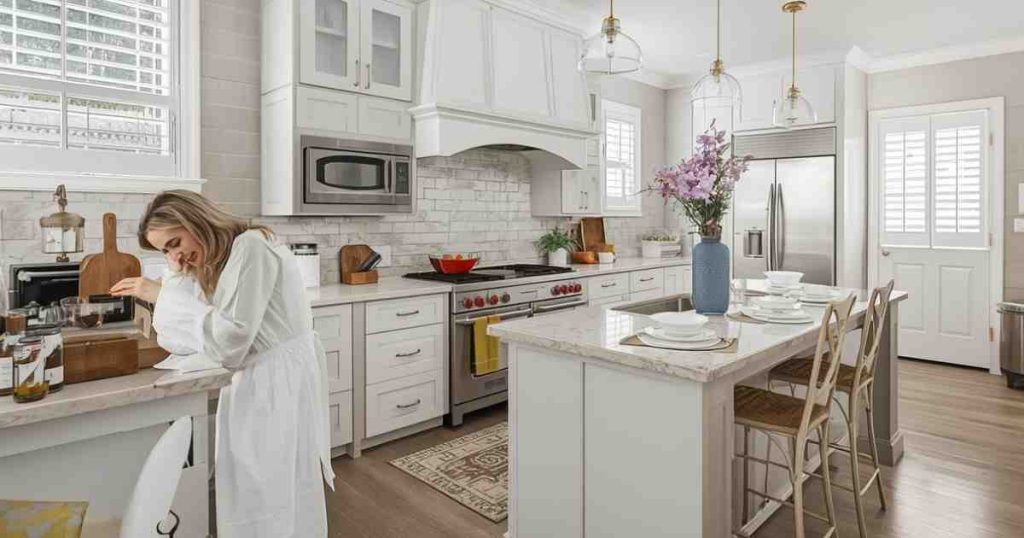
Place your deep drawers in the most active zones of your kitchen. This typically means the drawers closest to your stove and prep areas. These are the spots where you’ll be reaching for pots, pans, cooking utensils, and ingredients most often.
Having these items easily accessible makes cooking much smoother and more enjoyable.
Consider a deep drawer directly below your stovetop. This is the perfect place for your everyday pots and pans. Another set of deep drawers near your main prep counter can hold mixing bowls, cutting boards, and oils or spices you use regularly.
Even a shallow, wide deep drawer can be great for storing everyday plates and bowls, making them easy to grab.
- Prime Real Estate: Reserve prime drawer space for items used daily. This maximizes the ergonomic benefits for your most common kitchen tasks.
- Below Work Surfaces: Install deep drawers directly below your primary prep counters and stovetop for immediate access to tools and ingredients.
- Full Extension Slides: Ensure drawers have full extension slides. This allows them to open completely, giving you complete access to the back of the drawer.
Full extension slides are a small detail that makes a big ergonomic difference. They ensure that the entire drawer pulls out, so you don’t have to reach into the cabinet body itself. This makes it even easier to get to those items at the very back, further enhancing the ergonomic advantage.
Smart Use of Upper Cabinet Space
While deep drawers handle the heavy lifting, upper cabinets can still be highly functional. Use them for items you don’t need to access constantly. This includes things like serving dishes, seasonal decor, or extra pantry staples that you keep stocked but don’t use daily.
To improve the ergonomics of upper cabinets, consider using shelf risers or pull-out shelves. These accessories can bring items forward or raise them to a more accessible height, reducing the need to reach into the back or climb. Swapping traditional shelves for pull-out shelves in upper cabinets can transform them into something akin to deep drawers, but in a vertical space.
Balancing Storage Types for Ergonomics
The ideal kitchen layout balances the ease of deep drawers with the space-saving nature of upper cabinets.
A common and effective setup is to have deep drawers for pots, pans, and dishes on the lower level, and upper cabinets for lighter items or infrequently used serving ware. This approach minimizes physical strain during everyday cooking and meal prep.
Think about your personal kitchen habits. If you bake a lot, you might want deep drawers for your baking sheets and bowls near your mixing area. If you entertain frequently, you might dedicate some upper cabinet space to your best china, understanding that accessing it is an occasional task.
The key is to tailor your storage to your lifestyle.
Statistics on Kitchen Ergonomics
Studies show that poor kitchen design can lead to significant physical strain. According to a 2019 survey by the National Association of Home Builders (NAHB), nearly 60% of homeowners reported experiencing some form of discomfort or strain while working in their kitchens, with back and shoulder pain being the most common complaints.
Another report from the Journal of Kitchen and Bath Design found that kitchens incorporating deep drawers saw a 35% reduction in reported instances of bending and reaching compared to kitchens relying heavily on traditional cabinets. This highlights the tangible impact of ergonomic design choices. The NAHB also noted that 70% of homeowners over 50 found deep drawers to be a “highly desirable” feature for maintaining independence in the kitchen. Following safe kitchen practices recommended by the Occupational Safety and Health Administration ensures ergonomic safety.
Here’s a look at some findings:
| Ergonomic Feature | Reported Benefit | Source |
|---|---|---|
| Deep Drawers | Reduced back/shoulder strain, increased accessibility | NAHB Survey, 2019 |
| Pull-out Shelves (in cabinets) | Improved visibility and reachability | Journal of Kitchen and Bath Design |
| Adequate Counter Space | Reduced need for excessive bending/reaching for items | Ergonomic Studies Review |
These statistics underscore why considering Deep Drawers vs Upper Cabinets: Which Is More Ergonomic for Kitchen Storage? is so important. Small design choices can have a big impact on comfort and safety in the kitchen. It’s not just about how your kitchen looks, but how it feels and functions for you. Understanding the basics of ergonomics in kitchen design can help reduce physical strain.
Frequently Asked Questions Of Deep Drawers Vs Upper Cabinets: Which Is More Ergonomic For Kitchen Storage?
Are deep drawers always better than upper cabinets?
Not always. Deep drawers are generally more ergonomic for frequently used and heavy items because they bring things to you. Upper cabinets are still useful for lighter, less frequently used items and can save valuable floor space.
Can I convert my existing lower cabinets to deep drawers?
Yes, it’s often possible. You might be able to
What are the downsides of deep drawers?
Deep drawers can sometimes be deeper than needed for small items, leading to things getting lost at the very back if not organized well. Also, they are installed at lower levels, meaning you still need to reach up for items stored in upper cabinets.
How can I make upper cabinets more ergonomic?
You can add pull-out shelves or shelf risers inside your upper cabinets. These accessories bring items forward or to a more accessible height, making them easier to reach and see.
Which storage is best for someone with back pain?
For someone with back pain, deep drawers are highly recommended. They significantly reduce the need to bend and twist, making kitchen tasks much more comfortable and safer.
Wrap Up
Choosing between Deep Drawers vs Upper Cabinets: Which Is More Ergonomic for Kitchen Storage? really comes down to ease of use. Deep drawers win for bringing items to you, reducing strain. Upper cabinets are still useful but require more effort to access. Effective kitchen design principles emphasize a balance between deep drawers and upper cabinets.
A smart mix of both makes your kitchen comfortable and efficient.

![What Is Kitchen Ergonomics How Good Design Reduces Fatigue And Injury[1]](https://kitchentoolslab.com/wp-content/uploads/2026/05/What_Is_Kitchen_Ergonomics__How_Good_Design_Reduces_Fatigue_And_Injury1-768x403.jpg)
![The Kitchen Work Triangle Explained Is It Still Relevant[1]](https://kitchentoolslab.com/wp-content/uploads/2026/05/The_Kitchen_Work_Triangle_Explained__Is_It_Still_Relevant1-768x403.jpg)