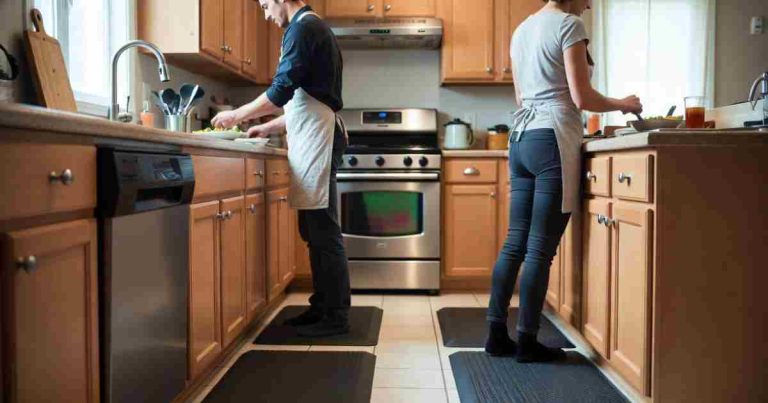
Kitchen Ventilation And Air Flow: Why Ergonomics Goes Beyond Just Physical Movement
Thinking about your kitchen might bring to mind how easy it is to move around, but there’s more to it than just physical space.
A really important, and sometimes tricky, part of making your kitchen work well is Kitchen Ventilation and Air Flow:
Why Ergonomics Goes Beyond Just Physical Movement. It’s not just about reaching things; it’s about the air you breathe and how comfortable you feel while cooking.
Don’t worry, we’ll walk through it step-by-step and make it easy to grasp. Get ready to learn how good airflow makes a big difference in your kitchen.
Key Takeaways
- Good kitchen ventilation helps clear out cooking smells and fumes.
- Proper air flow makes the kitchen a more comfortable place to be.
- Ventilation is key to keeping the air in your kitchen healthy.
- Ergonomics in the kitchen includes how air affects your work.
- Simple steps can improve your kitchen’s air quality and comfort.
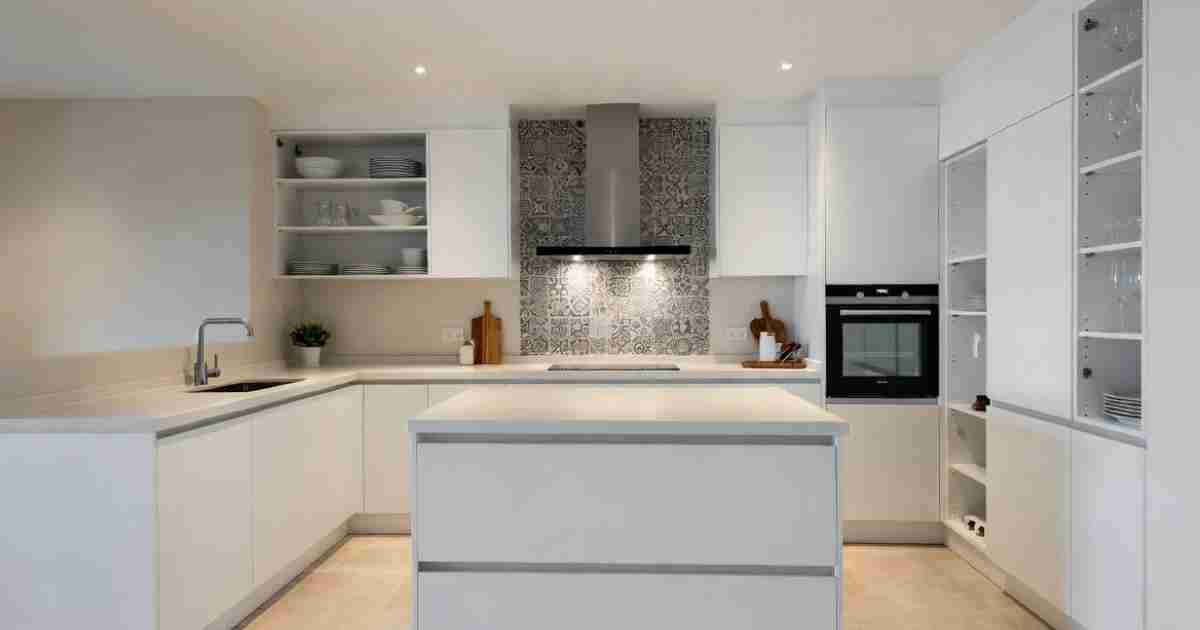
Understanding Kitchen Air Movement
This section looks at how air moves in your kitchen. It’s not just about opening a window. We’ll explore how cooking creates smoke and smells.
We will also see how these can spread and why it’s good to get them out. Thinking about how air enters and leaves your kitchen is important for comfort and health. We will learn about different ways air moves, like drafts and fans.
This helps us see why planning for air flow is more than just physical setup.
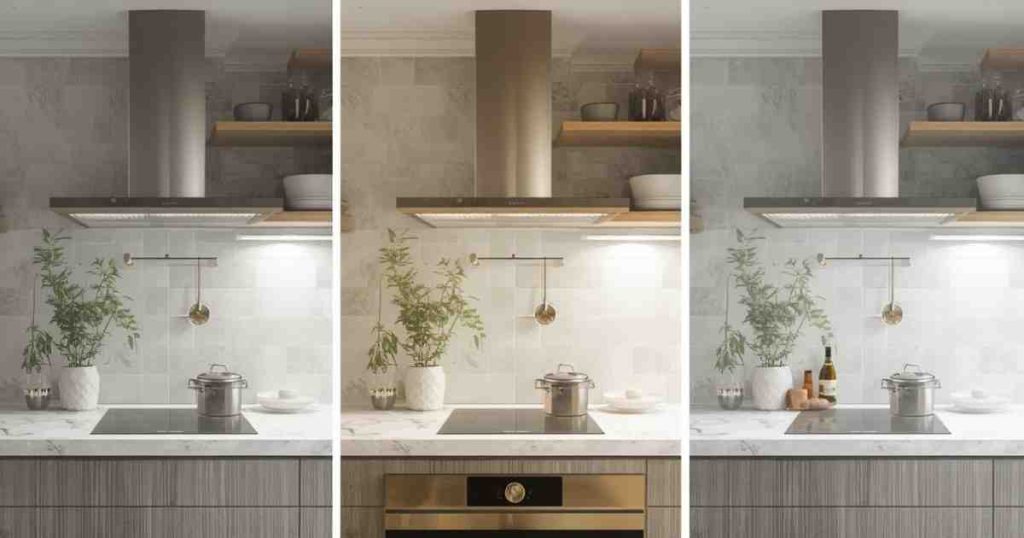
What is Kitchen Ventilation?
Kitchen ventilation is the process of removing air from your kitchen. This air can contain cooking odors, smoke, grease particles, and moisture. It’s like a cleaning system for the air in your cooking space.
Without it, these things can build up, making the air feel stuffy and unpleasant. Proper ventilation ensures that the air you breathe while cooking is fresh and clean.
The Role of Air Flow
Air flow refers to how air moves around your kitchen. It’s about the pathways air takes, both in and out. Good air flow means air is constantly being
Why Ventilation Matters Beyond Physical Movement
While kitchen ergonomics often focuses on how you move your body and reach for things, air quality is a huge part of comfort. Imagine cooking a meal with lots of spices. If the smells don’t go away, it can be overpowering.
Bad air can also make you feel tired or give you a headache. So, making sure air moves well is just as important as having cabinets at the right height.
Common Air Flow Challenges
Many kitchens have problems with how air moves. Older homes might not have good ventilation systems. Modern, airtight homes can trap air inside.
Sometimes, the layout of the kitchen can block air flow. Even the type of cooking you do can create more fumes than your kitchen can handle. These issues can lead to poor air quality and an uncomfortable cooking environment.
Benefits of Good Air Flow
When your kitchen has good air flow, many good things happen. The most obvious is that cooking smells don’t linger for hours. This makes your home smell better overall.
It also means less grease and moisture in the air. This can help keep your kitchen cleaner and prevent mold or mildew. Best of all, it makes cooking a more pleasant experience for everyone.
A study by the Environmental Protection Agency (EPA) found that indoor air can be 2-5 times more polluted than outdoor air. This highlights the importance of proper ventilation in our homes, especially in areas like the kitchen where pollutants are generated.
Ergonomics and Air Quality Connections
This section explores how the quality of the air you breathe in your kitchen directly impacts your experience. It’s not just about the physical ease of doing tasks. We’ll look at how stuffy air can make you feel tired.
We will also see how smells can affect your mood. Understanding this link helps us appreciate why ventilation is a key part of a truly ergonomic kitchen. It shows that comfort goes much deeper than just how you move your body.
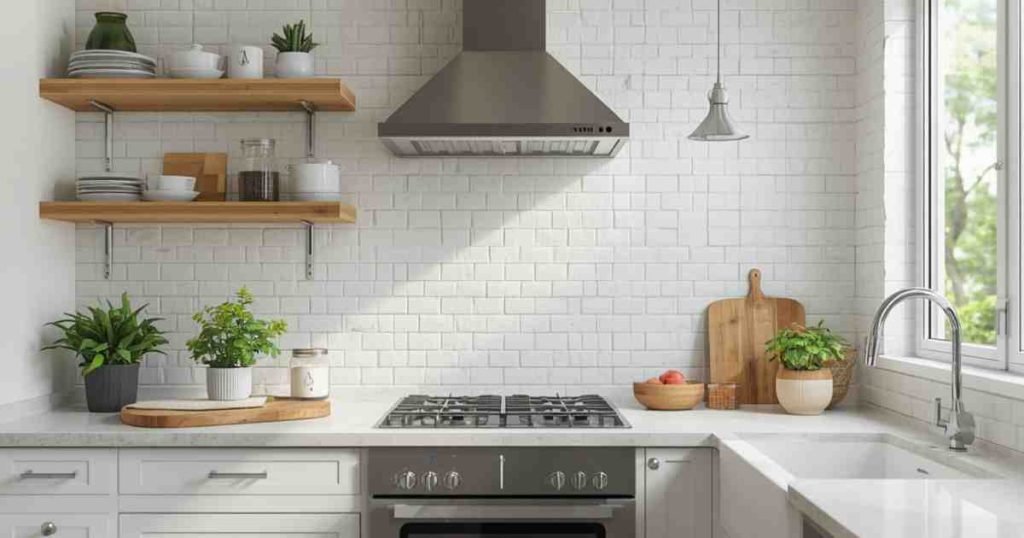
The Impact of Air Quality on Comfort
When you cook, especially for a long time, the air can get thick with smells and heat. If there’s no good ventilation, this air can feel heavy and uncomfortable. You might feel warmer than you should, or just generally less relaxed.
Good air flow helps keep the temperature more steady and the air feeling fresh, making you feel more at ease.
How Fumes Affect Well-being
Cooking releases tiny particles and gases into the air. When these aren’t removed, they can irritate your lungs and eyes. Some people might get headaches or feel nauseous.
This is especially true when frying or using high heat. Good ventilation systems, like range hoods, capture these fumes before they spread around the kitchen. This protects your health and makes cooking safer and more enjoyable.
Sensory Experience in the Kitchen
Our senses play a big role in how we feel in a space. Strong, unpleasant smells can be overwhelming and even ruin the joy of cooking. On the other hand, fresh air can make the kitchen feel more inviting.
Think about the difference between walking into a kitchen that smells like last night’s fish versus one with clean, fresh air. Good air flow enhances the sensory experience, making it a more pleasant place to be.
The Ergonomic Kitchen: A Holistic View
A truly ergonomic kitchen considers all aspects of comfort and efficiency. This includes how easy it is to reach for utensils, but also how easy it is to breathe. When ventilation is poor, even a perfectly laid-out kitchen can feel uncomfortable.
By addressing air flow, we are improving the overall ergonomic design, making the kitchen a better place to work and live.
Case Study: The Overwhelmed Home Cook
Sarah loves to cook, but her small kitchen often filled with smoke when she fried. Her old range hood barely seemed to do anything. She found herself feeling tired and sometimes light-headed after long cooking sessions.
She often avoided certain recipes because of the lingering smells. After installing a more powerful range hood and ensuring better air circulation, Sarah noticed a huge difference. She could cook her favorite dishes without feeling overwhelmed.
The kitchen air felt lighter, and she felt more energized, even after extended periods of cooking.
Statistics on Indoor Air Quality
According to the American Lung Association, poor indoor air quality can worsen asthma and other respiratory conditions. In kitchens, cooking is a major source of indoor air pollutants. Estimates suggest that cooking can be responsible for up to 70% of indoor air pollution in homes.
Improving Your Kitchen Ventilation and Air Flow
Now that we understand why ventilation and air flow are so important, let’s look at ways to make them better. This section will offer practical steps. We’ll talk about simple fixes and upgrades you can make.
These changes will help your kitchen feel fresher and more comfortable. Getting the air right is a key step in making your kitchen work best for you.
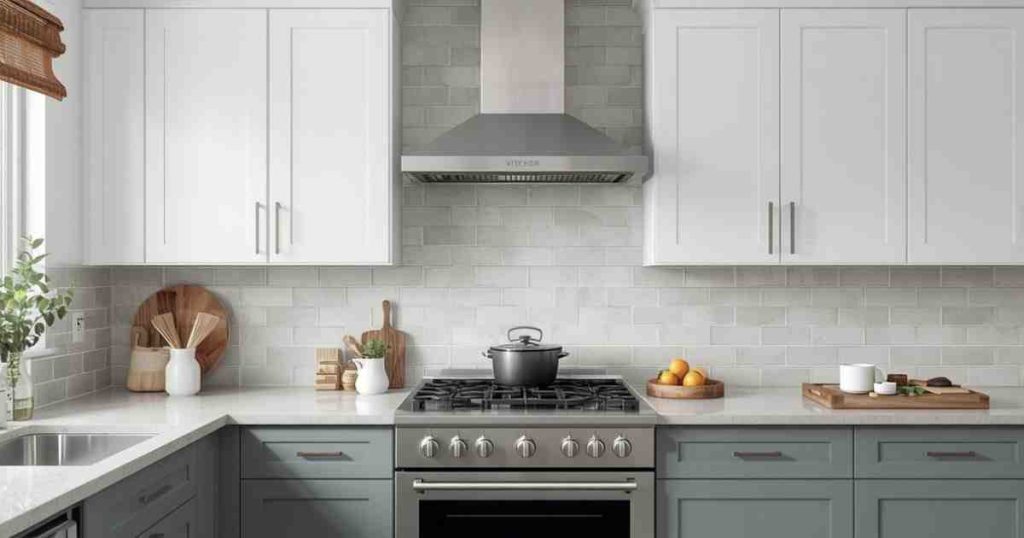
Choosing the Right Range Hood
A range hood is a primary tool for kitchen ventilation. It sits above your stove and sucks up smoke, grease, and steam. There are different types, like ducted (which sends air outside) and ductless (which filters and recirculates air).
Ducted hoods are generally more effective at removing pollutants. The size and power (measured in CFM, or cubic feet per minute) of the hood should match your stove’s cooking output.
When picking a range hood, consider:
- Type: Ducted is better for heavy cooking.
- CFM: Make sure it’s powerful enough for your stove size. A general rule is 100 CFM per linear foot of stove width.
- Noise Level: Some hoods can be very loud. Check the decibel (dB) rating.
- Filters: Easy-to-clean filters are a must.
The Importance of Make-Up Air
When a powerful range hood removes air from your kitchen, that air needs to be
Simple Air Flow Enhancements
You don’t always need big renovations to improve air flow. Opening windows while cooking, even just a crack, can make a difference. Using ceiling fans or portable fans to move air around can also help.
Keeping doors open to other rooms can help air circulate better throughout your home.
Maintenance for Optimal Performance
Even the best ventilation system needs care. Regularly cleaning or replacing filters in your range hood is crucial. If you have a ducted system, make sure the ducts are clear of obstructions.
Checking for any leaks in the ductwork can also improve efficiency. Consistent maintenance ensures your system works as well as it should.
Example Scenario: Improving a Small Apartment Kitchen
Maria lives in a small apartment with a limited kitchen space. Her stove is near a wall, and there’s no exhaust fan. When she cooks, the whole apartment fills with cooking smells.
She decides to try a few things. First, she starts opening her kitchen window every time she cooks, even in cooler weather. She also bought a small, quiet air purifier and places it in the kitchen while she’s cooking.
Finally, she makes a point of cleaning up grease splatters right after cooking. These simple steps make a noticeable difference in how fresh her apartment air stays.
Using the Right Tools
A good kitchen design includes tools that help manage air. Modern kitchens often feature integrated range hoods that blend seamlessly with cabinets. Some even have smart features that adjust fan speed based on cooking activity.
Investing in effective ventilation is an investment in your kitchen’s overall function and your comfort.
According to industry reports, the global market for kitchen ventilation systems is expected to grow, driven by increased awareness of indoor air quality and home renovation trends.
Addressing Common Ventilation Problems
This part tackles specific issues people face with kitchen air. We’ll look at why some kitchens feel stuffy even with a fan. We will also discuss how to deal with lingering odors.
By understanding these common problems, we can find the right solutions. Making sure air moves properly is key to a comfortable and healthy cooking space.
Stale Air and Odor Traps
Sometimes, even with a range hood, air can feel stale, or odors can stick around. This often happens when there isn’t enough fresh air coming in to replace the air being pushed out. It can also be due to cooking habits that produce a lot of strong smells.
Things like boiling, simmering, or using strong spices can contribute. If your kitchen feels like a closed box, air isn’t circulating well.
The Challenge of Open-Concept Kitchens
Open-concept homes are popular, but they can make ventilation tricky. In these layouts, the kitchen is part of the living or dining area. This means cooking smells and grease can easily spread throughout the entire space.
A powerful, well-placed range hood is essential here. It needs to capture pollutants at the source before they have a chance to travel.
Backdrafting and Its Dangers
Backdrafting occurs when exhaust fans pull combustion gases (like carbon monoxide) from fuel-burning appliances (like gas stoves or furnaces) back into the living space. This is dangerous. It happens when there isn’t enough make-up air.
This is why proper ventilation design and make-up air systems are so important, especially in homes with gas appliances.
Here’s a comparison of ventilation types:
| Ventilation Type | How it Works | Pros | Cons |
|---|---|---|---|
| Ducted Hoods | Removes air and exhausts it outside through ductwork. | Most effective at removing fumes and grease. | Requires external ducting, can be noisy. |
| Ductless Hoods | Filters air and recirculates it back into the kitchen. | Easy to install, no ductwork needed. | Less effective at removing all pollutants, filters need regular replacement. |
| Natural Ventilation (Windows) | Uses natural air movement through open windows. | Simple, no cost. | Dependent on weather, less control, may not remove all pollutants. |
Sample Problem: Persistent Cooking Smells
John recently moved into a new apartment. He loves cooking, but after making stir-fries, the smell of garlic and ginger lingers for days. His apartment has a small vent fan in the bathroom but nothing above the stove.
- Assessment: John realizes his kitchen has no direct ventilation for cooking fumes.
- Solution Trial 1: He tries opening his kitchen window for an hour after cooking. This helps a little but doesn’t fully solve the problem.
- Solution Trial 2: He buys a portable air purifier and runs it in the kitchen during and after cooking. This helps significantly.
- Future Improvement: John considers talking to his landlord about installing a proper range hood if possible.
Case Study: A Cozy Kitchen That Needs Air
The Miller family has a charming, cozy kitchen that’s the heart of their home. However, when they bake or grill indoors, the air becomes thick and can even trigger their son’s asthma. Their existing range hood is old and not very powerful.
They decided to upgrade. They installed a new, high-CFM ducted range hood. They also made sure to get a make-up air damper installed.
Now, after cooking their favorite meals, the air is clear, and their son can breathe easy. The kitchen remains cozy, but now it’s also comfortable and healthy.
The Link Between Ventilation and Overall Kitchen Ergonomics
In this final section, we tie everything together. We’ve seen how ventilation isn’t just about air; it affects how you feel and work in the kitchen. This section explains why considering air quality is a vital part of making your kitchen truly ergonomic.
It means your kitchen is designed for your total comfort, not just physical ease. Let’s make sure your kitchen feels great to be in, from every angle.
Creating a Healthier Cooking Environment
A kitchen with good ventilation is a healthier place to be. It reduces the risk of respiratory issues caused by cooking fumes. It helps keep your kitchen cleaner by removing grease particles.
This means you can spend more time enjoying cooking and less time worrying about the air quality. A healthy environment is a fundamental part of good ergonomics.
Enhancing Kitchen Comfort and Mood
The air quality in your kitchen directly impacts your mood and overall comfort. Stale, smelly air can make cooking feel like a chore. Fresh, clean air makes the space more inviting and enjoyable.
This positive atmosphere can make you more creative and relaxed while you prepare meals. It transforms the kitchen from a workspace into a space you want to spend time in.
Making Kitchen Tasks More Pleasant
When air moves well, cooking feels easier. You’re not constantly battling strong smells or feeling overheated. Tasks like chopping vegetables or stirring a pot become more pleasant.
This is because the environment supports you, rather than working against you. Good ventilation is a silent partner in making your kitchen tasks more enjoyable.
A Holistic Approach to Ergonomics
True kitchen ergonomics considers the whole person. It looks at how the space supports your physical needs, your sensory experience, and your well-being. Ventilation is a key piece of this puzzle.
When you design or improve your kitchen, think about air flow as much as you think about cabinet height or appliance placement. It’s about creating a space that’s good for you in every way. Good ventilation ensures clean air in your kitchen.
Wrapping Up the Air Flow Discussion
Good ventilation in your kitchen is more than just removing smells. It’s about creating a comfortable, healthy, and enjoyable space. By understanding how air moves and taking simple steps to improve it, you make your kitchen a better place to cook. Good kitchen ventilation is key to a comfortable and healthy cooking space.
Make sure your kitchen’s air feels as good as its layout looks.
Frequently Asked Questions Of Kitchen Ventilation And Air Flow: Why Ergonomics Goes Beyond Just Physical Movement
Why do cooking smells stick around for so long?
Cooking smells stick around because grease, smoke, and tiny food particles get released into the air. If your kitchen doesn’t have good ventilation to remove these particles, they can linger on surfaces and in the air, causing persistent odors.
Is a ductless range hood effective?
Ductless range hoods use filters (like charcoal filters) to clean the air and then recirculate it back into the kitchen. They are easier to install than ducted hoods, but they are not as effective at removing all cooking fumes and grease compared to hoods that vent air outside.
What is CFM and why does it matter for a range hood?
CFM stands for cubic feet per minute. It measures how much air a range hood can move. A higher CFM means the hood can remove more air, which is important for effectively clearing out smoke and odors from your stove, especially if you do a lot of high-heat cooking.
Do I need a special system for make-up air?
If you have a powerful range hood (usually over 400 CFM), you might need a make-up air system. This ensures that as the hood removes air, fresh air can enter your home, preventing issues like backdrafting or reducing the fan’s efficiency.
How often should I clean my range hood filters?
It’s best to clean your range hood filters regularly, usually every 1 to 3 months, depending on how often you cook. Dirty filters can’t trap grease and particles effectively, reducing the hood’s performance and potentially becoming a fire hazard.
Summary
Good kitchen ventilation is key to a comfortable and healthy cooking space. It’s about more than just physical movement; it ensures clean air. By improving air flow, you make your kitchen a more pleasant place to be.
Simple steps can make a big difference. Enjoy a fresher, happier kitchen experience!

![What Is The Correct Height For Kitchen Countertops (Based On Body Height)[1]](https://kitchentoolslab.com/wp-content/uploads/2026/05/What_Is_The_Correct_Height_For_Kitchen_Countertops__Based_On_Body_Height1-768x403.jpg)
![What Is Kitchen Ergonomics How Good Design Reduces Fatigue And Injury[1]](https://kitchentoolslab.com/wp-content/uploads/2026/05/What_Is_Kitchen_Ergonomics__How_Good_Design_Reduces_Fatigue_And_Injury1-768x403.jpg)