How To Reduce Back Pain While Cooking: Ergonomic Kitchen Tips
Cooking is fun, but it can be tough on your back, especially if you’re new to spending lots of time in the kitchen. Many folks find that even simple tasks like chopping veggies or stirring a pot can lead to aches and pains. It doesn’t have to be this way!
This guide is all about helping you cook more comfortably. We’ll show you simple ways to make your kitchen work better for you. Get ready for some easy tips that can make a big difference.
Let’s start by looking at what makes a big impact.
Key Takeaways
- Learn how to stand and move better while cooking to avoid back strain.
- Discover how adjusting your kitchen setup can prevent discomfort.
- Understand the importance of tools and how they help your body.
- Find out simple exercises you can do to keep your back strong.
- Explore ways to make your cooking experience more enjoyable and pain-free.
Make Your Kitchen Space Work For You
The way your kitchen is set up plays a huge role in how comfortable you feel while cooking. If things are too high, too low, or too far away, you end up reaching, bending, and twisting in ways that can hurt your back. Thinking about how you move around and use your space can stop a lot of pain before it starts.
This section looks at simple changes you can make to your kitchen environment to help your back stay happy.
This section looks at simple changes you can make to your kitchen environment to help your back stay happy.
Countertop Height Matters
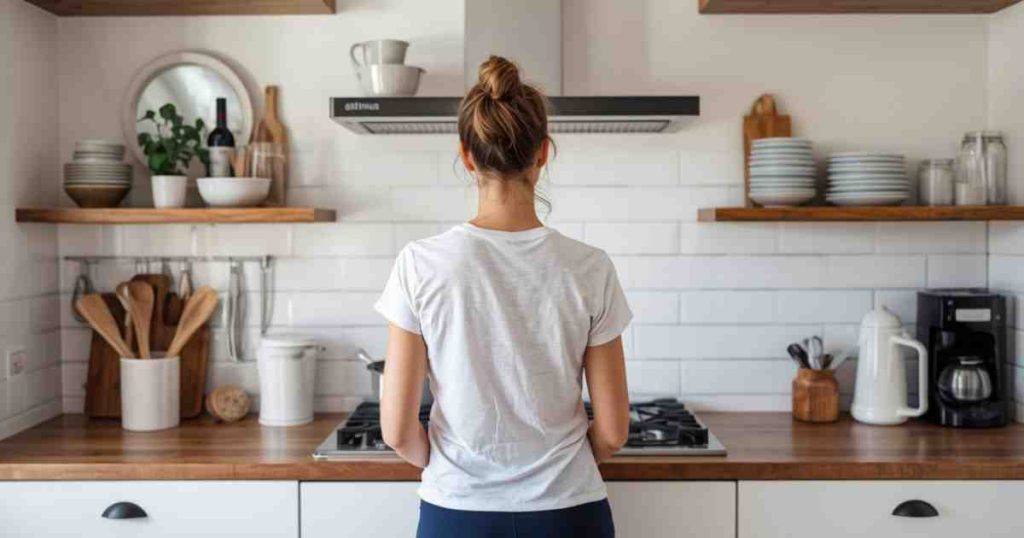
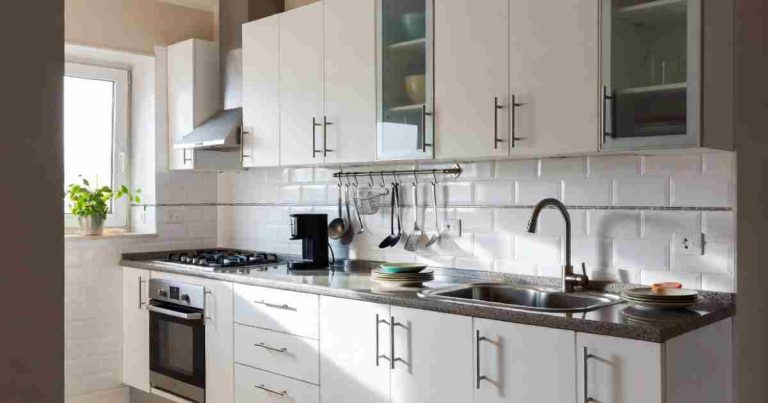
Countertop height is one of the most overlooked factors in kitchen ergonomics. When countertops are too high, you have to hunch over, putting strain on your upper back and shoulders. If they’re too low, you’ll likely bend excessively at the waist, leading to lower back pain.
The ideal height allows you to work without hunching or bending too much, keeping your spine in a more neutral position. Most standard countertops are around 36 inches (91 cm) high, which works for many people, but individual needs can vary greatly.For taller individuals, slightly higher countertops can be a lifesaver. For those who are shorter, it might mean using a comfortable step stool for certain tasks or seeking out kitchens with adjustable height options. Even small adjustments, like placing a cutting board on top of a slightly raised surface, can make a difference.
The goal is to bring the work surface closer to your body’s natural standing posture, minimizing the need for awkward movements.
Consider the tasks you do most often. If you spend a lot of time chopping, the height needs to be just right for that. If you’re often leaning over a sink, the depth and height of the sink basin are also important.
A well-designed kitchen aims to reduce repetitive stress on your back, making cooking a pleasure rather than a pain.
Organize for Easy Access
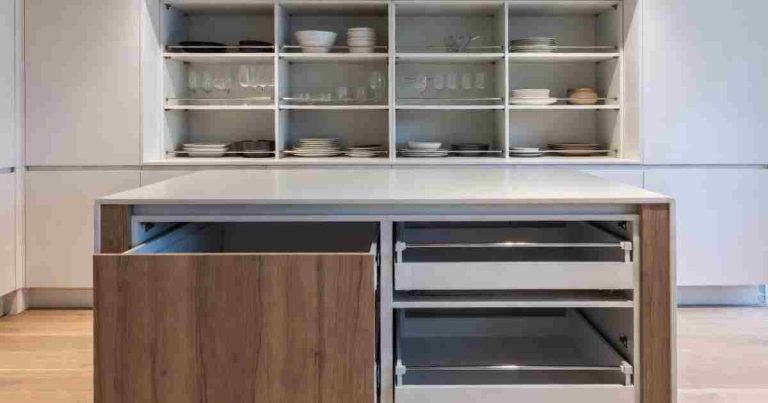
Reaching for items on high shelves or bending down to get things from low cabinets can be a major source of back strain. When your most-used tools and ingredients are within easy reach, you avoid those awkward stretches and bends. Think about placing frequently used pots, pans, utensils, and spices at waist or chest height.
This simple act of smart organization means less strain on your back and more efficient cooking.
Consider using pull-out shelves or drawers in lower cabinets. These make it easy to see and grab items without bending all the way down. For upper cabinets, organizers that pull down can bring your items within reach.
This not only helps your back but also makes finding what you need much quicker, saving you time and frustration.
The idea is to create zones in your kitchen. Have a prep zone with your cutting boards and knives easily accessible. A cooking zone near the stove with your pots, pans, and stirring spoons.
A cleaning zone near the sink with soaps and sponges. This logical flow reduces unnecessary movement and awkward reaching, contributing to a more ergonomic and pain-free cooking experience.
Standing Comfort
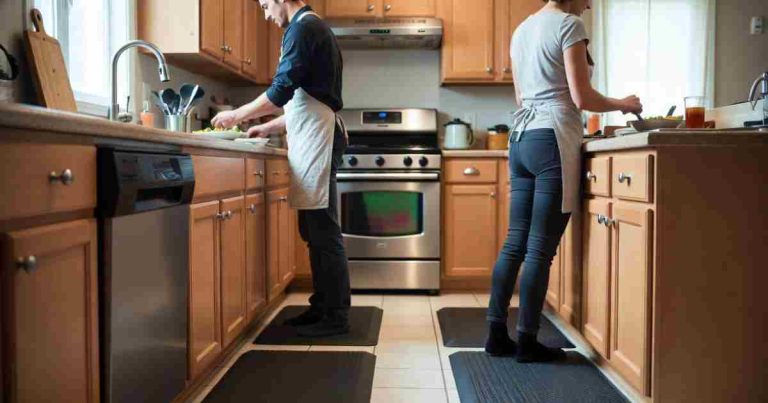
Standing for long periods can be tiring, especially if you’re not standing in a way that supports your back. One of the best ways to reduce discomfort is to use an anti-fatigue mat. These mats are designed to cushion your feet and legs, which can help reduce strain on your lower back.
They encourage small movements, which improves circulation and makes standing feel less tiring. Think of them as a way to make your kitchen floor a little softer and more supportive.
Another helpful tip is to vary your standing position. Don’t stand perfectly still for too long. Shift your weight from one foot to the other, or place one foot slightly in front of the other.
You can even place one foot on a low stool or a rolled-up towel. This subtle change helps to maintain the natural curve of your lower back and reduces pressure.
When working at a counter, try to keep your shoulders relaxed and your arms close to your body. This reduces tension in your upper back and neck. If you find yourself leaning heavily on one side, take a moment to readjust.
Small adjustments like these can make a big difference in preventing back pain during long cooking sessions.
Smart Tool Choices for Back Health
The tools you use in the kitchen can either help or hurt your back. Choosing the right tools and using them wisely can significantly reduce the physical stress of cooking.
We’ll explore how different kitchen gadgets and utensils can be your allies in the fight against back pain, making your culinary efforts more comfortable and safer.
Ergonomic Utensils
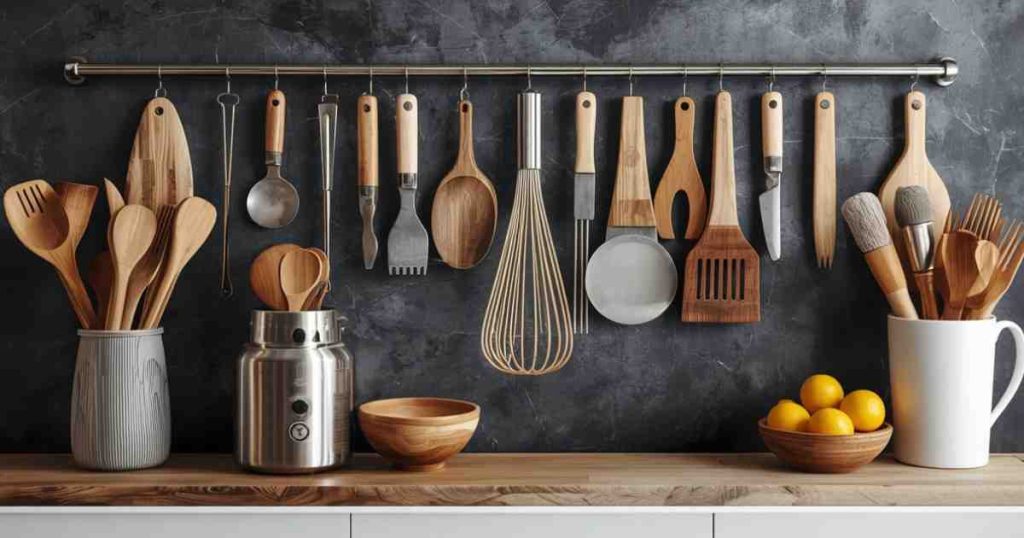
Traditional kitchen utensils can sometimes be uncomfortable to grip, especially for long periods. This can lead to hand and wrist pain, which can indirectly affect your posture and back. Ergonomic utensils are designed with comfort and ease of use in mind.
They often feature thicker, non-slip handles that are easier to grip and require less force from your hand. This reduces strain on your hands, wrists, and forearms, which can also alleviate tension that might travel up to your back.
Look for utensils with handles that are contoured to fit the natural shape of your hand. Some are angled slightly to reduce the need to bend your wrist. This can be particularly helpful when stirring, whisking, or serving.
When your hands and wrists are comfortable, you’re less likely to adopt a strained posture elsewhere in your body.
For example, a potato masher with a large, soft grip handle requires less pressure than a thin, hard one. Similarly, a ladle with a comfortable handle makes serving soup less taxing. Investing in a few good quality ergonomic utensils can make a noticeable difference in your overall comfort while cooking, protecting not just your hands but your entire body.
Cutting and Chopping Aids
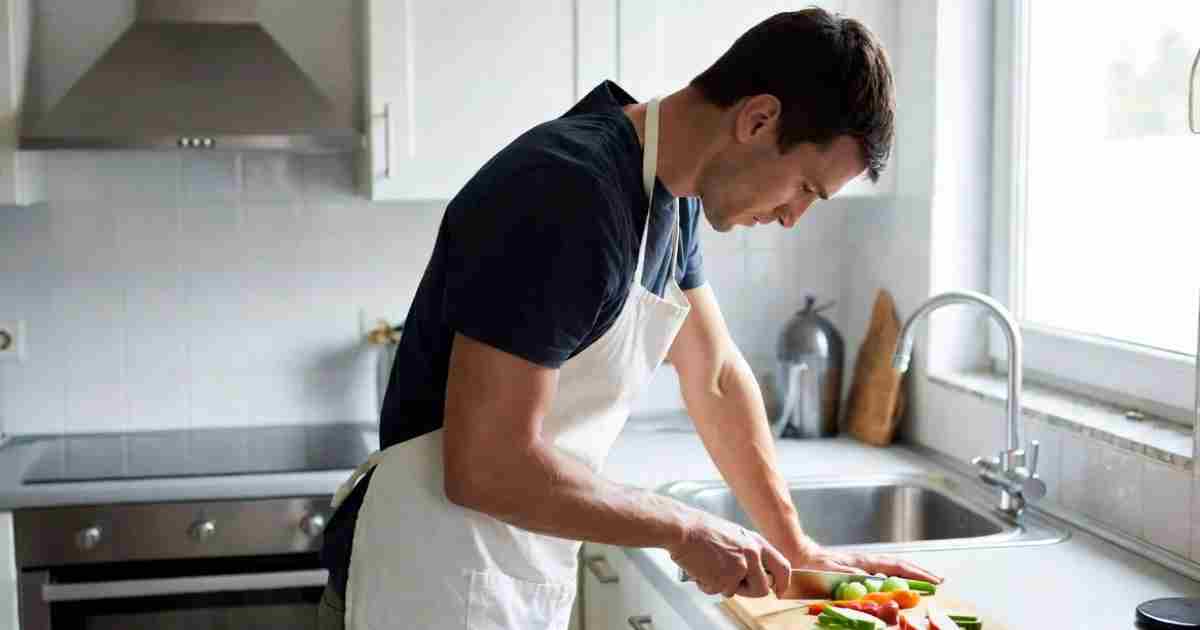
Chopping can be a repetitive motion that puts stress on your wrists and back, especially if you’re bending over your cutting board. Using a stable cutting board is the first step. One that has a non-slip surface or rubber feet will prevent it from sliding, meaning you don’t have to grip it as tightly or lean over it to stabilize it.
This stability means you can focus on the chopping motion with less effort.
Consider the height of your cutting board. If it’s too low, you’ll find yourself hunching over, which is bad for your back. Some people find that placing their cutting board on a slightly raised surface, like a sturdy trivet or a folded dish towel, can help bring the work up to a more comfortable height.
Experiment to see what feels best for your body.
Mandolines and food processors can also be great tools for reducing the strain of chopping. While they require careful handling, they can do a lot of the work for you. A mandoline, when set at the correct height, can allow you to slice vegetables without excessive bending.
A food processor can quickly chop or dice ingredients, saving you a significant amount of time and repetitive motion. Just remember to place these appliances on a stable surface at a comfortable working height.
Pot and Pan Handles
The handles on your pots and pans are more important than you might think for back health. Heavy pots filled with food can be difficult to lift and maneuver, especially if the handles are uncomfortable or poorly placed. Look for pots and pans with sturdy, large, and comfortable handles that provide a good grip.
This allows you to lift and carry them with more control, reducing the risk of dropping or straining yourself.
Some pots and pans feature helper handles – a smaller handle on the opposite side of the main handle. These are invaluable for lifting heavier pots, as they distribute the weight and allow you to use both hands for better balance and support. This is especially helpful when moving a hot pot from the stove to the counter.
When cooking, try to position pots and pans on the stove so that you don’t have to reach over hot burners to stir or grab them. Placing them closer to the front of the stove can make them more accessible and safer, reducing the need for awkward leaning or stretching. Consider the weight of your cookware when empty, too.
Lighter materials like aluminum or stainless steel might be easier to handle than heavy cast iron for everyday tasks.
Movement and Posture Tips
How you stand, move, and hold yourself while cooking has a direct impact on your back. Even with an ergonomic kitchen, poor posture can still lead to discomfort. This section focuses on simple body mechanics and mindful movements that can prevent back pain.
Learning to move smarter in the kitchen is just as important as setting it up smart.
Proper Standing Posture
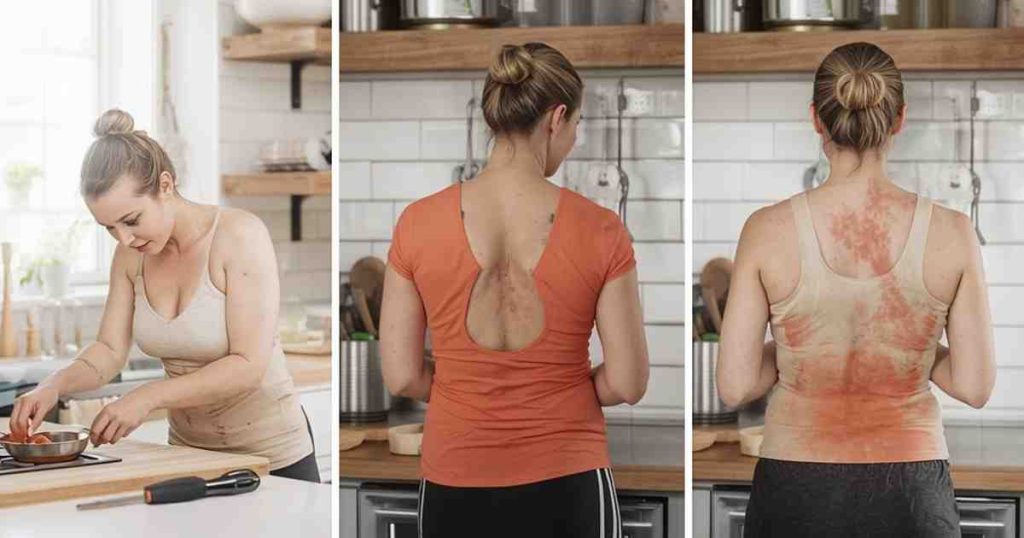
When standing at your kitchen counter, it’s important to maintain a neutral spine. This means your back should have its natural curves. Avoid locking your knees, as this can cause you to lean back and put strain on your lower back.
Instead, keep a slight bend in your knees. This helps to absorb shock and keeps your body in a more balanced position.
Let your shoulders relax and avoid hunching them forward. Your head should be balanced over your shoulders, not jutting forward. Imagine a string pulling you gently upwards from the crown of your head.
This simple visualization can help you achieve better alignment. Keeping your core muscles gently engaged also provides support for your spine.
Try not to stand rigidly in one spot for too long. Shift your weight from one foot to the other regularly. If you have a stool or a low box, you can rest one foot on it and then switch feet periodically.
This variation helps to relieve pressure on your lower back. Remember to breathe deeply; holding your breath can cause your muscles to tense up, including those in your back.
The Importance of Bending
Bending is a common movement in the kitchen, whether you’re reaching for something on the floor or putting away groceries. The way you bend can make a big difference for your back. Instead of bending at your waist with straight legs, which puts a lot of pressure on your lower back, try bending at your knees and hips.
This is often called a “squat” or “lunge” bend.
To do this correctly, stand close to the object you need to reach. Place your feet shoulder-width apart. Then, bend your knees and hips as if you are sitting down in a chair.
Keep your back straight and your core engaged. Use your leg muscles to lift the object, not your back. This method protects your spine by using your stronger leg muscles for the effort.
When you need to retrieve something from a low drawer or cabinet, get as close as you can to it. Then, bend your knees and hips. If it’s a heavy item, try to get a good grip, keep it close to your body, and then straighten your legs to stand up.
Always think about using your legs and hips for the lift, keeping your back as straight and supported as possible. This habit can prevent many common back injuries.
Reaching and Stretching
Reaching for items on high shelves or in the back of cabinets can cause you to overstretch your back and shoulders. If an item is out of easy reach, it’s better to use a small step stool to bring yourself closer to it, or use a reaching tool if available. Avoid twisting your body while reaching; this can put a lot of strain on your spine.
Instead, move your feet to face the item you want to reach.
When reaching for something, try to keep your arm bent and close to your body. This gives you more control and reduces the strain on your shoulder and back. If you have to reach for something heavy, be especially careful.
It’s often better to ask for help than to risk injury. Think about the weight and size of the item before you try to reach for it.
For items stored in deep cabinets, use a pulling motion with your arm rather than leaning your whole body into the cabinet. If possible, use organizers that slide out, like drawers or pull-out shelves. These allow you to bring the items to you, eliminating the need for awkward reaching.
Making these small adjustments can significantly decrease the repetitive stress on your back.
Simple Stretches and Exercises
While ergonomic setup is key, regular movement and gentle exercises can also do wonders for preventing and managing back pain during cooking. These simple routines can be done right in your kitchen or nearby, helping to keep your muscles strong and flexible. We’ll cover a few easy moves that can make a big difference.
Gentle Back Stretches
One very effective stretch is the knee-to-chest stretch. Lie on your back on a comfortable surface, like a yoga mat on the floor. Gently bring one knee towards your chest, using your hands to help pull it in.
Hold for about 20-30 seconds, feeling a gentle stretch in your lower back and hip. Then, release and repeat with the other leg. You can also do this with both knees at once if it feels comfortable.
Another great stretch is the cat-cow pose, which you can do on your hands and knees. Start on all fours, with your hands under your shoulders and your knees under your hips. As you inhale, drop your belly towards the floor and lift your head and tailbone towards the ceiling (cow pose).
As you exhale, round your spine towards the ceiling, tuck your chin to your chest, and let your head drop (cat pose). Move slowly and smoothly between these two poses for several repetitions.
A simple seated spinal twist can also help to release tension. Sit in a chair with your feet flat on the floor. Place your right hand on your left knee and twist your torso to the left, looking over your left shoulder.
Keep your back straight. Hold for 20-30 seconds, then return to the center and repeat on the other side. These stretches help to improve flexibility and reduce stiffness in the spine.
Core Strengthening
A strong core is vital for supporting your spine and preventing back pain. One of the most effective core exercises is the plank. Start in a push-up position, but rest on your forearms instead of your hands.
Keep your body in a straight line from your head to your heels, engaging your abdominal muscles. Hold this position for as long as you can maintain good form, aiming for 30-60 seconds. Rest and repeat a few times.
Another good exercise is the bird-dog. Get on your hands and knees, maintaining a neutral spine. Slowly extend your right arm straight forward and your left leg straight back, keeping your core engaged to prevent your back from arching or rounding.
Hold for a few seconds, then return to the starting position. Alternate sides, extending your left arm and right leg. This exercise improves balance and strengthens the deep abdominal and back muscles.
Bridges are also beneficial. Lie on your back with your knees bent and feet flat on the floor, hip-width apart. Engage your glutes and abdominal muscles, then lift your hips off the floor until your body forms a straight line from your shoulders to your knees.
Hold for a few seconds, then slowly lower back down. Repeat 10-15 times. These exercises help build the muscular support your back needs.
Regular Movement Breaks
Even with the best ergonomic setup, it’s important not to stay in one position for too long while cooking. Set a timer to remind yourself to take short breaks every 20-30 minutes. During these breaks, stand up, walk around your kitchen, and do a few simple stretches.
A quick stretch like reaching your arms overhead or doing a gentle twist can make a world of difference.
These breaks don’t need to be long. Just a minute or two can help to reset your posture and reduce muscle fatigue. You could also use this time to move around the kitchen, perhaps to put away an ingredient or wipe down a counter.
The goal is to simply change your position and get your blood flowing. This prevents muscles from becoming stiff and tense.
Think of these breaks as essential parts of your cooking process, just like measuring ingredients. They actively contribute to preventing pain and making your cooking experience more enjoyable and sustainable. By incorporating regular movement, you’re investing in your long-term comfort and health in the kitchen.
Kitchen Setup for Reduced Back Strain
Creating a kitchen that actively helps your back involves a combination of ergonomic principles and thoughtful arrangement. It’s about making every element of your cooking space contribute to your comfort and well-being. This section ties together various aspects of kitchen design and organization to help you build a back-friendly environment.
Optimizing Work Zones
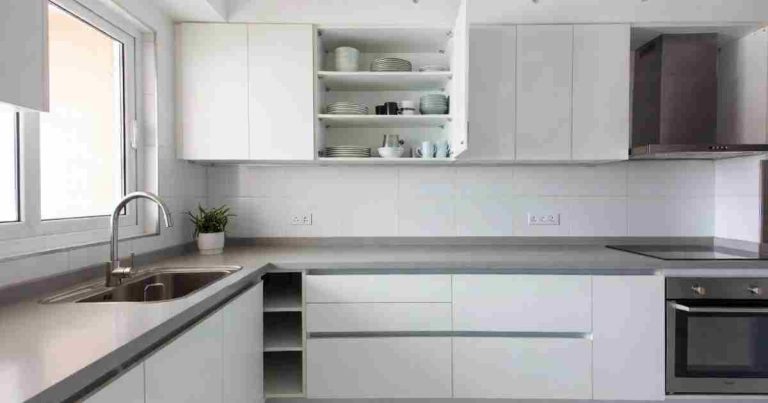
A well-organized kitchen has distinct work zones: prep, cooking, and cleaning. Arranging these zones logically can minimize unnecessary steps and awkward movements. For instance, place your cutting board and knives near the sink for easy washing.
Keep your most-used spices and oils within easy reach of the stove. This efficiency reduces bending, reaching, and twisting, all common culprits of back pain.
Consider the flow between these zones. When you move from washing produce to chopping it, you should be able to do so smoothly. If your prep area is far from your stove, you might be carrying heavy bowls or hot pans over longer distances, increasing the risk of strain.
Imagine yourself going through the steps of preparing a meal and see if the layout makes sense for your body.
Using drawer organizers and pull-out shelves can also enhance work zones. They allow you to store items neatly and access them easily without deep bending or stretching. For example, a pull-out spice rack near the stove keeps everything visible and reachable.This strategic organization makes your kitchen work for you, not against your back.
Appliances and Their Placement
The placement of your appliances is critical for ergonomics. Microwaves, for instance, should ideally be placed at a height that doesn’t require excessive bending or overhead reaching. A countertop placement or a shelf at chest height is often best.
Wall ovens should also be positioned so that you can easily access them without bending over hot racks.
Dishwashers, too, play a role. Ensure the door can open fully without obstructing a walkway or forcing you into an awkward position. If your dishwasher is particularly low, consider a model with a drawer or a slightly raised installation if possible.
Small changes in appliance placement can reduce repetitive straining motions.
Even your refrigerator’s location matters. If it’s too far from your main prep area, you’ll be making more trips, potentially carrying heavy items. Think about how you use your appliances throughout the cooking process and how their current positions affect your movement and posture.
A slight rearrangement can make a big difference in daily comfort.
Storage Solutions
Smart storage is key to a back-friendly kitchen. Instead of stacking heavy items on high shelves, store them in lower, easily accessible cabinets or drawers. Use tiered shelves or risers within cabinets to make better use of vertical space and bring items forward, so you don’t have to reach into the back.
For frequently used items, consider placing them at waist or chest height. This minimizes bending and reaching. If you have upper cabinets that are difficult to reach, consider using a small, sturdy step stool.
Avoid storing heavy appliances or large pots and pans on high shelves. Instead, keep them in lower cabinets or on sturdy, accessible shelves.
Lazy Susans or turntables are excellent for corner cabinets or deep shelves. They allow you to access items easily with a simple spin, preventing the need to reach or move multiple things out of the way. Investing in these types of storage solutions can transform a challenging kitchen into a comfortable and efficient one, directly benefiting your back health.
Frequently Asked Questions Of How To Reduce Back Pain While Cooking: Ergonomic Kitchen Tips
What is the best way to stand while cooking?
Stand with your feet shoulder-width apart, knees slightly bent, and your weight evenly distributed. Keep your back straight with its natural curves, and avoid locking your knees. Shift your weight from foot to foot periodically.
Should I use a mat when standing in the kitchen?
Yes, an anti-fatigue mat can be very helpful. It cushions your feet and legs, which can reduce strain on your lower back and make standing for longer periods more comfortable.
How can I avoid bending over too much?
Bring items closer to you whenever possible. Use a step stool to reach higher or lower items. When bending, use your knees and hips to squat down, keeping your back straight, rather than bending at the waist.
Are there specific utensils that help with back pain?
Ergonomic utensils with thick, non-slip handles can be easier to grip and require less force, reducing hand and wrist strain that can affect your posture. Consider angled handles as well.
How often should I take breaks while cooking?
It’s good to take short breaks every 20-30 minutes. Stand up, walk around, and do a quick stretch to prevent stiffness and reduce muscle fatigue.
Summary
Making your kitchen work for your back is simpler than you might think. By organizing your space, choosing the right tools, and using smart body mechanics, you can greatly reduce back pain while cooking. Focus on bringing work surfaces to a comfortable height, keeping items within easy reach, and bending and reaching with care.
Even small changes can lead to a more comfortable and enjoyable time in the kitchen.

![How To Design A Kitchen For Tall People Counter Heights, Cabinet Reach, And More[1]](https://kitchentoolslab.com/wp-content/uploads/2026/05/How_To_Design_A_Kitchen_For_Tall_People__Counter_Heights_Cabinet_Reach_And_More1-768x448.jpg)
![The Kitchen Work Triangle Explained Is It Still Relevant[1]](https://kitchentoolslab.com/wp-content/uploads/2026/05/The_Kitchen_Work_Triangle_Explained__Is_It_Still_Relevant1-768x403.jpg)