Fermented Garlic Honey: Easiest Ferment With Long Shelf Life
Fermented garlic honey is an easy ferment because peeled garlic cloves are submerged in raw honey, then burped as bubbles form. Its long shelf life depends on acidity, cleanliness, and storage, not magic: botulism risk is controlled when pH stays below 4.6. Keep garlic covered, use clean jars, and avoid giving honey to infants.
Making your own health boosters at home can feel like a lot of work. But what if there was a super simple way to create something packed with goodness that also lasts a really long time? That’s where Fermented Garlic Honey: Easiest Ferment With Long Shelf Life comes in.
It’s a fantastic way to get amazing flavors and benefits without much fuss. You’ll love how easy this is and how much you gain from having this delicious, potent honey on hand. We’ll show you exactly how to make it and why it’s so great.
Key Takeaways
- You’ll learn how to make fermented garlic honey with just two main ingredients.
- Discover why this simple ferment is known for its impressive long shelf life.
- Understand the basic science behind why garlic and honey ferment so well together.
- Get tips on the best types of honey and garlic to use for optimal results.
- Learn how to properly store your fermented garlic honey to keep it fresh.
- Find out creative ways to use your finished fermented garlic honey in cooking and wellness.
Why Fermented Garlic Honey Is So Easy
Many people think fermenting means complicated steps or special equipment. That’s not true for fermented garlic honey. It’s one of the simplest ferments you can try.
You basically just need garlic and honey. The honey acts as a preservative and creates the right environment for fermentation. This makes it a beginner-friendly project.
It’s a great way to start exploring the world of fermented foods.
The process relies on the natural properties of both ingredients. Garlic has antimicrobial qualities. Honey has a high sugar content and low water activity, which prevents spoilage.
When you combine them, the honey draws moisture from the garlic. This moisture then mixes with the honey, creating a liquid. This liquid starts to ferment thanks to natural yeasts and bacteria present.
It’s a natural transformation that requires minimal intervention. This is a key reason why it’s considered the easiest ferment with long shelf life.
Choosing Your Ingredients for Great Fermented Garlic Honey
Getting the ingredients right is important for success. For your fermented garlic honey, you’ll want fresh, good-quality garlic. Avoid garlic that is sprouting or has soft spots.
Peeled garlic cloves work best. You can leave them whole or chop them. Smaller pieces will ferment faster and infuse the honey more quickly.
However, whole cloves are easier to handle and still work wonderfully.
The type of honey you choose matters too. Raw, unpasteurized honey is the best choice. It contains natural enzymes and microbes that help kickstart the fermentation process.
Pasteurized honey has been heated, which kills these beneficial organisms. This can slow down or even prevent fermentation. Look for local honey if possible.
It often has unique properties from the local flora. The goal is to find a honey that isn’t too thick or too runny.
The Simple Steps to Making Fermented Garlic Honey
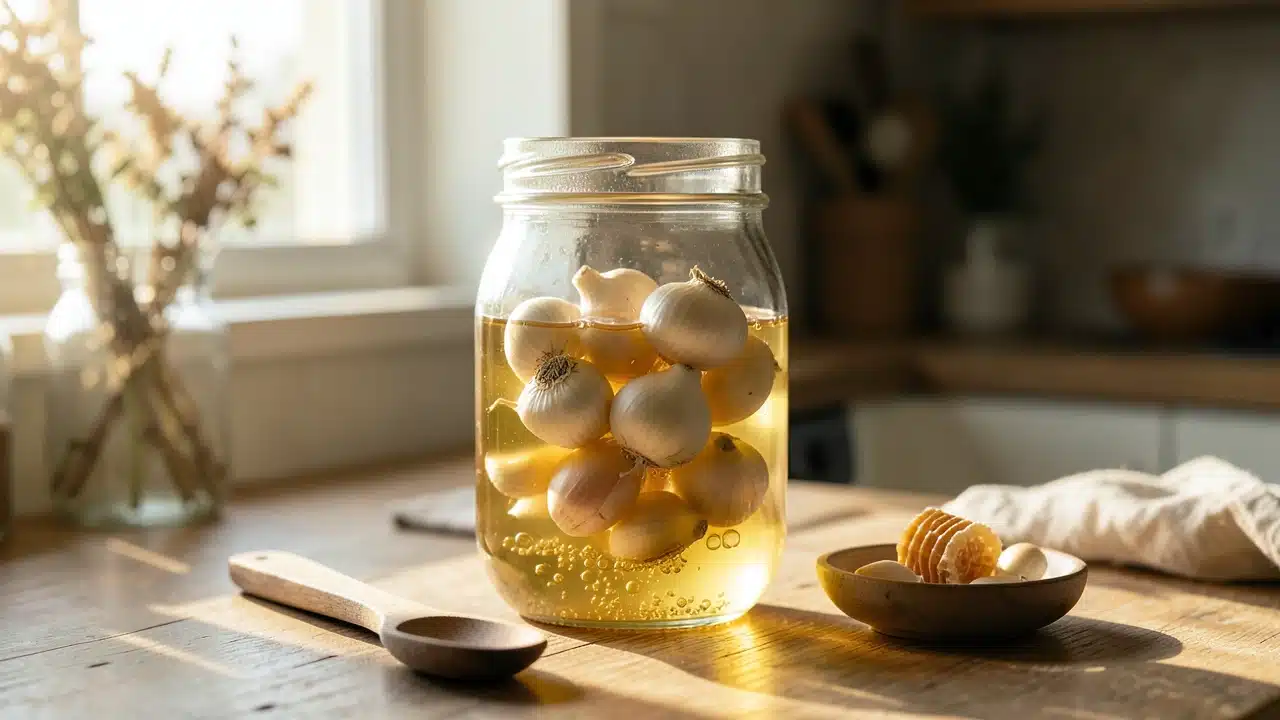
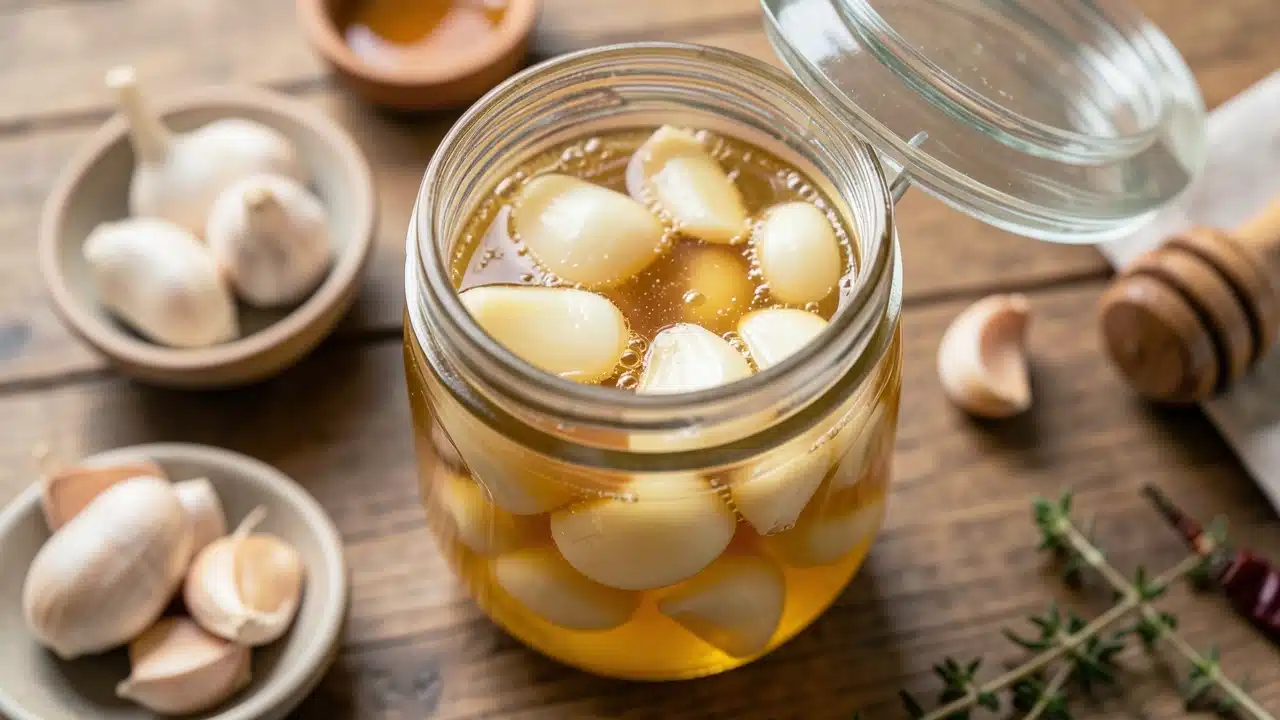
Making this delicious treat is straightforward. First, peel your garlic cloves. You’ll need enough to fill your jar about halfway.
Place the peeled garlic into a clean, dry glass jar. A mason jar works perfectly. Make sure the jar is big enough to hold the garlic and honey.
Leave some space at the top for expansion during fermentation.
Next, pour raw honey over the garlic. You want to completely cover the garlic cloves. Ensure there are no air pockets around the garlic.
If you see any air, gently stir or add more honey. The honey should fill the jar to about 80% capacity. This leaves room for the honey to expand as it ferments.
Once the garlic is submerged, secure the lid on the jar. Don’t tighten it completely at first. Leave it a little loose to allow gases to escape.
Then, let the jar sit at room temperature. Keep it out of direct sunlight. The ideal spot is a cupboard or pantry shelf.
You’ll notice changes over the next few days and weeks. Bubbles may start to appear. This is a sign of fermentation.
You might also see the honey become more liquid as it draws moisture from the garlic. This liquid is the start of your delicious fermented garlic honey.
Finally, after about a week, you can tighten the lid more. You can also start to taste it. The longer it ferments, the more intense the flavor becomes.
Some people let it ferment for several weeks or even months. The flavor will deepen and the garlic will soften.
This process truly highlights why Fermented Garlic Honey: Easiest Ferment With Long Shelf Life is such a popular choice.
Understanding the Fermentation Process
Fermentation is a natural process. For fermented garlic honey, it’s a form of lacto-fermentation, though not in the traditional sense like sauerkraut or kimchi.
The honey’s low water content and high sugar concentration create an environment where certain beneficial bacteria can thrive.
These bacteria convert sugars into lactic acid. This acid helps preserve the food and gives it a tangy flavor.
The garlic releases its juices. These juices mix with the honey. This dilutes the honey slightly.
It also introduces sugars and nutrients that feed the fermenting microbes. The garlic itself also undergoes changes. It becomes softer and its pungent flavor mellows.
It takes on a sweet, slightly tangy taste. This transformation is what makes fermented garlic honey so unique and delicious.
The pressure that builds up is normal. It’s carbon dioxide gas. This gas is a byproduct of the fermentation.
It’s why you should loosen the lid initially. This allows the gas to escape. If you don’t, the jar could build up too much pressure.
This is a common sign of active fermentation. It’s a good indicator that your fermented garlic honey is developing nicely.
Shelf Life and Storage Secrets
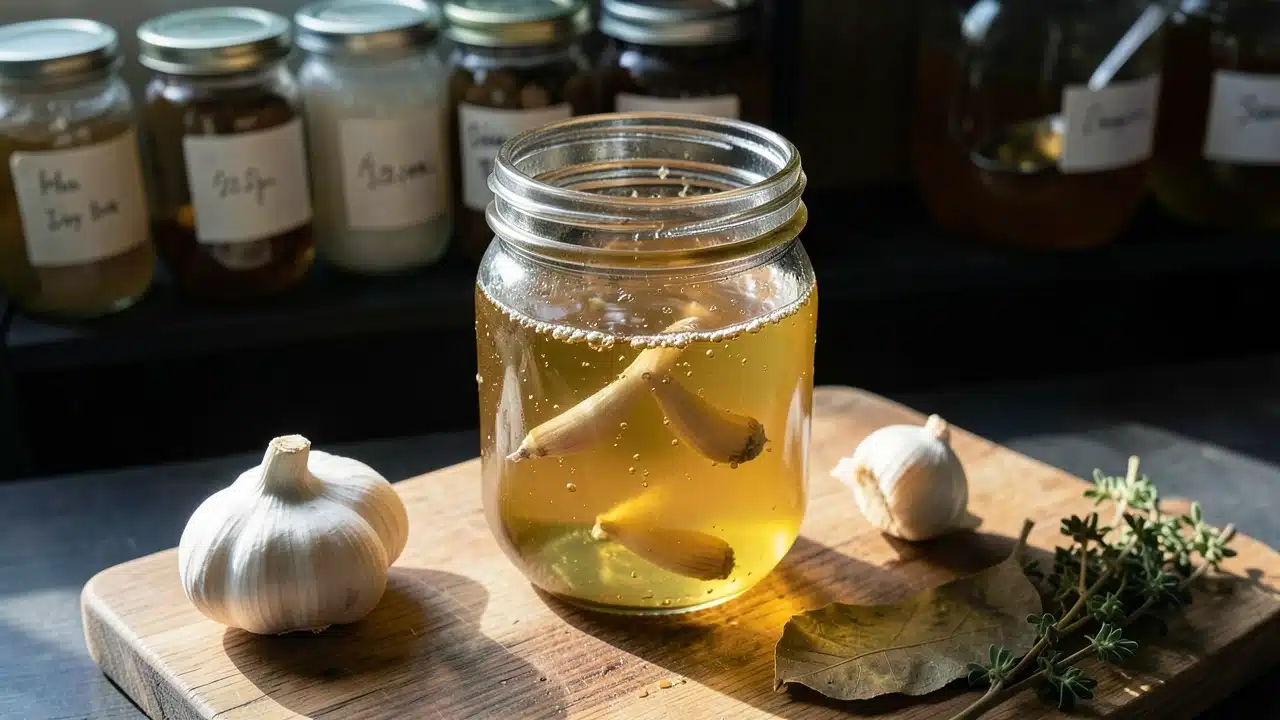
One of the biggest advantages of fermented garlic honey is its incredible shelf life. Because of the high sugar content of honey and the acidic environment created by fermentation, it can last for a very long time. Properly stored, it can last for years.
This makes it a pantry staple you can rely on. You don’t have to worry about it spoiling quickly.
To ensure the longest shelf life, store your jar in a cool, dark place. A pantry or cupboard is ideal. Once you’ve opened the jar, you can continue to store it at room temperature.
Some people prefer to refrigerate it after opening. Refrigeration can thicken the honey. It can also slow down any further fermentation.
For most people, room temperature storage is perfectly fine and convenient.
Make sure to always use clean utensils when scooping out the honey. This prevents introducing unwanted bacteria. If you see any mold on top, discard the batch.
However, with proper preparation and storage, mold is very unlikely. The natural preservative qualities of honey and the fermentation process are very effective. This is a major reason why people love Fermented Garlic Honey: Easiest Ferment With Long Shelf Life.
How to Use Your Fermented Garlic Honey
This delicious concoction isn’t just for show. It has a wide range of uses. You can use it just like regular honey.
Drizzle it on toast, yogurt, or oatmeal. It adds a unique sweet and savory flavor. The subtle tang from the fermentation is a delightful surprise.
It’s a great way to jazz up everyday foods.
In the kitchen, it’s a fantastic ingredient for dressings and marinades. Whisk it into vinaigrettes for a sweet and tangy kick. It pairs wonderfully with roasted meats and vegetables.
Try it in glazes for chicken or pork. It can also add depth to stir-fry sauces. The possibilities are quite extensive.
It’s a versatile condiment.
Many people also consume it for its potential health benefits. Garlic and honey are both known for their wellness properties. Fermentation can sometimes enhance these benefits.
Some people take a spoonful daily. They believe it supports their immune system. It’s a tasty way to incorporate a little extra goodness into your diet.
Remember, it’s a food, not a medicine, but many find it beneficial.
Troubleshooting Common Issues
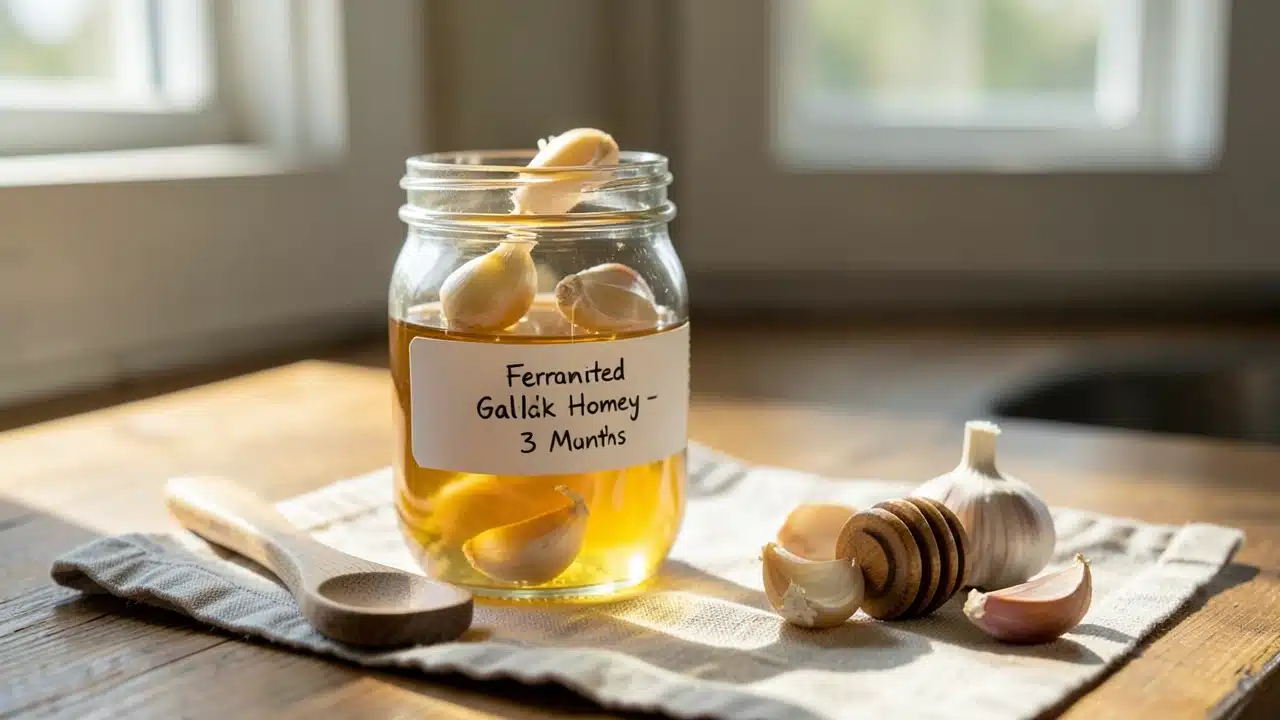
While Fermented Garlic Honey: Easiest Ferment With Long Shelf Life is straightforward, a few things can happen. If you don’t see any bubbles after a week or two, don’t panic. It might just mean your environment is too cold.
Try moving the jar to a warmer spot. Ensure your honey is raw and unpasteurized. If the honey is very thick, it might take longer to start.
You can gently warm the honey slightly before pouring it over the garlic, but don’t overheat it.
Another common question is about the appearance of the garlic. Over time, the garlic cloves might turn a bluish or greenish color. This is a natural chemical reaction.
It happens when the garlic is exposed to the acidic honey. It is perfectly safe to eat. It doesn’t affect the taste or quality of your fermented garlic honey.
It just looks a bit different.
If you notice any signs of mold, it’s best to discard the batch. This usually happens if the garlic isn’t fully submerged in honey. Always ensure every piece of garlic is covered.
Also, make sure your jar and utensils are clean. This helps prevent contamination. However, with the correct method, mold is very rare.
The honey’s properties are strong protection.
Comparing Fermented Garlic Honey to Other Ferments
When you think about fermentation, you might picture things like sauerkraut, kimchi, or kombucha. These are all fantastic, but they often require more specific steps. Sauerkraut needs regular burping to release gas.
Kombucha needs a SCOBY and careful temperature control. Kimchi involves chopping vegetables and spices. Compared to these, fermented garlic honey stands out for its simplicity.
| Fermented Garlic Honey | Garlic, Raw Honey | Glass Jar | Years | Very Easy |
| Sauerkraut | Cabbage, Salt | Jar, Weight, Air Lock (optional) | Months | Easy |
| Kombucha | Tea, Sugar, SCOBY | Large Jar, Cloth Cover, SCOBY | Months (in fridge) | Moderate |
| Kimchi | Napa Cabbage, Radish, Spices, Salt | Jar, Gloves (for spice paste) | Months (in fridge) | Moderate |
The table above shows the difference. Notice how fermented garlic honey requires minimal equipment and has the longest shelf life. This makes it ideal for busy people or those new to fermenting.
It’s a gateway to understanding how beneficial fermentation can be without the usual complexities. Its long shelf life means you can make a batch and enjoy it for a very long time.
Benefits of Having Long-Lasting Fermented Garlic Honey
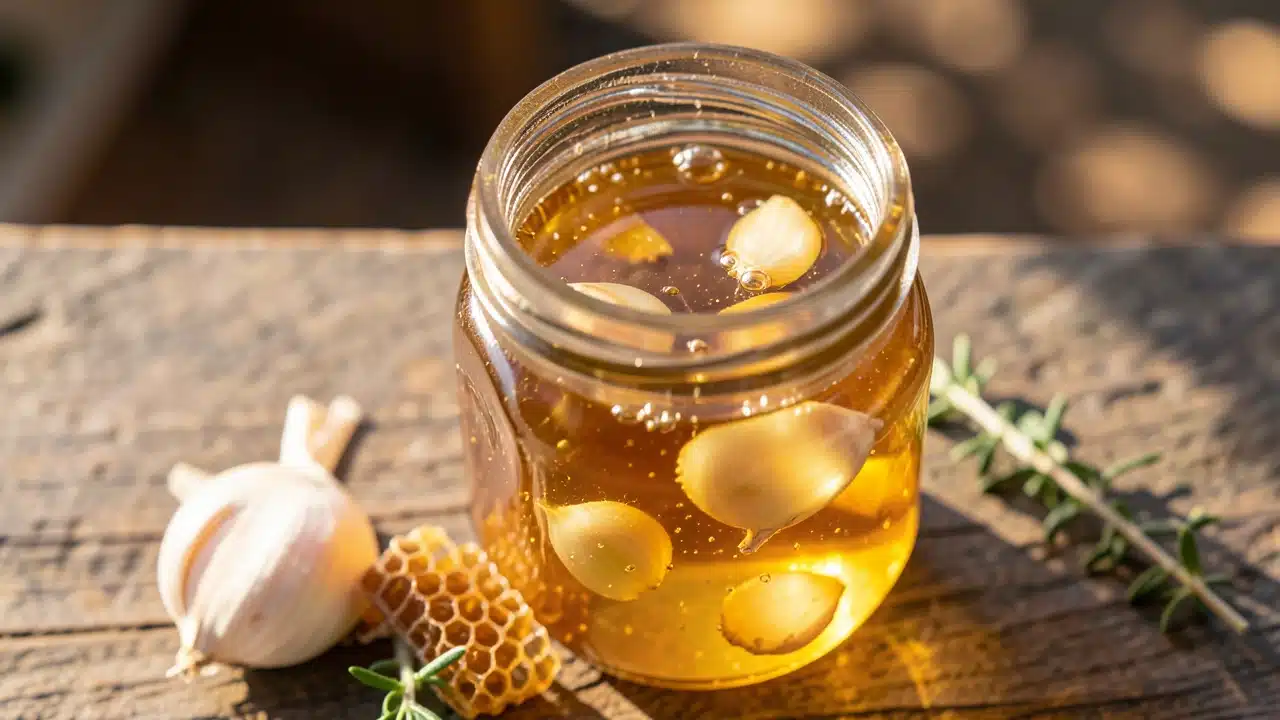
Having a jar of fermented garlic honey ready to go offers many benefits. The most obvious is convenience. You always have a healthy, flavorful ingredient on hand.
You don’t need to rush to the store when you need it for a recipe or a wellness boost. Its extended shelf life means less waste too. You can make a larger batch when you have time.
Economically, making your own is often cheaper than buying pre-made specialty items. The cost of garlic and honey is usually less than buying fermented products. Plus, you get the satisfaction of creating something yourself.
It’s a rewarding process. You can feel good about what you’re putting into your body. This is a key reason why many choose this method.
Finally, it’s a fantastic way to preserve garlic. If you have an abundance of garlic, this is a perfect method. You can store it in a way that not only preserves it but also enhances its flavor and potential benefits.
This makes it a smart choice for gardeners and home cooks alike. The ease and longevity truly make it a standout.
Frequently Asked Questions Of Fermented Garlic Honey: Easiest Ferment With Long Shelf Life
What is the best type of honey for fermentation?
Raw, unpasteurized honey is best for fermented garlic honey. It contains natural enzymes and microbes that help the fermentation process begin and thrive.
How long does fermented garlic honey last?
When stored properly in a cool, dark place, fermented garlic honey can last for years. Its long shelf life is one of its greatest advantages.
Can I use pre-peeled garlic from the store?
It’s best to use fresh garlic and peel it yourself. Pre-peeled garlic might have been treated with preservatives that can interfere with fermentation. Always use fresh garlic for the best results in your fermented garlic honey.
What if my fermented garlic honey turns cloudy?
Cloudiness is usually a sign of active fermentation and is normal. It means the process is working. If you are concerned, ensure the garlic is fully submerged and the jar is clean.
How do I know if my fermented garlic honey has gone bad?
If you see any signs of mold on the surface, or if it has an off-putting smell, it’s best to discard it. However, with proper storage, this is very rare for fermented garlic honey.
Can I eat the garlic cloves from the fermented honey?
Yes, the garlic cloves are edible and delicious. They become soft and have a sweet, mellow flavor after fermentation. You can enjoy them as a snack or use them in cooking.
Final Thoughts
Creating Fermented Garlic Honey: Easiest Ferment With Long Shelf Life is a simple yet rewarding project. You get a delicious, versatile ingredient that lasts for years. With just garlic and raw honey, you can easily make a healthy addition to your pantry.
Enjoy the benefits and unique flavors this simple ferment brings to your kitchen.