Why Cold Pasta Salad Turns Stiff, And How To Cook Pasta Right
Cold pasta salad turns stiff because cooked starch firms as it cools, so pasta that was perfect hot can become tough in the fridge.
Cook pasta slightly past al dente, salt the water well, dress it while warm, and serve closer to room temperature. Reserve extra dressing to loosen it before serving.
It’s frustrating when your delicious pasta salad turns into a stiff, clumpy mess in the fridge. You want that perfect, tender bite every time, not something hard and unappetizing.
Understanding Why Cold Pasta Salad Turns Stiff, and How to Cook Pasta Right makes all the difference for your meals.
Getting pasta cooked just right means your salads stay fresh and enjoyable, and your cooked pasta dishes are always a hit.
We’ll show you exactly how to avoid that common pitfall and ensure your pasta is always perfect, whether it’s for a picnic or a weeknight dinner.
Key Takeaways
- Properly cooking pasta prevents it from becoming stiff and gummy when chilled.
- Rinsing pasta after cooking can wash away starches that help bind it together.
- Adding oil to cooking water doesn’t prevent pasta from sticking as effectively as other methods.
- Overcooking pasta is a primary reason for its stiff texture in cold dishes.
- Choosing the right pasta shape can impact how well it holds up in a salad.
- Cooling pasta correctly is crucial for maintaining its texture.
Why Pasta Salad Gets Stiff: The Common Culprits
Many home cooks face the same problem: their pasta salad, once a vibrant dish, becomes a stiff brick after a few hours in the refrigerator.
This often happens because the pasta itself wasn’t cooked or handled correctly before being dressed and chilled. The goal is to achieve pasta that is tender but still has a slight chew, often referred to as ‘al dente’.
When pasta is overcooked, it absorbs too much water and its structure breaks down, leading to that unpleasant stiffness when cooled. This is a fundamental aspect of Why Cold Pasta Salad Turns Stiff, and How to Cook Pasta Right.
Another common mistake is how the pasta is prepared before mixing it with other ingredients. Pasta continues to cook even after it’s drained, especially if it’s still very hot when combined with other components.
This residual cooking process can push the pasta beyond the ideal texture, contributing to a harder, stiffer outcome later on.
Understanding these initial steps is vital for anyone wanting to master pasta preparation.
Mastering the Art of Cooking Pasta
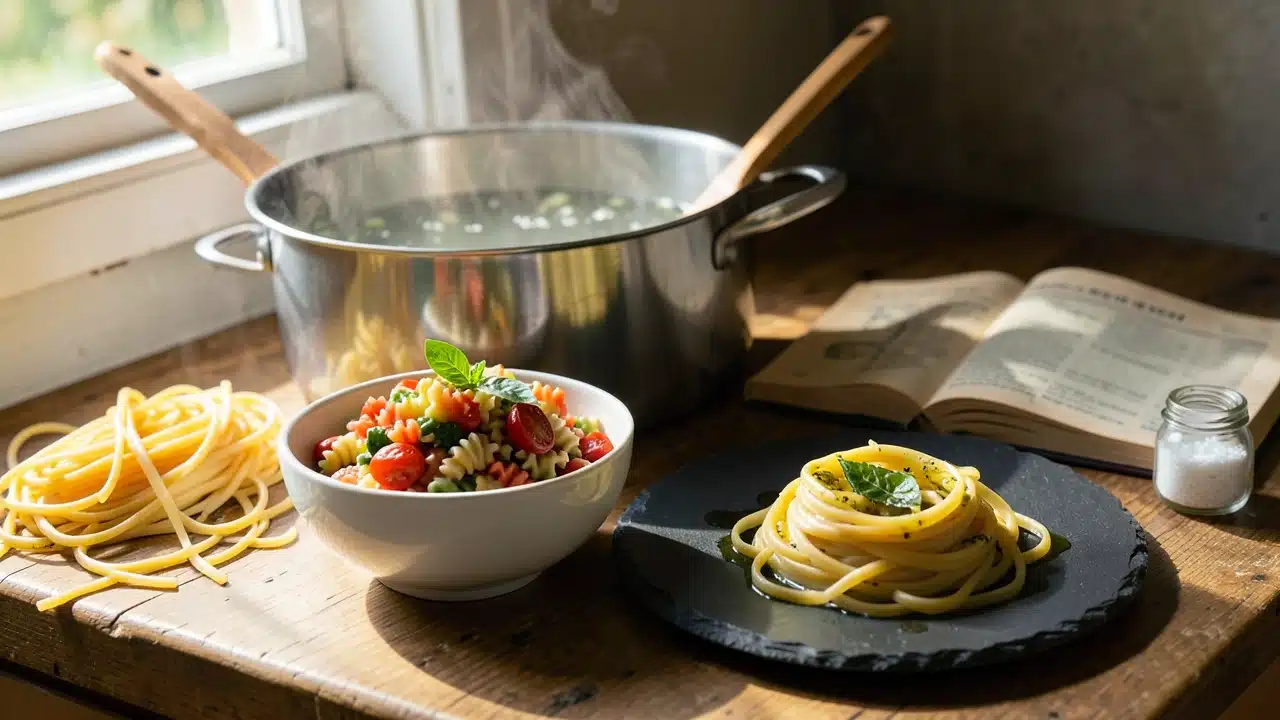
Cooking pasta seems straightforward, but there are nuances that significantly impact the final dish, especially when it comes to cold preparations like pasta salad.
The key to avoiding stiffness lies in precise cooking and cooling methods. Getting this right is central to understanding Why Cold Pasta Salad Turns Stiff, and How to Cook Pasta Right.
Choosing the Right Pot and Water Amount
First, always use a large pot. Pasta needs plenty of space to move around freely as it cooks. If the pot is too small or there isn’t enough water, the pasta will clump together and cook unevenly.
This uneven cooking is a direct contributor to stiffness later on. A good rule of thumb is about 4-6 quarts of water for every pound of pasta.
Plenty of water also helps maintain a consistent boiling temperature. When you add pasta to boiling water, it immediately cools the water down.
With a large volume of water, the temperature drops only slightly and quickly returns to a boil, ensuring the pasta cooks efficiently and evenly.
This consistent heat is crucial for achieving the perfect texture.
Salting the Water: More Than Just Flavor
Don’t be shy with the salt! Salting the cooking water is essential for flavoring the pasta from the inside out. It’s not just about making the water taste good; it plays a role in the pasta’s texture.
Use about 1-2 tablespoons of salt for every 4-6 quarts of water. The water should taste like the sea. This might seem like a lot, but most of the salt drains away with the water.
Salt also helps the pasta absorb water more effectively during cooking. This controlled absorption is important for developing the proper ‘al dente’ texture.
Without enough salt, the pasta can taste bland and its texture might be less appealing, even before you consider chilling it.
The Boiling Point: When to Add Pasta
Always add pasta to water that is at a rolling boil. A rolling boil means the water is vigorously bubbling, indicating it's hot enough to cook the pasta quickly and evenly. Adding pasta to water that is just simmering or not fully boiling will result in the pasta absorbing water too slowly and becoming gummy.
This is a critical step in Why Cold Pasta Salad Turns Stiff, and How to Cook Pasta Right.
Once the pasta is in, stir it immediately and frequently for the first minute or two. This prevents the pieces from sticking together as they begin to soften.
After that initial period, stirring occasionally is usually sufficient to ensure even cooking and prevent clumping.
Cooking Time: The Al Dente Sweet Spot
This is arguably the most crucial step for preventing stiff pasta salad. Pasta should be cooked to ‘al dente’, meaning it’s tender but still has a slight firmness or chew when you bite into it. It should not be mushy or soft.
Check the pasta package for recommended cooking times, but always start testing a minute or two before the suggested time.
To test, carefully remove a piece of pasta and bite into it. You’re looking for a slight resistance at the center, not a hard, uncooked core, but also not a completely soft, yielding texture.
For pasta salad, it’s often best to err on the side of slightly undercooking rather than overcooking, as the pasta will continue to soften slightly as it cools and absorbs dressing.
The Draining and Cooling Process
Once the pasta reaches al dente, drain it immediately. Do not let it sit in the hot water. Use a colander to drain the pasta thoroughly.
For pasta salad, it’s important to cool the pasta down quickly. The best way to do this is to rinse it under cold running water.
This halts the cooking process instantly and washes away excess surface starch, which can make the pasta sticky or gummy when cold.
Some people avoid rinsing pasta, arguing it washes away flavor and starch needed for sauce adherence. However, for cold pasta salads, rinsing is often beneficial.
It prevents the pasta from clumping together as it cools and helps maintain a more separate, tender texture.
This is a key factor in Why Cold Pasta Salad Turns Stiff, and How to Cook Pasta Right.
After rinsing, drain the pasta very well. You can even spread it out on a clean baking sheet or a large plate lined with paper towels to ensure all excess water is removed.
This step is vital because excess water can dilute dressings and make the salad watery, while properly drained pasta will absorb the dressing better and maintain its texture.
Common Mistakes That Lead to Stiff Pasta
Beyond improper cooking, several other mistakes can contribute to stiff pasta salad. Being aware of these pitfalls helps ensure your pasta remains delightful, regardless of whether it’s served hot or cold. This knowledge is central to understanding Why Cold Pasta Salad Turns Stiff, and How to Cook Pasta Right.
Overcooking is a Major Offender
As mentioned, overcooked pasta becomes soft and mushy. When this mushy pasta cools, it loses its structure and can become a solid, sticky mass.
The starches break down too much, and the pasta loses its ability to hold its shape, resulting in a stiff, unappealing texture in cold dishes.
Always aim for that perfect al dente.
Adding Hot Pasta to Dressing
Another common error is dressing hot pasta. If you toss hot pasta with dressing, it continues to cook. The heat from the pasta can also cause some dressings to break or become oily.
More importantly, hot pasta will absorb the dressing differently, often leading to a heavier, denser texture once chilled. Letting the pasta cool completely before dressing is key.
Rinsing vs. Not Rinsing: The Debate
The debate over rinsing pasta is ongoing. For hot dishes where you want a sauce to cling, not rinsing is usually preferred because the surface starch helps bind the sauce. However, for cold pasta salads, rinsing is often recommended.
It cools the pasta quickly, prevents clumping, and removes excess starch that can make the salad gummy and stiff when cold. For Why Cold Pasta Salad Turns Stiff, and How to Cook Pasta Right, rinsing is a helpful tool.
Not Draining Enough Water
Leaving too much water on the pasta after draining can lead to a watery salad. This excess water also dilutes the dressing, making it less flavorful.
More significantly, the trapped water can make the pasta pieces stick together as they cool, contributing to that stiff, clumped texture.
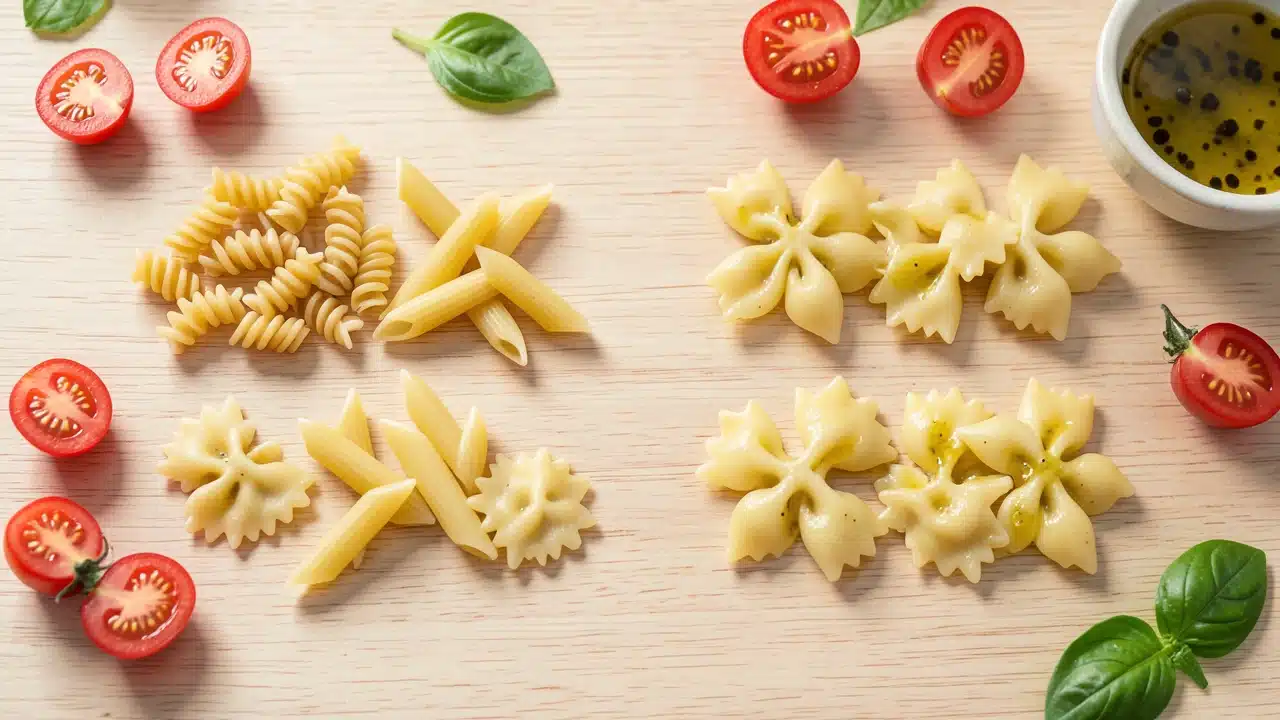
Choosing the Right Pasta Shape for Salads
Not all pasta shapes are created equal when it comes to pasta salad. Some shapes hold up better to chilling and dressing than others. The right choice can make a significant difference in the final texture and appeal of your dish.
This is an important part of Why Cold Pasta Salad Turns Stiff, and How to Cook Pasta Right.
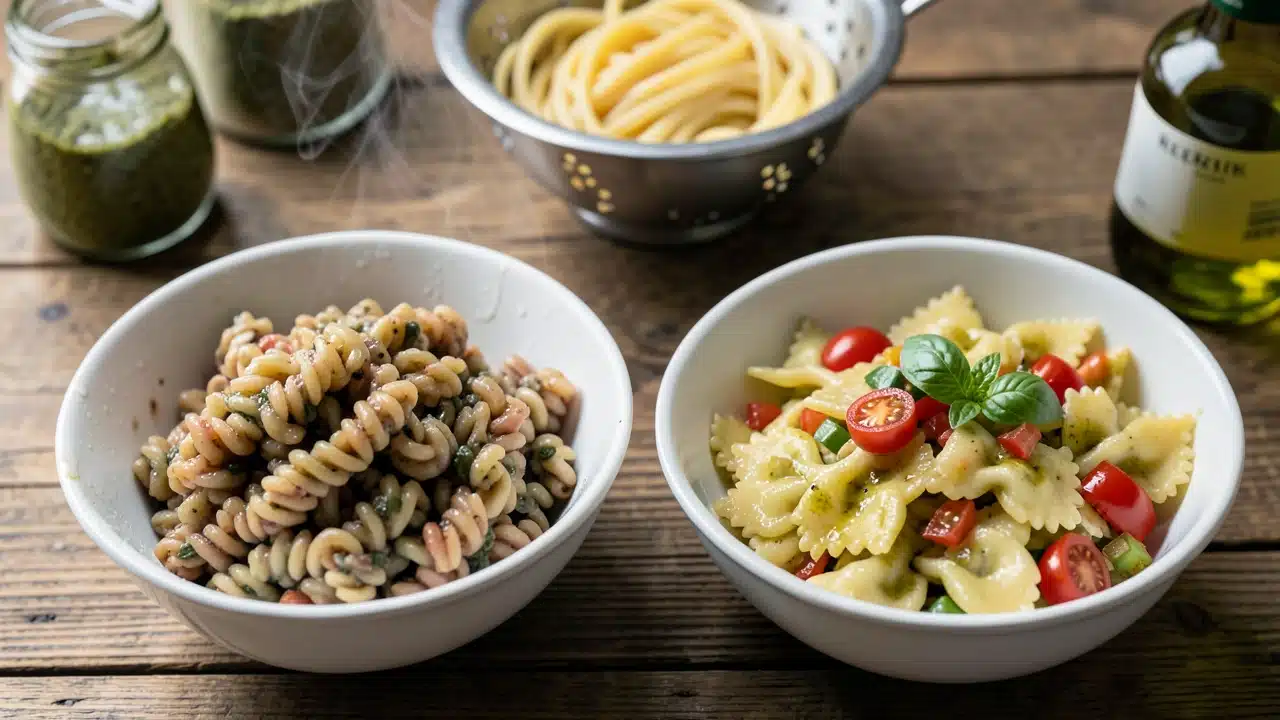
Generally, pasta shapes with ridges, twists, or hollow centers are excellent for pasta salads. These features help to capture and hold dressing, ensuring every bite is flavorful. They also provide more surface area, which can help prevent pieces from sticking together as much.
Recommended Pasta Shapes for Cold Salads
- Rotini: The tight corkscrew shape is perfect for trapping dressing and small ingredients.
- Farfalle (Bowties): Their unique shape allows them to hold dressing well and provides a good bite.
- Penne or Rigatoni: The tubes and ridges are great for capturing sauce and add a nice texture.
- Fusilli: Similar to rotini, the spiral shape is excellent for holding dressing.
- Shells (Conchiglie): Small to medium shells are ideal for scooping up dressing and small pieces of vegetables.
Shapes to Be Cautious With
Long, thin pastas like spaghetti or linguine can become tangled and difficult to eat in a cold salad. Very small shapes like orzo might get lost or become mushy if not cooked perfectly. While they can be used, they require more careful handling and cooking to avoid stiffness.
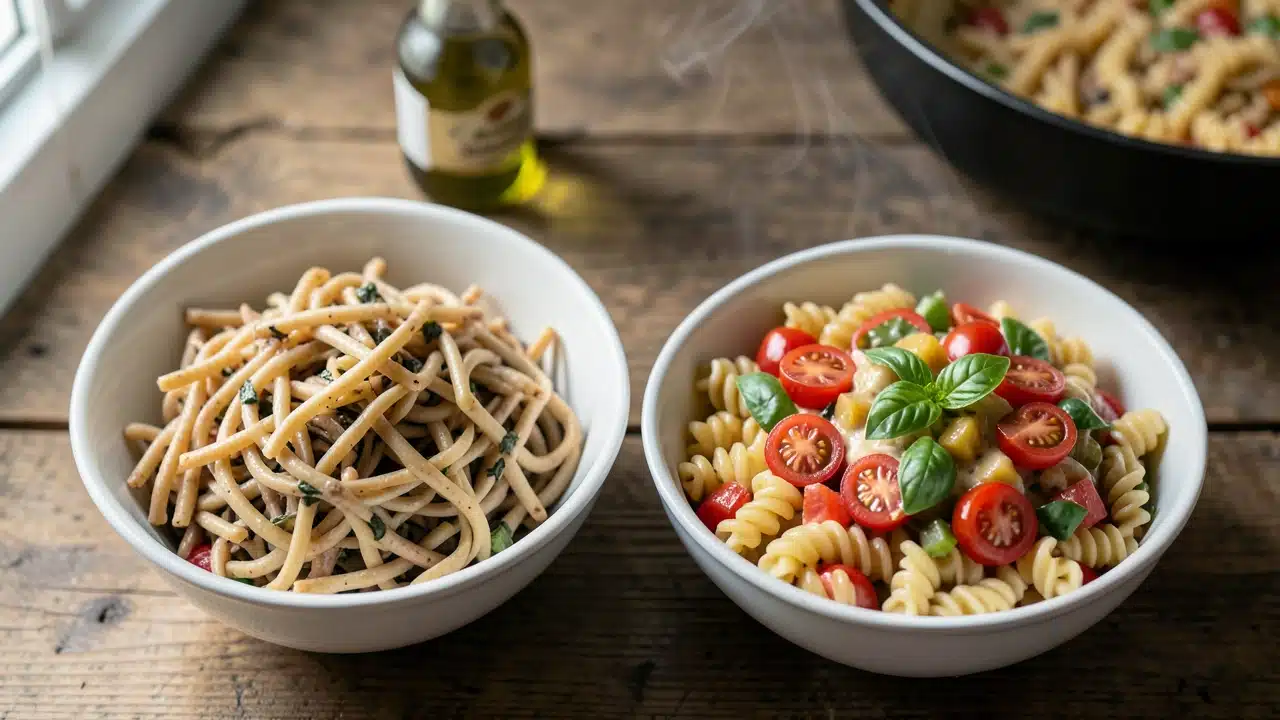
The Impact of Dressing on Pasta Texture
The type of dressing you use and how you apply it can also influence the stiffness of your pasta salad. A heavy, oil-based dressing can sometimes coat the pasta, preventing it from drying out too much but also contributing to a denser feel. A lighter, vinaigrette-style dressing might allow the pasta to retain a bit more of its natural texture.
It’s often best to dress the pasta salad a little while before serving, but not too far in advance if you’re worried about stiffness. This allows the flavors to meld without the pasta becoming overly saturated and mushy or stiff.
Quick Tips for Perfect Pasta Every Time
Here are some quick, actionable tips to ensure your pasta is always cooked perfectly, preventing stiffness in cold dishes. These apply directly to Why Cold Pasta Salad Turns Stiff, and How to Cook Pasta Right.
- Use plenty of water: Never skimp on water volume.
- Salt generously: Make the water taste like the sea.
- Cook to al dente: Test a piece a minute or two early.
- Rinse under cold water: This stops cooking and prevents clumping.
- Drain thoroughly: Remove all excess water.
- Cool completely: Let pasta reach room temperature before dressing.
- Choose the right shape: Opt for shapes that hold dressing well.
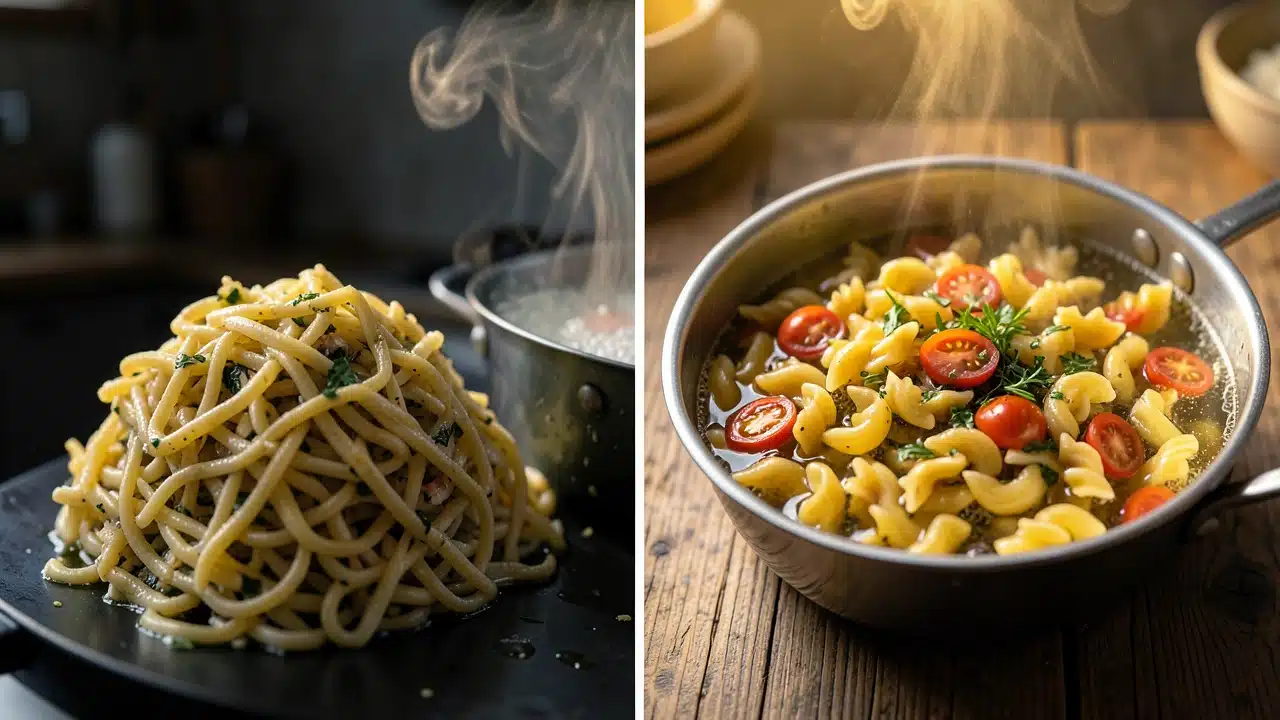
Comparison: Cooking Methods and Stiffness
Different cooking methods can subtly affect how pasta behaves when chilled. While stovetop boiling is standard, understanding how other methods might impact stiffness can be helpful.
| Evenness of Cooking | Excellent, with proper stirring and water volume. | Can be uneven; requires frequent stirring. | Depends heavily on the dish; pasta can absorb liquid differently. |
| Control Over Texture | High; easy to test for al dente. | Moderate; easier to overcook if not monitored. | Lower; pasta can become very soft or absorb too much liquid. |
| Risk of Stiffness in Salads | Low, if cooked and cooled properly. | Moderate to High; overcooking is common. | High, if not part of a saucy baked dish; can become dry and stiff. |
| Best For | All pasta types, especially for salads. | Small amounts, quick meals. | Casseroles, baked ziti; not ideal for standalone pasta salad. |
For pasta salad, stovetop boiling remains the most reliable method for achieving the correct texture and minimizing the risk of stiffness.
The ability to control the heat, test for doneness, and rinse the pasta quickly makes it superior for cold dishes. To stop the cooking process, rinse under cold water after draining the pasta.
Frequently Asked Questions Of Why Cold Pasta Salad Turns Stiff, And How To Cook Pasta Right
Question: Why does my pasta salad get hard after sitting in the fridge?
Answer: Your pasta likely got stiff because it was overcooked before chilling, or it wasn’t cooled properly. Overcooked pasta breaks down and becomes gummy, and then hardens as it cools. Rinsing and thorough draining helps maintain a better texture.
Question: Should I rinse pasta for pasta salad?
Answer: Yes, for pasta salad, rinsing pasta under cold water is generally recommended. It stops the cooking process immediately, washes away excess starch that can cause gumminess, and helps prevent the pasta from clumping together as it cools, which is key to Why Cold Pasta Salad Turns Stiff, and How to Cook Pasta Right.
Question: How can I prevent my pasta from sticking together in cold pasta salad?
Answer: To prevent sticking, use plenty of salted boiling water, stir the pasta as it cooks, and rinse it thoroughly with cold water after draining. Make sure to drain it very well before adding dressing.
Question: Is it okay to add oil to pasta water to prevent sticking?
Answer: Adding oil to pasta water is a common practice, but it’s not very effective at preventing sticking. The oil mostly floats on top. Stirring the pasta and using enough water are much better methods.
For cold salads, rinsing is more important than oil.
Question: What is the best way to cook pasta for make-ahead pasta salads?
Answer: Cook the pasta to al dente, slightly underdone. Rinse it well with cold water, drain thoroughly, and let it cool completely before adding dressing. This process helps ensure it won’t become stiff when chilled.
Question: Can I cook pasta the night before for pasta salad?
Answer: Yes, you can cook pasta the night before. Just be sure to cook it al dente, rinse it well, drain it thoroughly, and store it in an airtight container in the refrigerator. Toss it with dressing just before serving for the best texture.
Final Thoughts
Achieving perfectly tender pasta for your salads is simple once you know the key steps. Focus on cooking pasta just until al dente, rinsing it thoroughly with cold water, and draining it completely.
This careful preparation and cooling process directly addresses Why Cold Pasta Salad Turns Stiff, and How to Cook Pasta Right, ensuring your dishes are always enjoyable and never stiff. Always cook your pasta al dente to avoid a stiff texture when chilled.