Why Salt Salmon 10 Minutes Before Cooking, But Not All Chicken
Cooked rice freezes better than raw for fast meal portions because it is already hydrated, softened, and ready to reheat. Freezing raw rice offers little benefit since dry grains store well at room temperature.
Portion cooked rice while fresh, cool it quickly, freeze flat, and reheat until steaming for safer, faster weeknight meals.
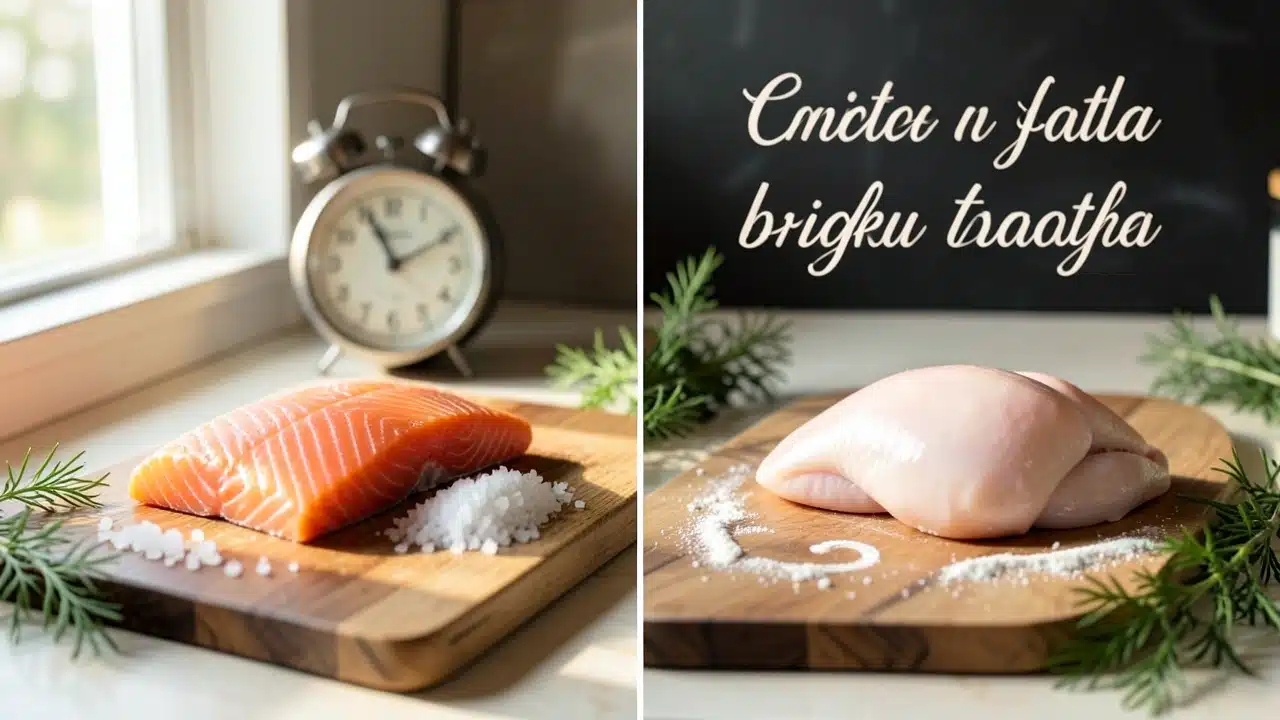
Getting your seafood and poultry just right in the kitchen can be tricky. You might have heard that salting salmon about 10 minutes before cooking makes a big difference, but it’s not the same for chicken. This simple step can really improve your salmon’s texture and flavor, making it flaky and moist.
Understanding Why Salt Salmon 10 Minutes Before Cooking, but Not All Chicken can help you avoid dry, bland meals and enjoy perfectly cooked fish and poultry every time. We’ll break down the science behind this culinary tip and show you how to apply it for delicious results.
Key Takeaways
- Salting salmon 10 minutes ahead helps the salt penetrate the flesh, leading to a more tender and flavorful final dish.
- This pre-salting technique, known as dry brining, changes the protein structure in salmon.
- Chicken benefits from different salting methods because its protein structure and cooking time are different.
- Immediate salting or salting much earlier are common and effective ways to season chicken.
- Understanding the “why” behind these techniques ensures optimal texture and taste for both salmon and chicken.
The Science Behind Salting Salmon
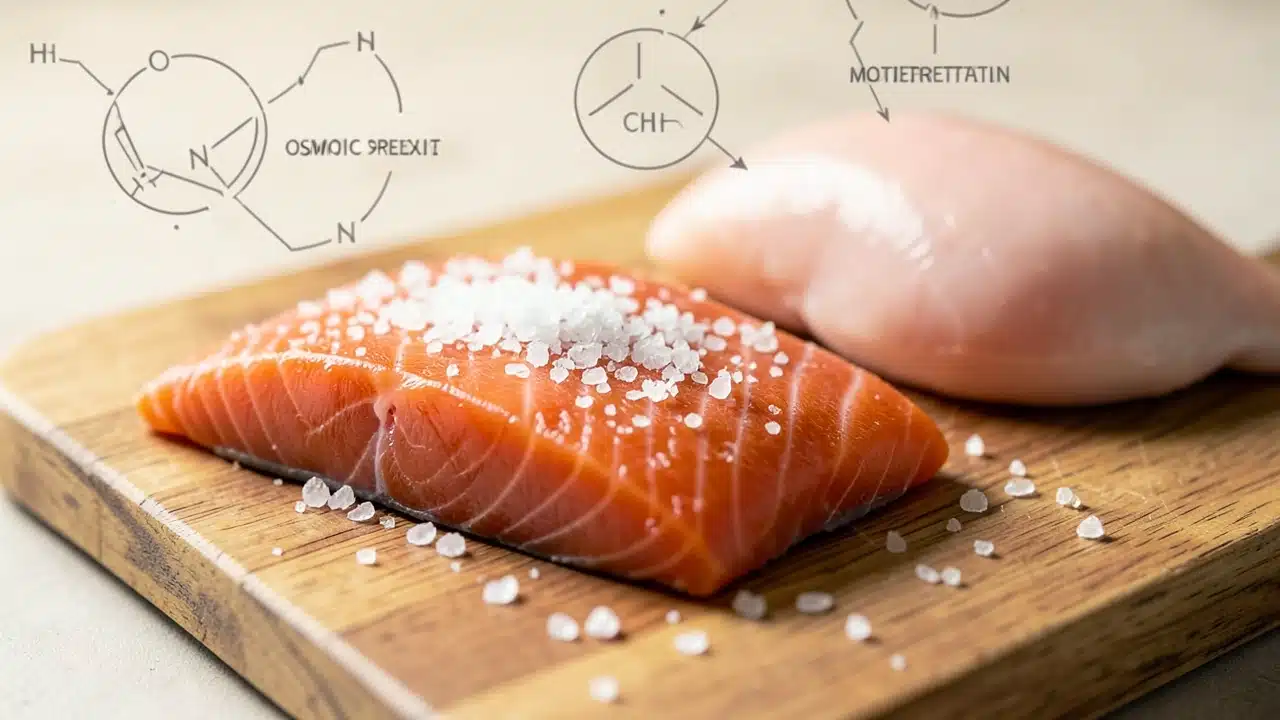
When you salt salmon 10 minutes before cooking, something interesting happens. The salt starts to draw moisture out of the fish. This might sound counterintuitive, but it’s the first step in a process that makes the salmon more tender.
The salt then begins to dissolve into that moisture, creating a brine. This brine gets reabsorbed back into the fish.
This reabsorption process changes the protein structure of the salmon. The proteins start to break down slightly. This breakdown makes the fish’s flesh more tender and allows it to hold onto its own juices better during cooking.
The result is a flaky, moist piece of salmon that’s incredibly flavorful. This is a key reason for understanding Why Salt Salmon 10 Minutes Before Cooking, but Not All Chicken.
Dry Brining Explained
This method is often called dry brining. It’s a way to season meat or fish with salt and sometimes other seasonings. For salmon, the 10-minute window is quite specific.
It’s long enough for the initial moisture to be drawn out and for some salt to start dissolving.
It’s not so long that the fish becomes overly salty or starts to cure like smoked salmon. The goal is to enhance the natural texture and flavor of the salmon without changing its fundamental character. This precise timing is crucial for achieving the desired outcome.
Why Chicken is Different
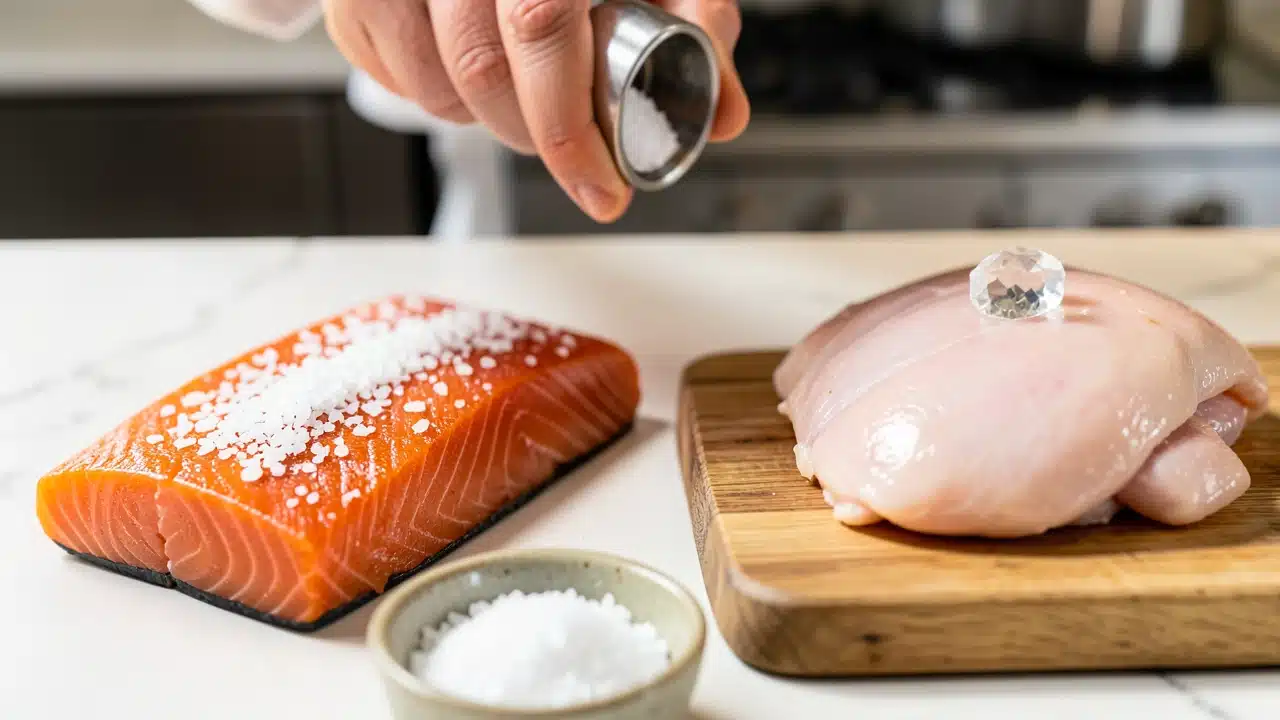
Now, let’s talk about chicken. Chicken has a different muscle structure and fat content compared to salmon. The same 10-minute dry brine that works wonders for salmon doesn’t have the same positive effect on chicken.
If you salt chicken just 10 minutes before cooking, you might end up with meat that is tougher and drier.
The salt draws out moisture, but it doesn’t have enough time to be reabsorbed and work its magic on the chicken proteins in the same way. This highlights the core of Why Salt Salmon 10 Minutes Before Cooking, but Not All Chicken.
Best Ways to Salt Chicken
Chicken responds best to different salting strategies. One common method is to salt it right before it hits the pan or oven. This helps the salt stick to the surface and creates a nice crust.
It also seasons the outside well.
Another very effective method for chicken is to salt it much further in advance. You can salt chicken breasts, thighs, or a whole bird hours or even a day before cooking.
This is called wet brining if you use a salt-and-water solution, or a longer dry brine if you just use salt and seasonings.
With longer brining times, the salt has ample opportunity to penetrate the chicken deeply. This process breaks down proteins and helps the chicken retain moisture during cooking. This deep seasoning is what makes longer brining methods so successful for poultry.
It’s a different approach than the quick method for salmon.
Comparing Salting Techniques
To really see the difference, let’s compare how salting affects salmon and chicken. The timing is the key factor that explains Why Salt Salmon 10 Minutes Before Cooking, but Not All Chicken.
| Primary Goal | Tenderize, enhance moisture retention through dry brine reabsorption. | Surface crisping (immediate salting) or deep, even seasoning and moisture retention (longer brining). |
| Salt Action | Draws out moisture, dissolves, reabsorbed to alter protein structure. | Stays on surface (short time) or penetrates deeply over hours to break down proteins and retain moisture. |
| Protein Effect | Partial breakdown, leading to tenderness and juiciness. | Surface browning and crisping (short time); significant breakdown and moisture binding (long time). |
| Optimal Timing | Approximately 10 minutes before cooking. | Immediately before cooking OR 2 hours to 24 hours before cooking. |
| Texture Result | Flaky, moist, tender. | Juicy, tender with crisp skin (if applicable) when brined properly; can be dry if salted incorrectly. |
As you can see from the table, the outcomes are quite different. The short window for salmon is about maximizing the interaction of salt with its specific flesh structure. For chicken, a much longer interaction or a surface-focused approach is needed.
The Role of Moisture and Protein
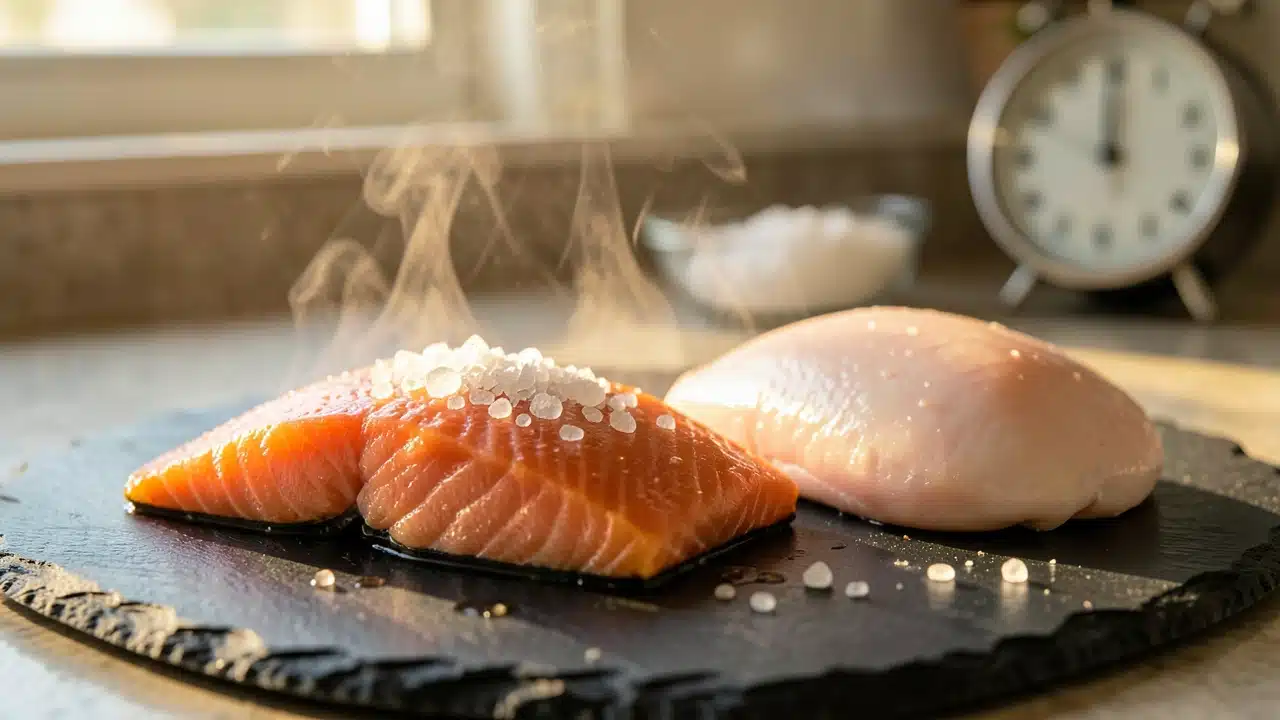
The difference in how salmon and chicken react to salting comes down to their moisture content and protein makeup.
Salmon is a fattier fish with a more delicate protein structure. This makes it more susceptible to changes from salt in a short period.
Chicken, especially lean breast meat, has less inherent fat and a denser protein structure. This means it needs more time for salt to work its way in and make a significant change. Without that time, the salt primarily pulls moisture out, leaving the chicken dry.
Understanding Osmosis
The process at play here is osmosis. Salt is hygroscopic, meaning it attracts water. When you apply salt to the surface of food, it pulls moisture out.
This is the initial step in salting both salmon and chicken.
However, the crucial difference is what happens next. For salmon, the salt and drawn-out liquid form a concentrated brine. This brine is then reabsorbed into the fish.
This reabsorption is what helps tenderize the protein. For chicken, if the salt is removed or if there isn’t enough time, this reabsorption doesn’t happen effectively.
Practical Tips for Salting Fish and Poultry
Knowing Why Salt Salmon 10 Minutes Before Cooking, but Not All Chicken helps you apply these techniques correctly. Here are some practical tips to get the best results:
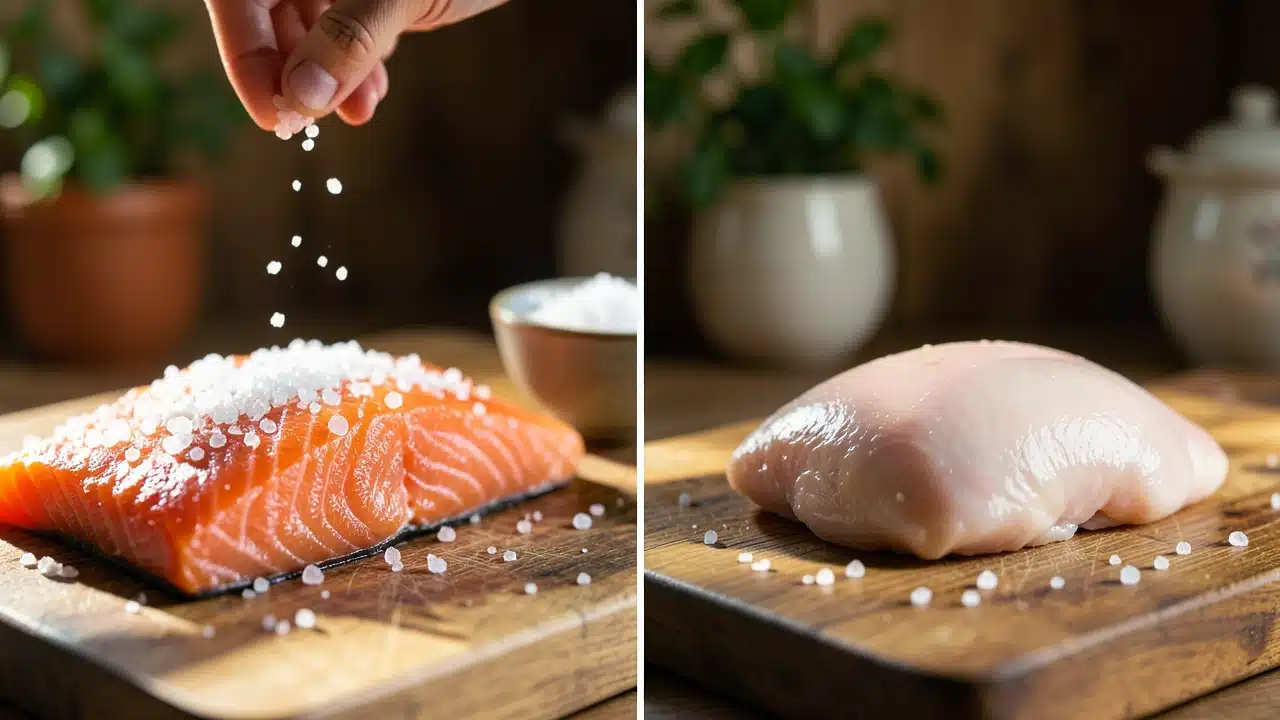
- For Salmon: Pat your salmon fillets dry with a paper towel. Lightly season with kosher salt (or sea salt) about 10 minutes before you plan to cook it. Do not rinse the salt off before cooking.
- For Chicken Breasts: If cooking soon, season generously with salt and pepper right before cooking. For juicier results, salt them at least 2 hours ahead, or even the night before, and keep them uncovered in the refrigerator.
- For Chicken Thighs: Thighs are more forgiving. You can salt them just before cooking for a good crust, or brine them for several hours for maximum tenderness.
- For Whole Chicken: A whole chicken benefits greatly from a long dry brine (24-48 hours uncovered in the fridge) or a wet brine. This ensures the entire bird is seasoned and moist.
Using the right technique ensures that you get the best flavor and texture from your seafood and poultry. It’s about working with the food’s natural properties.
Common Mistakes to Avoid
One of the most common mistakes is applying the salmon salting rule to all meats and poultry. This is where the confusion about Why Salt Salmon 10 Minutes Before Cooking, but Not All Chicken often arises.
Another mistake is over-salting. Always start with a moderate amount of salt. You can always add more seasoning later, but you can’t take it away.
For salmon, a light dusting is usually enough for that 10-minute window.
Forgetting to pat your fish or poultry dry before salting is also a common pitfall. Excess surface moisture can prevent the salt from adhering properly and can lead to a less effective seasoning process. Always start with a dry surface.
The Impact on Cooking Methods
The way you salt can also influence your cooking method. For salmon, the 10-minute pre-salt works well for quick cooking methods like pan-searing, grilling, or broiling.
For chicken, if you’ve brined it for a long time, it will cook faster and stay moist. If you’re salting it right before cooking, you’ll focus on achieving a good sear or crispy skin. The initial seasoning step is therefore quite important for the final cooking process.
Pan-Searing Salmon
When pan-searing salmon that has been salted 10 minutes prior, you’ll notice a beautiful crust form. The salt helps to dry the surface slightly, allowing for better browning. The interior remains incredibly moist and tender.
It’s a simple technique that yields restaurant-quality results with minimal effort. The key is that the salt has had just enough time to do its work without drawing out too much moisture.
Roasting Chicken
Roasting chicken, especially a whole bird that has been properly brined, results in incredibly juicy meat and crispy skin. The long brining time allows the salt to penetrate all the way to the bone. The article on brining chicken for juiciness explains the science behind longer salt exposure.
This deep seasoning ensures that every bite is flavorful, and the salt helps the skin crisp up beautifully in the oven. This is a stark contrast to the quick salting of salmon.
When to Salt Other Seafood
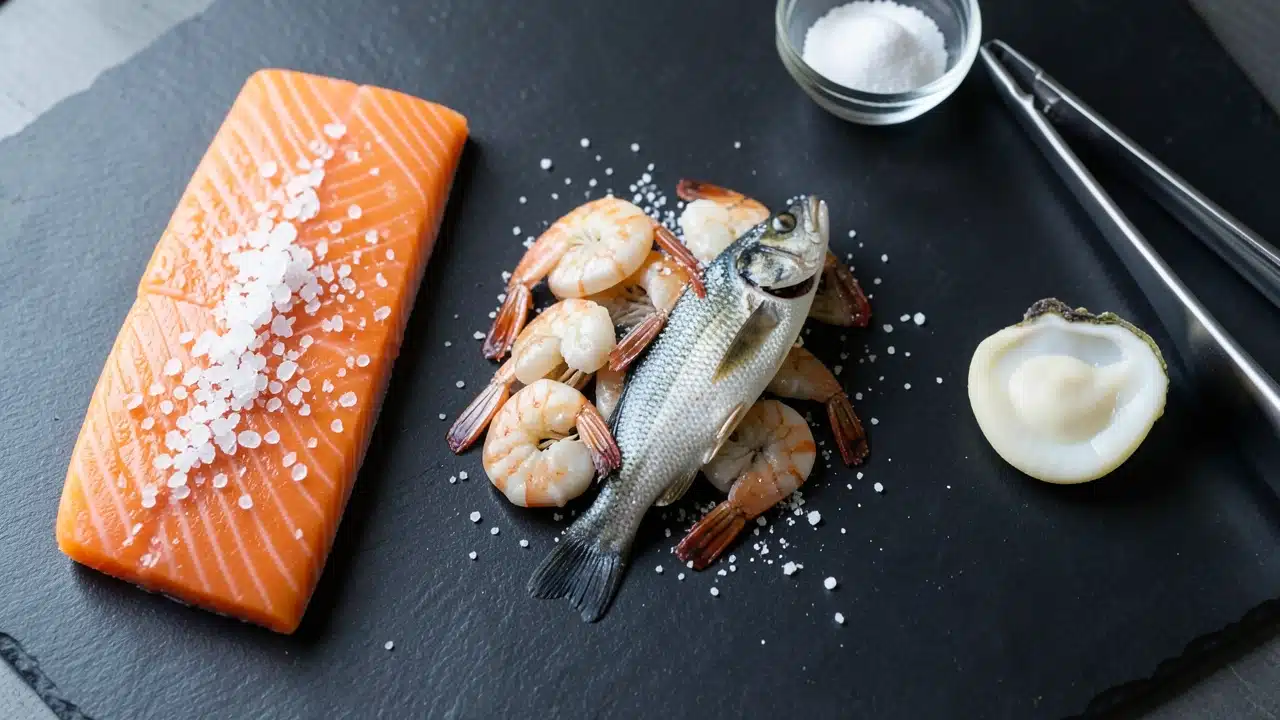
While the 10-minute rule is specifically cited for salmon, other types of seafood might benefit from similar pre-salting.
For instance, thicker, fattier fish like tuna or swordfish can sometimes benefit from a similar short resting period after salting.
However, delicate white fish, like cod or tilapia, are best seasoned just before cooking. They have a much finer protein structure and can become mushy if salted too far in advance. Always consider the type of seafood you are working with.
Frequently Asked Questions Of Why Salt Salmon 10 Minutes Before Cooking, But Not All Chicken
Question: Why does salting salmon 10 minutes before cooking make it better?
Answer: Salting salmon 10 minutes ahead allows the salt to draw out some moisture, then reabsorb it as a brine. This process tenderizes the fish and helps it retain juices during cooking, resulting in a moister, flakier texture.
Question: Can I salt chicken right before cooking it?
Answer: Yes, salting chicken right before cooking is a common and effective method. It helps create a flavorful exterior and a nice crust, especially for skin-on chicken.
Question: How long should I salt chicken if I want it to be very juicy?
Answer: For maximum juiciness and tenderness, salt chicken at least 2 hours before cooking, or even up to 24 hours in advance. This allows the salt to deeply penetrate and alter the protein structure.
Question: Does rinsing salmon after salting affect the outcome?
Answer: No, you should not rinse salmon after salting it for 10 minutes. Rinsing would remove the salt and the beneficial brine that has begun to form, negating the tenderizing effect.
Question: What kind of salt is best for this technique?
Answer: Kosher salt or sea salt are generally recommended for both salmon and chicken. Their larger, irregular crystals dissolve more slowly and evenly, making them ideal for brining and seasoning.
Question: Is there any benefit to salting salmon much earlier, like chicken?
Answer: Salting salmon much earlier can lead to a more cured texture, similar to gravlax, which is different from the tender, flaky result of the 10-minute method. The 10-minute window is specific for enhancing its natural texture without curing it.
Final Thoughts
Understanding Why Salt Salmon 10 Minutes Before Cooking, but Not All Chicken is key to better meals. A quick salt for salmon tenderizes and moistens it beautifully. For chicken, longer brining or salting just before cooking works best for juiciness and texture. Understanding why salting salmon 10 minutes before cooking is effective can be aided by the salting article on Wikipedia.
Apply these simple timing differences for perfectly cooked fish and poultry every time. Always follow USDA food safety guidelines when handling raw poultry and fish.