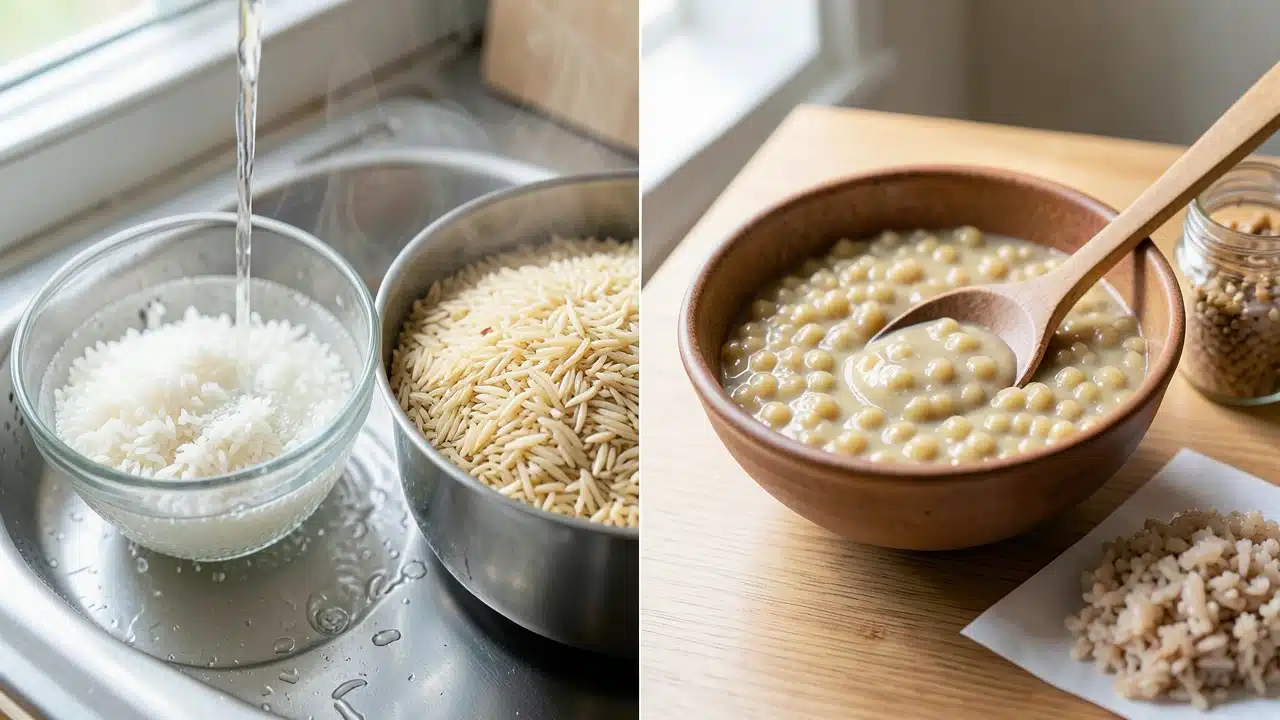
Why Washing Rice Helps Some Dishes, Ruins Others: Starch Logic
Salt salmon 10 minutes before cooking because its delicate flesh seasons and firms quickly, helping it hold shape and brown without becoming watery.
Chicken is thicker and denser, so quick salting mostly stays on the surface; it usually benefits from salting immediately before cooking or dry-brining for hours. Timing depends on cut size and skin
Rice is a staple for so many meals, but sometimes it turns out just right, and other times it’s a bit of a mess. The simple act of washing rice can make a big difference in how your dishes turn out.
Understanding Why Washing Rice Helps Some Dishes, Ruins Others: Starch Logic is key to getting fluffy pilafs, perfectly separate grains for stir-fries, or creamy risottos.
We’ll explore how the starch on rice grains affects your cooking and what you gain by knowing this simple trick.
Key Takeaways
- Washing rice removes excess surface starch, which is important for certain cooking methods.
- Not washing rice can lead to stickier, clumpier grains, ideal for dishes like congee or risotto.
- The type of rice and the desired texture of the final dish determine if washing is necessary.
- Understanding starch logic helps you achieve the perfect rice texture every time.
- Washing rice is a simple step that significantly impacts the success of many rice-based recipes.
Why Washing Rice Changes Everything
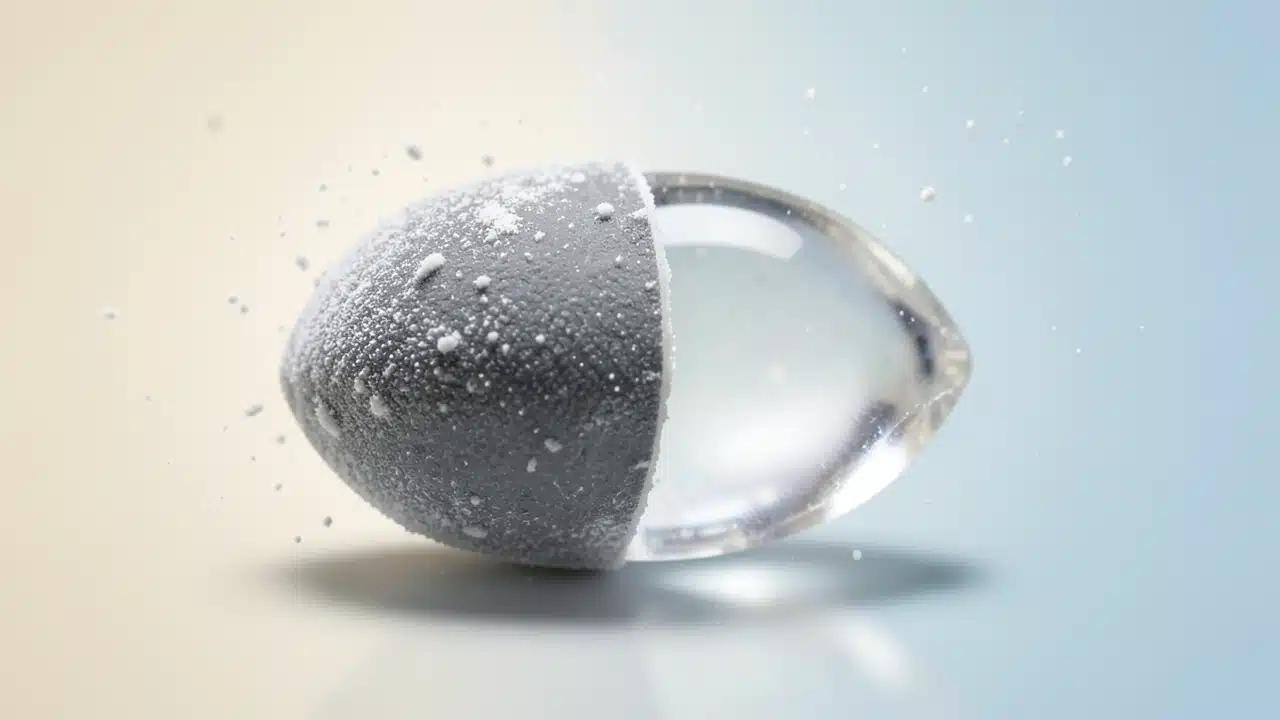
Rice grains often have a fine, powdery coating of starch. This is natural. When you cook rice without washing it, this starch stays on the grains.
It then dissolves in the cooking water. This dissolved starch makes the water a little cloudy. It also causes the rice grains to stick together more.
This effect is what we mean when we talk about starch logic. It’s a simple concept with big results for your cooking.
The amount of starch on the rice can vary. Some rice types have more than others. The way the rice is milled also plays a role.
If the grains rub against each other during processing, they release more starch. This extra starch is the main reason Why Washing Rice Helps Some Dishes, Ruins Others: Starch Logic is so important to know. It directly influences the final texture and appearance of your cooked rice.
When to Wash Your Rice for Fluffy Grains
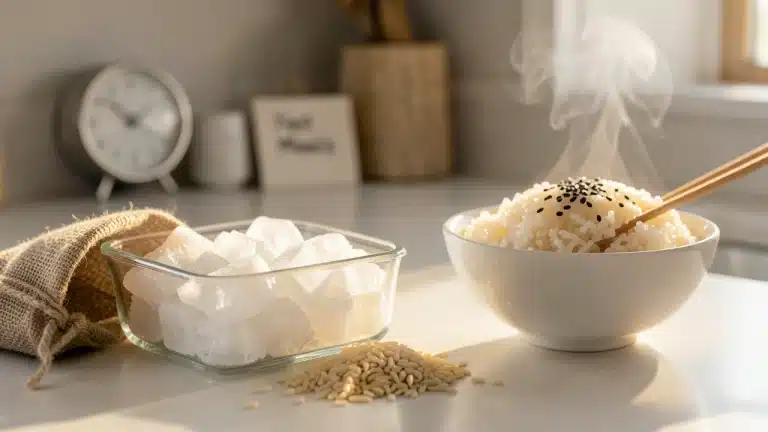
For many popular rice dishes, you want individual, separate grains. Think of fluffy white rice for serving alongside curry or stir-fried rice. In these cases, washing the rice is essential.
The goal is to remove as much of that surface starch as possible. This prevents the grains from clumping together into a sticky mass. It results in a lighter, airier texture.
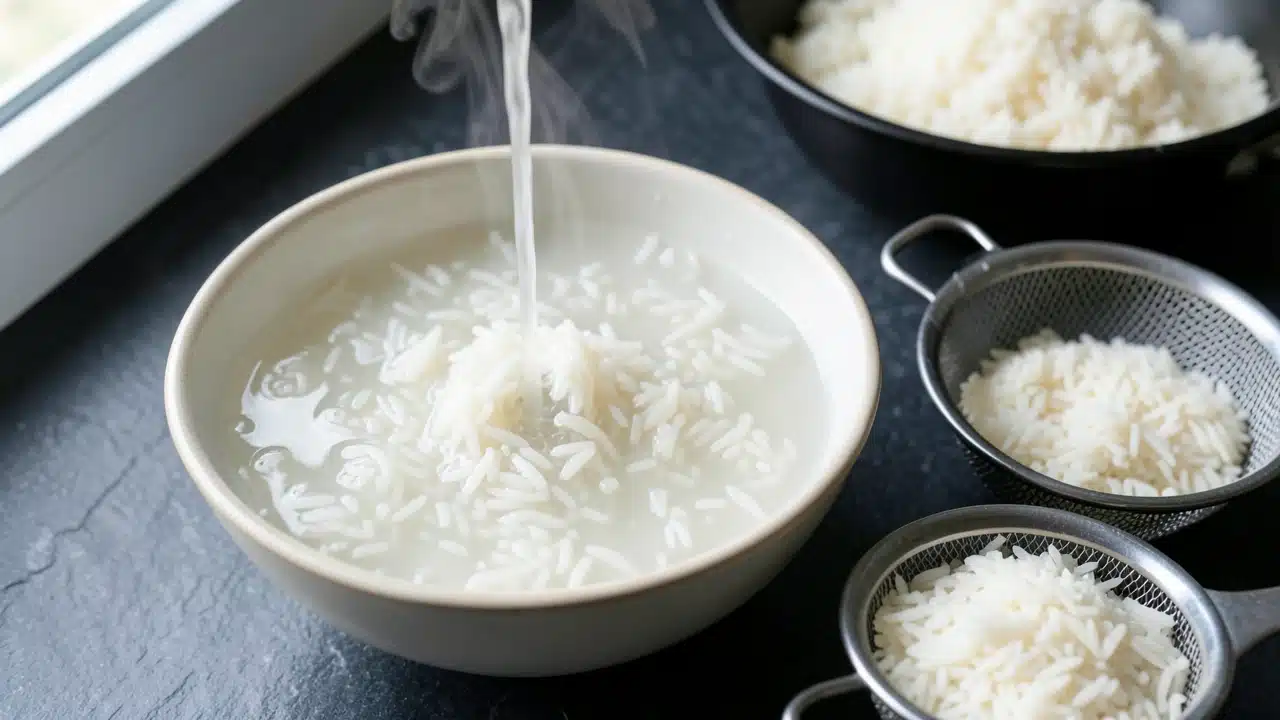
To wash rice properly, place it in a fine-mesh sieve. Rinse it under cool running water. You’ll see the water turn cloudy as starch washes away.
Keep rinsing until the water runs mostly clear. This usually takes a few minutes. For some rice, like basmati or jasmine, this simple step is crucial.
It ensures you get those beautiful, separate grains that are so satisfying to eat. This is a prime example of Why Washing Rice Helps Some Dishes, Ruins Others: Starch Logic in action.
First, measure your rice. Put it into a fine-mesh sieve. Second, rinse the rice under cold running water.
Swirl the grains gently with your hand. Next, continue rinsing until the water is clear. This might take 3 to 5 rinses.
Then, drain the rice well. It’s now ready for cooking. This process effectively removes excess starch.
Why You Should Skip Washing Rice for Creamy Dishes
Not all rice dishes benefit from washing. In fact, for some recipes, washing rice is a mistake. If you want a creamy, starchy texture, you should not wash your rice.
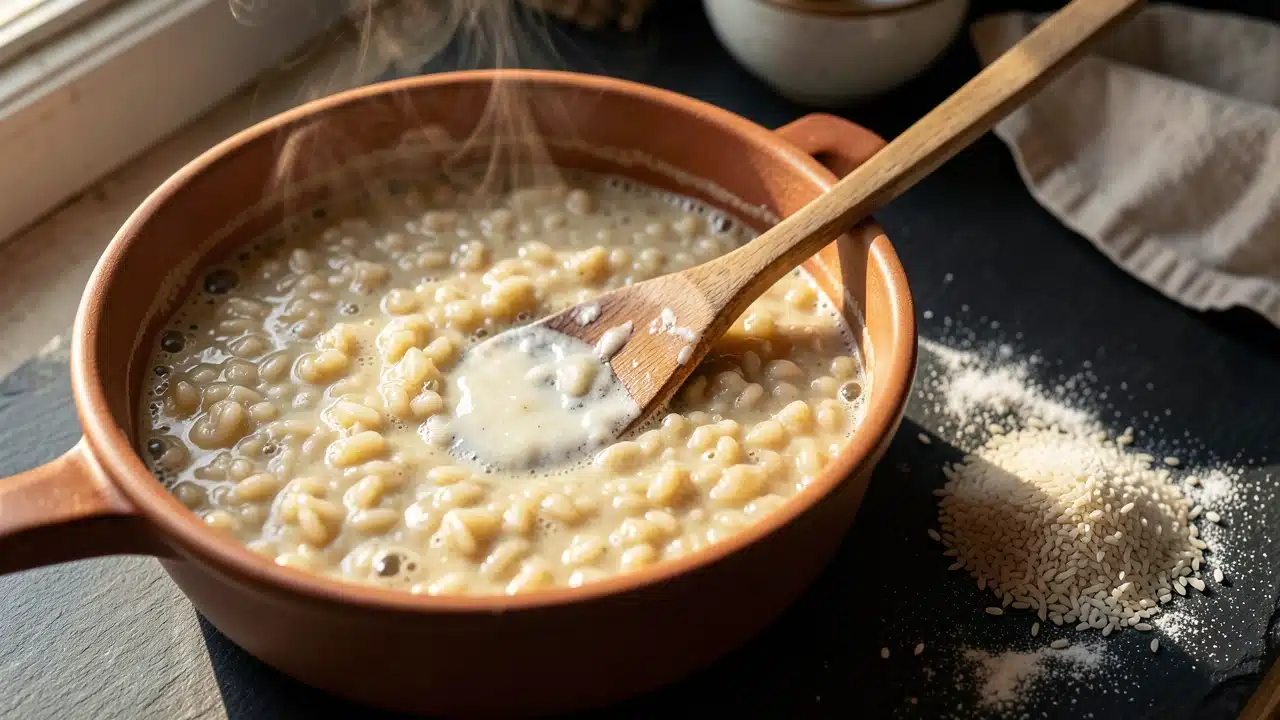
Dishes like risotto, congee, or paella often require the starch to thicken the dish. When you cook unwashed rice, the starch that remains on the grains dissolves into the cooking liquid. This liquid then thickens.
It creates a rich, creamy consistency.
Consider risotto. The creamy texture is its defining characteristic. This creaminess comes from the starch released by the Arborio rice grains.
If you washed the Arborio rice, you would remove this vital starch. The result would be a much less creamy, possibly watery dish. Understanding Why Washing Rice Helps Some Dishes, Ruins Others: Starch Logic means knowing when to embrace the starch.
It’s about achieving the desired outcome for each specific recipe.
Here’s a simple comparison to illustrate:
| Fluffy White Rice (e.g., for curry) | Yes | Separate, light grains |
| Stir-fried Rice | Yes | Non-clumping grains |
| Risotto | No | Creamy, thick texture |
| Congee (Rice Porridge) | No | Thick, smooth porridge |
This table shows how the decision to wash or not wash rice directly impacts the final dish. It’s a core principle of Why Washing Rice Helps Some Dishes, Ruins Others: Starch Logic.
The Role of Rice Type in Washing Decisions
The type of rice you are cooking plays a significant role in whether you should wash it. Different rice varieties have different starch content and milling processes. This affects how much surface starch they carry.
Knowing these differences helps you apply the correct starch logic.
Long-grain rice, such as Basmati and Jasmine, is typically drier and fluffier. These types tend to have more surface starch. Washing them is highly recommended to achieve separate, distinct grains.
This is because their long, slender shape can make them prone to clumping if starch isn’t removed.
Medium-grain rice, like Arborio or Calrose, has a higher moisture content and a slightly stickier texture.
Arborio rice, as mentioned, is excellent for risotto because its starch content contributes to creaminess. For other medium-grain uses where separation is desired, washing is still beneficial.
The key is the intended outcome.
Short-grain rice, often used in sushi or puddings, is very starchy. It has a high amylopectin content, which makes it sticky. For sushi, you absolutely must wash short-grain rice thoroughly.
This removes excess starch so the grains can be molded but don’t become a completely solid mass. However, for something like a rice pudding, you might prefer to keep some starch for thickness, though usually, it’s still washed.
Brown rice, including brown basmati or brown jasmine, is whole grain. It has the bran and germ intact. This means it has less surface starch compared to white rice.
Some people still wash brown rice to remove dust or debris. Others don’t. The starchiness is less of a concern for clumping.
However, washing can sometimes help it cook more evenly.
Understanding these variations is part of mastering Why Washing Rice Helps Some Dishes, Ruins Others: Starch Logic. It’s not a one-size-fits-all rule.
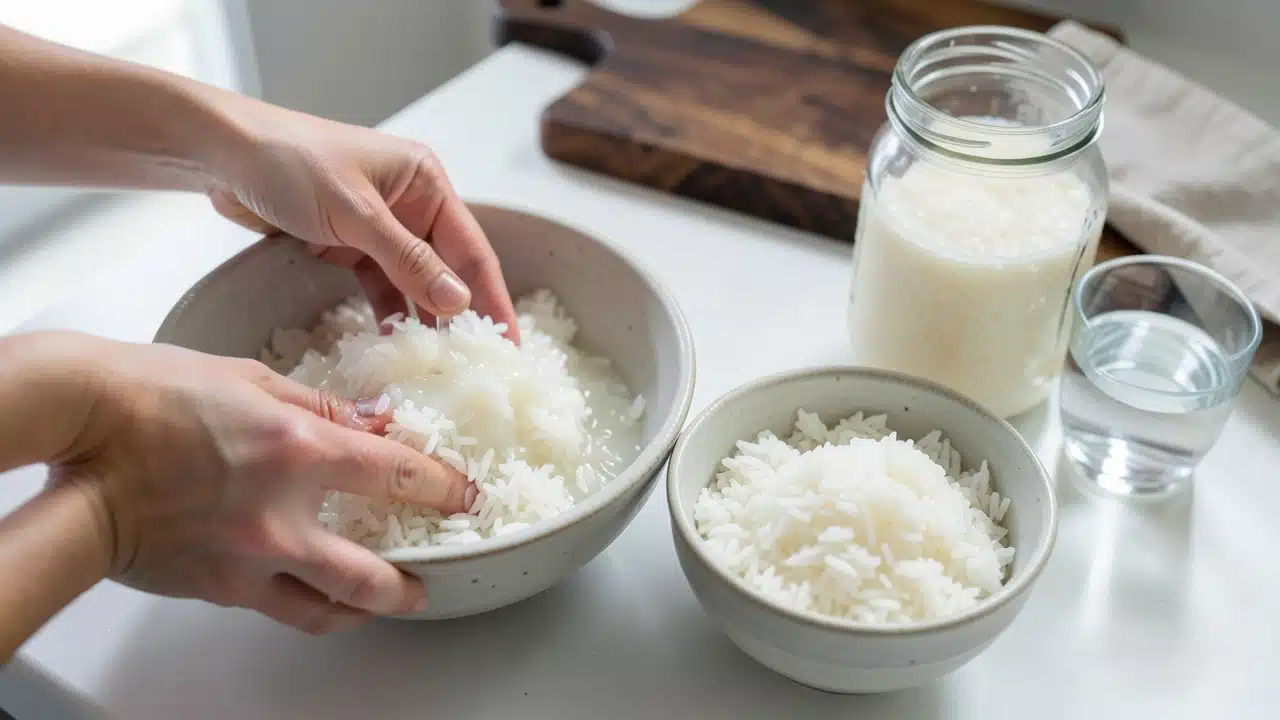
How to Wash Rice Effectively
Washing rice is a simple skill that makes a big difference. The goal is to remove the excess surface starch without over-washing. Over-washing can actually strip away some nutrients.
However, for most cooking purposes, a few rinses are perfectly fine.
First, get a good fine-mesh sieve. This is your best tool for washing rice. It allows the water to drain quickly and efficiently.
It also keeps the small grains from falling through.
Second, add the rice to the sieve. Don’t fill it too full. It’s better to wash rice in batches if you have a large amount.
This ensures all the grains get properly rinsed.
Next, place the sieve under cool running water. Use your hand to gently swirl the rice. You will see the water turn milky white.
This is the starch releasing from the grains.
Then, let the water drain out. Repeat the swirling and rinsing process. Continue until the water that drains from the rice is almost clear.
For most white rice, this takes about 3 to 5 rinses. Some very starchy rices might need a couple more.
Finally, drain the rice thoroughly. Give the sieve a good shake to remove as much excess water as possible. Your rice is now ready to be cooked according to your recipe.
This thorough washing is a key part of understanding Why Washing Rice Helps Some Dishes, Ruins Others: Starch Logic.
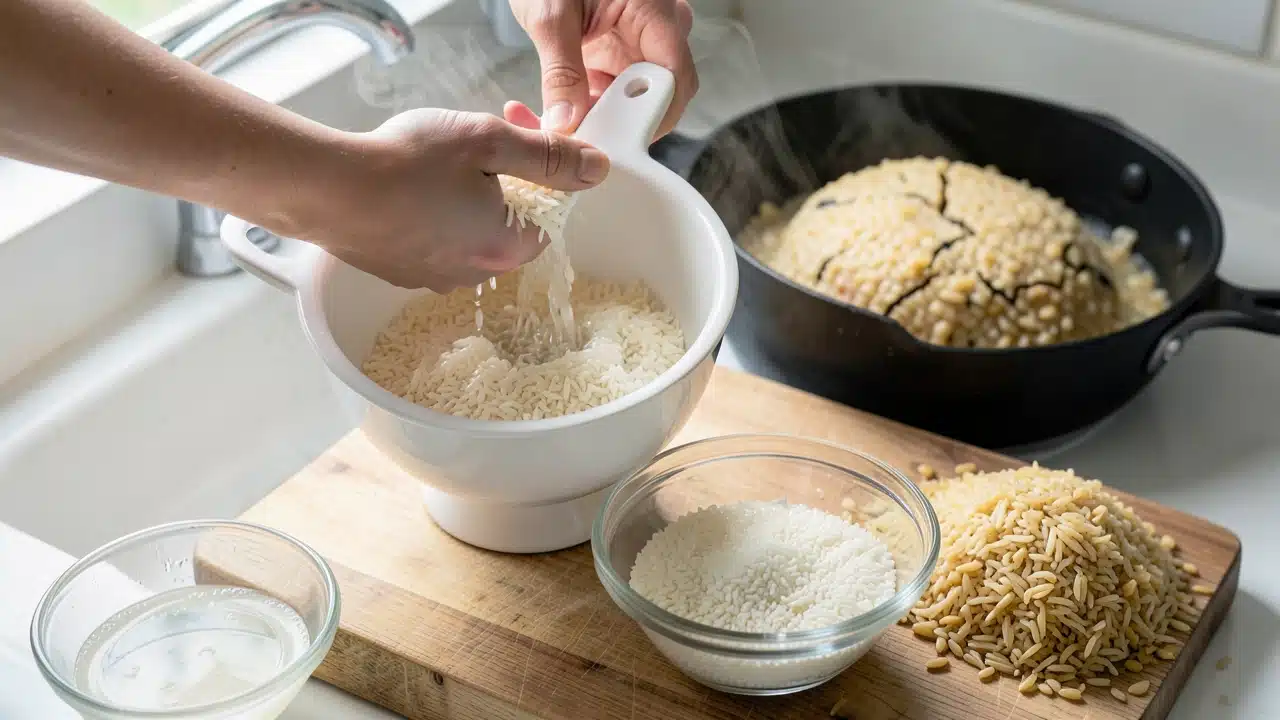
Common Rice Washing Mistakes to Avoid
Even with simple tasks, mistakes can happen. Knowing what to avoid can save your dish. One common error is not rinsing enough.
If the water is still very cloudy, the rice will likely be sticky. You haven’t removed enough starch.
Another mistake is over-washing. If you keep rinsing until the water is crystal clear and the grains feel slippery, you might be washing away too much of the rice’s natural goodness. This is less about starch logic and more about nutrient loss.
A few rinses until the water is mostly clear is usually sufficient.
Using hot water is also a mistake. Always use cool or cold water. Hot water can start to cook the rice prematurely.
It can also affect the texture negatively. Stick to cold water for rinsing.
Finally, not draining the rice well enough after washing can add too much moisture. This can throw off your cooking ratios. Make sure to drain it thoroughly.
These tips are all part of understanding Why Washing Rice Helps Some Dishes, Ruins Others: Starch Logic. The USDA data on rice varieties can guide choices for sticky or fluffy dishes.
Frequently Asked Questions Of Why Washing Rice Helps Some Dishes, Ruins Others: Starch Logic
Question: Does washing rice really make a difference?
Answer: Yes, washing rice makes a big difference. It removes excess surface starch, which helps prevent grains from sticking together. This is crucial for achieving fluffy, separate grains in many dishes.
Question: When should I absolutely NOT wash my rice?
Answer: You should not wash your rice when making dishes that require a creamy, thick texture. Examples include risotto, congee, or paella, where the starch is needed to thicken the dish.
Question: How do I know if I’ve washed my rice enough?
Answer: You know you’ve washed your rice enough when the water you rinse it with runs mostly clear. It might take 3 to 5 rinses, depending on the type of rice.
Question: What happens if I wash Arborio rice for risotto?
Answer: If you wash Arborio rice for risotto, you will remove the starch that creates the dish’s signature creamy texture. The risotto will likely turn out less creamy and more watery.
Question: Is it okay to wash brown rice?
Answer: Yes, it is okay to wash brown rice. While it has less surface starch than white rice, washing can remove dust and debris and help it cook more evenly.
Question: Can washing rice remove nutrients?
Answer: Washing rice can remove some water-soluble vitamins and minerals. However, for most white rice, the benefit of improved texture outweighs the minor nutrient loss. For enriched rice, it’s often recommended not to wash.
Question: What is the core principle of Why Washing Rice Helps Some Dishes, Ruins Others: Starch Logic?
Answer: The core principle of Why Washing Rice Helps Some Dishes, Ruins Others: Starch Logic is that surface starch on rice grains either needs to be removed for separation or kept for creaminess, depending on the desired dish.
Final Thoughts
Understanding the starch on your rice is a simple trick that makes a big impact. For fluffy grains, wash that starch away. For creamy dishes, keep it. For fluffy grains, washing rice removes surface starch, as detailed in the Wikipedia article on rice.
This knowledge helps you achieve perfect rice textures every time. Understanding starch granules on rice grains helps achieve desired textures, per Wikipedia's starch entry.