Hot Water Egg Peeling Trick That Works And Myths That Do Not
The hot water egg peeling trick works because starting eggs in already boiling water or steam helps the egg white set before it bonds tightly to the shell membrane.
Cooling fully and peeling under water also helps. Myths like baking soda, vinegar, or shaking jars are less reliable than hot-start cooking, chilling, and using slightly older eggs.
Peeling hard-boiled eggs can be a frustrating task, especially when the shell sticks stubbornly. You’ve probably tried a few things yourself, hoping for a quick fix.
Well, you’re in luck because we’re going to talk about the Hot Water Egg Peeling Trick That Works and Myths That Do Not.
Getting your eggs to peel easily means less mess and more enjoyment, whether you’re making a salad, deviled eggs, or just a simple snack. Let’s find out what really helps and what’s just a waste of time.
Key Takeaways
- Using hot water right after boiling is a key trick for easier egg peeling.
- Adding salt or vinegar to the boiling water might help prevent cracks but doesn’t guarantee easy peeling.
- Ice baths are important for stopping the cooking and can help the membrane separate.
- Older eggs tend to peel easier than very fresh ones.
- Certain peeling methods, like rolling the egg, can be very effective.
- Some widely believed egg peeling tips are actually myths and don’t work well.
The Science Behind Easy Egg Peeling
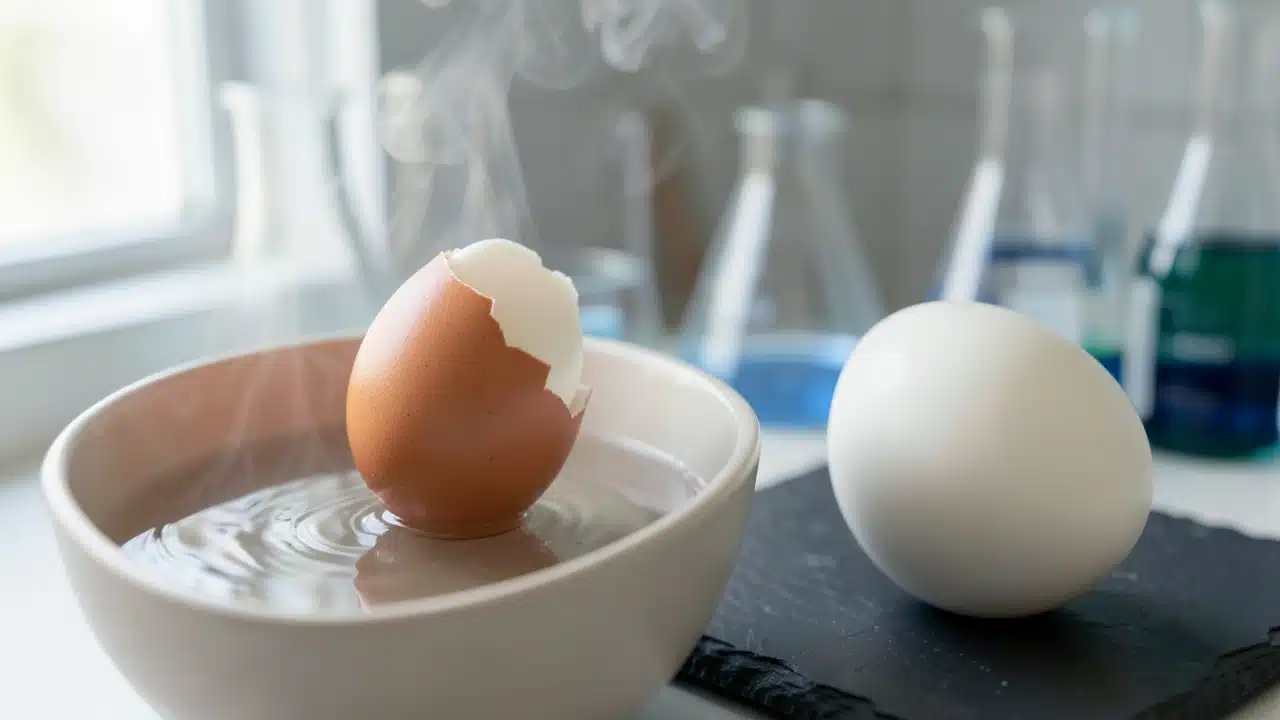
Ever wonder why some eggs peel like a dream and others are a nightmare? It all comes down to how the egg is cooked and cooled. When an egg cooks, the proteins inside it change.
They firm up and pull away from the shell slightly. The membrane inside the shell also plays a role. If this membrane sticks too much to the white, peeling becomes tough.
The temperature shock from hot water to cold water is a big factor. This rapid change can cause the egg white to contract, helping it pull away from the shell and the membrane. Understanding this science helps us appreciate why certain methods work better than others.
It’s not magic; it’s just a bit of cooking science.
The Proven Hot Water Egg Peeling Trick That Works
Let’s get to the method that really makes a difference. The most reliable Hot Water Egg Peeling Trick That Works and Myths That Do Not involves using hot water both for cooking and for helping with the peel. The idea is to heat the eggs gently and then quickly cool them down.
Step-by-Step Hot Water Method
First, carefully place your eggs in a pot. You want them in a single layer. Cover them with cool water, about an inch above the eggs.
Bring the water to a rolling boil over high heat. Second, once it’s boiling, immediately turn off the heat. Cover the pot and let the eggs sit in the hot water for about 10-12 minutes.
This timing works well for large eggs.
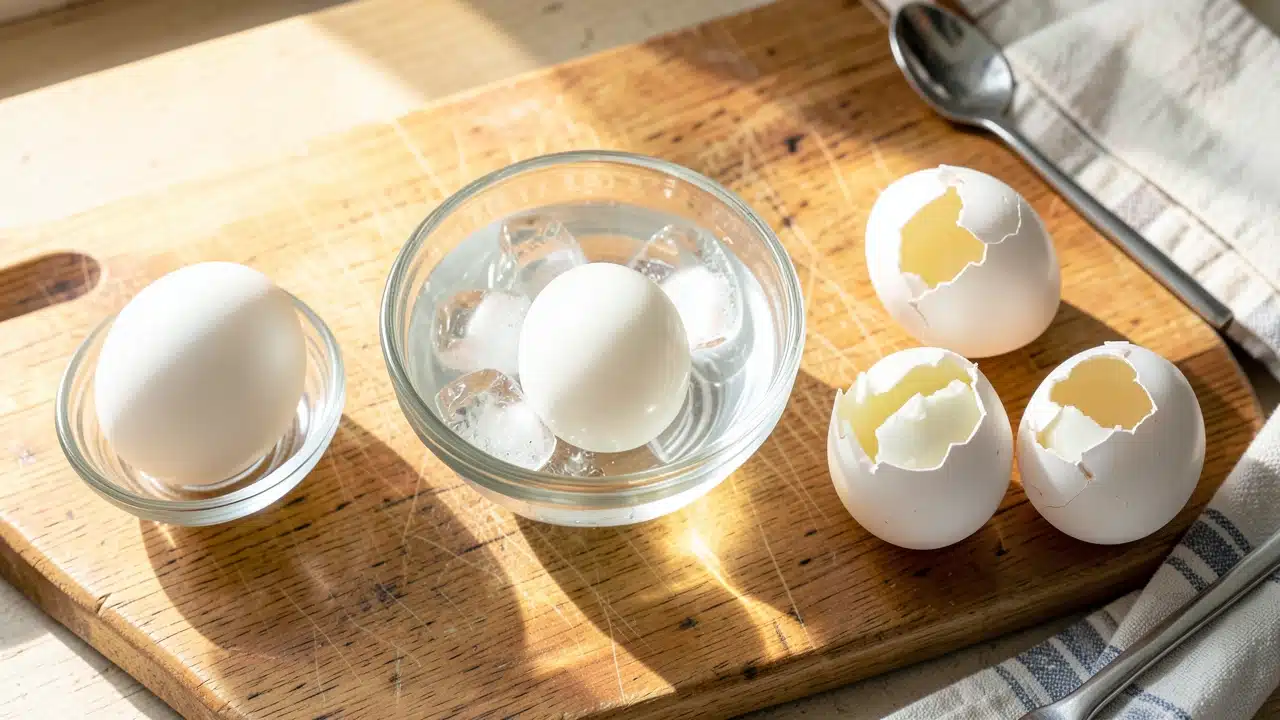
Next, while the eggs are sitting, prepare an ice bath. Fill a bowl with cold water and plenty of ice cubes. Then, after the 10-12 minutes are up, carefully drain the hot water.
Immediately transfer the eggs to the ice bath. Let them chill for at least 10-15 minutes. This cooling step is crucial for stopping the cooking process and helping the shell and membrane separate.
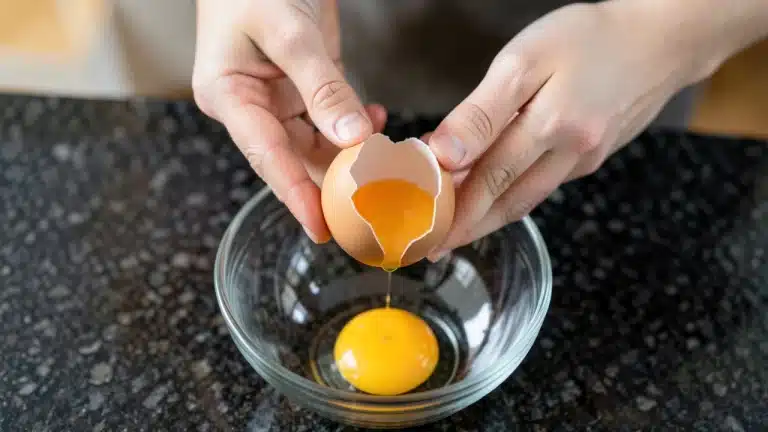
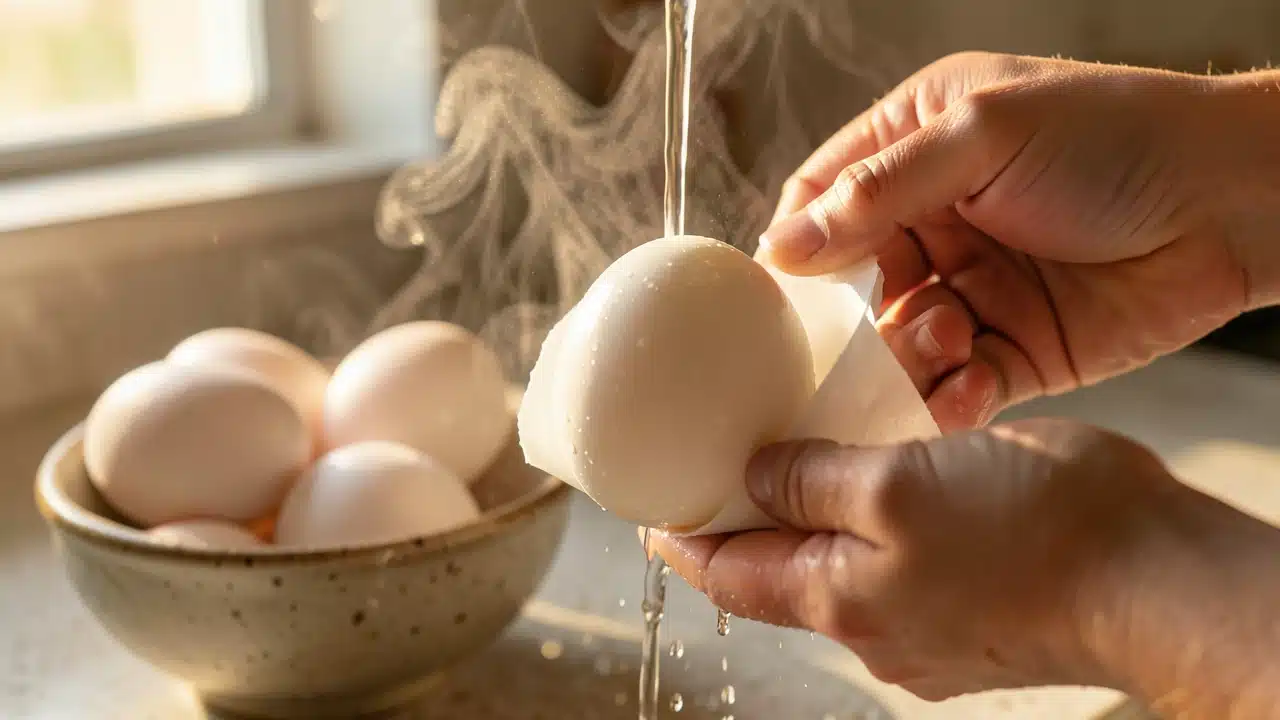
To peel, gently tap the egg on a hard surface to crack the shell all over. Start peeling from the wider end of the egg, where the air pocket is. The shell and membrane should slip off more easily, especially if you peel them under cool running water.
This combined hot water cooking and ice bath cooling is a top Hot Water Egg Peeling Trick That Works.
Myths About Egg Peeling That Do Not Work
There are many tips out there for peeling eggs, but not all of them are true. Some people swear by certain methods that, in reality, don’t make much of a difference or can even make things harder. It’s good to know which of these are just myths.
Myth 1: Adding Salt or Vinegar to Boiling Water
Many people add salt or vinegar to the water when boiling eggs, believing it helps with peeling. While adding salt or vinegar can help prevent eggs from cracking if they do crack during boiling, it doesn’t directly help the shell come off easier. The primary goal here is to stop leaks, not to make peeling simple.
So, while it’s not a bad practice, don’t expect it to be a miracle worker for peeling.
Myth 2: Steaming Eggs is Always Better
Steaming eggs is another popular method that many claim leads to perfect peeling. Steaming does cook eggs evenly, and some find it helps. However, it’s not a foolproof guarantee for easy peeling, and it doesn’t inherently beat the hot water method when done correctly.
The cooling process is still the most important part, regardless of whether you boil or steam.
Myth 3: Cracking Eggs on the Countertop First
Some suggest cracking the egg all over on the counter before trying to peel it. While cracking the shell is necessary, just doing it on the counter doesn’t magically loosen the membrane. The best way to crack is to tap it gently to create small fissures, allowing you to get under the membrane.
Myth 4: Using Very Fresh Eggs
This might sound counterintuitive, but very fresh eggs can be harder to peel. As eggs age, the pH level inside them changes. This causes the white to become less sticky and easier to separate from the shell and membrane.
So, if you’re struggling with peeling, using eggs that are a week or two old might actually be better than super fresh ones.
The Importance of the Ice Bath
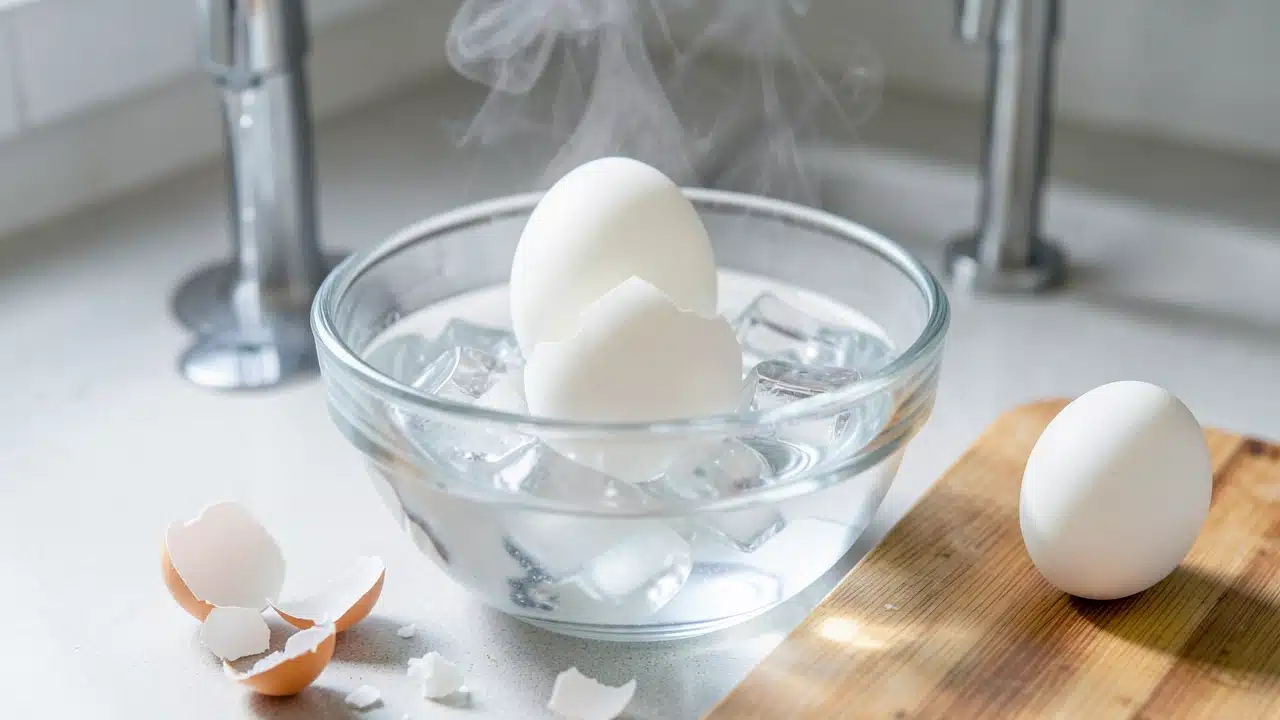
We touched on the ice bath, but it deserves its own moment. This step is often underestimated but is incredibly important for a successful peel. The ice bath does two main things:
- Stops Cooking: It quickly halts the cooking process. This prevents the egg from becoming overcooked, which can lead to a rubbery white and a harder shell to remove.
- Contracts the Egg: The sudden temperature drop causes the egg white to contract slightly. This contraction helps the membrane pull away from the shell, creating a small gap that makes peeling much easier.
Without a good ice bath, the egg stays warm, and the proteins in the white can continue to bond with the membrane. This is why the quick transition from hot to ice-cold water is a critical part of the Hot Water Egg Peeling Trick That Works.
Tips for Even Easier Peeling
Beyond the main hot water trick, a few other things can help make peeling a breeze. These are simple adjustments that can improve your results.
Choose the Right Eggs
As mentioned, older eggs are generally easier to peel. If you have a choice, opt for eggs that aren’t straight from the farm. Eggs that have been in your refrigerator for about a week are often ideal.
This gives the internal chemistry of the egg time to make peeling easier.
Peel Under Water
Peeling your hard-boiled eggs under a gentle stream of cool running water can be a game-changer. The water helps to wash away small shell fragments and lubricates the membrane, allowing it to slip off more smoothly. It also helps prevent the egg white from drying out and sticking.
Gentle Cracking
When you crack the egg, do it gently but firmly. A few taps on a hard surface are usually enough. Then, gently roll the egg between your hands or on the counter to create fine cracks all over.
This makes it easier to find a starting point for peeling.
Start at the Right End
Always try to start peeling from the wider end of the egg. This is where the air sac is located. It's usually easier to get your finger under the membrane here, and the shell will often come off in larger pieces.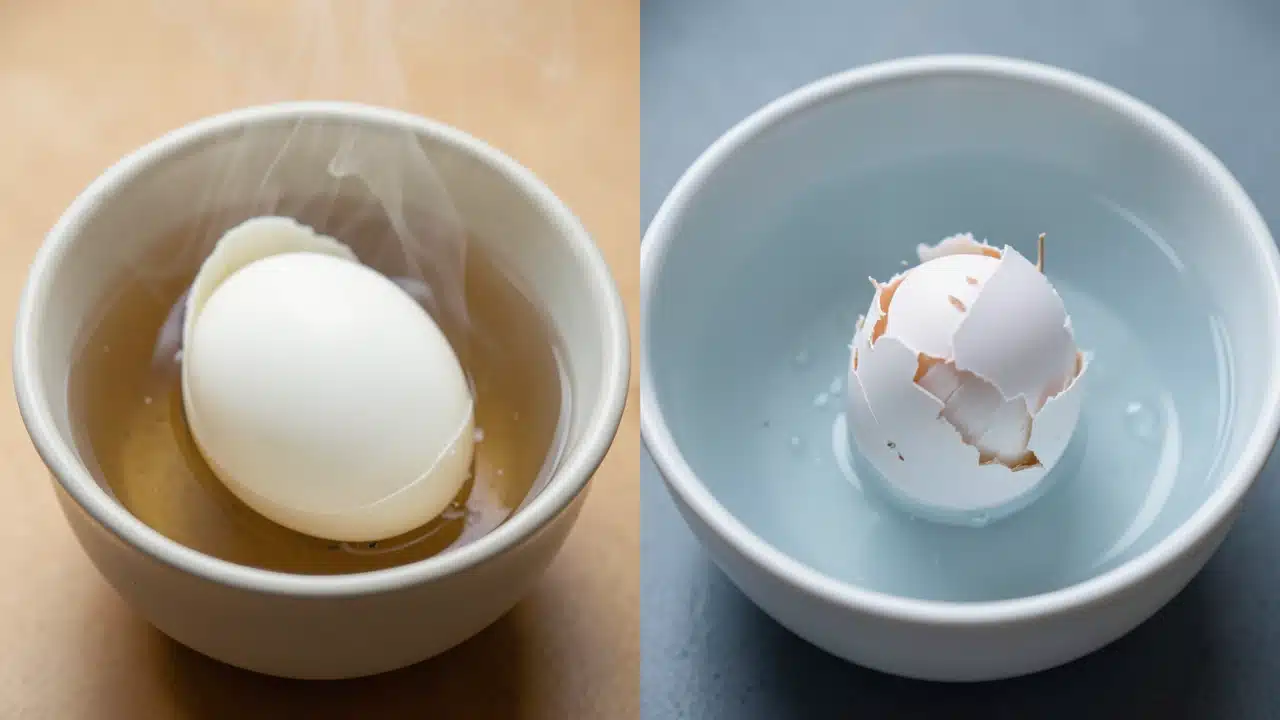
Comparing Methods: Hot Water vs. Cold Start
It’s helpful to see how different cooking methods stack up. The primary methods for boiling eggs are starting with cold water or starting with hot water. Each has its pros and cons, but for peeling, the hot water method often has an edge.
| Ease of Peeling | Generally easier, especially with proper cooling. | Can be more challenging; shell may stick more. |
| Crack Prevention | Eggs can sometimes crack if added too rapidly to boiling water. | Less risk of cracking as eggs heat up gradually. |
| Cooking Consistency | Very consistent if timing is followed precisely. | Can be less consistent, depending on stove heat. |
| Overall Time | Slightly faster due to immediate boiling. | Slower as water needs to reach boiling point. |
The table shows that while a cold water start is gentler on the eggs initially, the hot water start, when combined with the crucial ice bath, often leads to better peeling results.
This reinforces why the Hot Water Egg Peeling Trick That Works and Myths That Do Not focuses on temperature shock.
Troubleshooting Common Egg Peeling Problems
Even with the best methods, you might still run into issues. Here are some common problems and how to fix them.
Problem: Shell is still sticking badly.
Solution: Ensure you used an ice bath and that the eggs were fully cooled. Also, try peeling under running water. If it’s still bad, the eggs might be too fresh.
Next time, try aging them for a week.
Problem: Egg white is torn during peeling.
Solution: This often happens if the egg is overcooked or if the membrane is very sticky. Make sure you’re not overcooking and that you’re using the ice bath method correctly. Gentler peeling motions can also help.
Problem: The yolk is off-center or green.
Solution: A green or greyish yolk usually means the egg was overcooked. This doesn’t affect peeling directly but is a sign of overcooking. Ensure you’re following the timing for the hot water method and cooling quickly. Following official egg safety guidelines ensures proper handling and storage of eggs.
The Ultimate Hot Water Egg Peeling Trick That Works
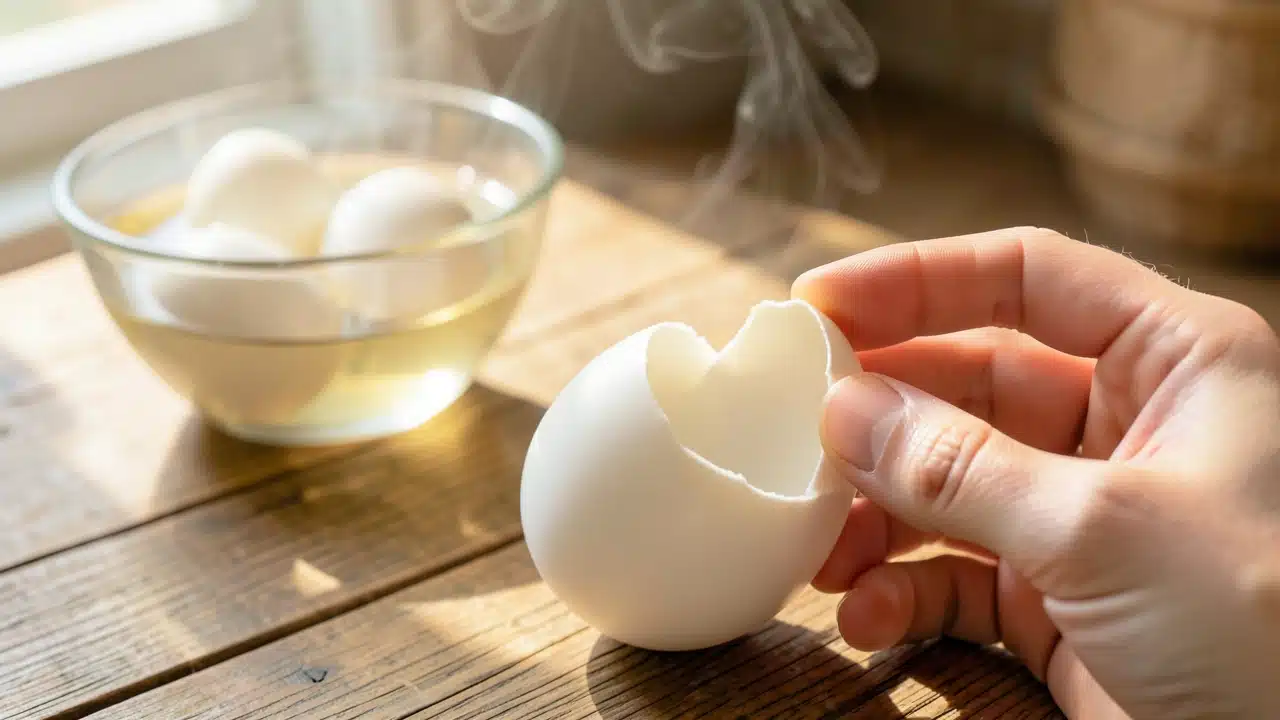
To recap the most effective approach, the true Hot Water Egg Peeling Trick That Works and Myths That Do Not relies on a few key principles. It’s about creating thermal shock and then stopping the cooking process immediately.
First, place eggs in a pot and cover with cool water. Second, bring the water to a rolling boil. Then, immediately turn off the heat, cover the pot, and let eggs sit for 10-12 minutes.
Finally, drain the hot water and plunge the eggs into a prepared ice bath for at least 10-15 minutes. This sequence is the core of the effective Hot Water Egg Peeling Trick That Works. For more on egg cooking techniques, the Wikipedia article on eggs as food provides comprehensive information.
Frequently Asked Questions Of Hot Water Egg Peeling Trick That Works And Myths That Do Not
What is the best way to peel hard-boiled eggs?
The best way involves cooking eggs in hot water, then immediately cooling them in an ice bath. Peeling under cool running water after gently cracking them all over often makes it easiest.
Why are my hard-boiled eggs so hard to peel?
This is often because the eggs are too fresh, or they weren’t cooled properly after cooking. A good ice bath is crucial for making the shell and membrane separate from the egg white.
Does adding salt to boiling water help peel eggs?
Adding salt to boiling water can help prevent eggshells from cracking, but it does not significantly help with the ease of peeling the shell off the egg white itself.
Is there a specific type of egg that peels easier?
Yes, slightly older eggs tend to peel easier than very fresh eggs. As eggs age, the pH changes, making the white less likely to stick to the membrane and shell.
What is the best trick for the Hot Water Egg Peeling Trick That Works and Myths That Do Not?
The most effective trick is the combination of cooking in hot water, resting, and then rapidly chilling in an ice bath. This thermal shock helps the egg white contract, making peeling much simpler.
Should I peel my eggs while they are still warm?
Some find it easier to peel eggs when they are still slightly warm, but the critical factor is that they have been properly cooled after cooking. The ice bath is key to getting the shell to release.
Final Thoughts
Achieving perfectly peeled hard-boiled eggs is simple when you use the right methods. Focus on the hot water cooking, quick chilling in an ice bath, and gentle peeling techniques. Avoid common myths, and you’ll find the frustration of stubborn shells disappears. Achieving a perfectly boiled egg involves careful timing and temperature control.