Curl Technique: One Hand Position That Prevents Most Prep Cuts
The curl technique prevents most prep cuts by turning your guiding hand into a claw grip. Curl fingertips inward, rest the knife against your knuckles, and keep your thumb tucked behind your fingers.
This lets the blade slide beside your knuckles while food stays controlled, making chopping safer, steadier, and faster.
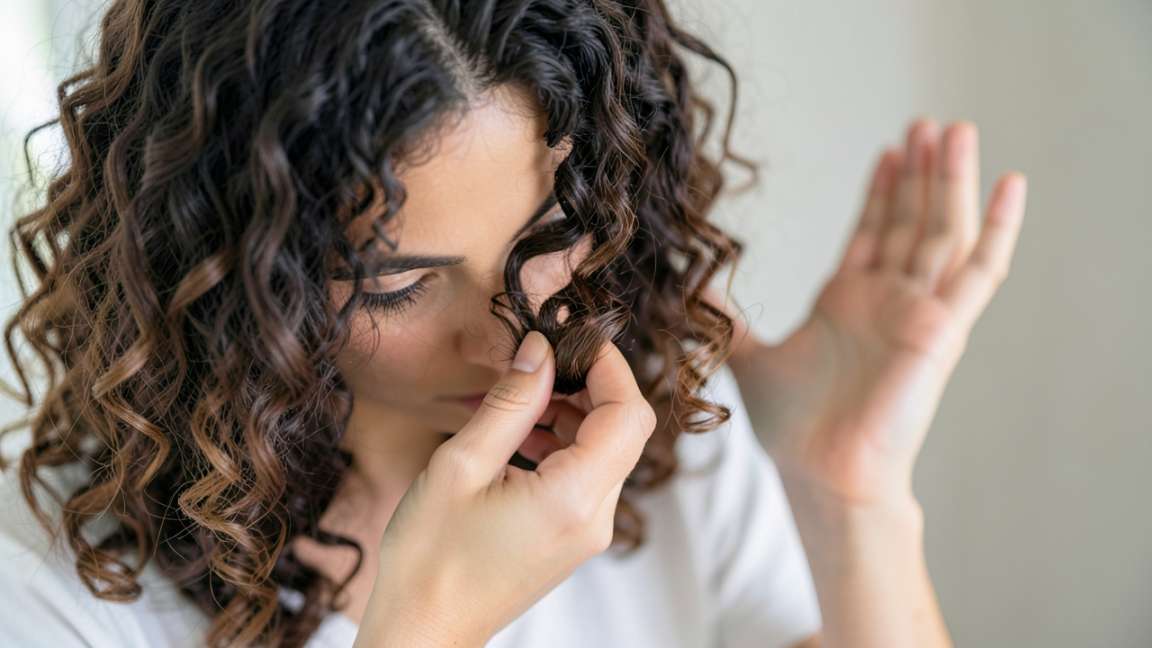
Keeping your fingers safe while styling hair is super important. Many people worry about accidentally nicking themselves with scissors during the preparation phase of a haircut. Learning the right way to hold the hair can make a huge difference.
This simple shift in how you use your hands can prevent many common mistakes. We’ll show you exactly how to master the Curl Technique: One Hand Position That Prevents Most Prep Cuts so you can style with confidence and keep your clients happy and safe.
Key Takeaways
- Learn a specific hand position that greatly reduces the risk of accidental cuts during hair prep.
- Understand why this technique is crucial for both stylist and client safety.
- Discover how to integrate this method seamlessly into your existing cutting routine.
- Gain confidence in your ability to perform precise and safe haircuts.
- Improve the overall client experience by ensuring a comfortable and secure styling process.
Why Preventing Prep Cuts Matters So Much
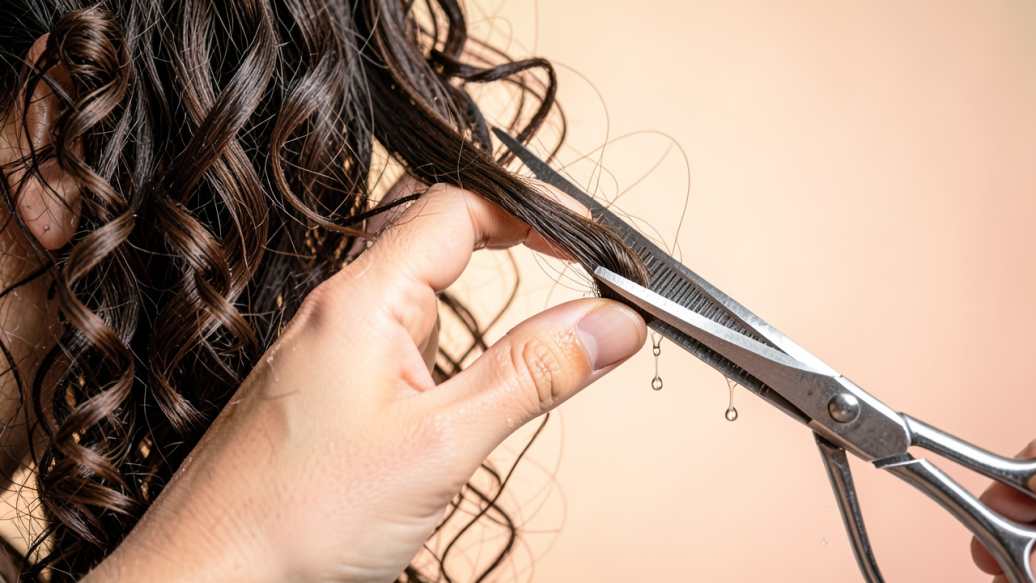
Accidental cuts during hair preparation can be a real problem. They can cause discomfort for the client and can be embarrassing for the stylist. More importantly, they can lead to minor injuries that require attention.
A safe and smooth styling process builds trust. Clients feel more relaxed when they know they are in capable hands.
This one specific technique helps ensure that every haircut starts off on the right foot, free from worry about small nicks or cuts.
The goal is always a perfect haircut. However, achieving that perfection shouldn’t come at the cost of safety. The Curl Technique: One Hand Position That Prevents Most Prep Cuts is not just about avoiding injuries.
It’s also about achieving better control over the hair. This control leads to cleaner lines and more precise shaping. When you can hold the hair securely and correctly, every snip of the scissor becomes more effective.
Understanding the Basic Curl Technique Hand Position
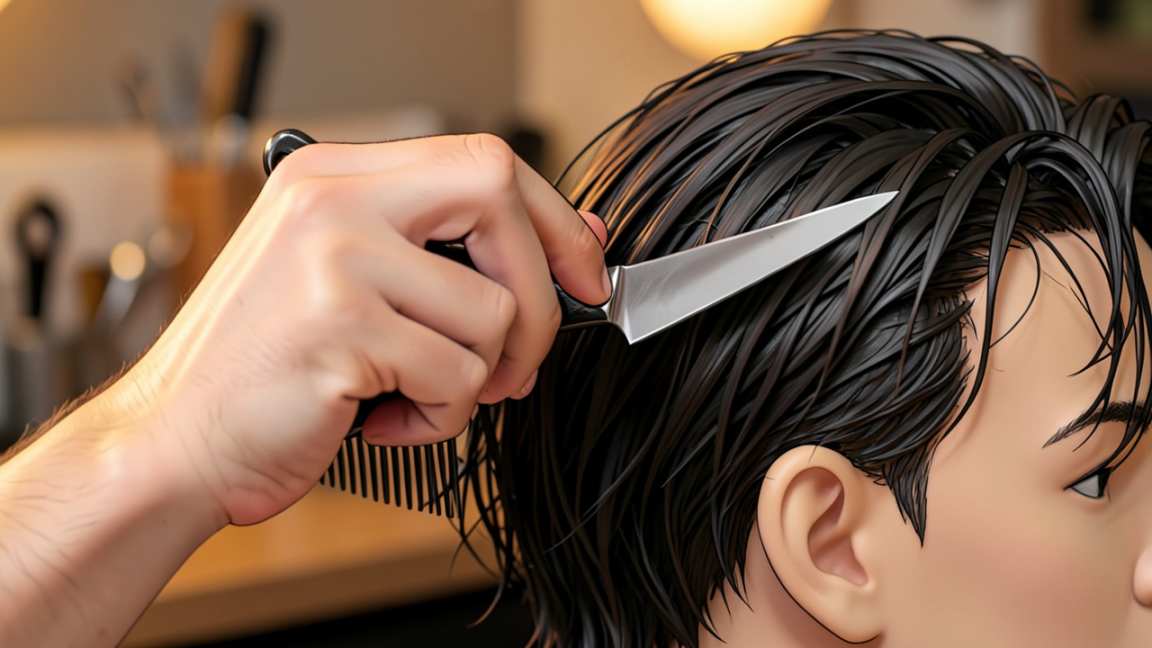
At its core, the Curl Technique: One Hand Position That Prevents Most Prep Cuts involves how you grip the hair section. Instead of a flat, open palm against the hair, you create a slight curve or “curl” with your fingers. This curve acts as a natural barrier.
It keeps your fingers further away from the path of the scissors. This simple adjustment makes a big difference in preventing slips and accidental nicks.
Think of it like holding a delicate object. You wouldn’t cradle it flat and exposed. You’d use a gentle, cupped hand.
The same principle applies here. Your fingers form a protective shield. This shield guides the hair into the scissors precisely where you want it.
It also ensures your own fingers stay clear of danger. It’s a small change that yields significant safety benefits.
How the Curl Creates a Safety Barrier
The key to this technique is the shape your fingers make. When you grip a section of hair, your index finger and thumb are usually the main points of contact with the hair. In the curl technique, you slightly bend your index finger.
You also curl your middle finger inward a bit. This creates a natural concave shape within your hand. The hair sits within this curve.
This curved grip means the hair is lifted and held away from your palm and the base of your fingers. When you bring the scissors to cut, they meet the hair at a controlled angle. Your fingers are naturally positioned above or to the side of the cutting line.
This positioning is the heart of the Curl Technique: One Hand Position That Prevents Most Prep Cuts. It makes it much harder for the blades to accidentally touch your skin.
The Role of the Thumb and Index Finger
Your thumb often acts as the stabilizer. It pinches the hair section against your other fingers. In the curl technique, the thumb’s position is still vital.
It helps to tension the hair. However, the index finger plays a more active role in creating the safety curve. Instead of being straight and flat against the hair, it’s gently curved.
This curve pushes the hair slightly outward, away from your hand.
The space created between your fingers and the hair is critical. This space is what the scissors can pass through without danger. It's a subtle but powerful shift in hand mechanics.
Mastering this specific grip is essential for anyone looking to improve their haircutting safety. It’s a foundational skill for the Curl Technique: One Hand Position That Prevents Most Prep Cuts.
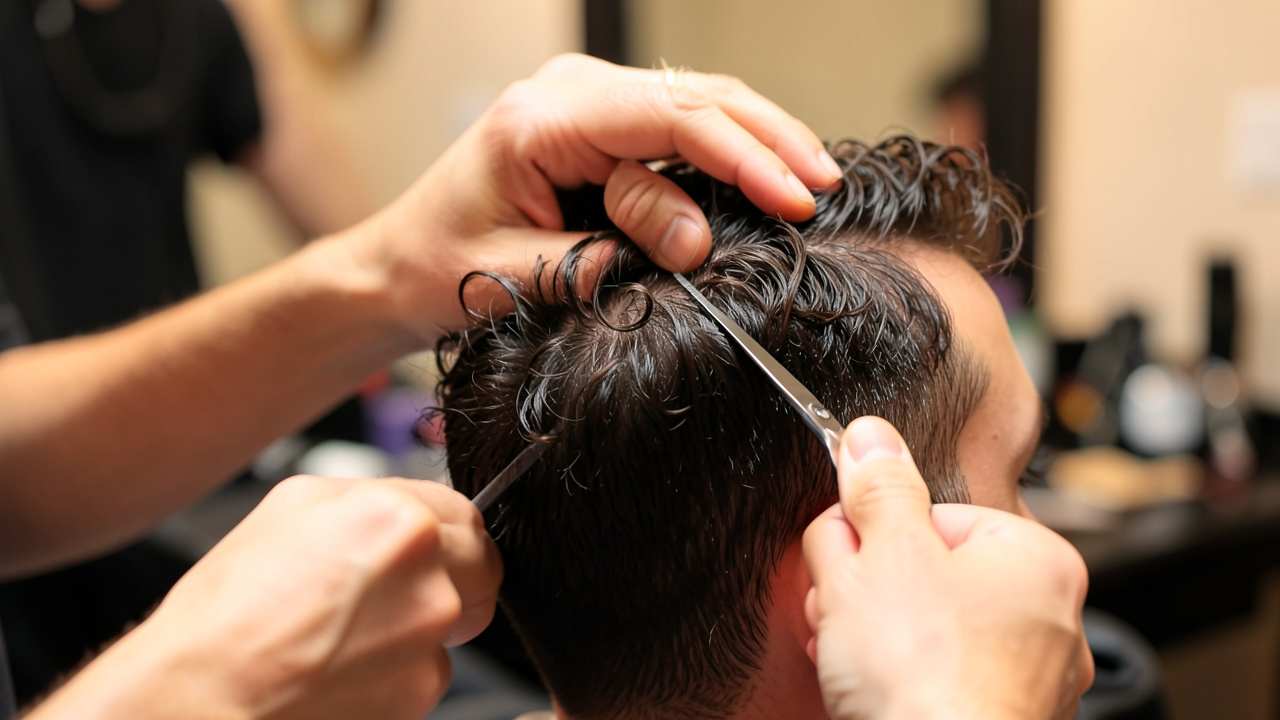
Applying the Curl Technique in Practice
Let’s walk through how to actually do it. When you section the hair you want to cut, gather it between your index finger and thumb. Instead of keeping your index finger perfectly straight and flat, give it a slight bend.
Imagine you are trying to make a gentle “C” shape with your index and middle fingers. The hair then rests inside this “C”.
First, take a section of hair you intend to cut. Hold it between your thumb and index finger. Second, slightly bend your index finger, creating a natural curve.
Your middle finger can also curl slightly to reinforce this shape. Next, ensure the hair is held taut but comfortably. Then, bring your scissors to the hair.
You will notice your fingers are naturally positioned away from the cutting line. Finally, make your cut.
Grip Strength and Tension
The amount of tension you apply to the hair is also important. You don’t want to pull the hair too tight. This can distort the haircut.
You also don’t want it too loose, as that can lead to jagged cuts and less control. The curl technique helps you find that sweet spot.
With the curved grip, the hair is naturally supported. This allows you to apply just enough tension for a clean cut. The grip feels secure.
It doesn’t slip. This secure feeling contributes to the overall safety and precision of the Curl Technique: One Hand Position That Prevents Most Prep Cuts. It’s about balance and control.
Cutting Different Hair Types and Textures
This technique works well across many hair types. For fine hair, you might need a lighter touch. The curved grip still provides the necessary barrier.For thicker hair, you might need to take smaller sections. This ensures you maintain good control. The principle remains the same: create that protective curve with your fingers.
Even with curly or wavy hair, the Curl Technique: One Hand Position That Prevents Most Prep Cuts is beneficial. These textures can sometimes be unpredictable. A secure grip helps manage them.
It ensures you are cutting the hair at the intended length and angle. It’s a versatile technique for all stylists.
Comparing Techniques: Curl vs. Flat Grip
To really understand the benefit, let’s compare the curl technique to a more traditional, flat grip. Many beginners might hold hair with a straight index finger and thumb. This leaves the base of the fingers exposed and closer to the cutting line.
It requires extreme caution and can still lead to accidental slips.
The flat grip offers less of a natural buffer. The scissors come into closer proximity with the skin. This increases the risk of a nick if the hand shifts slightly or the scissors slip.
While experienced stylists can manage this, the curl technique offers an inherent safety advantage that can reduce the learning curve and minimize errors.
| Finger Position | Index finger straight and flat | Index finger slightly curved |
| Safety Barrier | Minimal natural barrier | Creates a protective curve |
| Risk of Cuts | Higher, especially for beginners | Significantly reduced |
| Hair Control | Can be less secure | More secure and stable |
| Precision | Requires high skill to maintain | Enhances precision through control |
As you can see from the table, the Curl Technique: One Hand Position That Prevents Most Prep Cuts offers clear advantages in safety and control.
It’s a proactive approach to preventing common accidents. This makes the entire cutting process smoother and more professional.
While safety is the primary benefit, this technique offers more. It improves your overall precision. When your grip is secure and your fingers are out of the way, you can focus better on the cut itself.
You can see the lines more clearly. You can make more accurate snips.
This leads to a better-looking haircut. It also means you spend less time fixing mistakes. Clients appreciate a stylist who is both safe and efficient.
The Curl Technique: One Hand Position That Prevents Most Prep Cuts contributes to both of these important qualities. It elevates your entire service.
Enhanced Control and Precision
The curved hand position naturally lifts and separates the hair section. This allows for cleaner separation. It also makes it easier to gauge the exact amount of hair you are cutting.
You have a better feel for the hair’s weight and density. This enhanced control translates directly into more precise haircuts.
Whether you are doing a blunt cut, a layered style, or a detailed trim, this technique gives you the confidence to execute. You are less likely to make a stray cut. You are more likely to achieve the sharp, clean lines that clients desire.
It’s a simple technique with a significant impact on the final result.
Improved Client Comfort and Trust
A client’s comfort is paramount. If they feel anxious about the scissors, it can detract from their experience. The Curl Technique: One Hand Position That Prevents Most Prep Cuts helps put clients at ease.
They see a stylist who is careful and skilled. They feel secure knowing that their safety is a priority.
This builds trust. A client who trusts their stylist is more likely to return. They are also more likely to recommend the stylist to others.
This technique is a small investment of practice that pays big dividends in client satisfaction and loyalty.
Tips for Mastering the Curl Technique
Like any new skill, practice is key. Don’t expect to master it overnight. Start by practicing on yourself or on a mannequin head.
Get a feel for the grip. See how it changes the way you hold the hair. Pay attention to the space created between your fingers and the hair.
First, practice the grip without scissors. Just get used to holding sections of hair with the curved finger position. Second, gradually introduce scissors.
Start with simple, straight cuts. Next, try it on different hair types and lengths. Then, focus on maintaining the grip throughout the entire cutting process.
Finally, ask a trusted colleague to observe your technique and offer feedback.
Practicing on Mannequin Heads
Mannequin heads are fantastic for practicing. They don’t move, and they allow you to focus solely on your hand movements. You can practice sectioning, gripping, and cutting repeatedly.
This repetition builds muscle memory. It helps you internalize the correct hand position.
Pay attention to how the hair lies. Does it feel secure? Is it easy to cut?
If not, adjust your grip slightly. The goal is a comfortable, secure hold that keeps your fingers safe. This is the essence of the Curl Technique: One Hand Position That Prevents Most Prep Cuts.
Seeking Feedback from Peers
Sometimes, we can’t see our own habits. Getting feedback from experienced stylists can be invaluable. They can spot subtle adjustments you might need to make.
They can confirm if your grip is creating the intended safety barrier. This collaborative learning approach can accelerate your progress.
Don’t be afraid to ask for advice. Most stylists are happy to share their knowledge. Showing that you are committed to improving your skills will be appreciated.
Mastering this technique is a sign of a dedicated professional.
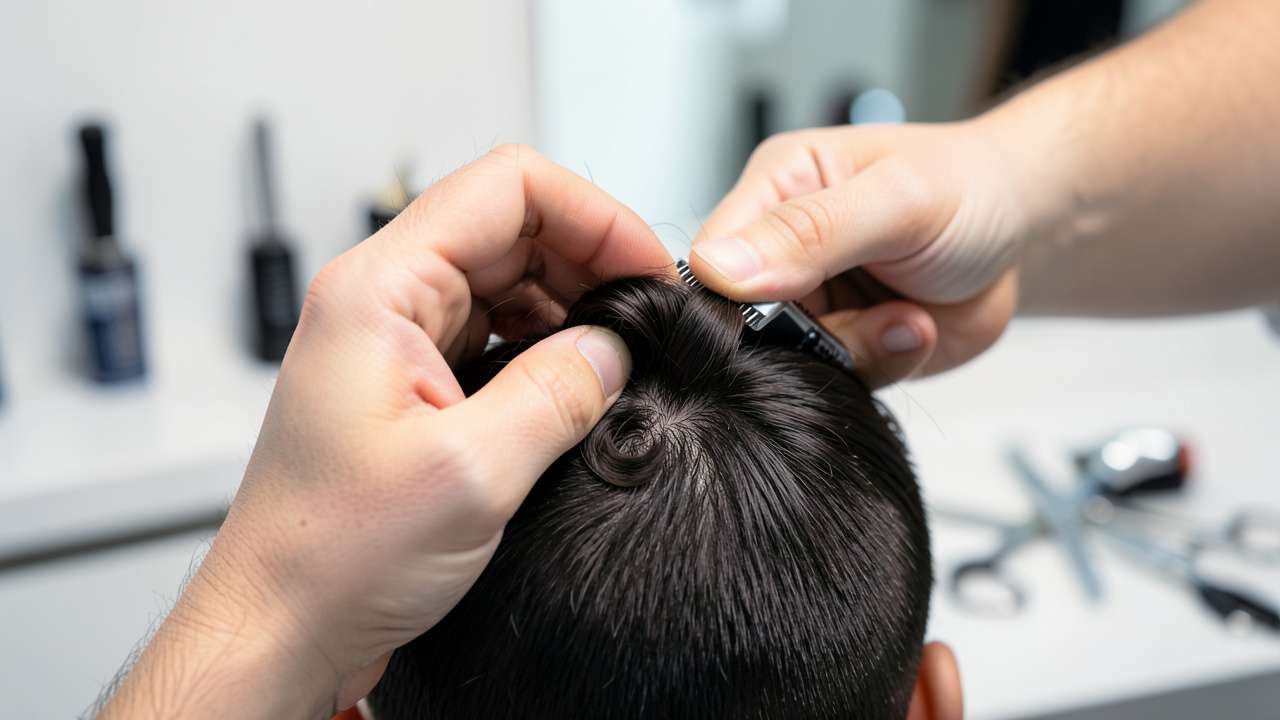
When to Use the Curl Technique
The Curl Technique: One Hand Position That Prevents Most Prep Cuts is ideal for almost all preparation steps in haircutting.
This includes any time you are sectioning hair to cut it. It’s particularly useful when doing precise work like blunt cuts, bobs, or even detailed fringe trims.
It’s a fundamental skill that should be integrated into your daily routine.
Think about any time scissors come near the hair you are holding. That’s a prime opportunity to employ this technique. It’s not limited to one specific type of cut.
It’s a general safety and precision enhancer that applies broadly. It helps ensure that no matter the style, the preparation phase is as safe as possible.
During Sectioning and Elevation
When you lift hair to a certain elevation for layering, your grip is crucial. The curl technique helps maintain a secure hold. It prevents the hair from slipping as you elevate it.
This consistency in grip ensures that all the hair cut at that elevation is the same length. It’s vital for creating seamless layers.
The same applies to creating clean partings. As you comb and section, the way you hold the hair can affect the line. A secure, controlled grip helps create sharp, defined sections.
This makes subsequent cutting steps much easier and more accurate.
For Blunt Cuts and Precision Trims
Blunt cuts require absolute precision. Any deviation can be very noticeable. The curl technique provides the stability needed for these sharp lines.
It allows you to get very close to the desired cutting point without endangering your fingers. This is why it is so effective for achieving crisp, clean edges.
Similarly, for detailed trims, like cleaning up a neckline or shaping sideburns, precision is key. The Curl Technique: One Hand Position That Prevents Most Prep Cuts gives you the fine control needed for these delicate tasks. It ensures you are cutting only the hair you intend to cut, with no accidental slips.
Frequently Asked Questions Of Curl Technique: One Hand Position That Prevents Most Prep Cuts
What is the main benefit of the Curl Technique: One Hand Position That Prevents Most Prep Cuts?
The main benefit is significantly reducing the risk of accidental cuts to your fingers or the client’s skin during hair preparation. It creates a natural safety barrier.
Is the Curl Technique: One Hand Position That Prevents Most Prep Cuts difficult to learn?
It is relatively simple to learn with a little practice. The core idea is a slight bend in your index finger to create a curve, which is an easy adjustment for most people.
Can this technique be used on all hair types and lengths?
Yes, the Curl Technique: One Hand Position That Prevents Most Prep Cuts is versatile and can be adapted for various hair types and lengths, providing enhanced safety and control for all.
What if I accidentally cut myself using a different technique?
If you get a small cut, clean it thoroughly with antiseptic and cover it with a bandage. Then, focus on practicing the Curl Technique: One Hand Position That Prevents Most Prep Cuts to avoid future injuries.
How does this technique improve the actual haircut quality?
By providing better control and stability, the technique allows for more precise cutting, leading to cleaner lines, more accurate shaping, and a higher quality final haircut.
Final Thoughts
Mastering the Curl Technique: One Hand Position That Prevents Most Prep Cuts is a game-changer for any stylist.
It’s a simple adjustment that drastically improves safety and precision. By creating a natural barrier with your fingers, you protect yourself and your clients from nicks and cuts. Maintaining a secure grip is vital for preventing injuries, as emphasized in safety guidelines.
Practice this technique to gain confidence and deliver flawless haircuts every time.