Paper Towel Trick: Moisture Levels Each Vegetable Needs Most
The paper towel trick works because vegetables need different moisture levels. Leafy greens, herbs, and cut vegetables benefit from a towel that absorbs excess condensation while keeping humidity nearby. Mushrooms need breathable paper storage, not trapped moisture.
Carrots, celery, and broccoli prefer high humidity, while onions, garlic, and potatoes need dry airflow outside the fridge.
Keeping your vegetables fresh and crisp can be a challenge. You buy them with good intentions, but they often wilt or get slimy in the fridge.
Understanding how much moisture each vegetable needs is key to preventing waste and enjoying them longer.
This is where the simple yet effective Paper Towel Trick: Moisture Levels Each Vegetable Needs Most comes in.
By learning these simple steps, you can extend the life of your produce, save money, and ensure your meals are always made with the freshest ingredients possible. Get ready to transform how you store your greens and roots.
Key Takeaways
- Different vegetables need different amounts of moisture to stay fresh.
- Using paper towels correctly can significantly extend the life of your produce.
- Leafy greens benefit from a damp paper towel to prevent wilting.
- Root vegetables often need a drier environment to avoid rot.
- Proper storage prevents food waste and saves you money.
- The Paper Towel Trick: Moisture Levels Each Vegetable Needs Most is a simple method anyone can use.
Why Vegetable Moisture Matters for Freshness
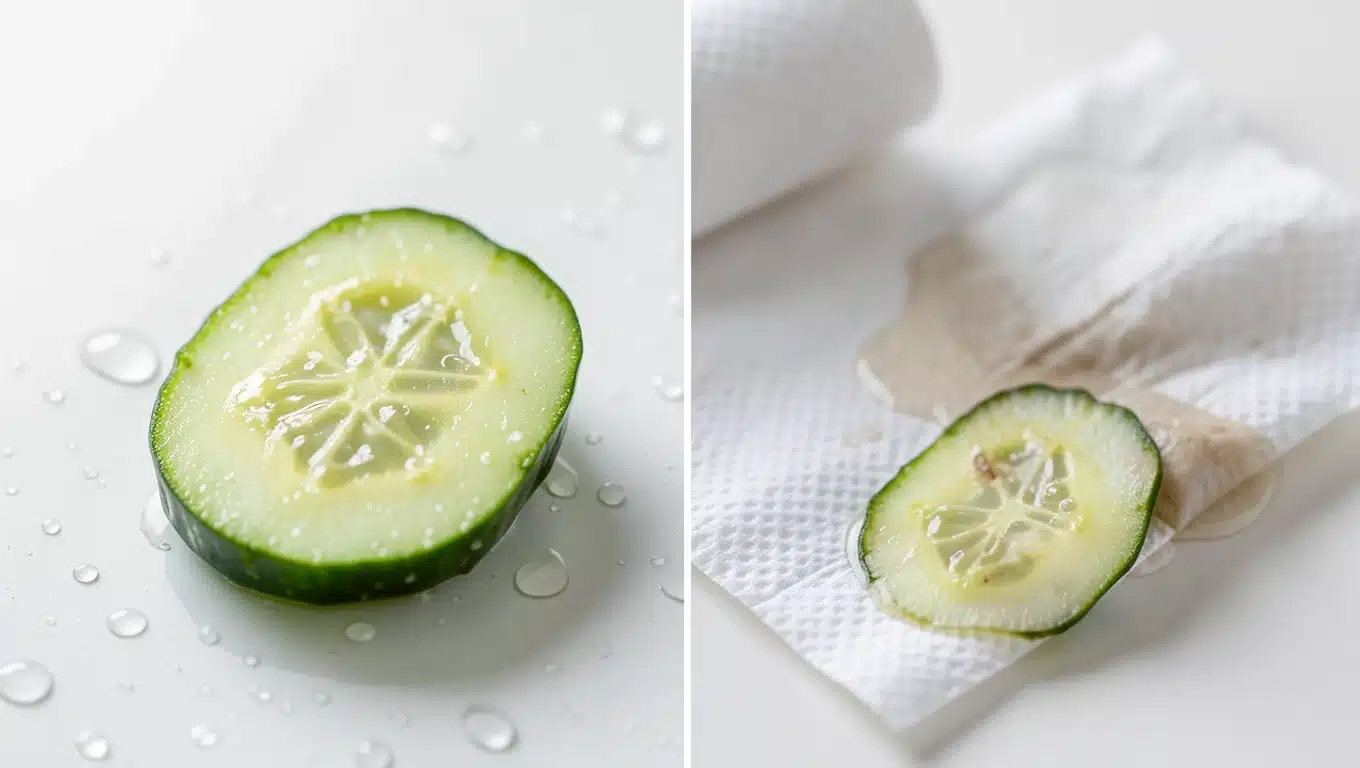
Vegetables are living things even after they are picked. They continue to breathe and lose water. This water loss makes them limp and sad-looking.
Too much moisture, however, can cause them to rot or grow mold. Finding the right balance is super important for keeping them at their best. The Paper Towel Trick: Moisture Levels Each Vegetable Needs Most helps you get this balance just right.
Think about a delicate lettuce leaf. It needs to stay moist to avoid drying out. If it dries, it becomes brown and crunchy, not crisp and fresh.
On the other hand, a potato or an onion needs to stay relatively dry. If they get too wet, they can quickly develop soft spots and mold. Knowing these differences helps you store them so they last much longer in your refrigerator.
Leafy Greens: The Thirsty Ones
Leafy greens like spinach, kale, lettuce, and Swiss chard are thirsty. They have many leaves that lose water easily. Without enough moisture, they will wilt very fast.
This makes them unappetizing for salads or cooking.
The Paper Towel Trick: Moisture Levels Each Vegetable Needs Most is perfect for these. You want to give them a little bit of moisture. First, gently wash and dry your leafy greens.
You don’t want them soaking wet, just clean and mostly dry. Next, lay a clean paper towel flat. Place a layer of greens on top of the paper towel.
Then, gently roll up the paper towel with the greens inside. You can also fold it over. The goal is to create a cozy, slightly damp environment.
Finally, place this rolled-up bundle in a plastic bag or an airtight container. Seal it loosely. The paper towel will absorb extra water but also keep a little moisture around the leaves.
This method helps prevent the greens from drying out. It also stops them from getting too soggy and slimy. Check the paper towel every few days.
If it feels very dry, you can lightly dampen it again. If it seems too wet,
Root Vegetables: The Dry Lovers
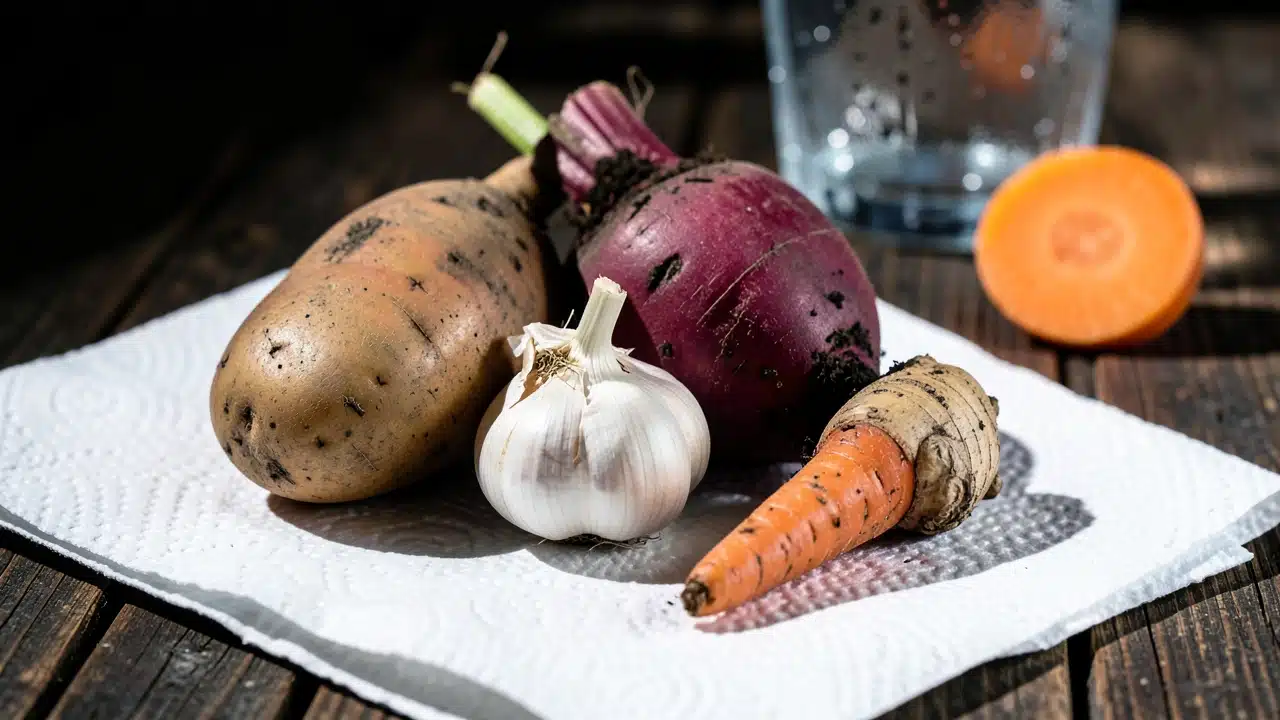
Root vegetables such as carrots, potatoes, beets, and radishes are different. They grow underground and store water differently. They generally prefer a drier, cooler environment.
Too much moisture can make them rot or sprout too soon.
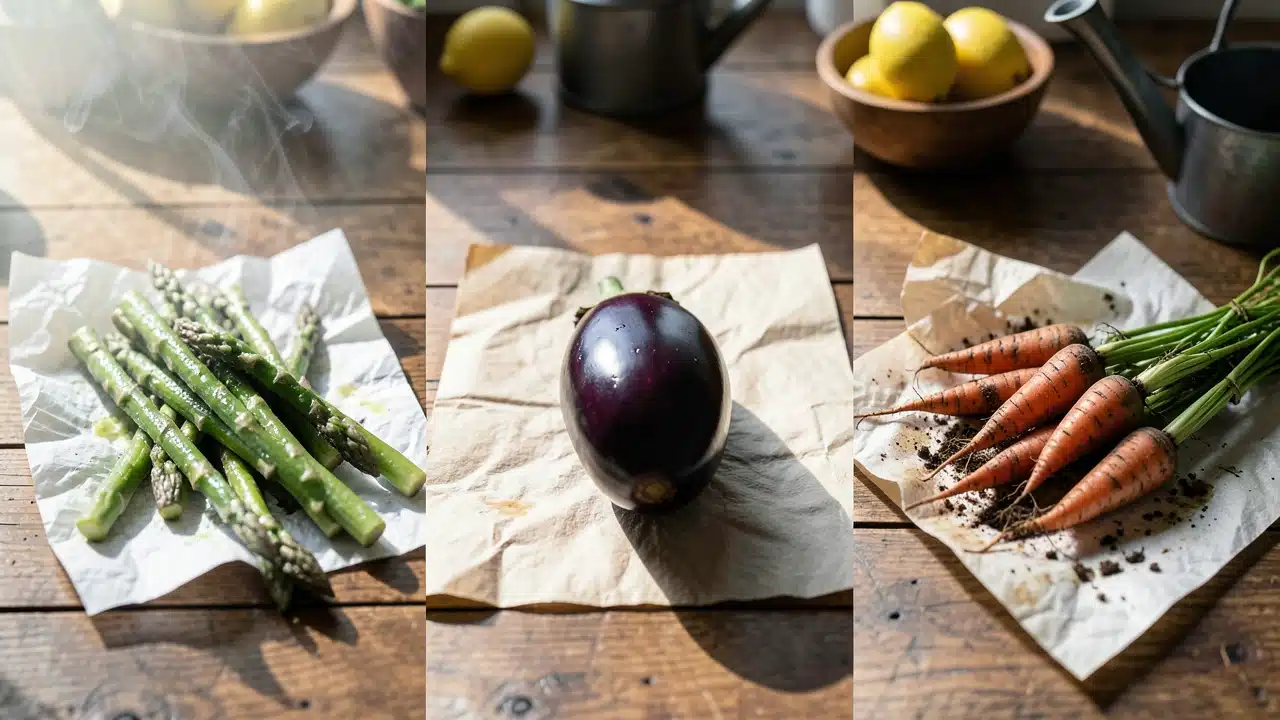
For these, the Paper Towel Trick: Moisture Levels Each Vegetable Needs Most involves using a dry paper towel. First, make sure your root vegetables are clean and dry. Brush off any dirt, but avoid washing them until you are ready to use them.
Washing can add unwanted moisture.
Next, wrap each root vegetable individually in a dry paper towel. This helps absorb any moisture that might build up. Then, place the wrapped vegetables in a breathable bag or a loosely closed container.
Some people like to store them in a dark, cool place, like a pantry or a crisper drawer in the fridge.
Potatoes are a bit special. They should be stored in a cool, dark place, but NOT in the refrigerator. The cold can turn their starch into sugar, changing their taste and texture.
Carrots, on the other hand, do well in the fridge. You can even trim off the green tops, as they draw moisture from the root.
The key with root vegetables is to keep them from sweating. The dry paper towel acts as a buffer. It helps manage any condensation that forms.
This prevents the vegetable from becoming waterlogged and spoiling. This approach is a crucial part of the Paper Towel Trick: Moisture Levels Each Vegetable Needs Most.
Cruciferous Vegetables: The Moderate Ones
Broccoli, cauliflower, Brussels sprouts, and cabbage are in the cruciferous family. They have a moderate need for moisture. They don't want to be bone dry, but they also can't handle being too wet.For these, the Paper Towel Trick: Moisture Levels Each Vegetable Needs Most suggests a slightly damp paper towel.
First, trim any damaged parts from the vegetable. You can wash them, but make sure to dry them thoroughly afterward.
Excess surface water is the enemy here.
Next, you can either wrap the whole head (like cauliflower or cabbage) in a slightly damp paper towel. Or, if you’ve cut them into florets or pieces, you can place them in a bag with a slightly damp paper towel. The towel should feel barely moist, not wet.
Wring it out well.
Then, store them in a plastic bag or container in the crisper drawer of your refrigerator. The slightly damp towel helps maintain humidity without making the vegetables soggy. This creates a good balance for them.
It keeps them from drying out too quickly while also preventing mold growth.
For Brussels sprouts, you can store them on the stalk if you have it. Otherwise, place them in a bag with a slightly damp paper towel. Cabbage can last a long time if stored whole, wrapped in a slightly damp towel.
These vegetables are resilient, but proper moisture management makes a big difference.
Alliums: The Air-Dryers
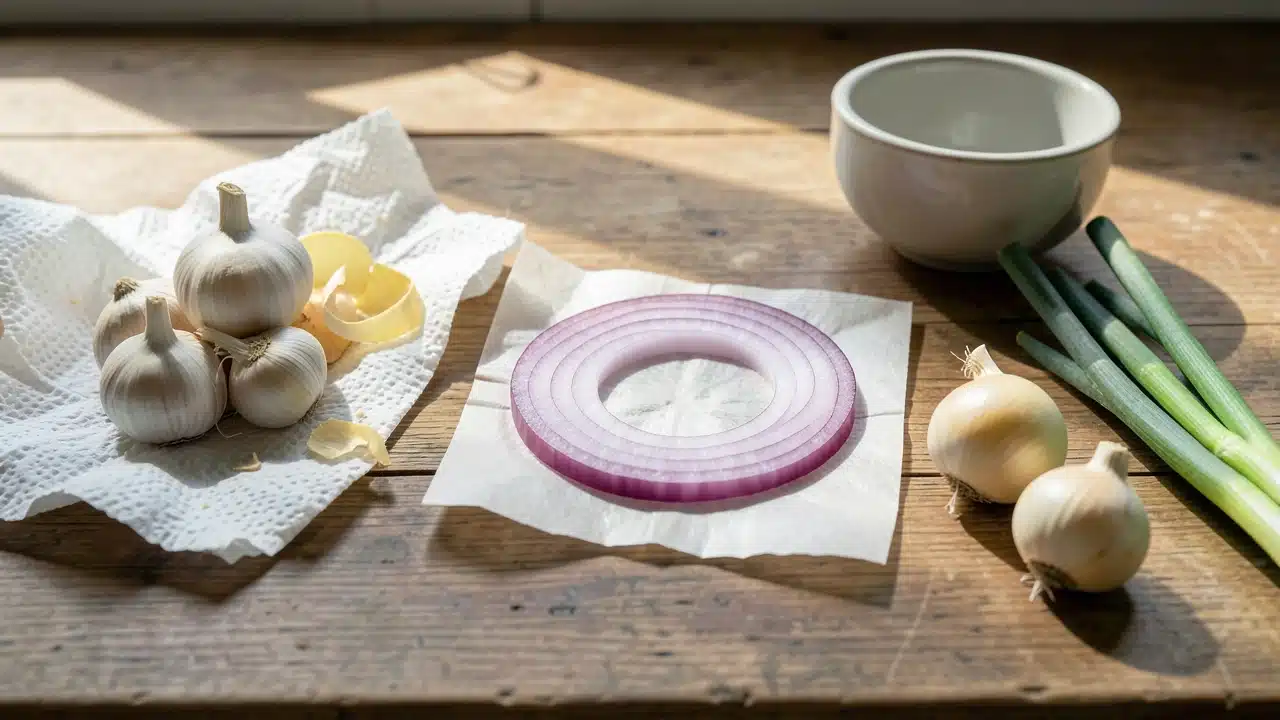
Onions, garlic, and shallots are alliums. They are typically cured to be dry for storage. They need good air circulation and a dry environment.
This is why they are often sold in mesh bags.
For alliums, the Paper Towel Trick: Moisture Levels Each Vegetable Needs Most means you generally do NOT use paper towels. Instead, you want to keep them dry and airy. First, ensure they are completely dry.
If you just bought them and they feel a bit damp, let them air dry for a day or two in a well-ventilated spot.
Next, store them in a cool, dark, and dry place. A pantry or a cupboard works well. Do not store them in plastic bags, as this traps moisture.
They also shouldn’t be stored in the refrigerator, as the cold and humidity can cause them to soften and sprout.
Then, you can place them in a basket or a bin that allows air to flow around them. If you want to use paper towels for some reason, use only dry ones and ensure they are not tightly packed. The main idea is to prevent moisture buildup.
Keeping them dry is the best way to keep them fresh for months.
Herbs: The Delicate Flowers
Fresh herbs like parsley, cilantro, basil, and mint are very delicate. They wilt quickly and can also rot if too wet. They require a specific kind of moisture management.
The Paper Towel Trick: Moisture Levels Each Vegetable Needs Most has a specific method for herbs. First, wash your herbs gently and pat them very dry with a clean towel or a salad spinner. Any extra water on the leaves can lead to rot.
Next, there are two main ways to store them. For hardier herbs like rosemary and thyme, you can wrap them in a slightly damp paper towel and place them in a bag in the fridge. For delicate herbs like parsley, cilantro, and basil, it’s often best to treat them like flowers.
Then, trim the ends of the stems. Place the bunch in a small glass or jar with about an inch of water. Cover the leaves loosely with a plastic bag.
This creates a mini-greenhouse effect. Store this in the refrigerator. Basil is an exception; it prefers to be kept at room temperature, out of direct sunlight.
This method keeps the stems hydrated while the leaves are protected from drying out. The paper towel trick here is more about creating the right humidity balance. It ensures your herbs stay vibrant and flavorful for your cooking.
Storing Berries and Tomatoes: A Special Case
Berries and tomatoes are often thought of as fruits, but they are commonly used as vegetables in cooking. They also have specific moisture needs.
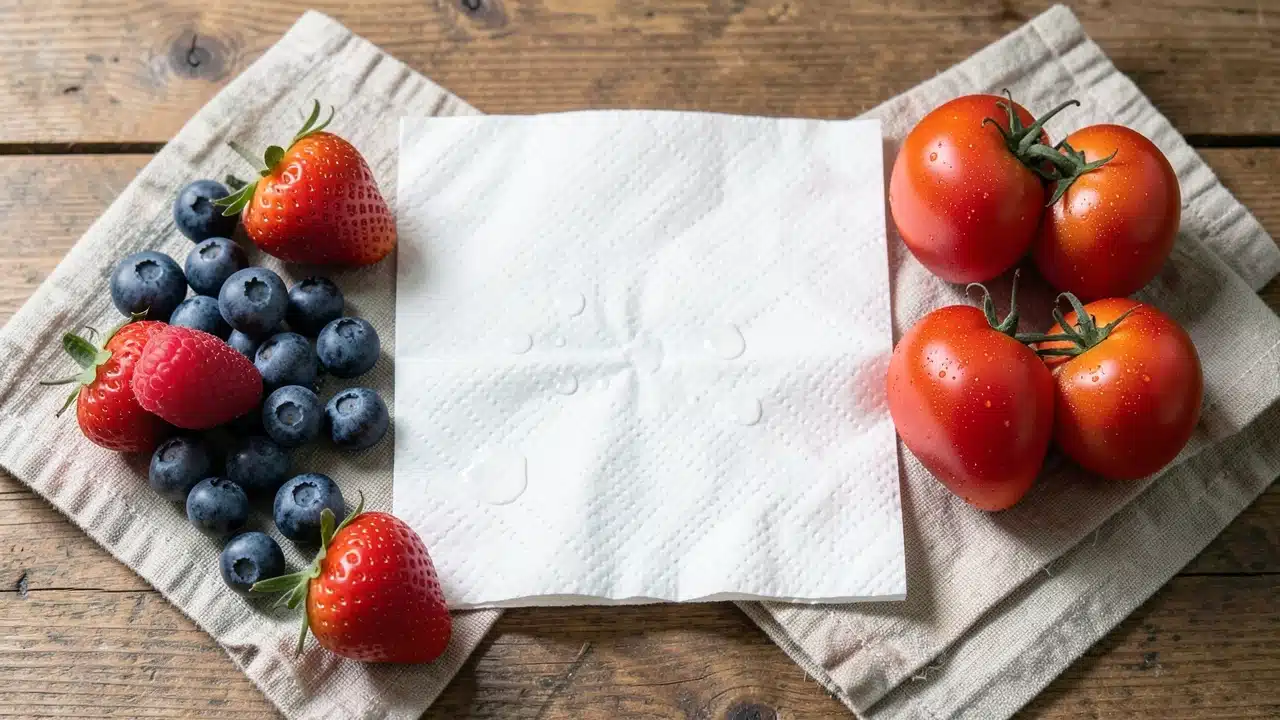
For berries like strawberries, raspberries, and blueberries, moisture is their enemy when it comes to storage. They are prone to mold. The Paper Towel Trick: Moisture Levels Each Vegetable Needs Most for berries involves keeping them dry.
First, do NOT wash berries until you are ready to eat them. Washing adds moisture that speeds up spoilage.
Next, if you notice any moldy berries, remove them immediately. They can spread mold to others quickly. Then, line your container with a dry paper towel.
Place the unwashed berries in a single layer if possible. Put another dry paper towel on top. Store them in the refrigerator.
Tomatoes, on the other hand, are best stored at room temperature, away from direct sunlight. Refrigerating tomatoes can make them mealy and dull their flavor. They don’t need paper towels.
They need to breathe and stay dry. If your tomatoes are very ripe and you need to slow down ripening, you can put them in the fridge for a short time, but eat them soon after.
The Paper Towel Trick: Moisture Levels Each Vegetable Needs Most – A Summary Table
To make it easy, here’s a quick guide to the Paper Towel Trick: Moisture Levels Each Vegetable Needs Most for common produce.
| Leafy Greens (Spinach, Lettuce, Kale) | High | Slightly Damp paper towel, rolled with greens, in a bag. | Refrigerator Crisper Drawer |
| Root Vegetables (Carrots, Potatoes, Beets) | Low | Dry paper towel, wrapped individually, in a breathable bag. | Cool, Dark Place (Potatoes) or Refrigerator (Carrots, Beets) |
| Cruciferous Veggies (Broccoli, Cauliflower) | Moderate | Slightly Damp paper towel, placed with florets or whole head in a bag. | Refrigerator Crisper Drawer |
| Alliums (Onions, Garlic) | Very Low (Dry) | No paper towel needed. Store dry in a breathable container. | Cool, Dark, Dry Place (Pantry) |
| Delicate Herbs (Parsley, Cilantro) | Moderate (Stem Hydration) | Slightly Damp paper towel for wrapping, or store stems in water. | Refrigerator (except Basil) |
| Berries (Strawberries, Raspberries) | Very Low (Dry) | Dry paper towel lining container, unwashed berries. | Refrigerator |
Tips for Success with the Paper Towel Trick
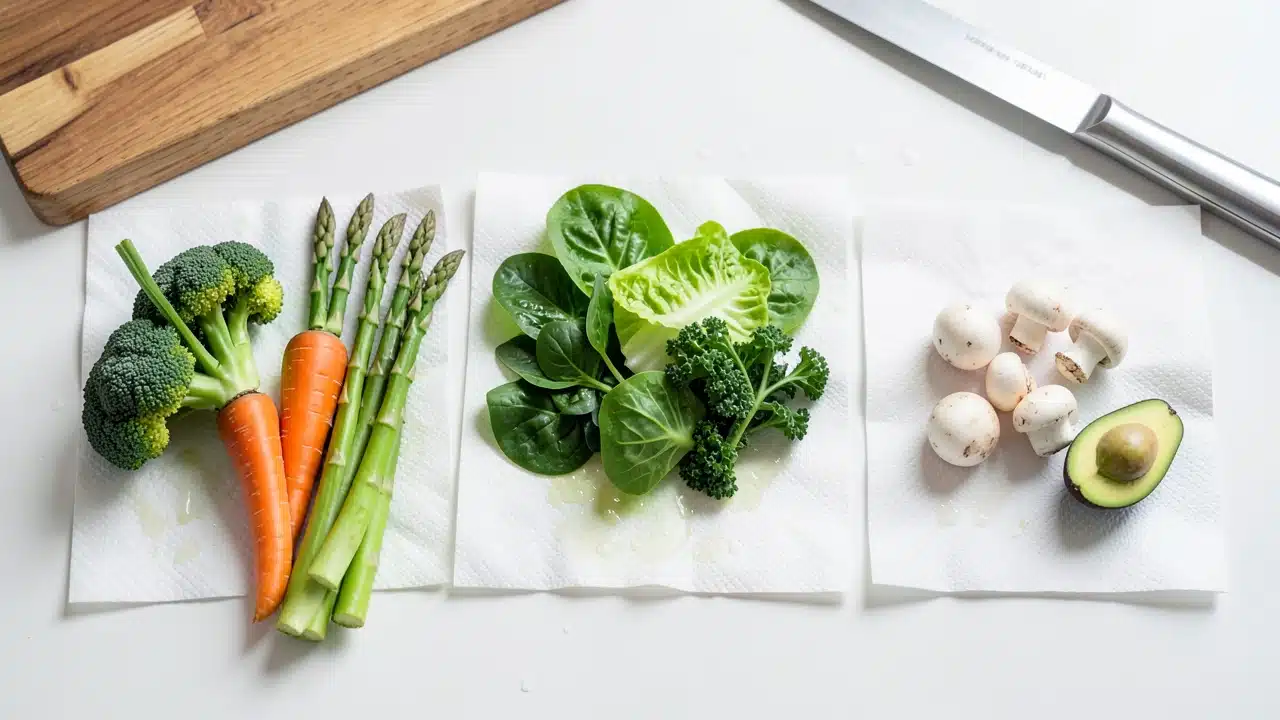
Using the Paper Towel Trick: Moisture Levels Each Vegetable Needs Most is simple, but a few extra tips can make it even better. Always use clean paper towels. Dirty towels can introduce bacteria and speed up spoilage.
Also, don’t pack your produce too tightly.
Overcrowding can prevent air circulation. This can lead to moisture buildup and rot. Give your vegetables a little breathing room.
Check your stored produce regularly. Remove any items that are starting to go bad. This prevents them from affecting the rest of your produce.
When in doubt, it’s often better to err on the side of slightly drier. Too much moisture is usually the quicker killer for most vegetables. Learning the specific needs of each type will save you a lot of waste.
The Paper Towel Trick: Moisture Levels Each Vegetable Needs Most is a skill worth mastering for any home cook.
Frequently Asked Questions Of Paper Towel Trick: Moisture Levels Each Vegetable Needs Most
Question: What is the main benefit of the Paper Towel Trick for vegetables?
Answer: The main benefit is extending the freshness of your vegetables, reducing food waste, and saving money by preventing them from wilting or spoiling too quickly.
Question: Do I need to use special paper towels for the Paper Towel Trick?
Answer: No, regular household paper towels work perfectly fine. Just make sure they are clean and dry before use.
Question: How often should I change the paper towels when storing vegetables?
Answer: Check the paper towels every few days. Replace them if they become too wet, dry, or show signs of mold. For slightly damp towels, you might just need to re-dampen them.
Question: Can I use the Paper Towel Trick for all vegetables?
Answer: While the Paper Towel Trick: Moisture Levels Each Vegetable Needs Most is very useful for many vegetables, some, like onions and garlic, prefer to be stored dry without any paper towels to allow for better air circulation.
Question: Why do leafy greens need a damp paper towel?
Answer: Leafy greens lose moisture easily and will wilt. A slightly damp paper towel helps maintain a humid environment around them, keeping them crisp and fresh for longer.
Final Thoughts
Mastering the Paper Towel Trick: Moisture Levels Each Vegetable Needs Most is a simple way to keep your produce fresh. By understanding if your vegetables need a little moisture or to stay dry, you can significantly cut down on waste.
This easy method helps your vegetables last longer, saving you money and ensuring you always have crisp ingredients for your meals. The Paper Towel Trick helps maintain proper humidity for vegetables in the refrigerator.