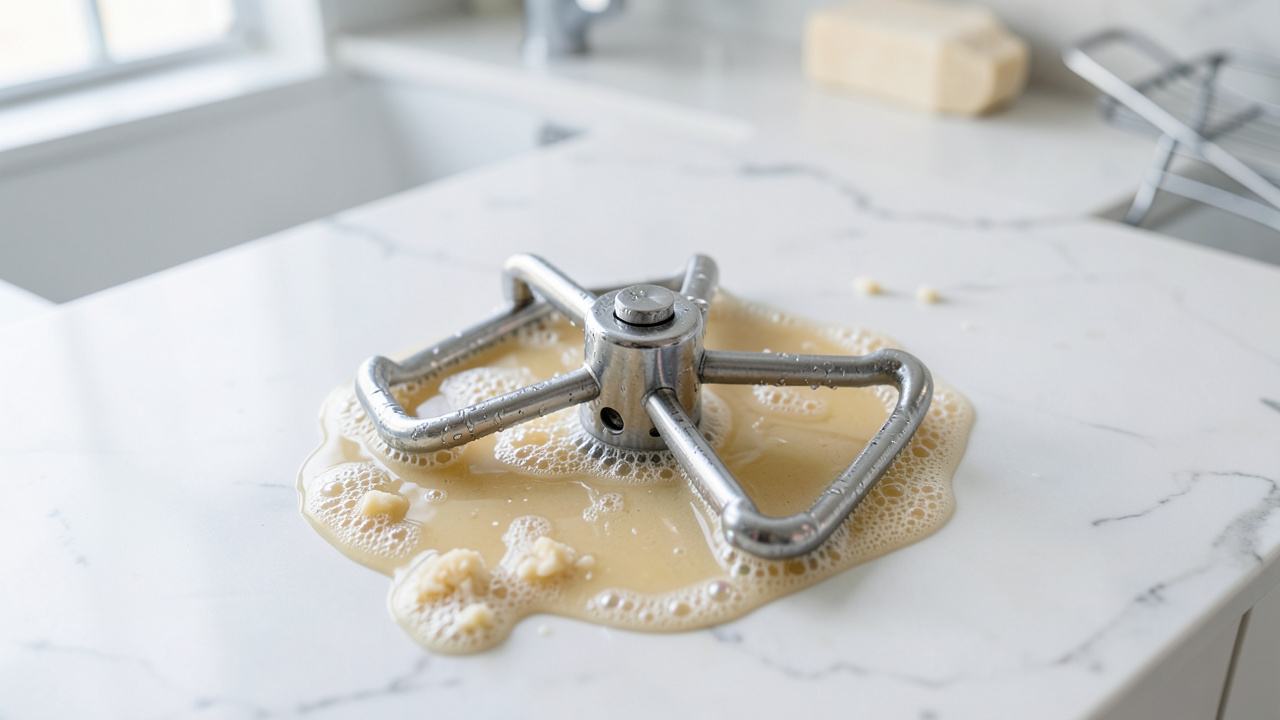
How to Properly Clean a Bread Machine’s Kneading Paddle Blade
To properly clean a bread machine’s kneading paddle blade, remove it after each use and soak in warm soapy water for 10 to 15 minutes, then scrub with a non-abrasive brush to avoid damaging the non-stick surface. This routine prevents dried-on dough residue and bacterial buildup, which can affect bread taste and machine performance. Drying the paddle completely before reattaching ensures smooth operation and extends the machine’s lifespan.
Your bread machine’s kneading paddle traps dough, oil, and crumbs after every use. A dirty paddle affects your bread’s taste and can even damage the machine over time.
Quick Verdict: Simply put, clean your bread machine’s kneading paddle after every use by removing it from the shaft, soaking it in warm soapy water for 10 minutes, scrubbing with a non-abrasive brush, and drying it completely before reattaching. This prevents residue buildup and keeps your machine running smoothly.
Cleaning the bread machine’s kneading paddle blade is one of the most overlooked tasks in bread machine maintenance. According to the, kitchen appliances that contact food should be cleaned after each use to prevent bacterial growth. A clean paddle also helps your dough rise evenly and prevents off-flavors from old residue.
Key Takeaways
- Clean your bread machine’s kneading paddle immediately after each use to prevent dried-on dough and bacterial buildup.
- Use warm soapy water and a non-abrasive brush to avoid scratching the paddle’s non-stick surface.
- Soak the paddle for 10 to 15 minutes if dough has hardened before scrubbing it clean.
- Dry the paddle completely with a soft cloth before reattaching it to prevent rust on the metal shaft.
- Never use metal scouring pads or harsh chemicals that can damage the paddle coating and contaminate future loaves.
What You Need to Clean the Paddle
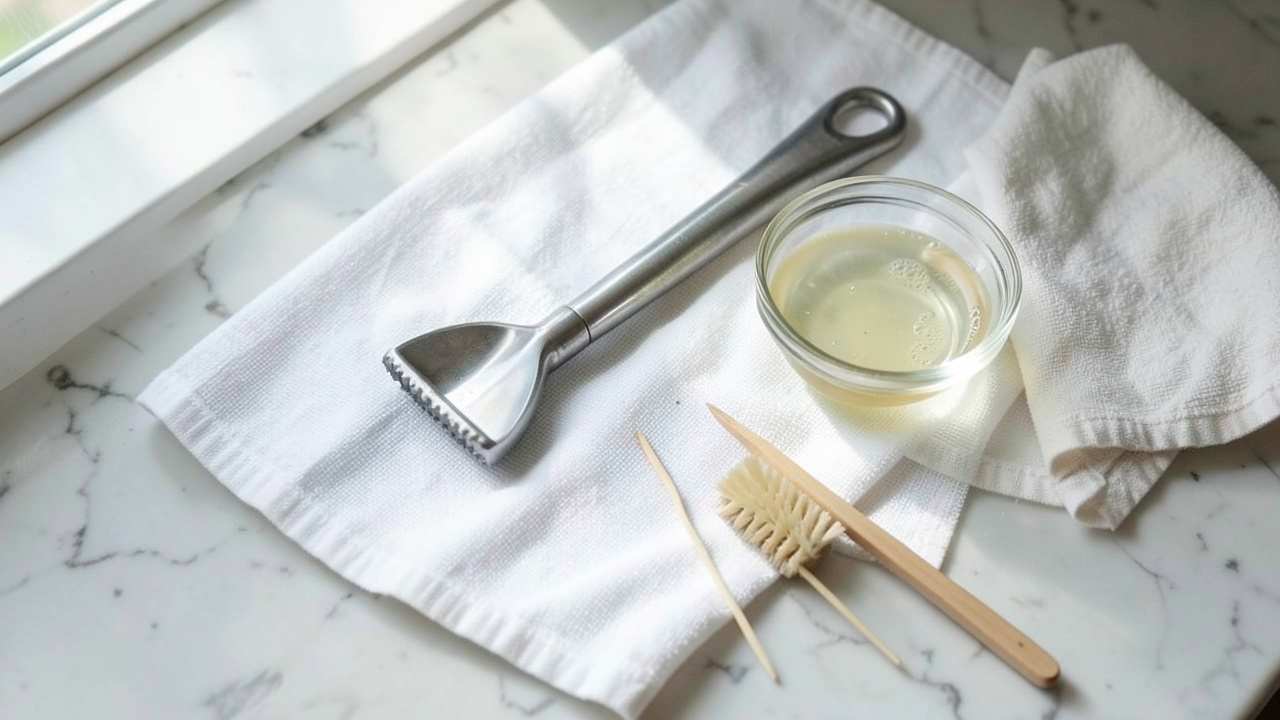
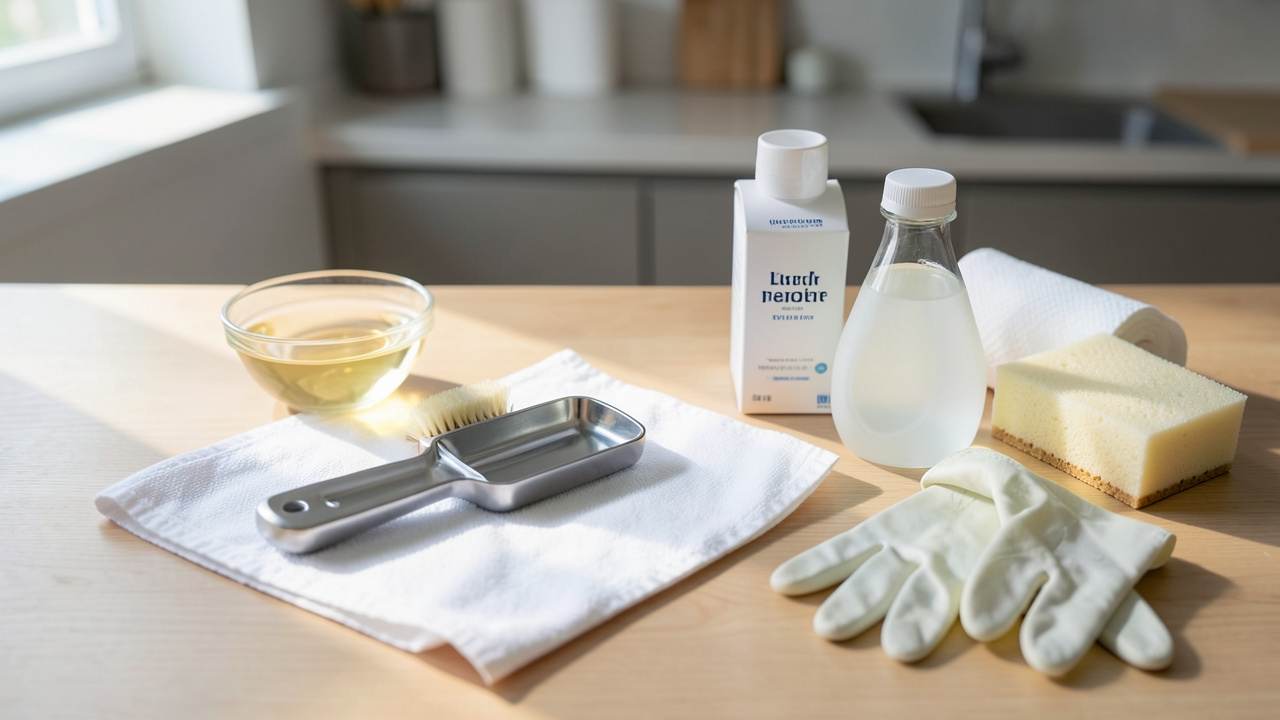
Gather a few basic items before you start cleaning. Most are already in your kitchen.
- Warm water – Hot tap water works best for loosening dried dough and grease.
- Mild dish soap – A gentle liquid soap breaks down oils without damaging the paddle surface.
- Soft sponge or non-abrasive brush – Use a nylon brush or soft sponge to avoid scratching.
- Small bowl or container – A deep bowl holds enough water to fully submerge the paddle.
- Clean dry cloth – A lint-free towel or microfiber cloth works well for drying.
- Toothpick or small skewer – Useful for dislodging dough stuck in hard-to-reach crevices.
Important: Check your bread machine manual before cleaning. Some manufacturers recommend specific cleaning methods or warn against certain materials. Following the manual keeps your warranty valid.
Step-by-Step Cleaning Process
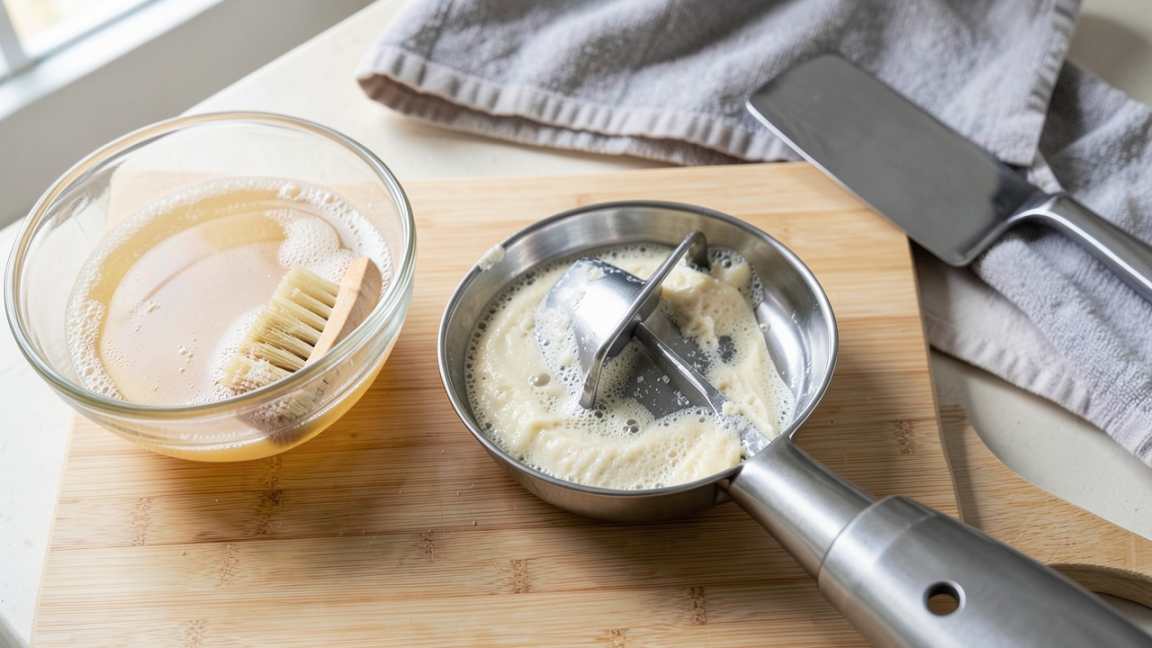
Follow these steps to clean your bread machine’s kneading paddle blade thoroughly and safely. The process takes about 15 minutes total.
- Unplug the bread machine. Always disconnect the power before removing any parts. This prevents accidental activation while you clean.
- Remove the bread pan. Lift the pan out of the machine by pulling up on the handle. Place it on a flat, sturdy surface.
- Detach the kneading paddle. Grip the paddle firmly and pull it upward off the shaft. If it sticks, wiggle it gently from side to side. Do not use tools that could scratch the shaft.
- Inspect for leftover dough. Check the paddle, the shaft, and the bottom of the pan for stuck-on dough or crumbs. Remove large pieces by hand before soaking.
- Soak the paddle in warm soapy water. Fill a small bowl with warm water and add a few drops of mild dish soap. Submerge the paddle completely for 10 to 15 minutes. According to the, soaking for 10 to 15 minutes loosens most baked-on food residue.
- Scrub gently with a soft brush. Use a non-abrasive brush or sponge to clean all surfaces of the paddle. Pay special attention to the underside and the area around the shaft hole where dough often hides.
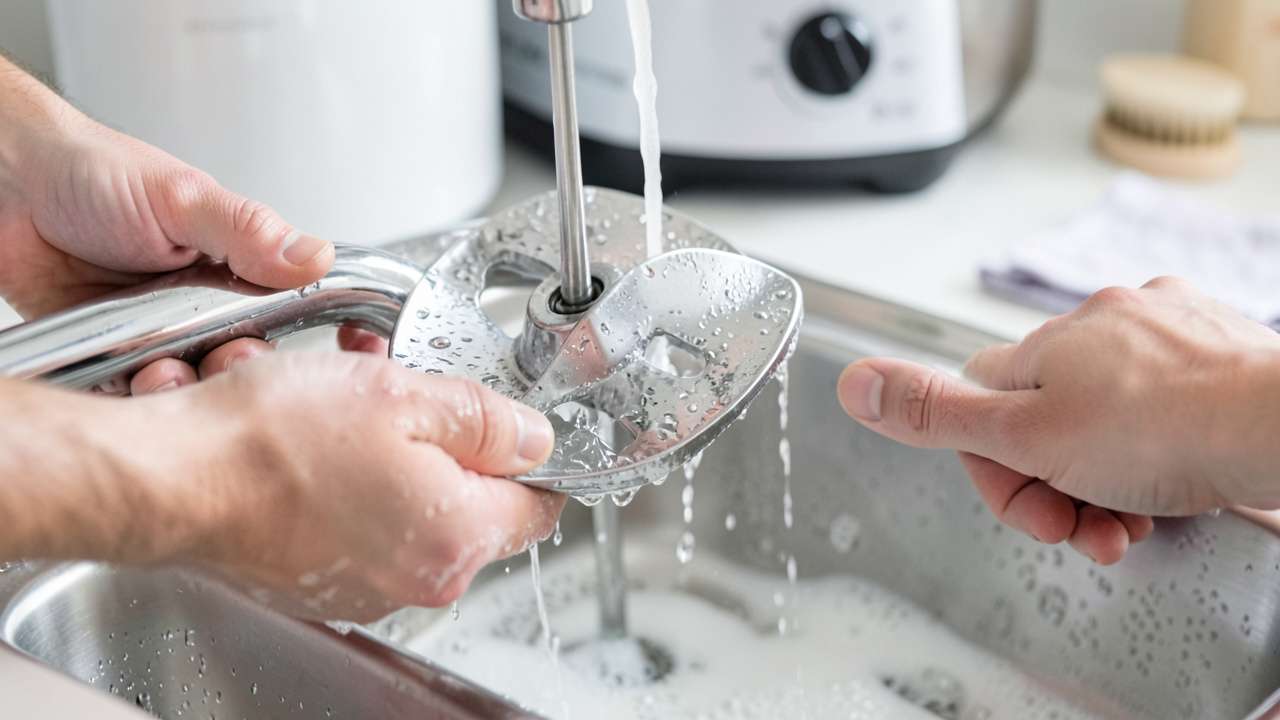
- Rinse thoroughly under running water. Hold the paddle under warm running water and rotate it to remove all soap residue. Soap left on the paddle can affect future bread flavors.
- Dry the paddle completely. Pat it dry with a clean cloth, then let it air-dry for a few minutes. Moisture on the paddle can cause the metal shaft to rust over time.
- Clean the bread pan and shaft. Wipe the inside of the pan and the metal shaft with a damp cloth. Remove any residue around the shaft base where the paddle sits.
- Reattach the paddle. Place the dry paddle back onto the shaft and press down firmly until it clicks into place. Ensure it spins freely without wobbling.
Warning: Never put the bread machine base or motor housing in water. Only the bread pan and paddle are dishwasher-safe in most models. Check your manual before using the dishwasher.
What to Expect: Time and Effort
Cleaning the paddle does not take long. Most of the time is simply soaking. Here is a realistic breakdown of the process.
| Step | Time Needed | Difficulty | Frequency |
|---|---|---|---|
| Removing and inspecting | 1-2 minutes | Easy | After each use |
| Soaking | 10-15 minutes | Easy | After each use |
| Scrubbing and rinsing | 3-5 minutes | Easy | After each use |
| Drying and reattaching | 2-3 minutes | Easy | After each use |
| Deep clean (monthly) | 20-30 minutes | Moderate | Once a month |
According to the, cross-contamination from improperly cleaned kitchen tools is a leading cause of foodborne illness. Cleaning your paddle after each use reduces this risk significantly.
How to Handle Stubborn Dried-On Dough
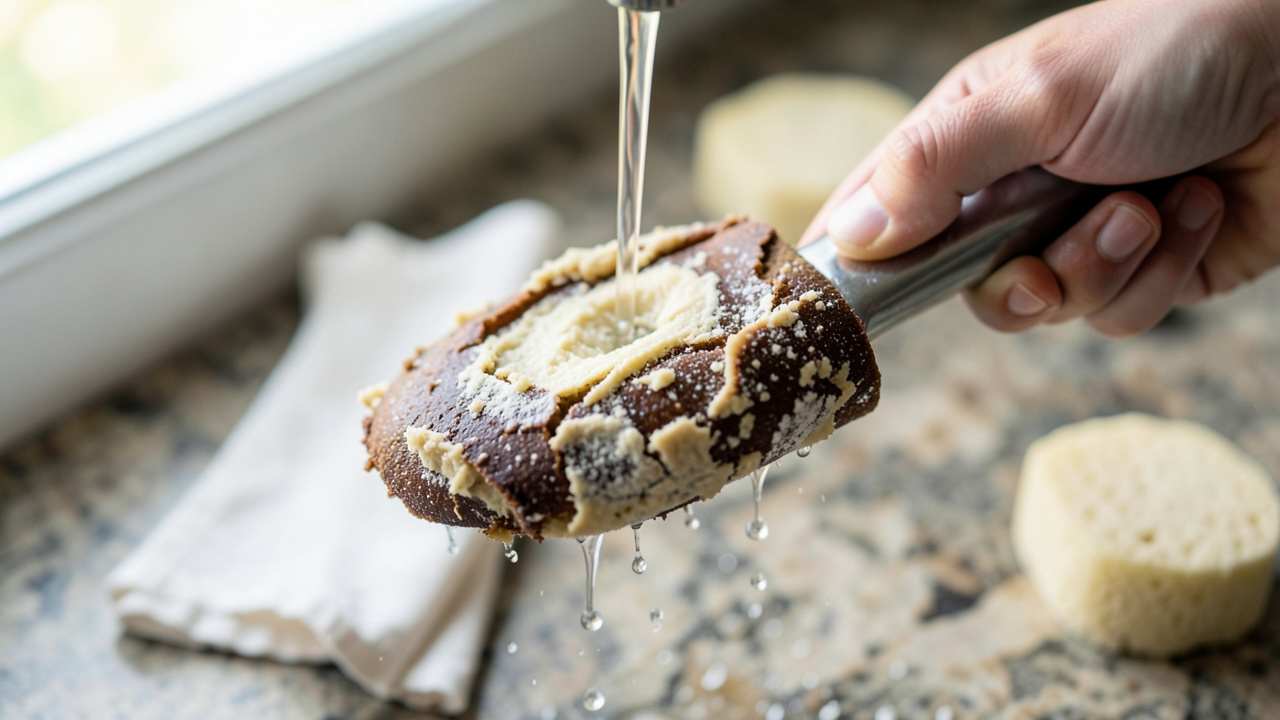
Sometimes dough bakes onto the paddle during the baking cycle. This creates a hard crust that does not come off easily. Do not force it off with metal tools.
- Soak longer. Let the paddle sit in warm soapy water for 30 minutes instead of 10. The extra time softens even the toughest residue.
- Use a paste of baking soda. Mix baking soda with a little water to form a thick paste. Apply it to the stuck-on spots and let it sit for 10 minutes before scrubbing.
- Try a vinegar rinse. White vinegar helps break down mineral deposits and baked-on grease. Soak the paddle in a 50-50 vinegar and water solution for 20 minutes.
- Use a toothpick for crevices. Gently poke out dough from the small hole where the paddle attaches to the shaft. This area collects hidden residue.
- Avoid abrasive pads. Steel wool and abrasive scrubbers remove the non-stick coating. Once the coating is gone, dough sticks even worse.
Tip: If your paddle has a stubborn smell from garlic or onion bread, soak it in a solution of warm water and lemon juice for 15 minutes. The acid neutralizes odors naturally.
Common Mistakes to Avoid
Many people make simple errors when cleaning their bread machine’s kneading paddle blade. Avoiding these mistakes keeps your paddle in good shape longer.
- Leaving the paddle on the shaft while cleaning the pan. Water and soap can seep into the small gap between the paddle and the shaft. This trapped moisture leads to rust and corrosion over time.
- Using the dishwasher without checking the manual. Not all paddles are dishwasher safe. High heat and strong detergents can warp the plastic or damage the non-stick coating.
- Scrubbing with metal brushes or steel wool. These materials scratch the paddle surface. According to a study in the, scratched surfaces harbor more bacteria than smooth ones.
- Putting the paddle away while still damp. Moisture trapped between the paddle and the shaft causes the metal shaft to rust. Rust particles can then mix into your dough during kneading.
- Skipping the cleaning after a no-bake cycle. Even if your machine only mixes and proofs without baking, the paddle still collects dough residue. Clean it after every cycle, not just baking cycles.
Pro Tips for Keeping the Paddle Clean
These expert tips make cleaning faster and more effective. They also help your paddle last longer.
- Rinse the paddle immediately after removing the bread. Fresh dough wipes off much easier than dried dough. A quick rinse under warm water takes only 10 seconds.
- Use a silicone brush for scrubbing. Silicone brushes are gentle on non-stick surfaces and reach into small crevices easily. They also dry quickly and resist bacteria growth.
- Dry the paddle in a vertical position. Place it upright in a dish rack so water drains out of the shaft hole. This prevents moisture from pooling inside.
- Apply a thin coat of cooking oil to the paddle before each use. A light oil layer helps dough release more easily during kneading and reduces the amount stuck after baking.
- Do a deep clean once a month. Remove the paddle and soak it in a solution of warm water and a tablespoon of baking soda for 30 minutes. This removes buildup that regular washing misses.
- Check the paddle for wear every three months. According to the, regular maintenance extends the life of small kitchen appliances. Replace the paddle if you see cracks, chips, or worn non-stick coating.
Tip: If your bread machine paddle is stuck and will not come off the shaft, run the empty machine on a short knead cycle for 1 to 2 minutes. The motion often loosens the paddle enough to pull it off by hand.
What Type of Paddle Do You Have?
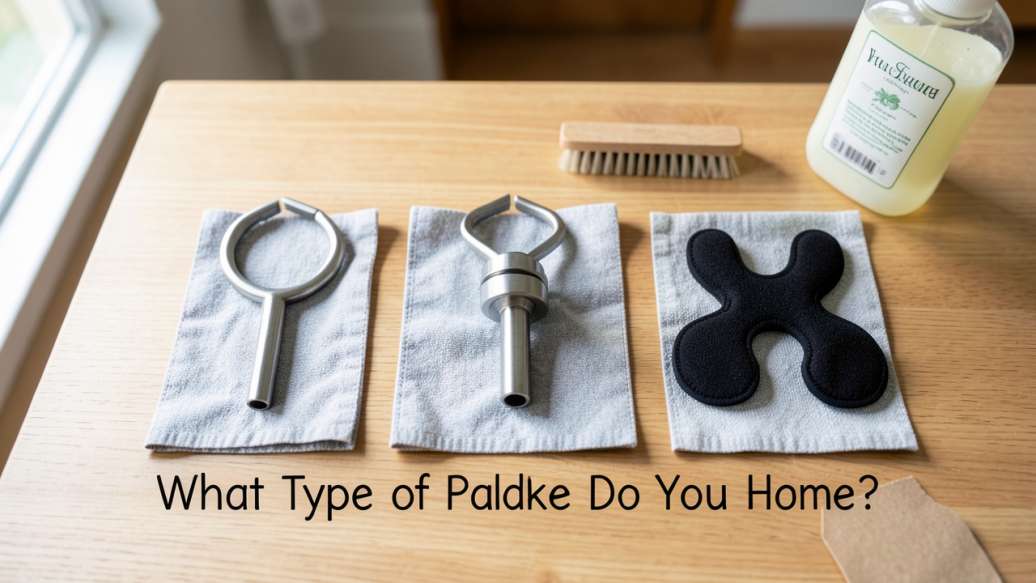
Different bread machines use different paddle designs. Knowing your paddle type helps you clean it correctly.
| Paddle Type | Common Brands | Cleaning Notes |
|---|---|---|
| Single paddle with one arm | Zojirushi, Panasonic | Easy to clean. Check the small hole at the base for dough. |
| Two-piece collapsible paddle | Cuisinart, Breville | Separate the two pieces after soaking. Clean the hinge area thoroughly. |
| Rectangular or blade-style paddle | Hamilton Beach, Oster | Wider surface traps more dough. Use a silicone brush for thorough cleaning. |
| Dual paddles (two shafts) | Some European models | Clean both paddles separately. They often have different shapes and require individual attention. |
Common Myths vs Facts
Several misconceptions exist about cleaning bread machine paddles. Here are the facts.
- Myth: The paddle is self-cleaning during the bake cycle. Fact: The high heat of baking actually bakes dough onto the paddle, making it harder to remove. You must clean it after every cycle.
- Myth: You can soak the entire bread pan with the paddle still attached. Fact: Soaking the pan with the paddle attached traps water between the paddle and the shaft. This leads to rust on the metal components.
- Myth: Dish soap leaves a residue that ruins bread flavor. Fact: Mild dish soap rinses off completely with warm water. The real culprit is old dough residue, not soap.
- Myth: You need special cleaning products for the paddle. Fact: Warm water, mild dish soap, and a soft brush are all you need. Specialized cleaners are often unnecessary and may contain harsh chemicals.
Frequently Asked Questions
Can I put my bread machine paddle in the dishwasher?
Some paddles are dishwasher safe, but many are not. Check your bread machine manual to confirm. High dishwasher heat can warp plastic paddles and damage the non-stick coating over time.
How often should I clean the kneading paddle?
Clean the paddle after every single use, including cycles that only mix without baking. Dough residue left on the paddle hardens and becomes harder to remove the longer it sits.
What should I do if the paddle is stuck on the shaft?
Soak the entire bread pan in warm water for 15 to 20 minutes with the paddle still attached. The heat expands the metal slightly and loosens the grip. Then grip the paddle and pull straight up.
Does the paddle need lubrication after cleaning?
No. The paddle does not need any lubricant. If the paddle feels stiff when you rotate it, wipe the shaft clean and ensure no dough residue is blocking the movement.
How do I know when to replace the kneading paddle?
Replace the paddle when you see cracks, chips, peeling non-stick coating, or if it no longer stays securely on the shaft. According to the Association of Home Appliance Manufacturers, worn parts reduce appliance performance and should be replaced promptly.
Resources and Tools
- Bread Machine Manuals – Find official cleaning instructions for your specific model.
- Non-Abrasive Cleaning Brush Set – Silicone and nylon brushes safe for non-stick surfaces.
- American Cleaning Institute – Guidelines for safe cleaning of kitchen tools and appliances.
- USDA Food Safety and Inspection Service – Official recommendations for preventing cross-contamination in the kitchen.
- Replacement Paddle Parts – OEM and compatible paddles for most bread machine brands.
Final Thoughts
Cleaning your bread machine’s kneading paddle after each use takes only 15 minutes and prevents residue buildup, rust, and off-flavors in your bread. Use warm soapy water, a soft brush, and dry the paddle completely before reattaching it. A clean paddle keeps your machine running well and your bread tasting fresh loaf after loaf.