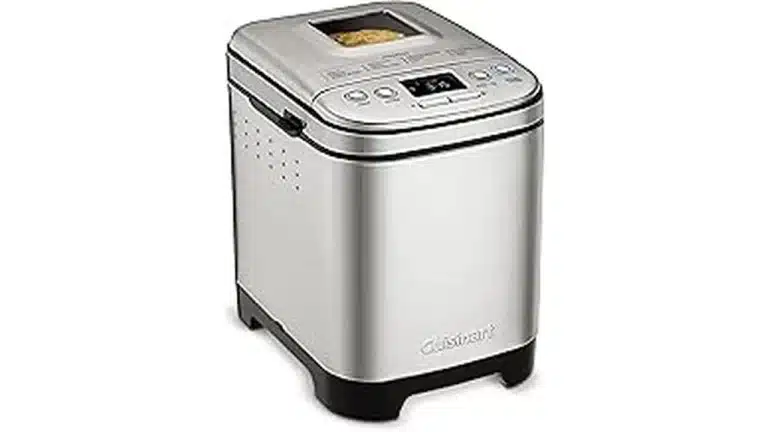
How Yeast Activates Inside a Sealed Bread Machine Chamber
Yeast activates inside a sealed bread machine chamber by receiving a consistent supply of warmth between 80 and 110°F, moisture from liquid ingredients, and food from sugars or starches, all while the closed environment traps heat and humidity to maintain ideal conditions. The machine holds the temperature around 80 to 90°F during the initial mixing phase, allowing yeast to consume sugar and produce carbon dioxide, which becomes trapped in the gluten network and causes the dough to rise without any need to open the lid. Understanding that yeast activation relies on these three specific, machine-regulated factors—temperature, moisture, and food—ensures consistent rising and successful bread every time.
Yeast is the engine that makes bread rise. But how does it work when sealed inside a dark, heated bread machine chamber? The process relies on specific conditions that the machine creates and maintains automatically.
This post explains the science behind yeast activation in a sealed bread machine chamber and what factors influence success.
Quick Verdict: Simply put, yeast activates inside a sealed bread machine chamber through a precise combination of warm temperature, moisture from liquid ingredients, and sugar that feeds the yeast. The machine maintains a consistent environment around 80-90°F during the initial mixing phase. The yeast consumes sugar and produces carbon dioxide gas, which gets trapped in the gluten network and causes the dough to rise – all without you opening the lid.
Key Takeaways
- Yeast activation requires three elements: warmth (80-110°F), moisture, and food (sugar or starches).
- A sealed bread machine chamber traps heat and humidity, creating an ideal environment for yeast to activate.
- According to, instant yeast does not require proofing and can be mixed directly with dry ingredients.
- Opening the lid during the rising cycle releases trapped heat and can disrupt the process.
- Different yeast types (instant, active dry, fresh) require slightly different conditions inside the chamber.
What Is Yeast Activation in a Bread Machine?
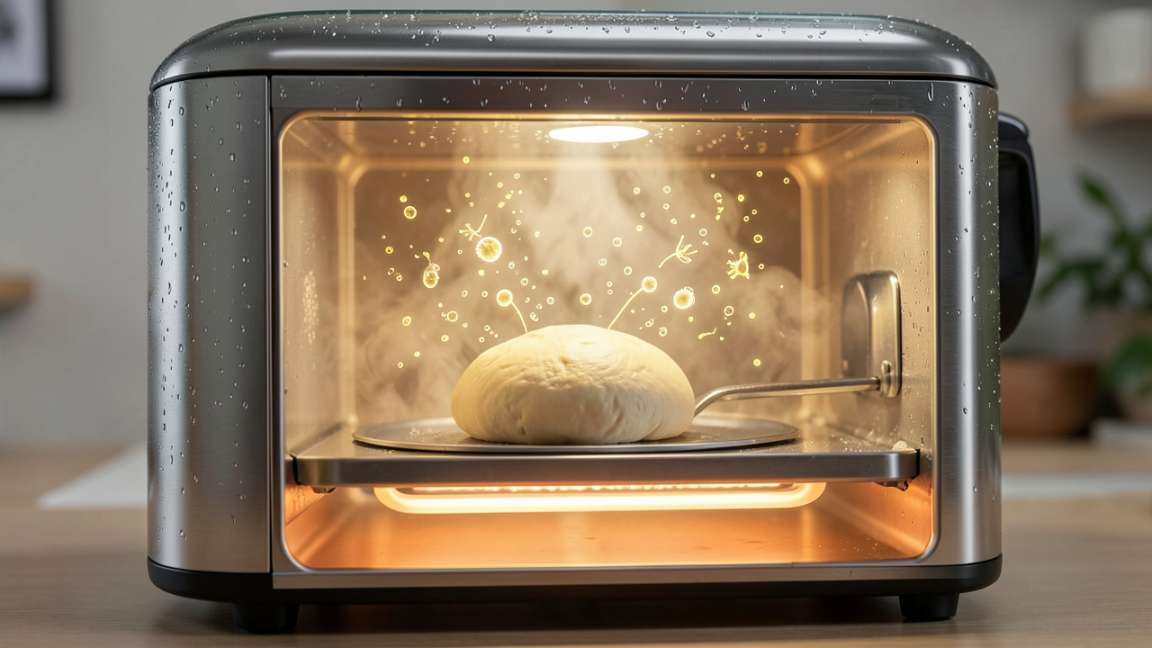
Yeast activation is the process where dormant yeast cells come to life and begin feeding. In a bread machine, this happens inside a sealed chamber after you add all ingredients and start the cycle.
The machine controls the temperature and timing. It does not require you to proof the yeast beforehand in most cases.
According to, active dry yeast must be proofed in warm water (105-115°F) before use, but instant yeast can go straight into the bread machine with the flour. The machine then provides the right conditions during the first mixing and resting phases.
Important: Most bread machine recipes are designed for instant yeast. If you use active dry yeast, you may need to adjust the liquid temperature or use a different cycle.
Yeast cells are single-celled fungi. When they rehydrate and find food, they start metabolizing. This produces carbon dioxide and ethanol as byproducts. The carbon dioxide forms bubbles that expand the dough.
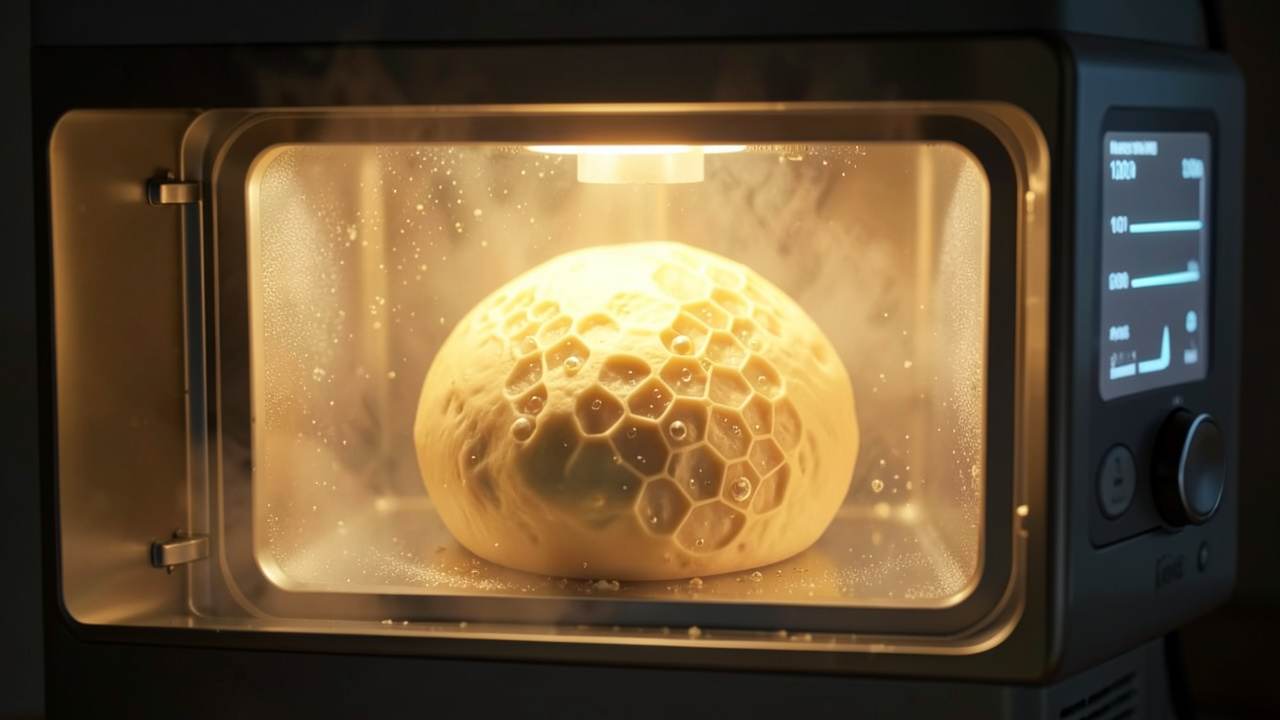
The sealed chamber traps this gas. It also keeps the dough warm and moist. These conditions are essential for proper rise.
How Does the Bread Machine Chamber Create the Right Environment?
The sealed chamber does three things at once. It heats the dough to a consistent temperature. It traps moisture from the ingredients. And it prevents drafts that could cool the dough unevenly.
According to, bread machine chambers typically stay within 5-10°F of the target temperature during the rise cycle. This is more consistent than proofing in an oven or on a counter.
Here is how the chamber conditions affect yeast:
| Factor | Optimal Range | Effect on Yeast |
|---|---|---|
| Temperature | 80-100°F during rise | Activates enzymes, speeds yeast metabolism |
| Humidity | 70-85% inside chamber | Prevents crust formation, keeps yeast hydrated |
| Airflow | Minimal (sealed) | Traps CO₂, prevents drying |
The chamber also blocks light. Yeast does not need light to activate. In fact, direct sunlight can overheat the dough and kill the yeast.
How yeast activates inside a sealed bread machine chamber depends on the machine maintaining these conditions. If the chamber is too cold, yeast stays dormant. If it is too hot (above 130°F), the yeast dies.
Warning: Never preheat the bread machine chamber before adding ingredients. The heat can kill the yeast before it starts working.
The Three Phases of Yeast Activation in a Bread Machine
Yeast activation inside a sealed bread machine chamber happens in three distinct phases. Each phase has a specific purpose and duration.
Phase 1: Rehydration and Mixing
When you start the bread machine, it first mixes the dry and liquid ingredients. This phase typically lasts 5-10 minutes.
During mixing, the yeast cells come into contact with water. The cells absorb water through their cell walls. This rehydration process wakes the yeast from its dormant state.
According to, instant yeast rehydrates faster than active dry yeast because it has a thinner cell wall. That is why it works so well in bread machines.
The machine may pause between mixing cycles. This rest period lets the flour absorb moisture. It also gives the yeast time to start feeding.
Phase 2: Feeding and Gas Production
Once the yeast is rehydrated, it begins to feed. Yeast consumes sugars in the dough. These sugars come from several sources:
- Added sugar (white sugar, honey, molasses, or maple syrup)
- Natural sugars in flour (maltose and glucose from starch breakdown)
- Enzymes in the flour that break down starches into simple sugars
- Any fruit, juice, or sweetener included in the recipe
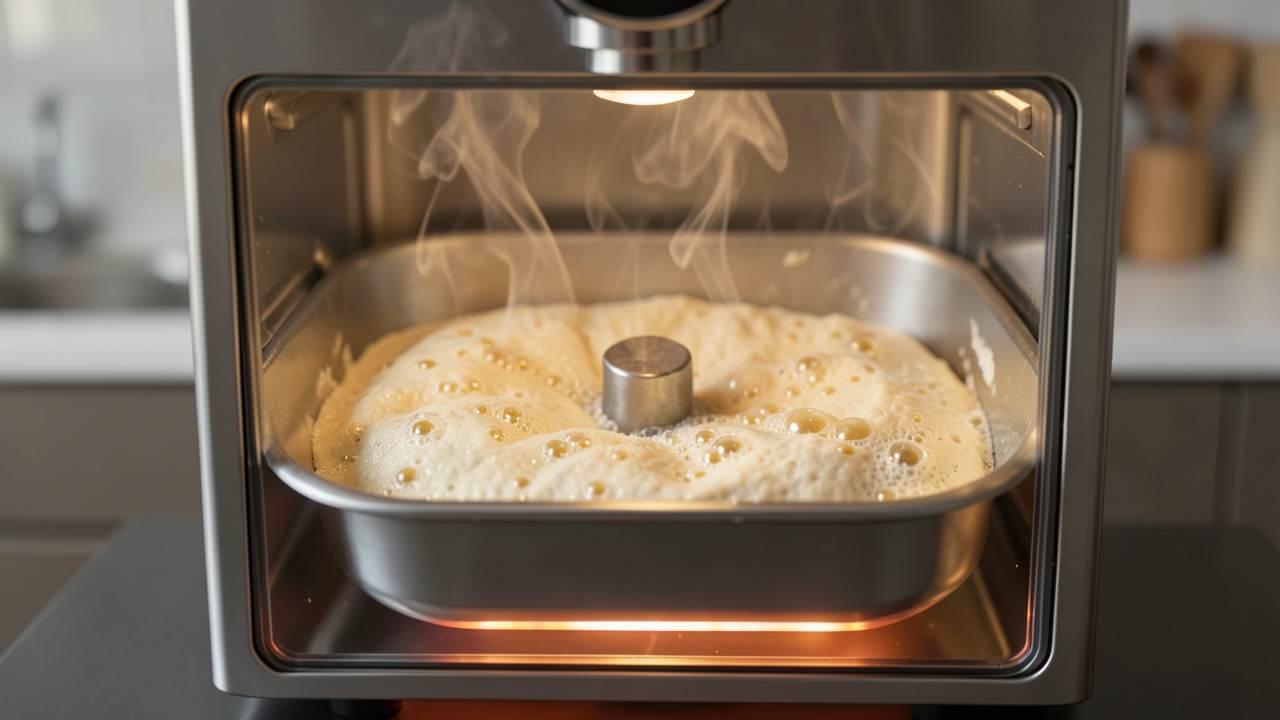
As the yeast feeds, it produces carbon dioxide and ethanol. The carbon dioxide forms tiny bubbles in the dough. The gluten network traps these bubbles, causing the dough to expand.
This phase lasts 30-60 minutes in a typical bread machine cycle. The chamber stays sealed to trap the gas and maintain temperature.
Phase 3: Punch Down and Second Rise
After the first rise, the machine briefly turns on the paddle. This action releases some of the gas and redistributes the yeast and sugars. It is called “punching down” the dough.
The machine then lets the dough rise again. The yeast continues to produce gas during this second rise. The gluten network becomes stronger and more elastic.
Finally, the machine switches to the baking phase. The heat kills the yeast. The remaining gas expands, and the bread structure sets.
Tip: If your bread machine has a “dough only” cycle, it stops after the second rise. You can then shape the dough and bake it in a regular oven. This gives you more control over the final shape.
Temperature and Its Role in Yeast Activation
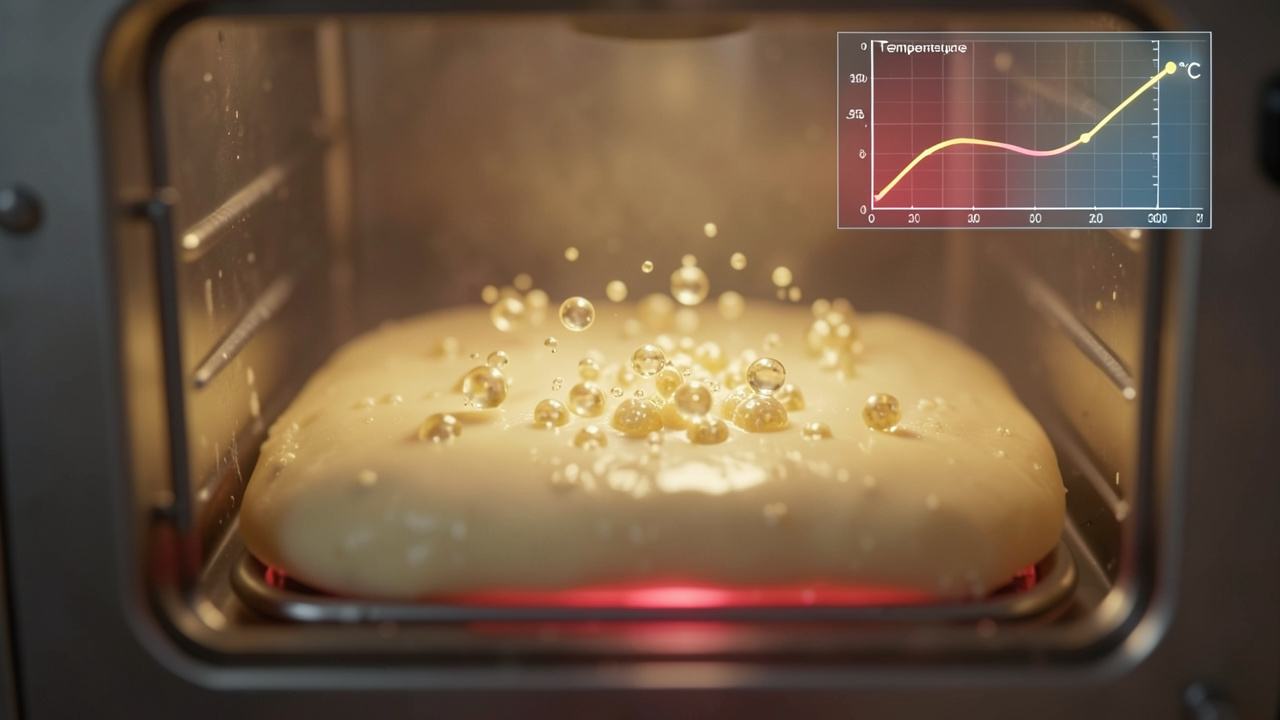
Temperature is the most important factor for yeast activation. The bread machine chamber maintains a specific temperature range during each phase.
Here is what happens at different temperatures:
- Below 50°F: Yeast goes dormant and will not activate.
- 70-90°F: Yeast activates slowly. This is good for long, slow fermentation that develops flavor.
- 90-110°F: Yeast activates quickly. This is the ideal range for most bread machine cycles.
- 110-130°F: Yeast activity slows. Cells begin to die.
- Above 130°F: Yeast dies completely.
According to the, baker’s yeast (Saccharomyces cerevisiae) has an optimal growth temperature of 86-104°F. Bread machines typically target the lower end of this range for safety.
The sealed chamber helps maintain this temperature. It does not lose heat through drafts. It also traps heat from the machine’s heating element.
Important: If you live in a cold climate, place the bread machine away from windows and drafts. The chamber may struggle to maintain temperature if the room is below 60°F.
Moisture and Humidity in the Sealed Chamber
Moisture is the second critical factor. Yeast needs water to rehydrate and to transport nutrients across its cell membrane.
The sealed chamber traps steam from the liquid ingredients. This creates a humid environment. High humidity prevents the dough surface from drying out and forming a crust.
If the dough surface dries out, it will not rise evenly. The crust traps the gas and prevents expansion.
Here are the liquid ingredients that provide moisture for yeast activation:
- Water (the most common liquid)
- Milk (adds fat and sugar for flavor)
- Buttermilk (adds acidity that can slow yeast)
- Eggs (add fat and protein for structure)
- Oil or butter (adds fat that coats gluten strands)
According to, bread dough typically has a hydration ratio of 60-75% water to flour. Bread machines work best at the lower end of this range (60-65%) because the dough stays less sticky.
The sealed chamber also prevents the liquid from evaporating too quickly. This means the dough maintains its hydration throughout the cycle.
How Different Yeast Types Activate in a Bread Machine
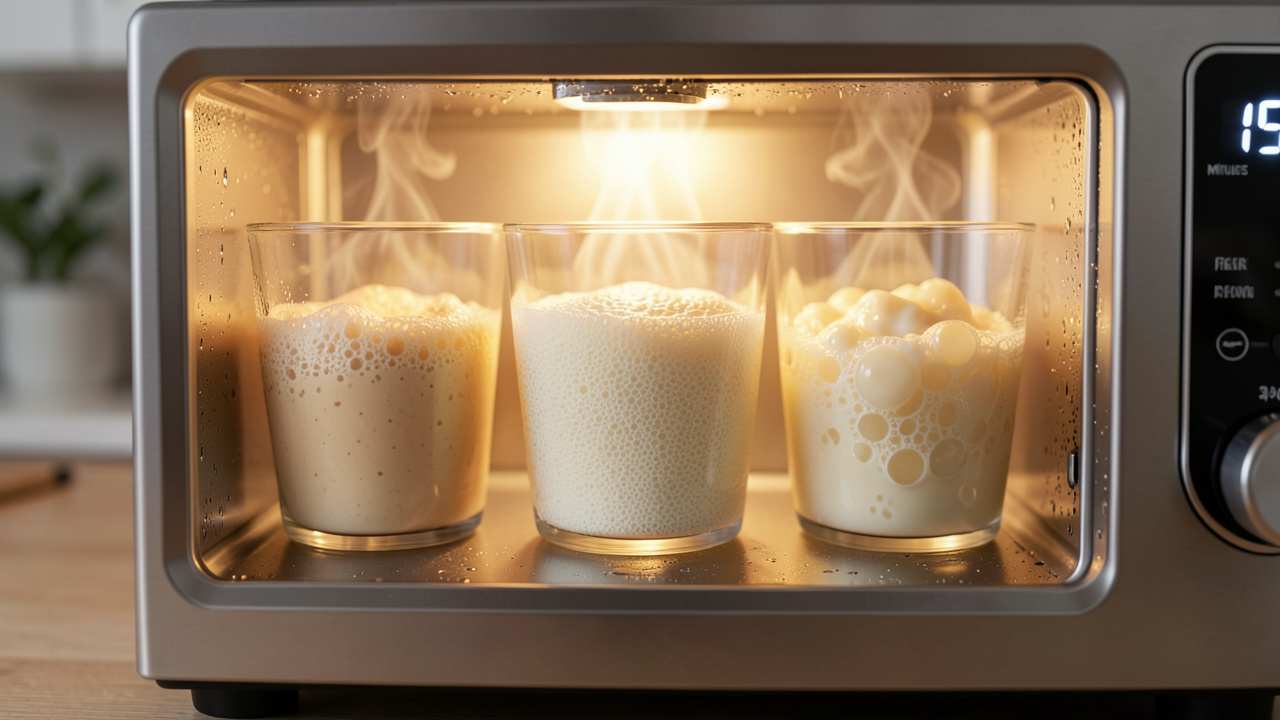
Not all yeast behaves the same way inside a sealed bread machine chamber. The type of yeast you use affects the activation process.
| Yeast Type | Needs Proofing? | Best Use in Bread Machine |
|---|---|---|
| Instant Yeast | No | Mix directly with dry ingredients. Activates during the first mix. |
| Active Dry Yeast | Yes (in warm water) | Must be proofed before adding to the machine. Not ideal for delayed start cycles. |
| Fresh Yeast (Cake Yeast) | Yes | Must be crumbled and dissolved in liquid. Shorter shelf life. |
| Bread Machine Yeast | No | Same as instant yeast. Designed for direct mixing. Most reliable for machines. |
How yeast activates inside a sealed bread machine chamber varies by type. Instant and bread machine yeast are designed for this environment. They activate quickly and reliably.
Active dry yeast requires a longer rehydration period. In some machines, it may not activate fully if the cycle is short.
Warning: If you use active dry yeast without proofing it first, the bread may not rise properly. The machine may not provide enough time for the yeast to rehydrate.
Common Myths vs Facts About Yeast Activation in Bread Machines
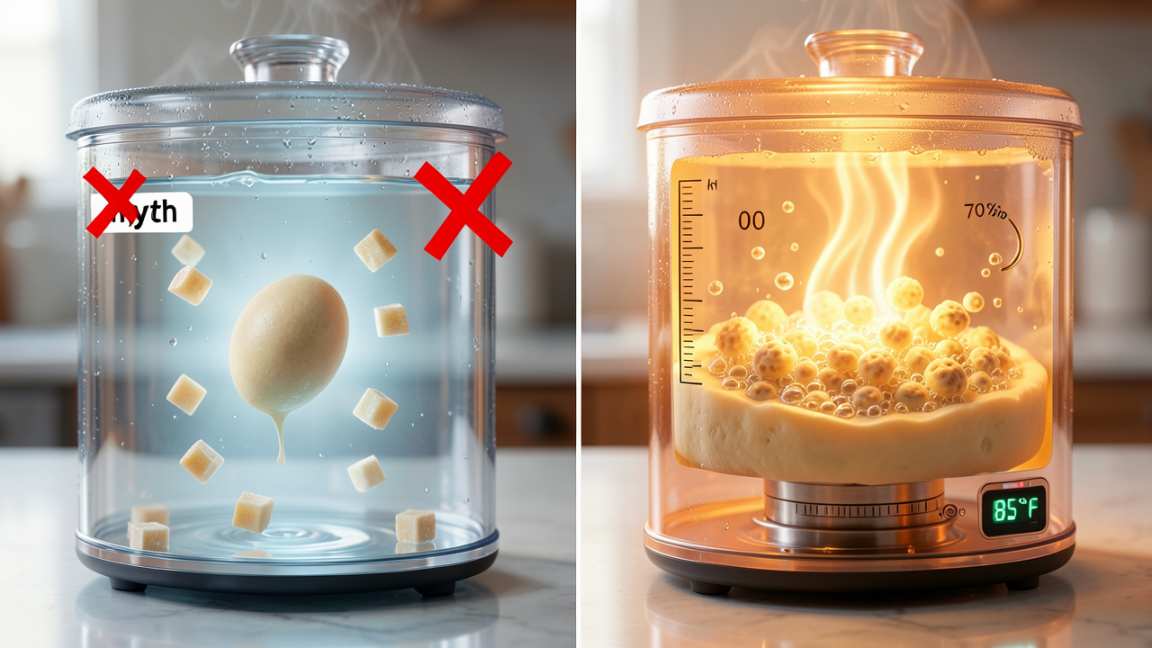
There are several misconceptions about how yeast activates inside a sealed bread machine chamber. Here are the facts.
Myth 1: You must open the lid to check on the dough.
Fact: Opening the lid releases trapped heat and humidity. This can slow or stop yeast activation. Most machines have a viewing window. Trust the cycle and leave the lid closed.
Myth 2: All yeast types work the same way in a bread machine.
Fact: Instant yeast and bread machine yeast are designed for direct mixing. Active dry yeast needs proofing first. Fresh yeast has the shortest shelf life and may not work well with delayed start cycles.
Myth 3: Hotter water makes yeast activate faster.
Fact: Water above 130°F kills yeast instantly. Even water at 110-120°F can damage yeast cells. Use room temperature or slightly warm liquid (around 80-90°F) for best results in a bread machine.
Step-by-Step Guide: How Yeast Activates Inside a Sealed Bread Machine Chamber
Here is a step-by-step breakdown of the activation process from start to finish.
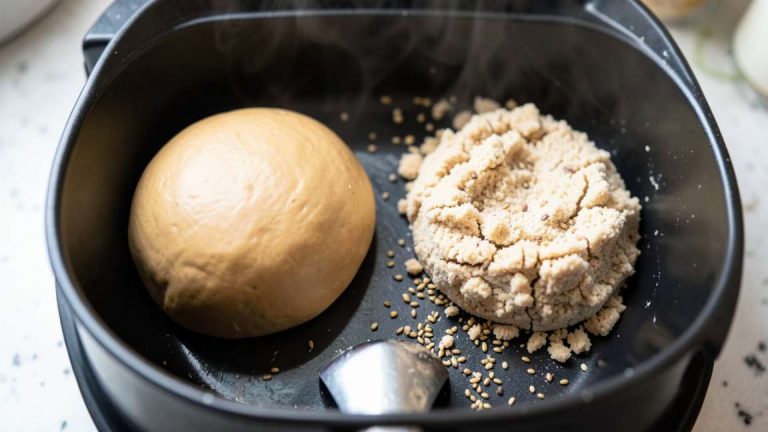
- Add ingredients to the bread machine bucket. Place liquid ingredients first, then dry ingredients. Make a small well in the flour and add yeast last. This prevents the yeast from touching liquid before the cycle starts.
- Select the appropriate cycle. Use the basic white bread cycle for most recipes. Use the whole wheat cycle for heavier flours. The machine adjusts temperature and timing automatically.
- Close the lid and start the machine. The chamber seals immediately. The heating element begins to warm the interior.
- First mixing phase (5-10 minutes). The paddle mixes all ingredients. Yeast particles contact water and begin to rehydrate. The chamber temperature rises to around 80°F.
- Rest period (5-10 minutes). The machine pauses. Flour absorbs liquid. Yeast cells start feeding on available sugars.
- First rise phase (30-60 minutes). The chamber maintains 80-95°F. Yeast produces carbon dioxide. Dough expands visibly.
- Punch down (10-20 seconds). The paddle turns briefly to release gas and redistribute ingredients.
- Second rise phase (20-40 minutes). Yeast continues to produce gas. Dough rises again to a higher volume.
- Baking phase (40-60 minutes). The chamber heats to 350-400°F. Yeast dies at around 130°F. The bread structure sets and the crust browns.
- Keep warm phase (optional). Some machines hold the bread at a low temperature until you remove it.
Tip: For the best rise, use the delay timer feature only with instant yeast. Active dry yeast may spoil or fail to activate if it sits in liquid for hours.
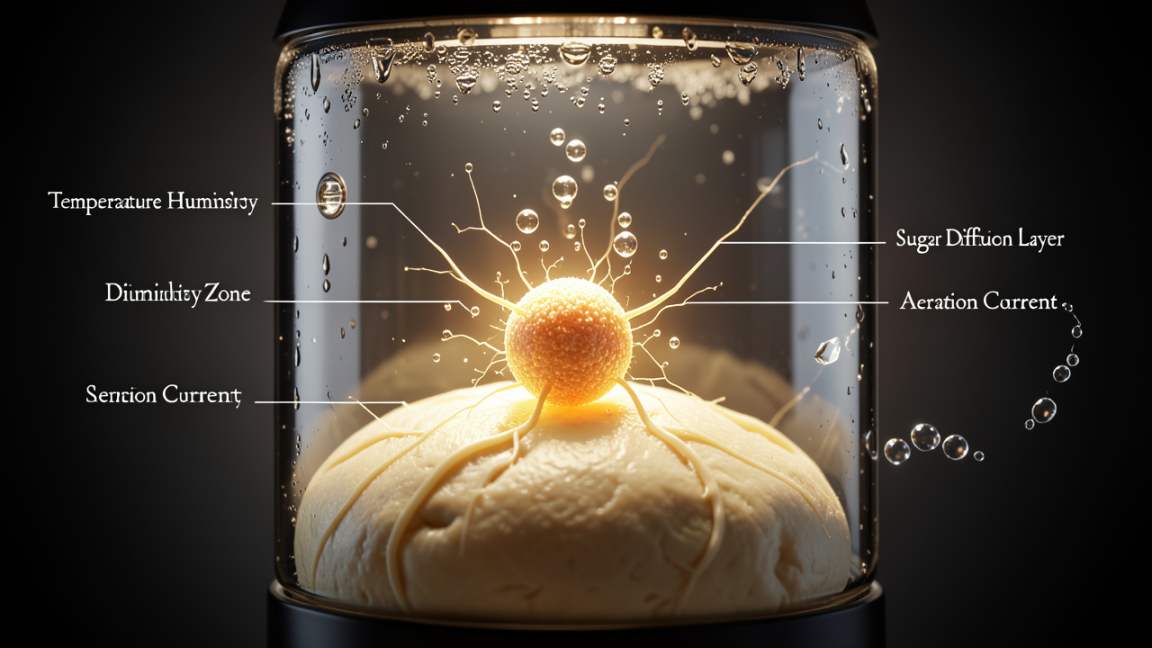
Factors That Affect Yeast Activation in a Sealed Chamber
Several factors beyond temperature and moisture affect how well yeast activates inside a sealed bread machine chamber.
Sugar Content
Too little sugar and the yeast has no food. Too much sugar can actually slow yeast activity. Sugar binds water, making it less available for the yeast. According to, recipes with more than 1/4 cup sugar per 3 cups of flour may need special “sweet dough” cycles or additional yeast.
Salt Level
Salt controls yeast activity. Too much salt inhibits fermentation. Too little salt lets the yeast grow too fast, causing the dough to overproof and collapse. Standard bread machine recipes use about 1 teaspoon of salt per 3 cups of flour.
Flour Type
Different flours contain different amounts of protein. Higher protein flours (bread flour) form stronger gluten networks. This traps more gas and creates a taller rise. Lower protein flours (all-purpose) produce a softer, shorter loaf.
- Bread flour: 12-14% protein. Best for yeast breads. Creates strong gluten.
- All-purpose flour: 10-12% protein. Works for most bread machine recipes. Softer crumb.
- Whole wheat flour: 13-14% protein but less gluten-forming ability. Requires more water and longer rise time.
- Gluten-free flour blends: Often require additional binders like xanthan gum to trap gas.
Altitude
At high altitudes (above 3,000 feet), lower atmospheric pressure causes dough to rise faster. Yeast activity is more vigorous. You may need to reduce yeast by 20-30% and increase liquid by 10-15% to prevent overproofing.
Resources and Tools
Red Star Yeast Guide – Comprehensive guide to yeast types and usage tips for bread machines.
King Arthur Baking Company Yeast Section – Detailed articles on how yeast works, including specific advice for bread machine users.
America’s Test Kitchen Bread Machine Reviews – Independent testing of bread machine performance, including how well different models handle yeast activation.
The Fresh Loaf Community – Active forum where bakers share bread machine tips and troubleshoot yeast issues.
Frequently Asked Questions
Can I open the bread machine lid during the rising cycle?
Opening the lid releases heat and humidity. This can slow yeast activity and affect the rise. Most machines let you see through a window. Only open the lid if the recipe specifically tells you to add ingredients later.
What happens if the room is too cold for the bread machine?
If the room temperature is below 60°F, the machine may struggle to maintain the chamber at the ideal range. The rise will take longer. You can move the machine to a warmer spot or use slightly warmer liquid (around 90-100°F) to compensate.
Why did my bread not rise even though I used fresh yeast?
Several factors can cause a failed rise. The yeast may have expired. The water may have been too hot and killed the yeast. The chamber may have lost heat from opening the lid. Or the recipe may have too much salt or sugar. Check the expiration date and review your ingredient measurements.
How does the delayed start feature affect yeast activation?
The delayed start timer holds all ingredients in the chamber for several hours before the cycle begins. This works well with instant yeast because it stays dry until mixing. Active dry yeast or fresh yeast should not be used with delayed start because they can spoil or activate prematurely