How Countertop Pizza Ovens Reach Such Extremely High Heat
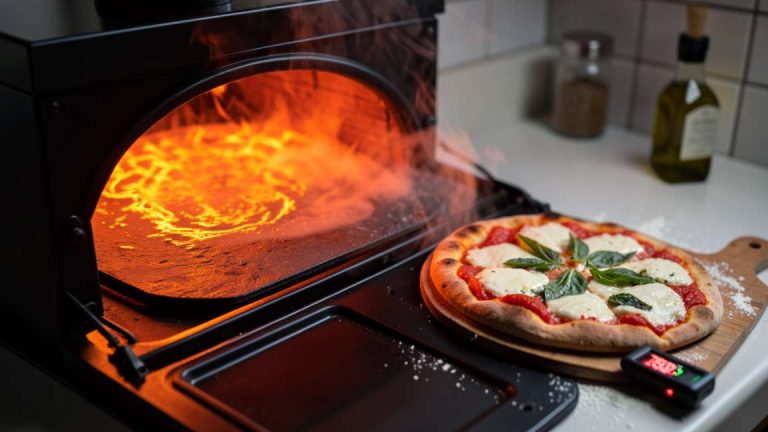
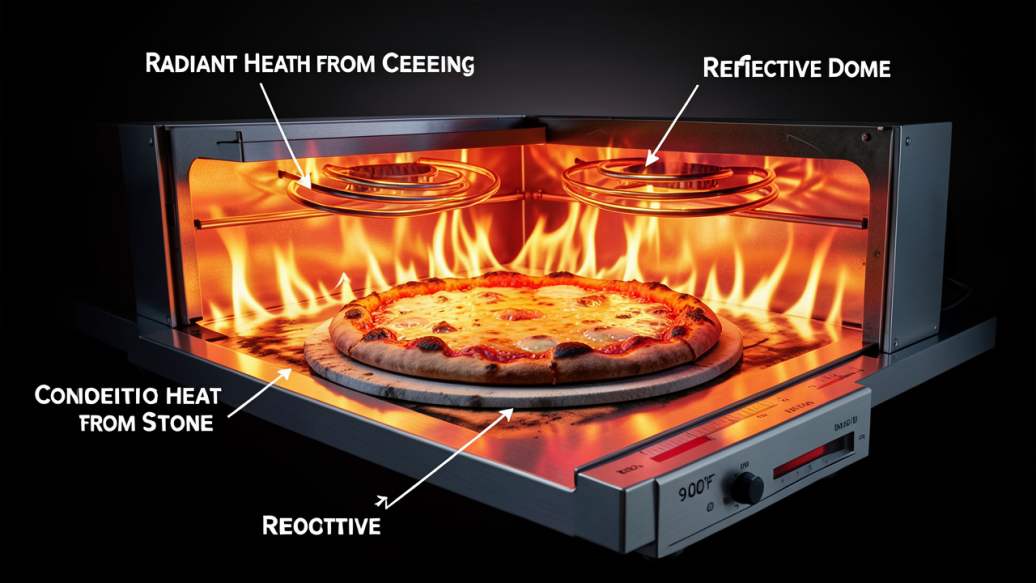
Countertop pizza ovens reach extreme 950°F+ temperatures by concentrating powerful heating sources—such as 15,000+ BTU gas burners or 1800W electric calrod/infrared elements—into a small cooking chamber lined with industrial-grade insulation like ceramic fiber and mineral wool. This same insulation, used in furnaces, traps nearly all generated heat inside, allowing the oven to recover temperature rapidly after each pizza. The practical result is that even a compact electric or gas unit can deliver the intense, even heat required for authentic Neapolitan-style pizza in under 20 minutes.
Cranking a pizza stone to 850°F in a box the size of a microwave seems impossible until you understand the targeted engineering behind it. This post breaks down exactly how countertop pizza ovens reach such extremely high heat.
Quick Verdict: Simply put, countertop pizza ovens reach extreme 950°F+ temperatures by pairing ultra-efficient thermal insulation with a high-power heating source – either a 15,000+ BTU gas burner, a powerful 1800W electric coil, or a dual-zone infrared system – all wrapped in materials like ceramic fiber and mineral wool that trap every ounce of heat inside the small cooking chamber.
Key Takeaways
- Countertop pizza ovens reach 900°F by concentrating very high power (electric or gas) into a very small, well-insulated chamber.
- The insulation materials, such as ceramic fiber boards and mineral wool, are the same ones used in industrial furnaces and foundries.
- Gas-powered models typically use propane or natural gas and can reach cooking temperatures in under 20 minutes.
- Electric countertop pizza ovens use powerful calrod or infrared heating elements that can exceed 750°F, rivaling traditional gas ovens.
- The rapid heat recovery is just as important as the max temperature, ensuring consistent cooking for multiple pizzas.
What Makes High Heat Possible in a Small Countertop Pizza Oven?
The main secret is the power-to-volume ratio. A standard kitchen oven heats a large cavity of 4-5 cubic feet. A countertop pizza oven heats a cavity that is often less than 1 cubic foot. You do not need a massive heat source to get a small space extremely hot.
The Role of Thermal Insulation
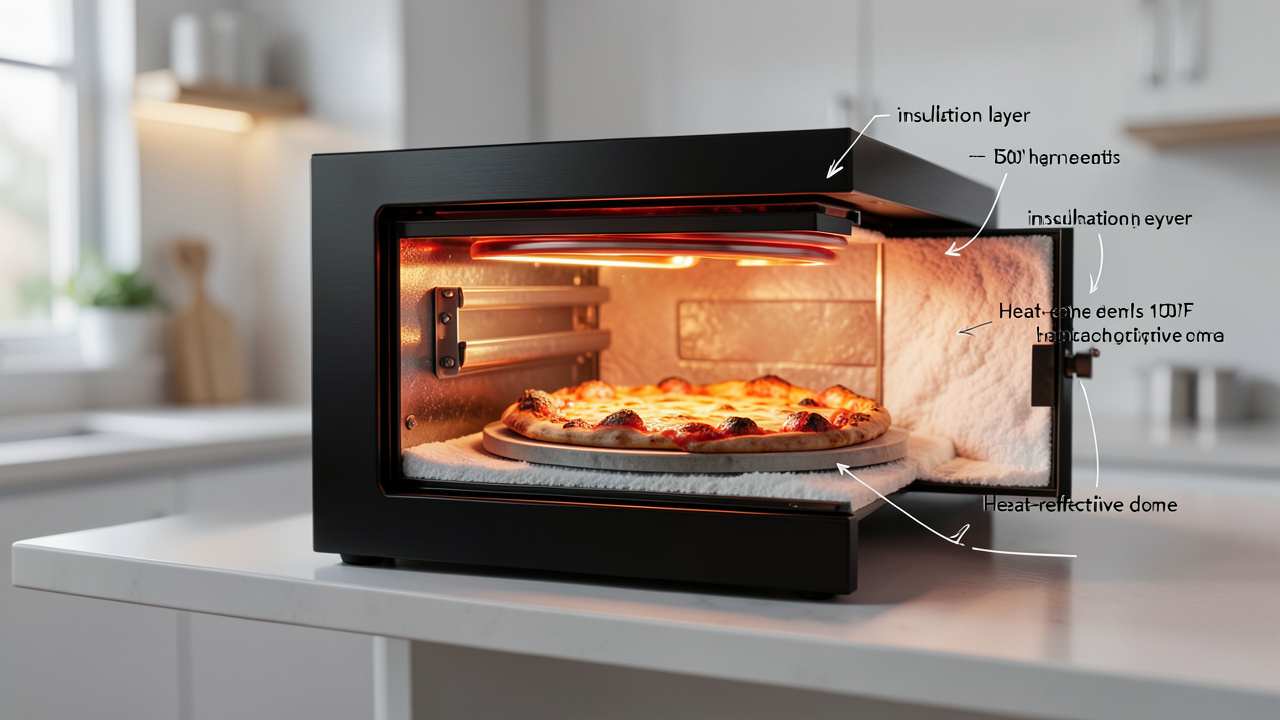
Insulation is the backbone of these appliances. Without it, the outer shell would get dangerously hot, and the heat would escape instantly.
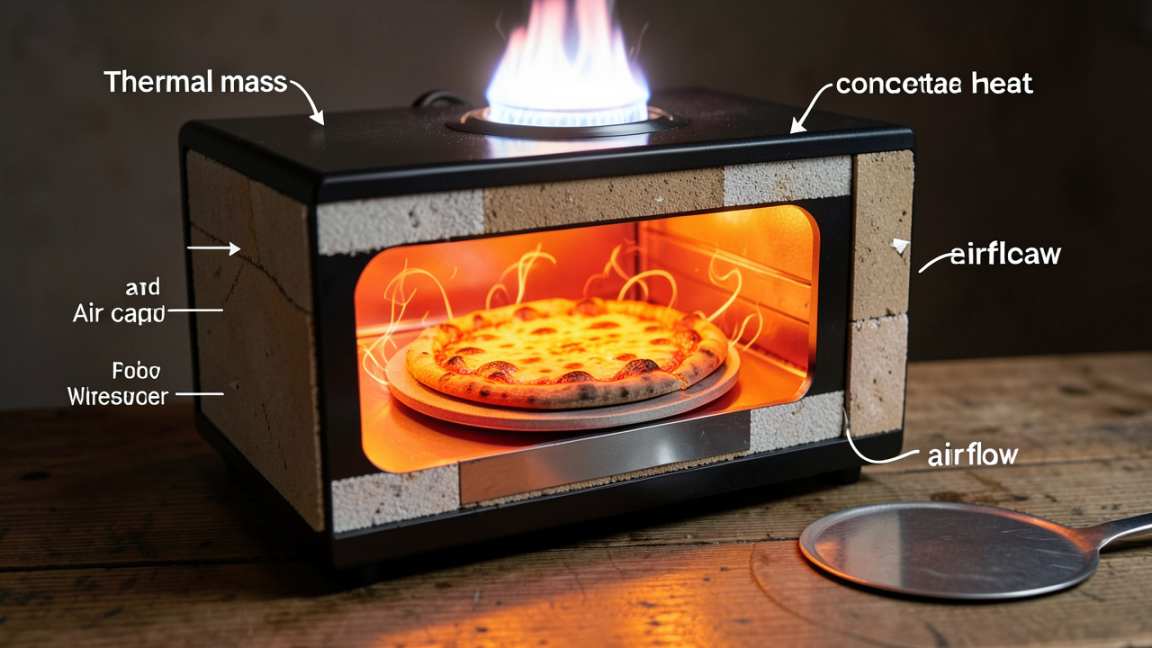
- Ceramic Fiber Boards: These boards can withstand continuous temperatures up to 2300°F according to ASTM standards. They line the walls and ceiling of the oven.
- Mineral Wool: Some ovens use a layer of mineral wool between the inner chamber and the outer steel shell. This material has a very low thermal conductivity value (k-value).
- Air Gaps: Many premium models use multiple layers of stainless steel with air gaps. Air is a poor conductor of heat, so these gaps stop heat from traveling to the outside casing.
High-Density Heat Storage Materials
The floor of the oven is just as critical as the insulation. Most pizza ovens use a thick cordierite stone or a baking steel slab. These materials have high thermal mass.
Important: Thermal mass means the stone absorbs a huge amount of energy and releases it slowly and evenly. This gives the pizza crust a steady blast of heat from below while the air above cooks the toppings.
Current Heating Technologies in Countertop Pizza Ovens
There are three primary methods used in modern appliances. Each has its own strengths and limitations.
| Feature | Electric Calrod / Infrared | Gas (Propane/Natural Gas) | Wood Pellet / Charcoal |
|---|---|---|---|
| Max Temp | 950°F+ (e.g., Breville Pizzaiolo) | 950°F+ (e.g., Ooni Koda 16) | 950°F+ (e.g., Ooni Fyra) |
| Heat Up Time | ~20 mins | ~15-20 mins | ~20-25 mins |
| Fuel Cost | Highest (per hour) | Low to Moderate | Low |
| Indoor Use Safety | Yes (No fumes) | Usually No (Ventilation) | No (Smoke and Ash) |
| Heat Recovery | Very Fast (Elements cycle) | Fast (Constant flame) | Moderate (Requires feeding) |
Electric Calrod and Infrared Elements
These systems work by passing a large electrical current through a resistive wire. The wire gets red hot and radiates heat directly onto the pizza and the stone.
- Power: Most high-end electric countertop ovens use 1600W to 1800W of power. This is near the limit for a standard 15-amp household outlet.
- Speed: They can reach 750°F in under 20 minutes because the energy goes directly into the element and the food without heating a large volume of air first.
- Control: These elements often have separate top and bottom controls, allowing you to balance the char on the crust versus the melt on the cheese.
Gas Burners (Propane and Natural Gas)
Gas models use a burner that shoots a flame sideways or downward into the oven chamber. The heat travels across the ceiling and circulates around the stone.
- BTU Rating: A typical gas countertop pizza oven has a 12,000 to 16,000 BTU burner. This is a massive amount of heat for such a small space.
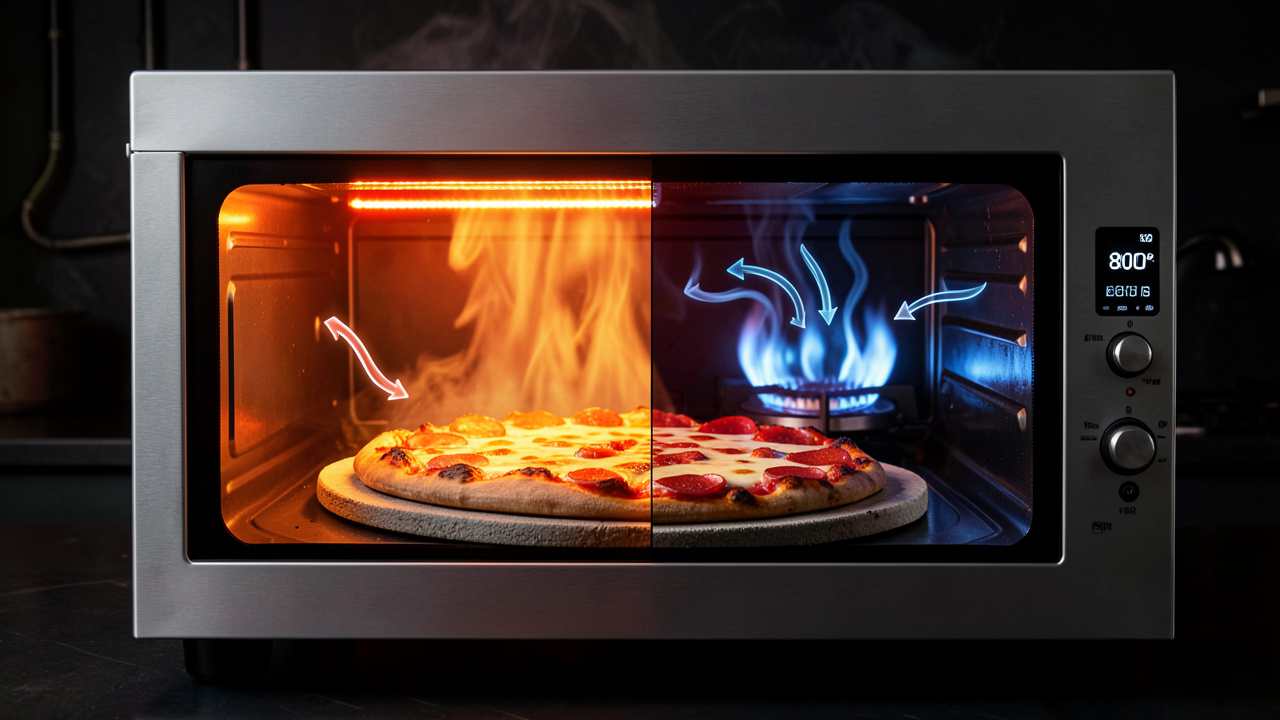
- Radiant vs Convection: Gas ovens heat via convection of hot air and direct radiation from the flame. This gives a very dry heat which is perfect for getting that crisp leopard-spotted crust.
- Consistency: The flame is constant. Once the stone is saturated with heat, the oven temperature stays extremely stable even after you open the door to launch a new pizza.
Warning: Gas ovens can produce carbon monoxide. You should never use a propane or natural gas pizza oven inside your home without proper ventilation or a conversion kit designed for indoor use.
How Does Insulation Affect Heat Retention?
Insulation determines whether your pizza oven can stay hot for hours or loses heat the moment you open the door. It is the most important engineering component for maintaining extreme temperatures.
Types of Insulation Used
- Ceramic Fiber Blanket: This is the gold standard. It looks like thick white felt. It has a melting point above 2300°F and very low thermal conductivity. It is lightweight and easy to form around the oven dome.
- Vermiculite Board: A more rigid board made from expanded mica. It is slightly heavier but provides excellent structural support for the floor of the oven.
- Stainless Steel Heat Shields: Some ovens use polished stainless steel layers to reflect radiant heat back into the chamber. This is common in double-walled construction.
Heat Recovery Performance
A well-insulated oven recovers its temperature in 30-60 seconds after launching a pizza. A poorly insulated oven might take 3-5 minutes. This is the difference between cooking 10 pizzas in a row and cooking just one.
- Launch the pizza: The door opens, cold air rushes in, the temperature drops by 100-150°F.
- Thermal mass takes over: The hot stone and walls radiate heat back into the space.
- Recovery: The heating element or gas burner senses the drop and runs at full power to return to the set point.
- Cycle repeats: After 3-4 minutes, the stone is back to fully saturated heat for the next pie.
How Fast Do These Ovens Reach Target Temperature?
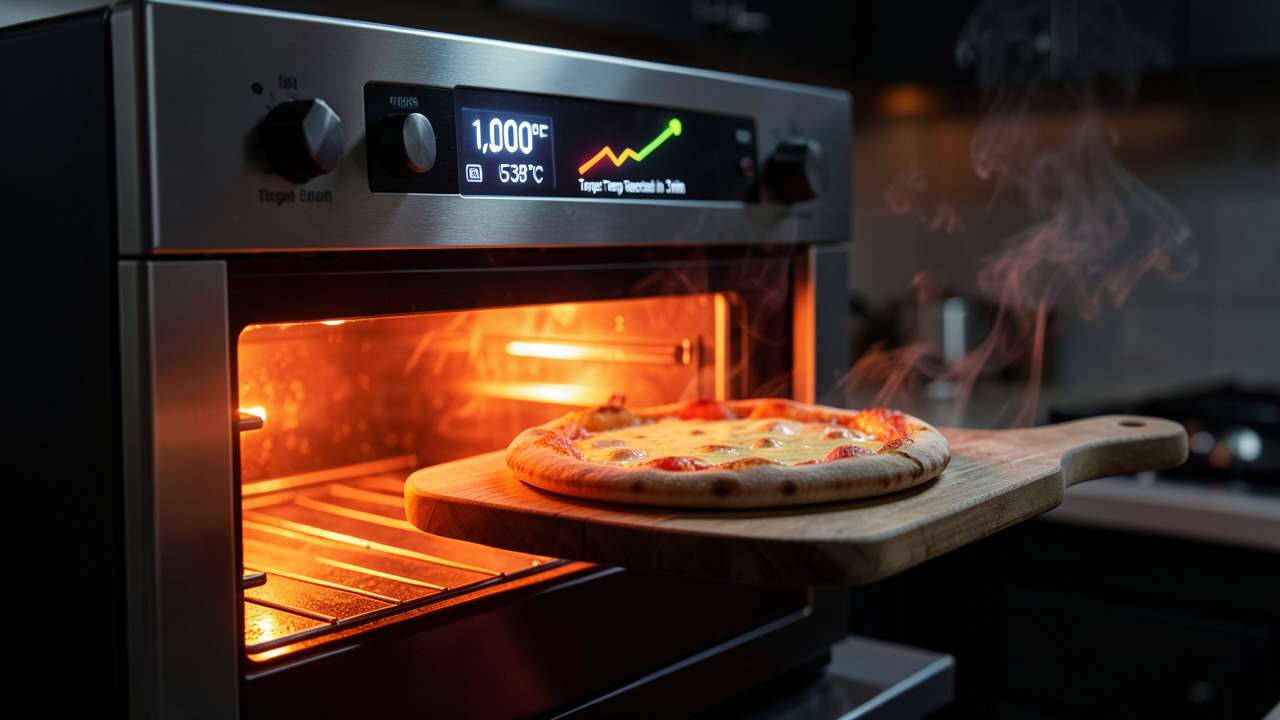
Time-to-temp depends on the fuel type and the starting temperature of the oven. Preheating is a critical step that is often rushed.
| Temperature Target | Electric (1800W) | Gas (15,000 BTU) | Wood Pellet |
|---|---|---|---|
| 750°F (Cooking Temp) | 15-20 mins | 15-20 mins | 20-25 mins |
| 900°F (Peak Temp) | 25-30 mins | 20-25 mins | 30-35 mins |
How Does a Countertop Pizza Oven Reach Such Extremely High Heat Without Melting?
This is a common question for home cooks. The answer lies in the specific materials used for the heating elements and the chamber walls.
Nickel-Chromium Alloy Elements
Electric heating elements are made from Nichrome wire. This alloy can glow bright orange at 1500°F without melting because it forms a protective layer of chromium oxide. It is the same material used in toasters and hair dryers, but it is much thicker in pizza ovens.
Reflective Stainless Steel
The inner walls of most countertop ovens are made from polished stainless steel. This steel reflects a significant portion of the radiant heat back onto the pizza. It is also a poor conductor of heat, so it stays cooler on the outside than aluminum or copper would.
Airflow Engineering
Many gas and pellet ovens are designed with a chimney and a convection current. The hot air rises from the burner, flows across the top of the pizza, pulls fresh air in from the front, and exhausts out the back. This constant flow of hot gas prevents the oven from overheating one specific area.
Common Myths vs Facts About High Heat Pizza Ovens
There are many misconceptions about how these ovens work and what they can do.
- Myth: You need a 900°F oven to make good pizza at home.
Fact: Classic Neapolitan pizza does bake in 90 seconds at 800-900°F. However, many excellent New York and Roman style pizzas bake best at 550-650°F. The high heat is for a specific style, not a requirement for every pizza. - Myth: Gas ovens always get hotter than electric ovens.
Fact: Modern electric countertop pizza ovens with 1800W resistive heating elements can easily reach and sustain 950°F. They do not need a gas line or propane tank, making them more convenient for indoor use. - Myth: High heat makes the crust burn instantly.
Fact: The high heat makes the oven spring happen rapidly. The stone absorbs moisture from the dough quickly, creating a charred but not burnt leopard-spotted crust. The key is balancing the top and bottom heat.
Frequently Asked Questions
How does a small 1800W electric oven get to 950°F without melting?
The interior is lined with high-temperature ceramic fiber insulation, and the heating elements are made from nickel-chromium alloys that can glow red-hot without degrading. The outer shell dissipates heat safely using air gaps and convection vents.
Is it safe to leave a countertop pizza oven unattended?
No. Manufacturers specifically warn against leaving any high-heat appliance unattended while it is on. The extreme heat requires constant monitoring to ensure safety and prevent fire hazards.
Why do some countertop pizza ovens cost over $1,000?
The cost reflects the quality of insulation materials, the precision of the heating controls, and the brand. A thick cordierite stone and dual-wall insulation significantly increase manufacturing costs compared to a simple cheap toaster oven design.
Can I use a pizza oven on a wooden counter or table?
Most brands require the oven to be placed on a non-combustible surface. If you have wooden counters, you need a heat-resistant mat or a metal stand underneath the oven to prevent heat damage.
What is the best fuel for high heat in a pizza oven?
Propane and natural gas provide the most controllable, consistent high heat for outdoor models. Electric ovens offer the best indoor convenience and can reach the same high temperatures without producing fumes.
Pro Tips for Reaching and Maintaining Extreme Heat
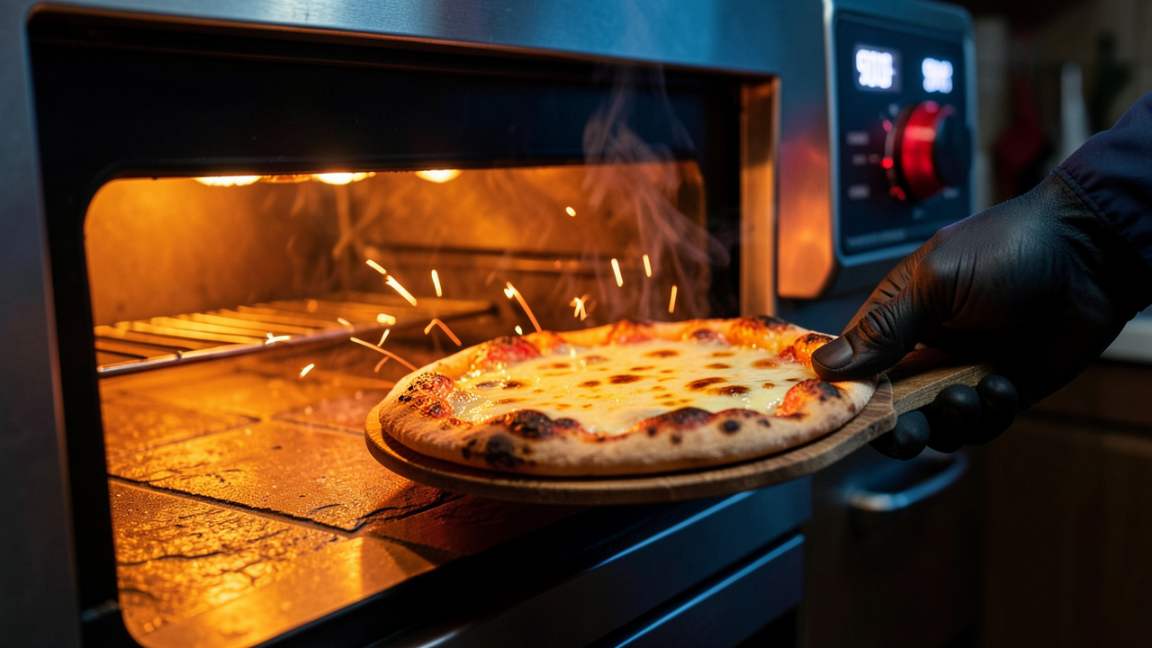
- Preheat the stone fully. Do not just look at the air temperature. Use an infrared thermometer to check the stone temperature. Wait until the stone reads at least 700°F before launching your first pizza.
- Keep the door closed. Every time you open the door, the temperature drops drastically. Only open it to launch, turn, and remove the pizza.
- Use the right flour. High heat requires high protein flour. Caputo Pizzeria 00 flour is specifically milled to withstand 900°F without burning.
- Manage the flame. For gas ovens, turn the flame to low or medium after launching. This prevents the top from burning before the bottom is cooked through.
Resources and Tools
- Ooni Koda 16 – A popular gas-powered countertop pizza oven known for its high heat output and fast preheat time.
- Breville Smart Oven Pizzaiolo – An electric countertop pizza oven designed for indoor use that reaches up to 750°F with precise controls.
- Gozney Roccbox – A portable gas-powered oven with thick insulation and a durable stone floor.
- ASTM International – Sets the standards for ceramic fiber insulation used in high-heat appliances.
Final Thoughts
The extreme heat of a countertop pizza oven comes down to a simple formula: high power input plus zero heat leakage. Modern materials like ceramic fiber and cordierite stone make it possible to experience steel-mill temperatures in your kitchen. Expect future designs to focus on faster heat-up times, better energy efficiency, and safer indoor operation.