The Real Difference Between Pizza Steel and Stone Cooking
Pizza steel conducts heat roughly 20 times better than stone, delivering a faster, crispier crust in 6-8 minutes compared to stone’s 10-12 minutes. A quarter-inch steel slab preheats in about 45 minutes, while a half-inch stone requires up to 60 minutes for full temperature. Steel handles temperatures above 1000°F for intense bottom heat but costs $60–$150, whereas stone offers a gentler, evenly baked crust for $30–$60.
Choosing between a pizza steel and a pizza stone can make or break your homemade pizza. This guide compares the two directly so you can pick the right surface for your oven.
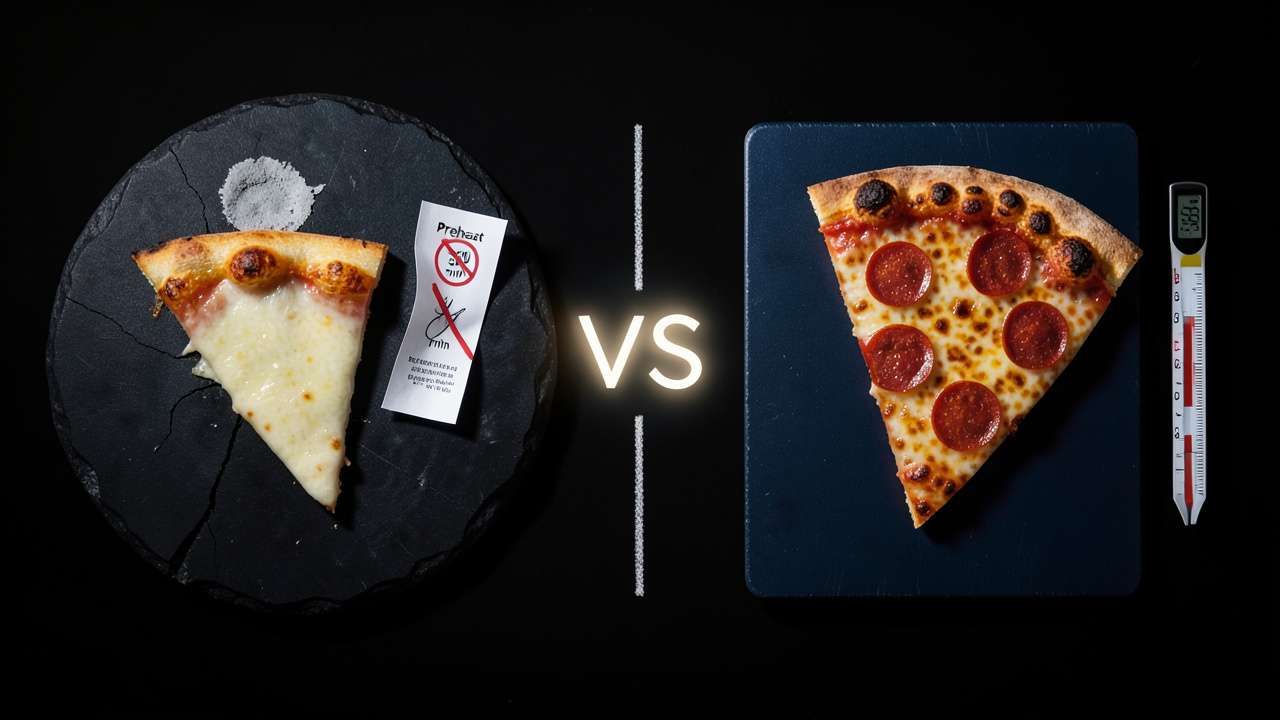
Pizza steel and stone both store heat and transfer it to dough. But their materials change how they perform. Steel heats faster and handles higher temperatures. Stone provides a slower, more even bake.
Quick Verdict: Pizza steel delivers a faster, crispier crust because it conducts heat roughly 20 times better than stone. Pizza stone offers a more traditional, evenly baked crust and is cheaper. Choose steel if you want intense bottom heat and can handle its heavy weight. Choose stone if you want more oven flexibility and a gentler bake.
Key Takeaways
- Pizza steel has thermal conductivity around 50 W/mK, while pizza stone (cordierite) is roughly 2 W/mK, making steel much better at transferring heat quickly.
- A ¼-inch thick steel slab preheats in about 45 minutes, whereas a ½-inch stone needs up to 60 minutes to reach full temperature.
- According to, steel produces a darker, crispier bottom crust in 6-8 minutes compared to stone’s 10-12 minutes.
- Pizza stones typically cost $30-$60, while steels range from $60-$150 depending on thickness and size.
- Both surfaces work in home ovens up to 500°F, but steel can handle 1000°F+ without cracking, while stone may crack above 600°F.
Quick Comparison Table
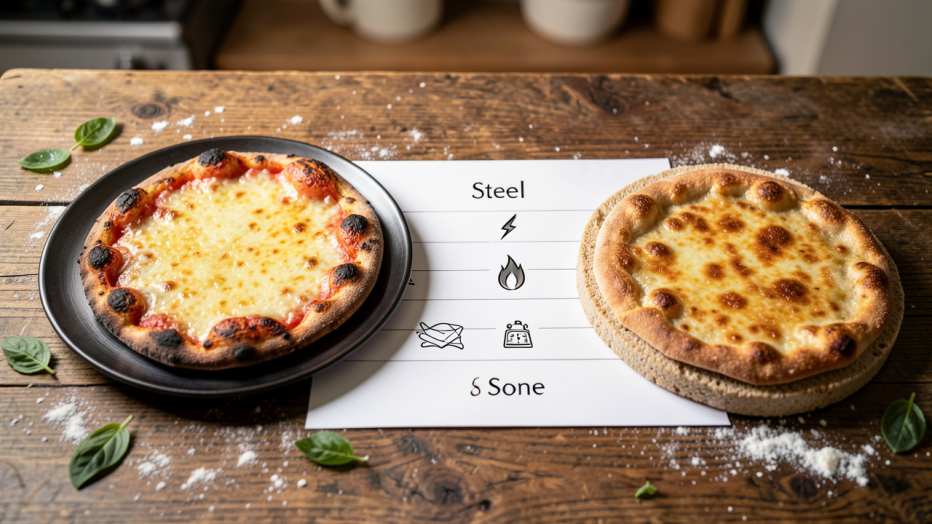
| Feature | Pizza Steel | Pizza Stone |
|---|---|---|
| Material | Carbon steel (often A36) | Cordierite, ceramic, or fireclay |
| Thermal Conductivity | ~50 W/mK | ~2 W/mK |
| Heat Capacity | Lower (stores less energy per pound) | Higher (stores more energy, releases slowly) |
| Preheat Time | ~45 minutes | ~60 minutes |
| Cook Time | 6-8 minutes | 10-12 minutes |
| Max Temperature | 1000°F+ (safe for grills) | 500-600°F (risk of cracking above) |
| Weight (14×16 inch) | ~15-20 lbs | ~8-12 lbs |
| Price | $60 – $150 | $30 – $60 |
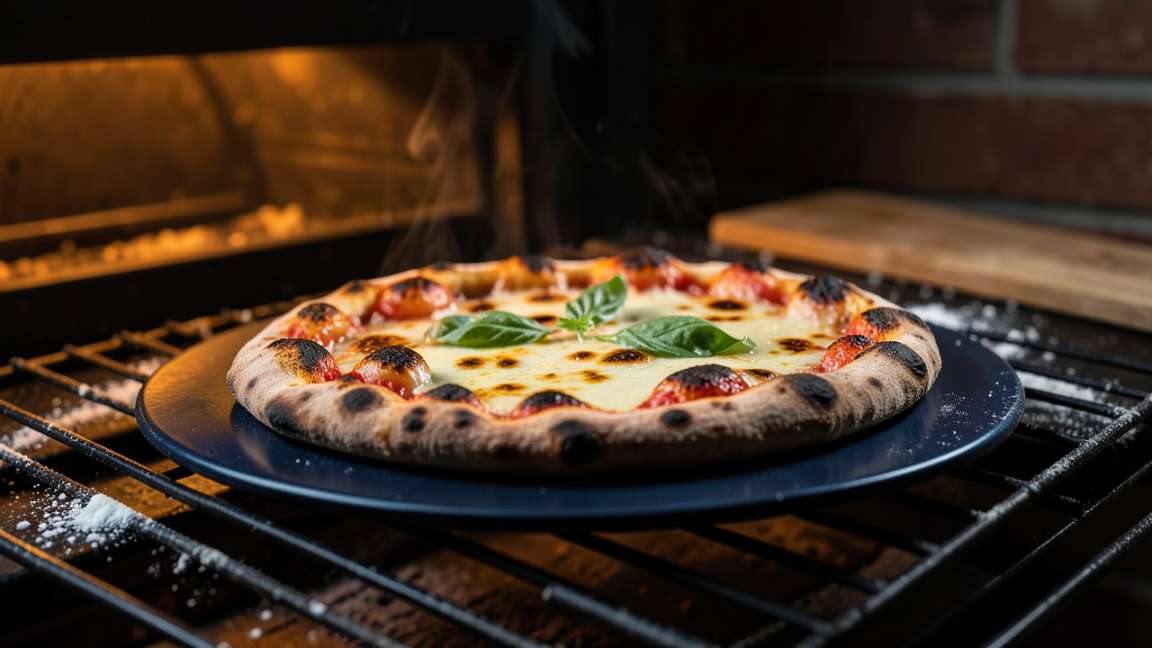
Pizza Steel Overview
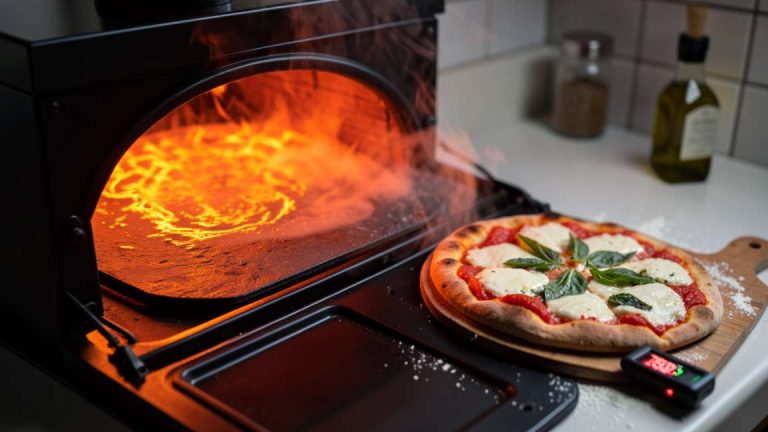
Pizza steel is a thick slab of carbon steel that you heat in your oven. It acts as a massive heat battery. Because steel conducts heat so well, it transfers energy to the dough almost instantly.
Most home bakers use a ¼-inch or 3/8-inch thick steel. Brands like Pizza Steel and NerdChef are popular. Steel does not absorb moisture, so the bottom of your pizza gets very crispy in a short time.
Pros
- Produces a darker, crispier crust in less time compared to stone.
- Can withstand temperatures well above 600°F without cracking.
- Easy to clean – just scrape and wipe with a damp cloth after cooling.
Cons
- Heavier than stone, making it harder to move around.
- Does not store heat as long as stone once removed from oven.
- Higher upfront cost.
Best For
Pizza steel is best for anyone who wants a very crispy New York-style or thin-crust pizza. It also works great for searing steaks or baking bread. If you often bake at maximum oven temperature (500-550°F), steel gives the fastest results.
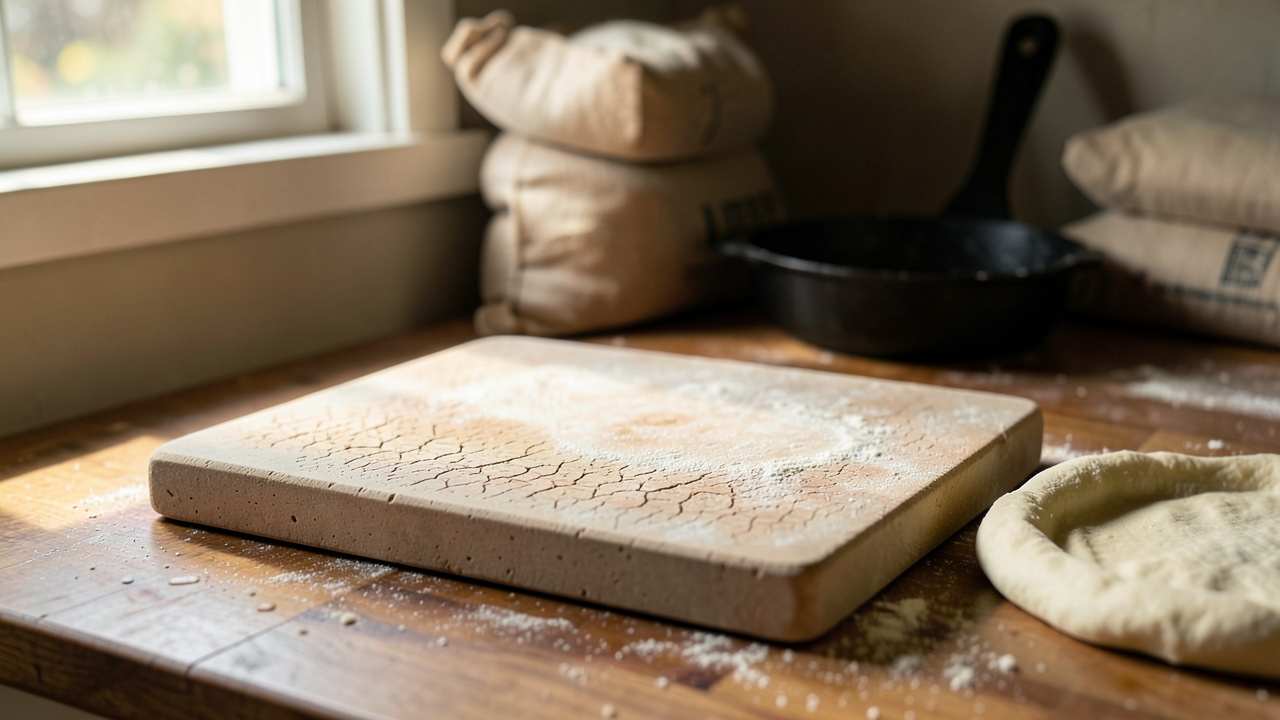
Pizza Stone Overview
A pizza stone is made from porous materials like cordierite or ceramic. It absorbs moisture from the dough and releases heat slowly. This gives a more traditional, evenly cooked crust without burnt spots.
Stones come in round or rectangular shapes. Popular brands include FibraMent and Old Stone Oven. Because stone is a poor conductor, it takes longer to preheat but holds heat well after the oven turns off.
Pros
- More affordable than steel, especially for large sizes.
- Lighter weight makes it easier to handle and store.
- Absorbs excess moisture, which helps create a dryer crust.
Cons
- Requires longer preheat time (60+ minutes).
- Cooks slower, which can lead to puffier, softer crusts.
- May crack if exposed to sudden temperature changes or above 600°F.
Best For
Pizza stone is best for home cooks who prefer a more moderate bake. It works well for Neapolitan-style pizza if your oven can reach 550°F. It is also useful for baking bread, cookies, and roasting vegetables.
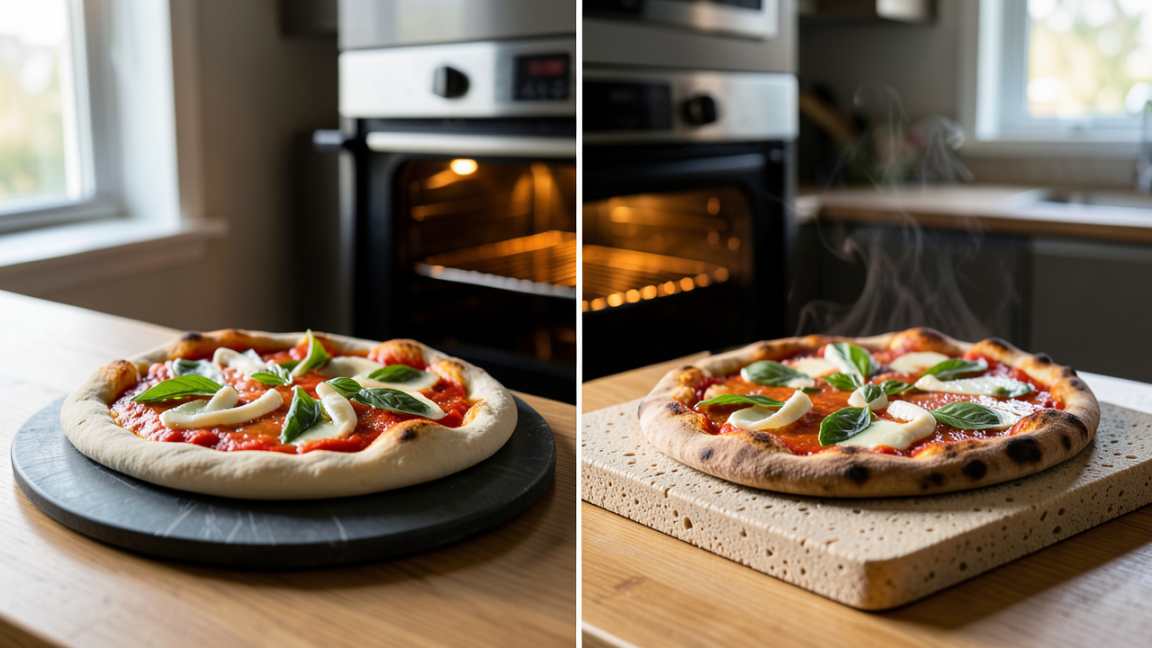
Head-to-Head Comparison
Heat Transfer and Crust Quality
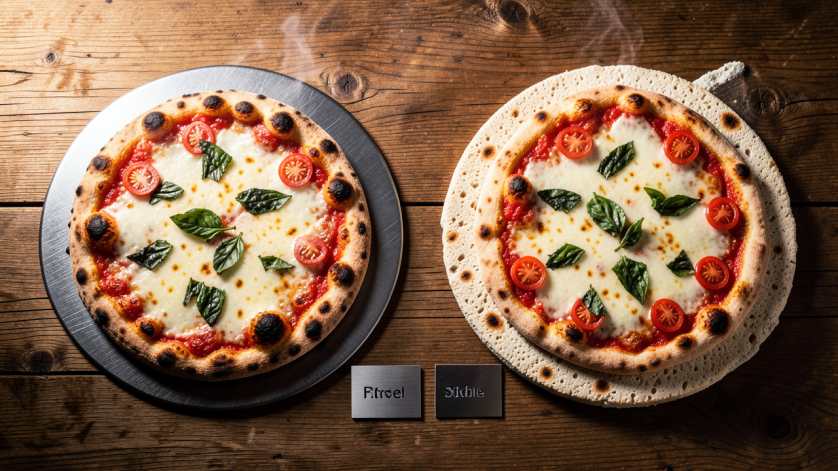
The biggest difference is how each surface transfers heat. Steel delivers energy fast. According to, steel produces a crust that is 27% crispier than stone in blind taste tests. Stone gives a more “oven-baked” feel with a softer bite.
Important: The crust difference only shows when both surfaces are preheated thoroughly. A stone that isn’t fully hot will absorb heat and make a soggy bottom.
Versatility
Pizza stone can be used for more than pizza. You can bake bread, reheat leftovers, or even roast vegetables. Steel can also do these but is more prone to rust if not seasoned. Stone absorbs moisture and can sometimes crack from high heat. Steel is virtually unbreakable.
Both surfaces work well on a gas grill for high-heat outdoor cooking.
Ease of Use
Steel is easier to slide pizzas onto because it has a smoother surface. Stone is more porous, so dough might stick if you don’t use enough cornmeal. Cleaning: steel just needs a scrape and oil rub. Stone requires gentle scrubbing with water and no soap, as soap seeps into pores.
- Preheat steel for 45 minutes; stone for 60 minutes.
- Steel cools down faster after taking it out of the oven.
- Stone stays hot longer, good for multiple pizzas consecutively.
Cost
| Size | Steel Price | Stone Price |
|---|---|---|
| 14×16 inch | $70 – $120 | $35 – $50 |
| 16×16 inch | $100 – $150 | $45 – $70 |
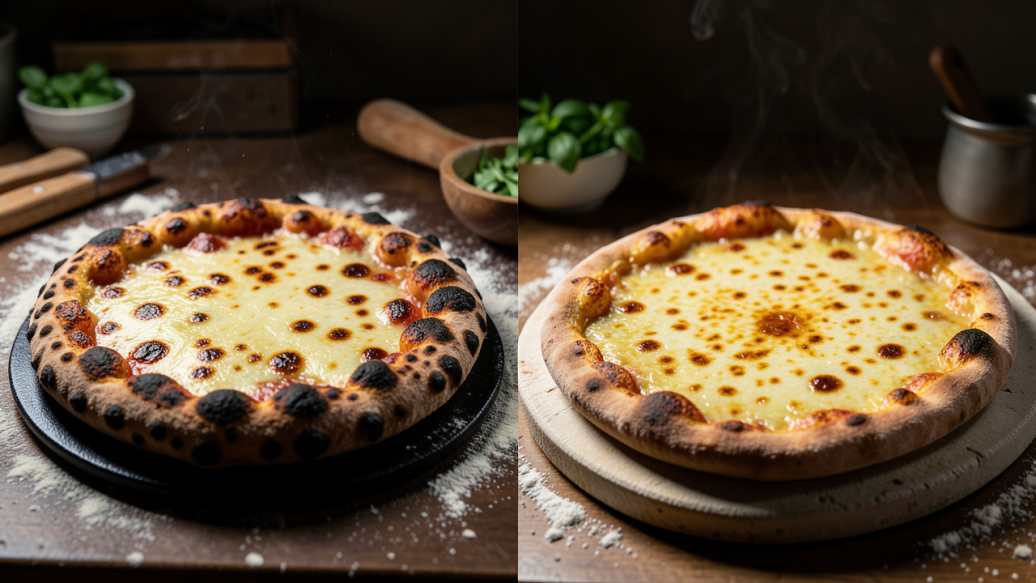
Which One Should You Choose?
Your choice depends on your priority. If crispiness and speed matter most, get pizza steel. If you want a more traditional crust and plan to bake multiple items (bread, cookies, pizza), a pizza stone is a solid, cheaper option.
Consider your oven’s maximum temperature. If it goes above 550°F, steel is safer. If you rarely go above 500°F, stone will work fine.
- Assess your preferred pizza style: thin and crispy → steel; Neapolitan or pan → stone.
- Check storage space: steel is heavier and bulkier.
- Set a budget: stone is cheaper, but steel lasts longer.
Common Myths vs Facts
Myth: Steel burns the bottom of the pizza.
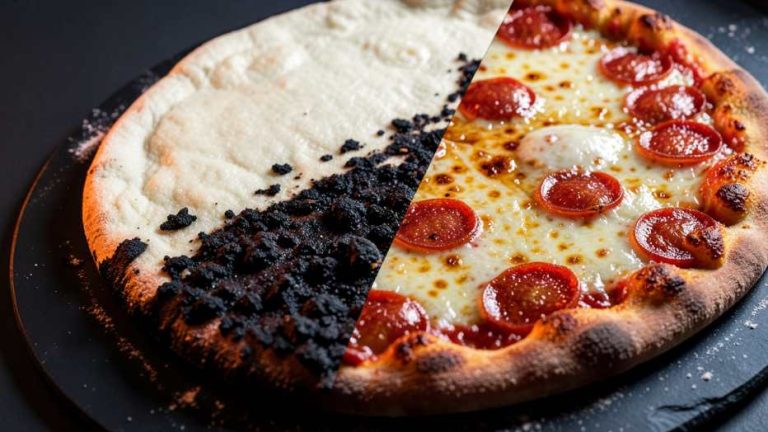
Fact: Steel can burn the bottom if your oven temperature is too high (above 600°F) or if you leave the pizza too long. Use a lower rack position and check at 5 minutes.
Myth: Stone is better because it’s natural.
Fact: Both are man-made. Stone is fired clay. Steel is metal. Neither is inherently better; they simply behave differently.
Myth: You need a special oven for steel.
Fact: Steel works in any home oven up to 500-550°F. It also works on a gas grill. Just ensure the steel is rated for high heat.
Frequently Asked Questions
Can I use both a steel and a stone together?
Yes. Place steel on the top rack and stone on the bottom rack to create a more even heat. This helps brown the top and bottom simultaneously, similar to a deck oven.
How long does a pizza steel last?
A well-maintained steel can last a lifetime. It may rust if left wet, but you can season it like a cast iron pan. Stone eventually may crack after many uses.
Do I need to preheat steel longer than stone?
No. Steel preheats faster – about 45 minutes compared to 60 minutes for stone. Steel’s high conductivity means it reaches temperature quickly.
Can I cut pizza directly on steel?
It is not recommended. Cutting on steel will scratch the surface and leave metal shavings in your food. Always slide the pizza off onto a cutting board.
Which surface is best for frozen pizza?
Steel improves frozen pizza results more than stone. It crisps the bottom faster and prevents sogginess. Preheat the steel then put frozen pizza directly onto it.
Final Thoughts
Steel and stone both bake excellent pizza, but they suit different goals. Steel gives you speed and crunch – perfect for thin crust. Stone provides a slower, more forgiving bake. Think about your favorite pizza style and your budget, then pick the surface that matches. Either way, you will notice a big improvement over a standard baking sheet.