
![Open Shelving In Small Kitchens Does It Actually Help Or Create More Clutter[1]](https://kitchentoolslab.com/wp-content/uploads/2026/05/Open_Shelving_In_Small_Kitchens__Does_It_Actually_Help_Or_Create_More_Clutter1.jpg)
Open Shelving In Small Kitchens: Does It Actually Help Or Create More Clutter?
Picture this: you’re trying to find that one specific spice, but your cabinets are packed tight, and everything looks the same. Sound familiar? For many of us with small kitchens, storage is a constant puzzle.
We dream of a tidy, efficient space, but often end up with more disarray. This article explores Open Shelving in Small Kitchens: Does It Actually Help or Create More Clutter?
By the end, you’ll know how to make smart choices that boost your kitchen’s appeal and functionality, helping you stay on this page longer and find the answers you need.
Key Takeaways
- Open shelving can make small kitchens feel larger and more inviting.
- Careful curation of displayed items is key to avoiding clutter.
- The type of items displayed significantly impacts the overall look.
- Installation and maintenance require thoughtful consideration for practicality.
- Open shelving offers a budget-friendly alternative to traditional cabinetry.
- It provides easy access to frequently used items, saving time.
The Allure and Practicality of Open Shelving
Open shelving presents a stylish departure from traditional closed cabinets, promising a more airy and accessible kitchen.
In small spaces, the visual lightness can trick the eye into perceiving a larger area. It allows for the display of attractive dishware and decorative items, turning everyday objects into design elements.
This approach can transform a cramped kitchen into a more open and inviting hub for cooking and socializing.
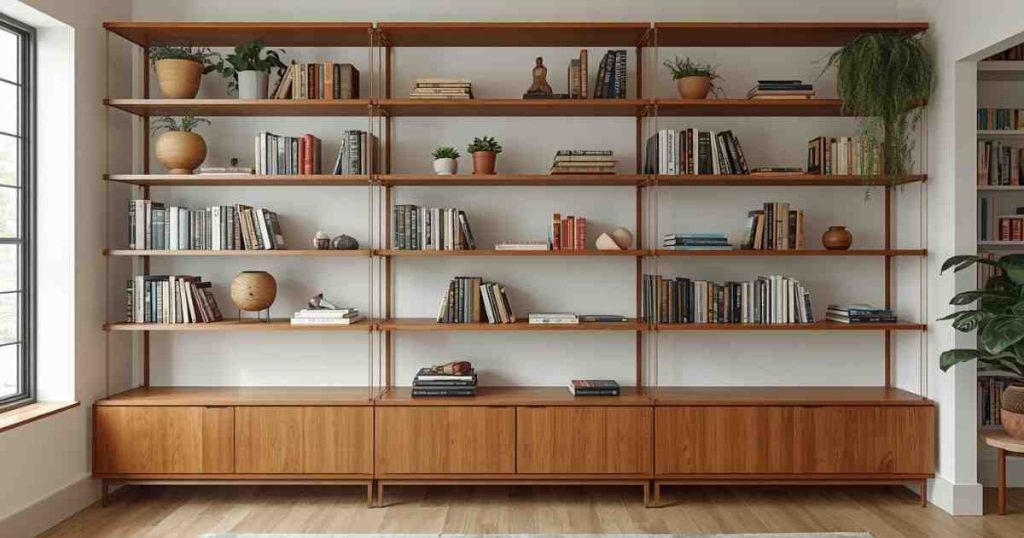
Visual Expansion and Aesthetic Appeal
One of the primary draws of open shelving in a small kitchen is its ability to create a sense of spaciousness.
Unlike solid cabinet doors that block sightlines, open shelves allow light to flow freely and your gaze to travel further. This can make a compact room feel significantly more open and less confined.
Imagine the difference between a heavy, dark wardrobe and a light, airy bookshelf; the same principle applies here.
- Creates an illusion of space: By removing upper cabinets, you open up the wall space, allowing light to bounce around and the room to feel less enclosed. This is particularly effective in kitchens that lack natural light.
- Showcases decorative items: Attractive mugs, colorful bowls, and artisanal pottery can become part of your kitchen’s decor. It’s a chance to personalize your space and add pops of color or texture that cabinetry often hides.
- Offers easy access: Frequently used items, such as everyday plates, glasses, and spices, are readily available. This can speed up meal preparation and make it easier to grab what you need without fumbling through cabinets.
Functionality and Accessibility
Beyond aesthetics, open shelving offers tangible functional benefits, especially for those who cook often.
The ease of access means fewer steps taken and less time spent searching for ingredients or utensils. For smaller kitchens where every inch counts, this direct access can streamline workflow significantly.
It encourages a more organized approach to storing items, as everything is visible and needs to look presentable.
Consider a home cook who frequently uses a variety of spices. With open shelving, their most-used spices can be arranged neatly on a shelf near the stove, eliminating the need to open multiple drawers or cabinets to find the right one. This small but significant time-saver can make a noticeable difference during busy meal preparation.
Making Open Shelving Work Without Creating Clutter
The biggest concern for many considering open shelving in a small kitchen is the potential for overwhelming clutter.
Without doors to hide things, every item on display becomes a visual element. This means that organization, thoughtful selection of items, and a disciplined approach to maintenance are absolutely critical to achieving a stylish and functional space rather than a messy one.
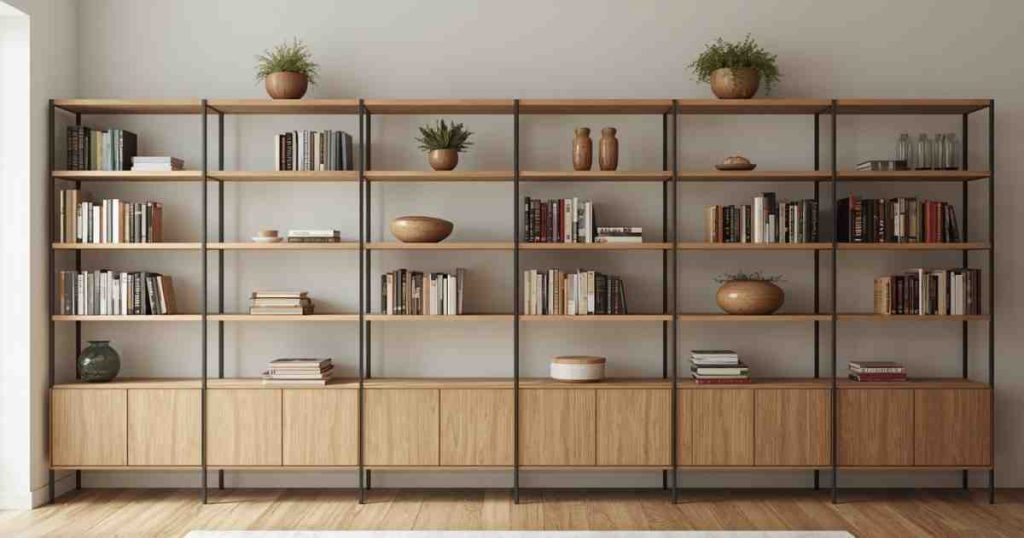
The key is to treat your shelves like a curated display rather than a dumping ground.
The Art of Curation: What to Display
Choosing what to place on open shelves is perhaps the most important aspect of making this design choice successful in a small kitchen. Instead of trying to store everything, focus on items that are both functional and visually appealing.
Think of it like styling a coffee table or a bookshelf – you want a pleasing arrangement, not a jumble of unrelated objects.
For instance, matching sets of dinnerware, elegant glassware, or attractive mixing bowls can create a cohesive look.
Regularly used items like cooking oils, salt and pepper grinders, and canisters for flour or sugar can also be functional decor when chosen for their aesthetic qualities.
- Uniformity in dishware: A stack of matching plates or bowls in a pleasant color provides a clean, organized look. Mixed patterns can quickly lead to visual chaos.
- Attractive cookware and utensils: Copper pots, sleek whisks, or a well-organized knife block can add to the kitchen’s charm. Avoid displaying worn-out or mismatched items.
- Decorative accents: Small plants, framed art prints, or ceramic vases can add personality and break up the monotony of kitchenware.
Strategic Organization and Grouping
Once you've decided what to display, organizing it effectively is the next step. Grouping similar items together not only looks tidier but also makes it easier to find what you need. Use bins, trays, or small baskets to corral smaller items, such as spice jars or tea bags.
This helps create distinct zones on your shelves and prevents smaller items from scattering.
Consider using risers or tiered shelves to add vertical interest and make it easier to see items in the back.
For example, a tiered spice rack allows you to see all your spice labels at a glance, preventing you from buying duplicates or struggling to find the one you need. This approach maximizes the visual appeal and practical use of your shelving.
- Group by function: Place all your baking supplies together, all your everyday dishes together, and all your drinking glasses together.
- Use trays and containers: Small decorative trays can hold frequently used oils and vinegars, keeping them neatly contained. Small baskets can hide less attractive but necessary items like cleaning sponges or produce.
- Vary heights and textures: Mix tall items like pitchers with shorter bowls and add different textures like ceramic, wood, or metal for visual interest.
Types of Open Shelving and Installation Considerations
The material and style of open shelving can significantly impact the overall look and feel of your kitchen.
From rustic wood planks to sleek metal brackets, the choices are vast. Equally important are the practical aspects of installation, ensuring your shelves are not only attractive but also sturdy and safe, especially in a busy kitchen environment.
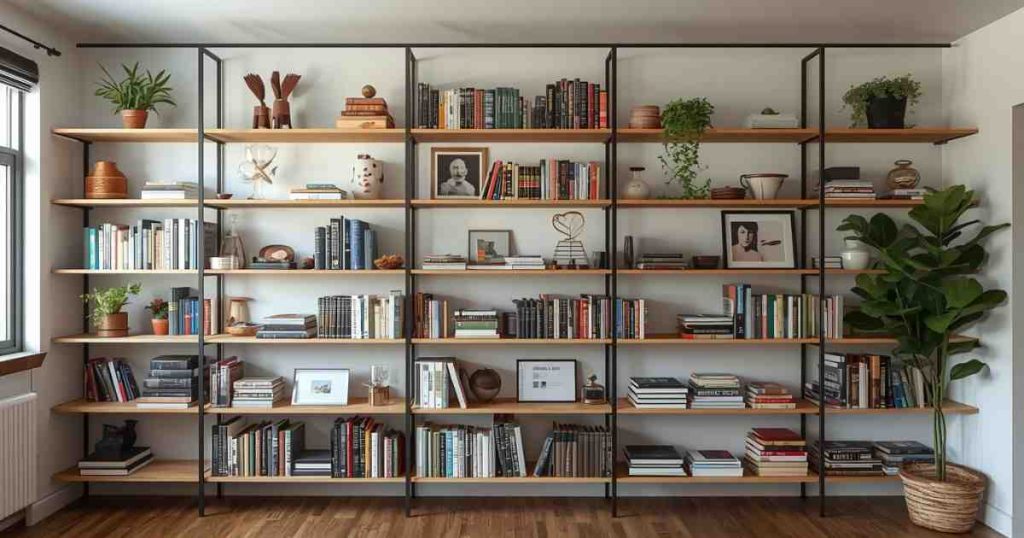
Material and Style Choices
The material you choose for your open shelves will play a big role in your kitchen’s aesthetic. Wood shelves, whether reclaimed barn wood or smooth, painted pine, offer warmth and a natural feel.
Metal shelves, such as industrial-style pipe shelving or minimalist floating shelves, can provide a more modern or edgy look.
Glass shelves can add a touch of elegance, but they require more frequent cleaning to maintain their shine.
Floating shelves, where the brackets are hidden, offer a clean, seamless look that can enhance the feeling of spaciousness.
For a more traditional or farmhouse style, consider shelves mounted with decorative brackets. The hardware itself can become a design feature.
Mounting and Weight Bearing
Proper installation is paramount to the success and safety of open shelving. Shelves need to be securely mounted into wall studs or attached with appropriate heavy-duty wall anchors to support the weight of the items you plan to store. It is crucial to understand the weight-bearing capacity of the shelves and brackets you choose.
Overloading shelves can lead to sagging, damage, or even collapse.
It is highly recommended to use a stud finder and a level during installation to ensure your shelves are perfectly straight and securely fastened.
If you are unsure about the installation process, consulting a professional handyman is a wise decision to ensure your shelves are safe and durable.
A study by the National Association of Home Builders found that over 70% of homeowners consider ease of access to be an important factor in kitchen design.
Open shelving directly addresses this, but only if installed correctly to handle the weight of everyday items.
Open Shelving vs. Closed Cabinets: A Comparative Look
When deciding on kitchen storage, the debate between open shelving and closed cabinets is a common one.
Each offers distinct advantages and disadvantages, particularly in the context of small kitchen spaces. Understanding these differences can help you make the best choice for your home, balancing aesthetics, functionality, and maintenance.
Cost and Installation Differences
Generally, open shelving is a more budget-friendly option than installing a full set of custom or semi-custom kitchen cabinets.
The materials for shelves are often less expensive, and the installation process can be simpler and quicker, potentially reducing labor costs if you hire help.
Building custom cabinets involves more complex joinery, specialized hardware, and often takes significantly more time to install.
For example, a simple set of pine shelves with basic brackets can cost a fraction of the price of upper cabinets that reach the ceiling.
This makes open shelving an attractive choice for those on a renovation budget or for renters looking for a stylish upgrade without a major investment.
Maintenance and Cleaning
Closed cabinets have doors that conceal items, making the kitchen appear tidier even if things are a bit disorganized inside. However, cabinet doors themselves can collect grease and grime, requiring regular wiping down. Open shelves, on the other hand, require constant attention to aesthetics.
Everything on display needs to be kept clean and orderly.
Dust can settle on open shelves and the items displayed, meaning more frequent dusting than with closed cabinets.
If spills or splatters occur, they are immediately visible. This means that while open shelving might seem easier to access, it demands a more consistent effort to keep it looking its best.
A small kitchen with open shelving requires a daily tidy-up to prevent it from becoming cluttered.
| Feature | Open Shelving | Closed Cabinets |
|---|---|---|
| Aesthetic Impact | Airy, spacious, decorative | Enclosed, tidy, can feel heavy |
| Accessibility | High, items readily available | Lower, requires opening doors |
| Clutter Potential | High if not curated | Low, hides clutter |
| Cost | Generally lower | Generally higher |
| Maintenance | Frequent dusting, constant tidiness | Wiping doors, occasional interior cleaning |
Real-Life Scenarios: Open Shelving in Action
Seeing how open shelving works in real kitchens can provide valuable insights. These examples highlight how different homeowners have used open shelving to address specific challenges in their small kitchen spaces, showcasing both successes and areas where careful planning is essential.
Scenario 1: The Young Couple’s Cozy Kitchen
A young couple bought their first home, which featured a very small, galley-style kitchen. They wanted to make the space feel larger and more modern without a huge renovation budget.
They decided to remove the upper cabinets on one wall and install simple, floating wooden shelves.
On these shelves, they displayed a set of white ceramic dishes, a few colorful cookbooks, and some small potted herbs.
The result was a dramatic transformation. The kitchen felt instantly brighter and more open. Their frequently used plates and glasses were now easily accessible, making weeknight dinners smoother.
The herbs on the shelf added a touch of green and fresh aroma, enhancing the kitchen’s appeal. They found that the need to keep the shelves tidy encouraged them to put things away promptly, preventing clutter from accumulating.
Scenario 2: The Baker’s Nook Transformation
A passionate baker had a small kitchen with limited cabinet space. She decided to install open shelving above her countertop specifically for her baking supplies. She used attractive glass jars with airtight lids to store flour, sugar, oats, and various baking chips. Understanding kitchen design principles helps readers evaluate the benefits of open shelving in small spaces.
A decorative wooden stand held her most-used spice blends.
This arrangement not only kept her essential ingredients within easy reach but also looked like a charming bakery display.
She found that having everything visible inspired her to bake more often. The jars were also easy to clean, and she could quickly see when she was running low on an ingredient.
This practical application of open shelving directly improved her cooking workflow and enjoyment. An energy-efficient kitchen layout can also improve workflow, as seen in the baker's organized shelving.
Frequently Asked Questions Of Open Shelving In Small Kitchens: Does It Actually Help Or Create More Clutter?
Will open shelving make my small kitchen look messy?
Open shelving can look messy if not managed carefully. The key is to display only attractive items and keep them organized. If you are prone to clutter or don’t have time for regular tidying, closed cabinets might be a better choice.
What is the best type of item to display on open kitchen shelves?
Display items that are both functional and visually appealing. This includes matching sets of dishes, attractive glassware, neatly arranged cookbooks, or decorative jars. Avoid displaying worn-out or mismatched items.
How often do open shelves need to be cleaned?
Open shelves and the items on them can collect dust and grease more easily than closed cabinets. You will likely need to dust them at least weekly and wipe down items as needed, especially those near the stove.
Can I install open shelving myself?
Simple open shelving can be installed by a DIYer with basic tools and skills, especially if mounting into wall studs. However, for heavier loads or if you’re unsure about wall types, it’s best to hire a professional to ensure safe and secure installation.
Does open shelving actually save space in a small kitchen?
While open shelving doesn’t add physical storage capacity beyond what the shelves themselves provide, it can make a small kitchen feel more spacious visually by opening up wall space. This can create a more open and less cramped atmosphere.
Summary
Open shelving in small kitchens offers a bright, accessible solution. By carefully choosing what to display and how to arrange it, you can enhance visual space and functionality.
This approach can make your kitchen feel larger and more inviting, turning everyday items into decorative elements.
Proper installation ensures safety and durability.

![Renting And Can’T Renovate Small Kitchen Design Ideas For Renters[1]](https://kitchentoolslab.com/wp-content/uploads/2026/05/Renting_And_CanT_Renovate__Small_Kitchen_Design_Ideas_For_Renters1-768x403.jpg)
![Vertical Storage Solutions For Small Kitchens Maximizing Every Inch[1]](https://kitchentoolslab.com/wp-content/uploads/2026/05/Vertical_Storage_Solutions_For_Small_Kitchens__Maximizing_Every_Inch1-768x403.jpg)
![How To Make A Small Kitchen Feel Bigger 15 Proven Design Techniques[1]](https://kitchentoolslab.com/wp-content/uploads/2026/05/How_To_Make_A_Small_Kitchen_Feel_Bigger__15_Proven_Design_Techniques1-768x403.jpg)
![What Colors Make A Small Kitchen Look Larger (Designer Secrets Revealed)[1]](https://kitchentoolslab.com/wp-content/uploads/2026/05/What_Colors_Make_A_Small_Kitchen_Look_Larger__Designer_Secrets_Revealed1-768x403.jpg)
![Best Appliances For Small Kitchens Compact Picks That Don’T Sacrifice Performance[1]](https://kitchentoolslab.com/wp-content/uploads/2026/05/Best_Appliances_For_Small_Kitchens__Compact_Picks_That_DonT_Sacrifice_Performance1-768x403.jpg)
![Mirror And Glass In Small Kitchens Do Reflective Surfaces Actually Expand Space[1]](https://kitchentoolslab.com/wp-content/uploads/2026/05/Mirror_And_Glass_In_Small_Kitchens__Do_Reflective_Surfaces_Actually_Expand_Space1-768x403.jpg)