Making Gluten-Free Waffle Batter Hold Together Properly
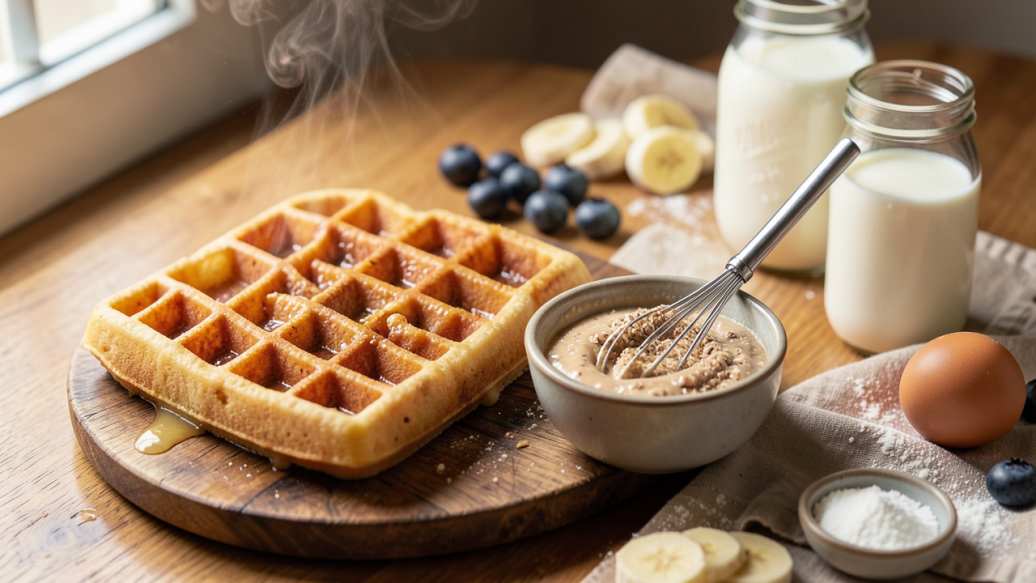
Gluten-free waffle batter holds together properly when a binder like xanthan gum or psyllium husk replaces the structural role of gluten, combined with a precise liquid-to-dry ratio and a 10- to 15-minute resting period for full flour hydration. Separating eggs and folding in whipped whites adds structure and lightness without relying on gluten, while measuring flour by weight ensures consistent stability. This approach prevents crumbling, grittiness, or gumminess, producing a cohesive batter that bakes into crisp, tender waffles.
Crumbly, dry, or gummy gluten-free waffles ruin breakfast. This guide shows you how to make gluten-free waffle batter that holds together properly for perfect results every time.
In short, the key to cohesive gluten-free waffle batter is balancing moisture and structure. You need a binder like xanthan gum or psyllium husk, a precise liquid-to-dry ratio, and a resting period for the flours to hydrate. This creates a batter that holds together and bakes into a crisp, tender waffle.
Key Takeaways
- Using a binder like xanthan gum or psyllium husk replaces the structural role of gluten in waffle batter.
- Allowing the batter to rest for 10-15 minutes lets gluten-free flours fully hydrate, preventing a gritty texture.
- Separating eggs and folding in whipped egg whites adds structure and lightness without relying on gluten.
- Measuring flour by weight rather than volume ensures the correct liquid-to-dry ratio for a stable batter.
- Preheating the waffle iron properly creates an instant seal on the batter, preventing sticking and crumbling.
The Science of Gluten-Free Waffle Structure
Gluten is a protein that forms long stretchy strands. These strands trap steam and create the chewy structure of a traditional waffle. Without gluten, you need other ingredients to build that matrix.
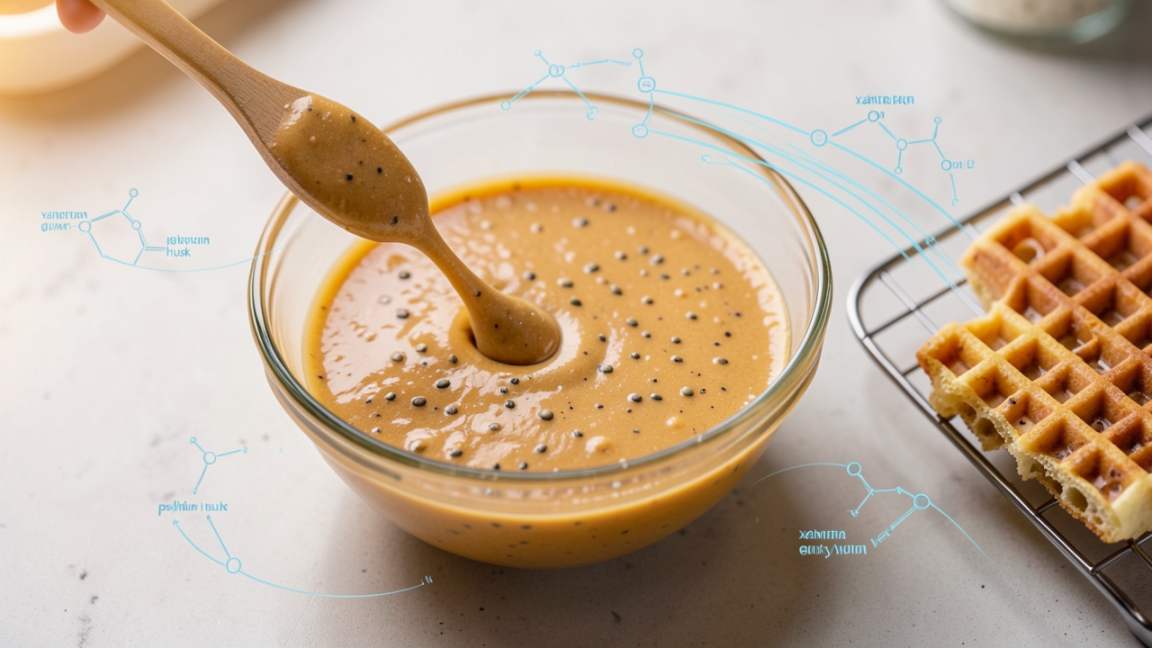
According to food science researchers, xanthan gum is effective at concentrations as low as 0.1% to 1% of the total flour weight. This polysaccharide acts as a glue that holds the starch granules together during baking.
Eggs provide protein that coagulates during baking. This creates a firm set structure. The yolks add fat for tenderness. The whites add water and protein for lift.
According to the, approximately 1 in 100 people worldwide have celiac disease. This makes understanding gluten-free cooking an essential skill for many households.
What You Need for Stable Gluten-Free Waffle Batter
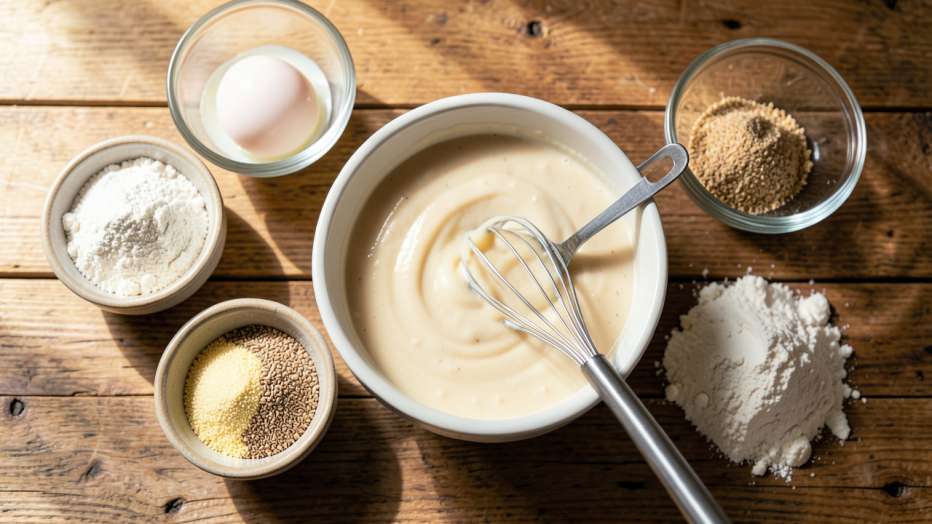
Having the right ingredients is the first step toward success. Here are the essential components for a batter that holds together.
| Ingredient | Role in Structure | Example Brands |
|---|---|---|
| Gluten-Free Flour Blend | Base structure and bulk | King Arthur, Bob’s Red Mill |
| Starches | Tenderness and crispness | Cornstarch, Tapioca Starch |
| Binder | Replaces gluten elasticity | Xanthan Gum, Psyllium Husk |
| Eggs | Protein structure and emulsification | Whole eggs, Separated Egg Whites |
| Liquid | Hydration for starch gelatinization | Buttermilk, Oat Milk, Water |
Choosing the Right Binder
The binder you choose changes the final texture of your waffle. Xanthan gum offers the strongest hold. Psyllium husk provides a more tender, spongy crumb. Flax eggs work but create a weaker structure.
| Binder | Structure Provided | Best Used For |
|---|---|---|
| Xanthan Gum | Strong and elastic | Crisp, thin waffles |
| Psyllium Husk | Tender and spongy | Belgian style waffles |
| Flax Egg | Weak and crumbly | Vegan egg-free recipes |
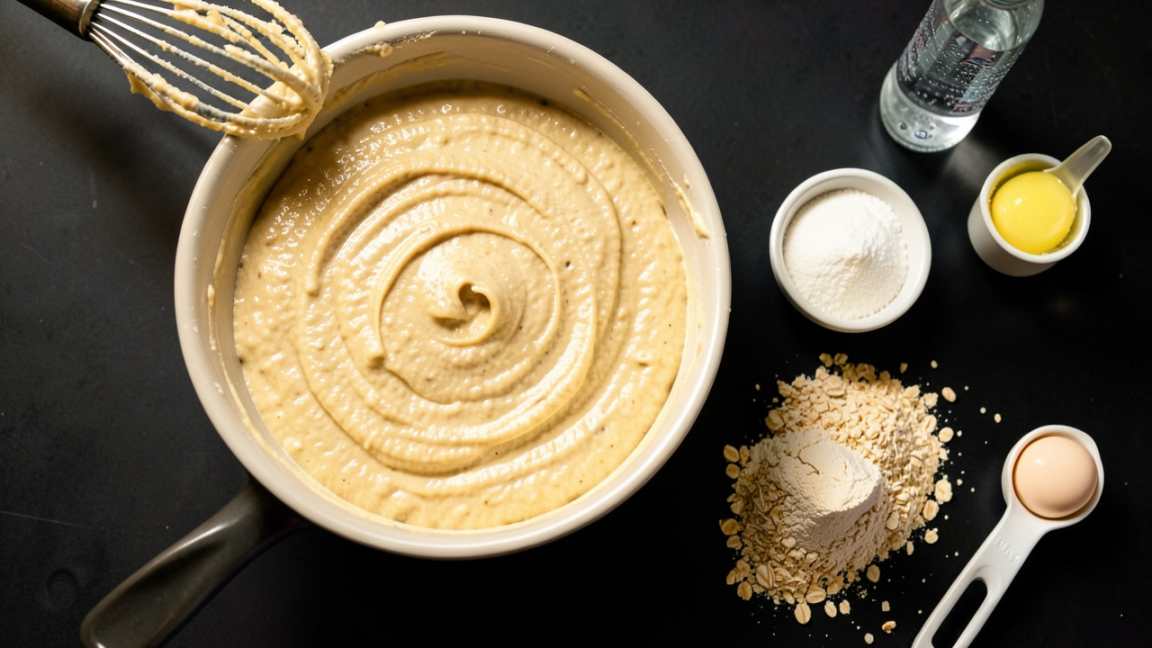
How to Make Gluten-Free Waffle Batter That Holds Together
Follow these steps closely to ensure your batter stays cohesive. Each step builds the structure you need for a perfect waffle.
Step 1: Whisk Dry Ingredients Thoroughly
Combine your gluten-free flour blend, xanthan gum, baking powder, salt, and sugar in a large bowl. Whisk them together for a full 30 seconds. This distributes the binder evenly so you do not get gummy spots.
Important: If using a pre-made blend like King Arthur Flour Measure for Measure, check the label. Many blends already contain xanthan gum. You may still need to add 1/4 teaspoon extra for waffles to hold up.
Step 2: Combine Wet Ingredients Separately
In a separate bowl, whisk the eggs, melted butter, buttermilk, and vanilla extract. Make sure the melted butter is not too hot or it will cook the eggs. Aim for room temperature ingredients. This helps the batter emulsify properly.
Step 3: The Critical Resting Period
Pour the wet ingredients into the dry ingredients. Stir gently until just combined. The batter will look lumpy. Let the batter sit for 10 to 15 minutes. This allows the flours to fully hydrate. You will see the batter thicken as it rests.
Tip: Skipping the rest is the number one reason for gluten-free waffle batter that falls apart. Hydration is key to structure.
Step 4: Check and Adjust Consistency
After resting, check the batter. It should be thick but scoopable. If it looks too thin, add a tablespoon of flour blend. If it looks too thick, add a tablespoon of milk. The right consistency ensures the waffle holds together during cooking.
Step 5: Whip Egg Whites for Extra Structure
For lighter, airier waffles, separate the eggs. Add the yolks to the wet mix. Whip the whites to stiff peaks on a stand mixer or with a hand mixer. Fold the whites gently into the batter. This adds volume and helps the waffle rise without gluten.
Step 6: Cook the Waffle
Preheat your waffle iron to medium-high heat. Spray the iron generously with cooking spray. Pour the batter onto the center of the iron. Close the lid and cook until the steam stops and the waffle is golden brown. Do not open the iron early or you risk tearing the batter apart.
What to Expect and Common Problems
Gluten-free waffles behave differently than traditional waffles. They need more time to set. They release from the iron less easily. A report by states that the global gluten-free food market was valued at $6.5 billion in 2023. More people are cooking without gluten than ever before.
| Problem | Likely Cause | Solution |
|---|---|---|
| Batter is too thin | Too much liquid or not enough binder | Add 1 tbsp flour at a time, rest for 5 min |
| Waffles fall apart when lifted | No binder, undercooked, or too much mixing | Add 1/4 tsp xanthan gum, cook until golden |
| Waffles are gummy and dense | Not enough fat, or iron is not hot enough | Increase oil in batter, preheat iron fully |
| Waffles stick to the iron | Not enough grease, or iron is too cold | Spray iron generously, wait until light goes off |
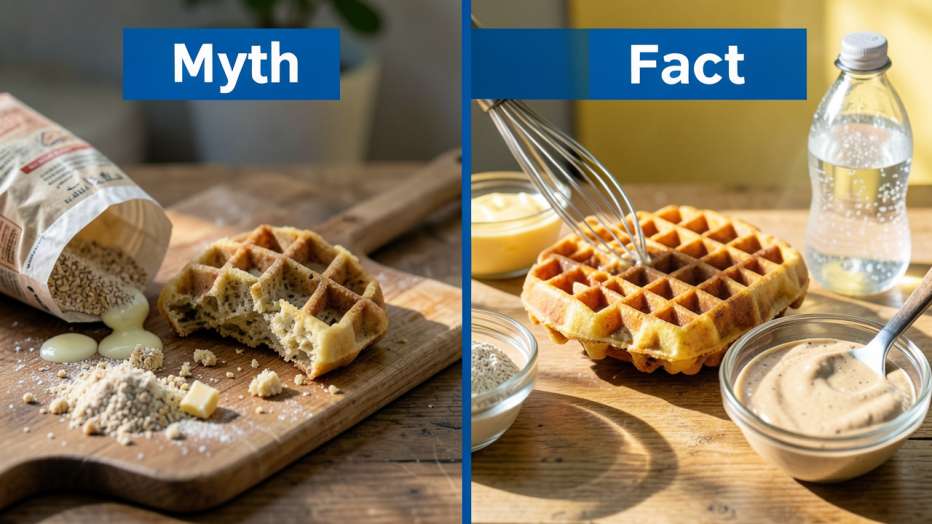
Common Myths vs. Facts in Gluten-Free Waffle Baking
There is a lot of bad advice out there about gluten-free baking. Let us set the record straight. According to food industry reports, about 30% of US adults are actively reducing their gluten intake. Yet many people still believe these common myths.
- Myth: Gluten-free waffles can never be crispy. Fact: Using a mix of starch and enough fat creates a very crispy exterior. Cornstarch is your best friend for crunch.
- Myth: You do not need a binder if you use a pre-made blend. Fact: Most blends have just enough binder for cakes, not for waffles. Waffles need extra structure because they are cooked longer at higher heat.
- Myth: Thin batter makes the best waffles. Fact: Gluten-free waffle batter needs to be thicker than traditional batter. It needs to hold its shape without gluten strands supporting it.
- Myth: You can substitute almond flour 1:1 for all-purpose flour. Fact: Almond flour lacks binding starches and needs more eggs and a binder to hold together properly.
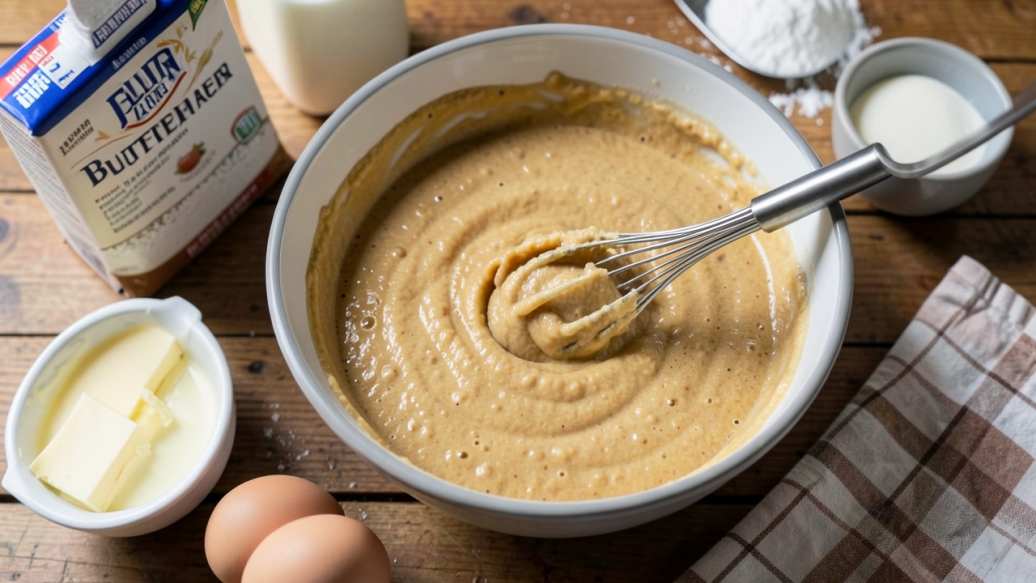
Pro Tips for Perfect Gluten-Free Waffles
These advanced tips will take your waffles from good to great. They help ensure the batter holds together and bakes into a perfect texture.
Weigh Your Ingredients
Measuring flour by the cup can lead to a 20% variance in weight. This drastically alters hydration. Use a kitchen scale for consistent results. One cup of gluten-free flour blend typically weighs 140 grams.
Use Buttermilk for Tender Structure
The acidity in buttermilk tenderizes the starches in gluten-free flours. This creates a more tender, cohesive crumb. It also reacts with the baking soda to add extra lift.
Add an Extra Egg Yolk
The extra fat and emulsifiers in the yolk help bind the batter together. This is especially helpful if you are using a whole grain flour like buckwheat or oat flour, which are heavier.
Let Waffles Rest in the Oven
Place cooked waffles on a wire rack in a 200F oven. This keeps them crisp instead of steaming and getting soggy. Do not stack them on a plate or they will lose their crunch.
Brown the Butter First
Browning the butter adds nutty flavor and reduces water content. Less water in the fat means less steam during mixing, leading to a crispier waffle with better structure.
Warning: Do not over-mix the batter after adding the liquid. Over-mixing develops too much air that collapses. It also overworks the starches, making the waffle gummy.
Resources and Tools
These are the tools and ingredients I recommend for reliable results every time you make gluten-free waffle batter.
- King Arthur Flour Gluten-Free Measure for Measure – A reliable 1:1 substitute that already contains a blend of starches and grains.
- Bob’s Red Mill Xanthan Gum – A high-quality binder essential for gluten-free baking.
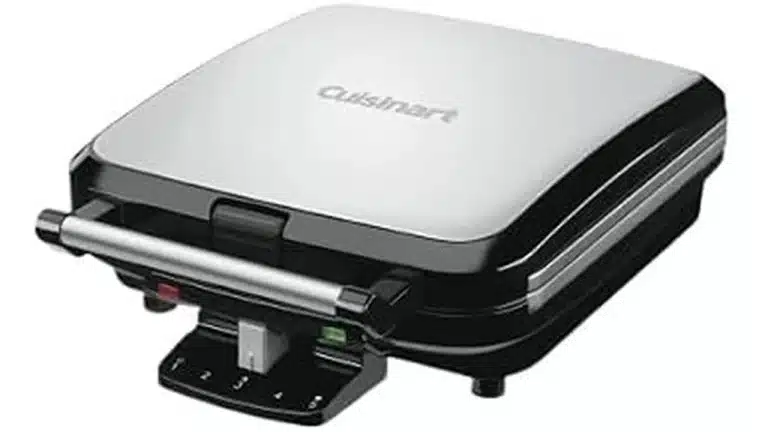
- Cuisinart Round Waffle Iron – Classic design with consistent heat distribution and a non-stick surface.
- Oxo Good Grips Kitchen Scale – Precise digital scale for consistent flour measurements.
Frequently Asked Questions
Why is my gluten-free waffle batter so thin?
Thin batter usually means too much liquid or not enough binder. Let the batter rest for 10 minutes. This allows the flours to absorb the liquid and thicken. If it stays thin, add a tablespoon of flour blend at a time.
Can I use pancake mix to make gluten-free waffles?
Yes, but you need to adjust the recipe. Waffle batter needs more fat than pancake batter for crispness. Add an extra tablespoon of melted butter or oil to the batter before cooking.
How do I store leftover gluten-free waffles?
Let the waffles cool completely on a wire rack. Freeze them in a single layer on a baking sheet. Once frozen, transfer them to a freezer bag. They stay fresh for up to 3 months.
What is the best binder for gluten-free waffle batter?
Xanthan gum is the most widely used and reliable binder. Use about 1/4 teaspoon per cup of flour. Psyllium husk is a good alternative for a more tender crumb, but it changes the color to a darker brown.
Can I make gluten-free waffle batter dairy-free?
Absolutely. Use a dairy-free milk like oat milk or almond milk. Use melted coconut oil or vegetable oil instead of butter. The batter will still hold together well with the right binder.
Final Thoughts
Making gluten-free waffle batter hold together properly comes down to three things: using a binder, resting the batter, and managing moisture. Once you master these basics, you will get crisp, fluffy waffles every time. Experiment with different flour blends and add-ins to find your perfect recipe.