Produce Ethylene Map: Fruits Quietly Killing Your Vegetables
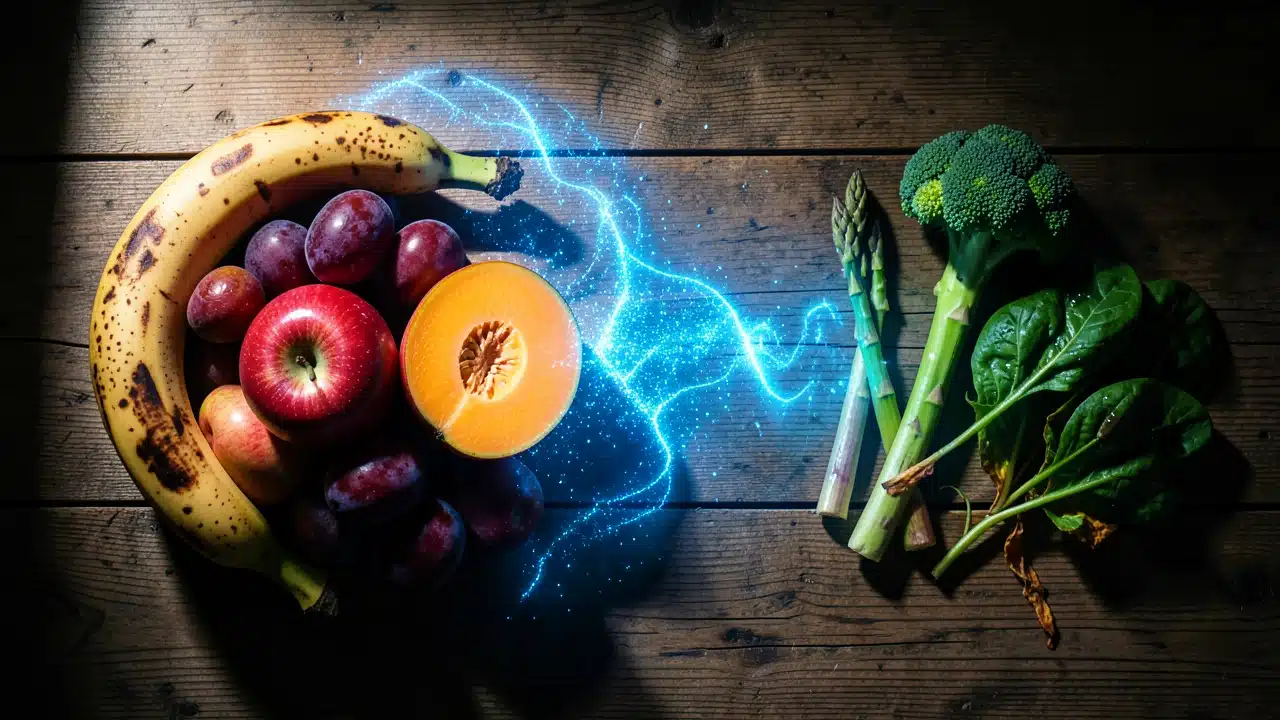
Produce ethylene map explains why fruits quietly kill your vegetables: apples, bananas, avocados, pears, peaches, and tomatoes release ethylene, a ripening gas that can yellow greens, soften cucumbers, bitter carrots, and age broccoli faster.
Store ethylene producers away from sensitive vegetables, use separate crisper drawers, and improve airflow instead of sealing mixed produce together.
Keeping your fruits and vegetables fresh can be tricky. You might buy beautiful produce, only to find it spoiling faster than you expected.
This often happens because some fruits release a gas that speeds up the ripening and spoilage of other items.
Understanding this process is key to saving money and reducing food waste. We’ll show you how to use the Produce Ethylene Map: Fruits Quietly Killing Your Vegetables to keep your kitchen bounty lasting longer.
Key Takeaways
- Certain fruits release ethylene gas, which can spoil other produce.
- Understanding which produce releases the most ethylene helps in storage.
- Separating high-ethylene producers from ethylene-sensitive items is crucial.
- Proper storage can significantly extend the life of your fruits and vegetables.
- Using an ethylene gas chart helps plan your kitchen organization.
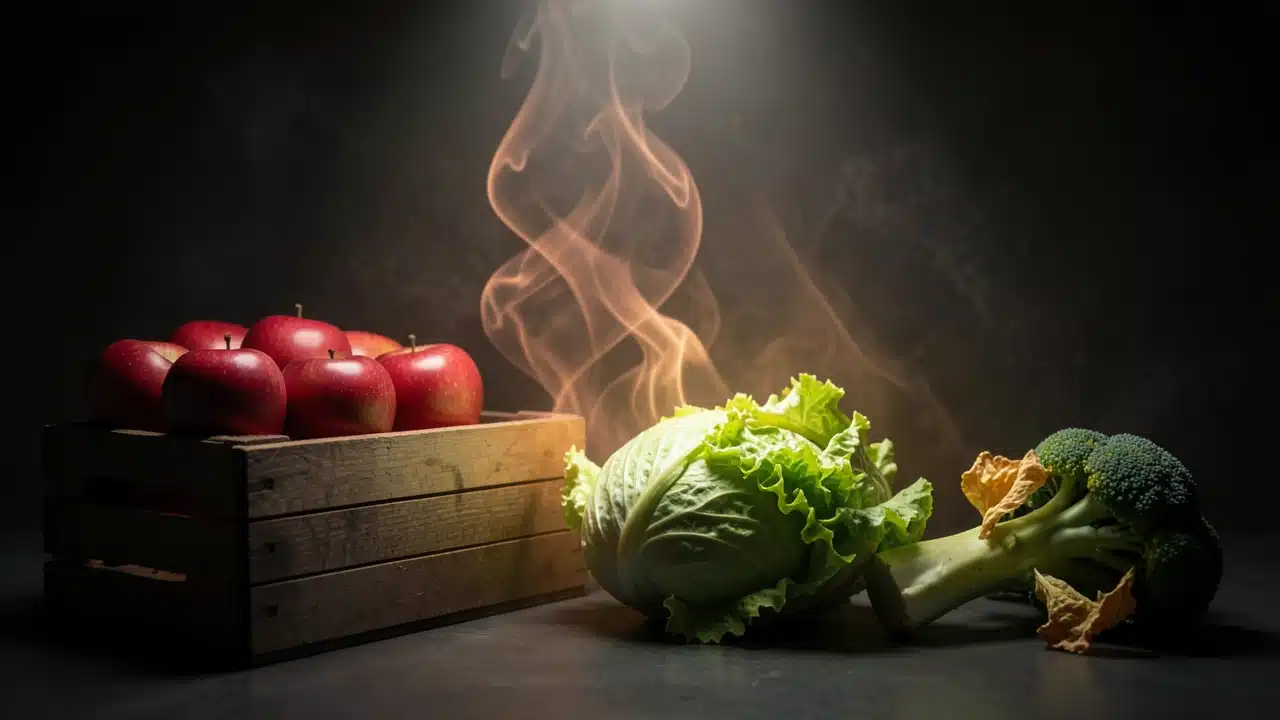
Why Ethylene Gas Matters for Your Produce
Ethylene is a natural plant hormone. It plays a big role in how fruits ripen. As fruits mature, they release this gas.
Some fruits release a lot more ethylene than others. This gas doesn’t just affect the fruit that releases it. It can also speed up the ripening and spoilage of other fruits and vegetables nearby.
This is why a banana on the counter can make your apples go soft faster.
Think of ethylene like a signal. It tells nearby produce that it’s time to ripen and, eventually, to break down. This is a natural process.
But when you store different types of produce together, this signal can become too strong. The result is produce that spoils before you can eat it. This leads to wasted food and money.
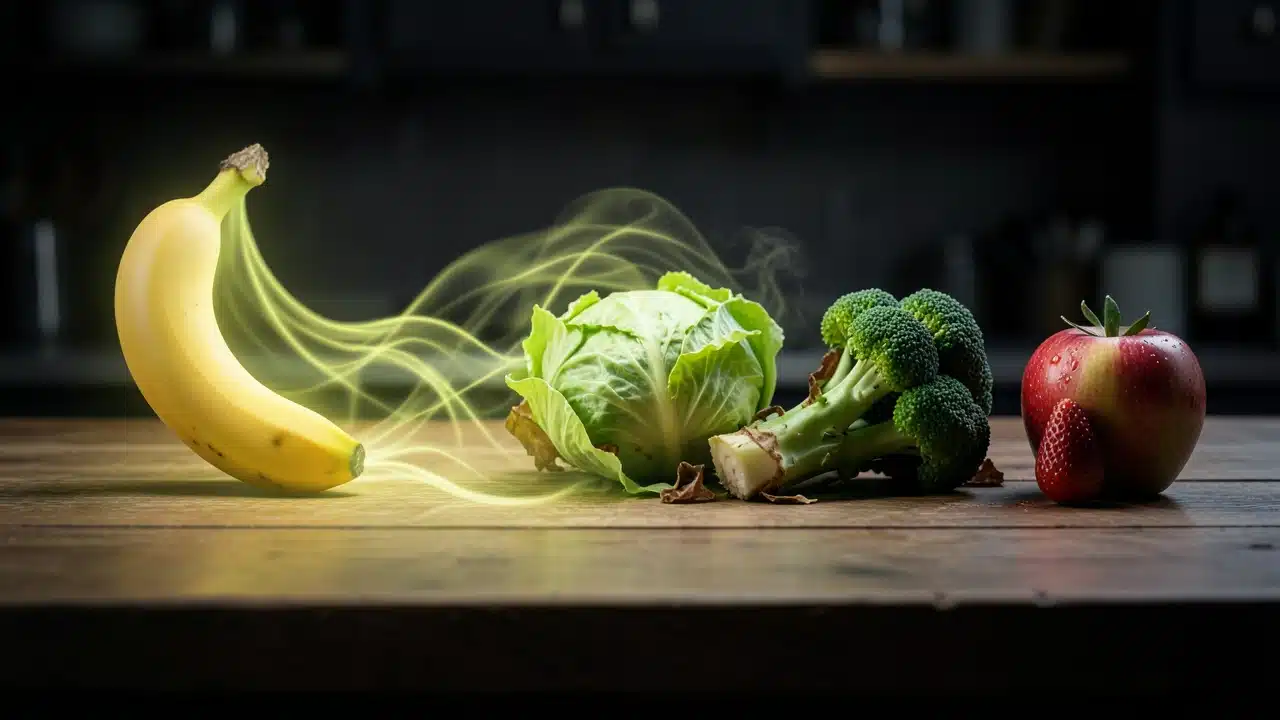
Understanding the Produce Ethylene Map: Fruits Quietly Killing Your Vegetables
A Produce Ethylene Map: Fruits Quietly Killing Your Vegetables is basically a guide. It helps you know which produce items are high ethylene producers. It also lists items that are sensitive to ethylene gas.
Knowing this map helps you store your produce smartly. You can keep the gas producers away from the gas-sensitive items. This simple step can make a big difference in how long your food stays fresh.
The concept behind the Produce Ethylene Map: Fruits Quietly Killing Your Vegetables is simple. It’s about managing the environment where your produce is stored. By understanding ethylene levels, you can prevent premature spoilage.
This saves you trips to the store and reduces food waste. It’s a practical way to make your groceries last longer.
High Ethylene Producers: The Culprits
Some fruits are known for releasing a lot of ethylene gas. These are the main players when we talk about the Produce Ethylene Map: Fruits Quietly Killing Your Vegetables. Keeping these items separate is your first line of defense.
Apples are a common example. They release a good amount of ethylene as they ripen. Avocados are another.
They continue to ripen after being picked and release ethylene.
Other fruits that are high ethylene producers include:
- Bananas: Especially when ripe, they release a lot of ethylene.
- Tomatoes: They continue to ripen after harvest and emit ethylene.
- Peaches and Plums: These stone fruits are also significant ethylene emitters.
- Pears: Similar to apples, pears ripen and release ethylene.
- Melons: Cantaloupe and honeydew release ethylene as they mature.
These items are best stored away from delicate vegetables. They can speed up the ripening process for items like lettuce, broccoli, and carrots. It’s important to be aware of these fruits.
They are the most likely to cause issues if stored incorrectly.
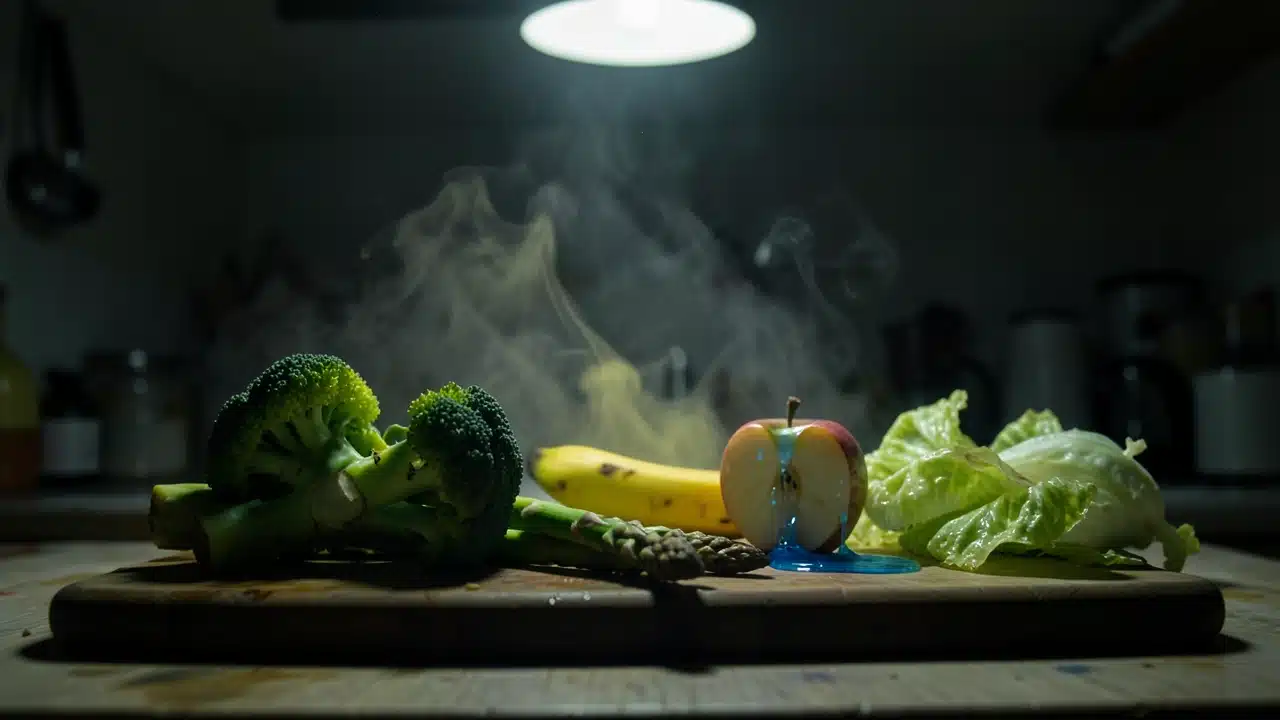
Ethylene-Sensitive Produce: The Victims
On the other side of the coin are the produce items that are very sensitive to ethylene gas. These are the ones that can be “killed” by the fruits mentioned above. They will ripen and spoil much faster when exposed to high ethylene levels.
Understanding these items is just as important as knowing the producers. This is where the Produce Ethylene Map: Fruits Quietly Killing Your Vegetables really helps.
Vegetables are generally more sensitive to ethylene than fruits. Here are some common examples:
- Leafy Greens: Lettuce, spinach, and kale can wilt quickly.
- Broccoli and Cauliflower: They can turn yellow and soft faster.
- Carrots and Celery: These can become limp and lose their crispness.
- Cucumbers and Zucchini: They can soften and develop yellow spots.
- Herbs: Fresh herbs like parsley and cilantro will fade faster.
Even some fruits are sensitive to ethylene. Berries, for example, are delicate. They can ripen and mold quickly when exposed to ethylene gas.
It’s best to store them separately. This is a key principle of the Produce Ethylene Map: Fruits Quietly Killing Your Vegetables.
Practical Storage Tips Using the Ethylene Map
Now that you know the players, let’s talk about how to store them. The goal is to create separate zones for high ethylene producers and ethylene-sensitive items.
This is the core idea behind using the Produce Ethylene Map: Fruits Quietly Killing Your Vegetables effectively.
First, identify which fruits in your kitchen are high ethylene producers. Apples, bananas, and avocados are common. Keep these fruits out of the crisper drawers where vegetables are stored.
If you have a fruit bowl on the counter, that’s a good place for some of these. However, be mindful of how quickly they ripen.
Second, understand where your ethylene-sensitive vegetables are. These typically go into the crisper drawers of your refrigerator. Many refrigerators have separate drawers with humidity controls.
One drawer might be for high humidity (good for leafy greens) and another for low humidity (good for fruits that rot easily). Ethylene-sensitive items often do well in the high-humidity drawer.
Next, consider how you group items. Don’t store apples next to your salad greens. Keep bananas separate from your berries.
If you buy a lot of tomatoes, ripen them on the counter, but then move them to the fridge to slow down further ripening and ethylene release.
Then, think about packaging. Some produce benefits from being stored in perforated bags. This allows some air circulation but helps maintain humidity.
For ethylene-sensitive items, keeping them in breathable bags can help. For high ethylene producers, it might be better to let them breathe freely so the gas can escape. This might sound counterintuitive, but it prevents the gas from building up and affecting nearby produce.
Finally, clean your refrigerator regularly. Old produce can continue to release ethylene even as it spoils. A clean fridge helps prevent cross-contamination and reduces the overall ethylene load.
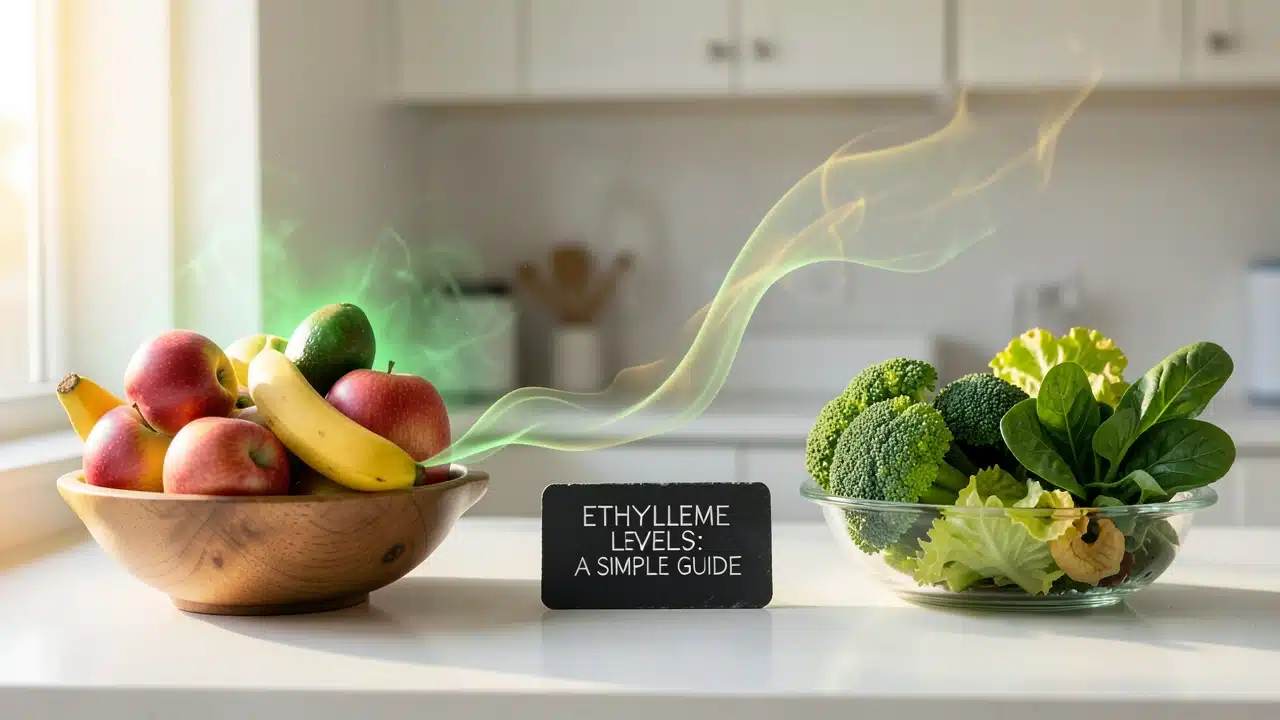
Comparing Ethylene Levels: A Simple Guide
Not all produce is created equal when it comes to ethylene. Some produce is a very low emitter, while others are quite potent. This comparison helps you make better storage choices.
A good way to visualize this is with a simple chart or table.
| High | Apples, Apricots, Avocados, Bananas (ripe), Cantaloupe, Figs, Honeydew, Kiwis, Mangoes, Nectarines, Peaches, Pears, Plums, Tomatoes |
| Medium | Cherries, Grapes, Lemons, Limes, Oranges, Papayas, Pineapples, Raspberries, Strawberries |
| Low | Asparagus, Broccoli, Brussels Sprouts, Cabbage, Carrots, Cauliflower, Corn, Cucumbers, Eggplant, Garlic, Green Beans, Kale, Lettuce, Onions, Peas, Peppers, Potatoes, Spinach, Squash, Sweet Potatoes, Watermelon, Zucchini |
This table is a simplified version of the Produce Ethylene Map: Fruits Quietly Killing Your Vegetables. It shows that fruits like apples and bananas are the main ethylene producers. They should always be kept separate from vegetables like lettuce and carrots.
Even medium producers like berries should be stored with care. Low producers are generally safer to store together.
How to Use Your Refrigerator’s Drawers Wisely
Your refrigerator's crisper drawers are designed to help manage humidity. This can also help manage ethylene gas to some extent. Understanding how to use them can significantly improve produce longevity.This is a practical application of the Produce Ethylene Map: Fruits Quietly Killing Your Vegetables.
Most refrigerators have two drawers. One is usually for high humidity, and the other is for low humidity.
- High Humidity Drawer: This is ideal for leafy greens, broccoli, carrots, and other vegetables that wilt easily. The higher humidity keeps them crisp. However, if you store high ethylene-producing fruits in here, they will spoil the vegetables faster.
- Low Humidity Drawer: This drawer is better for fruits that rot easily, like berries, or fruits that release ethylene. Keeping the vent open allows ethylene gas to escape. This is where you might store your apples or pears if you want to slow their ripening.
It’s important to remember that refrigerators are not perfect ethylene gas eliminators. The gas can still circulate. Therefore, separation is key.
Even with the best drawer settings, keeping high ethylene producers separate from sensitive items is the most effective strategy. This is the core principle of the Produce Ethylene Map: Fruits Quietly Killing Your Vegetables.
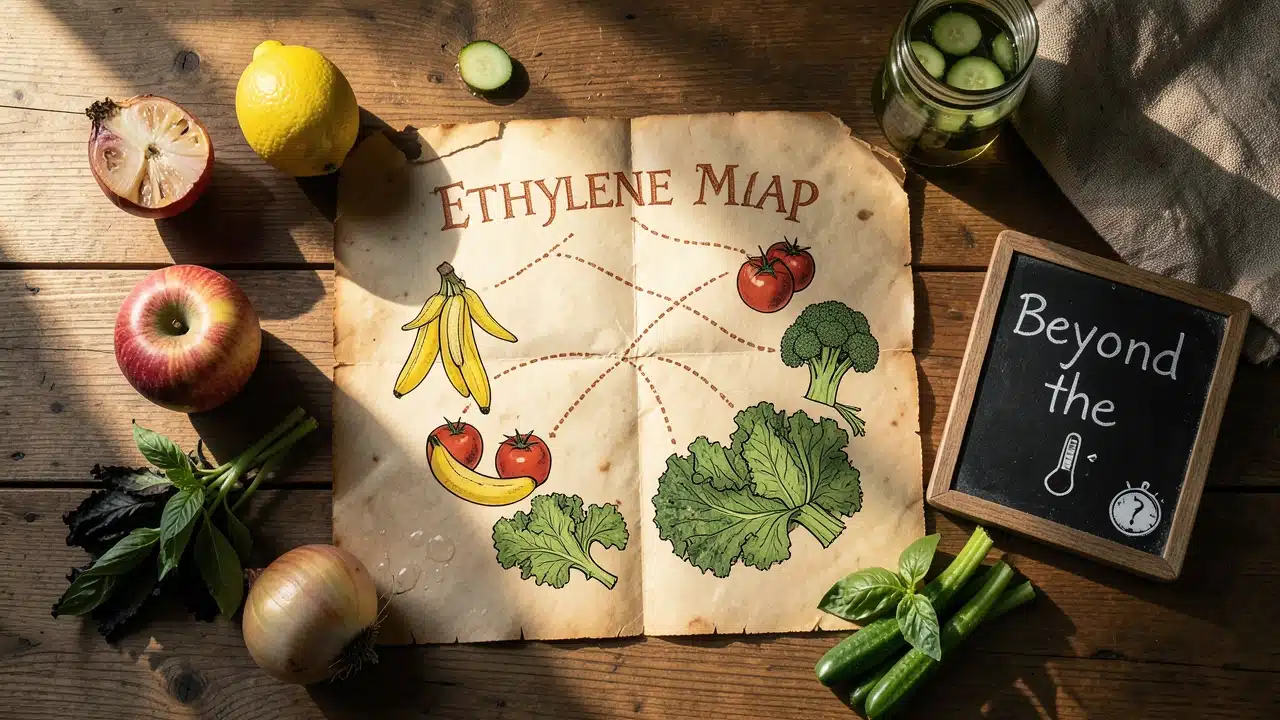
Beyond the Map: Other Factors Affecting Produce Freshness
While ethylene gas is a major factor, it’s not the only one. Many other things can affect how long your produce stays fresh. Understanding these can help you keep your kitchen bounty at its best.
Temperature: This is crucial. Most vegetables and many fruits need to be kept cold. Refrigeration slows down the ripening process and the release of ethylene gas. The fruit ripening process is regulated by ethylene, which is why separating produce matters.
However, some produce, like tomatoes and bananas, are best kept at room temperature until ripe. Storing them in the fridge too early can affect their texture and flavor.
Humidity: As mentioned, humidity is important for different types of produce. Leafy greens need high humidity to stay crisp. Other items, like onions and potatoes, prefer low humidity and good air circulation.
Air Circulation: Good airflow helps prevent moisture buildup. Moisture can lead to mold and rot. For items like potatoes, onions, and garlic, storing them in mesh bags or open containers is best.
This allows air to circulate freely.
Damage: Bruised or damaged produce releases ethylene more quickly. It also becomes a breeding ground for bacteria and mold. Handle your produce gently when shopping and storing it.
Remove any damaged items immediately.
Ripeness at Purchase: Buying produce that is already very ripe means it will spoil faster. If you plan to use items like avocados or tomatoes within a day or two, buying them ripe is fine. If you need them to last longer, buy them slightly underripe.
This gives you more control over the ripening process.
Frequently Asked Questions Of Produce Ethylene Map: Fruits Quietly Killing Your Vegetables
Question: What is ethylene gas and why is it important for produce?
Answer: Ethylene gas is a natural plant hormone that fruits release as they ripen. It’s important because it speeds up the ripening process not only for the fruit releasing it but also for other fruits and vegetables stored nearby. Understanding this helps prevent premature spoilage.
Question: Can I store apples and bananas together?
Answer: It’s generally not recommended. Apples are high ethylene producers, and bananas release a lot of ethylene as they ripen. Storing them together will cause both to ripen and spoil much faster.
Keep them separate to maximize freshness.
Question: Which vegetables are most sensitive to ethylene gas?
Answer: Leafy greens like lettuce and spinach, as well as broccoli, carrots, and herbs, are very sensitive to ethylene gas. They can wilt, turn yellow, or lose their crispness quickly when exposed to it.
Question: How does the Produce Ethylene Map: Fruits Quietly Killing Your Vegetables help me save money?
Answer: By understanding which fruits produce ethylene and which vegetables are sensitive, you can store them separately. This prevents produce from spoiling too quickly, reducing food waste and meaning you buy groceries less often, saving you money.
Question: Should I wash my produce before storing it?
Answer: For most produce, it’s best to wash it right before you plan to eat or cook it. Excess moisture on produce before storage can encourage mold and bacterial growth, leading to faster spoilage.
Question: Are there any products that can absorb ethylene gas?
Answer: Yes, there are products available, like ethylene-absorbing packets or containers, designed to help reduce the amount of ethylene gas in storage areas. These can be helpful additions to your storage strategy.
Final Thoughts
Managing ethylene gas is a simple yet effective way to keep your produce fresh. By following the guidance of the Produce Ethylene Map: Fruits Quietly Killing Your Vegetables, you can easily separate high-ethylene producers from sensitive items. Understanding ethylene gas ripening helps explain why some fruits spoil vegetables faster.
This smart storage prevents premature spoilage, reduces waste, and saves you money on groceries. Following USDA ethylene management guidelines can reduce food waste significantly.