What Is A Scullery Kitchen? The Hidden Prep Room Making A Comeback
Have you ever felt overwhelmed by the clutter in your kitchen, wishing for a secret space to hide the mess while you cook or entertain?
It’s a common feeling for many home cooks. Imagine a place where dirty dishes can disappear, prep work happens out of sight, and your main kitchen stays pristine.
This article explores exactly that: What Is a Scullery Kitchen? The Hidden Prep Room Making a Comeback.
This article explores exactly that: What Is a Scullery Kitchen?
By the end, you’ll see how this traditional concept can boost your home’s functionality and appeal, keeping visitors impressed and your own stress levels low.
Key Takeaways
- A scullery kitchen is a separate, hidden room designed for food preparation and dishwashing.
- These rooms keep the main kitchen tidy and functional for entertaining guests.
- Sculleries offer practical benefits like noise reduction and extra storage.
- Modern sculleries can be adapted to fit various home sizes and styles.
- Adding a scullery can increase a home’s value and appeal.
![What Is A Scullery Kitchen The Hidden Prep Room Making A Comeback[1]](https://kitchentoolslab.com/wp-content/uploads/2026/05/What_Is_A_Scullery_Kitchen__The_Hidden_Prep_Room_Making_A_Comeback1.jpg)
What is a Scullery Kitchen?
A scullery kitchen, at its core, is a dedicated service area tucked away behind the main kitchen. It acts as a workspace for all the less glamorous but essential kitchen tasks.
Think of it as a chef’s secret weapon, a place to chop, clean, and store without impacting the aesthetics of your primary cooking and dining spaces.
Historically, sculleries were common in larger homes, serving as the hub for dishwashing and food preparation. This area was typically equipped with sinks, counters, and storage for cleaning supplies and dishes.
Historically, sculleries were common in larger homes, serving as the hub for dishwashing and food preparation.
Historically, sculleries were common in larger homes, serving as the hub for dishwashing and food preparation.
The primary purpose of a scullery is to maintain the visual appeal and operational flow of the main kitchen.
By moving tasks like washing dishes, peeling vegetables, or storing bulky appliances to a separate room, the main kitchen can remain clean, organized, and ready for guests.
This separation is key to the concept, ensuring that the often messy realities of cooking don’t spill over into the areas where you entertain. It provides a functional buffer, allowing for more efficient use of both spaces.
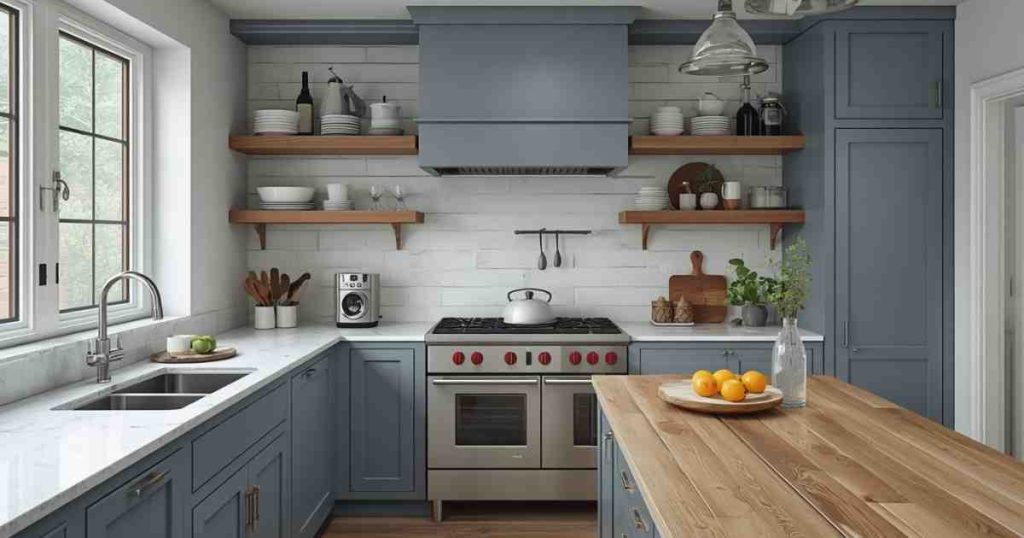
The Historical Roots of the Scullery
The concept of a scullery dates back centuries, evolving from the need for specialized workspaces in homes with domestic staff.
In large estates and manors, the scullery was a vital part of the household’s operational infrastructure. It was where the “scullion,” the lowest-ranking kitchen servant, would perform tasks like scrubbing pots and pans, cleaning vegetables, and managing waste.
These rooms were typically located near the main kitchen but separated by doors to contain noise, smells, and the general busyness of intensive food preparation.
These historical sculleries were not just for cleaning; they also served as preparation areas. This allowed chefs in the main kitchen to focus on the final presentation and cooking of meals.
The scullery was equipped with large sinks, often made of stone or lead, and ample counter space. Storage for cleaning supplies, rough crockery, and less attractive cookware was also a key feature.
The separation was crucial for maintaining an orderly and presentable main kitchen, especially when guests were present.
Historical Functionality: Sculleries in the past were the workhorses of the kitchen, handling all the tasks that were too messy or noisy for the main cooking area. This included washing dishes, preparing raw ingredients, and disposing of waste.
The historical function of a scullery was to support the main kitchen by taking on the heavy-duty and often unpleasant tasks.
This allowed the primary cooking space to be kept as tidy and presentable as possible, especially when entertaining.
The scullion, the servant responsible for this area, was essential for the smooth running of a large household.
Location and Design: Typically located behind the main kitchen, sculleries were designed for utility rather than aesthetics. They often featured durable surfaces like stone or tile and had direct access to water and drainage.
The placement of historical sculleries was strategic. They were usually positioned adjacent to the main kitchen, often with a separate entrance or a door leading into it.
This allowed servants to move quickly between tasks without disturbing the household. The design emphasized practicality, with robust materials that could withstand constant use and cleaning.
Social Context: The existence of a scullery reflected the social hierarchy of the time, with a clear division between the areas used by servants and those occupied by the family and guests.
The social context of the scullery is important to understand its role. In a time when households often employed numerous servants, the scullery represented a division of labor and space.
It was a functional area for the staff, kept separate from the more elegant and public-facing main kitchen where the lord or lady of the house might entertain. This separation was a clear indicator of status and the division of domestic responsibilities.
The Modern Scullery: A Resurgence of Practicality
Today, the scullery is experiencing a revival, adapting to modern living and design trends. While many homes no longer have live-in staff, the need for a functional, clutter-free kitchen remains.
Modern sculleries are less about servant hierarchy and more about maximizing convenience and organization.
They are appearing in new builds and renovations, offering homeowners a practical solution to the demands of contemporary cooking and entertaining.
These new sculleries often blend seamlessly with the main kitchen’s design but offer distinct functionality. They can be small, efficient spaces or larger, more elaborate prep areas.
The key is that they serve as a secondary zone, allowing the main kitchen to be the beautiful, showpiece area it’s intended to be.
This resurgence highlights a growing appreciation for thoughtful design that prioritizes both form and function in the home.
Adaptable Spaces: Modern sculleries can be integrated into existing layouts or designed as part of new construction, fitting various home sizes.
The adaptability of the modern scullery is a significant factor in its comeback. Whether you have a large family home or a compact apartment, there are ways to incorporate a scullery concept.
This can range from a full separate room to a cleverly disguised alcove or even a specialized zone within a larger kitchen island. The focus is on creating a functional extension of the main kitchen space.
Aesthetic Integration: While functional, modern sculleries can also be designed to complement the main kitchen’s style, offering a cohesive look.
While the historical scullery prioritized function over form, the modern interpretation balances both. Designers and homeowners are now considering how the scullery can visually connect with the main kitchen.
This can be achieved through consistent materials, color palettes, or even by subtly mirroring design elements. The goal is to create a space that feels like a natural extension, rather than a stark contrast.
Focus on Efficiency: The modern scullery aims to make daily kitchen tasks more efficient, reducing visible clutter in the main living areas.
The core appeal of the modern scullery lies in its efficiency. It’s about streamlining the cooking process and maintaining order.
By having a designated space for prep work, dishwashing, and storage of less attractive items, the main kitchen can remain serene and presentable. This efficiency directly translates to a more enjoyable experience for both the cook and any guests.
How a Scullery Kitchen Enhances Your Home
The integration of a scullery kitchen offers a surprising number of benefits that go beyond simply hiding clutter. It transforms how you use your kitchen, making it more efficient, organized, and enjoyable.
This dedicated space serves multiple purposes, each contributing to a better overall home environment and a more pleasant cooking and entertaining experience. It’s a practical addition that can have a significant impact on daily life.
This hidden prep room allows the main kitchen to function primarily as a social and aesthetic hub. When you’re hosting, the chaos of cooking can be contained, ensuring your guests only see the best.
Furthermore, the scullery provides essential storage and workspace that can relieve pressure on the main kitchen.
It’s a design choice that prioritizes functionality without sacrificing style, making your home more livable and welcoming.
Streamlining Food Preparation
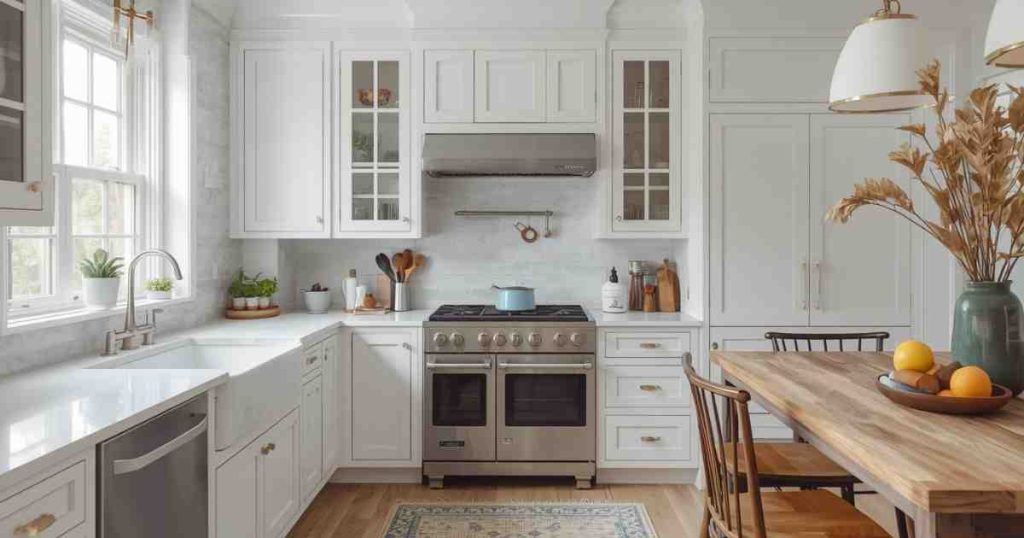
One of the most significant advantages of a scullery kitchen is its role in streamlining food preparation. This separate area is where all the chopping, mixing, and pre-cooking activities can take place.
You can peel vegetables, measure ingredients, and assemble dishes without worrying about making a mess in your main kitchen. This keeps your primary cooking space clean and ready for the final stages of meal creation.
Having a dedicated prep zone means you can spread out and work without feeling cramped. It allows for better organization of ingredients and equipment needed for a specific meal.
This focused workspace can make cooking more enjoyable and less stressful, especially for complex recipes or when preparing for a large gathering. It’s a space designed for efficiency and flow.
Dedicated Prep Zone: A scullery provides a separate area for all messy food preparation tasks, keeping the main kitchen tidy.
Dedicated Prep Zone: A scullery provides a separate area for all messy food preparation tasks, keeping the main kitchen tidy.
The dedicated prep zone is the heart of a scullery’s utility. Imagine having ample counter space solely for chopping, dicing, and assembling ingredients.
This means you can leave ingredients out, use multiple cutting boards, and make a bit of a mess without impacting the polished look of your main kitchen.
It’s a practical way to manage the often chaotic process of cooking.
Efficient Workflow: The layout of a scullery can be optimized for a smooth workflow, from ingredient gathering to pre-cooking stages.
The efficiency of a scullery’s workflow is a key design consideration. By placing sinks, prep counters, and storage strategically, tasks can be completed with minimal movement.
For example, a sink can be near the pantry for washing produce, and prep counters can be adjacent to appliance storage for easy access. This thoughtful arrangement reduces wasted time and effort.
Reduced Clutter in Main Kitchen: Ingredients, utensils, and half-prepared dishes can be kept out of sight in the scullery, maintaining the main kitchen’s appeal.
Keeping the main kitchen clutter-free is a primary benefit. Instead of having mixing bowls, spatulas, and bags of flour cluttering your primary workspace, they can be neatly stored in the scullery.
This visual tidiness makes the main kitchen more inviting for guests and more pleasant for you to use. It allows the main kitchen to be the beautiful focal point it’s meant to be.
Dishwashing and Cleanup Management
Managing dirty dishes is often the least appealing part of cooking. A scullery kitchen offers a discreet solution by providing a dedicated space for this task.
Dirty dishes can be moved directly into the scullery, out of sight from your guests. This allows you to continue enjoying your company while the cleanup happens elsewhere.
The scullery can house a second sink, a dishwasher, or both, making the cleanup process much more manageable. It also provides ample counter space for stacking dishes, drying racks, and storing cleaning supplies.
This separation helps to contain the mess and noise associated with dishwashing, contributing to a more peaceful environment in the rest of your home.
Discreet Dishwashing: Dirty dishes can be moved to the scullery, keeping them out of sight and out of mind in the main kitchen.
The discreet management of dirty dishes is a major draw for incorporating a scullery. Instead of a pile of plates and pots marring the view of your main kitchen, they can be temporarily stored in the scullery.
This allows you to focus on entertaining or relaxing without the visual distraction of unwashed dishes.
Integrated Appliances: Sculleries often accommodate a second sink or dishwasher, enhancing cleanup efficiency.
The integration of additional appliances like a second sink or a dishwasher in the scullery significantly boosts cleanup efficiency.
This means you can continue cooking in the main kitchen while dishes are being washed in the scullery, or you can simply transfer all the dirty dishes to the scullery sink for later attention. This dual-purpose capability saves time and effort.
Storage for Cleaning Supplies: The scullery can be equipped with dedicated storage for all your dishwashing and cleaning essentials.
Having a dedicated space for cleaning supplies is another practical advantage. All your dish soap, sponges, brushes, and cleaning sprays can be neatly organized and stored within the scullery.
This keeps these items readily accessible when needed but out of sight from the main kitchen, maintaining a clean and tidy appearance.
Enhanced Storage Solutions
Beyond food prep and dishwashing, a scullery kitchen provides invaluable extra storage. Many modern kitchens struggle with limited cabinet and counter space.
A scullery can alleviate this pressure by offering additional room for appliances, cookware, pantry items, and cleaning supplies. This allows your main kitchen to remain uncluttered and beautifully organized.
Think of the appliances you rarely use but want to keep accessible, like a stand mixer, slow cooker, or food processor. These can be stored in the scullery. It’s also an ideal place for bulk pantry purchases, freeing up space in your main kitchen cabinets.
This increased storage capacity contributes to a more functional and less cramped kitchen environment overall.
Appliance Storage: Bulky or infrequently used appliances can be stored in the scullery, freeing up counter space in the main kitchen.
Storing appliances like blenders, food processors, or even a spare refrigerator in the scullery is a fantastic way to reclaim valuable counter and cabinet space in your main kitchen.
This keeps your primary cooking area looking sleek and organized, ensuring that only the essentials are on display.
Pantry Extension: The scullery can act as an extension of your pantry, offering ample space for storing dry goods and other provisions.
For those who love to buy in bulk or simply need more space for their groceries, the scullery functions as an excellent pantry extension.
You can store canned goods, dry pasta, grains, and snacks efficiently, keeping your main kitchen cupboards less crowded and easier to manage.
Organization of Cleaning Supplies: All necessary cleaning products and tools can be neatly organized and stored away in the scullery.
Keeping cleaning supplies neatly organized in the scullery means they are always at hand when needed but hidden from view. This includes everything from dish soap and sponges to mops and brooms. A well-organized scullery makes cleanup tasks much more straightforward.
Designing Your Scullery Kitchen
Creating a functional scullery kitchen involves thoughtful planning and design. The goal is to create a space that is both practical and efficient, catering to your specific needs and the layout of your home.
Whether you are undertaking a full renovation or looking to create a smaller prep area, several key considerations will help you achieve the best results.
It’s important to think about the primary functions you want your scullery to serve. Will it be mainly for prep, or will it also house a sink and dishwasher?
The size and layout of your existing kitchen will also play a significant role. With careful planning, you can design a scullery that seamlessly integrates with your home and enhances your cooking experience.
Size and Layout Considerations
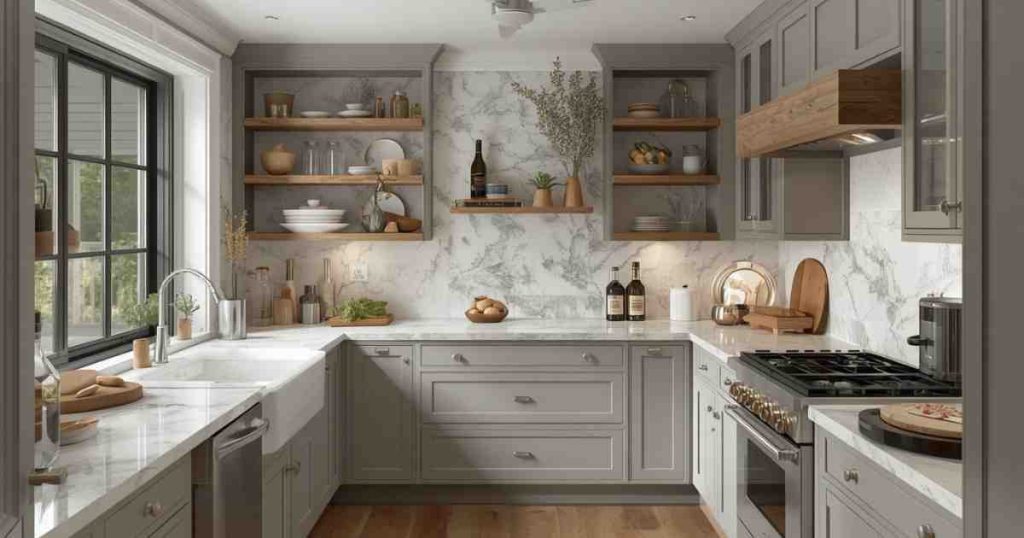
The size and layout of your scullery kitchen will depend heavily on your available space and intended use. Even a small nook can be transformed into a functional prep area.
For larger homes, a more expansive scullery might include a full sink, dishwasher, and ample counter space, mirroring some of the features of a main kitchen.
The placement of the scullery is also crucial. Ideally, it should be located adjacent to the main kitchen, with easy access.
Think about the flow of movement between the two spaces, ensuring that tasks can transition smoothly. Consider the placement of doors, windows, and existing plumbing when planning the layout.
Space Optimization: Even small spaces can be designed to maximize utility for preparation and cleanup.
Optimizing your available space is paramount. If you have limited square footage, focus on multi-functional elements. A slim-profile sink, a compact dishwasher, and pull-out cutting boards can make a small scullery incredibly efficient. Vertical storage solutions, like wall-mounted shelves, can also help make the most of limited vertical space.
Flow and Accessibility: Ensure easy access from the main kitchen to the scullery for seamless workflow.
The flow between your main kitchen and scullery should feel natural and unhindered. If the scullery is too far away or requires awkward movements, its efficiency is diminished.
Consider where the doors are positioned and ensure there is enough room to move around comfortably with trays or dirty dishes.
Plumbing and Electrical: Plan for necessary plumbing for sinks and dishwashers and electrical outlets for appliances.
Adequate plumbing and electrical services are fundamental to a functional scullery. You’ll need water supply and drainage for any sinks or dishwashers.
Sufficient electrical outlets are also necessary for any appliances you plan to use, from stand mixers to microwaves. Consulting with a plumber and electrician early in the design process is highly recommended.
Essential Fixtures and Appliances
When designing your scullery, selecting the right fixtures and appliances is key to its functionality. The most common additions include a sink, a dishwasher, and adequate counter space.
These elements form the backbone of the scullery’s purpose, allowing for effective food preparation and cleanup.
Consider the type and size of the sink you need. A deep, single-basin sink is excellent for washing large pots and pans, while a smaller sink might suffice if its primary role is rinsing. A dishwasher, even a compact one, can significantly reduce the time spent on cleanup. Plenty of counter space is also vital for spreading out ingredients and performing prep tasks comfortably.
Sink Selection: A deep basin sink is ideal for washing larger items, while a smaller one may suffice for rinsing.
The choice of sink is a critical decision. A large, deep basin sink is highly practical for washing pots, pans, and baking sheets that might not fit easily into a standard dishwasher.
If your scullery’s main role is light prep and rinsing, a smaller, more compact sink could be more space-efficient.
Dishwasher Options: Consider a compact or fully integrated dishwasher to handle cleanup efficiently.
Adding a dishwasher to your scullery is a major convenience.
There are various options available, from slimline models that take up less space to fully integrated units that blend seamlessly with cabinetry. Even a small dishwasher can handle the bulk of your daily dishwashing needs, freeing up your time.
Countertop Materials: Durable and easy-to-clean countertop materials are best suited for scullery use.
For scullery countertops, durability and ease of cleaning are paramount. Materials like quartz, granite, or stainless steel are excellent choices.
They can withstand heavy use, resist stains, and are simple to wipe down after each use, ensuring hygiene and longevity.
Storage and Organization Strategies
Effective storage and organization are crucial for any scullery kitchen. The goal is to keep everything tidy and easily accessible.
This involves utilizing vertical space, implementing smart drawer and cabinet solutions, and having designated spots for different items.
Good organization ensures that the scullery remains a functional asset rather than another source of clutter.
Think about how you will store appliances, pantry staples, cleaning supplies, and cookware. Open shelving can be useful for frequently used items, while closed cabinets keep less attractive items hidden.
Drawer organizers and pull-out shelves can maximize the efficiency of your storage space. A well-organized scullery makes cooking and cleanup a much more pleasant experience.
Open Shelving: Ideal for displaying attractive dishware or keeping frequently used items within easy reach.
Open shelving can add a touch of style and practicality to your scullery. It’s perfect for showcasing pretty ceramic bowls or ensuring that everyday items like your favorite mugs or cooking oils are always within easy reach. This also makes it easier to see what you have, reducing the chances of buying duplicates.
Closed Cabinetry: Keeps less attractive items, such as cleaning supplies or bulk pantry goods, neatly hidden away.
Closed cabinetry is essential for maintaining a clean and uncluttered look. It’s the perfect place to store bulkier pantry items, cleaning products, or appliances that you don’t want on display. This ensures that your scullery remains a tidy and organized space.
Drawer and Pull-Out Solutions: Maximize the usability of cabinets and drawers for efficient storage.
Innovative drawer and pull-out solutions can transform how you use your cabinet space.
Pull-out shelves make it easy to access items at the back of deep cabinets, and specialized drawer inserts can keep utensils, spices, or cleaning tools neatly organized. These features enhance accessibility and efficiency.
Benefits of a Scullery Kitchen
The advantages of incorporating a scullery kitchen into your home are numerous, extending beyond mere aesthetics.
It’s a practical design choice that enhances the functionality of your kitchen, simplifies your daily routines, and can even contribute to a more peaceful home environment. This dedicated service space addresses many common challenges faced by modern homeowners.
By providing a separate area for prep and cleanup, a scullery allows your main kitchen to serve its primary purpose more effectively – as a place for cooking, dining, and socializing.
This separation of functions leads to a more organized, less stressful, and more enjoyable home experience for everyone.
Maintaining a Pristine Main Kitchen
Perhaps the most immediate and noticeable benefit of a scullery is its ability to keep your main kitchen looking pristine.
This is especially valuable when entertaining. All the preparation, cooking byproducts, and dishwashing can be conducted behind closed doors, ensuring that your guests see only the polished, inviting heart of your home.
This means you don’t have to constantly tidy up or hide dirty dishes when someone arrives unexpectedly. The scullery acts as a buffer zone, allowing you to host with confidence and ease. It preserves the visual appeal of your main living spaces and reduces the pressure to maintain an immaculate kitchen at all times.
Guest-Ready Appearance: Your main kitchen can remain spotless and welcoming, even when you are in the middle of cooking or cleaning.
Having a scullery means your main kitchen can always be guest-ready. You won’t have to rush to clear away clutter or hide piles of dishes when friends drop by. This allows you to relax and entertain without the constant worry of your kitchen’s appearance, making hosting much more enjoyable.
Reduced Stress During Entertaining: The ability to contain prep and cleanup activities significantly lowers stress levels when hosting.
Entertaining can be stressful enough without the added burden of managing a messy kitchen. A scullery takes much of that stress away by providing a designated space for all the less glamorous tasks. This allows you to focus on your guests and enjoy the occasion.
Improved Home Aesthetics: A clean and organized main kitchen contributes to a more elegant and serene overall home environment.
The aesthetic impact of a pristine main kitchen cannot be overstated. It contributes to a sense of calm and order throughout your home. When your primary living spaces look good, the entire home feels more welcoming and sophisticated.
Noise and Odor Reduction
Kitchen activities, especially dishwashing and using certain appliances, can be noisy and create odors.
A scullery kitchen, being a separate room, effectively contains these disruptions. The sounds of running water, dishwashers, or food processors are muffled, allowing for quieter conversations in the main kitchen or adjacent living areas.
Similarly, any cooking odors or smells from food waste can be confined to the scullery. This is particularly beneficial if you are cooking pungent ingredients or if your home has an open-plan layout where kitchen smells can permeate other rooms. The scullery acts as a barrier, ensuring a fresher atmosphere in your main living spaces.
Quieter Environment: The sounds of dishwashers, running water, and food prep are significantly reduced in the main kitchen.
The reduction in noise is a subtle yet significant benefit of a scullery. The hum of a dishwasher or the clatter of dishes is confined to the scullery, allowing for more peaceful conversations in the main kitchen or living areas. This creates a more relaxing atmosphere throughout the home.
Odor Containment: Smells from cooking or waste are kept within the scullery, preventing them from spreading.
Food odors can be a nuisance, especially in open-plan homes. A scullery effectively contains these smells, ensuring that your main living areas remain fresh and inviting. This is particularly useful when preparing dishes with strong aromas or when dealing with food waste.
Improved Air Quality: By containing odors and potentially housing ventilation, the scullery can contribute to better air quality.
Beyond just containing smells, a well-designed scullery might also incorporate enhanced ventilation.
This can further improve air quality by extracting steam and odors more effectively. The result is a fresher and healthier environment in your home.
Increased Functionality and Efficiency
Ultimately, a scullery kitchen significantly increases the overall functionality and efficiency of your home.
It provides more workspace, better organization, and a streamlined approach to cooking and cleaning. This translates into more time saved and less stress experienced in the kitchen.
With a scullery, your main kitchen can be designed purely for its social and aesthetic qualities, while the scullery handles the practical demands of food preparation and cleanup. This division of labor makes both spaces more effective, leading to a more enjoyable and efficient home environment. It’s a smart investment in your home’s usability.
Enhanced Workspace: More counter space and designated areas mean you can work more comfortably and efficiently.
The addition of dedicated prep space is a game-changer for efficiency. You can spread out ingredients, use multiple cutting boards, and have your tools at hand without feeling cramped or disorganized. This makes the cooking process smoother and more enjoyable.
Streamlined Routines: Daily tasks like meal prep and cleanup become more organized and less time-consuming.
Kitchen routines are significantly streamlined with a scullery. Meal preparation becomes more organized, and cleanup is less of a chore when it can be contained in a separate area. This efficiency frees up your time for other activities.
Improved Property Value: Homes with well-designed, functional kitchens, including sculleries, often have higher market appeal.
In the real estate market, a well-designed and functional kitchen is a major selling point. A scullery kitchen, with its added practicality and clever design, can significantly enhance a property’s appeal and potentially increase its market value. It signals thoughtful home design and enhanced lifestyle.
Scullery vs. Butler’s Pantry: Understanding the Difference
While the terms “scullery” and “butler’s pantry” are often used interchangeably, they traditionally had distinct roles.
Understanding these differences can help clarify their modern applications and how they might fit into your home design. Both serve as secondary kitchen spaces, but their historical emphasis and typical features vary.
Historically, a butler’s pantry was more focused on serving and storage of fine china, glassware, and silverware. It was where the butler would prepare drinks and set the table. A scullery, on the other hand, was primarily the cleaning and heavy-duty prep area. Modern interpretations often blend these functions.
Scullery: Focus on Cleaning and Prep: Traditionally, the scullery was the workspace for washing dishes, peeling vegetables, and other rough preparation tasks.
The historical scullery was the utilitarian heart of the kitchen, dedicated to the less glamorous but essential tasks of cleaning and preparation. It was where pots were scrubbed, vegetables were peeled, and waste was managed. Its design prioritized durability and ease of cleaning over aesthetics.
Butler’s Pantry: Focus on Serving and Storage: A butler’s pantry was typically used for storing and serving fine tableware, linens, and beverages.
The butler’s pantry, conversely, was a more refined space. It served as a staging area for the butler to prepare and serve drinks and to store and polish fine china, crystal, and silverware. It was often located between the kitchen and the dining room.
Modern Blending of Roles: Today, many secondary kitchen spaces combine the functions of both historical sculleries and butler’s pantries.
In contemporary home design, the lines between scullery and butler’s pantry have blurred considerably. Many modern “prep kitchens” or “secondary kitchens” incorporate elements of both.
They offer space for dishwashing and food prep alongside storage for serveware and linens, creating a versatile utility area.
Sample Scenarios: Putting a Scullery to Work
To truly grasp the advantages of a scullery kitchen, let’s look at a few practical scenarios. These examples illustrate how this dedicated space can simplify everyday life and elevate entertaining.
They highlight the flexibility and utility that a scullery brings to a home, making cooking and hosting more manageable and enjoyable.
Imagine the difference a scullery can make during a busy holiday meal or a casual weeknight dinner. It’s a space designed to handle the demands of modern living, offering a practical solution to common kitchen challenges.
Scenario 1: Holiday Dinner Preparation
During the holiday season, a scullery kitchen is an absolute lifesaver. Imagine hosting a large family gathering.
While the main kitchen is bustling with the final touches on the roast and elegant dessert presentation, the scullery is busy with pre-chopped vegetables for multiple side dishes, a second dishwasher running full of serving platters, and extra cooler storage for drinks.
Dirty dishes from the appetizer course are whisked away to the scullery sink, keeping the main kitchen immaculate for your guests.
Scenario 2: Everyday Meal Cleanup
For a busy family, the scullery transforms everyday cleanup. After dinner, the main kitchen can be cleared of food and set for relaxation. All dirty dishes, pots, and pans are immediately moved to the scullery.
The dishwasher can be loaded and run without interrupting conversations in the main living area, and any remaining prep can be stored neatly in the scullery’s fridge or on its counters until morning. This keeps the primary kitchen space tidy and ready for breakfast.
Scenario 3: Hosting a Cocktail Party
When hosting a cocktail party, the scullery becomes a dedicated bar and prep station. Ice buckets, cocktail shakers, mixers, and garnishes are all prepped and ready to go.
Dirty glasses and empty bottles are immediately transferred to the scullery, preventing clutter on the main kitchen counters. This allows you to circulate and mingle with guests without constantly having to manage kitchen mess.
Statistics on Kitchen Functionality and Home Value
The importance of functional kitchen design is well-documented, and it directly impacts how homeowners perceive their living spaces.
Investments in kitchen improvements, including those that enhance practicality, often yield significant returns. Data consistently shows that efficient and well-equipped kitchens are highly desirable to potential buyers.
For instance, a report by Houzz found that a significant percentage of homeowners undertake kitchen renovations to improve functionality and storage.
This desire for practicality is a key driver in the current appeal of concepts like the scullery kitchen. Such features not only improve daily living but also contribute to a home’s overall appeal and resale value.
| Feature | % of Homeowners Ranking as Very Important |
| : | : |
| Ample Counter Space | 85% |
| Efficient Layout | 80% |
| Good Storage | 78% |
| Modern Appliances | 70% |
| Easy Cleanup | 65% |
A survey by the National Association of Realtors (NAR) indicated that kitchens are among the top renovation projects that add the most value to a home.
While specific data on sculleries is less common, the principles they embody – increased functionality, storage, and ease of use – are precisely what buyers are looking for.
Homes with intelligently designed kitchens that cater to the demands of modern life are often more competitive in the market.
Statistics Supporting Scullery Benefits
According to a 2023 National Association of Home Builders (NAHB) survey, nearly 70% of recent homebuyers ranked an “efficient kitchen layout” as highly desirable. This directly aligns with the organizational benefits a scullery provides.
Data from homebuyer surveys shows that an efficient kitchen layout is highly desirable.
Recent data from the NAHB underscores the demand for efficient kitchen layouts. Homebuyers are actively seeking kitchens that are not just visually appealing but also highly functional.
The organizational and workflow improvements offered by a scullery directly address this desire, making it a valuable feature for any home.
Remodeling Magazine’s “Cost vs. Value Report” consistently shows that kitchen renovations offer some of the highest returns on investment for homeowners.
While a scullery is a specific type of renovation, it contributes to the overall appeal and functionality that drives these returns.
The consistent reporting on kitchen renovations providing strong ROI highlights the value homeowners place on their cooking spaces.
A scullery, by enhancing the practical aspects of a kitchen, contributes to this overall value proposition. It’s an investment in a more functional and desirable living environment.
Frequently Asked Questions Of What Is A Scullery Kitchen? The Hidden Prep Room Making A Comeback
Is a scullery kitchen only for large homes?
No, while historically found in larger homes, the concept of a scullery can be adapted to fit various home sizes. Even a small dedicated alcove or a cleverly designed section of a larger kitchen can serve as a functional prep and cleanup zone.
Do I need a separate sink in my scullery?
While not strictly necessary, a separate sink is highly recommended as it greatly enhances the scullery’s functionality for food preparation and dishwashing, keeping these tasks contained.
What is the main difference between a scullery and a pantry?
A scullery is primarily a workspace for food preparation and dishwashing, while a pantry is mainly for storing food items. Modern secondary kitchens often blend the functions of both.
Can a scullery help with noise reduction?
Yes, by containing the sounds of dishwashers, running water, and food processing, a scullery can significantly reduce noise levels in the main kitchen and living areas.
Will adding a scullery increase my home’s value?
A well-designed and functional scullery can increase a home’s appeal and market value by adding practicality and enhancing the overall kitchen experience.
Wrap Up
The scullery kitchen is a practical design element making a strong comeback. It’s a hidden prep room that enhances your main kitchen’s functionality and aesthetic appeal.
This separate space allows for efficient food preparation and discreet dishwashing. Adding a scullery can reduce clutter, contain noise, and improve your home’s overall organization. Embrace this clever concept for a more enjoyable cooking and entertaining experience. The scullery kitchen concept offers a dedicated space for messy tasks, enhancing main kitchen organization.

![Japandi Kitchen Design How To Blend Japanese And Scandinavian Styles[1]](https://kitchentoolslab.com/wp-content/uploads/2026/05/Japandi_Kitchen_Design__How_To_Blend_Japanese_And_Scandinavian_Styles1-768x403.jpg)