
How To Choose The Right Color Palette For A Modern Kitchen In 2026
Imagine walking into your kitchen and feeling a sense of calm and happiness every single day. For many, the kitchen is the heart of the home, a place for cooking, gathering, and making memories.
But have you ever thought about how the colors in your kitchen affect your mood and how you feel when you’re there?
Choosing the right colors can transform a plain space into a vibrant, inviting sanctuary. This guide will help you discover How to Choose the Right Color Palette for a Modern Kitchen in 2026, ensuring your kitchen is not just functional but also a true reflection of your style, helping you spend more time enjoying your refreshed space and less time wondering if you made the right choices.
Key Takeaways
- Understand the emotional impact of different colors in a kitchen setting.
- Learn how to balance bold and neutral colors for a modern look.
- Discover popular color trends for modern kitchens in 2026.
- Explore how lighting affects color perception and selection.
- Gain insights into selecting complementary colors for cabinets, countertops, and backsplashes.
- Find practical tips for testing color palettes before making a final decision.
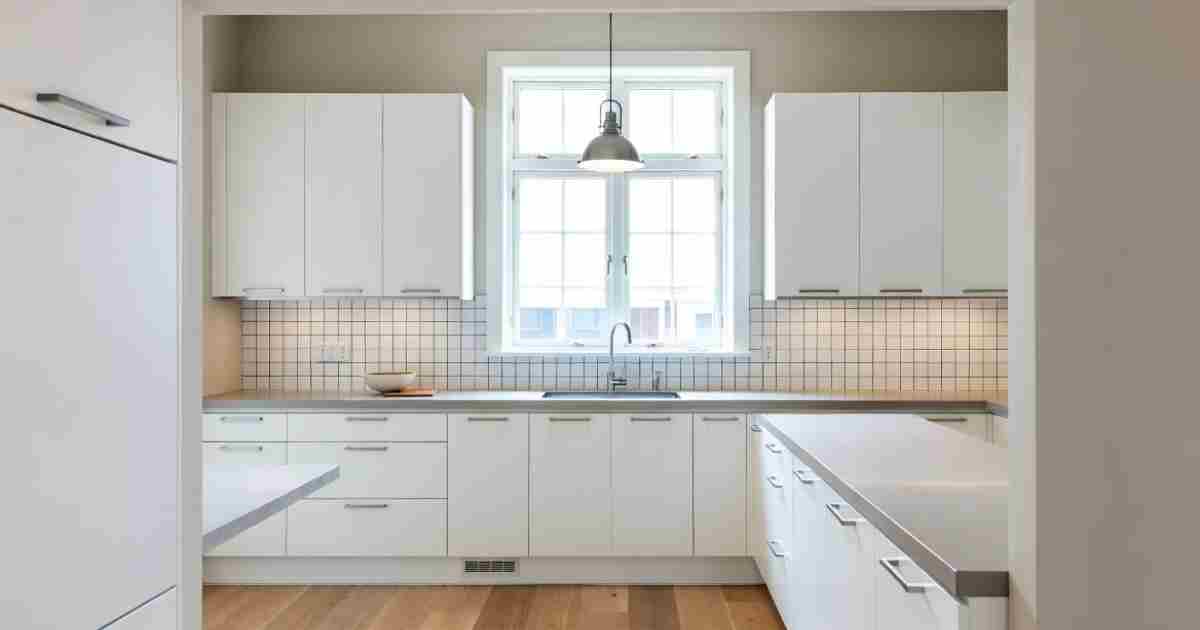
The Psychology of Kitchen Colors
Colors have a powerful influence on our emotions and perceptions. In the kitchen, the colors you choose can make the space feel larger, cozier, more energetic, or more relaxing.
Understanding these psychological effects is the first step in How to Choose the Right Color Palette for a Modern Kitchen in 2026.
For instance, warm colors like reds and yellows can stimulate appetite and conversation, making them great for social kitchens.
However, too much of these can also feel overwhelming. Cool colors such as blues and greens often create a sense of calm and spaciousness, which can be ideal for smaller kitchens or for those who prefer a more serene atmosphere.
Neutrals like grays, whites, and beiges offer a timeless and versatile foundation that can be easily updated with accent colors.
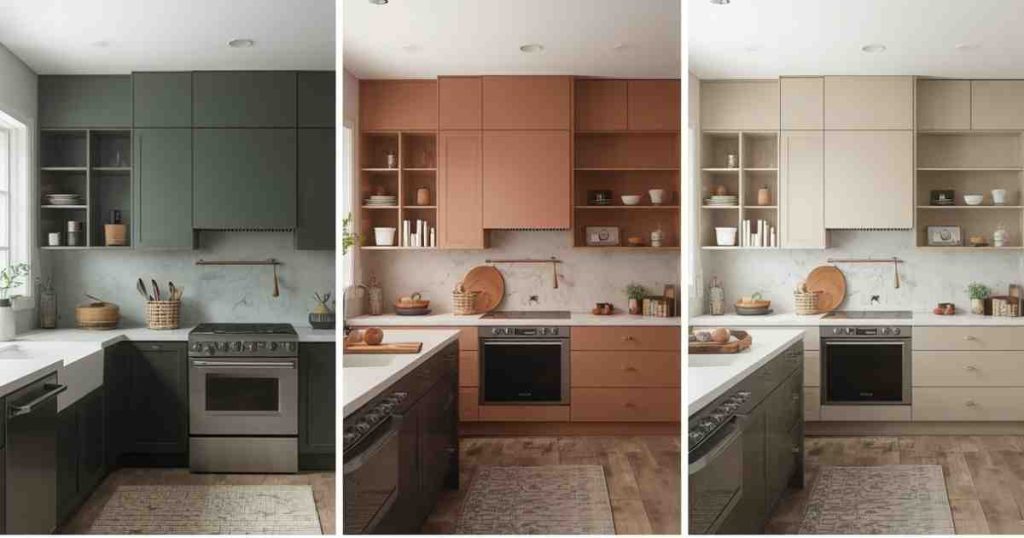
Warm Colors and Their Impact
Warm colors, including reds, oranges, and yellows, are known for their ability to create a feeling of warmth and energy.
Red can stimulate appetite and is often associated with passion and excitement. Yellow is cheerful and can make a kitchen feel brighter and more welcoming, much like a sunny day.
Orange blends the energy of red with the happiness of yellow, creating a sense of enthusiasm. When used in a kitchen, these colors can make the space feel more inviting and can encourage social interaction.
However, it’s important to use them thoughtfully, perhaps as accent colors, to avoid overwhelming the space.
A deep red backsplash or a few yellow accessories can add a pop of vibrancy without being too intense.
Cool Colors for Serenity
Cool colors like blues, greens, and purples tend to evoke feelings of calmness and tranquility. Blue can create a serene and peaceful environment, often associated with stability and trust.
Green, inspired by nature, brings a sense of freshness and balance, making it a popular choice for creating a relaxing atmosphere.
Purple can add a touch of sophistication and creativity. In a kitchen, cool colors can make a space feel more expansive and less cluttered, which is especially beneficial for smaller kitchens.
A light blue cabinet or a sage green accent wall can provide a soothing backdrop for everyday activities.
These colors can help to counteract the heat and intensity often associated with cooking.
Neutral Bases for Versatility
Neutral colors are the backbone of many modern interior designs due to their adaptability. Whites, grays, beiges, and blacks offer a clean and sophisticated foundation that pairs well with almost any other color.
White kitchens are a classic choice, offering a sense of cleanliness and brightness that can make a space feel larger.
Grays range from light, airy tones to deep, dramatic charcoal, providing a modern and chic look. Beiges and creams offer a softer, warmer alternative to white, creating a cozy and inviting atmosphere.
Black can add a touch of drama and elegance, especially when used for accents or in combination with lighter colors.
The beauty of neutrals lies in their ability to be easily updated with seasonal decor or through changes in furniture and accessories.
Exploring Modern Kitchen Color Trends for 2026
As we look towards 2026, modern kitchen design continues to embrace a blend of timeless elegance and contemporary flair.
When considering How to Choose the Right Color Palette for a Modern Kitchen in 2026, staying aware of current trends can provide valuable inspiration.
We are seeing a shift towards more organic and nature-inspired palettes, as well as a continued appreciation for bold statements.
These trends aim to create kitchens that are not only aesthetically pleasing but also comfortable and personal.
The goal is to move away from sterile, impersonal spaces and towards kitchens that feel lived-in, warm, and inviting, reflecting the homeowner’s unique style and preferences.
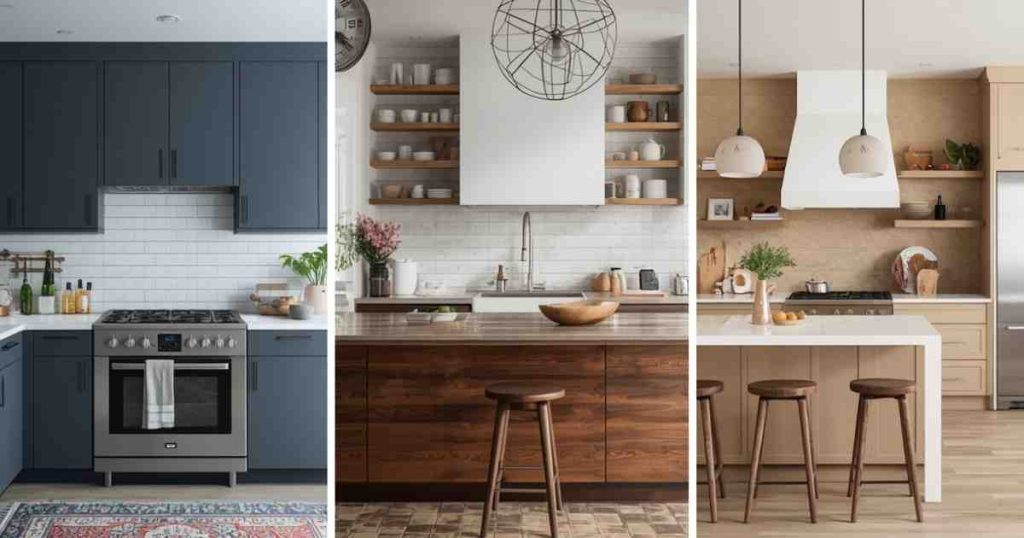
Earthy Tones and Nature-Inspired Palettes
Nature-inspired color palettes are gaining significant traction. Think soft greens reminiscent of moss and sage, warm terracotta browns, and muted earthy beiges. These tones bring a sense of groundedness and tranquility into the kitchen.
They create a calming environment that is perfect for unwinding after a long day. These colors also pair beautifully with natural materials like wood, stone, and plants, further enhancing the connection to nature.
A kitchen featuring muted green cabinets paired with a natural wood countertop can feel both sophisticated and incredibly welcoming.
These palettes are not just about color; they are about creating a feeling of organic harmony within the home.
Bold and Dramatic Statements
While earthy tones offer calm, 2026 also signals a return to bolder, more expressive color choices. Deep blues, rich emerald greens, and even sophisticated shades of burgundy or charcoal are making a comeback.
These colors can be used for cabinetry, accent walls, or even entire kitchen islands to create a focal point.
A deep navy blue island against white or gray cabinetry can create a stunning contrast that defines the space. Similarly, an emerald green backsplash can add a touch of luxury and depth.
The key is to balance these bold colors with lighter neutrals to prevent the space from feeling too heavy or overwhelming.
This approach allows for a personalized and impactful design.
Monochromatic and Tonal Schemes
Monochromatic and tonal color schemes are another strong trend for modern kitchens. This involves using different shades and tints of a single color to create a cohesive and sophisticated look.
For example, a kitchen could feature light gray cabinets, medium gray countertops, and dark gray accents.
This creates visual interest without introducing clashing colors. Tonal schemes offer a more nuanced approach, using colors that are close to each other on the color wheel. This can create a harmonious and luxurious feel.
For instance, a palette of creams, beiges, and soft browns can evoke a sense of warmth and elegance. These schemes are excellent for creating a seamless and refined aesthetic.
Key Elements of a Modern Kitchen Color Palette
When you are How to Choose the Right Color Palette for a Modern Kitchen in 2026, consider the main elements that make up your kitchen’s visual landscape.
These include your cabinets, countertops, backsplash, walls, and even hardware. Each of these components offers an opportunity to incorporate color, and how you combine them will define the overall aesthetic.
A modern kitchen often balances sleek lines with inviting colors. The key is to create a cohesive look where colors complement each other, rather than compete. This means thinking about how each element contributes to the larger picture and ensuring a harmonious flow throughout the space.
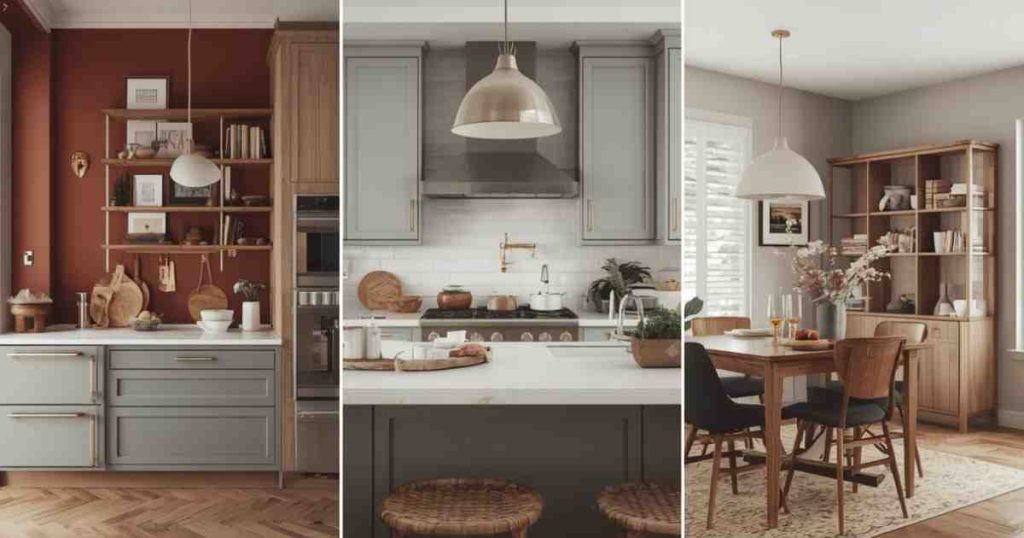
Cabinet Colors: The Foundation
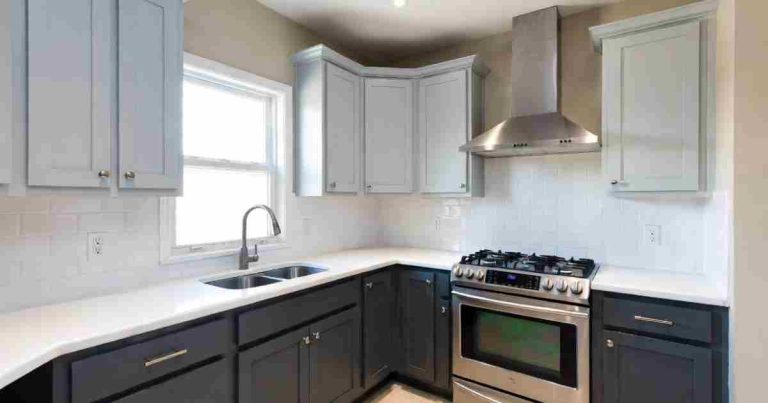
Cabinetry typically covers the largest surface area in a kitchen, making its color a significant decision. For a modern look in 2026, you have several stylish options. White and light gray cabinets remain popular for their ability to make spaces feel bright and airy.
They provide a clean, minimalist canvas that works with almost any countertop and backsplash choice.
Darker tones, such as deep navy, forest green, or charcoal gray, are also trending and can add a dramatic, sophisticated feel, especially in larger kitchens or when paired with contrasting lighter elements. Consider the overall style you are aiming for.
A sleek, handle-less cabinet in a matte finish can enhance the modern appeal.
Example: Modern Cabinet Color Choices
Here are some popular cabinet color choices for modern kitchens:
- Classic White: Always a safe and bright choice. It reflects light well and makes the kitchen feel larger.
- Light Gray: A versatile neutral that offers a softer alternative to white, providing a contemporary edge.
- Deep Navy Blue: Adds a touch of elegance and drama, especially when paired with brass or black hardware.
- Forest Green: A rich, earthy tone that brings a sense of nature and sophistication to the space.
- Matte Black: For a bold, statement-making kitchen, matte black cabinets exude modern luxury.
Countertops: The Work Surface
Countertops are a focal point and a crucial functional element. Their color and material play a big role in the kitchen’s overall design.
For modern kitchens in 2026, durable and aesthetically pleasing materials like quartz, granite, and porcelain are top choices.
White or light-colored quartz with subtle veining offers a clean, minimalist look. Marble-look quartz provides the elegance of marble with better durability. For a more natural feel, consider granite with muted patterns or porcelain slabs that mimic natural stone.
Darker countertops, like black granite or soapstone, can offer a dramatic contrast against lighter cabinets. The finish – whether polished, honed, or leathered – also impacts the look.
Countertop and Cabinet Combinations
Pairing cabinets and countertops effectively is key. Here are some ideas:
- White Cabinets with White Quartz Countertops: Creates a seamless, bright, and airy feel. Add a contrasting backsplash for interest.
- Gray Cabinets with Light Wood or Concrete-Look Countertops: A warm, modern combination that feels grounded and sophisticated.
- Navy Cabinets with White or Light Gray Countertops: A classic, high-contrast pairing that makes the kitchen feel both bold and inviting.
- Wood-Look Cabinets with Black Countertops: Offers a rich, natural aesthetic with a striking modern edge.
Backsplash: The Decorative Accent
The backsplash is your chance to add personality and visual interest. It’s an area where you can be a bit more adventurous with color and texture.
For a modern kitchen, consider subway tiles in unexpected colors, geometric patterns, or even a bold slab of natural stone or a coordinating quartz that matches your countertops.
Metallic tiles can add a touch of glamour, while natural stone tiles bring organic texture. The backsplash should complement, not clash with, your cabinets and countertops.
If your cabinets and countertops are neutral, a vibrant backsplash can be a wonderful way to introduce color.
Conversely, if you have bold cabinetry, a more understated backsplash might be best.
Wall Colors and Finishes
Wall colors set the backdrop for your entire kitchen. While cabinets and countertops are major players, the walls tie everything together.
In modern kitchens, walls are often kept in neutral tones like soft whites, light grays, or warm beiges to allow the cabinetry and other features to stand out.
However, an accent wall in a bolder color or a unique finish can add depth and character. Consider a matte finish for a sophisticated look or a subtle sheen that reflects light.
The paint finish also affects durability and cleanability, which are important factors in a kitchen environment.
A washable matte finish is often a good compromise for style and practicality.
Practical Tips for Choosing Your Palette
Deciding on a color palette can feel overwhelming, but a systematic approach makes it easier. When learning How to Choose the Right Color Palette for a Modern Kitchen in 2026, remember to consider the practical aspects of your space and your lifestyle. It’s not just about aesthetics; it’s about creating a functional and enjoyable environment for years to come.
Taking the time to test and visualize your choices will prevent costly mistakes and ensure you end up with a kitchen you truly love.
Think about how you use your kitchen and what kind of atmosphere you want to create. Your kitchen should feel like a reflection of you.
Consider Your Kitchen’s Lighting
Lighting plays a crucial role in how colors appear. Natural light can make colors look brighter and truer, while artificial light can cast a different hue. A color that looks perfect in daylight might appear different under warm or cool artificial lights.
It is essential to observe your chosen colors at different times of the day and under various lighting conditions.
If your kitchen has limited natural light, lighter and brighter colors will help to make the space feel more open and welcoming. Conversely, a kitchen with abundant natural light can handle darker, richer colors without feeling cramped.
The Impact of Light on Color
Here’s a quick look at how light affects color perception:
- Natural Light: Generally reveals colors most accurately.
- Warm Artificial Light (Incandescent/Halogen): Can make colors appear warmer and slightly more yellow or orange.
- Cool Artificial Light (Fluorescent/LED): Can make colors appear bluer or whiter, sometimes washing out warmer tones.
- Full Spectrum LEDs: Designed to mimic natural daylight and show colors most faithfully.
Test Swatches and Samples
Never commit to a color without testing it. Paint large swatches of your chosen colors on different walls in your kitchen.
This allows you to see how the colors look in different lighting conditions and next to your existing or chosen materials like cabinets and countertops.
You can also get samples of cabinet finishes, countertop materials, and backsplash tiles to see how they all work together in your home’s specific light. Consider placing these samples next to each other and observing them throughout the day. This visual confirmation is invaluable for making the right decision.
Sample Scenario: Testing a Blue Palette
Imagine you are considering a blue color palette for your modern kitchen:
- Step 1: Paint large sample squares of three different shades of blue on a kitchen wall.
- Step 2: Place samples of your potential cabinet material (e.g., white laminate) and countertop material (e.g., gray quartz) next to the painted swatches.
- Step 3: Observe how the blues look at different times of day: morning light, afternoon sun, and under your kitchen’s artificial lighting in the evening.
- Step 4: Note which blue best complements the other materials and creates the desired mood (e.g., serene or vibrant).
Think About Flow and Harmony
Your kitchen color palette should harmonize with the rest of your home’s interior design. While the kitchen can have its own distinct feel, a smooth transition of colors between rooms creates a sense of unity.
If your adjacent living or dining areas are neutral, you might opt for a bolder palette in the kitchen to create a statement.
Conversely, if your adjoining spaces are already vibrant, a more subdued kitchen palette can provide a calming respite. Consider the overall mood you want to achieve for your home. The goal is a cohesive and pleasing aesthetic throughout your living space.
Don’t Forget the Details
Hardware, fixtures, and accessories are the finishing touches that can greatly impact your color palette.
The color of your cabinet knobs and pulls, faucet, and even small appliances can either blend in or stand out. For a modern kitchen, brushed nickel, matte black, brass, or gold hardware are popular choices.
These metal finishes can either complement or provide a striking contrast to your chosen color scheme.
For example, matte black hardware can add a sophisticated edge to white cabinets, while brass hardware can bring warmth to a gray or navy kitchen. Small decorative items, like colorful dish towels or a fruit bowl, can also be used to introduce pops of color.
Durability and Maintenance
Practicality is essential when selecting kitchen colors. Choose materials and finishes that are easy to clean and maintain, especially for high-traffic areas like countertops and backsplashes.
Darker colors can sometimes show water spots or dust more readily, while very light colors might be prone to staining.
Matte finishes are generally more forgiving than high-gloss finishes when it comes to hiding smudges and imperfections.
When choosing paints for walls, opt for washable or scrubbable finishes. Considering these factors will ensure your kitchen remains beautiful and functional without requiring excessive upkeep.
Example Kitchen Color Palette Combinations for 2026
To illustrate How to Choose the Right Color Palette for a Modern Kitchen in 2026, let’s look at some concrete examples of color combinations that are trending.
These palettes blend contemporary aesthetics with timeless appeal, offering inspiration for various tastes. The aim is to create a balanced and visually pleasing environment that feels both modern and inviting.
Each combination highlights how different elements of the kitchen can work together to achieve a cohesive design. These examples provide a starting point, and personal preference should always guide the final selection.
Palette 1: Serene Sage and Natural Wood
This palette evokes a calm, organic feel, inspired by nature. It’s perfect for creating a tranquil modern kitchen.
- Cabinets: Matte sage green or a muted olive green.
- Countertops: Light-colored quartz with subtle gray veining or a natural wood finish (e.g., white oak).
- Backsplash: White or cream subway tiles with a subtle texture, or a mosaic tile in complementary earthy tones.
- Walls: Soft off-white or a light, warm beige.
- Hardware: Brushed nickel or matte black.
This combination brings a sense of freshness and earthiness. The natural wood adds warmth, while the sage green cabinets provide a calming, sophisticated focal point. Statistics show that kitchens incorporating natural elements and green tones can reduce stress by up to 15%.
Palette 2: Bold Navy and Crisp White
For a more dramatic and classic modern look, this high-contrast palette is a winner.
- Cabinets: Deep navy blue for base cabinets, crisp white for upper cabinets or an island.
- Countertops: White or light gray quartz with minimal veining, or a honed black granite.
- Backsplash: White subway tiles, a geometric pattern in black and white, or a subtly reflective silver or gray tile.
- Walls: A very light gray or a soft white to avoid competing with the navy.
- Hardware: Polished brass or gold for a touch of warmth, or brushed nickel.
This scheme is striking and timeless. The navy adds depth and richness, while the white keeps the space feeling bright and open. Surveys indicate that high-contrast kitchens can increase perceived home value by an average of 10%.
Palette 3: Warm Neutrals and Soft Grays
This sophisticated and inviting palette relies on subtle variations in tone for a luxurious feel.
- Cabinets: Soft gray or a warm beige.
- Countertops: White or cream-colored quartz with soft, natural-looking veining, or a polished concrete look.
- Backsplash: A subtle marble-look tile, a textured cream tile, or a glass tile in a muted tone.
- Walls: A slightly lighter shade of the cabinet color or a soft greige (gray-beige).
- Hardware: Brushed gold, warm bronze, or matte black.
This combination creates a serene and elegant atmosphere. It’s versatile and allows for easy accessorizing.
The subtle shifts in tone add visual interest without being overwhelming, making the space feel cohesive and thoughtfully designed. Choosing low-VOC paint safety ensures a healthier indoor environment during your kitchen renovation.
Frequently Asked Questions Of How To Choose The Right Color Palette For A Modern Kitchen In 2026
What is the most popular color for modern kitchen cabinets in 2026?
While trends are always shifting, white and various shades of gray continue to be very popular for modern kitchen cabinets. Deeper, nature-inspired colors like sage green and navy blue are also trending strongly, often used as accent colors or for entire cabinet sets in bolder designs.
How do I make a small kitchen look bigger with color?
To make a small kitchen appear larger, use light and bright colors. White, pale grays, and soft pastels on walls and cabinets can reflect light and create a sense of spaciousness. Consider using a monochromatic color scheme where all elements are in similar light tones, and a consistent flooring throughout can also help.
Should my kitchen cabinets and countertops be the same color?
Not necessarily. While matching cabinets and countertops can create a seamless, modern look, contrasting them often adds visual interest. For example, white cabinets with dark countertops or dark cabinets with light countertops create a dynamic and appealing contrast that defines the kitchen’s style.
How important is the backsplash color when choosing a palette?
The backsplash is a key element for adding personality and visual appeal. It can be a place to introduce bolder colors, textures, or patterns that complement your cabinets and countertops. It’s an opportunity to tie your color palette together or create a focal point, without overwhelming the entire kitchen.
Can I use black in my modern kitchen color palette?
Absolutely. Black can add sophistication and a modern edge to a kitchen. It works well as an accent color for hardware, countertops, or even cabinet doors.
Pairing black with lighter colors like white or gray can create a striking, high-contrast look that feels very contemporary.
Wrap Up
Choosing your modern kitchen color palette for 2026 involves blending personal taste with current trends. Focus on creating harmony between cabinets, countertops, and walls. Light, natural colors can expand your space, while bolder tones add personality. Understanding basic color theory principles can help you create a harmonious kitchen palette.
Always test your choices in your kitchen’s specific lighting. Your kitchen colors should make you feel happy and comfortable every day, reflecting a style that feels uniquely yours. Staying updated on modern kitchen design trends ensures your palette feels contemporary.

![Japandi Kitchen Design How To Blend Japanese And Scandinavian Styles[1]](https://kitchentoolslab.com/wp-content/uploads/2026/05/Japandi_Kitchen_Design__How_To_Blend_Japanese_And_Scandinavian_Styles1-768x403.jpg)
![What Materials Are Used In Modern Kitchens A Complete Material Guide[1]](https://kitchentoolslab.com/wp-content/uploads/2026/05/What_Materials_Are_Used_In_Modern_Kitchens__A_Complete_Material_Guide1-768x403.jpg)
![How To Design A Modern Kitchen On A Tight Budget Step By Step Guide[1]](https://kitchentoolslab.com/wp-content/uploads/2026/05/How_To_Design_A_Modern_Kitchen_On_A_Tight_Budget__Step-By-Step_Guide1-768x403.jpg)
![What Is A Scullery Kitchen The Hidden Prep Room Making A Comeback[1]](https://kitchentoolslab.com/wp-content/uploads/2026/05/What_Is_A_Scullery_Kitchen__The_Hidden_Prep_Room_Making_A_Comeback1-768x403.jpg)
![Matte Vs Glossy Kitchen Cabinets Which Finish Is Right For A Modern Look[1]](https://kitchentoolslab.com/wp-content/uploads/2026/05/Matte_Vs_Glossy_Kitchen_Cabinets__Which_Finish_Is_Right_For_A_Modern_Look1-768x403.jpg)