
Anti-Fatigue Mats For Kitchen Use: Do They Actually Work? Science-Backed Review
It can be tough to know if those special kitchen mats really help when you’re standing for a long time. Reading a title like Anti-Fatigue Mats for Kitchen Use: Do They Actually Work? Science-Backed Review might sound a bit complicated at first.
But don’t worry! We’ll break it all down easily, step-by-step. Let’s find out if these mats are worth it and see what the science says, so you can make a smart choice for your kitchen comfort.
Key Takeaways
- Anti-fatigue mats work by reducing stress on your feet and legs.
- They offer a softer surface to stand on compared to hard kitchen floors.
- Standing for long periods without support can lead to foot, leg, and back pain.
- The effectiveness of mats depends on their thickness, material, and your specific needs.
- Choosing the right mat involves considering your floor type and how much time you stand.
- Science shows these mats can help, but they aren’t a magic fix for all pain.
What Are Anti-Fatigue Mats and How Do They Help?
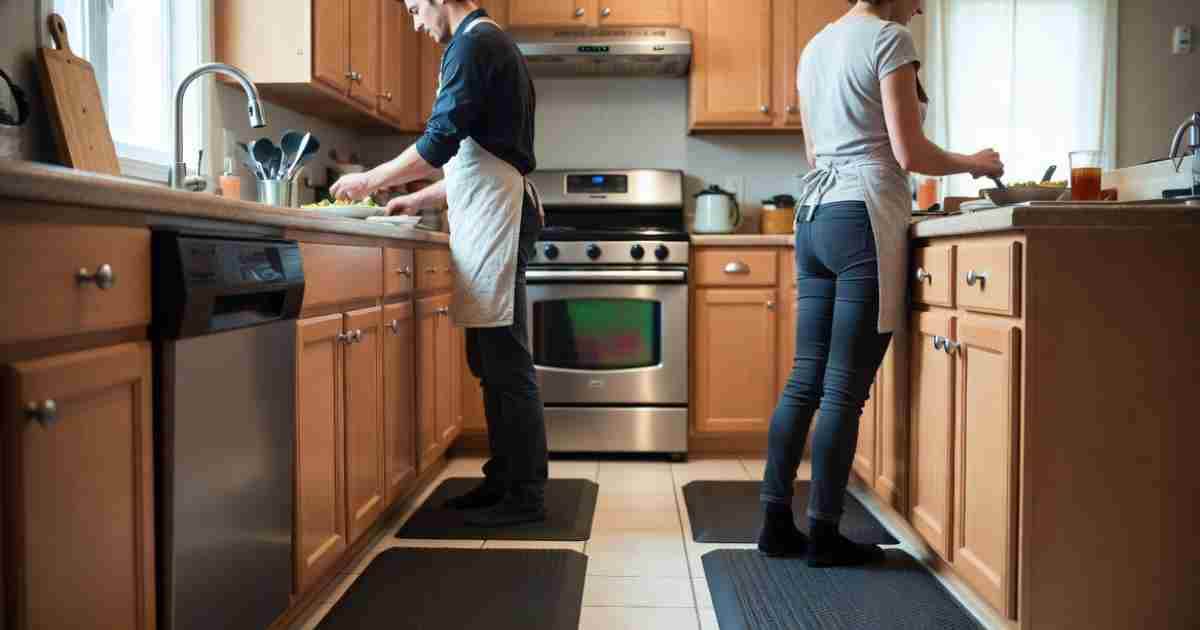
These mats are special cushions designed to make standing for long periods more comfortable. They are made from soft materials like foam or gel. Think of them like a comfy rug for your feet while you work in the kitchen.
Hard floors like tile or wood can feel very stiff after a while. This stiffness can make your feet, legs, and even your back hurt.
Anti-fatigue mats help by giving your feet a softer place to land. This reduces the shock that goes up your body from hard surfaces. It’s like walking on a cloud versus walking on a brick.
The goal is to lessen the strain on your body, especially when you’re busy cooking, cleaning, or just standing around.
The Science Behind Standing Comfort
When you stand on a hard floor for a long time, your muscles have to work harder to absorb the impact.
This constant effort can lead to fatigue and pain. Your feet might ache, your legs can feel heavy, and you might even experience lower back discomfort.
It’s a common problem for many people who spend a lot of time on their feet.
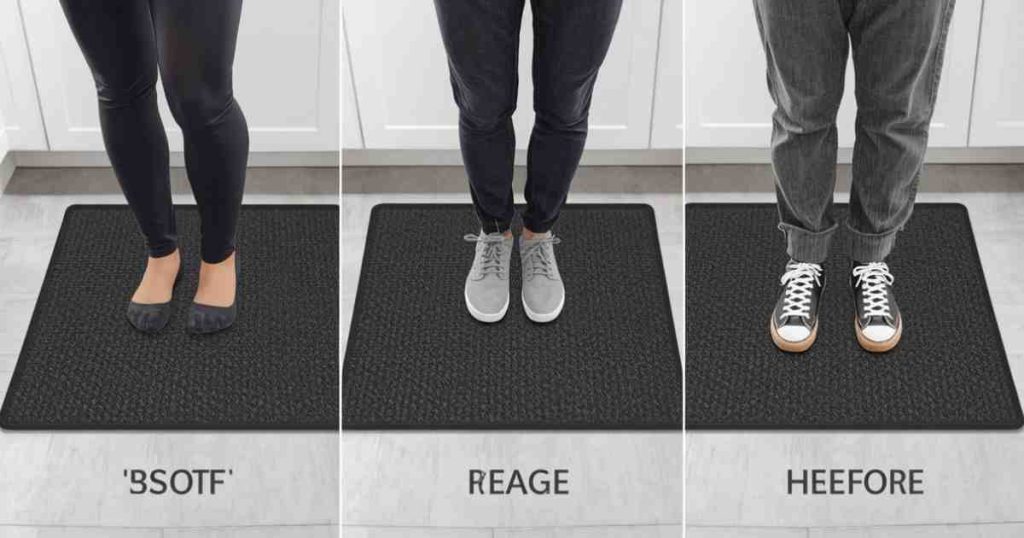
Studies have shown that anti-fatigue mats can help. They work by providing a surface that slightly shifts and flexes under your feet. This movement encourages small adjustments in your posture and leg muscles.
These tiny movements help improve blood flow and reduce the static load on your muscles. So, instead of your muscles being locked in one position, they get a gentle workout.
- Reduced Pressure Points: Standing on hard surfaces creates concentrated pressure points on your feet. This can lead to discomfort and soreness in specific areas.
- Improved Circulation: The slight give in anti-fatigue mats encourages micro-movements in your feet and legs. This gentle shifting helps to keep blood flowing better, preventing pooling in your lower extremities. Good circulation is key to reducing fatigue.
- Posture Support: While not a medical device, the cushioned surface can subtly encourage better standing posture. By providing a more forgiving base, it can help align your body more naturally, reducing strain on your back and joints.
Common Issues with Standing in the Kitchen
Many people spend hours in their kitchens. They might be prepping meals, washing dishes, or just enjoying family time. Hard kitchen floors, like tile or concrete, are very common.
While they look nice and are easy to clean, they offer zero cushioning.
After just a short time, you can start to feel the effects. Your feet might burn, your legs can feel tired, and a dull ache might set in. This is because your body is constantly working hard to absorb the shock from the hard floor.
It’s like trying to run a marathon on pavement every day.
- Foot and Leg Pain: The most immediate effect is discomfort in your feet and legs. This can range from a dull ache to sharp pains, especially after prolonged standing.
- Back Discomfort: When your feet and legs are uncomfortable, your body tries to compensate. This can lead to changes in posture, putting extra strain on your lower back.
- Reduced Productivity: When you’re in pain, it’s hard to focus on tasks. This can make everyday kitchen chores feel like a burden, leading to less enjoyment and efficiency.
How Anti-Fatigue Mats Actually Work
The primary way Anti-Fatigue Mats for Kitchen Use: Do They Actually Work? Science-Backed Review matters is through their unique construction. They aren’t just thick rugs; they are engineered to provide support and reduce impact.
The materials used are key to their effectiveness. Common materials include various types of foam, like polyurethane or PVC foam, and sometimes gel inserts.
When you step on an anti-fatigue mat, the material compresses slightly. This compression absorbs some of the shock that would otherwise travel up your legs and spine. It creates a softer landing for your feet.
Imagine standing on a firm pillow versus standing on a concrete slab; the pillow would clearly be more comfortable.
Materials and Construction
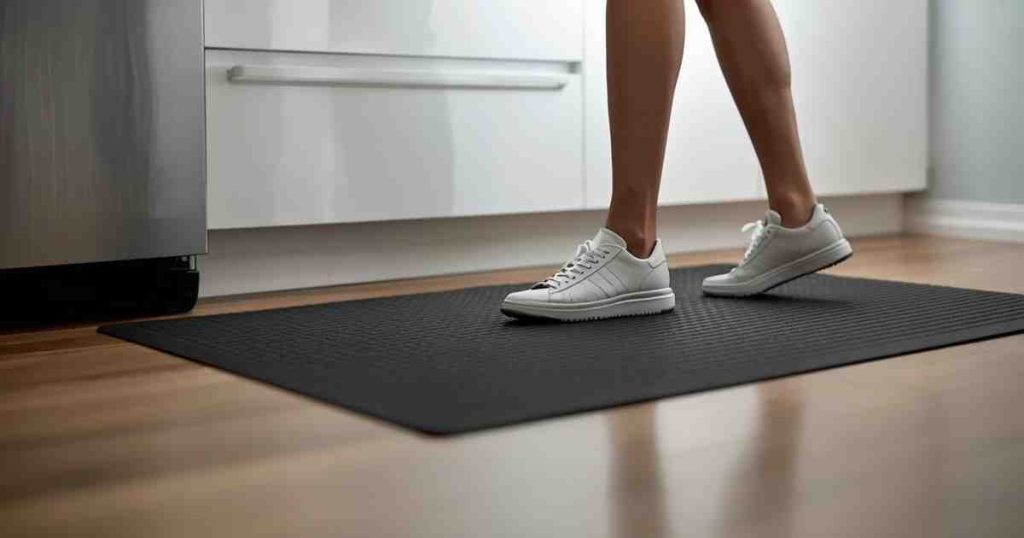
The effectiveness of an anti-fatigue mat relies heavily on what it’s made of and how it’s put together. The best mats typically have a multi-layer construction. The top surface is usually designed for durability and easy cleaning.
This is important in a kitchen where spills are common. Below this, there’s a thick layer of cushioning material. This is the part that does the work of absorbing impact.
Foam is a very popular choice because it’s lightweight and can provide excellent cushioning. Different types of foam offer varying degrees of firmness and resilience. Gel-filled mats are another option, offering a different kind of support.
Some high-end mats might combine foam and gel for a premium feel and enhanced shock absorption. The thickness of the mat is also a critical factor; thicker mats generally provide more cushioning.
- Foam Density: The density of the foam plays a big role. Too soft, and it might not provide enough support, leading to your feet sinking too much. Too firm, and it won’t offer much relief from hard floors. A good density offers a balance of cushioning and support.
- Surface Texture: The top surface might have different textures. Some are smooth, while others have a slight grip. This helps prevent slipping and can also contribute to comfort by providing a more stable footing.
- Edge Design: Beveled edges are common. This means the edges of the mat slope gently down. This design helps prevent tripping hazards and makes it easier to roll carts or chairs over the mat without getting stuck.
The Physics of Cushioning
When you stand, your body exerts force downwards. On a hard surface, this force is met with an equal and opposite force that is very strong. This jolt travels up your legs.
It’s like hitting a wall with your feet. Your muscles and bones have to absorb all of this energy.
Anti-fatigue mats work by changing how this force is applied. The compressible material of the mat deforms under your weight. This deformation slows down the impact.
It’s like catching a ball by letting your hand move back a bit. Instead of a sudden stop, the force is spread out over a longer time and a larger area. This significantly reduces the peak force experienced by your body.
This reduction in peak force is what leads to reduced fatigue. Your body doesn’t have to work as hard to absorb the impact. This is similar to how shock absorbers in a car work to make the ride smoother.
The mat acts as a shock absorber for your feet and legs.
- Force Dispersion: The mat spreads the weight of your body over a wider area. Instead of all your weight pressing down on a few points on your foot, it’s distributed more evenly.
- Energy Absorption: The material of the mat absorbs a portion of the impact energy. This means less energy is transmitted to your feet, ankles, and legs, reducing strain.
- Micro-Movement Stimulation: The slight give in the mat encourages subtle shifts in your weight and posture. These small movements help prevent muscles from staying in a static, tiring position for too long.
Benefits of Using Anti-Fatigue Mats in the Kitchen
The main reason people look into Anti-Fatigue Mats for Kitchen Use: Do They Actually Work? Science-Backed Review is to feel better. Standing for long stretches can be tough on anyone, but especially in places like kitchens where you might be on your feet for hours at a time.
These mats offer a simple solution that can make a big difference in your daily comfort.
The benefits go beyond just making your feet feel less tired. They can help improve your overall well-being while you’re working. This means you can spend more time doing what you love without feeling the constant ache of tired feet.
Reduced Physical Strain
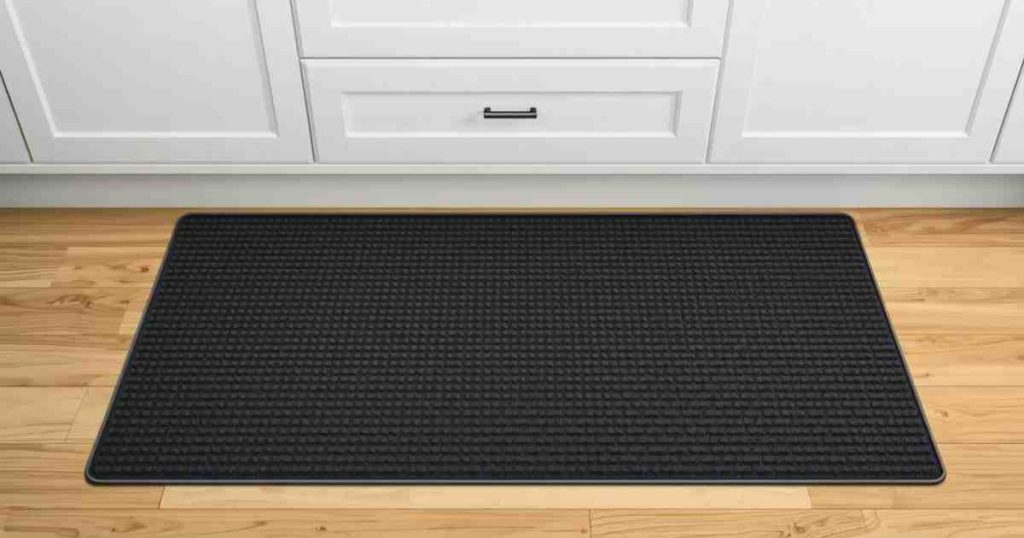
One of the most noticeable benefits is the reduction in strain on your body. When you stand on a hard floor, every step sends a jolt through your feet, ankles, and knees. Over time, this can lead to joint pain and muscle fatigue.
Anti-fatigue mats act like a buffer. They cushion your steps, absorbing much of the impact. This means less stress is placed on your joints and muscles.
People often report feeling less tired at the end of the day. They might also experience fewer aches and pains in their legs and lower back.
It’s like the difference between walking on a sidewalk versus walking on a grassy park path. The park path is much gentler on your body. Similarly, the mat provides a softer, more forgiving surface for your feet.
- Less Foot Pain: Direct pressure on the soles of your feet is significantly reduced. This can alleviate common issues like plantar fasciitis or general soreness.
- Alleviated Leg Fatigue: The muscles in your legs don’t have to work as hard to stabilize you. This leads to a feeling of less heaviness and tiredness in your calves and thighs.
- Reduced Back Discomfort: By providing a more comfortable standing base, the mats can help maintain better spinal alignment. This often translates to less strain and pain in the lower back area.
Improved Comfort and Endurance
When you’re comfortable, you can do more. Anti-fatigue mats help you stay on your feet for longer periods without feeling as worn out. This is especially valuable in busy kitchens where standing is unavoidable.
Imagine having to stand at your kitchen counter for an hour to prepare a meal. Without proper support, this could feel like a chore. With an anti-fatigue mat, that hour might pass with much less discomfort.
You might even find yourself having more energy to tackle other tasks afterwards.
This increased comfort can lead to a better overall experience in your kitchen. You might feel more inclined to cook, bake, or entertain, knowing that your feet will thank you for it.
- Extended Standing Time: Users often find they can stand for significantly longer periods without experiencing severe discomfort. This is great for those who cook frequently or work in busy kitchens.
- Better Mood and Energy: When you’re not battling foot pain, your mood tends to be better, and you have more energy for other activities. This can make kitchen tasks less of a drain and more enjoyable.
- Enhanced Productivity: For those who spend a lot of time in the kitchen, the ability to stand comfortably for longer can translate to getting more done. This is particularly useful for home cooks, bakers, or even those working in professional culinary settings.
Safety Considerations
While comfort is a major benefit, safety is also important. Many anti-fatigue mats are designed with safety features in mind. For instance, they often have non-slip surfaces to prevent accidents.
The beveled edges are also a key safety feature. They help to reduce the risk of tripping. This is especially important in a busy kitchen where people are moving around.
A mat that lies flat and doesn’t create a hazard is essential.
Choosing a mat made from durable, non-toxic materials is also a safety consideration. You want a mat that is safe for your family and pets, and that will last a long time without breaking down.
- Non-Slip Surface: Many mats have a textured top to provide good traction, reducing the chance of slipping, even if the surface gets a little wet.
- Beveled Edges: The sloped edges prevent the mat from becoming a tripping hazard. This is crucial for maintaining a safe environment in a home or professional kitchen.
- Durable Materials: High-quality mats are made from sturdy materials that won’t wear out quickly. This ensures they remain effective and safe for a long time.
Are There Downsides to Anti-Fatigue Mats?
While the benefits of Anti-Fatigue Mats for Kitchen Use: Do They Actually Work? Science-Backed Review are clear, it's also good to know if there are any drawbacks. Like most products, they aren't perfect for everyone or every situation.
Understanding these can help you make the best choice for your home.
Sometimes, what works for one person might not work for another. It’s about finding the right fit for your needs and your kitchen. Let’s look at a few things to keep in mind.
Cleaning and Maintenance
Kitchens can get messy, and that includes the floor. Spills, crumbs, and food splatters are common. This means whatever you put on your floor needs to be easy to clean.
While many anti-fatigue mats are designed to be wiped clean, they can still require a bit more effort than a hard floor.
Some materials might stain easily, and certain textures can trap dirt. You might need to vacuum them regularly or give them a more thorough wash sometimes. If you’re looking for something that’s absolutely effortless to clean, a simple hard floor might seem easier.
However, the cleaning effort is often worth the comfort the mats provide.
- Stain Resistance: Some materials are more prone to staining than others. Darker colors or certain foam types might show spills more readily.
- Deep Cleaning Needs: While most can be wiped, persistent dirt or odors might require occasional deeper cleaning, such as with soap and water or a mild cleaner.
- Trapped Debris: Textured mats can sometimes hold onto crumbs or small particles, requiring a good vacuuming to remove them completely.
Cost and Durability
Good quality anti-fatigue mats are not always the cheapest option. While there are very affordable mats available, they might not offer the same level of comfort or last as long. Investing in a higher-quality mat can often be more cost-effective in the long run.
However, even durable mats will eventually wear out, especially with heavy use. The cushioning can compress over time, reducing their effectiveness. You might need to replace them every few years, depending on the quality and how much they are used.
This is something to consider when budgeting for them.
- Initial Investment: High-quality mats can be more expensive upfront compared to basic floor coverings.
- Lifespan: While durable, they do have a lifespan. Heavy foot traffic and constant use can lead to wear and tear over time.
- Replacement Needs: Eventually, the cushioning may flatten, and the mat might need to be replaced to maintain its anti-fatigue properties.
Aesthetic Considerations
Kitchen design is important to many people. Anti-fatigue mats come in various colors and styles, but they might not always match your kitchen’s decor perfectly. Some people find them to be a bit bulky or simply not as attractive as their flooring.
Kitchen design is important to many people.
While many manufacturers are creating more stylish options, it’s still a factor to consider. You might have to choose between maximum comfort and a specific look for your kitchen. However, many find that the comfort they provide outweighs any aesthetic concerns.
- Limited Design Options: While choices are growing, the range of styles and patterns might not fit every unique kitchen design.
- Visual Clutter: A mat can sometimes break up the continuous look of a floor, which some people may find unappealing.
- Matching Decor: Finding a mat that perfectly complements your cabinets, countertops, and paint colors might require some searching.
Choosing the Right Anti-Fatigue Mat
Now that we know how Anti-Fatigue Mats for Kitchen Use: Do They Actually Work? Science-Backed Review, let’s talk about how to pick the best one. It’s not a one-size-fits-all situation.
Your kitchen floor, how much you stand, and your personal preferences all matter.
Taking a moment to consider these points will help you find a mat that truly makes a difference in your comfort. A little research goes a long way in finding your perfect kitchen companion.
Consider Your Flooring
The type of floor you have in your kitchen plays a role. If you have a very hard floor, like concrete or old-school linoleum, an anti-fatigue mat will likely make a big difference.
If you already have a slightly softer floor, like cork or certain types of vinyl, the need might be less immediate, but a mat can still add extra comfort.
Also, think about how the mat will stay in place. Some mats have a rubber backing that grips well on tile or laminate. If you have a floor where mats tend to slide, you might need to look for one with extra grip or consider using non-slip pads underneath.
- Hardwood/Tile/Stone: These floors offer very little give, making them ideal candidates for anti-fatigue mats to add cushioning.
- Laminate/Vinyl: These can vary in hardness. A mat can provide an extra layer of comfort, especially if the existing flooring feels quite firm.
- Carpet: Anti-fatigue mats are generally not recommended for carpeted floors, as the carpet already provides some cushioning and the mat might not lie flat.
Think About Thickness and Material
Thickness is a key feature. A thicker mat usually means more cushioning. For most kitchen uses, a mat that is around half an inch to one inch thick is a good starting point.
If you have significant foot pain or stand for extremely long periods, you might consider even thicker options.
As we discussed, foam and gel are common materials. Foam is generally more affordable and offers good, consistent support. Gel can provide a more responsive feel and may be better for very sensitive feet.
Some mats combine both for a layered approach to comfort. Read reviews to see what materials other users found most effective.
- Thickness: Generally, 0.5 to 1 inch thick mats offer a good balance of cushioning and stability for kitchen use.
- Foam Types: Look for dense but forgiving foams like polyurethane or high-quality PVC. These offer good rebound and support.
- Gel Inserts: These can add a dynamic feel, conforming to the foot and providing targeted pressure relief, though they can sometimes be more expensive.
Size and Shape
Measure the areas where you stand the most. This is usually in front of the sink, stove, and countertops. Mats come in various sizes, from small runner mats to large areas.
You can also get modular tiles that you can connect to create a custom-sized mat.
Think about the shape that best fits your kitchen layout. A long runner might be perfect for a galley kitchen, while a rectangular mat might work well in front of an island. Ensure the mat doesn’t obstruct doorways or high-traffic paths where it could become a tripping hazard.
- Coverage Area: Ensure the mat covers the primary standing zones where you spend the most time, such as by the sink and stove.
- Runner vs. Rectangular: Choose a shape that complements your kitchen layout and provides coverage where it’s needed most.
- Modular Options: Interlocking mats offer flexibility to create custom sizes and shapes to perfectly fit your kitchen space.
Real-Life Examples and Statistics
To really see how these mats make a difference, let’s look at some examples and what the numbers say.
Many people use these mats every day and feel the benefits, and science backs up their experience. These aren’t just guesses; they are based on real-world use and studies.
From busy home cooks to professional chefs, the feedback is generally positive. Let’s explore what makes these mats so popular and effective.
Case Study 1: The Home Cook
Sarah, an avid home baker, spends hours in her kitchen every weekend. Her kitchen floor is beautiful, hard ceramic tile. For years, she would end her baking sessions with sore feet and aching legs.
She’d often have to sit down for a long break afterwards.
She decided to try a 1-inch thick, high-density foam anti-fatigue mat for the area in front of her counter and oven. After the first weekend, she noticed a significant difference. She could stand for much longer periods without the same level of discomfort.
By the end of her baking, her feet felt tired, but not the same deep ache she used to experience. She reported that her overall endurance in the kitchen improved dramatically, and she felt more energized to do other chores.
Case Study 2: The Professional Chef
Mark works in a busy restaurant kitchen, where he is on his feet for 10-12 hours a day. The kitchen floor is hard concrete.
He had tried various types of supportive shoes, but the constant standing still took its toll, leading to chronic foot and back pain.
His restaurant invested in high-quality, thick anti-fatigue mats for all the main work stations. Mark found that the mats significantly reduced the impact on his feet and legs. He noticed fewer instances of foot fatigue and less lower back strain throughout his long shifts.
He stated that the mats made his work more bearable and helped him stay focused on his tasks without being distracted by pain.
Statistics on Standing and Fatigue
Research into workplace ergonomics highlights the impact of prolonged standing. Studies have shown that standing for more than three hours a day can increase the risk of developing lower limb and back disorders. In professions where standing is constant, like in many kitchen environments, the risk is even higher.
For example, one study indicated that prolonged standing can lead to a 60% increase in the risk of developing leg and back pain over time.
Wearing anti-fatigue mats has been shown in some workplace settings to reduce discomfort levels by up to 50%.
This suggests that the cushioning and support provided by these mats can have a substantial positive effect on physical well-being.
| Activity | Average Standing Time (Hours/Day) | Potential Discomfort Level (1-10) | Discomfort with Mat (1-10) |
|---|---|---|---|
| Home Cooking | 2-4 | 5-7 | 2-3 |
| Professional Chef | 8-12 | 7-9 | 3-5 |
| Retail Work | 6-8 | 6-8 | 3-4 |
This table shows how discomfort can be significantly lowered by using an anti-fatigue mat. Even in demanding situations, the difference is clear. The mats help turn a painful experience into a much more manageable one.
Frequently Asked Questions Of Anti-Fatigue Mats For Kitchen Use: Do They Actually Work? Science-Backed Review
Do anti-fatigue mats really stop all pain?
Anti-fatigue mats can greatly reduce discomfort and fatigue from standing, but they might not eliminate all pain for everyone. They work best to lessen the strain from hard floors. If you have severe or chronic pain, it’s a good idea to talk to a doctor.
Are anti-fatigue mats safe for my kitchen floor?
Most anti-fatigue mats are safe for common kitchen floors like tile, laminate, and vinyl. They are usually made with materials that won’t scratch or damage your flooring. It’s always wise to check the mat’s backing and perhaps test a small corner first if you have concerns about a specific floor type.
How thick should an anti-fatigue mat be for kitchen use?
For general kitchen use, a thickness of around half an inch to one inch is usually recommended. Thicker mats offer more cushioning, which can be better if you stand for very long periods or have sensitive feet. Thinner mats might offer less cushioning but can be more stable.
Can I use an anti-fatigue mat outdoors?
While some mats might be durable enough, anti-fatigue mats are generally designed for indoor use, especially in kitchens. Outdoor elements like weather, dirt, and uneven surfaces can damage them or make them unsafe. It’s best to use them in their intended indoor environment.
How do I clean an anti-fatigue mat?
Cleaning is usually simple. Most mats can be wiped clean with a damp cloth and mild soap. For tougher messes, you might need to use a bit more cleaning solution and rinse thoroughly.
Always check the manufacturer’s cleaning instructions for your specific mat to ensure you don’t damage it.
Final Thoughts
So, do anti-fatigue mats actually work for kitchen use? Yes, the science and real-life experiences show they do. By reducing the shock and pressure from hard floors, they help ease foot, leg, and back discomfort.
They make standing for long periods much more bearable. Choose one that fits your space and needs, and enjoy a more comfortable kitchen.

![How To Design A Kitchen For Tall People Counter Heights, Cabinet Reach, And More[1]](https://kitchentoolslab.com/wp-content/uploads/2026/05/How_To_Design_A_Kitchen_For_Tall_People__Counter_Heights_Cabinet_Reach_And_More1-768x448.jpg)
![Kitchen Work Zones How To Organize Your Kitchen Into Functional Areas[1]](https://kitchentoolslab.com/wp-content/uploads/2026/05/Kitchen_Work_Zones__How_To_Organize_Your_Kitchen_Into_Functional_Areas1-768x448.jpg)
![What Is Kitchen Ergonomics How Good Design Reduces Fatigue And Injury[1]](https://kitchentoolslab.com/wp-content/uploads/2026/05/What_Is_Kitchen_Ergonomics__How_Good_Design_Reduces_Fatigue_And_Injury1-768x403.jpg)