6 Salad Spinner Uses Beyond Lettuce: Dry, Spin, Store Smarter
Salad spinner uses beyond lettuce include drying herbs, washing berries, rinsing chopped vegetables, draining canned beans, crisping greens, and storing delicate produce with less moisture.
The spinning basket removes excess water faster than towels, helping food stay fresher and less soggy. Use gentle spinning for fragile items and keep the basket ventilated when storing.
You might think your salad spinner is just for drying lettuce, but it can do so much more! Getting your greens dry quickly helps dressing stick better and makes your salads taste fresher. But what if you could use this handy kitchen tool for other tasks too?
Learning about the 6 Salad Spinner Uses Beyond Lettuce: Dry, Spin, Store Smarter can save you time and make kitchen prep easier. It’s a simple tool with surprising benefits that go way beyond just salads.
Key Takeaways
- A salad spinner can efficiently dry more than just leafy greens.
- It helps in washing and draining small produce like berries and herbs.
- The spinner can be used for quick drying of pasta and cooked grains.
- It provides a useful method for de-salting or de-watering foods.
- The bowl and basket can serve as simple storage containers.
- Using a salad spinner for various tasks saves time and improves food preparation.
Beyond the Greens: Washing and Drying Produce
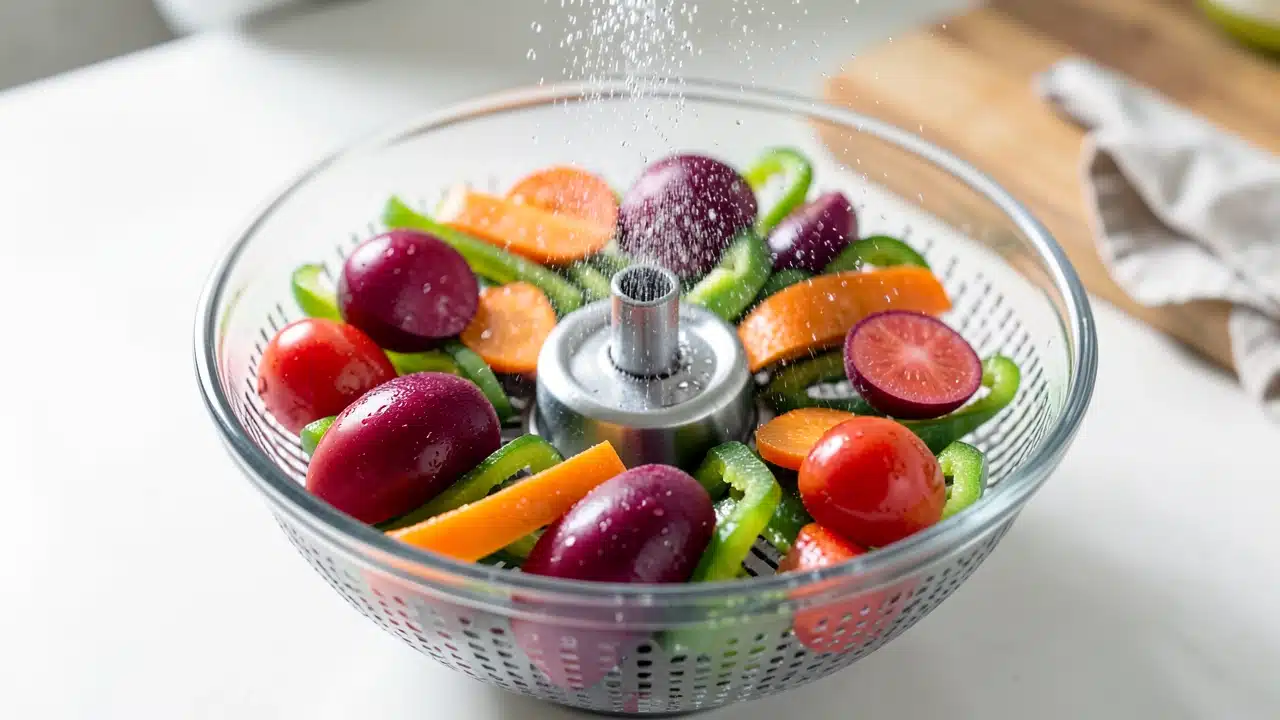
Your salad spinner is a fantastic tool for cleaning and drying more than just lettuce. Think about all the small fruits and vegetables you buy. Berries, for example, can be delicate.
Washing them in a colander can sometimes be too rough, leading to bruised fruit. Using your salad spinner allows for a gentle wash and then an efficient spin to remove excess water.
First, place your berries or other small produce in the basket. You can add a little cool water to the bowl, place the basket inside, and give it a gentle swirl. This helps rinse off any dirt or residue.
Then, lift the basket out, drain the water from the bowl, and put the basket back in. Give it a few spins to dry them.
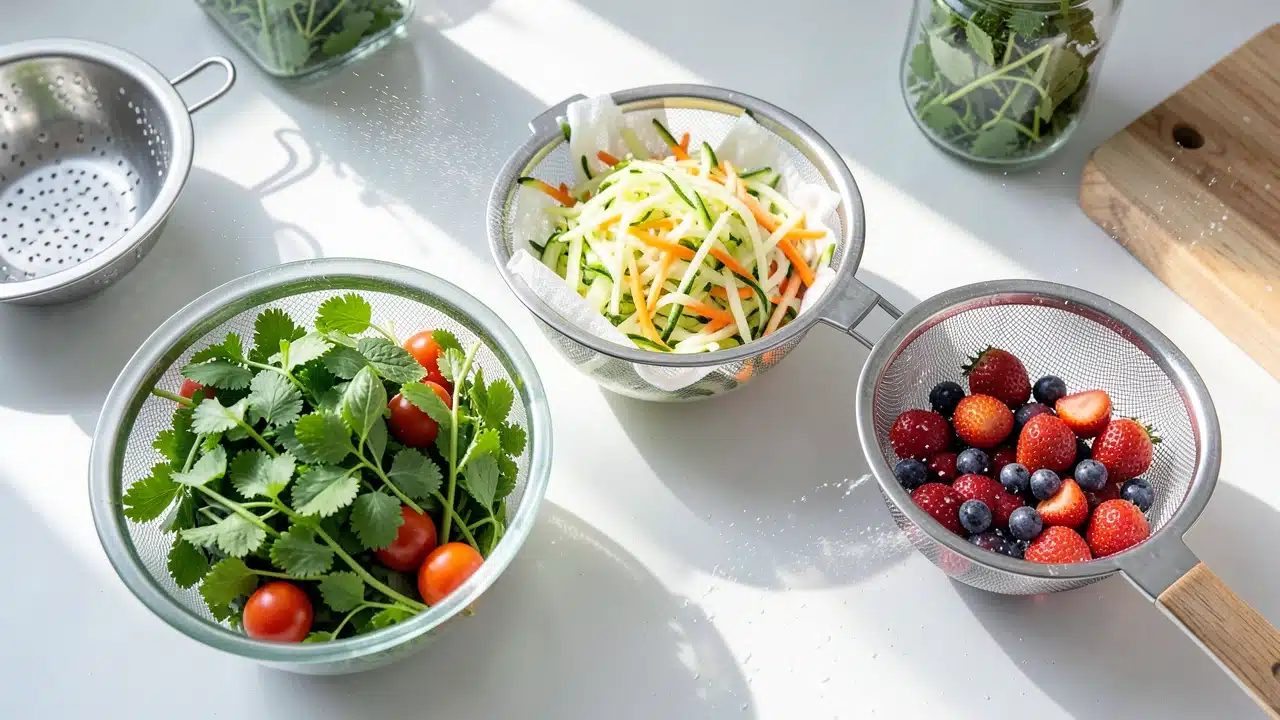
This method is also great for washing and drying fresh herbs like parsley, cilantro, or dill. These herbs often need a good rinse but can be tricky to dry thoroughly by hand. A quick spin in the salad spinner leaves them almost dry, ready for chopping or garnishing.
This is a key part of the 6 Salad Spinner Uses Beyond Lettuce: Dry, Spin, Store Smarter.
Speedy Washing for Grains and Pasta
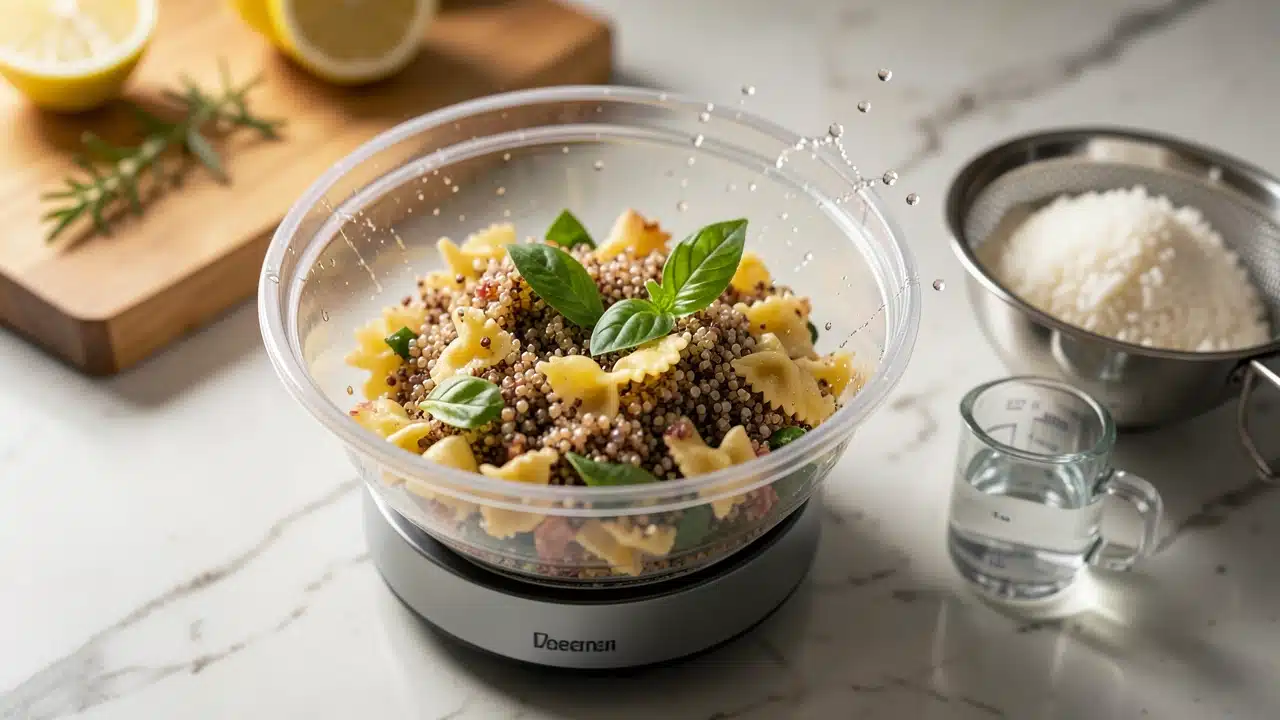
Cooking pasta or grains often involves rinsing them before cooking, especially rice or certain types of pasta to remove starch.
While a colander works, a salad spinner can make this process quicker and less messy. Instead of trying to balance a colander over the sink, you can do this right at your counter.
Second, for rinsing grains like quinoa or rice, place them in the spinner basket. Add cool water to the bowl, swirl gently, and drain. Repeat this a couple of times until the water runs clear.
This is an effective way to remove dust and excess starch. The spinner’s design helps contain the grains, preventing them from escaping as they might in a colander.
Similarly, after cooking pasta, you might want to rinse it for certain recipes like pasta salad. You can transfer the hot pasta to the spinner basket (be cautious with hot items) and rinse it under cool running water.
A few spins will remove much of the excess water, helping your pasta salad dressing coat the pasta better.
This is a smart application of the 6 Salad Spinner Uses Beyond Lettuce: Dry, Spin, Store Smarter.
Detoxifying and De-watering Foods
Sometimes, foods need to have excess water removed or need a quick “rinse” to remove certain elements.
For instance, if you’re making something that calls for de-salting ingredients like capers or olives, a salad spinner can help.
After soaking them, you can place them in the spinner basket to quickly remove the soaking water.
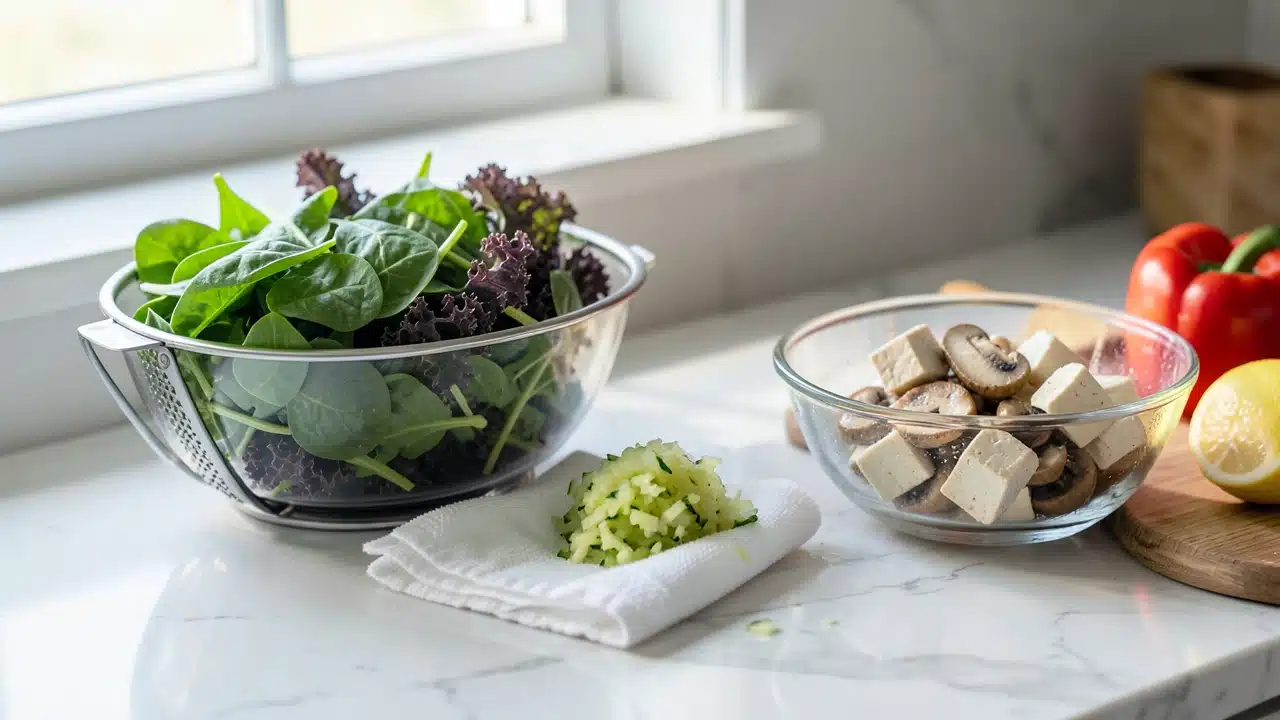
This is also useful when preparing vegetables that release a lot of water, like shredded zucchini for fritters or muffins.
After shredding, you can place the zucchini in the spinner basket and give it a good spin. This extracts a significant amount of moisture, which is crucial for achieving the right texture in your cooking.
Without this step, your fritters might turn out soggy.
Another example is rinsing canned beans. Canned beans are often packed in a starchy liquid. Rinsing them well improves their flavor and texture.
A salad spinner allows you to rinse them efficiently and then quickly dry them off. This makes them ready to add to salads, dips, or other dishes without adding extra liquid. This showcases the versatility of the 6 Salad Spinner Uses Beyond Lettuce: Dry, Spin, Store Smarter.
Quickly Drying Fresh Herbs for Storage
Fresh herbs are wonderful for cooking, but they can wilt quickly if not stored properly. After washing them, it’s essential to dry them thoroughly. Excess moisture can lead to mold and spoilage.
A salad spinner is your best friend here.
Next, after washing your herbs, place them gently in the spinner basket. Give it a few spins. The centrifugal force will remove most of the water from the leaves.
Gently pat them a little more with a clean kitchen towel or paper towel if needed, but the spinner does most of the work. This step is vital for extending the life of your fresh herbs.
Once dried, you can store them in a few ways. One popular method is to wrap them loosely in a slightly damp paper towel and place them in a resealable bag or container in the refrigerator.
Another method, particularly for hardier herbs like rosemary or thyme, is to simply store them dry in a plastic bag.
Proper drying, facilitated by the spinner, is key to this. It’s a simple but effective part of the 6 Salad Spinner Uses Beyond Lettuce: Dry, Spin, Store Smarter.
The Bowl and Basket: Dual-Purpose Storage
Don’t forget the individual components of your salad spinner! The bowl and the basket are not just for spinning. They can be used separately for various kitchen tasks, including storage.
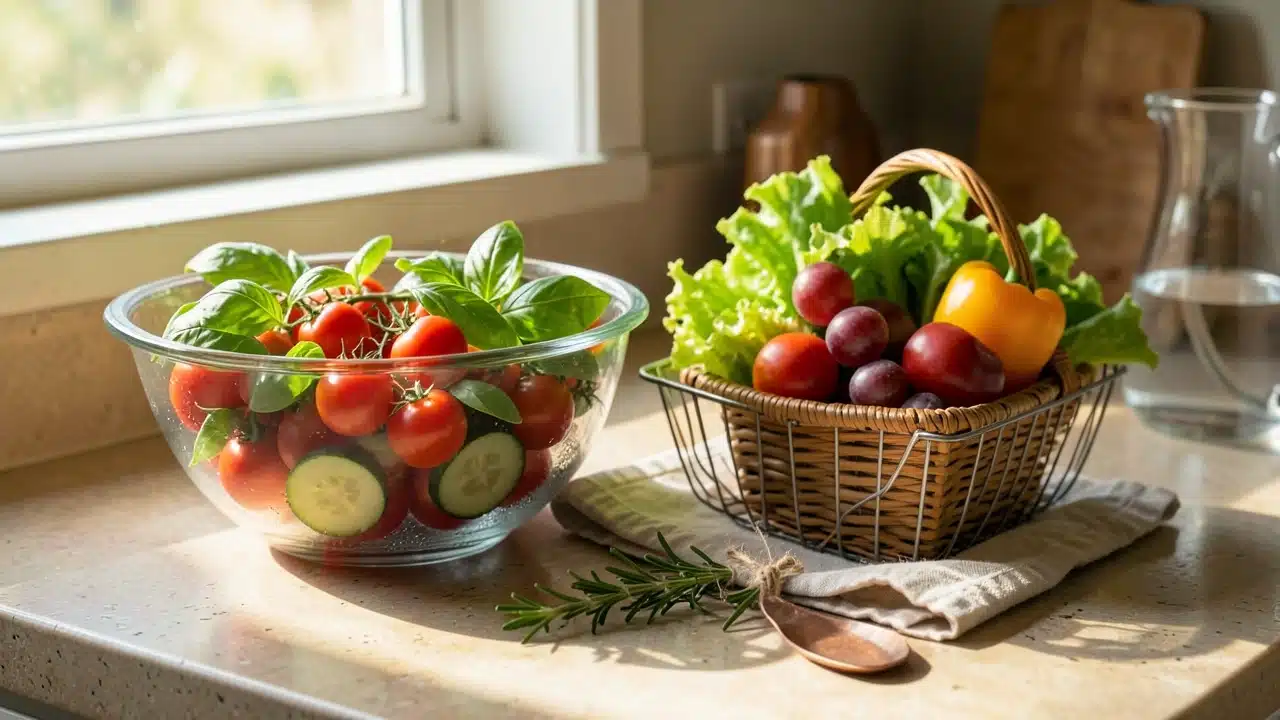
The inner basket, with its perforated design, can double as a small colander or strainer. You can use it to rinse small amounts of produce or to drain things like canned chickpeas or corn. Its size makes it perfect for single servings or smaller prep tasks.
The outer bowl is a sturdy container that can be used for mixing ingredients, serving snacks, or storing leftovers.
If you’ve just spun your berries dry, you can simply leave them in the bowl to serve them. Or, if you’ve washed a batch of herbs and dried them, you can store them in the bowl in the fridge.
This dual-purpose aspect adds even more value to the 6 Salad Spinner Uses Beyond Lettuce: Dry, Spin, Store Smarter.
Making Your Kitchen More Efficient
Incorporating these lesser-known uses for your salad spinner can genuinely streamline your kitchen routine.
It’s about maximizing the utility of a tool you already own. Instead of reaching for multiple gadgets, you can often rely on your spinner for a variety of tasks.
Consider the time saved. Washing and drying berries or herbs by hand can be tedious. A few spins in the spinner are much faster.
Rinsing grains or de-watering vegetables also becomes a more efficient process. This efficiency adds up, especially on busy days.
Moreover, using the spinner’s bowl and basket for storage reduces the need for extra dishes or containers.
It’s a small change that can lead to less cleanup and a more organized kitchen. Embracing the full potential of your salad spinner is a smart move for anyone looking to simplify their cooking and food prep. Follow FDA guidelines on washing produce safety to prevent cross-contamination in the kitchen.
This is the essence of understanding the 6 Salad Spinner Uses Beyond Lettuce: Dry, Spin, Store Smarter.
Frequently Asked Questions Of 6 Salad Spinner Uses Beyond Lettuce: Dry, Spin, Store Smarter
What is the primary benefit of using a salad spinner?
The main benefit is efficiently drying greens and other produce, which improves texture and helps dressings adhere better, making salads more enjoyable.
Can I use a salad spinner to wash delicate fruits like raspberries?
Yes, you can gently wash delicate fruits like raspberries in a salad spinner. Place them in the basket, add a little water, swirl, drain, and then spin to dry.
How does a salad spinner help with storing herbs?
It dries herbs thoroughly after washing, which is crucial for preventing spoilage and mold, thus helping them stay fresh longer when stored properly.
Is it safe to use a salad spinner for hot pasta?
You can use it for rinsing hot pasta, but be cautious when transferring hot items. A quick rinse under cool water followed by a spin can help cool it down and remove excess water for dishes like pasta salad.
Can the bowl of a salad spinner be used for serving food?
Absolutely. The outer bowl is a perfectly good serving dish for salads, snacks, or other foods after you’ve finished spinning.
What other types of vegetables can be dried with a salad spinner?
You can dry shredded vegetables like zucchini or carrots, or even rinse and dry small vegetables like cherry tomatoes or corn kernels.
Are there any specific types of salad spinners that are better for these alternative uses?
Most standard salad spinners work well for these uses. Look for one with a sturdy bowl and a basket that drains well. The size might matter depending on how much produce you typically prepare.
Final Thoughts
Your salad spinner is more than just a tool for lettuce. You can use it to wash and dry berries, herbs, grains, and even de-water vegetables. Plus, the bowl and basket offer extra storage options. The spinner's basket serves as a colander alternative uses for rinsing small items.
Making the most of these 6 Salad Spinner Uses Beyond Lettuce: Dry, Spin, Store Smarter can truly simplify your kitchen tasks.