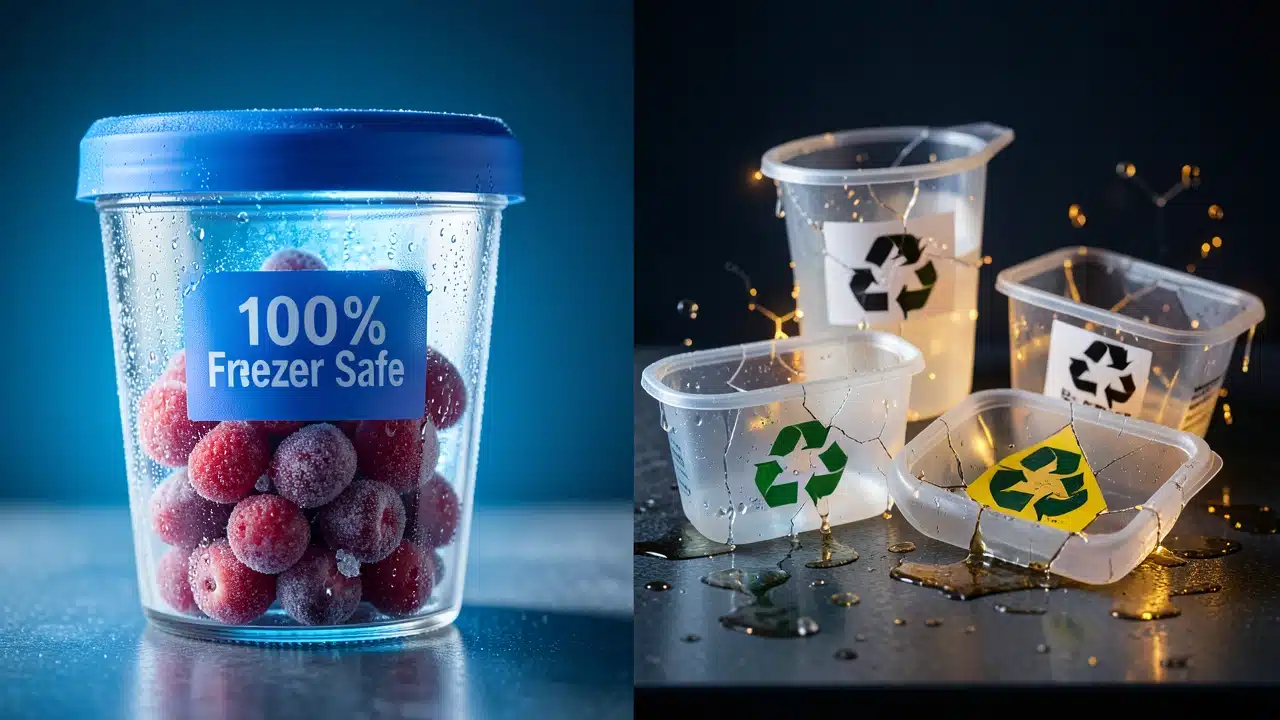
What Freezer Safe Means And Which Frozen Plastics Still Leach
Freezer safe means a plastic container is designed to resist cracking, brittleness, and food-contact use at low temperatures.
It does not guarantee zero chemical or microplastic migration. Old, scratched, single-use, oily, acidic, or heat-damaged plastics are higher risk, especially if frozen and later microwaved. Use food-grade freezer plastics, but choose glass for long storage.
Keeping food fresh and safe in the freezer is important for everyone. You might wonder if all those plastic containers you use are truly safe when they’re frozen.
Understanding What Freezer Safe Means and Which Frozen Plastics Still Leach helps you make better choices for your family’s health and avoid potential risks.
Choosing the right containers means your food stays good longer without harmful chemicals seeping into it, giving you peace of mind and better-tasting meals. We’ll look at how to spot safe plastics and which ones to be cautious about.
Key Takeaways
- You’ll learn how to identify plastics that are safe for freezing.
- Discover which types of plastic might release chemicals when frozen.
- Understand why certain plastics are better for long-term freezer storage.
- Get practical tips for choosing and using freezer-safe containers.
- Learn about the potential health concerns linked to plastic leaching.
- Find out how to store food safely in the freezer to maintain quality.
What Does “Freezer Safe” Really Mean for Plastics?
When a plastic container is labeled “freezer safe,” it means it’s designed to handle the cold temperatures of your freezer without breaking or becoming brittle.
It also suggests that the plastic itself won’t react negatively with your food at these low temperatures. This label is a good starting point, but it doesn’t always tell the whole story about chemical leaching.
Some plastics are structurally safe for freezing but could still release unwanted substances into your food over time. It’s about more than just avoiding cracks; it’s about maintaining the integrity of both the container and your food’s safety.
The primary goal of a freezer-safe plastic is to prevent physical damage from the cold. Extreme cold can make some plastics stiff and prone to shattering.
A freezer-safe plastic will remain flexible and durable, protecting your food from freezer burn and contamination.
This durability is crucial for preventing spills and maintaining the quality of your frozen items. However, the chemical stability of the plastic at freezing temperatures is a separate, and equally important, consideration for our health.
Why Plastic Leaching in the Freezer Matters
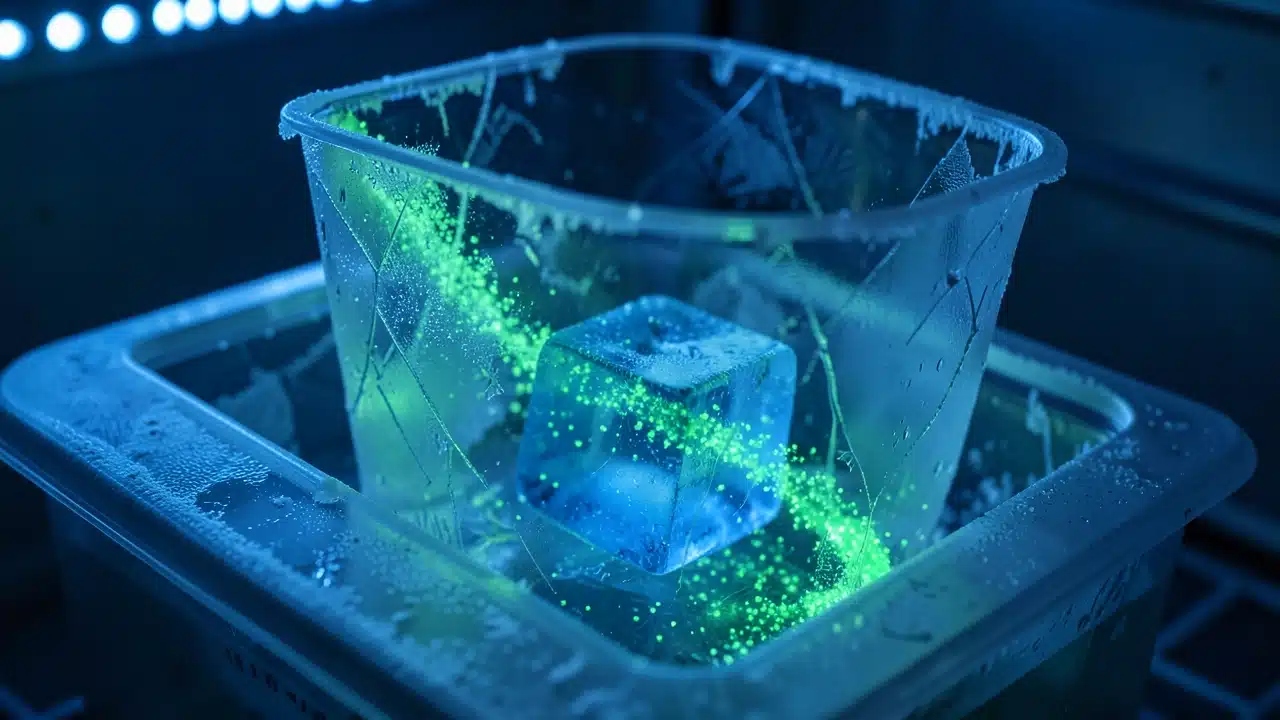
The concern about plastics leaching chemicals into food isn’t limited to hot temperatures. While heat often accelerates the process, cold can also play a role, especially with prolonged storage. When plastics leach, tiny particles or chemicals can transfer from the container to your food.
These substances, like BPA or phthalates, are linked to various health issues. Understanding What Freezer Safe Means and Which Frozen Plastics Still Leach helps you protect your family from these potential long-term effects.
Food stored in the freezer is often kept for weeks or even months. This extended contact time increases the potential for any leaching to occur, even at low levels. Over time, these small transfers can add up.
By being aware of which plastics are more likely to leach, you can make informed decisions about your food storage.
This knowledge empowers you to choose containers that keep your food safe and healthy, ensuring that your frozen meals are as good for you as they are convenient.
Identifying Freezer Safe Plastics: Look for These Symbols
Not all plastics are created equal when it comes to freezing. Thankfully, there are some easy ways to tell if a plastic container is suitable for your freezer. The most common indicator is the recycling symbol, a triangle with a number inside.
Certain numbers are generally considered safer for food storage, especially for freezing. Always look for these symbols before putting a plastic container into your freezer.The Resin Identification Code (RIC), the number inside the recycling triangle, helps us understand the type of plastic.
While not a direct guarantee of safety for freezing or leaching, some numbers are more commonly associated with food-grade plastics that are less likely to break down or release chemicals. It’s a good first step in identifying suitable containers for your frozen goods.
Knowing these codes can save you from using plastics that might not be the best choice.
Commonly Recommended Plastic Types for Freezing
When choosing plastics for your freezer, some types stand out as generally safer and more durable. These plastics are formulated to withstand the cold and are less prone to chemical transfer. Focusing on these can give you confidence in your food storage choices.
They are less likely to become brittle and crack, which is a common problem with unsuitable plastics in freezing temperatures.
Polypropylene (PP), often marked with a number 5 inside the recycling triangle, is a popular choice for food storage containers intended for both the refrigerator and freezer.
It’s known for its durability and resistance to heat and cold. Many reusable food containers and some disposable ones are made from PP.
It’s a good option because it tends to remain flexible even at low temperatures, reducing the risk of cracking.
- High-Density Polyethylene (HDPE), marked with a number 2, is another common and generally safe plastic for food contact.
It’s often used for milk jugs, detergent bottles, and some food containers. While very durable, it can sometimes be a bit more rigid than polypropylene.
For freezing, it’s a decent choice, but it’s important to ensure it’s specifically designed for food and intended for freezer use if possible. It’s less likely to leach than some other plastics.
Plastics to Be Cautious About for Freezing
Some plastic types are less ideal for freezing and carry a higher risk of leaching or becoming brittle. It’s wise to avoid using these for long-term food storage in your freezer.
While they might be fine for short-term use at room temperature, the cold can change their properties and increase the chance of chemical migration.
Polyvinyl Chloride (PVC), marked with a number 3, is a plastic that is generally not recommended for food storage.
It contains chemicals that can leach into food, especially when exposed to temperature changes. While less common for everyday food containers, it’s found in some packaging and cling films.
It’s best to steer clear of any plastic container with a ‘3’ for freezing your food.
Low-Density Polyethylene (LDPE), marked with a number 4, is flexible and often used for produce bags and squeeze bottles.
While it can be used for some food items, it’s not typically the best choice for rigid freezer containers. It can be somewhat permeable, and its suitability for long-term freezing can vary.
It’s generally better to opt for PP or HDPE for your main freezer storage needs.
Polystyrene (PS), marked with a number 6, is commonly used for disposable cups, plates, and some takeout containers.
It can become brittle at low temperatures and is also known to leach chemicals, particularly styrene, into food. You should definitely avoid using polystyrene containers to freeze your food.
They are not designed for the stresses of freezing and can compromise food safety.
Other Plastics, marked with a number 7, is a catch-all category for plastics that don’t fit into the other six categories.
This can include polycarbonate, which may contain BPA, or other newer materials. Because it’s so varied, it’s best to be cautious with plastics marked ‘7’ for food storage, especially freezing.
Unless the manufacturer specifically states it’s freezer safe and free from harmful chemicals, it’s best to avoid it.
Understanding Leaching: What Chemicals Are We Talking About?
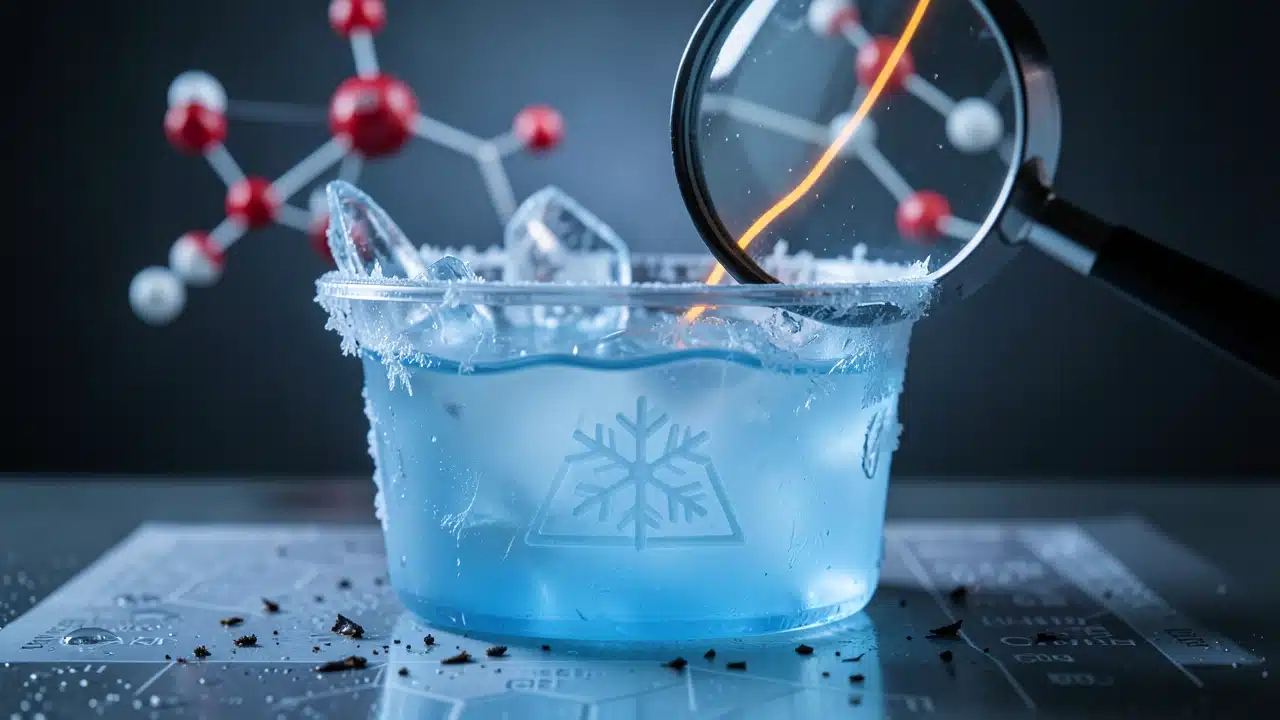
When we talk about plastic leaching, we’re referring to the transfer of chemical compounds from the plastic material into the food or beverage it contains.
This process can happen over time, and the rate can be influenced by temperature, the type of food, and the duration of contact.
Understanding What Freezer Safe Means and Which Frozen Plastics Still Leach involves knowing the common culprits.
One of the most discussed chemicals is Bisphenol A (BPA). BPA is an industrial chemical used to make certain plastics and resins. It’s found in polycarbonate plastics (often marked with '7') and epoxy resins used to line food cans.
Concerns about BPA stem from its potential to mimic hormones in the body, which has led to worries about its effects on health, particularly reproductive development. While many manufacturers have moved away from BPA, it’s still a consideration.
Another group of chemicals to be aware of are Phthalates. These are often used to make plastics more flexible and durable. They can be found in PVC (plastic ‘3’) and other plastics.
Like BPA, phthalates are considered endocrine disruptors, meaning they can interfere with the body’s hormone system. Avoiding plastics that are known to contain phthalates is a good practice for overall health.
It’s important to note that the amount of chemicals that leach from plastics can vary greatly. Factors like the quality of the plastic, how old the container is, and whether it has been scratched or damaged can all play a role.
Even plastics considered “safe” may leach trace amounts of chemicals over very long periods or under specific conditions.
This is why choosing high-quality, food-grade plastics specifically designed for freezing is so important.
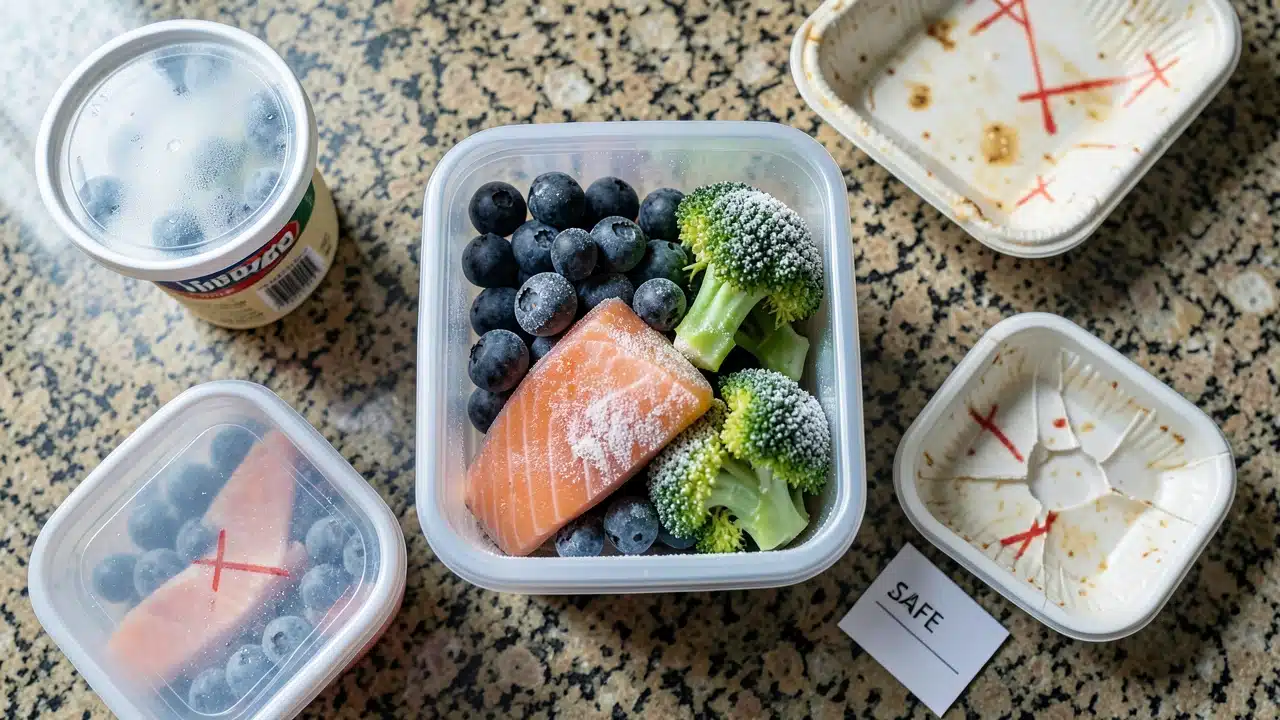
How to Choose the Best Freezer-Safe Plastic Containers
Selecting the right plastic containers for your
freezer can seem tricky, but focusing on a few key features will make the process much simpler. The goal is to find containers that are durable, safe, and will keep your food in the best possible condition. Making smart choices now can save you from potential health concerns and food spoilage later.
First, always check for the recycling symbol and number. As discussed, numbers 2 (HDPE) and 5 (PP) are generally your best bets for freezer-safe plastics.
Avoid containers with numbers 3, 6, and 7 unless specifically marked as safe for freezing and free from BPA and phthalates.
This is a fundamental step in ensuring you’re using appropriate materials.
Second, look for containers that are explicitly labeled “freezer safe.” This label indicates that the manufacturer has tested the product for durability and safety at freezing temperatures.
While the recycling number is a good guide, a direct “freezer safe” label offers additional assurance. Some containers might also be labeled “BPA-free,” which is another positive sign.
Next, consider the design and thickness of the plastic. Thicker, more robust plastics are generally more durable and less likely to crack or become brittle in the freezer. Look for containers with tight-fitting lids to prevent freezer burn and odor transfer.
Containers designed for repeated use are often made from higher-quality plastics than single-use ones.
Then, think about the shape and size. Rectangular containers are efficient for stacking and saving freezer space. However, for certain foods, round containers might be easier to fill and empty.
Choose containers that fit your needs and the types of food you typically freeze. Avoid overfilling containers, as the food will expand as it freezes, which can put stress on the plastic.
Finally, consider alternatives to plastic if you’re still concerned about leaching. Glass containers with plastic or bamboo lids are excellent for freezing. Stainless steel containers are also a durable and safe option for many foods.
These alternatives can provide an extra layer of security and can be a good choice for very long-term storage or for storing acidic foods.
Comparing Plastics vs. Other Freezer Storage Options
While plastic containers are convenient and widely available, they aren’t the only option for freezing food. Other materials offer different benefits and drawbacks.
Understanding these differences can help you choose the best storage method for your needs and your peace of mind.
It’s worth looking at how plastics stack up against glass and stainless steel.
| Durability in Freezer | Good, designed to resist brittleness. Can still crack if dropped. | Can shatter if dropped, especially when frozen. Needs careful handling. | Very durable, won’t break if dropped. Can dent. |
| Leaching Concerns | Low if using appropriate types (PP #5, HDPE #2) and BPA-free. Risk increases with damage or age. | Generally considered very safe, no chemical leaching. | Very safe, no chemical leaching. |
| Freezer Burn Prevention | Good, especially with tight-fitting lids. | Excellent, when lids are secure. | Excellent, when lids are secure. |
| Weight | Lightweight, easy to handle. | Heavy, can be cumbersome. | Moderately heavy, durable. |
| Cost | Often the most affordable, especially for disposable options. Reusable sets can vary. | Can be more expensive upfront. | Can be the most expensive upfront. |
| Odor Absorption | Can absorb odors over time. | Does not absorb odors. | Does not absorb odors. |
| Visibility | Usually clear or translucent, allowing you to see contents. | Clear, easy to see contents. | Opaque, often requires labeling. |
As you can see, each material has its advantages. Plastics offer a good balance of cost, weight, and durability when the right types are chosen.
However, glass and stainless steel are excellent alternatives if you’re looking for maximum assurance against chemical leaching and odor absorption.
For many, a combination of these materials works best for different types of food and storage needs.
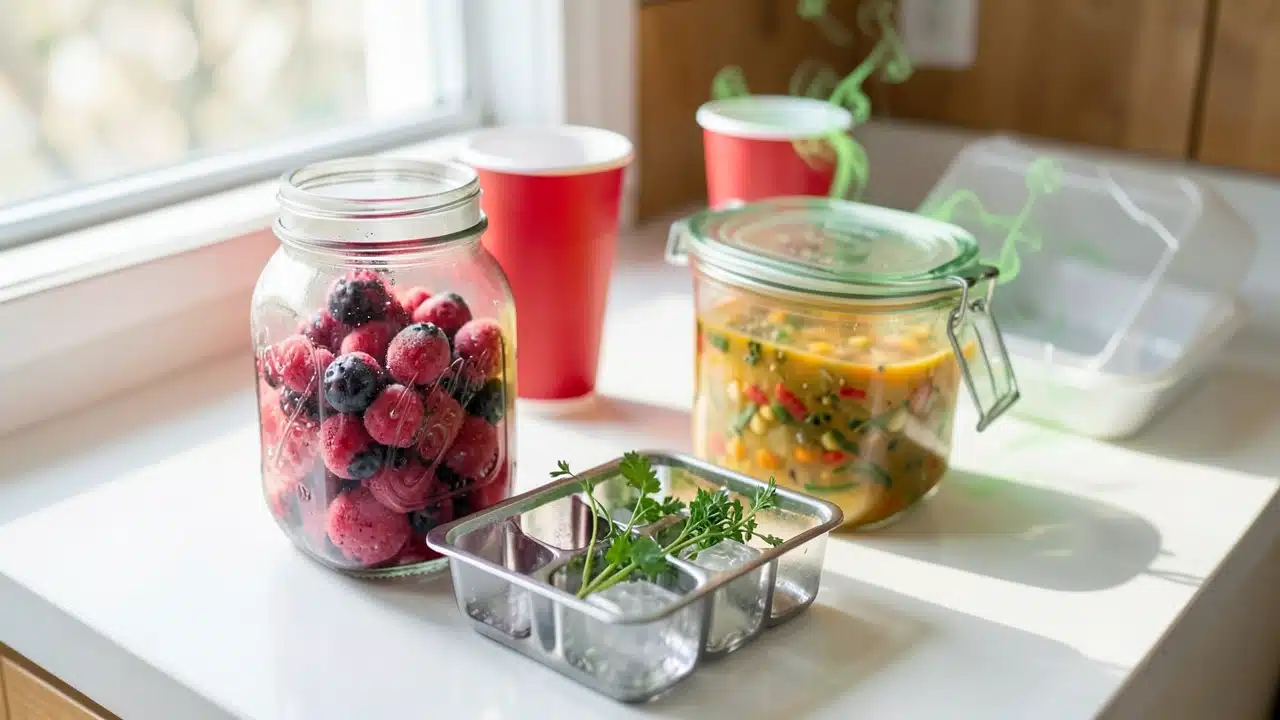
Tips for Safe Freezing and Avoiding Plastic Issues
Beyond choosing the right containers, there are several practices that can help ensure your food stays safe and your freezer experience is hassle-free. These tips focus on minimizing risks associated with freezing and plastic use.
Paying attention to these details can make a significant difference in the quality and safety of your frozen food.
Cool Food Before Freezing: Always let hot food cool down to room temperature before placing it in a plastic container and then into the freezer. Putting hot food directly into plastic can cause it to warp or potentially increase the rate of chemical transfer. This also helps your freezer run more efficiently.
Don’t Reuse Single-Use Plastics for Freezing: Those thin plastic containers that come with takeout or pre-made meals are typically designed for one-time use.
They may not be sturdy enough for freezing and could leach chemicals. Stick to reusable, freezer-safe containers for long-term storage.
Label Everything Clearly: Use a permanent marker to write the contents and date on your freezer containers.
This helps you keep track of what you have and ensures you use older items first. It also prevents you from having to open multiple containers to identify what’s inside.
Avoid Overfilling: Foods expand when they freeze. Leave a little headspace in your plastic containers to prevent them from cracking or bursting. This is especially important for liquids like soups or sauces.
A general rule is to leave about an inch of space.
Inspect Containers Regularly: Before using any plastic container for freezing, check it for cracks, deep scratches, or discoloration. Damaged plastic is more likely to leach chemicals and may not seal properly, leading to freezer burn. Discard any containers that show signs of wear and tear.
Wash Containers Properly: Wash your reusable plastic containers thoroughly with hot, soapy water after each use.
Ensure they are completely dry before storing them or refilling them for freezing. This helps prevent the buildup of bacteria and odors.
Frequently Asked Questions Of What Freezer Safe Means And Which Frozen Plastics Still Leach
Question: What is the safest type of plastic for freezing food?
Answer: The safest types of plastic for freezing food are generally Polypropylene (PP, #5) and High-Density Polyethylene (HDPE, #2).
Question: Can I freeze food in any plastic container?
Answer: No, you should not freeze food in any plastic container. Avoid plastics labeled with numbers 3 (PVC), 6 (PS), and 7 (Other) unless specifically stated as safe for freezing and free from harmful chemicals like BPA.
Question: Does freezing food in plastic cause chemical leaching?
Answer: While heat is a bigger accelerator, cold temperatures over long periods can still contribute to chemical leaching from certain plastics. Understanding What Freezer Safe Means and Which Frozen Plastics Still Leach is key to minimizing this risk.
Question: What are the main chemicals to worry about leaching from frozen plastics?
Answer: The main chemicals of concern are BPA (Bisphenol A) and phthalates. These can potentially transfer from unsuitable plastics into your food, especially with prolonged contact.
Question: Are reusable plastic containers better for freezing than single-use ones?
Answer: Yes, reusable plastic containers made from food-grade materials like PP (#5) or HDPE (#2) are generally better for freezing than single-use plastics, which are not designed for repeated use or extreme temperatures.
Question: What are good alternatives to plastic for freezing food?
Answer: Excellent alternatives to plastic for freezing include glass containers with secure lids and stainless steel containers. These materials are inert and do not leach chemicals into food.
Final Thoughts
Choosing the right containers for your freezer is about more than just preventing spills. By understanding What Freezer Safe Means and Which Frozen Plastics Still Leach, you can protect your family’s health.
Opt for plastics marked with numbers 2 or 5, and always look for “freezer safe” labels, while considering glass or stainless steel for extra peace of mind. Many consumers look for BPA-free labels to avoid potential endocrine disruptors in their food containers.